
The Sarvato Jaipur Restaurant brings creative Rajasthani cooking onto a panoramic terrace at City Palace, placing the meal inside Jaipur’s royal-city context rather than treating it as décor. Chef Sonu Kumar Singh’s brief is local produce and traditional technique, which makes the address useful for travellers who want palace setting and regional cooking in the same sitting.
Pearl is the En Primeur Club membership app — saves, bookings, and concierge access live there. Same editors, same standards.
- Address
- City Palace, Gate No.1, Gangori Bazaar, J.D.A. Market
- Phone
- 91 89055 51192
- Directions
- Get directions
 Saves & bookings on Pearl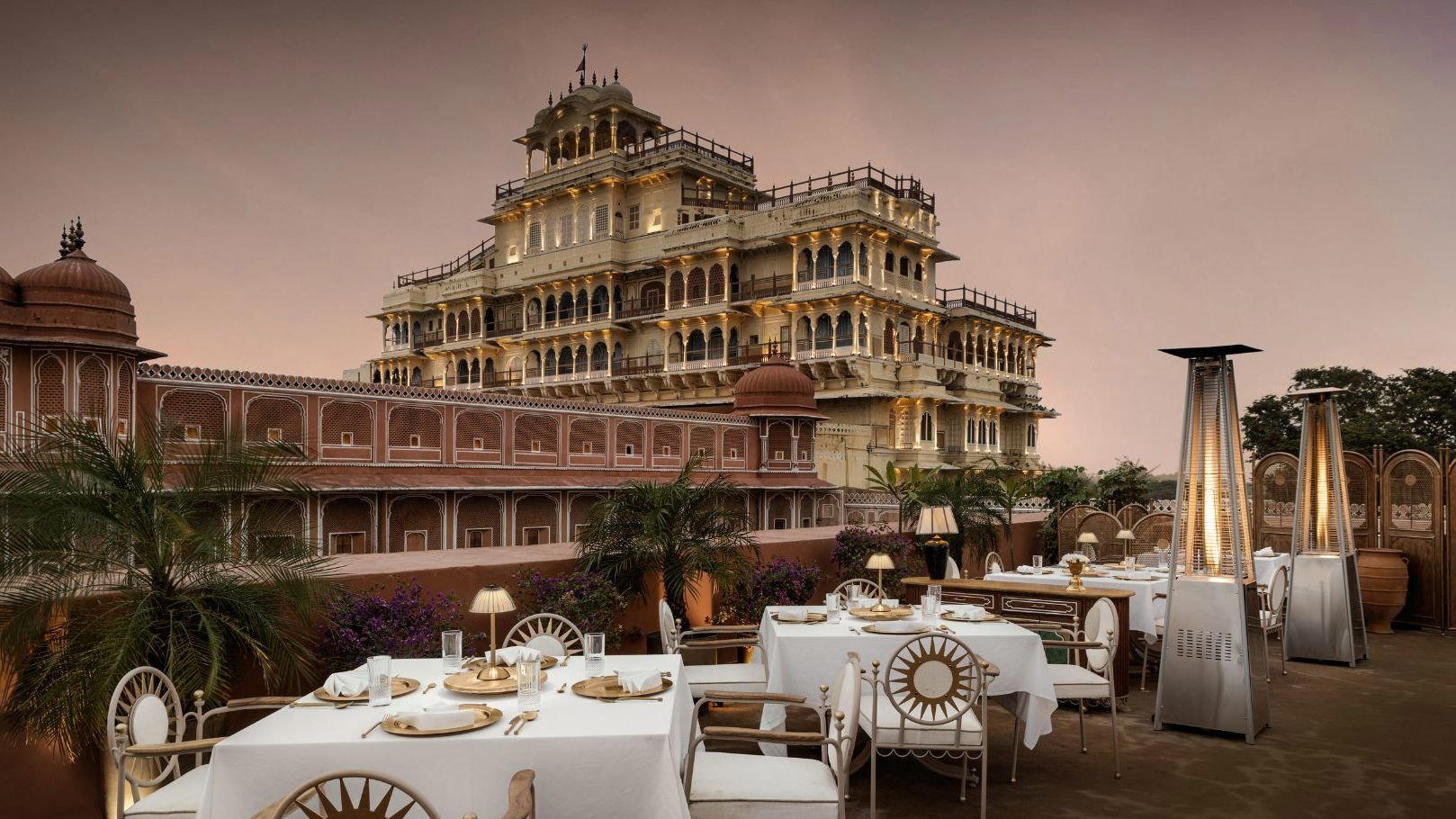
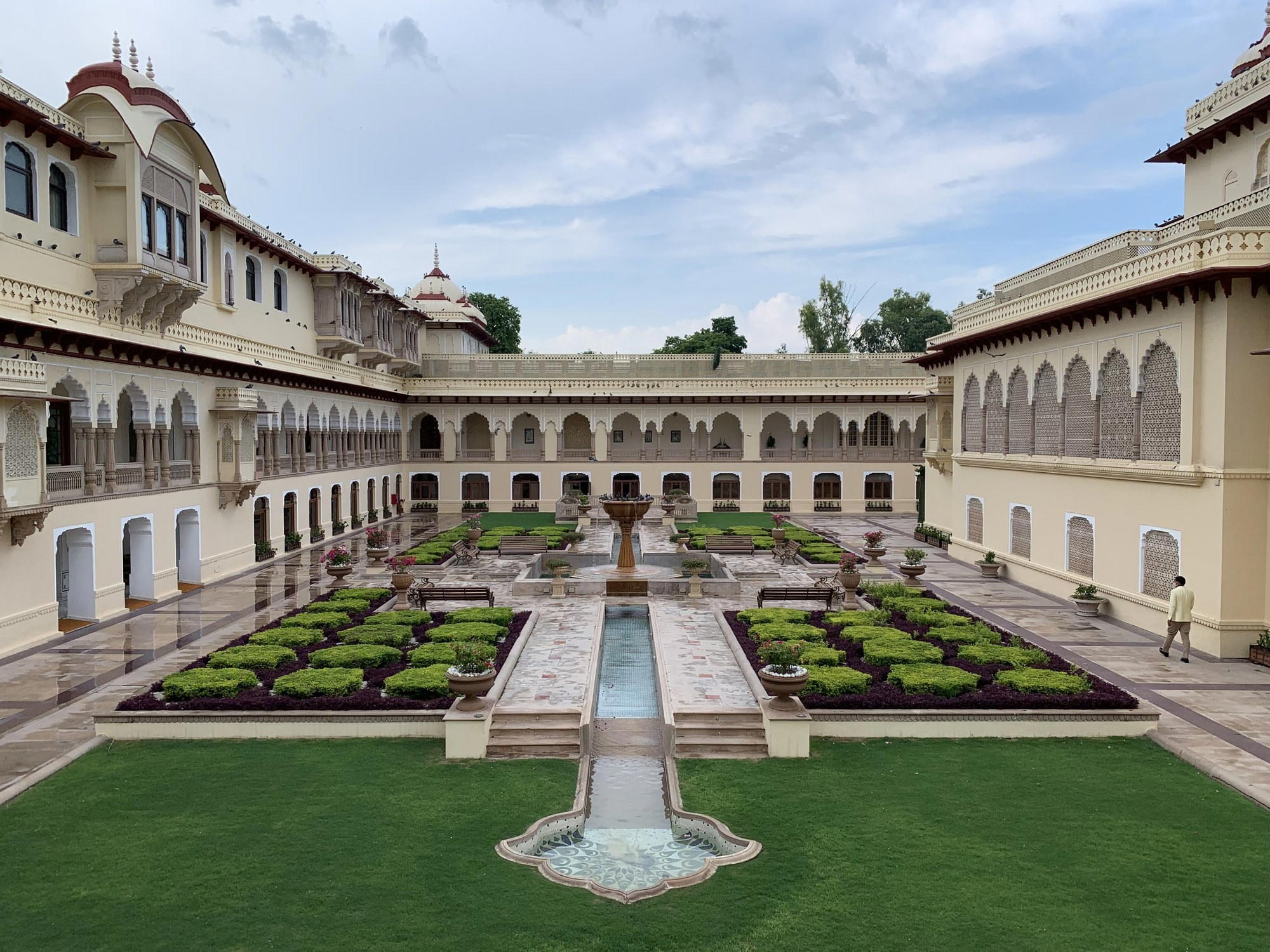
Approaching City Palace from Gangori Bazaar, Jaipur’s dining context changes before the menu appears: stone gateways, market movement, and the geometry of the old royal precinct replace the hotel-lobby rhythm that defines much of the city’s premium restaurant scene. On a panoramic terrace, the appeal is not abstraction. The Pink City is part of the meal’s frame, and that matters in a capital where architecture, craft, and food have long been tied to courtly display.
The Sarvato Jaipur Restaurant sits in that intersection between heritage setting and contemporary kitchen language. Jaipur has many rooms that trade on palace atmosphere, but the stronger version of the genre does not stop at view and upholstery. It has to make a case for Rajasthani cooking as living technique: grain, dairy, spice, preservation, and local produce handled with discipline rather than nostalgia. Chef Sonu Kumar Singh’s role is relevant here because the kitchen is explicitly described around local ingredients and traditional culinary methods, not a generic pan-Indian luxury menu.
A palace terrace where Rajasthani technique carries the argument
Rajasthani cooking is often flattened for visitors into a narrow shorthand of royal thalis, heavy gravies, and desert romance. The sharper reading is more practical. The region’s food traditions were shaped by climate, trade routes, royal kitchens, vegetarian communities, and a pantry that values shelf-stable ingredients as much as fresh abundance. In Jaipur, that history becomes especially visible because the city’s built environment keeps reminding diners of patronage, ceremony, and craft.
Creative cooking in this setting has a narrow margin for error. Too much reinvention and the food becomes detached from place; too little and the terrace becomes a backdrop for a museum-style meal. The Sarvato’s stated emphasis on Rajasthani subtleties gives the kitchen a clearer lane: use the palace context as an amplifier, then let local produce and technique define the plate. That is a more credible proposition than the usual luxury-restaurant language of global ingredients and imported gestures.
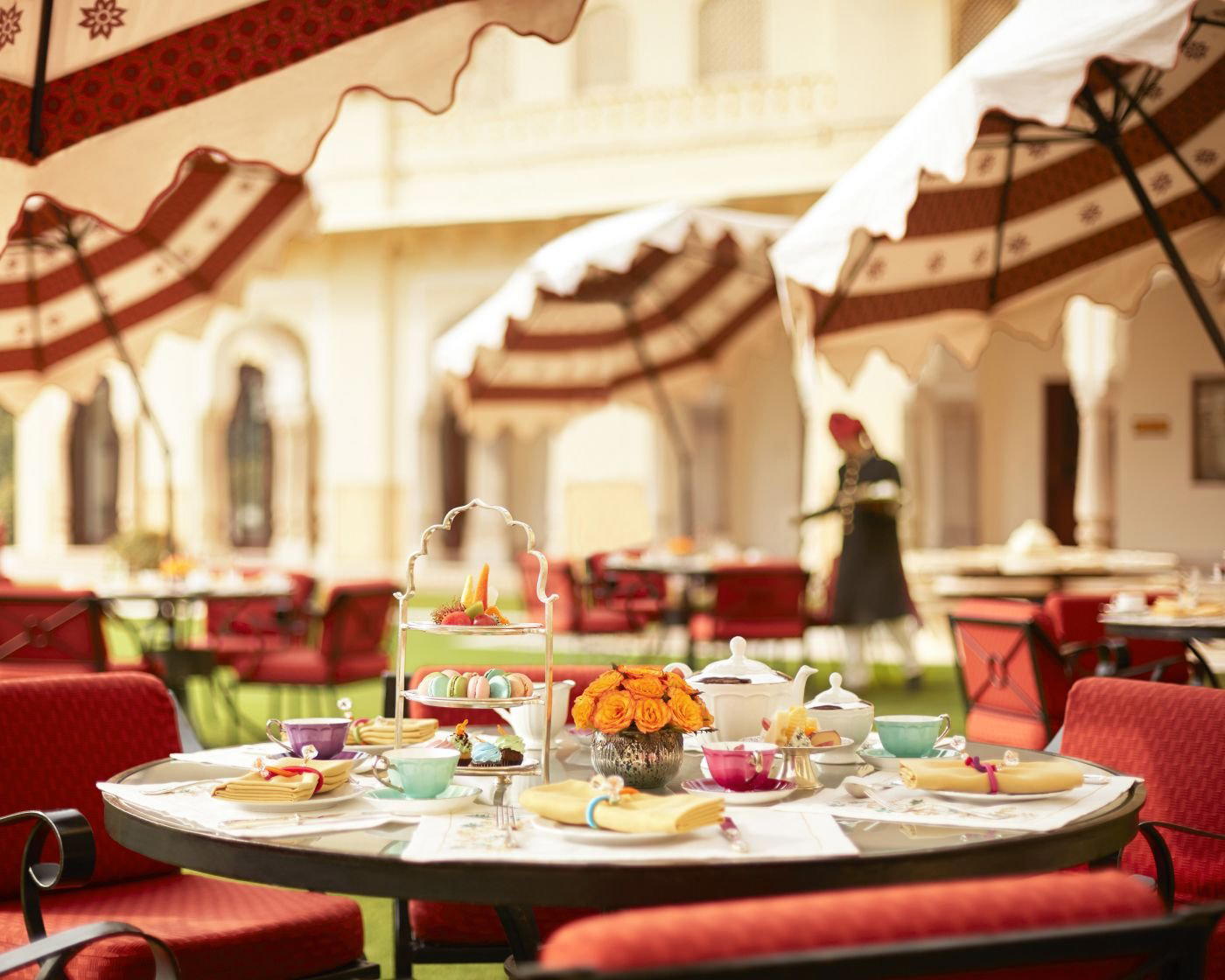
The terrace also changes how the meal reads. Jaipur’s premium dining rooms often separate the city from the table, sealing guests inside air-conditioned interiors where the place is almost anywhere. A panoramic terrace in the City Palace precinct does the opposite. It puts the Pink City in view and makes the restaurant part of a longer civic performance: markets nearby, palace architecture at hand, and a dining culture that has always understood spectacle but does not need to shout.
Chef Sonu Kumar Singh and the modern Rajasthani brief
The useful way to read Chef Sonu Kumar Singh’s presence is not as a biography, but as a signal of kitchen direction. Jaipur does not lack restaurants that serve regional dishes; the question is whether a kitchen can translate tradition into a composed restaurant format without sanding off its identity. A chef-led creative cooking format gives that translation more room, provided technique remains anchored in Rajasthan rather than drifting into placeless tasting-menu grammar.
That distinction matters for travellers choosing a serious Jaipur meal. The city can reward two different appetites: one for historic ambience, another for regional specificity. The Sarvato’s strongest case is that it brings those impulses together. Its City Palace address supplies the ceremonial frame, while the kitchen’s stated use of local produce and traditional methods supplies the culinary claim. The balance is the point; this is not simply dinner with a view, and it is not a regional restaurant pretending the room is irrelevant.
For readers mapping a wider Jaipur stay, the distinction helps. Some meals in the city are about royal architecture, some about contemporary retail-and-café culture, and some about hotel dining as a controlled refuge from the old city’s density. EP Club’s broader Jaipur coverage can help sort those strands: start with Our full Jaipur restaurants guide, then use Our full Jaipur hotels guide, Our full Jaipur bars guide, Our full Jaipur wineries guide, and Our full Jaipur experiences guide to place the meal inside a larger itinerary.
How to place it within a Jaipur dining day
The City Palace location makes the restaurant especially relevant on a day built around the old city rather than a stand-alone dinner transfer. Jaipur rewards tight geography: palace visits, bazaar time, textile shopping, and a terrace meal all sit more naturally together than a cross-city sequence of isolated reservations. The practical decision is less about chasing a single trophy table and more about matching the meal to the day’s rhythm.
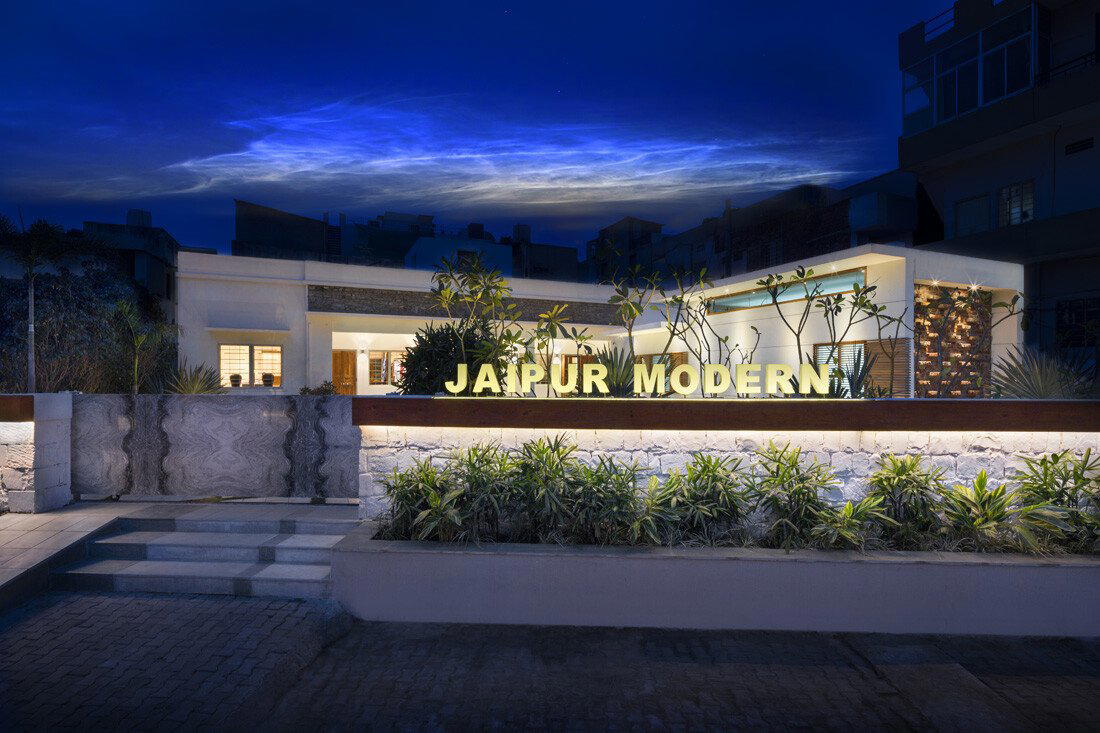
Within Jaipur, EP Club readers often cross-reference heritage-led dining with more contemporary or hotel-based addresses. For that wider context, see 1135 AD, 51 Shades of Pink, Aravalli Dining Room, Arkaa, and Jaipur Modern - Store & Kitchen. These are useful reference points for understanding how the city divides between palace atmosphere, design-conscious dining, and regional cooking formats, without treating every address as interchangeable.
For travellers building a broader India food itinerary, the Jaipur stop also sits within a much larger national conversation about regional restaurants and creative cooking. EP Club’s India coverage includes 360° in New Delhi, 5868 Restaurant in Gandhinagar, 6 Ballygunge Place in Kolkata, ಸà³à²µà³à²¨à³à²¤à³ ಹà³à²µà³à²¨à³ ಹà³à²µà³à²¨à³ à²à³à²à³ ಠà²à²à²¡à²¿ in Chitradurga, Aaharam in Thanjavur, and Aaleeshan in Bengaluru. The creative-cooking category extends beyond India as well, from A-Bay Beach Bar, Creative cooking in Stari Grad to Ars Vivendi, Creative cooking in Bad Laasphe, but Jaipur’s version is strongest when it keeps Rajasthan at the centre.
The editorial verdict is simple: choose The Sarvato Jaipur Restaurant when the setting is not an accessory but part of the reason for dining. The City Palace terrace gives the meal civic weight, while the kitchen’s Rajasthani brief gives it culinary focus. In a city where palace atmosphere can easily outrun the cooking, that combination is the detail to watch.
Comparable venues nearby, for context on price, style, and recognition.
| Venue | Cuisine | Price | Notes |
|---|---|---|---|
| The Sarvato Jaipur RestaurantThis venue — the venue you are viewing | Modern Rajasthani Tasting Menu | $$$$ | Not listed |
| Verandah Cafe | Multi-Cuisine Café | $$$ | Ashok Nagar |
| Jaipur Modern - Store & Kitchen | Modern Mediterranean & Healthy | $$ | C Scheme |
| Peshawri | North-West Frontier Tandoori | $$$$ | Gopalbari |
| Suvarna Mahal | Royal Indian Fine Dining | $$$$ | Bhawani Singh Road |
| 1135 AD | Royal Rajput Fine Dining | $$$$ | Amer |
Recognition history
Dated appearances from independent guides and award organizations, with the underlying list record or original source where available.
Relais Chateaux Award
Relais Chateaux
At a Glance
- Romantic
- Elegant
- Sophisticated
- Intimate
- Scenic
- Ornate
- Date Night
- Special Occasion
- Celebration
- Business Dinner
- Group Dining
- Rooftop
- Historic Building
- Design Destination
- Terrace
- Craft Cocktails
- Extensive Wine List
- Sommelier Led
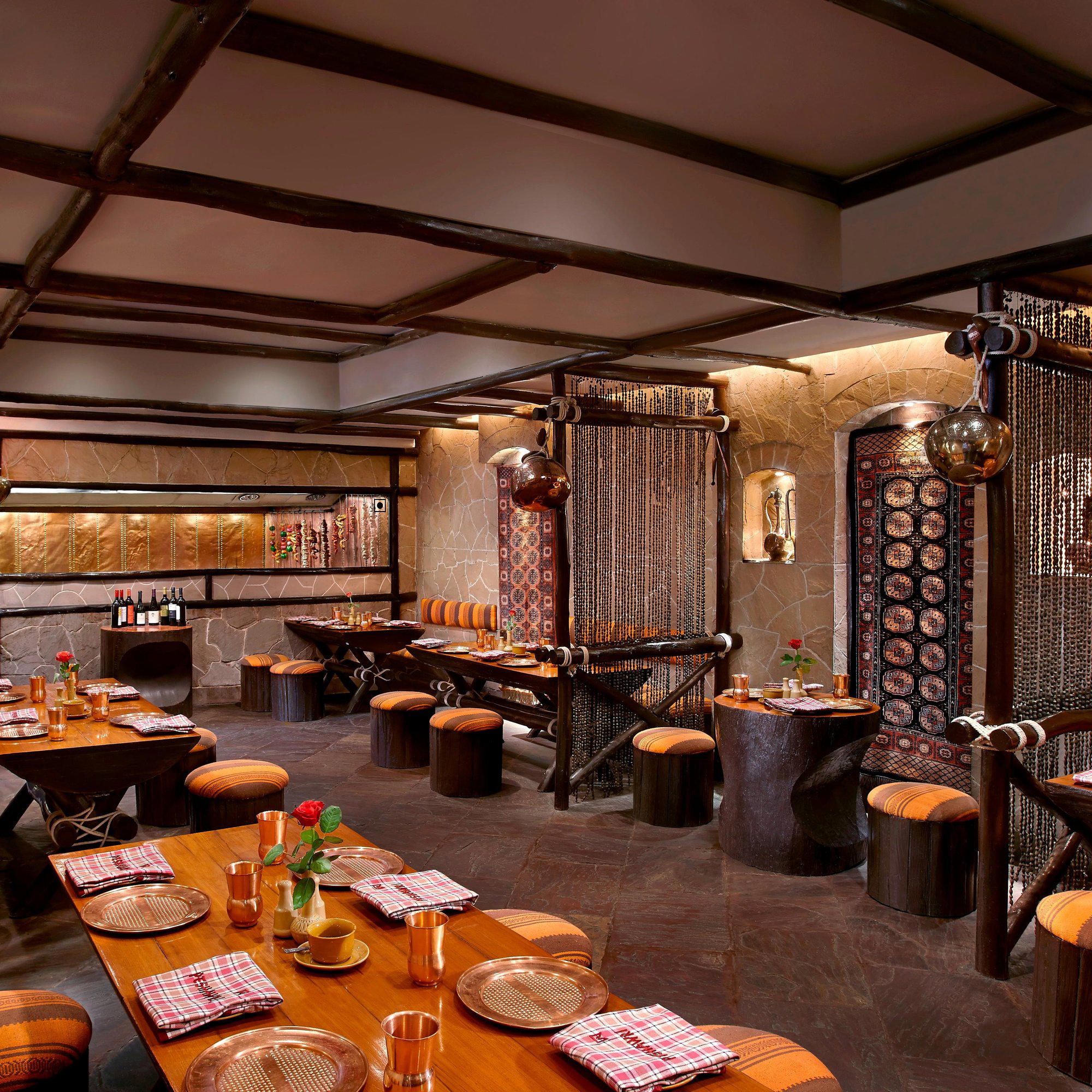
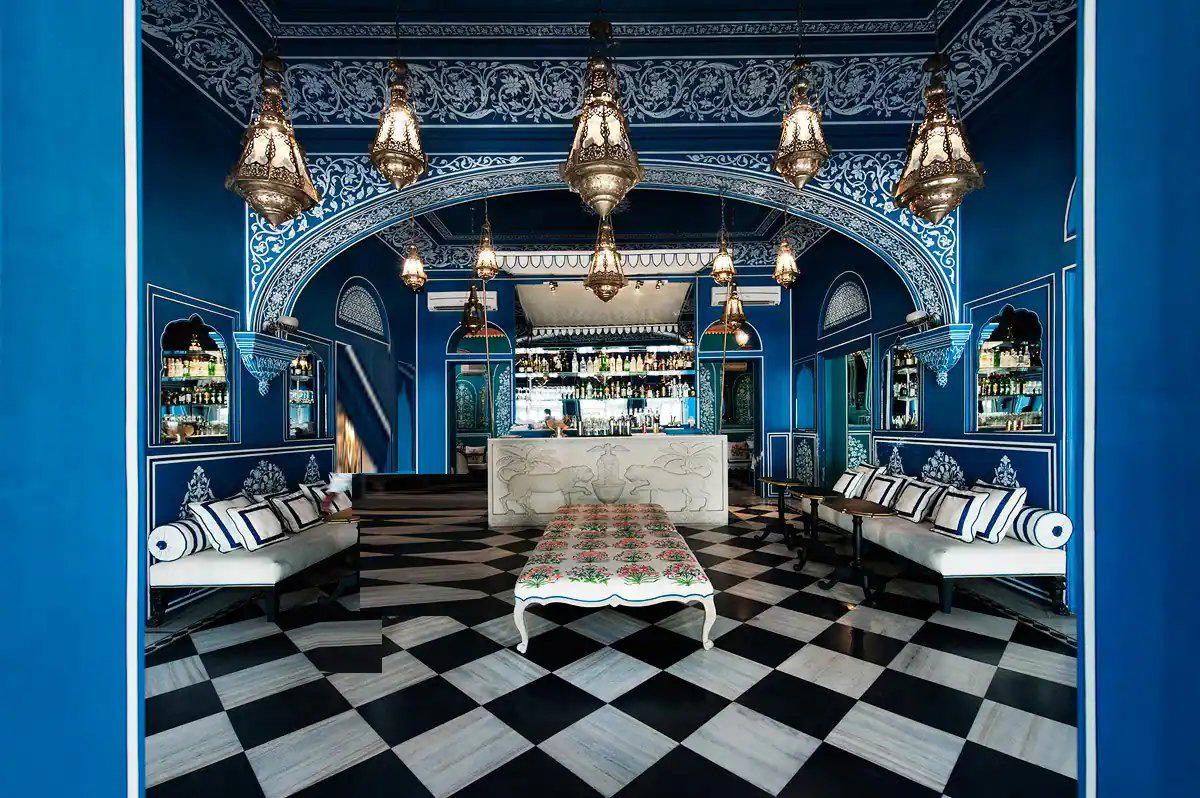
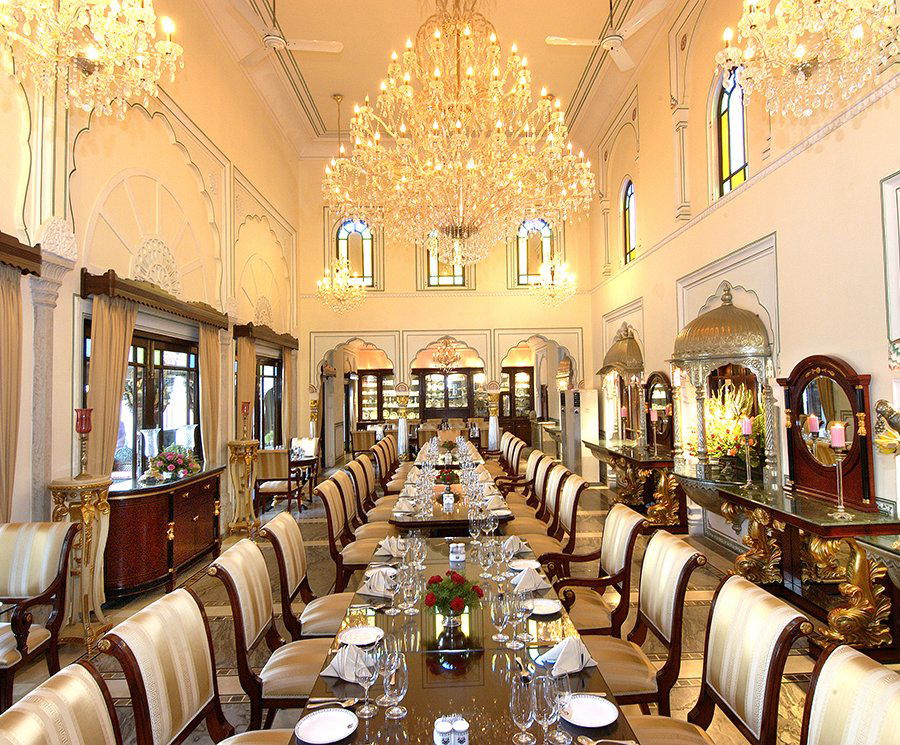
Fine-dining yet intimate, with a regal, palace-inspired setting and outdoor-only seating; the atmosphere is leisurely, refined, and romantic, designed for long multi-course dinners and crafted cocktails that evoke royal Jaipur.