The Refinery
On Hai Bà Trưng in District 1, The Refinery occupies one of Ho Chi Minh City's most recognisable colonial-era spaces, a former opium refinery whose industrial bones have been preserved and repurposed into a bar and dining room. The address places it inside Bến Nghé's most historically layered block, where French-era facades line up against a modern dining scene that has grown considerably more competitive in the past decade.
Pearl is the En Primeur Club membership app — saves, bookings, and concierge access live there. Same editors, same standards.
- Address
- 74 Hai Bà Trưng, Bến Nghé, Quận 1, Thành phố Hồ Chí Minh, Vietnam
- Phone
- +842838230509
- Website
- therefinerysaigon.com
- Directions
- Get directions
 Saves & bookings on Pearl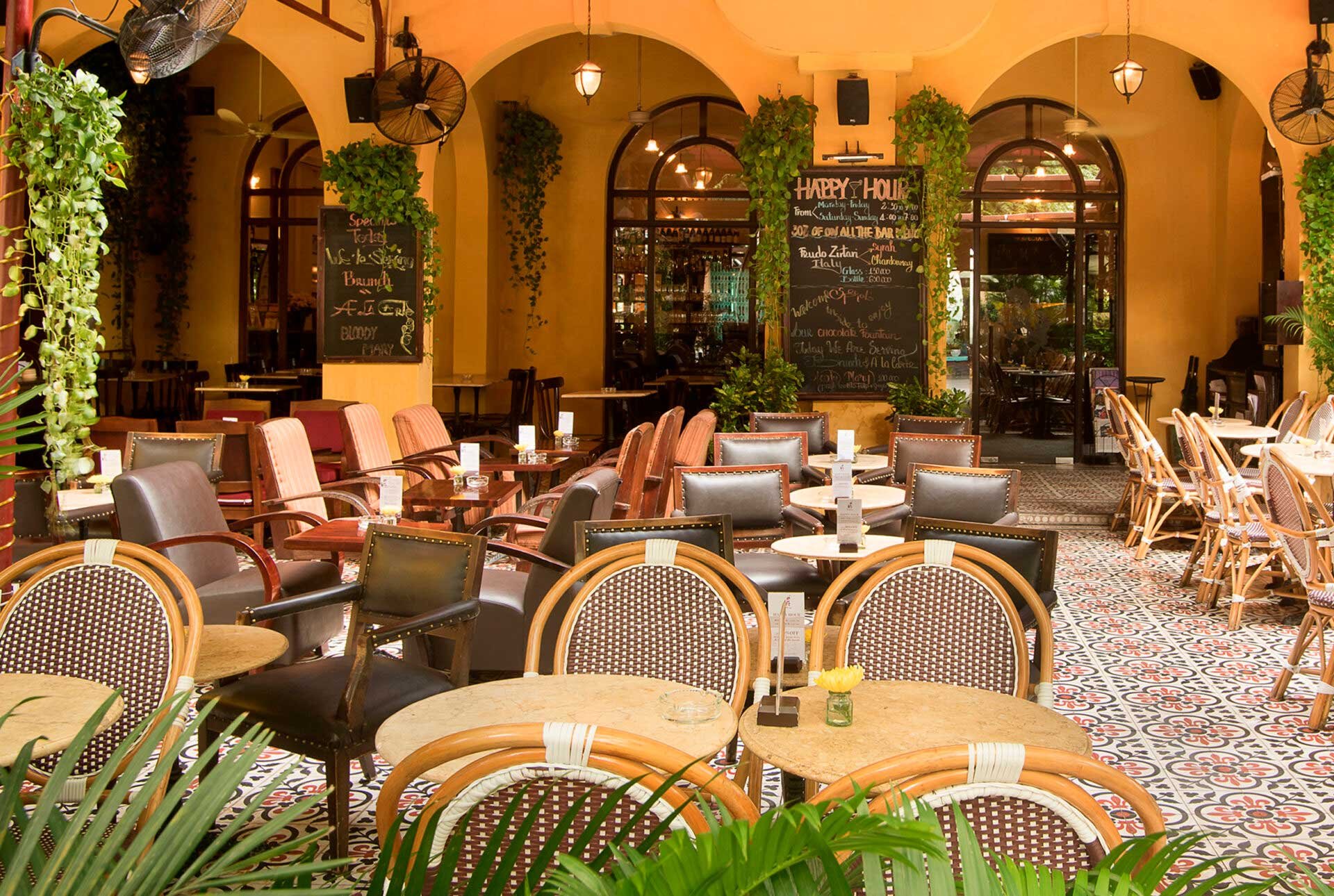
A Colonial Shell in the Middle of District 1's Most Competitive Block
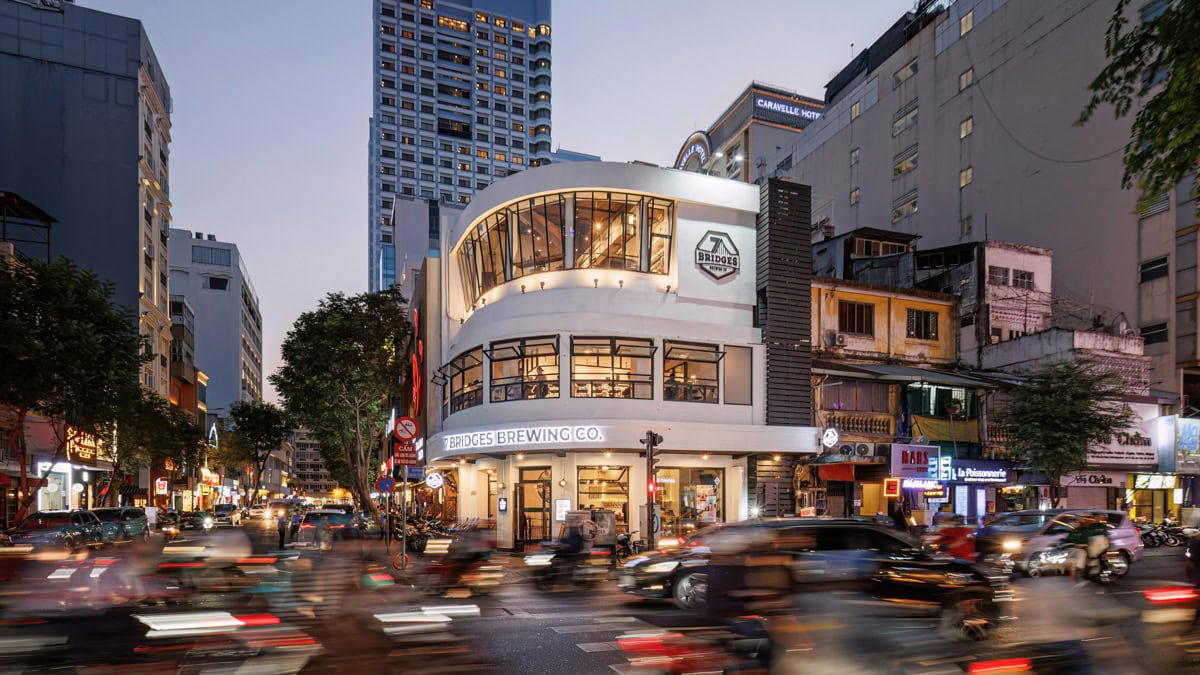
Hai Bà Trưng is one of those streets in Ho Chi Minh City that resists easy categorisation. It runs through the commercial heart of District 1, past colonial-era buildings that have variously served as government offices, private residences, and in at least one notable case, an industrial facility that processed opium during French rule. The Refinery sits at number 74, in what was once that facility. The building's past is not incidental to the experience: the exposed ironwork and the high ceilings are the architectural premise from which everything else follows.
This approach to adaptive reuse has become something of a pattern in Saigon's premium dining and bar scene. Across District 1 and into the fringes of District 3, a number of operators have taken French-era or early twentieth-century structures and reoriented them around hospitality, using the physical character of the building as the primary draw. The Refinery belongs to that cohort. The original structure does a significant amount of editorial work: the name itself refers to the building's history, and the interior design choices, appear oriented around preserving rather than concealing the industrial character of the space.
What the Space Communicates Before You Order Anything
In cities where dining rooms are frequently designed around a clean-slate aesthetic, there is a particular kind of authority that comes from a building with genuine provenance. The Refinery's location on Hai Bà Trưng, in the Bến Nghé ward, places it at the intersection of the city's French Quarter history and its current identity as a centre for upmarket dining and international visitors. The neighbourhood carries a density of options that makes positioning important: within walking distance, operators are running everything from accessible street food formats to multi-course tasting menus.
District 1's dining scene has split, over the past several years, into a number of distinct tiers. At the accessible end, places like Anan Saigon have built reputations around Vietnamese street food refined through technique, operating at a price point that keeps them broadly accessible. Further up, venues like Akuna and CieL run innovative menus at the upper end of the city's pricing structure. Coco Dining and Long Trieu occupy their own distinct positions within that competitive set. Its address and building type suggest it is positioned for an audience that is as interested in the physical experience of the space as in the food and drink program itself.
The Bar as Anchor, the Dining Room as Extension
Across Southeast Asia's major cities, the hybrid bar-dining format has proven durable in heritage buildings. The logic is direct: a strong bar program generates revenue across longer hours and draws guests who may not commit to a full meal, while the dining component allows the operator to build a more complete hospitality identity. Properties that occupy heritage structures tend to lean into this model because the physical space, with its volume and character, suits communal drinking as much as seated dining.
Ho Chi Minh City has seen this pattern across a number of successful venues, where the bar anchors the identity and the kitchen extends it. The building's industrial character and its positioning on one of District 1's main thoroughfares suggest an operation designed for multiple occasions rather than a single format. For guests arriving from outside the city, the Hai Bà Trưng address is practical: it sits within reach of the main hotel corridor in District 1, and the surrounding area is walkable to a concentration of other dining options, making it a logical first or last stop in an evening's itinerary.
Vietnam's dining scene, taken as a whole, has developed considerably in range and ambition. In Hanoi, venues like Gia have built national and international recognition around modern Vietnamese cuisine. In Da Nang, La Maison 1888 represents a different register of French-Vietnamese hospitality. Ho Chi Minh City operates at a different pace and scale, with a more pluralistic dining culture that absorbs international influences more readily and turns over trends faster. A venue built around a heritage building and an industrial identity is, in that context, making a bet on durability over novelty.
Placing The Refinery in the Wider Ho Chi Minh City Picture
For travellers building a dining itinerary around District 1, the structural question is usually about variety and sequence. The neighbourhood offers everything from the single-dish mastery of street-level vendors to the kind of multi-hour dining experiences that require advance planning. A venue in a heritage building, with a bar program and a dining room, tends to function well as an opening act, somewhere to arrive before the city's more specialist restaurants fill up, or as a late evening option after dinner elsewhere.
The broader Vietnam dining circuit rewards itinerary planning. Across the country, from the coastal seafood of places like Bien 14 in Ha Long to the heritage cuisine of White Rose in Hoi An, regional specificity matters. Ho Chi Minh City's contribution to that picture is a dining scene that is simultaneously the internationally influenced and the commercially dynamic in the country. Venues operating in heritage buildings carry additional responsibility in that context: they are making a claim about the city's history as well as its present hospitality offer. The Ho Chi Minh City restaurants guide maps that offer in more detail, across price points and neighbourhoods.
For reference points beyond Vietnam, the model of heritage-building hospitality has produced durable venues in international dining. In New York, where Le Bernardin and Atomix represent the upper tier of a competitive market, the physical container of a restaurant is rarely the primary draw. In Ho Chi Minh City, it sometimes is, and buildings with genuine industrial history are scarce enough that their conversion into hospitality spaces carries weight.
Planning Your Visit
The restaurant is located at 74 Hai Bà Trưng, in the Bến Nghé ward of District 1, Ho Chi Minh City, a central address that is walkable from the main hotel cluster around Đồng Khởi and reachable by ride-hailing apps in under ten minutes from most parts of the district. The restaurant is recommended for reservations and is open daily from 11 AM to 11 PM.
Where It Fits
Comparable venues nearby, for context on price, style, and recognition.
| Venue | Cuisine | Price | Awards | Notes |
|---|---|---|---|---|
| The RefineryThis venue — the venue you are viewing | Classic French Bistro | $$$ | Not listed | Not listed |
| Le Corto | Modern French Bistro | $$$ | Not listed | Quan 1 |
| Square One | Modern French-Vietnamese Fusion | $$$ | Michelin Plate | Quan 1 |
| Dahi Handi Indian Restaurant | Authentic North Indian | $$ | Not listed | Quan 1 |
| Pizza 4P's Ben Thanh | Japanese-Italian Fusion Pizza | $$ | Not listed | Quan 1 |
| Hum Signature - Plant-based fine dining | Plant-based Vietnamese Fine Dining | $$$$ | Not listed | Quan 3 |
Continue exploring
More in Ho Chi Minh City
Restaurants in Ho Chi Minh City
Browse all →
Bars in Ho Chi Minh City
Browse all →
At a Glance
- Romantic
- Classic
- Elegant
- Intimate
- Sophisticated
- Date Night
- Business Dinner
- Celebration
- Special Occasion
- Brunch
- Historic Building
- Terrace
- Courtyard
- Standalone
- Extensive Wine List
- Sommelier Led
Current opening hours
- Monday
- 11 AM–11 PM
- Tuesday
- 11 AM–11 PM
- Wednesday
- 11 AM–11 PM
- Thursday
- 11 AM–11 PM
- Friday
- 11 AM–11 PM
- Saturday
- 11 AM–11 PM
- Sunday
- 11 AM–11 PM
Hours can change for holidays and private events. Last verified .
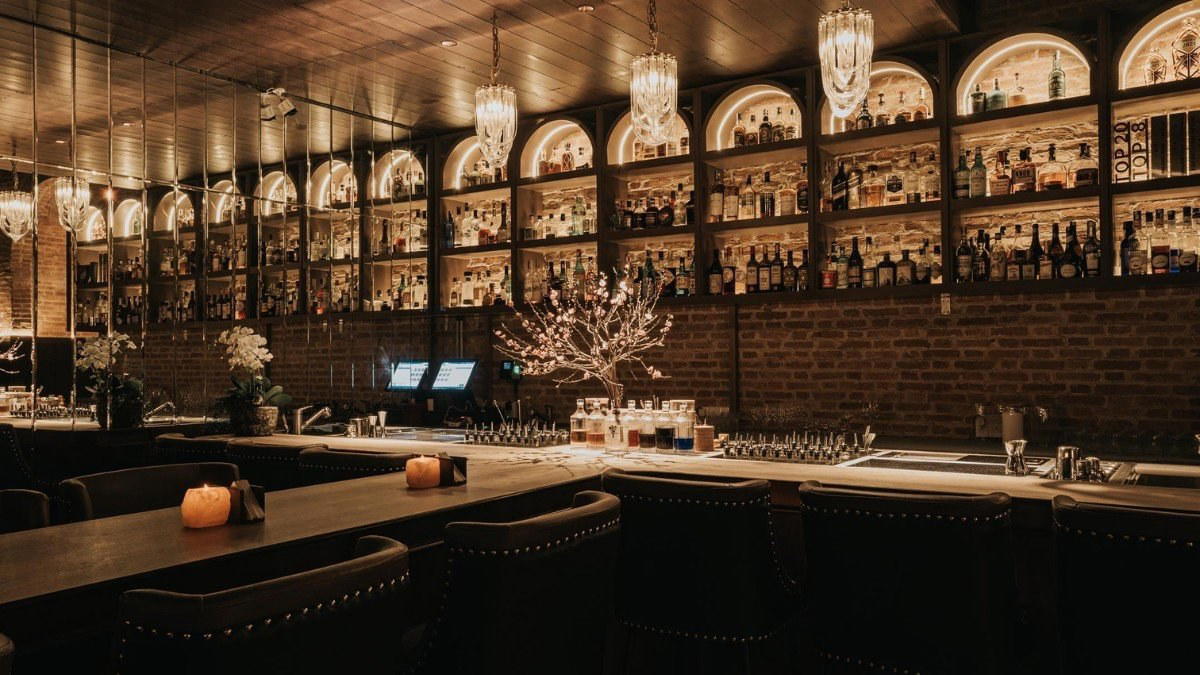
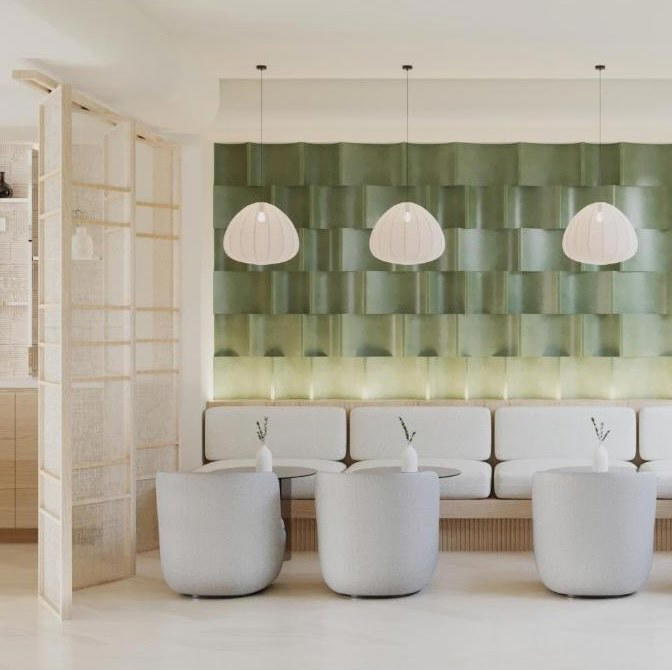
Refined and timeless with original architectural features, warm lighting, and a secluded courtyard setting that evokes classic Parisian elegance.