Hum Signature - Plant-based fine dining
In a city where street stalls and pho shops define the culinary baseline, Hum Signature on Võ Văn Tần occupies a different register entirely: plant-based fine dining in a Vietnamese context, where the source of each ingredient carries as much weight as its preparation. District 3's quieter residential corridors make it a considered destination rather than a passing stop, and that deliberateness extends to the plate.
Pearl is the En Primeur Club membership app — saves, bookings, and concierge access live there. Same editors, same standards.
- Address
- 32 Võ Văn Tần, Phường 6, Quận 3, Thành phố Hồ Chí Minh 70000, Vietnam
- Phone
- +84 898 868 229
- Website
- hum-dining.vn
- Directions
- Get directions
 Saves & bookings on Pearl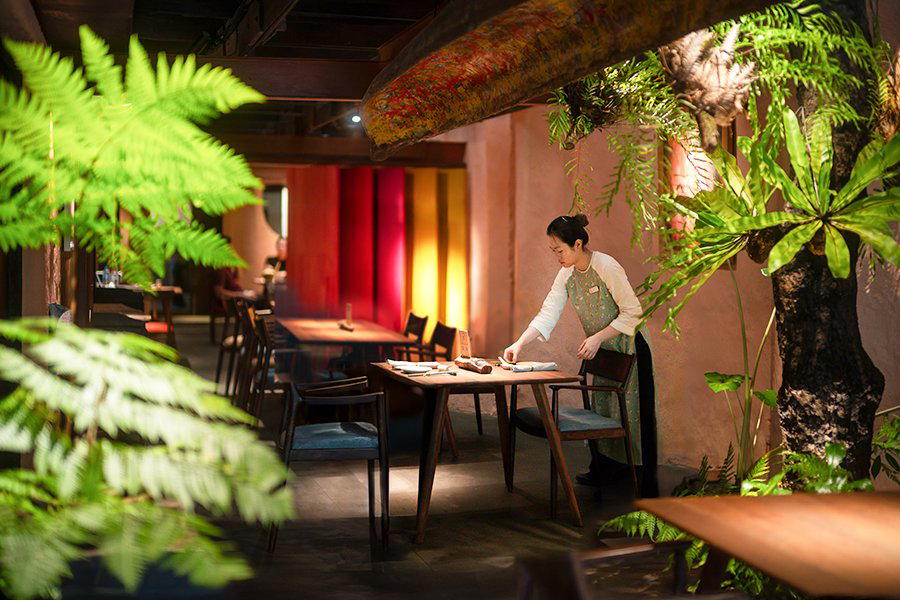
Where the Ingredient Is the Argument
District 3 in Ho Chi Minh City sits at an interesting remove from the high-decibel restaurant corridors of Districts 1 and 2. The streets around Võ Văn Tần carry a lower ambient energy, a mix of older residential buildings and boutique commercial addresses that gives the neighbourhood a pace suited to longer, more attentive meals.
Vietnam has one of Southeast Asia's most ingredient-rich growing environments. The country's north-to-south topographic variation produces an unusual diversity of produce: highland vegetables from Đà Lạt's cool plateau, tropical fruits from the Mekong Delta, fresh herbs from the Red River lowlands. In Vietnamese street cooking, these ingredients serve as supporting elements around protein. At the fine dining tier, a kitchen that inverts this logic, where the vegetable, the grain, or the ferment becomes the central argument on the plate, is doing something that requires both sourcing discipline and culinary confidence.
Hum Signature sits within Ho Chi Minh City's restaurant scene as a plant-based fine dining address focused on sourcing provenance and technique.
Plant-Based Cooking in a Meat-Dominant Tradition
Vietnam has a Buddhist vegetarian cooking tradition that is centuries old, but it has historically operated in temple kitchens and family homes rather than in fine dining rooms. The formal restaurant tier in Ho Chi Minh City has long been dominated by dishes in which pork, seafood, and poultry set the structural logic of the menu. To build a fine dining format around plant-based cooking in this environment is not simply a dietary decision; it is a repositioning of what counts as the main event.
This matters for sourcing. When a plant-based kitchen operates at the fine dining level, it cannot rely on protein as the anchor that holds a dish's flavor and textural identity together. Instead, the kitchen must extract depth from fermentation, from long-cooked stocks built on mushrooms and root vegetables, from the careful matching of acidic elements with fat sources like coconut, sesame, or nut-based preparations. The agricultural provenance of what arrives in the kitchen becomes far more visible, because there is nothing else to hide behind. A substandard tomato, an out-of-season herb, a poorly sourced grain shows immediately in a plant-forward plate in a way it might not in a dish where a well-seared protein carries the sensory weight.
Vietnam's Đà Lạt region, at roughly 1,500 metres elevation in the Central Highlands, supplies a significant share of the country's temperate-climate vegetables: strawberries, artichokes, coffee, and a range of European-style brassicas and root vegetables that don't thrive at lower altitudes. Fine dining kitchens in Ho Chi Minh City that take ingredient sourcing seriously tend to draw from this supply chain, alongside coastal suppliers for seaweeds and freshwater producers for specific aquatic plants. For a plant-based kitchen, the relationship with these supply networks is not supplementary; it defines the menu's ceiling.
The Fine Dining Tier in Ho Chi Minh City: What It Means at This Price Point
Ho Chi Minh City's fine dining market has expanded and stratified considerably over the past decade. The upper tier now includes venues with international recognition and tasting menus priced comparably to mid-range fine dining in Paris or Sydney. Within that tier, plant-based fine dining occupies a specific and still-developing niche: restaurants where the absence of meat is not a constraint but a deliberate editorial position, and where the price point reflects sourcing rigour and kitchen labour rather than premium protein costs.
For context, Vietnam's broader restaurant scene rewards specificity and regional depth. Gia in Hanoi has built recognition around the precise sourcing of northern Vietnamese ingredients, while La Maison 1888 in Da Nang demonstrates what happens when French technique is applied to Vietnamese produce at the luxury end. At Saffron in Hue City, the emphasis falls on a royal culinary tradition defined by its own form of ingredient hierarchy. Each of these represents a different answer to the question of what Vietnamese fine dining should be. Hum Signature's answer foregrounds the plant kingdom and, by extension, the agricultural landscape from which that kingdom is drawn.
Internationally, the precedent for serious plant-based fine dining is well-established. Restaurants operating at the level of Le Bernardin in New York City or the collaborative tasting format of Lazy Bear in San Francisco demonstrate that the format's ceiling is determined by the depth of conviction and sourcing, not by the presence or absence of any particular protein. Hum Signature's positioning in Ho Chi Minh City belongs to that broader international argument.
Planning Your Visit
Hum Signature is located at 32 Võ Văn Tần in District 3, a manageable distance from the central District 1 hotel corridor by taxi or ride-share. The neighbourhood is walkable but not tourist-dense, which makes the approach feel more considered than the restaurant-row experience further east. Given its positioning as a fine dining address, advance contact to confirm reservations and any dietary preferences is advisable; a restaurant operating at this level of menu specificity benefits from the kitchen knowing who is arriving and when. Visitors exploring Ho Chi Minh City's broader dining scene should consult our full Ho Chi Minh City restaurants guide to map this address against the city's wider range, from the Cantonese precision of Long Trieu to the innovative formats at CieL.
At-a-Glance Comparison
Comparable venues nearby, for context on price, style, and recognition.
| Venue | Cuisine | Price | Awards | Notes |
|---|---|---|---|---|
| Hum Signature - Plant-based fine diningThis venue — the venue you are viewing | Plant-based Vietnamese Fine Dining | $$$$ | Not listed | Not listed |
| Nén Light | Modern Vietnamese Storytelling Tasting Menu | $$$$ | Michelin Plate | Quan 1 |
| Hoi An Sense | Central Vietnamese Fine Dining | $$$ | Michelin Plate | Quan 1 |
| Yakiniku Yazawa Saigon | Japanese Yakiniku with A5 Wagyu Omakase | $$$$ | Not listed | Quan 3 |
| Quince Saigon | Modern Mediterranean Wood-Fire Cuisine | $$$ | Not listed | Quan 1 |
| Sushi Rei | Traditional Edomae Omakase | $$$$ | Not listed | Quan 1 |
Continue exploring
More in Ho Chi Minh City
Restaurants in Ho Chi Minh City
Browse all →
Bars in Ho Chi Minh City
Browse all →
At a Glance
- Elegant
- Cozy
- Sophisticated
- Rustic
- Intimate
- Date Night
- Special Occasion
- Garden
- Local Sourcing
- Garden
Current opening hours
- Monday
- 6–10 PM
- Tuesday
- 6–10 PM
- Wednesday
- 6–10 PM
- Thursday
- 6–10 PM
- Friday
- 6–10 PM
- Saturday
- 6–10 PM
- Sunday
- 6–10 PM
Hours can change for holidays and private events. Last verified .
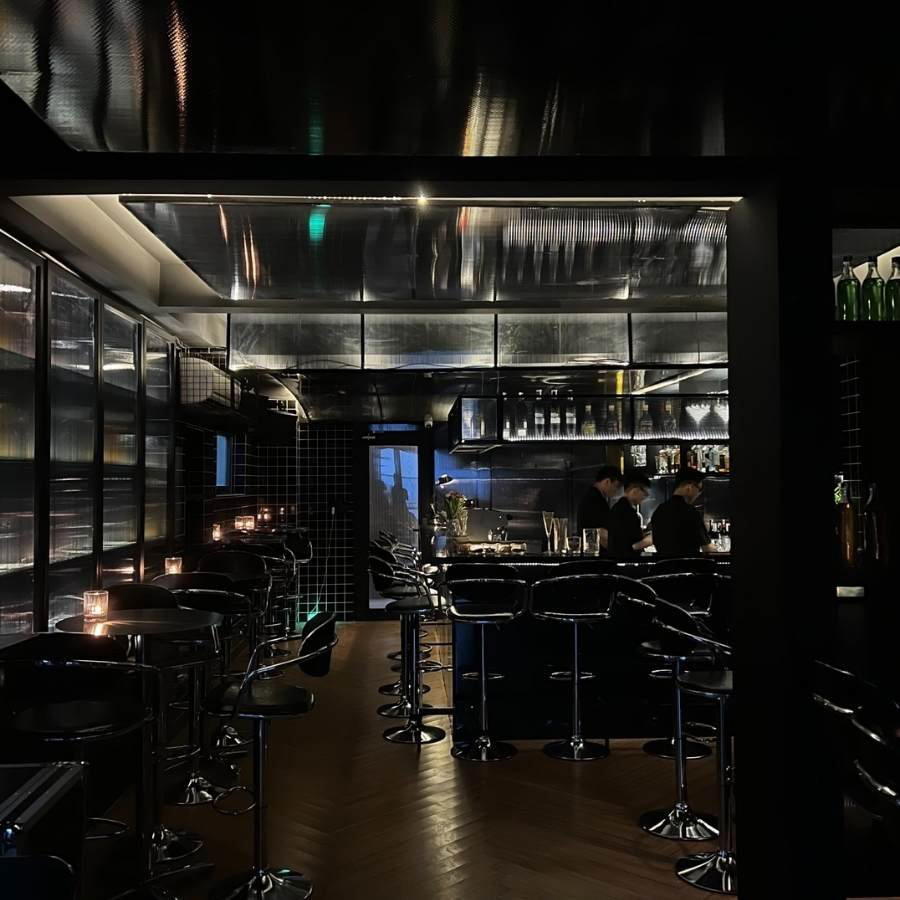
Tranquil and relaxing with lush gardens, wooden décor, fountains, rustic local materials, and natural elements blending historic charm.