The Peel
The Peel sits at 100 The City Dr S in Orange, CA, positioned within a dining scene that continues to refine its approach to California's agricultural abundance. The venue draws from a broader Southern California tradition of pairing global technique with locally sourced product, placing it in conversation with Orange County's more considered mid-market dining options.
Pearl is the En Primeur Club membership app — saves, bookings, and concierge access live there. Same editors, same standards.
- Address
- 100 The City Dr S, Orange, CA 92868
- Phone
- +17146344500
- Website
- peelcraftbar.com
- Directions
- Get directions
 Saves & bookings on Pearl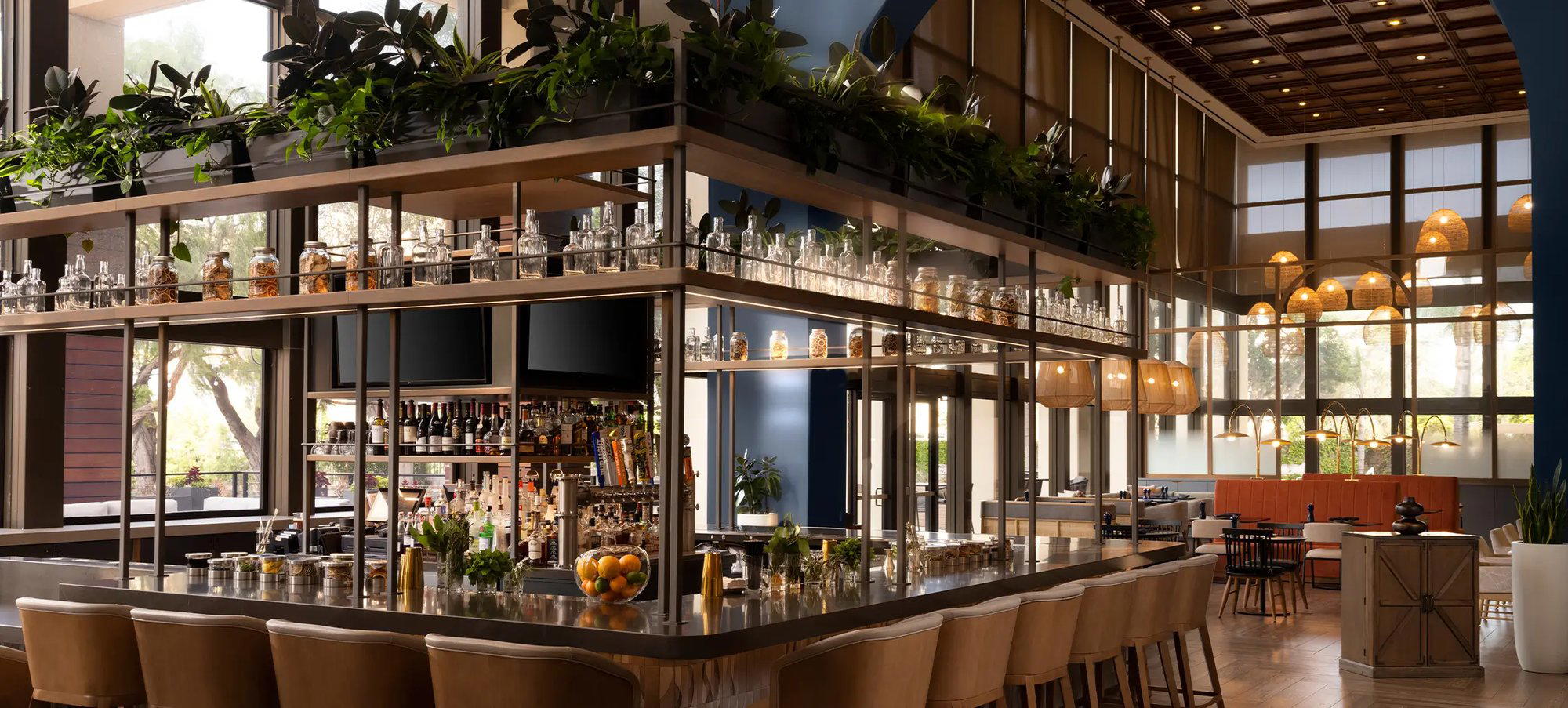
Where Orange County's Agricultural Belt Meets the Dining Room
Southern California's dining culture has long operated at the intersection of imported culinary technique and notable regional produce. The growing season here runs nearly year-round, and the proximity to coastal fisheries, inland citrus groves, and Central Valley farms gives kitchens at every price point a material advantage that restaurants in colder climates have to manufacture through preservation and logistics. The Peel, located at 100 The City Dr S in Orange, CA, sits within this broader context: a venue that benefits from among the more ingredient-rich dining environments in the country.
Orange itself occupies a specific position in Southern California's food geography. It is not San Diego, where venues like Addison in San Diego have built national reputations around tasting-format precision. Orange County's dining character is more grounded in everyday quality, in the kind of cooking that draws from the same Southern California pantry as the region's marquee addresses but channels it through formats that are more accessible and less theatrically staged.
The Technique-Product Equation in Southern California
At the upper register, that tension has produced some of the country's most discussed dining. Single Thread Farm in Healdsburg and Blue Hill at Stone Barns in Tarrytown built entire identities around the farm-to-table axis pushed to its logical extreme. Providence in Los Angeles applies French fine-dining structure to California seafood with the kind of rigor that earns sustained Michelin recognition.
Orange County's citrus history is not decorative context. The region was California's dominant citrus producer before mid-century suburban development transformed the groves into housing. That agricultural inheritance still informs the flavor vocabulary of the county's leading kitchens, even if the sourcing now extends to farms in Riverside County and the broader Pacific Coast network. Venues that understand this lineage tend to cook with more authority than those treating California produce as a generic backdrop.
The broader Southern California approach at the craft end of the market tends to favor technique borrowed from European and Asian fine-dining traditions applied to hyper-local product. You see this at Alinea in Chicago and Atomix in New York City at the more experimental end of that spectrum, and closer to home in the careful sourcing logic of Orange County's most considered kitchens. The editorial angle worth holding is that technique without terroir is a performance, and terroir without technique is unfinished cooking. The dining addresses worth attention in Orange are those that understand both sides of that equation.
The Orange County Dining Scene: Where The Peel Fits
Orange's restaurant map includes a range of reference points that clarify competitive positioning. Anepalco brings a kitchen sensibility rooted in Mexican tradition with a more refined execution than the county's casual Mexican dining default. Citrus City Grille operates in the American bistro register with a menu that nods to the region's agricultural history in its naming if not always its sourcing. Bosscat Orange anchors a more bar-forward proposition with food that punches credibly for the format. 1886 Brewing Co. occupies a different niche, where the beverage program drives the room's identity. Francoli Gourmet sits closer to the specialty-provisions and prepared-food end of the market.
The Peel, at its City Drive South address, operates within a commercial corridor that serves Orange's broader consumer catchment rather than a walkable neighborhood dining district. That location type tends to reward venues with clear format identity: guests arrive with intention, not by accident. It is a different challenge than a historic-district address where foot traffic does part of the curation work. Kitchens in this position succeed when they give the room enough reason to cross a parking lot, which typically means either price-value clarity, a format distinction, or a sourcing story worth explaining.
Planning a Visit
The City Drive South in Orange is a retail and entertainment corridor that includes the Honda Center and Angel Stadium in its immediate geography, which means the surrounding dining market sees significant event-day volume. Anyone planning a visit to the restaurant should factor in the possibility of refined crowd density around major arena or stadium events at nearby venues. The broader dining cluster in this part of Orange sits within easy reach of the 57 and 22 freeway interchange, making it accessible from multiple directions across the county without requiring surface-street navigation through residential Orange.
For the category of restaurants that occupy the mid-to-upper range of a market like Orange, the seasonal window that tends to produce the strongest kitchens is the shoulder period between summer and autumn, when California's stone fruit and early citrus overlap with the cooler temperatures that allow for richer preparations. Diners who want to engage with a kitchen's sourcing intelligence at its most expressive tend to find that period more revealing than peak summer, when produce abundance can mask structural weaknesses in a menu.
The Orange restaurant scene, taken as a whole, merits more attention than it typically receives from Los Angeles-focused dining press. For comparative context at the national level, Le Bernardin in New York City, The French Laundry in Napa, Lazy Bear in San Francisco, Emeril's in New Orleans, and The Inn at Little Washington in Washington each represent a different model for how American regional kitchens have resolved the technique-versus-terroir question at the highest register. 8 1/2 Otto e Mezzo Bombana in Hong Kong offers a useful international comparison for how imported European technique gets recontextualized within a distinct local food culture, a dynamic Southern California kitchens navigate on their own terms.
Same-City Peers
Comparable venues nearby, for context on price, style, and recognition.
| Venue | Cuisine | Price | Notes |
|---|---|---|---|
| The PeelThis venue — the venue you are viewing | California Farm-to-Table | $$ | Not listed |
| Orange County Mining Co | American Steakhouse | $$ | Santa Ana |
| Bosscat Orange | Contemporary American Comfort Food | $$ | Old Towne Orange |
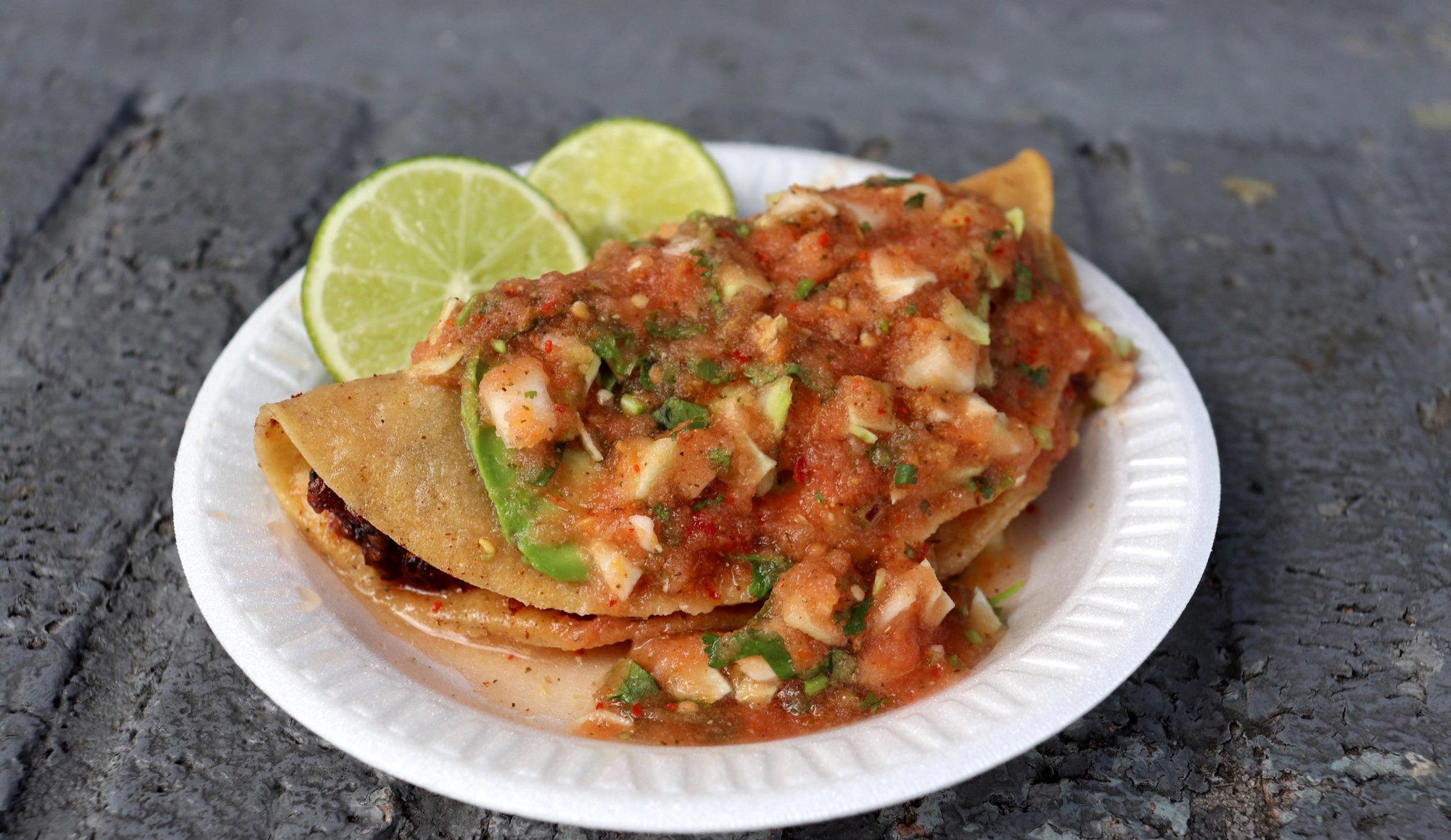
| Taco Mesa | Authentic Mexican Taqueria | $$ | Orange |
| Smoqued California BBQ | California BBQ | $$ | Old Towne Orange |
| Francoli Gourmet | Northern Italian | $$$ | Old Towne Orange |
Continue exploring
More in Orange
Restaurants in Orange
Browse all →
Bars in Orange
Browse all →
Hotels in Orange
Browse all →
Wineries in Orange
Browse all →
At a Glance
- Modern
- Casual
- Warm
- Family
- Group Dining
- Business Dinner
- Casual Hangout
- Hotel Restaurant
- Open Kitchen
- Craft Cocktails
- Beer Program
- Farm To Table
- Local Sourcing
Current opening hours
- Monday
- 6:30–11 AM, 12 PM–12 AM
- Tuesday
- 6:30–11 AM, 12 PM–12 AM
- Wednesday
- 6:30–11 AM, 12 PM–12 AM
- Thursday
- 6:30–11 AM, 12 PM–12 AM
- Friday
- 6:30–11 AM, 12 PM–12 AM
- Saturday
- 6:30–11 AM, 12 PM–12 AM
- Sunday
- 6:30–10:30 AM, 11 AM–11 PM
Hours can change for holidays and private events. Last verified .
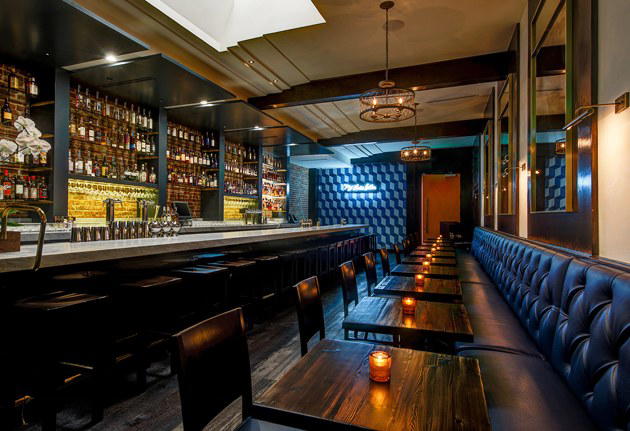
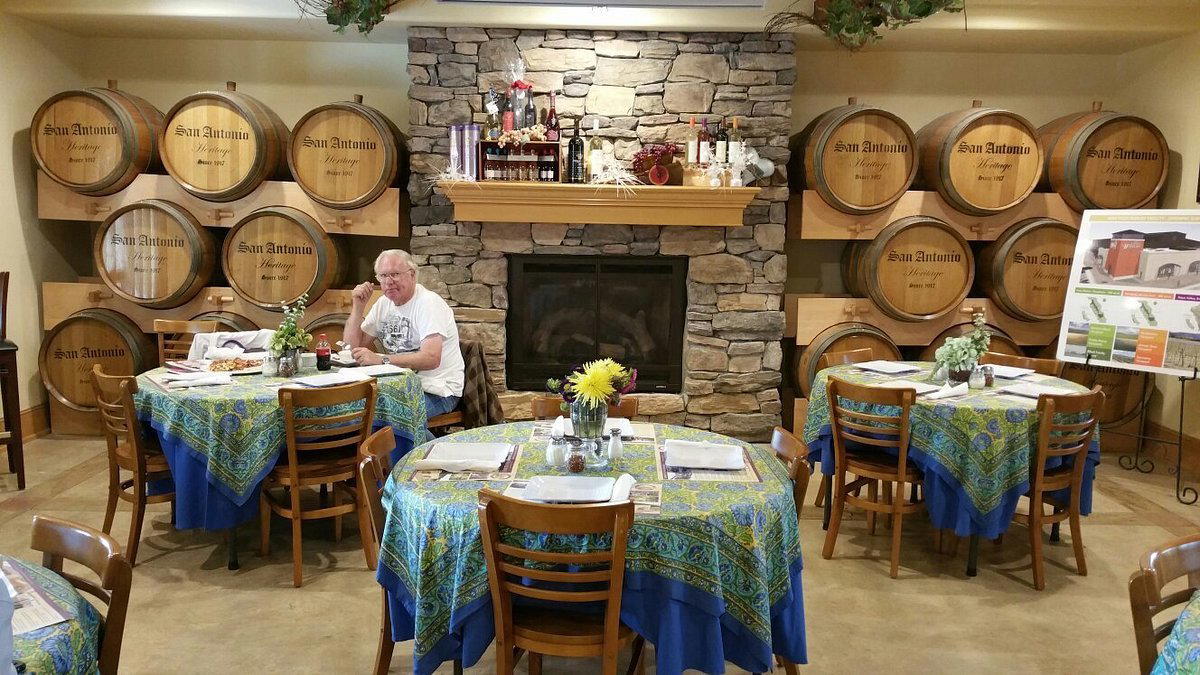
Warm and inviting atmosphere with a comfortable, casual setting designed for enjoying meals with friends and family.