1886 Brewing Co.
Our verdict
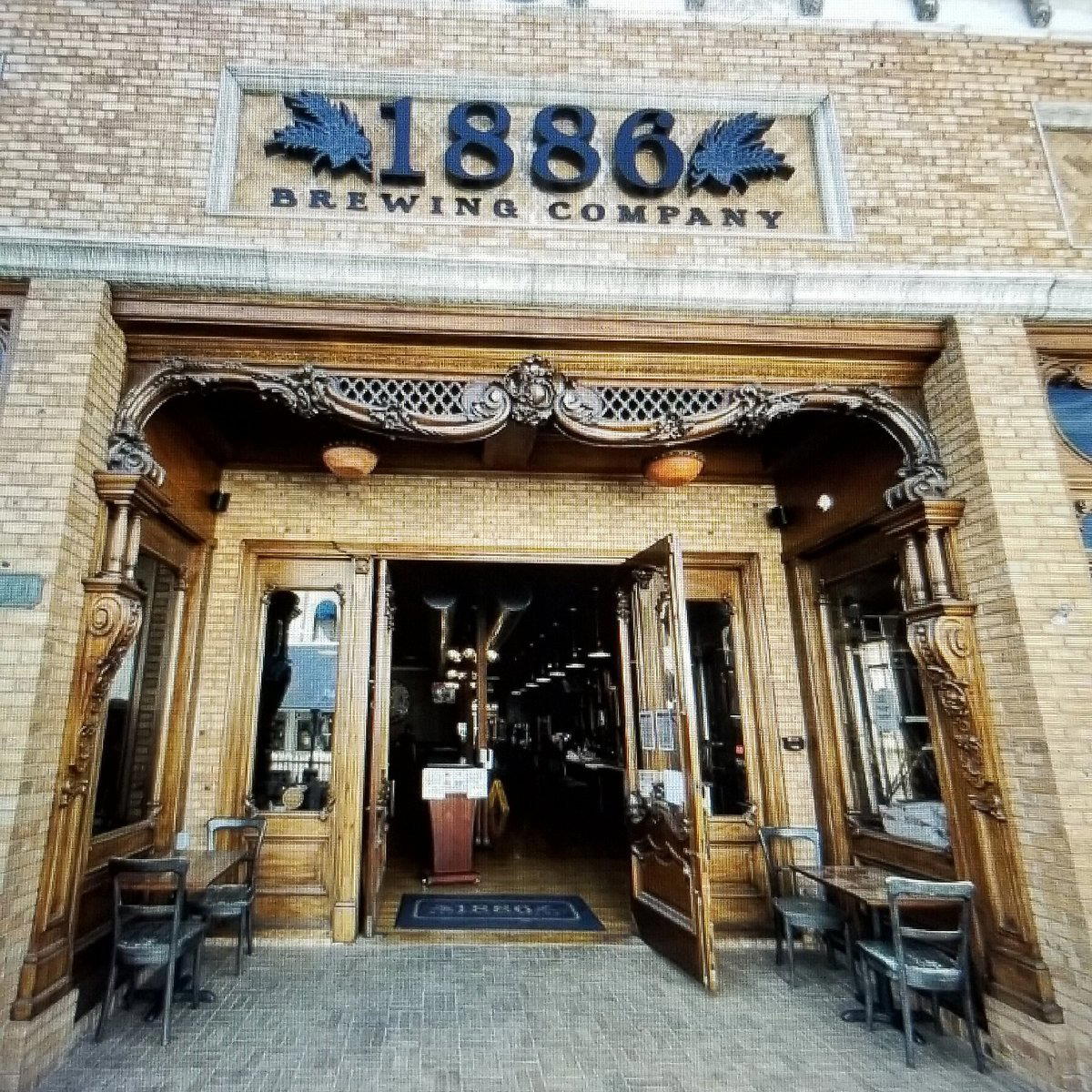
A craft brewery occupying a prominent corner on North Glassell Street in Old Towne Orange, 1886 Brewing Co. sits in one of Southern California's most intact historic commercial districts. The address places it squarely in a neighbourhood where independent food and drink operators have built a credible alternative to the county's chain-dominated dining belt. Worth knowing before your first visit.

Pearl is the En Primeur Club membership app, where members save venues, book tables and use the concierge.
The menu
What to order
- Giant pretzel
- Gabagool flatbread
- Fish tacos
Old Towne Orange and the Case for Neighbourhood Brewing
North Glassell Street runs through the heart of Old Towne Orange, a district centred on a circular plaza that remains one of the few genuinely preserved historic cores in Orange County. The architecture here predates the postwar suburban sprawl that defines most of the county, and the independent operator culture has followed suit. Craft beer, in this context, is less a lifestyle trend than a logical extension of a neighbourhood that has consistently supported independent businesses over the past two decades. Breweries that put down roots in districts like this tend to anchor themselves to the local grain and hop supply chain in ways that larger production facilities rarely bother with, sourcing decisions become visible when your taproom is on a pedestrian street rather than an industrial estate.
1886 Brewing Co. sits at 114 N Glassell St, a short walk from the Old Towne Orange plaza roundabout. The address positions it within easy reach of a cluster of independent restaurants and bars that have made this corridor one of the more compelling food and drink destinations in the Inland Orange County area. Nearby, Anepalco holds a distinct position in the neighbourhood's dining scene, and Bosscat Orange draws a crowd that overlaps considerably with the craft beer audience. The concentration of independents on this stretch gives the district a coherence that most Orange County dining corridors lack.
Ingredient Sourcing and the Craft Beer Supply Chain
The broader craft brewing industry in Southern California has undergone a quiet transformation in how it talks about raw materials. A decade ago, the conversation centred almost entirely on technique: dry-hopping schedules, yeast strains, fermentation temperatures. The more recent shift has been toward provenance, where the barley was malted, which hop yards supplied the harvest, whether the water profile was adjusted to match a regional style. This mirrors what happened in farm-to-table dining roughly fifteen years earlier, and it carries similar implications for how a brewery positions itself in a competitive market.
California's hop and grain infrastructure has matured considerably since the early craft boom. The Sacramento Valley produces malting barley, and hop yards in the state's northern reaches supply a small but growing portion of what California breweries use. The more common arrangement draws from Pacific Northwest suppliers in Washington and Oregon, where Yakima Valley hops set the standard for much of what American craft brewing has come to rely on. A brewery operating in Southern California that chooses to emphasise sourcing transparency is making a deliberate statement about how it wants to be read, less as a volume producer and more as a maker with a defined point of view on ingredients.
The ingredient sourcing angle matters in Old Towne Orange specifically because the neighbourhood's dining culture has already moved in that direction. Gabbi's Mexican Kitchen has built its reputation on a kitchen that treats sourcing seriously, and Citrus City Grille operates within a similar ethos of local emphasis. Francoli Gourmet rounds out a group of operators who have collectively raised the sourcing conversation on this stretch. A craft brewery in this environment is held to a comparable standard, whether it explicitly invites that comparison or not.
Where 1886 Brewing Co. Sits in a Wider Craft Context
American craft brewing has its own tier structure, and understanding where a neighbourhood taproom fits requires mapping it against what the category has produced at its most ambitious. The farm-to-table brewing model, taken to its logical extreme, looks something like Blue Hill at Stone Barns in spirit if not in medium: an operation where the sourcing story is inseparable from what ends up in the glass. Most neighbourhood taprooms operate several rungs below that level of integration, which is not a criticism, different formats serve different functions in a city's food and drink culture.
The comparison point for 1886 Brewing Co. is less a Michelin-decorated dining room like Providence in Los Angeles or Addison in San Diego and more the neighbourhood institutions that anchor a walkable commercial district. In that register, the brewery's location on North Glassell is its clearest credential: it has chosen a street with an independent dining culture rather than a more anonymous industrial or retail strip.
For readers who want to calibrate ambition further up the scale, the Southern California and national dining circuits offer useful reference points. Le Bernardin in New York City, Alinea in Chicago, Lazy Bear in San Francisco, The French Laundry in Napa, Single Thread Farm in Healdsburg, Atomix in New York City, Emeril's in New Orleans, and The Inn at Little Washington all represent the kind of sourcing rigour and format discipline that defines the upper tier. 8 1/2 Otto e Mezzo Bombana in Hong Kong extends that benchmark internationally. The neighbourhood brewery operates in a different register entirely, but the reader making decisions across a trip itinerary benefits from knowing where each format sits.
Planning a Visit
The address, 114 N Glassell St, Orange, CA 92866, is walkable from the Old Towne Orange plaza, which functions as the neighbourhood's navigational anchor. Parking around the plaza can tighten on weekend evenings, when foot traffic from the surrounding restaurant strip increases. Visiting on a weekday afternoon or early evening typically means more space and a quieter room. The North Glassell corridor rewards a longer block of time: the density of independent operators means a drink at 1886 Brewing Co. pairs naturally with dinner at one of the neighbouring restaurants, making it a logical first or last stop in an evening itinerary rather than a standalone destination.
For the fuller picture on what Old Towne Orange has assembled in terms of independent food and drink, our full Orange restaurants guide maps the neighbourhood's operators against each other and provides the context for building a coherent evening across multiple stops.
Frequently asked questions
What part of town is 1886 Brewing Co. in?
1886 Brewing Co. is located at 114 N Glassell St, Orange, CA 92866, Orange.
Is 1886 Brewing Co. a good option for exploring Old Towne Orange on foot?
Yes, 114 N Glassell St sits directly along the main corridor of Old Towne Orange, a district centred on a circular plaza that is walkable from multiple directions. The taproom format means no reservation pressure, which suits the area's browse-and-wander pace. For visitors spending time around the historic plaza in Orange, CA, the location makes 1886 Brewing Co. a practical and geographically logical stop.
What should I order at 1886 Brewing Co.?
As a neighbourhood taproom in Old Towne Orange, the format typically centres on rotating house-brewed beers rather than a fixed menu. Asking about the current seasonal or small-batch pours is usually the most direct way to navigate what's on.
What's the best way to book 1886 Brewing Co.?
No phone number or website is currently documented for 1886 Brewing Co. For walk-in visits, the address, 114 N Glassell St, Orange, CA 92866, is within easy reach of the Old Towne Orange plaza. Arriving during off-peak afternoon hours is generally the most reliable approach for taproom-format venues in this district.
What is 1886 Brewing Co. known for?
1886 Brewing Co. operates as a craft taproom on North Glassell Street in Old Towne Orange, one of Southern California's better-preserved historic commercial districts. The address places it within walking distance of the circular Old Towne plaza, making it a natural stop within the neighbourhood rather than a destination that requires a dedicated drive. Its identity is rooted in the neighbourhood-taproom model common to independent craft brewing in the region.
Quick Comparison
Comparable venues nearby, for context on price, style, and recognition.
| Venue | Cuisine | Price | Notes |
|---|---|---|---|
| 1886 Brewing Co.This venue (the venue you are viewing) | American Brew Pub | $20–30 | Not listed |
| Citrus City Grille | Modern American with Mediterranean Flavors | $20–30 | Old Towne Orange |
| Orange Hill | Classic American Steakhouse | $50–100 | Orange |
| Orange County Mining Co | American Steakhouse | $30–50 | Santa Ana |
| Renata's Cafe Italiano | Traditional Italian Trattoria | $20–30 | Old Towne Orange |
| Taco Mesa | Authentic Mexican Taqueria | $10–20 | Orange |
Continue exploring
More in Orange
Restaurants in Orange
All restaurants in Orange →
Bars in Orange
All bars in Orange →
Hotels in Orange
All hotels in Orange →
Wineries in Orange
Browse all →
Details
- Lively
- Rustic
- Historic
- Energetic
- Group Dining
- Casual Hangout
- Celebration
- Brunch
- Historic Building
- Private Dining
- Open Kitchen
- Beer Program
- Craft Cocktails
- Local Sourcing
- Street Scene
- A La Carte
- Craft Beers
Current opening hours
- Monday
- 11:30 AM–10 PM
- Tuesday
- 11:30 AM–10 PM
- Wednesday
- 11:30 AM–10 PM
- Thursday
- 11:30 AM–11 PM
- Friday
- 11:30 AM–11 PM
- Saturday
- 10 AM–11 PM
- Sunday
- 10 AM–10 PM
Hours can change for holidays and private events. Hours as of .
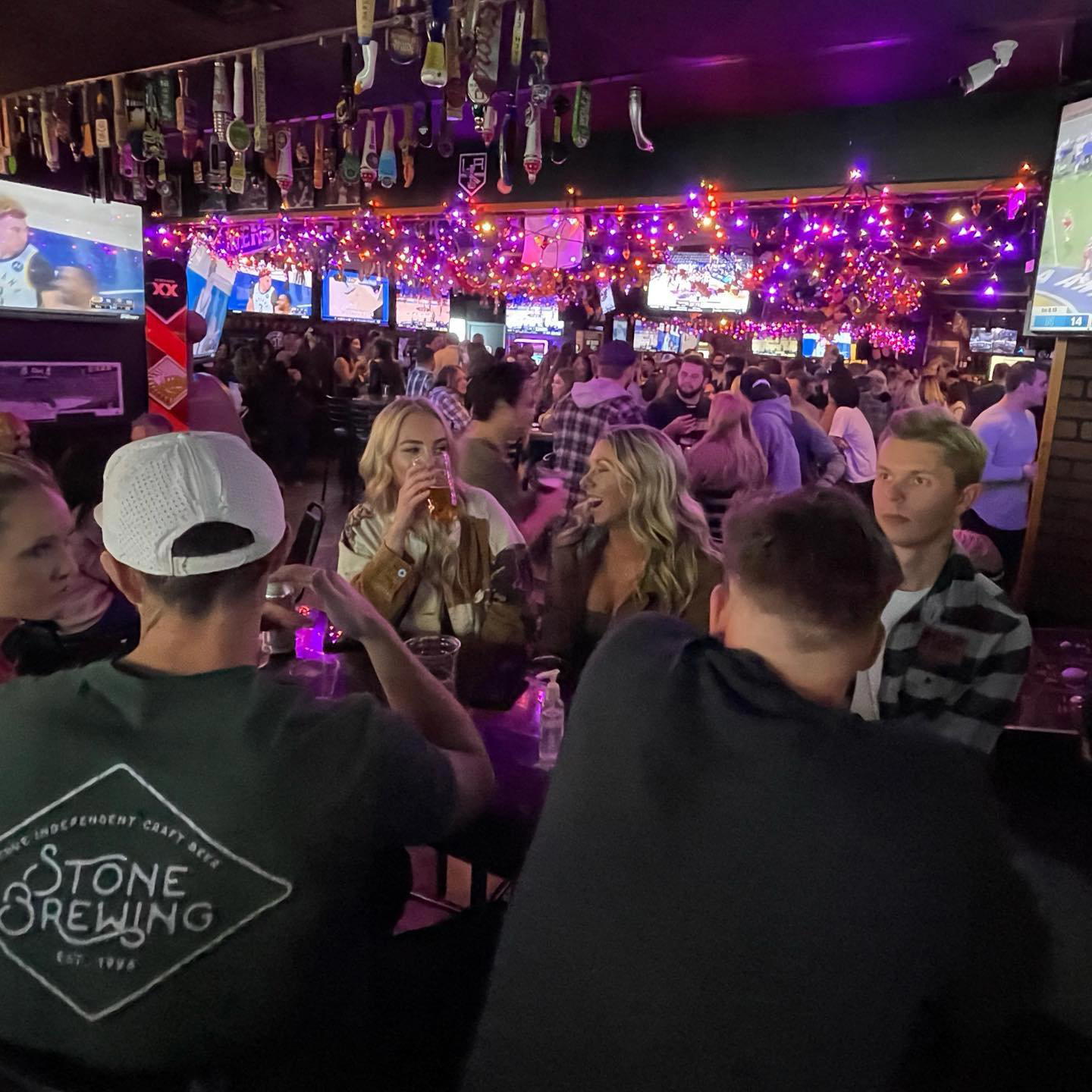
Lively and fun atmosphere with high ceilings, numerous TVs for sports, and a charming vintage feel, though inside can be noisy.