The Old Place Seafood Teahouse
A seafood teahouse on Oakland's Grand Avenue, The Old Place occupies a format with deep roots in Cantonese dining tradition: shared plates, tea service, and a menu organized around freshness and preparation method rather than Western starter-to-dessert convention. The Grand Lake location places it outside Oakland's established Chinatown corridor, bringing the teahouse format to a neighborhood with growing culinary range.
Pearl is the En Primeur Club membership app — saves, bookings, and concierge access live there. Same editors, same standards.
- Address
- 391 Grand Ave, Oakland, CA 94610
- Directions
- Get directions
 Saves & bookings on Pearl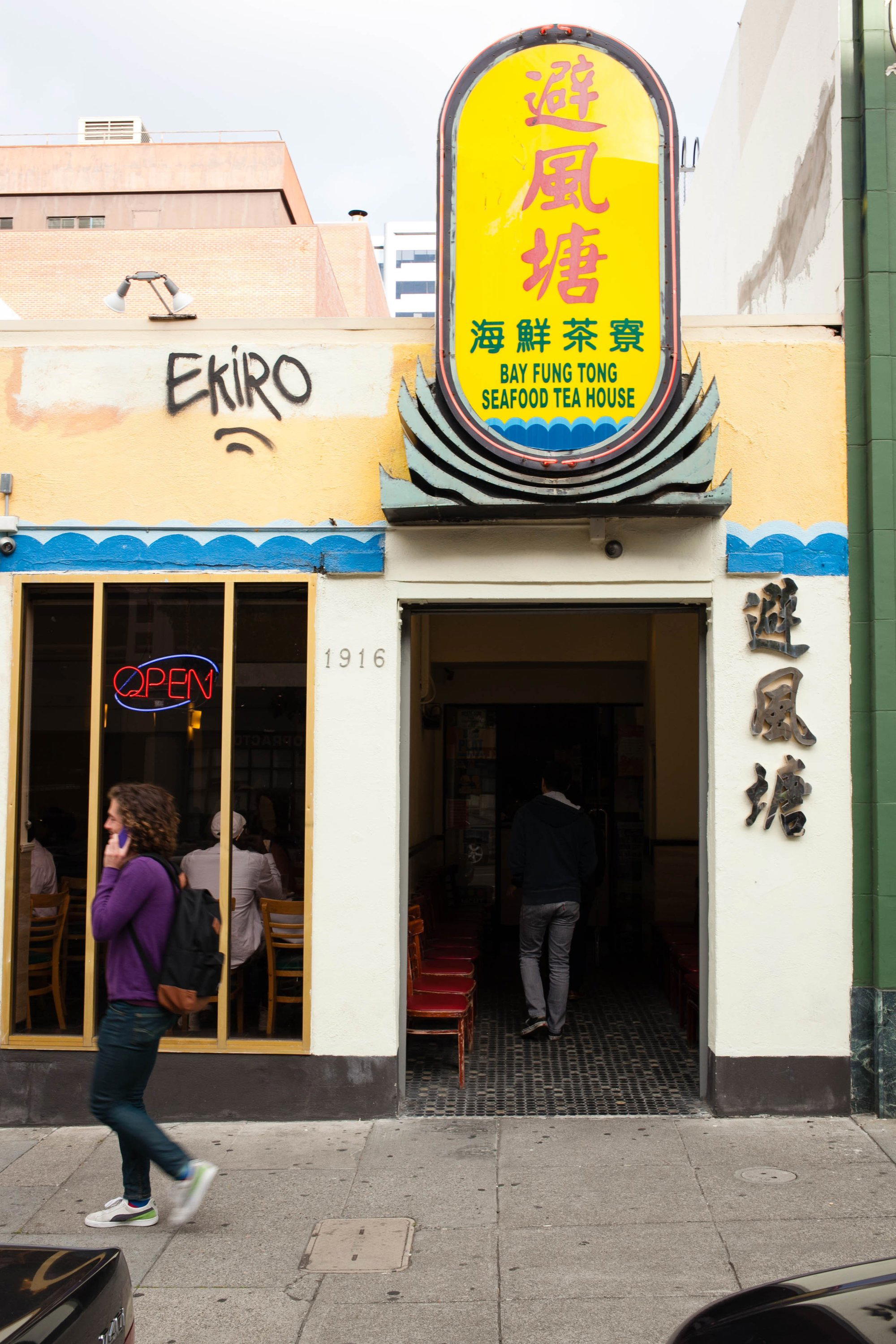
Grand Avenue and the Question of the Teahouse
Grand Avenue in Oakland's Grand Lake neighborhood has a particular rhythm to it: coffee shops occupy corner spots, wine bars slip between bookstores, and the dining room mix skews toward the kind of casual-serious that defines the East Bay at its most considered. Into this stretch, at 391 Grand Ave, sits The Old Place Seafood Teahouse, a name that signals something specific before you even arrive. The combination of "seafood" and "teahouse" in a single identity is not common in the Bay Area, and that naming choice alone tells you something about how the menu is conceived.
Oakland's dining scene has increasingly separated into two camps: restaurants that import a format wholesale from another culinary tradition, and those that work in the space where traditions overlap. The teahouse model, historically a vehicle for both tea service and light Cantonese fare, has a long presence in the Bay Area's Chinese-American communities, concentrated in San Francisco's Richmond and Sunset districts and in the East Bay's older Chinatown corridor. A seafood-forward teahouse on Grand Avenue, outside that historical geography, sits in a different neighborhood context.
What the Name Tells You About the Menu
The format suggests how the menu is organized. In traditional Cantonese dim sum and teahouse formats, seafood is not a specialty category bolted on at the end, it is structural. Dishes are built around the logic of freshness and technique: steamed preparations that protect delicate protein, clay pot formats that concentrate flavor, live-tank sourcing that shrinks the gap between ocean and plate. The teahouse name suggests that same logic is at work, where the menu is organized not by the Western conventions of starter-main-dessert but by occasion, preparation method, and the cadence of a meal shared across multiple dishes.
This changes how you read a menu and how you order from it. A seafood teahouse in the Cantonese tradition typically presents dishes that work in combination rather than in isolation. Congee anchors one end of the register, delicate and slow; whole fish or lobster in black bean sauce anchors the other. Between those poles, the kitchen has room to move through steamed dumplings, stir-fried greens, and whatever the live tanks or daily market yield. The structure rewards tables that order broadly rather than individually.
That approach places The Old Place in a different peer category than Oakland's other notable seafood-forward spots. Venues like 3 Bottled Fish work within a different tradition, and 8th St Cafe occupies the Hong Kong cha chaan teng register rather than the seafood teahouse one. By contrast, tasting-menu seafood restaurants such as Le Bernardin in New York City or Providence in Los Angeles follow a different structure, centered on a chef's individual point of view.
Oakland's Chinese-American Dining Tradition
The East Bay has a longer and more layered Chinese-American restaurant history than its national profile suggests. Oakland's Chinatown, centered on the blocks around 8th and Webster, has operated continuously since the late 19th century and contains restaurants that predate the city's most celebrated contemporary openings by generations. That history creates a context in which a new seafood teahouse on Grand Avenue is read against a known tradition, not as an introduction to one.
Bay Area diners who grew up eating in Oakland's Chinatown or in the Richmond District carry specific expectations about what a teahouse should do: the tea service should be taken seriously, the seafood should arrive at the table in a state that makes its freshness obvious, and the pacing should accommodate conversation rather than rush the table toward dessert and the bill. Those expectations function as an informal quality standard, and they are more demanding than any award or rating system because they are carried by diners with direct comparative experience.
For reference, the broader Bay Area fine-dining world runs through venues like The French Laundry in Napa, Lazy Bear in San Francisco, and Single Thread Farm in Healdsburg, tasting-menu formats with a different structural logic entirely. The teahouse sits apart from that conversation, serving a culturally rooted function.
The Grand Lake Neighborhood as Context
Grand Lake's dining identity is shaped by its proximity to Lake Merritt and by a resident base that skews toward the kind of household that treats weeknight dinner out as routine rather than occasion. The neighborhood has room for Agave Uptown's Mexican-American format and alaMar Dominican Kitchen's Caribbean-inflected cooking, which signals an appetite for cuisines that are specific rather than generalized. A seafood teahouse adds another distinct culinary tradition to that mix, one with its own internal logic and its own demands on the diner.
The morning and midday hours on Grand Avenue are anchored by spots like Alem's Coffee, which means the foot traffic pattern supports venues that serve across multiple dayparts. A teahouse format, which can operate through lunch and into dinner service, fits that neighborhood rhythm in a way that a single-service tasting menu format would not.
Know Before You Go
Address: 391 Grand Ave, Oakland, CA 94610
Neighborhood: Grand Lake, Oakland
Format: Seafood teahouse; shared-plate ordering recommended
Phone: Contact details vary by listing
Booking: Walk-in friendly
Getting There: Grand Ave is accessible by transit and street parking is available nearby
Peers Worth Knowing
Comparable venues nearby, for context on price, style, and recognition.
| Venue | Cuisine | Price | Notes |
|---|---|---|---|
| The Old Place Seafood TeahouseThis venue — the venue you are viewing | Seafood Dim Sum Teahouse | $ | Not listed |
| Sun Sing Pastry | Chinese Dim Sum Bakery | $ | Chinatown |
| El Potrillo Birrieria | Authentic Mexican Birrieria | $ | South Kennedy Tract |
| New Gold Medal Restaurant | Cantonese Chinese | $ | Chinatown |
| Best Taste Restaurant | Authentic Cantonese Dim Sum | $ | Chinatown |
| Phở Huỹnh Hiệp 1 - Kevin's Noodle House | Authentic Vietnamese Pho | $ | Embarcadero |
Continue exploring
More in Oakland
Restaurants in Oakland
Browse all →
Bars in Oakland
Browse all →
Hotels in Oakland
Browse all →





At a Glance
- Casual Hangout
Casual and welcoming atmosphere suitable for everyday dining.