The Oaks Gourmet
On North Bronson Avenue in Hollywood, The Oaks Gourmet has built a reputation as one of Los Angeles's most neighborhood-rooted dining destinations, drawing a loyal local crowd alongside visitors who track down its market-style format and thoughtfully assembled menu. The address places it within walking distance of Griffith Park's lower slopes, giving the spot a distinctly residential character uncommon in LA's more destination-driven dining circuits.
Pearl is the En Primeur Club membership app — saves, bookings, and concierge access live there. Same editors, same standards.
- Address
- 1915 N Bronson Ave, Los Angeles, CA 90068
- Phone
- +13238718894
- Website
- theoaksgourmet.com
- Directions
- Get directions
 Saves & bookings on Pearl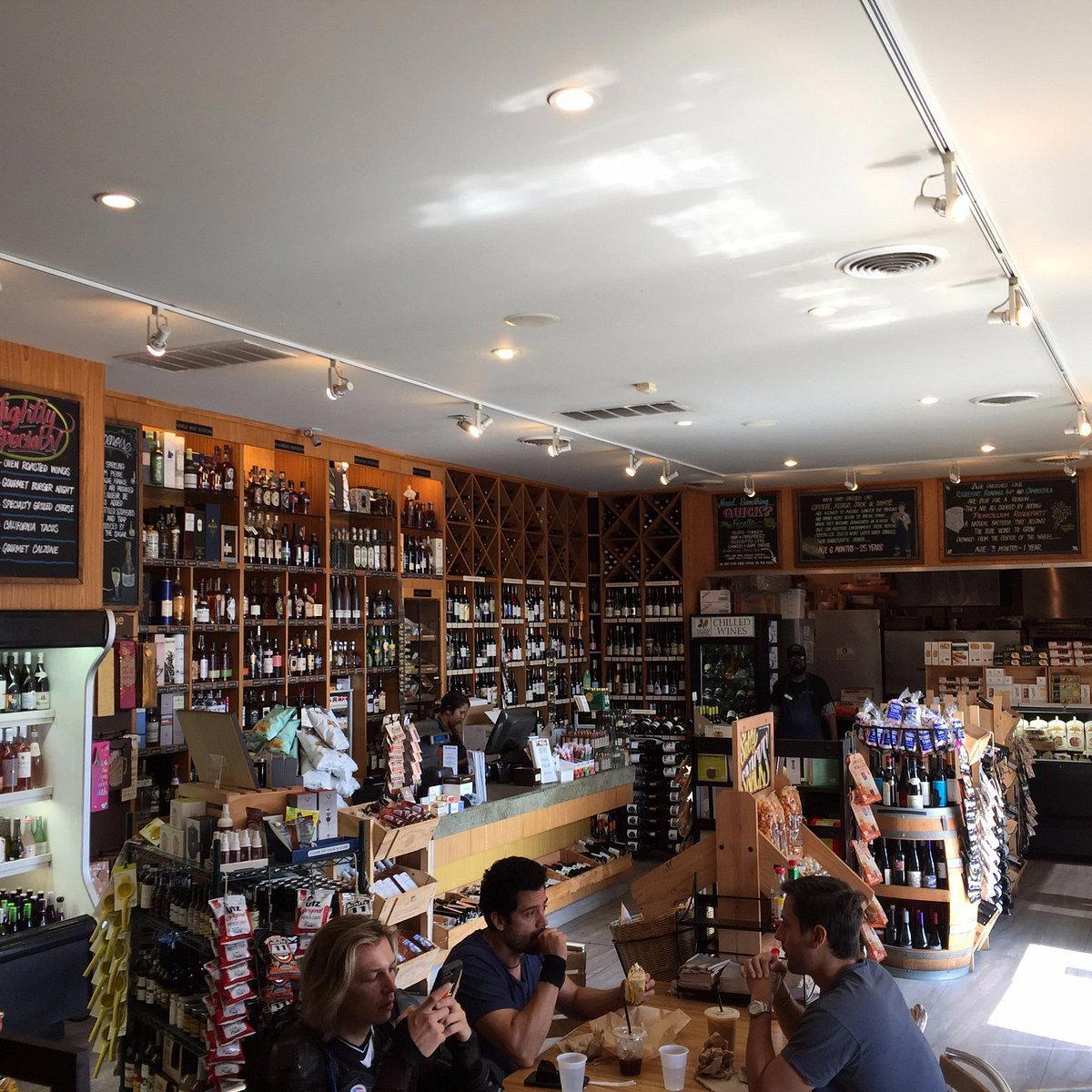
Hollywood's Neighborhood Counter in a City of Destination Restaurants
Los Angeles dining tends to sort itself into two camps: the high-concept destination restaurants that draw visitors from across the city and overseas, and the deeply local spots that barely register outside their immediate zip code. The Oaks Gourmet is an American Deli Cafe in Los Angeles at 1915 N Bronson Ave in Hollywood. It is a casual, moderately priced neighborhood restaurant where a market component sits alongside a full kitchen. It sits close enough to the Griffith Park corridor and the denser residential blocks of Hollywood to function as a genuine neighborhood anchor, yet carries enough culinary intention to attract the kind of diner who also tracks reservations at Kato or Hayato.
That dual identity is increasingly rare in a city where real estate pressure and post-pandemic dining costs have pushed most ambitious operators toward either full fine-dining formats or fast-casual. The middle ground, where a serious kitchen coexists with a genuinely approachable room, has thinned considerably. The Oaks Gourmet has held that ground on North Bronson for long enough to accumulate the kind of local loyalty that no marketing campaign reliably produces.
The Collaboration Behind the Counter
In restaurants that function at the intersection of neighborhood comfort and culinary ambition, the internal team dynamic tends to matter as much as any single chef's vision. The leading examples of this format, from Lazy Bear in San Francisco to Single Thread Farm in Healdsburg, work because the kitchen, the floor, and the beverage program operate with a shared sensibility rather than in parallel silos. At its leading, a room like this one reads as a coherent whole: the service rhythm matches the pacing of the food, and the drink list extends the logic of the kitchen rather than running alongside it as an afterthought.
That kind of alignment is harder to achieve than it appears. In Los Angeles, where the hospitality labor market is deep but competitive, sustaining a front-of-house team with genuine product knowledge alongside a kitchen that maintains consistent output requires deliberate structure. The restaurants in this city that have managed it longest, including Providence on Melrose and Osteria Mozza on Highland, tend to show it through small but telling details: the accuracy of verbal menu descriptions, the timing of courses relative to table pace, the absence of the slight friction that signals a kitchen and floor working from different priorities.
Where It Sits in the LA Dining Conversation
The Hollywood stretch of North Bronson places The Oaks Gourmet in a part of the city that has never been a primary dining destination in the way that Silver Lake, Venice, or West Hollywood have occupied that role in different eras. That geographic fact shapes the experience: the room draws from the surrounding blocks rather than from the citywide reservation-hunting circuit, which affects both the atmosphere and the operational logic of the place.
For context, the upper tier of Los Angeles dining now includes tasting-menu formats at Somni and the prix-fixe structures at venues that compete on the same national stage as Addison in San Diego, Alinea in Chicago, or The French Laundry in Napa. The Oaks Gourmet operates at a different register, closer to the model of a neighborhood bistro with culinary credibility than to the architect-designed, reservation-required destination format. That distinction is a feature, not a gap. Cities that lose their middle layer of serious but accessible restaurants, as Le Bernardin in New York City and Bacchanalia in Atlanta demonstrate in their respective markets, tend to become harder to eat well in across a full week rather than a single occasion.
The comparison set for a place like this runs more toward the operationally rigorous neighborhood restaurant than toward the Michelin-tracked circuit. That is where places like Blue Hill at Stone Barns in Tarrytown or The Inn at Little Washington diverge entirely: those are destination formats built around the proposition that driving distance is worth absorbing. The restaurant's proposition is the opposite, and for Hollywood residents who want a serious meal without theater, that matters.
What the Format Suggests
The market-style format that defines this type of Hollywood neighborhood spot, where a grocery component coexists with a full kitchen and prepared foods counter, carries its own operational logic. It places pressure on procurement, since the retail and kitchen sides draw from the same supply chain, and it creates a transparency that a closed kitchen never has. Regulars see the product. They form opinions about sourcing before they order. That visibility raises the stakes on consistency in a way that a conventionally separated restaurant does not face.
Restaurants with this hybrid format have found different levels of success maintaining quality across both sides of the operation. The more coherent examples, including some California counterparts to this model, treat the grocery component as an editorial statement about the kitchen's sourcing priorities rather than as a separate revenue line grafted onto a restaurant. When it works, the two sides reinforce each other. When it doesn't, the retail half tends to slide toward convenience items that undercut the culinary premise. The restaurant's longevity on North Bronson suggests it has kept those two halves in productive alignment.
Planning a Visit
The address at 1915 N Bronson Ave places the venue in a residential block of Hollywood, accessible from the 101 and within reasonable distance of the Hollywood Bowl and Griffith Park's lower entrances. Street parking in this part of Hollywood is more manageable than in denser commercial corridors, though weekend evenings draw from a wider radius. For visitors building a broader Los Angeles itinerary, the venue pairs logically with a day in the Griffith Park area rather than requiring a dedicated cross-city trip. Comparable explorations in other cities, from Emeril's in New Orleans to Atomix in New York City to 8 1/2 Otto e Mezzo Bombana in Hong Kong, demonstrate how anchoring a dining itinerary to a neighborhood rather than a single venue tends to produce a more coherent experience of a city's food culture.
Cuisine and Awards Snapshot
Comparable venues nearby, for context on price, style, and recognition.
| Venue | Cuisine | Price | Notes |
|---|---|---|---|
| The Oaks GourmetThis venue — the venue you are viewing | American Deli Cafe | $$ | Not listed |
| Hail Mary Pizza | LA-Style Sourdough Pizza | $$ | Atwater Village |
| Mixt | Fast-Casual American Salads | $$ | Financial District |
| Cabrillo | California Breakfast & Cocktails | $$ | Downtown |
| Blu Jam Cafe | Gourmet American Breakfast & Brunch | $$ | Jewelry District |
| Layla Bagel | Sourdough Bagels | $$ | Pico |
Continue exploring
More in Los Angeles
Restaurants in Los Angeles
Browse all →
Bars in Los Angeles
Browse all →
Hotels in Los Angeles
Browse all →
Wineries in Los Angeles
Browse all →
At a Glance
- Cozy
- Casual
- Casual Hangout
- Brunch
- Standalone
Current opening hours
- Monday
- 8 AM–9 PM
- Tuesday
- 8 AM–9 PM
- Wednesday
- 8 AM–9 PM
- Thursday
- 8 AM–9 PM
- Friday
- 8 AM–9 PM
- Saturday
- 8 AM–9 PM
- Sunday
- 8 AM–9 PM
Hours can change for holidays and private events. Last verified .
Casual, spartan indoor seating with communal tables, outdoor deck, lively local vibe well-suited for people-watching.