The Oak Bistro
Our verdict
On Lensfield Road, a short walk from the Fitzwilliam Museum, The Oak Bistro occupies a stretch of Cambridge that sits between the academic quarter and the city's quieter residential south. The bistro format here reflects a broader shift in British provincial dining toward focused, approachable cooking that doesn't require a tasting menu to justify the visit. For Cambridge, where the dining scene skews toward occasion restaurants and tourist-facing spots, that positioning matters.

Pearl is the En Primeur Club membership app — saves, bookings, and concierge access live there. Same editors, same standards.
- Address
- 6 Lensfield Rd, Cambridge CB2 1EG, United Kingdom
- Phone
- +441223323361
- Hours
- Mon 5:30 PM–12 AMTue–Sat 12–2:30 PM, 5:30–9:30 PMSun Closed
- Website
- theoakbistro.co.uk
- Directions
- Get directions
- Booking
- Book on OpenTable
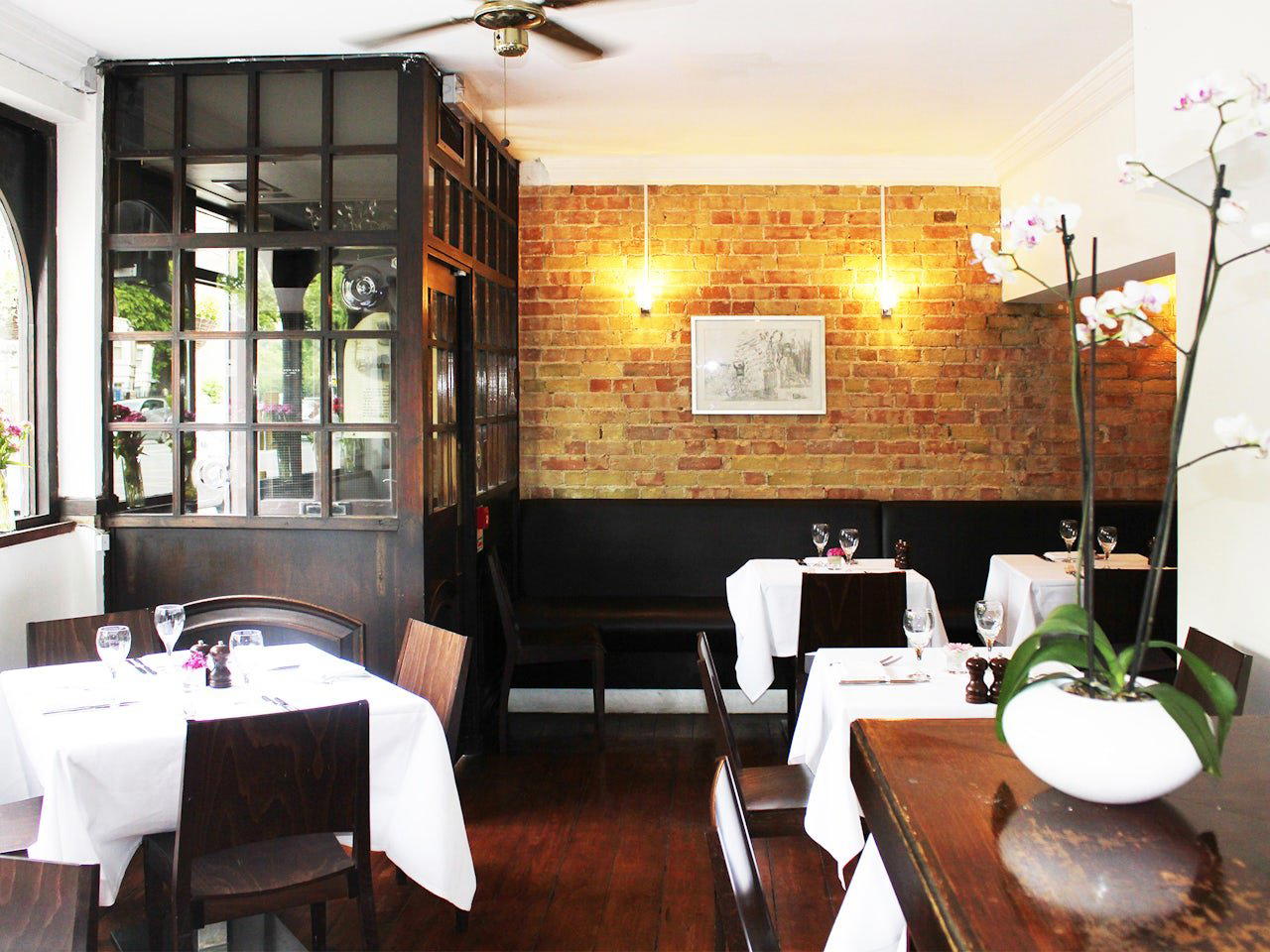
Where Lensfield Road Meets the Bistro Tradition
The stretch of Lensfield Road running south from the city centre is one of Cambridge's more understated addresses. Flanked by the Fitzwilliam Museum to the north and the quieter residential grid beyond, it draws a mix of academics, museum-goers, and locals who have little interest in the tourist circuit concentrated around King's Parade. The Oak Bistro, at number 6, sits in that context: not a destination restaurant engineered for out-of-towners, but a neighbourhood-anchored room that reflects how the bistro format has evolved across British provincial cities over the past decade.
The bistro as a category has undergone a quiet repositioning in the UK. Where it once implied checked tablecloths and a Franco-continental menu at mid-market prices, the term now covers a wider range of cooking registers, from stripped-back natural wine bars to more considered kitchens running shorter, tighter menus with genuine technique behind them. Cambridge's dining scene, which tends to polarise between high-end occasion restaurants like Midsummer House and Restaurant Twenty-Two at the formal end, and casual independents elsewhere, leaves meaningful space in the middle for a room that takes the cooking seriously without the ceremony.
The Cultural Architecture of the Bistro Format
Understanding where The Oak Bistro sits in Cambridge's dining ecosystem requires some sense of what the bistro tradition actually carries with it. The form originated in Paris as a working-class alternative to the grand restaurant, built around speed, simplicity, and unpretentious pleasure. That lineage matters because it set an expectation: the leading bistro cooking is not simplified fine dining, it is its own discipline, one that prizes well-sourced ingredients handled with restraint over elaborate construction.
British interpretations of that model have found particular traction in university cities, where the dining public is educated and internationally mobile but not necessarily wealthy, and where the rhythm of academic life creates a reliable mid-week demand that purely tourist-facing operations struggle to sustain. The result in cities like Cambridge, Oxford, and Edinburgh has been a cohort of independently run rooms that occupy a register somewhere between casual and considered, offering cooking that rewards attention without demanding occasion-level commitment from the diner.
That is the tradition The Oak Bistro enters. Its address on Lensfield Road, within walking distance of the Fitzwilliam and the southern college cluster, places it geographically and culturally inside that academic-neighbourhood dynamic. The room's character, as with most successful venues in this format, is likely shaped as much by its regulars as by any single design decision.
Cambridge's Dining Moment
Cambridge in 2024 and into 2025 is a more interesting dining city than its reputation sometimes suggests. The Michelin-starred end is well covered: Midsummer House has held stars for years, and the broader fine dining tier is anchored by rooms with serious kitchen pedigree. But the more telling development is the growth of independent mid-market cooking, represented by venues like 1369 Coffee House and 730 Tavern, Kitchen and Patio, each carving out distinct identities without the scaffold of a chef's name or a tasting menu format.
The city's international reach also shows up in its independent kitchens. Afghan Flavour represents a strand of Cambridge dining that the tourist guides consistently underreport: ingredient-led cooking rooted in specific cultural traditions rather than generalised globalism. That diversity creates a dining environment where The Oak Bistro's positioning as an accessible, neighbourhood-grounded room makes sense as a complement rather than a competitor to the more formal or ethnically specific options nearby.
For a broader orientation to what Cambridge currently offers across price tiers and cooking styles, the EP Club Cambridge restaurants guide maps the full range.
The Bistro in a National Context
Placing The Oak Bistro against the wider British dining scene clarifies what the category can and cannot promise. The rooms commanding sustained critical attention at the formal end, including CORE by Clare Smyth in London, Waterside Inn in Bray, and Le Manoir aux Quat'Saisons in Oxford, operate in a different register entirely: multi-course, occasion-driven, with booking windows measured in months. The same is true of destination restaurants further afield like L'Enclume in Cartmel, Moor Hall in Aughton, and Gidleigh Park in Chagford.
The bistro format makes a different kind of promise. Venues like Hand and Flowers in Marlow and hide and fox in Saltwood have demonstrated that serious cooking in more relaxed formats can attract Michelin attention without mimicking the fine dining playbook. Opheem in Birmingham and Restaurant Andrew Fairlie in Auchterarder point toward how regional British rooms build credibility over time through consistency rather than spectacle. Internationally, the reference points extend further: Le Bernardin in New York and Atomix illustrate how different the ceiling looks when format and ambition align at the highest level, but they also clarify how much of good dining happens at a less rarified register, and why that register deserves the same critical attention.
Planning a Visit
Lensfield Road is accessible on foot from Cambridge city centre in under ten minutes, passing the Fitzwilliam Museum en route. The area is well-served by cycling infrastructure, which in Cambridge remains the most practical way to move between the southern colleges, the station, and the restaurant strip. For visitors arriving by rail, Cambridge station is roughly a fifteen-minute walk or a short taxi ride; the address at CB2 1EG places it clearly on any mapping app.
The autumn and winter months bring a different tempo to the city as term time fills the streets with students and academic staff, which tends to make mid-week evening reservations easier to secure than weekend slots during term.
Frequently asked questions
What should I eat at The Oak Bistro?
What is the ideal way to book The Oak Bistro?
Is The Oak Bistro a good option for dining near the Fitzwilliam Museum in Cambridge?
Peers You’d Cross-Shop
Comparable venues nearby, for context on price, style, and recognition.
| Venue | Cuisine | Price | Awards | Notes |
|---|---|---|---|---|
| The Oak BistroThis venue — the venue you are viewing | Modern British Bistro | Not listed | Not listed | Not listed |
| Margaret's | Contemporary British Fine Dining | $50–100 | Michelin Plate | Chesterton Road |
| Fin Boys | Modern Seafood with Japanese Influences | $50–100 | The Good Food Guide GFG Good | Mill Road |
| Navadhanya | Contemporary Indian Fine Dining | $50–100 | Not listed | Petersfield |
| Golpo Bengal Cafe & Restaurant | Modern Bengali | Not listed | Not listed | Hills Road |
| Noodles Plus | Shanghainese Noodles & Dumplings | $10–20 | Not listed | Mill Road |
Continue exploring
More in Cambridge
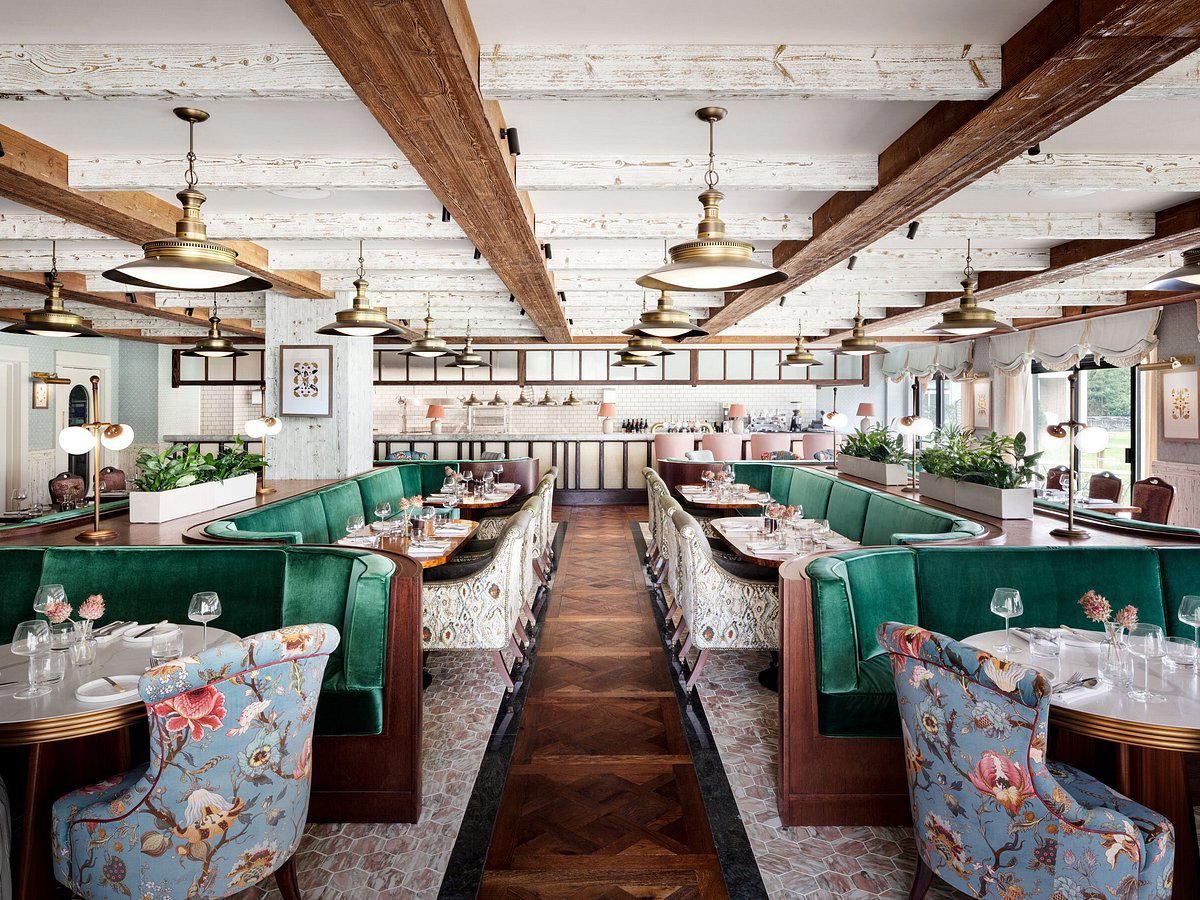
Restaurants in Cambridge
Browse all →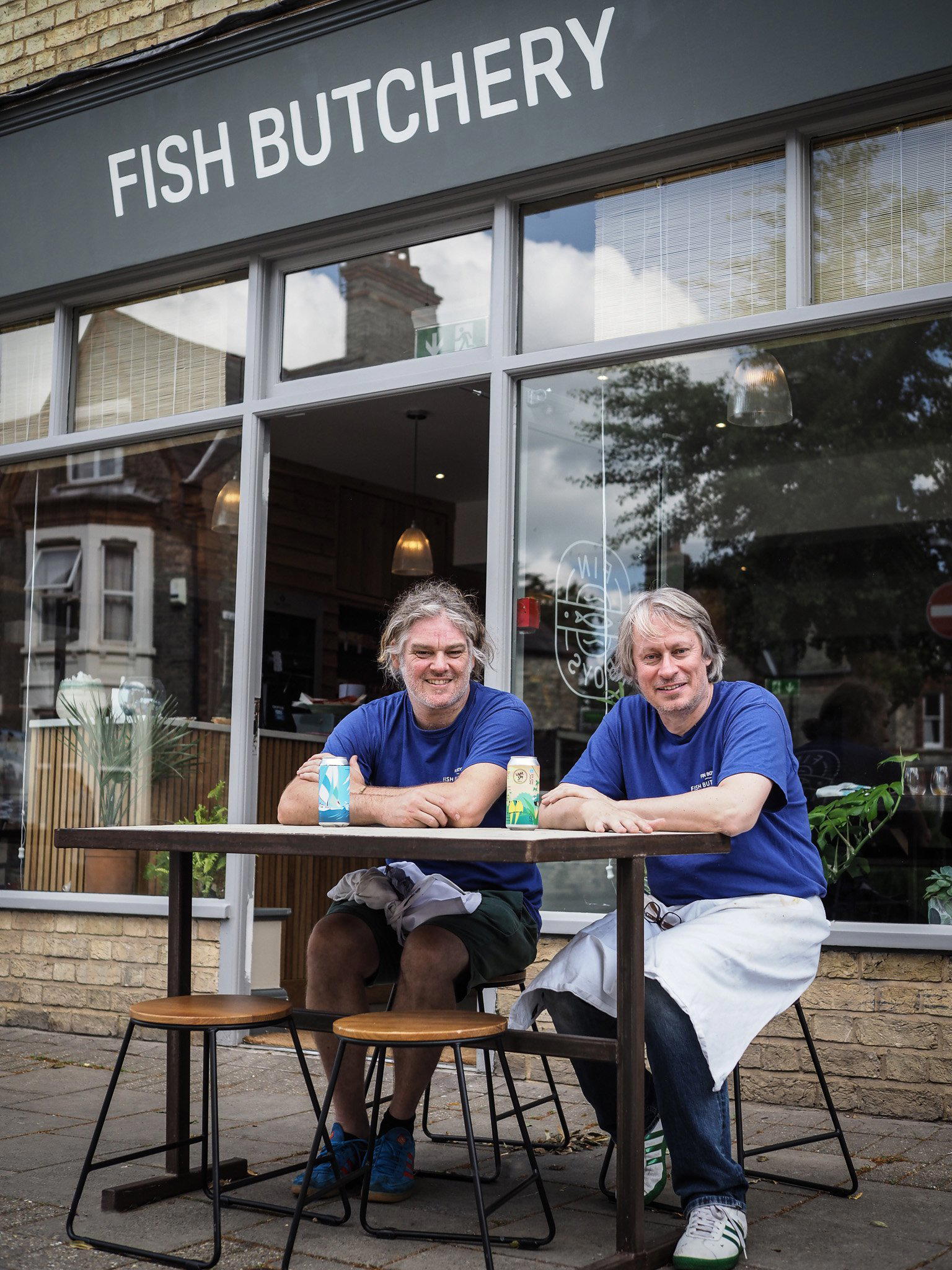
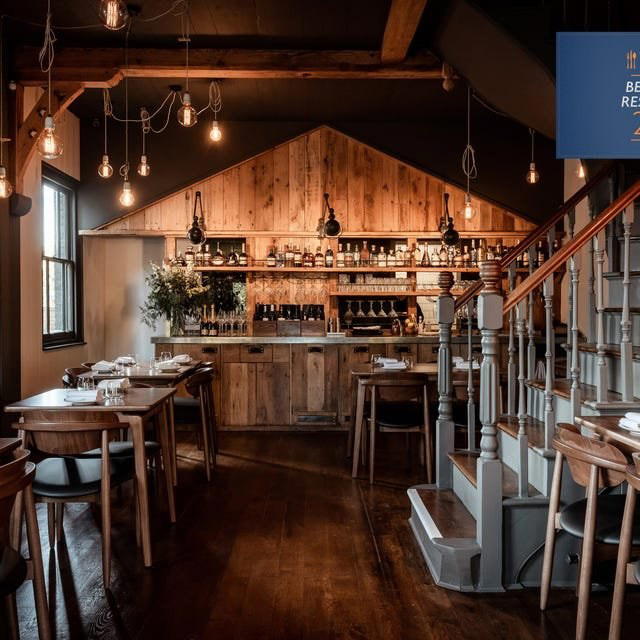
Bars in Cambridge
Browse all →
Hotels in Cambridge
Browse all →
Wineries in Cambridge
Browse all →
Details
- Elegant
- Cozy
- Romantic
- Intimate
- Sophisticated
- Date Night
- Casual Hangout
- Courtyard
- Extensive Wine List
- Local Sourcing
- Garden
- A La Carte
- Vegetarian Friendly
- Vegan Options
- Gluten Free Options
Current opening hours
- Monday
- 5:30 PM–12 AM
- Tuesday
- 12–2:30 PM, 5:30–9:30 PM
- Wednesday
- 12–2:30 PM, 5:30–9:30 PM
- Thursday
- 12–2:30 PM, 5:30–9:30 PM
- Friday
- 12–2:30 PM, 5:30–9:30 PM
- Saturday
- 12–2:30 PM, 5:30–9:30 PM
- Sunday
- Closed
Hours can change for holidays and private events. Last verified .
Well-judged mix of formality with white tablecloths and art-adorned walls, balanced by casual wonky layout and enthusiastic service.