Fin Boys

The Good Food Guide GFG Good
Our verdict
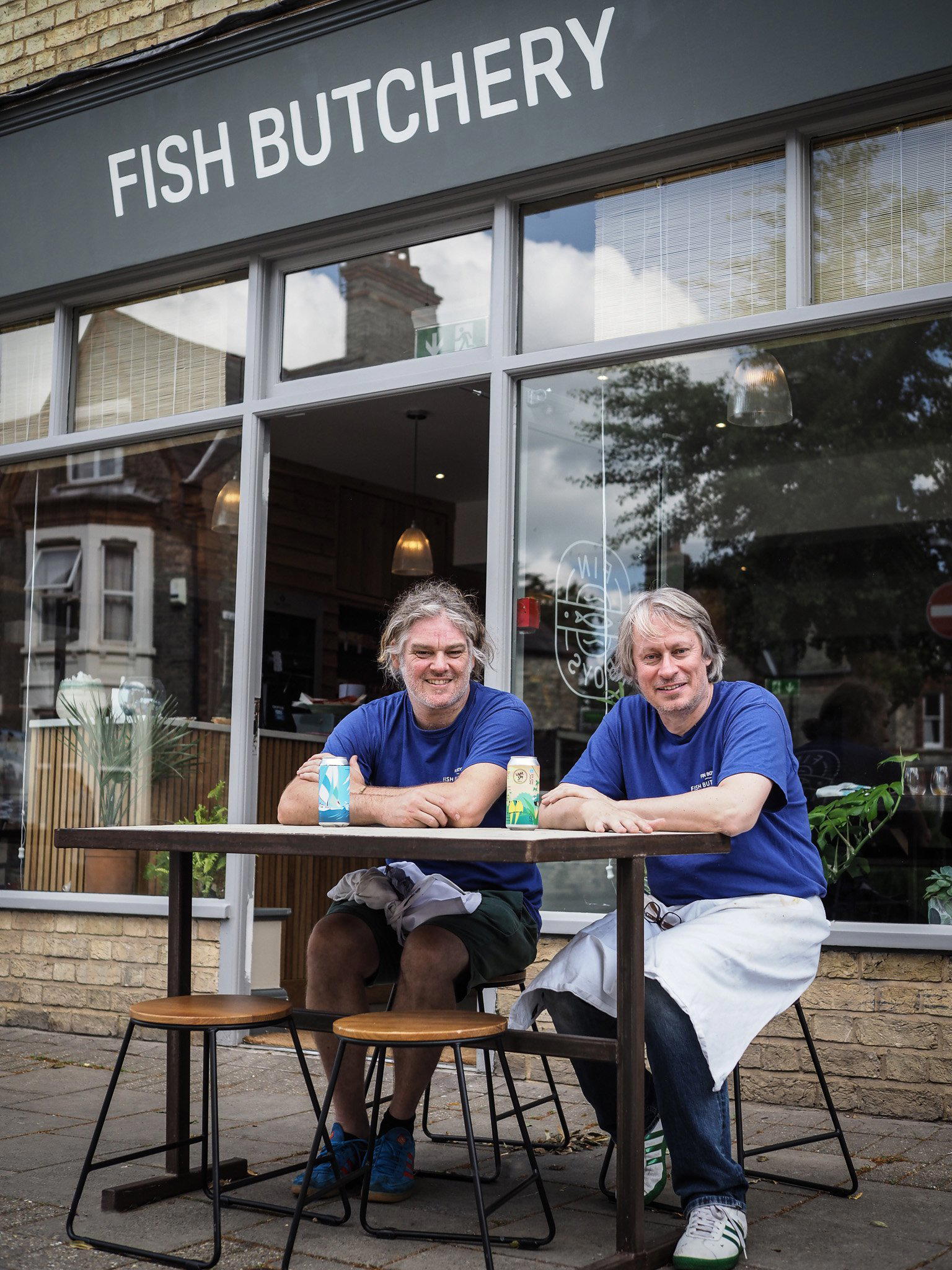
On Cambridge's food-rich Mill Road, Fin Boys has built a following around seasonal seafood handled with care and a strong Japanese accent. Counter seats, window perches, and an ever-changing menu of sustainable fish — from dry-aged bluefin tuna to Cornish monkfish — make it one of the street's most focused dining propositions. The drinks list runs fish-friendly, and the cooking wastes very little.

Pearl is the En Primeur Club membership app — saves, bookings, and concierge access live there. Same editors, same standards.
- Address
- 2 Mill Rd, Petersfield, Cambridge CB1 2AD, United Kingdom
- Phone
- +44 1223 354045
- Hours
- Mon ClosedTue 6:30–8:30 PMWed–Sat 12–2:30 PM, 6:30–8:30 PMSun Closed
- Website
- fin-boys.com
- Directions
- Get directions
- Booking
- Book on SevenRooms
The menu
What to order
- Prawn Toast with Oyster Sauce & Furikake
- Basque Cheesecake
Mill Road's Seafood Counter, in Context
Mill Road has become one of Cambridge's most concentrated strips for independent dining. Within a short walk you can pass a neighbourhood café like Call Me Honey, the understated bistro format of Darling, and the broader Cambridge restaurant scene that stretches from tasting-menu rooms to casual plates. Fin Boys sits at 2 Mill Road in the Petersfield end of the strip, and its proposition is narrow by design: seasonal seafood, sourced from sustainable suppliers, cooked with a Japanese-inflected technique, and plated with as little waste as the kitchen can manage. That kind of deliberate restraint in scope tends to produce either precision or monotony. At Fin Boys, the evidence points toward the former.
For context, Cambridge's headline fine-dining addresses — Midsummer House and Restaurant Twenty-Two — both operate within the contemporary British tasting-menu format at the higher end of the city's price tiers. Fin Boys occupies a different register entirely: a shorter, more casual format where the menu changes with supply rather than season-long programming, and where the fish itself, not elaborate structure, is the organising principle. It is closer in spirit to the counter-led seafood bars that have proliferated in London than to the river-view fine dining rooms that define Cambridge's formal restaurant tier.
How the Meal Unfolds
The physical setup at Fin Boys shapes how a meal proceeds. Counter seating puts diners directly in view of the kitchen, which makes dish selection feel more conversational than in a room where the kitchen is hidden. Window seats offer the opposite appeal: people-watching along one of Cambridge's busiest independent-restaurant streets. The choice between the two is, in effect, a choice between inward and outward attention, and both are worth experiencing depending on your mood and company.
The menu's structure favours lateral movement rather than strict courses. Smaller plates read more like the meal's centre of gravity than its preamble, and the kitchen's Japanese influences, furikake, ponzu, togarashi, kelp XO, appear across the card rather than being concentrated in one section. This is not fusion in the diluted sense; it is a coherent technical framework applied to whatever the supply chain has delivered that week. The approach echoes what you find at the more focused end of Japanese-European seafood cooking in the UK, where restraint in sourcing produces intensity on the plate rather than abundance across it.
Among the established dishes, the prawn toast built on fried milk bread, layered with chopped prawns, oyster sauce, and furikake, has developed a following that says something about its consistency. It is comfort food handled with precision: the furikake delivers the seaweed-sesame note that cuts through the richness of the bread, and the result is more considered than the format implies. Hot crumpets loaded with crab cacio e pepe present a different argument: a British vehicle carrying an Italian sauce structure applied to shellfish. Both dishes exemplify how the kitchen moves between culinary reference points without the menu feeling scattered.
On the fish side, dry-aged bluefin tuna is finished in blood-orange ponzu, with the kitchen using togarashi chilli heat as a counterpoint and labneh as a final moderating element. The dry-ageing happens on-site, which gives the kitchen direct control over texture and concentration. A bowl of creamy sushi rice with diced poached squid, agretti, and angel-hair nori pulls from Japanese rice-bowl traditions while the agretti adds a saline bitterness that a standard accompaniment would not. Puffed rice provides textural contrast; squid-seaweed broth anchors the bowl. These are not simple preparations dressed up with a few borrowed terms, they are dishes that require the kitchen to understand the logic of each borrowing.
Larger plates follow the supply rather than a fixed structure. Line-caught Cornish monkfish has appeared with cauliflower purée and sea beets in winter, and alongside zucchini from nearby Flourish Farm with shiitake and kelp XO sauce in summer. The sourcing detail, named local farm, named fish provenance, is consistent with the kitchen's stated position on sustainable supply. Comfort-register options include clam risotto, a fish soup served with garlicky rouille and Gruyère, and rigatoni with velvet-crab sauce. These dishes serve a different function from the more technically detailed plates: they offer familiar structures executed with good-quality fish, and they broaden the menu's appeal without diluting its identity.
The Drinks List as Editorial Position
A drinks list built around fish-friendly pairings is a deliberate editorial stance, and Fin Boys takes it seriously. The inclusion of an Old Vines Chenin Blanc blend from South Africa's Mullineux Winery signals a list that is thinking about acidity and salinity alongside the kitchen, rather than defaulting to standard European white-wine categories. Mullineux is a respected Swartland producer, and Old Vines Chenin Blanc is a category with enough weight and texture to carry dishes like the crab cacio e pepe crumpets without being overwhelmed. The list overall appears structured to complement the Japanese-accented technique on the plate, which means minerality, restraint in residual sugar, and aromatic profiles that do not compete with delicate fish textures.
This approach to wine programming puts Fin Boys in an interesting position relative to some of the UK's more celebrated seafood-focused restaurants. Properties like Waterside Inn in Bray or the fish-forward cooking at Moor Hall in Aughton operate with deep, formally structured lists. The Ledbury in London, L'Enclume in Cartmel, Gidleigh Park in Chagford, and Hand and Flowers in Marlow each build their lists around the prestige-format expectations of their respective dining rooms. Fin Boys occupies a more focused, lower-ceremony tier, closer in spirit to the counter bars that have reshaped seafood dining in British cities over the last decade. The comparison also holds internationally: against the formal weight of Le Bernardin in New York City or the Gulf-coast exuberance of Emeril's in New Orleans, Fin Boys sits in a smaller, tighter, ingredient-led register that reflects its Cambridge context and its market positioning. A list like Mullineux's Chenin Blanc is the right call at this scale and price point.
How to End the Meal
Dessert at Fin Boys stays brief and well-executed. The Basque cheesecake has become a fixture in part because the format suits the kitchen's approach: a lightly burnt, barely-set interior that demands good dairy and restraint in sweetness. A simple affogato using locally made Jack's Gelato completes the picture, a Cambridge producer whose ice cream has its own following in the city. Neither dish attempts to be more than it is, and that restraint feels consistent with how the rest of the menu works.
Planning Your Visit
Fin Boys is at 2 Mill Road, Petersfield, Cambridge CB1 2AD. Mill Road is accessible from central Cambridge on foot or by bike, consistent with how much of the city navigates its independent dining strip. For those arriving from outside Cambridge, the city's hotel options range from central academic-adjacent properties to quieter addresses on the residential edges. The menu changes with supply, so there is no fixed card to preview; arriving with an open brief produces a better result than arriving with a specific dish in mind, beyond the prawn toast, which has enough of a following that the kitchen keeps it on. The drinks list skews toward natural and low-intervention producers suited to fish, so wine selection is worth doing in dialogue with the room. For broader planning across Cambridge's dining and drinking options, see our full Cambridge restaurants guide, our full Cambridge bars guide, our full Cambridge wineries guide, and our full Cambridge experiences guide. Among nearby restaurant options, Alden & Harlow offers a contrast in format and cuisine type if you are planning multiple meals across a Cambridge stay.
Frequently asked questions
How do I find Fin Boys?
Fin Boys is located at 2 Mill Rd, Petersfield, Cambridge CB1 2AD, United Kingdom, Cambridge.
What awards or recognition does Fin Boys have?
Fin Boys has received recognition including: Diners are spoilt for choice along Cambridge’s food-rich Mill Road, but if you’re in the mood for fish, Fin Boys is the address to know. Its purpose is clear: to buy seasonal seafood from sustainable sources, and deploy it for ever-changing….
What's the must-try dish at Fin Boys?
The prawn toast on fried milk bread — layered with chopped prawns, oyster sauce, and furikake — has earned a consistent following and sits at the centre of what the kitchen does best. If that's unavailable, the crab cacio e pepe on hot crumpets is a substantial alternative, particularly alongside the Old Vines Chenin Blanc from Mullineux Winery on the drinks list. The dry-aged bluefin tuna in blood-orange ponzu is the strongest argument for a full sit-down meal.
What's the best way to book Fin Boys?
Given the counter-led format and the dish-specific following the kitchen has developed on Mill Road, booking ahead is advisable rather than walking in and hoping. Check the venue directly at 2 Mill Road, Petersfield, Cambridge CB1 2AD, or look for current booking options via search.
Style and Standing
Comparable venues nearby, for context on price, style, and recognition.
| Venue | Cuisine | Price | Awards | Notes |
|---|---|---|---|---|
| Fin BoysThis venue — the venue you are viewing | Modern Seafood with Japanese Influences | $50–100 | The Good Food Guide GFG Good | Not listed |
| Navadhanya | Contemporary Indian Fine Dining | $50–100 | Not listed | Petersfield |
| Margaret's | Contemporary British Fine Dining | $50–100 | Michelin Plate | Chesterton Road |
| The Oak Bistro | Modern British Bistro | Not listed | Not listed | Lensfield Road |
| Fancett's | French Bistro | $30–50 | Michelin Plate | Mill Road |
| Golpo Bengal Cafe & Restaurant | Modern Bengali | Not listed | Not listed | Hills Road |
Recognition history
Dated appearances from independent guides and award organizations, with the underlying list record or original source where available.
The Good Food Guide GFG Good
The Good Food Guide
Continue exploring
More in Cambridge
Restaurants in Cambridge
Browse all →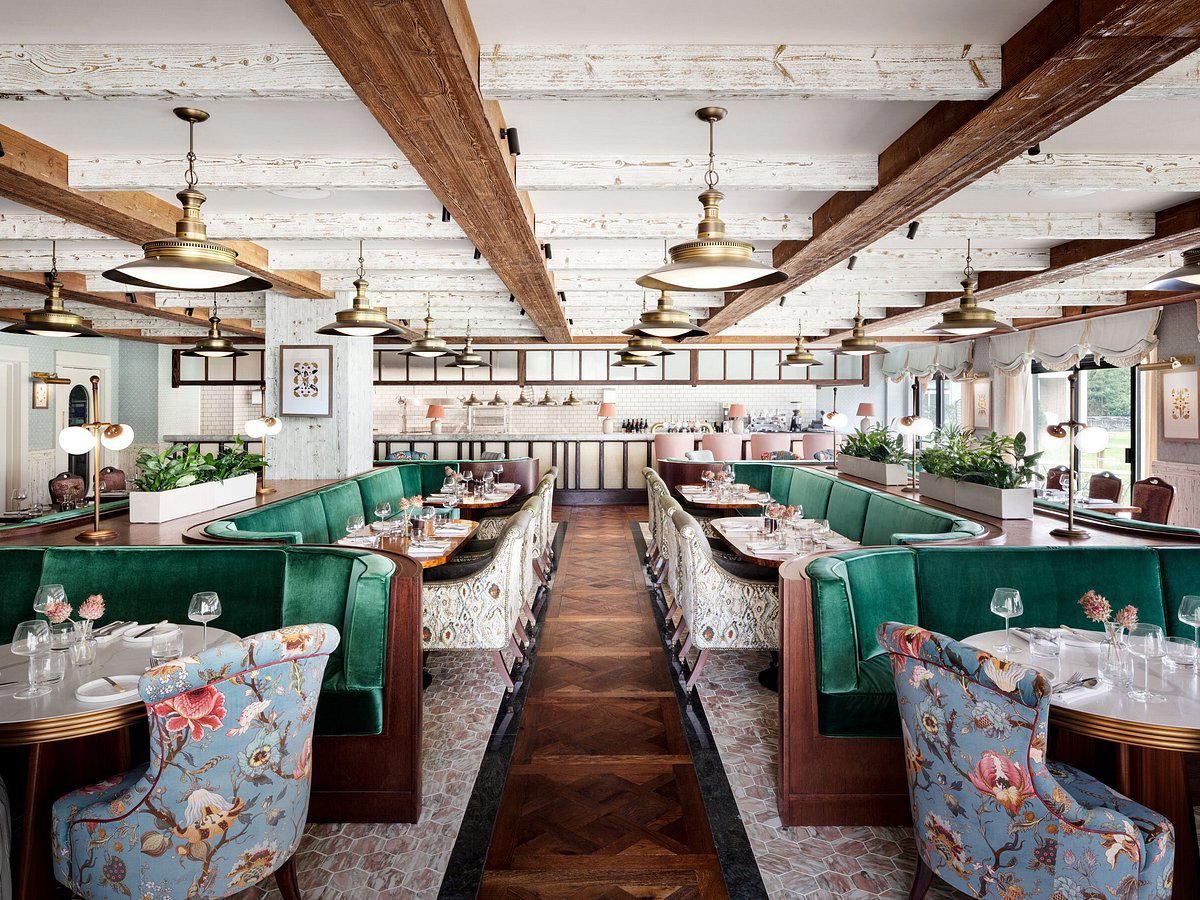
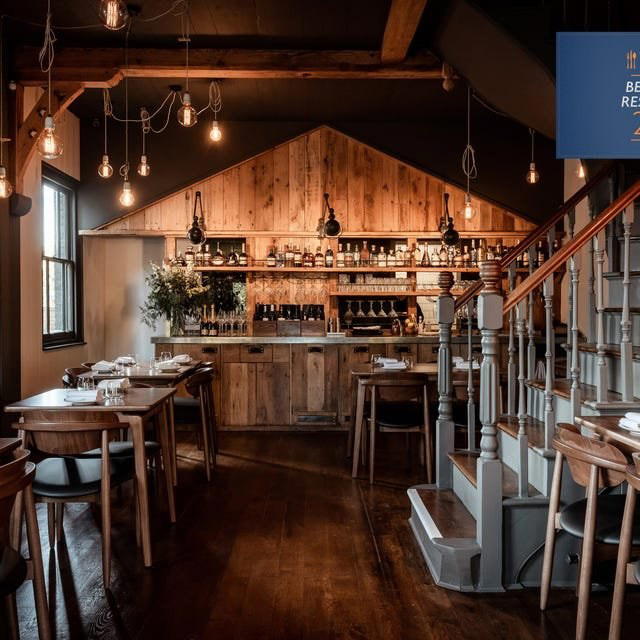
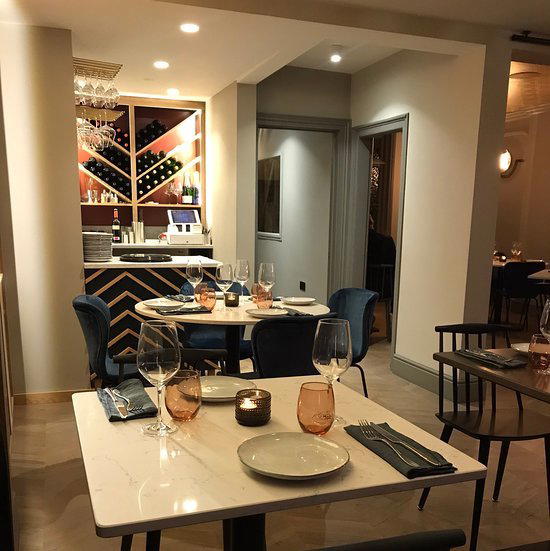
Bars in Cambridge
Browse all →
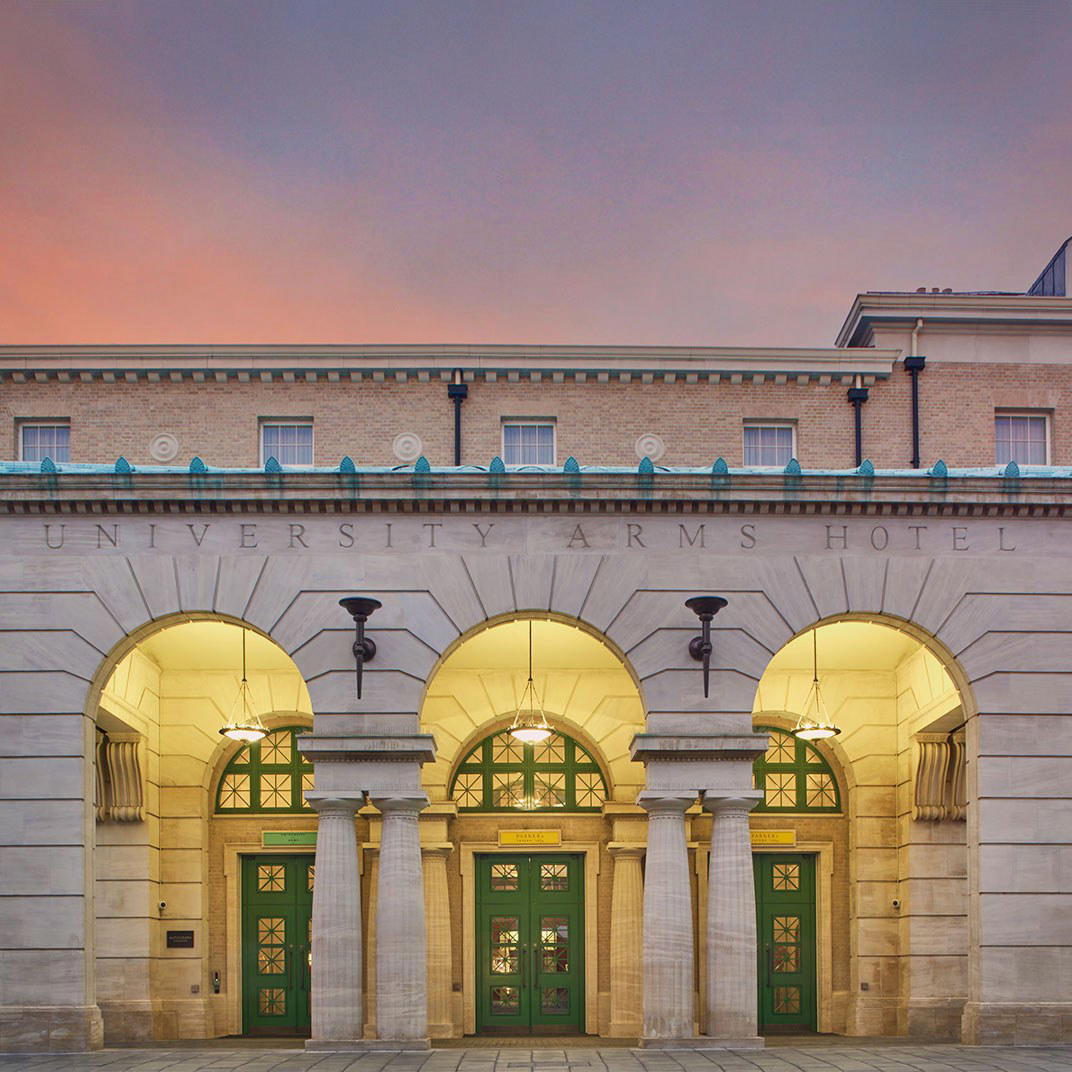
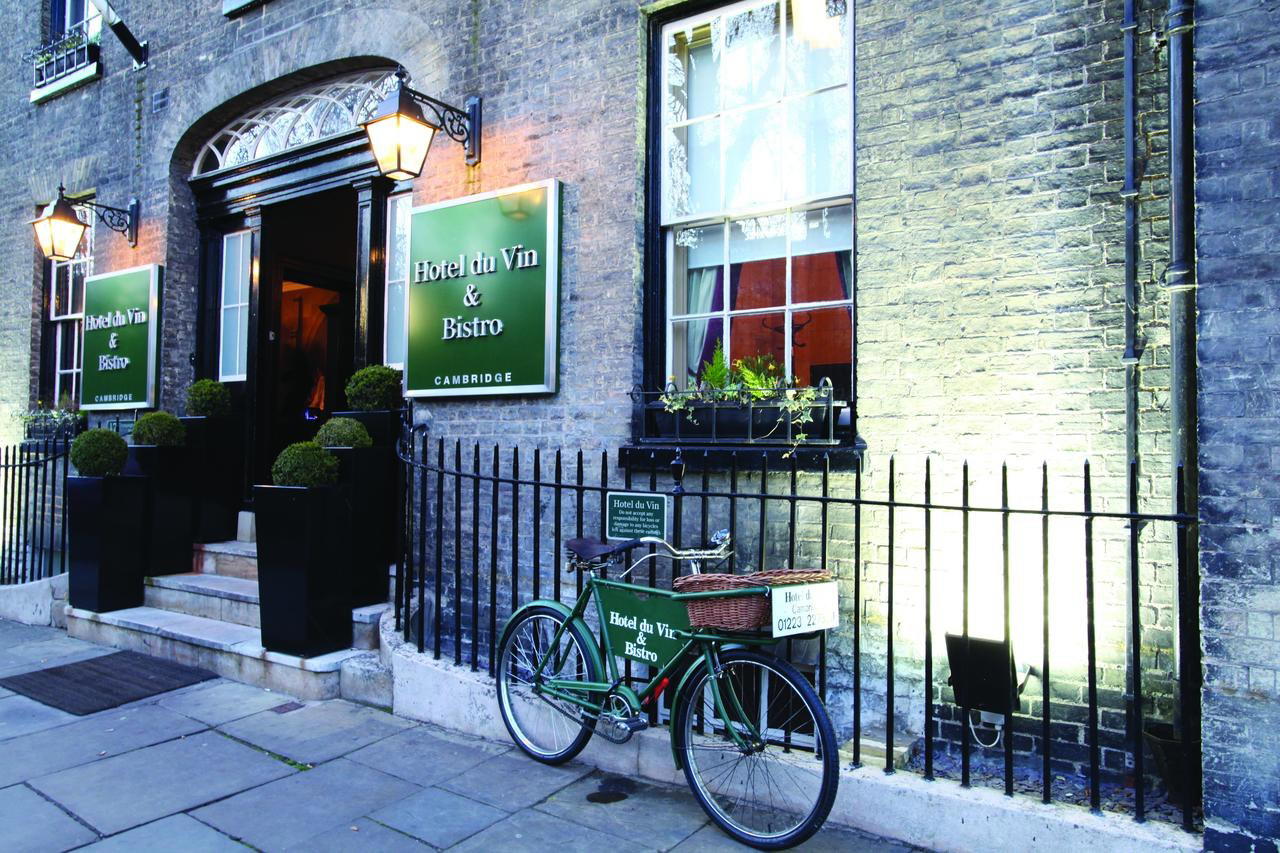
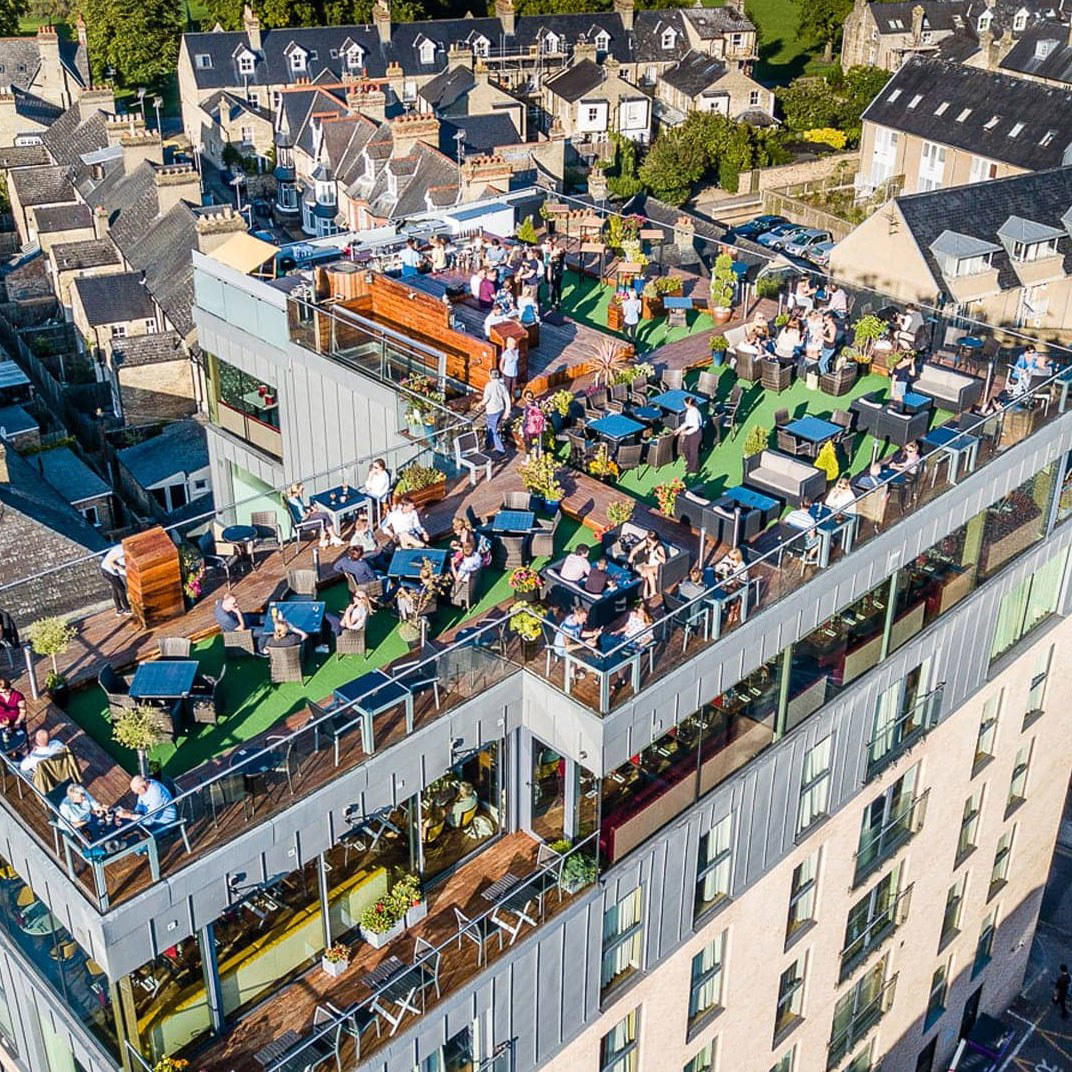
Hotels in Cambridge
Browse all →

Wineries in Cambridge
Browse all →
Details
- Trendy
- Cozy
- Modern
- Minimalist
- Date Night
- Special Occasion
- Celebration
- Open Kitchen
- Craft Cocktails
- Local Sourcing
- Sustainable Seafood
- Street Scene
- A La Carte
- Tasting Menu
- Small Plates
Current opening hours
- Monday
- Closed
- Tuesday
- 6:30–8:30 PM
- Wednesday
- 12–2:30 PM, 6:30–8:30 PM
- Thursday
- 12–2:30 PM, 6:30–8:30 PM
- Friday
- 12–2:30 PM, 6:30–8:30 PM
- Saturday
- 12–2:30 PM, 6:30–8:30 PM
- Sunday
- Closed
Hours can change for holidays and private events. Last verified .
Relaxed, casual atmosphere with a minimalist design featuring quirky seafood artwork, ingredient jars, a visible dry-cure fridge, and window seats for people-watching; convivial and busy yet welcoming.