The Northall


Forbes Travel Guide Hotel Star Bar · The Good Food Guide GFG Very Good
Our verdict
The Northall at Corinthia London occupies a soaring street-level dining room in Westminster, where André Garrett's classical European cooking meets a room designed for unhurried meals. With by-the-glass wine starting at £12 and a set menu that traces a confident arc from Lake District beef tartare to gâteau opera, it has long drawn a loyal crowd from the galleries, theatres, and government offices nearby. Note: The Northall closes permanently on 15 July 2025.

Pearl is the En Primeur Club membership app, where members save venues, book tables and use the concierge.
Closure notice: The Northall will close permanently on 15 July 2025. The information below reflects the restaurant as it operated up to that date.
Light, Height, and a Room That Does Not Rush You
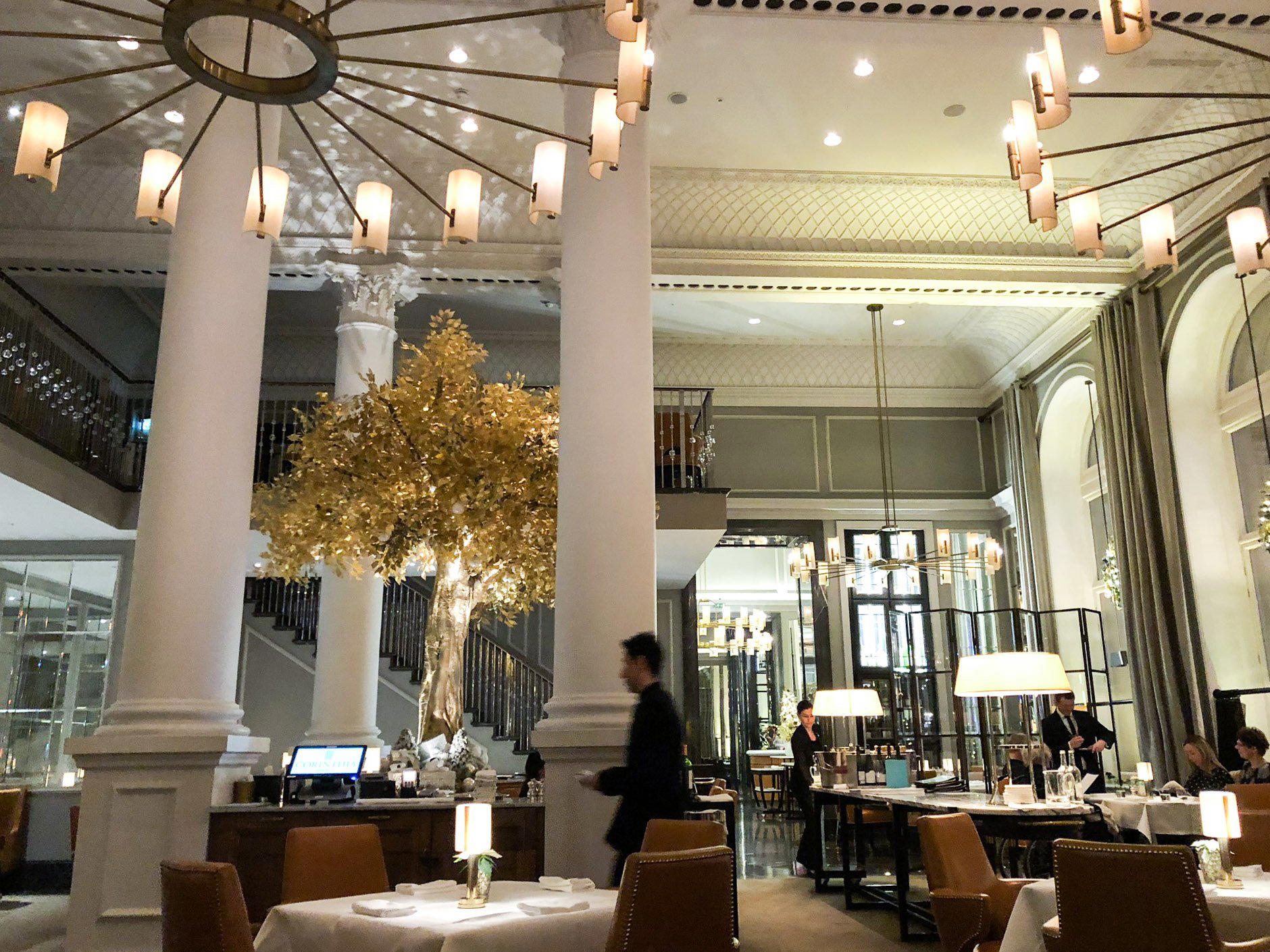
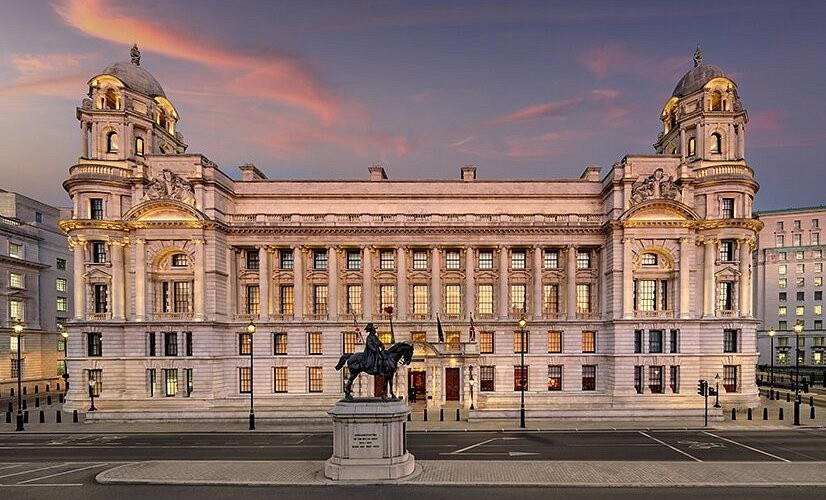
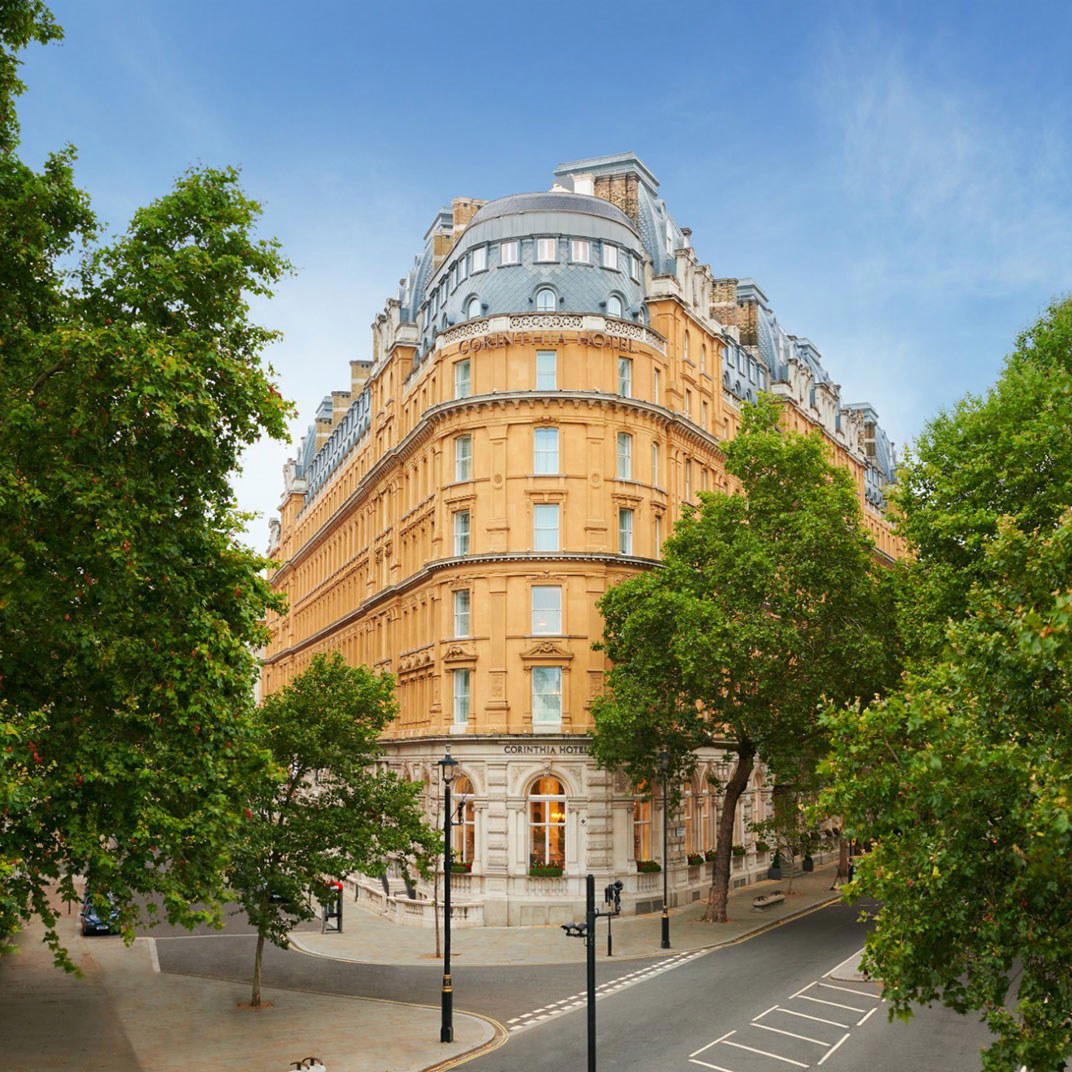
Hotel dining in London has polarised. On one side sit tight, chef-driven rooms where the kitchen is the spectacle and the décor is deliberately stripped back. On the other sit grand hotel restaurants where the architecture carries as much weight as the plate. The Northall, inside the Corinthia London on Whitehall Place, belonged firmly in the second camp, and it made no apology for that positioning.
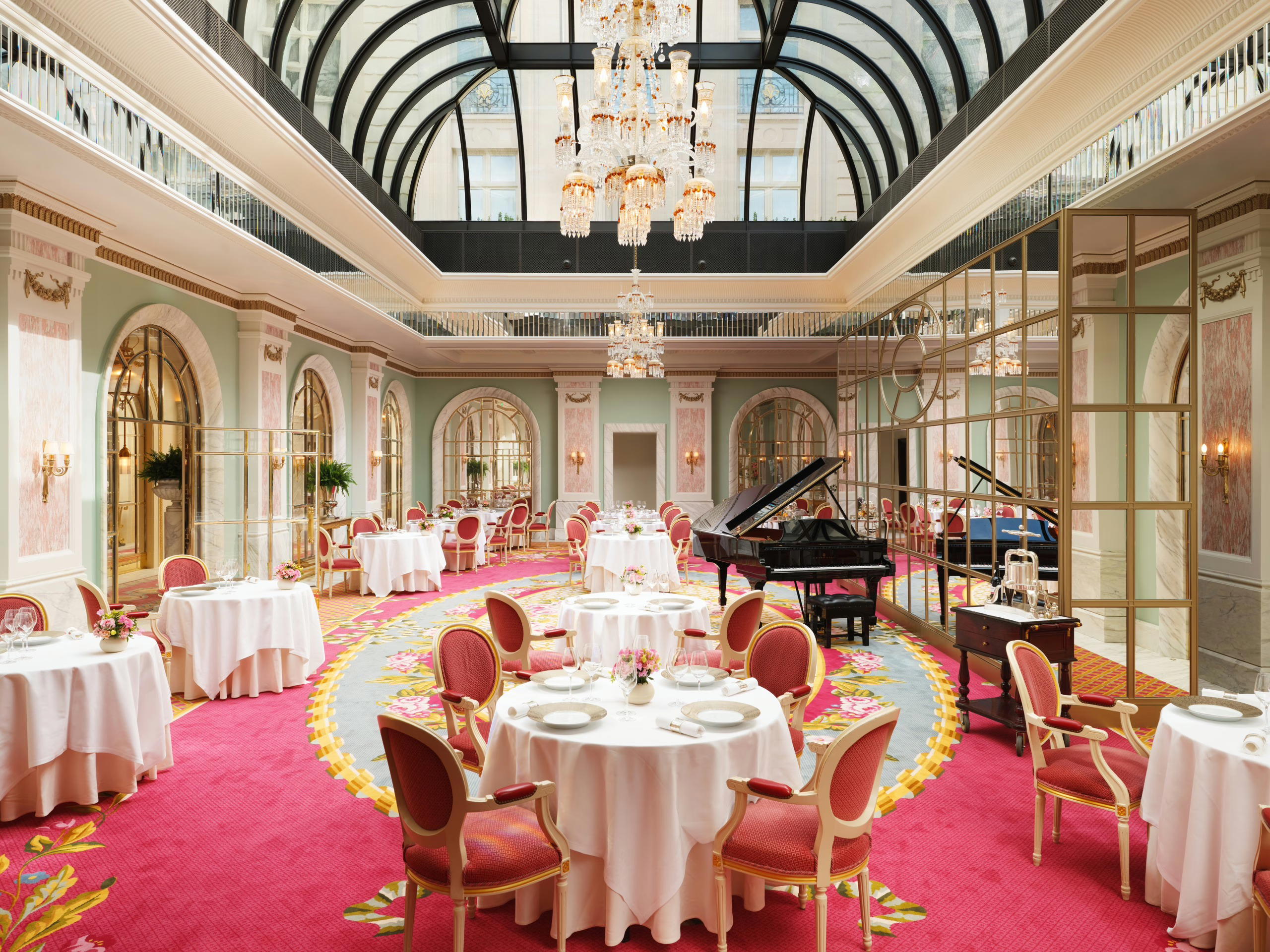
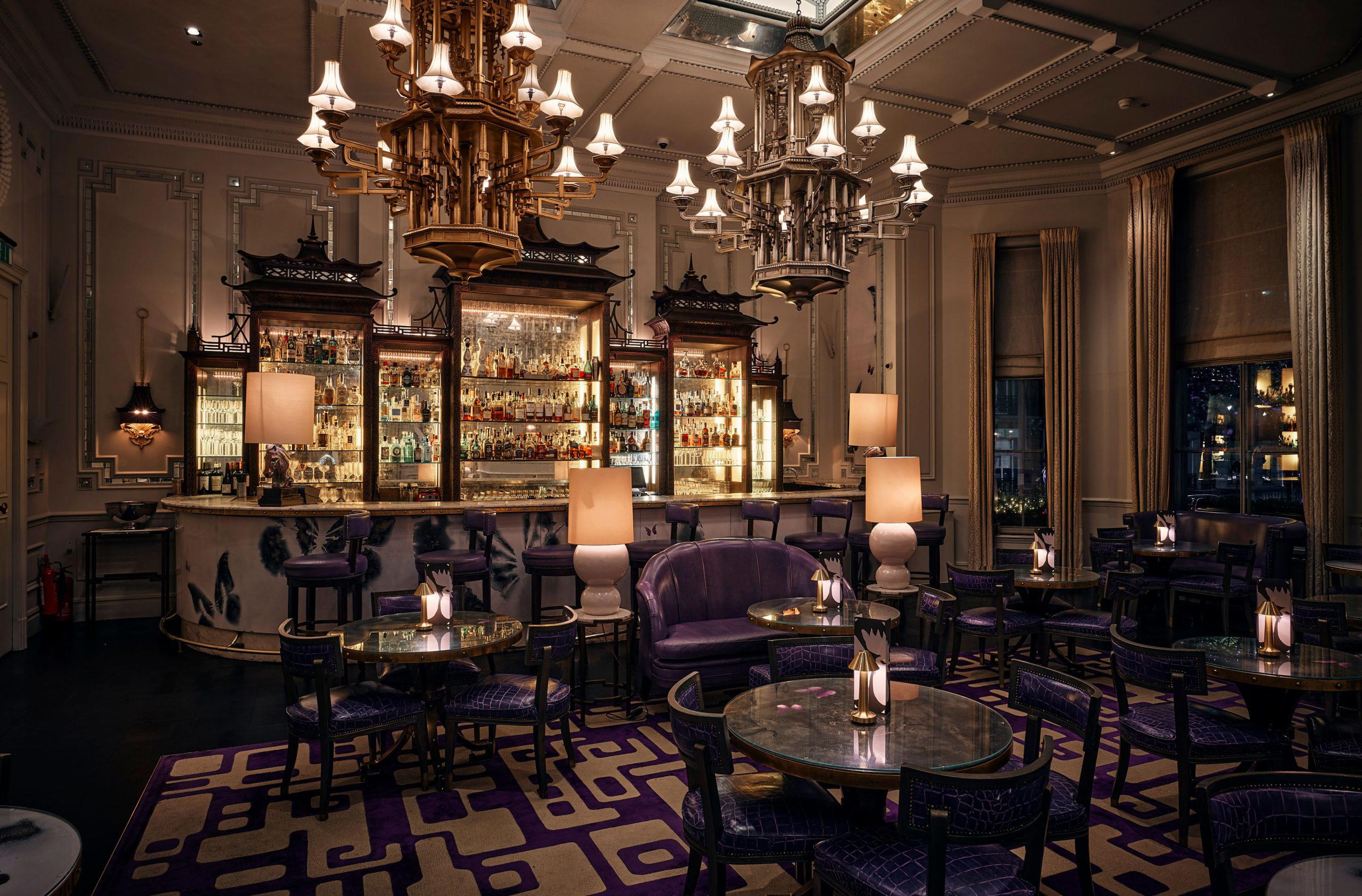
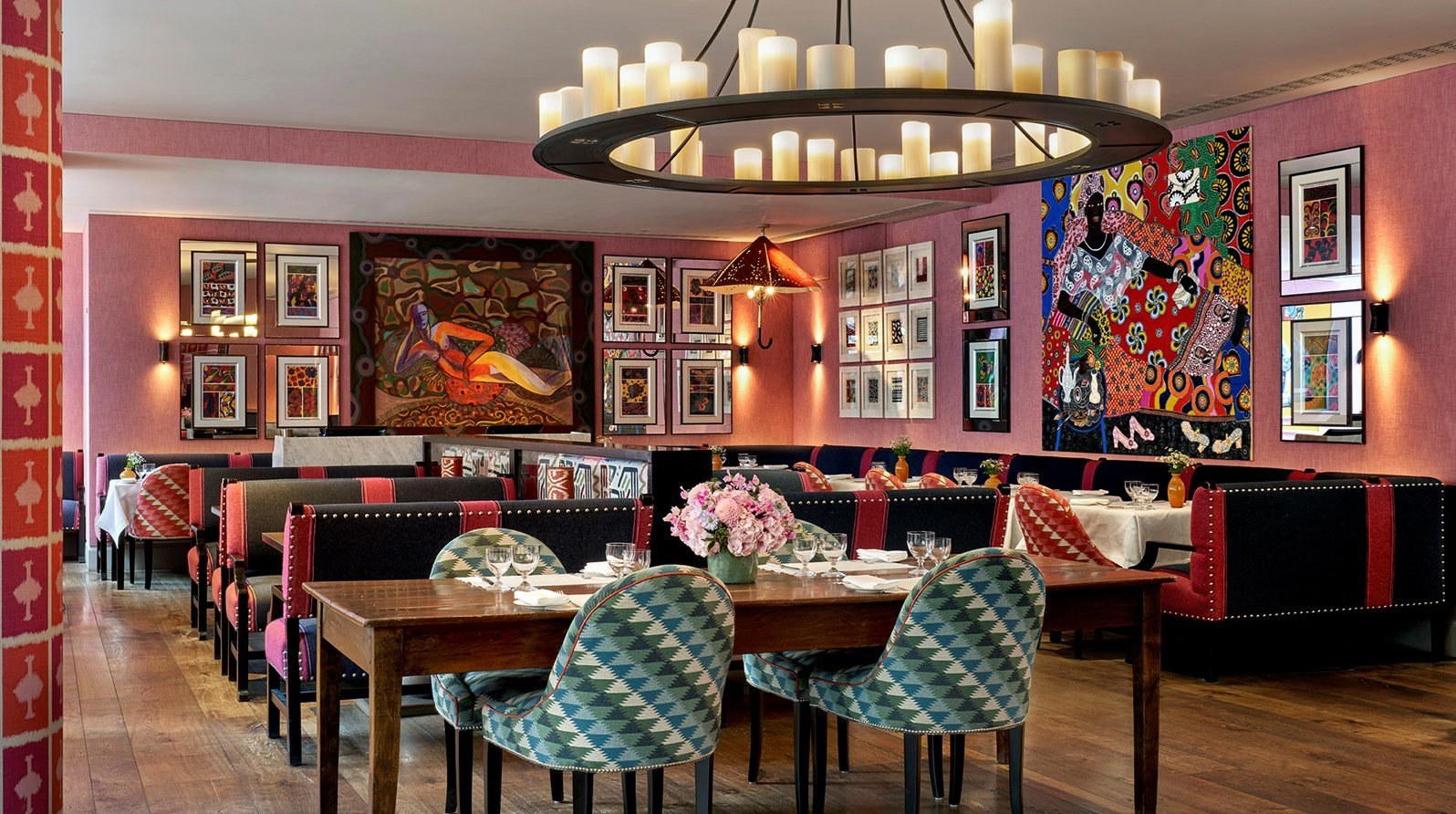
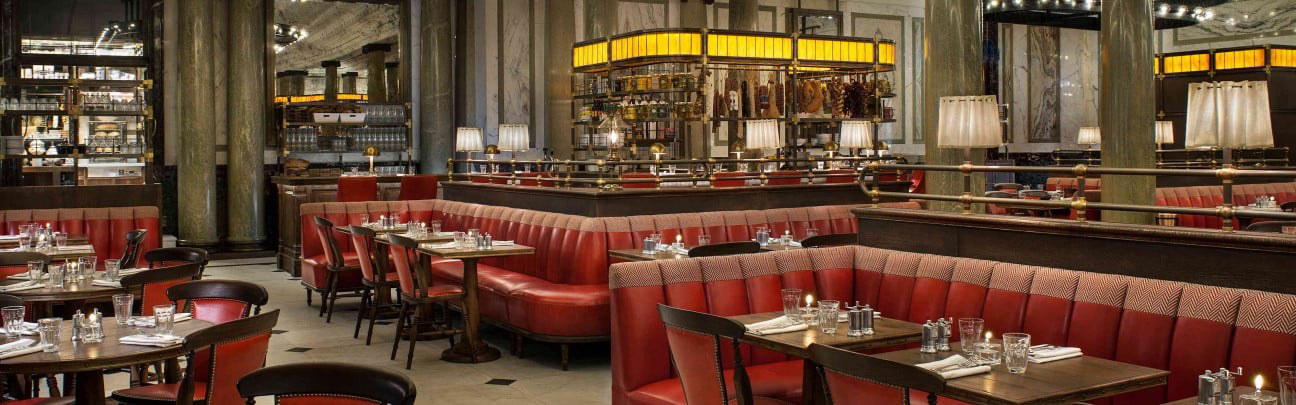
The room arrived at you in layers: enormous street-level windows admitting natural light across a palette of cream, buttery gold, and white; well-spaced tables under white cloths; a carpeted floor that absorbed conversation before it could build into noise. A mezzanine occupied one corner at a height that most dining rooms could not accommodate, suggesting the grandeur of a converted 19th-century institution rather than a purpose-built restaurant. For diners who have grown weary of hard surfaces and theatrical darkness, this formula offered a deliberate counter-argument. The Northall drew a loyal cohort of older, regular guests who treated it as a reliable anchor in a neighbourhood otherwise short on serious lunch options.
Classical Cooking That Moved Without Losing Its Footing
Westminster's hotel restaurant tier tends to default to safe, international menus calibrated for business accounts rather than food-focused guests. André Garrett's approach at The Northall took a different path, rooting the kitchen firmly in classical French and British technique while allowing the carte to absorb contemporary influences without straining for novelty.
The range of the menu was its most instructive feature. Dover sole meunière sat alongside kombu-cured brill with Italian cucumber, nori, and cultured cream, classical and contemporary treatments coexisting on the same list without the tension that often marks such attempts at breadth. Pressed rabbit terrine with pickled radish, red pepper ketchup, and pistachio brioche demonstrated a kitchen comfortable with both charcuterie tradition and modern acidic counterpoint. The set menu made the kitchen's capabilities accessible at a lower entry point, moving from Lake District beef tartare with smoked onion cream and pickled pearl onion through poached trout with crushed courgette, brown shrimp, Champagne velouté, and trout roe, to a classic gâteau opera, a sequence that traced classical principles without feeling archaic.
The ambition was calibrated: produce everything with assurance, offer real value through a set menu, and let a Sunday lunch service build the kind of repeat custom that most hotel restaurants struggle to generate.
Front of House, Sommelier, and the Quiet Work of a Grand Room
In a dining room of this scale and formality, the performance of service is inseparable from the food. Grand hotel restaurants live and die by coordination: whether the sommelier's pacing aligns with the kitchen's, whether front-of-house reads a table's mood accurately enough to know when to appear and when to recede. The Northall operated within a tradition where that coordination is expected to be invisible, the room's unhurried quality depended on it.
The wine list reflected the register of the room: imposing in scope, high in quality across the board, and priced accordingly. By-the-glass selections opened at £12, signalling clearly that this was not a list structured for casual drinking. For guests arriving from the nearby galleries or the government offices along Whitehall, the list functioned as both a statement of intent and a practical challenge. Sommelier guidance mattered here more than in rooms where the list is short and the choices obvious. In that sense, the floor team carried real editorial responsibility for how guests actually experienced the wine program.
That dynamic, between a classically trained kitchen, a serious wine list requiring active navigation, and a front-of-house team managing a room full of white tablecloths and high ceilings, is what distinguished The Northall from hotel restaurants that outsource the wine experience to a printed card and a generic pour. The coordination required to make it function without friction is a specific kind of institutional knowledge, and it takes years to build. Similar team dynamics operate at rooms like Waterside Inn in Bray and Gidleigh Park in Chagford, where classical cooking, considered wine programs, and formal service operate as a single integrated system rather than separate departments.
Location and the Westminster Dining Gap
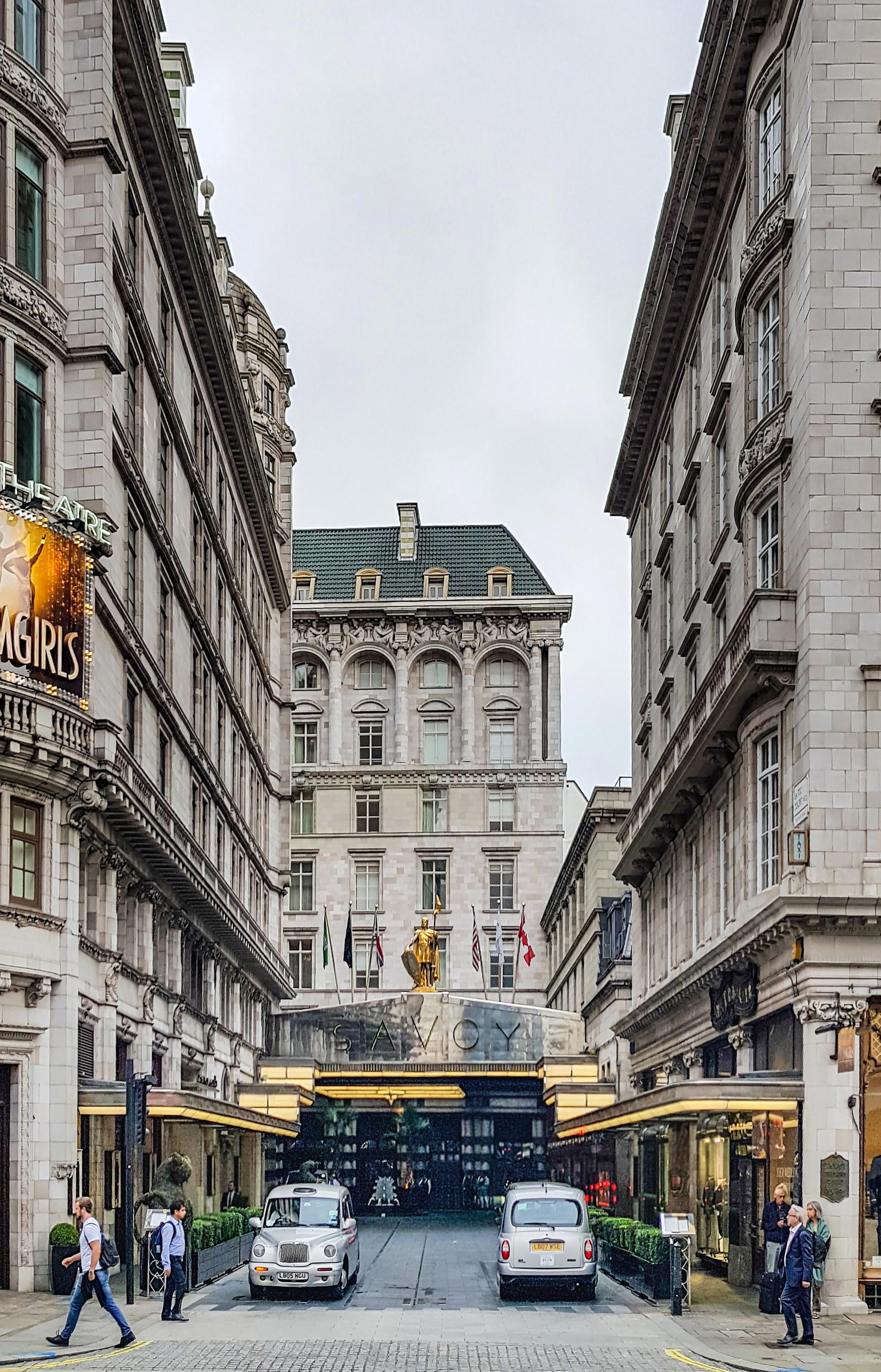
Charing Cross and Whitehall place the Corinthia at a junction between the West End's restaurant density and Westminster's relative scarcity of serious dining options. The National Gallery, the National Portrait Gallery, and the South Bank theatres all fall within practical walking distance, as do the government offices that generate regular weekday lunch demand. The Northall served that catchment area with a format that few nearby options could match: a formal room, a substantial wine list, and a kitchen capable of producing classical dishes to a consistent standard.
For visitors using the Corinthia as a base, the convergence of location and room quality positioned it alongside a small group of hotel restaurants that function as genuine destinations rather than convenient fallbacks. London's broader restaurant scene, covered in our full London restaurants guide, operates at a higher overall density than most European capitals, but the Westminster-to-Strand corridor has historically underperformed relative to Mayfair, Soho, or the City. The Northall was one of the few rooms in that corridor that a food-focused visitor could rely on without qualification.
Comparable investment in British ingredients and classical technique can be found further afield at Moor Hall in Aughton and L'Enclume in Cartmel, though neither operates within a hotel format or carries the particular institutional weight of a Whitehall address. For those whose London itinerary extends beyond restaurants, our full London hotels guide, our full London bars guide, and our full London experiences guide cover the wider picture.
Other rooms working in the classical-to-contemporary British register include The Ledbury, The Clove Club, and Ikoyi, though each operates in a different format and price tier. Hand and Flowers in Marlow and hide and fox in Saltwood offer further points of reference for classical British cooking outside the capital. Internationally, the sustained classical seafood focus at Le Bernardin in New York City represents the global benchmark for technique-led hotel-adjacent fine dining, while Emeril's in New Orleans demonstrates how chef-driven hotel dining can anchor a neighbourhood's broader food identity. Our full London wineries guide covers the growing number of wine-focused destinations in the capital for those wishing to extend the experience.
Know Before You Go
- Address: Corinthia London, Whitehall Place, Westminster, SW1A 2BD
- Closure: Permanently closing 15 July 2025
- Wine by the glass: From £12
- Set menu: Available; three courses including beef tartare, poached trout, and gâteau opera
- Sunday lunch: Popular service; advance booking advisable
- Nearest transport: Embankment and Charing Cross stations within short walking distance
- Context: Well-suited for pre-theatre or post-gallery meals; formal room with white tablecloths and significant noise absorption
Frequently asked questions
at The Northall?
The set menu represents the clearest way to assess the kitchen's range: it moves through Lake District beef tartare with smoked onion cream, poached trout with Champagne velouté and trout roe, and closes with a classic gâteau opera. André Garrett's training in classical French and British technique is most legible across that sequence, which offers genuine value relative to the à la carte. Sunday lunch has historically been the session that draws the most loyal repeat custom.
Do they take walk-ins at The Northall?
As a hotel restaurant at the Corinthia London, The Northall has typically been able to accommodate walk-in guests at quieter periods, particularly weekday lunches outside peak government and theatre schedules. Sunday lunch runs at higher occupancy and advance booking has been advisable for that session. Given the closure date of 15 July 2025, availability for remaining dates should be confirmed directly with the Corinthia hotel.
What's the signature at The Northall?
The kitchen does not operate around a single showpiece dish in the way that some tasting-menu formats do. Instead, the range of the carte, from Dover sole meunière to kombu-cured brill with nori and cultured cream, is itself the signature: classical technique applied across a broad spectrum without a house style that narrows the offering. The pressed rabbit terrine with pistachio brioche represents the kitchen at its most characteristically assured.
How does The Northall handle allergies?
Allergy and dietary requirements are standard practice at a hotel restaurant of this tier operating in London, where legislation requires clear disclosure. For confirmed current procedures ahead of any remaining service before the 15 July 2025 closure, contact the Corinthia London directly through the hotel's main reservations line.
Is The Northall suitable for a pre-theatre dinner before a West End show?
The Northall's location near Charing Cross placed it within practical distance of several major West End theatres, and the room's format, with a set menu and a kitchen producing classical dishes to a consistent pace, suits guests with fixed curtain times. The unhurried nature of the room is an asset for pre-theatre use provided the booking is timed with adequate allowance; the full carte at this level of cooking does not compress easily into under ninety minutes. With the restaurant closing on 15 July 2025, available dates for this use are limited.
Cuisine Context
Comparable venues nearby, for context on price, style, and recognition.
| Venue | Cuisine | Price | Awards | Notes |
|---|---|---|---|---|
| The NorthallThis venue (the venue you are viewing) | Modern British Fine Dining | $50–100 | Forbes Travel Guide Hotel Star Bar · The Good Food Guide GFG Very Good | Not listed |
| The Botanist | Modern British Gastropub | $50–100 | Not listed | Sloane Square |
| Whiteley’s Café | Vegetable-led Modern British | Not listed | Not listed | Queensway |
| The Narrow | Modern British Gastropub | $50–100 | Not listed | Limehouse |
| Paradise by way of Kensal Green | Modern British Gastropub | $50–100 | Not listed | West Kilburn |
| Barge East | Modern British Seasonal | $50–100 | The Good Food Guide GFG Good | Hackney Wick |
Recognition history
Dated appearances from independent guides and award organizations, with the underlying list record or original source where available.
Forbes Travel Guide Hotel Star Bar
Forbes · Forbes Travel Guide Hotel Star Bars 2026
The Good Food Guide GFG Very Good
The Good Food Guide
Continue exploring
More in London
Restaurants in London
All restaurants in London →
Bars in London
All bars in London →



Details
- Elegant
- Sophisticated
- Classic
- Business Dinner
- Special Occasion
- Date Night
- Hotel Restaurant
- Private Dining
- Extensive Wine List
- Local Sourcing
- A La Carte
- Set Menu
- Vegetarian Friendly
Current opening hours
- Monday
- Closed
- Tuesday
- Closed
- Wednesday
- 12–2:30 PM, 5:30–9:30 PM
- Thursday
- 12–2:30 PM, 5:30–9:30 PM
- Friday
- 12–2:30 PM, 5:30–9:30 PM
- Saturday
- 12–2:30 PM, 5:30–9:30 PM
- Sunday
- 12–4 PM
Hours can change for holidays and private events. Hours as of .
Light and elegant with cream and gold tones, well-spaced white-clothed tables, comfortable seating, and a quiet, carpeted atmosphere.