The Newt
Our verdict
Set within a working Somerset estate, The Newt frames its food and drink around the land that surrounds it — orchards, kitchen gardens, and cider cellars feeding a dining programme rooted in seasonal produce rather than imported prestige. It sits in a small cohort of British country-house destinations where the estate itself is the ingredient list, and where arriving is as much the point as eating.

Pearl is the En Primeur Club membership app — saves, bookings, and concierge access live there. Same editors, same standards.
- Address
- Hadspen, A359, Bruton BA7 7NG, United Kingdom
- Phone
- +441963577777
- Website
- thenewtinsomerset.com
- Directions
- Get directions
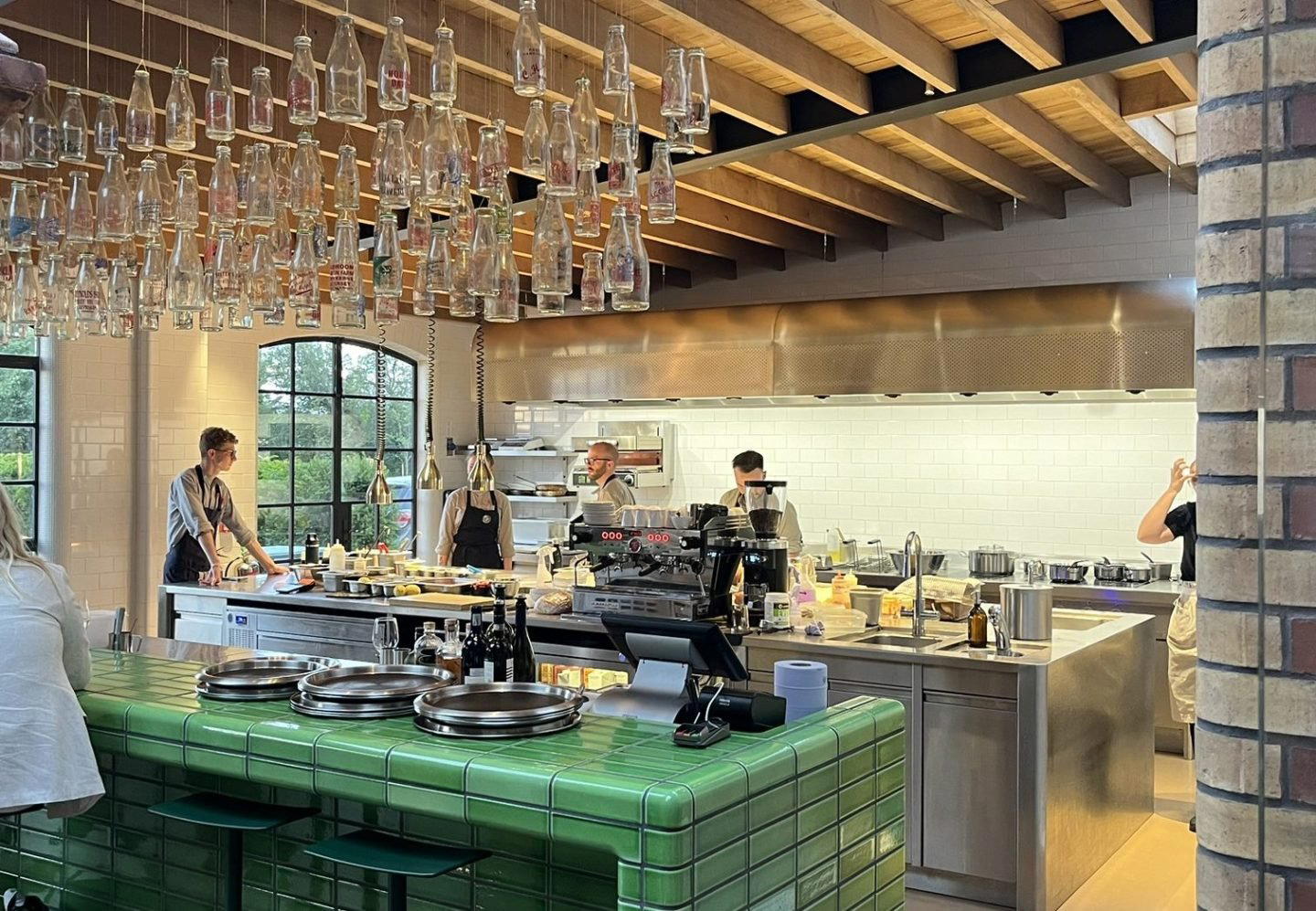
The menu
What to order
- Lloyd's lamb merguez sausages
- Buffalo milk gelato
- Afternoon tea with roast beef and waterlip cheese
- All-day Sunday roast
Where the Estate Is the Menu
Somerset's country-house hotel circuit has long operated on a familiar template: grand architecture, capable cooking, a wine list weighted toward Bordeaux, and a spa as afterthought. The Newt at Hadspen, on the A359 between Castle Cary and Bruton, works from a different premise. The estate is not the backdrop for a restaurant; the estate is, in most meaningful respects, the supplier. Kitchen gardens, orchards running to heritage apple varieties, and an on-site cider house create a closed loop between land and plate that the more conventionally arranged country-house hotel cannot replicate simply by changing a tagline. In a region already associated with artisan food production — from Montgomery cheddar a few miles to the west to the small producers clustering around Bruton — The Newt has positioned itself at the convergence of provenance-led hospitality and estate agriculture.
This is not a novel concept across British fine dining. L'Enclume in Cartmel runs its own farm at Aulis to supply Simon Rogan's tasting menu, treating the growing calendar as a direct input into menu sequencing. Moor Hall in Aughton maintains kitchen gardens that feed the multi-course format. What distinguishes The Newt's version of this model is scale and integration: the estate occupies around 300 acres, the cider operation produces commercially distributed products, and the gardens are visitor attractions in their own right rather than production units kept behind service doors. The result is a property where the sourcing story is legible to guests throughout a stay, not only once the amuse-bouche arrives.
Approaching the Property
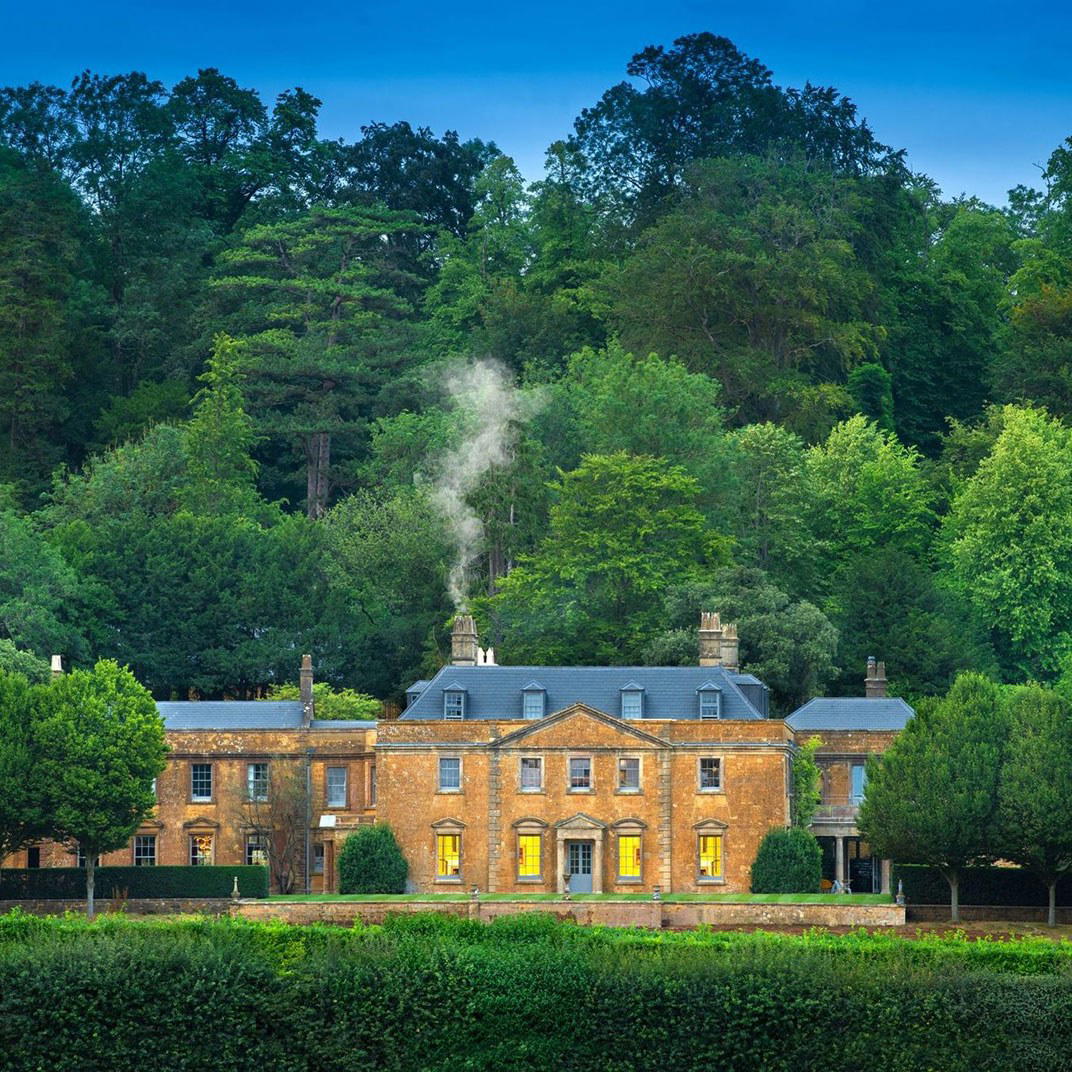
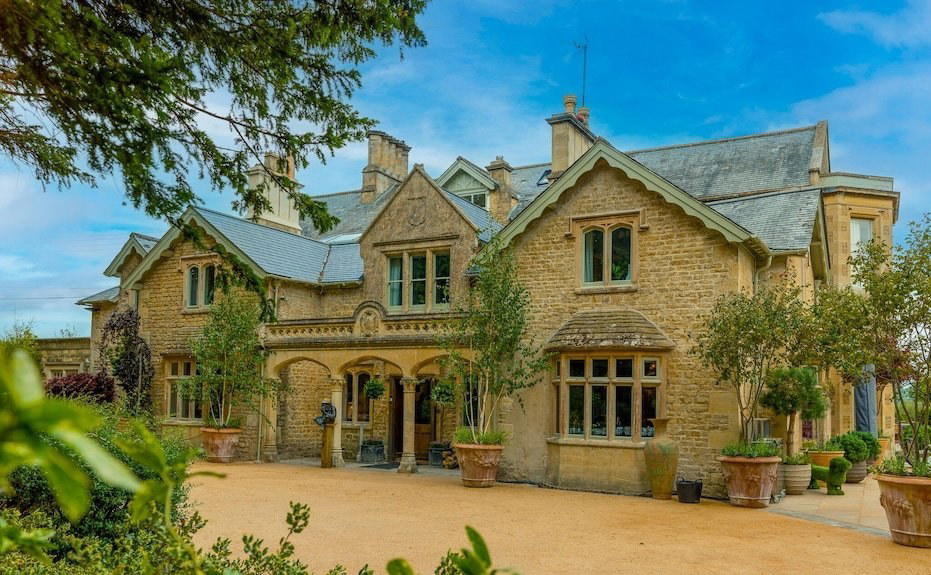
The physical approach matters here more than at most addresses. Coming off the A359, the drive through the estate opens onto a Georgian house set against working parkland, the kind of arrival sequence that communicates land and permanence before a single door is opened. The Parabola, the restored walled garden, is among the more seriously planted kitchen gardens in the English country-house tradition, laid out with the kind of geometric discipline that signals intention rather than ornament. Walking through it before a meal is not a sentimental gesture; it is, functionally, previewing the supply chain.
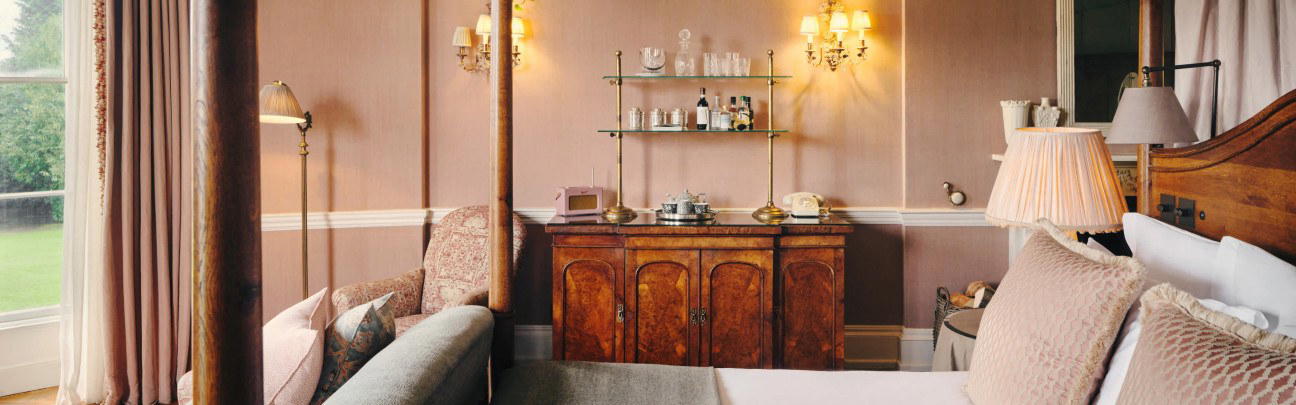
The interior registers as country house updated rather than country house preserved in aspic. The design references the Georgian bones of the building without performing nostalgia, and the cidermaking and brewing facilities visible elsewhere on the estate give the property an operational character that separates it from the purely decorative end of the rural luxury market. For the cohort of British country-house hotels operating at the premium tier, Gidleigh Park in Chagford, Le Manoir aux Quat'Saisons in Oxford, the differentiator has historically been chef pedigree and Michelin position. The Newt's differentiator is the land itself.
The Sourcing Argument
British fine dining spent much of the 2010s processing the implications of the New Nordic movement's insistence on hyperlocal, foraged, and seasonal sourcing. By the mid-2020s, the more sophisticated operators had moved past the rhetorical stage and into genuine supply chain restructuring. Estate-grown produce now functions as a credentialing mechanism in the same way chef training lineage once did: it tells a sophisticated diner something real about constraint, seasonality, and the limits within which a kitchen must work.
At The Newt, the cider programme deserves particular attention as evidence of this commitment's depth. The estate orchards contain a documented collection of Somerset and West Country heritage apple varieties, a category that the global cider industry had largely abandoned in favour of higher-yield, more consistent cultivars. Maintaining these varieties at scale, pressing them, and building a commercial cider brand around them represents an agricultural and commercial investment well beyond what most hospitality operations undertake. It signals that the estate is functioning as a producer that happens to run a hotel, rather than a hotel that happens to have a garden.
For diners oriented around provenance, the same cohort drawn to Restaurant Sat Bains in Nottingham for its technical precision around British ingredients, or to Ynyshir Hall in Machynlleth for its intensity around Welsh sourcing, The Newt offers a different but related proposition: breadth of estate production rather than depth of a single tasting menu format.
Castle Cary and the Bruton Effect
The Newt's location between Castle Cary and Bruton places it inside what has become one of the more discussed small-town food and cultural clusters in England. Bruton, population under 3,000, now contains Hauser & Wirth Somerset alongside a constellation of small restaurants and food producers that have attracted substantial press attention. Farm Caff in Castle Cary represents the more accessible, community-rooted end of the local food scene. The Newt sits at the premium end, but the broader point is that this part of Somerset has developed genuine density in food culture, which raises the baseline and gives visitors more reason to extend their time in the area. Our full Castle Cary restaurants guide covers the wider picture.
By the standards of comparable British country-house destinations, the surrounding food ecosystem here is unusually strong. The area's artisan cheesemakers, small-batch producers, and farm shops mean that the sourcing story The Newt tells is plausible to anyone who spends a day in the county rather than arriving solely by taxi from Paddington.
Planning a Visit
The Newt functions primarily as a hotel and estate destination rather than a standalone restaurant booking, which affects the practical logic of a visit. Guests staying on the estate have access to the gardens, cider cellars, and associated programming as part of the stay; day visitors and non-residents should confirm dining access and any estate entry requirements directly before travel. Castle Cary station, served by Great Western Railway from London Paddington in under two hours, sits roughly three miles from the estate and is the most direct approach without a car. For non-residents visiting in warmer months, the Parabola garden is the primary draw alongside dining, making a late-spring or summer visit the most rewarding timing for anyone whose interest centres on the estate's agricultural programme. Those with broader regional ambitions can cross-reference the Somerset stop with properties further afield: Hide and Fox in Saltwood, Hand and Flowers in Marlow, and Midsummer House in Cambridge are all within a day's drive for those constructing a broader British fine-dining itinerary.
Frequently asked questions
Is The Newt a family-friendly restaurant?
The Newt operates primarily as an estate hotel rather than a standalone restaurant, and the grounds at Hadspen on the A359 give families considerable space to move through: gardens, working farm areas, and the parabola garden are all part of the visit. Children are accommodated, though the experience is calibrated around the estate as a whole rather than a dedicated family dining programme. Those travelling with younger children should check the venue's official channels to confirm current service arrangements.
What's the vibe at The Newt?
The atmosphere at the Hadspen estate sits closer to a private country retreat than a conventional hotel — unhurried, rooted in the Somerset landscape, and structured around the estate's own production cycles. The Georgian house sets a formal architectural tone that the overall experience softens considerably, with cider-making, kitchen gardens, and farm operations running visibly alongside the hospitality offer. It draws guests who want the countryside to be the actual substance of the stay, not just a backdrop.
Can you visit The Newt just for the gardens and estate without staying overnight?
The Newt at Hadspen, on the A359 between Castle Cary and Bruton, has offered daytime estate access that includes the parabola garden, the cider farm, and the museum of gardening — making it one of the few properties of its kind in Somerset where the grounds function as a destination in their own right. This distinguishes it from comparable country-house hotels where the estate is incidental to the room offer. Access terms and ticketing should be confirmed directly with the property, as arrangements can change seasonally.
What should I order at The Newt?
The sourcing argument at The Newt centres on what the estate itself produces, so the most coherent choices are those that reflect the Hadspen gardens and farm output directly. The cider programme is central to the property's identity and worth treating as seriously as the wine list. Beyond that, the kitchen's output shifts with what the estate is growing and harvesting, which makes the menu a seasonal reflection of the Somerset land surrounding the A359 address rather than a fixed repertoire.
What part of town is The Newt in?
The Newt is located at Hadspen, A359, Bruton BA7 7NG, United Kingdom, Castle Cary.
Do I need a reservation for The Newt?
The Newt functions as a hotel-led destination between Castle Cary and Bruton, and dining access is structured primarily around stays rather than walk-in bookings. Non-resident dining reservations have historically been available but are secondary to the hotel operation. Given the property's profile in the Somerset and Bruton food cluster, advance planning is advisable regardless of whether you are booking accommodation or a standalone meal.
How It Stacks Up
| Venue | Cuisine | Price | Awards | Notes |
|---|---|---|---|---|
| The NewtThis venue — the venue you are viewing | British Farm-to-Table | $30–50 | Not listed | Not listed |
| CORE by Clare Smyth | Modern British Fine Dining | $150–200 | 3 Michelin Stars · World's 50 Best #97 | Modern British |
| Restaurant Gordon Ramsay | French Fine Dining | $200–300 | 3 Michelin Stars · World's 50 Best #13 | Contemporary European, French |
| Sketch, The Lecture Room and Library | Modern French Fine Dining | $200–300 | 3 Michelin Stars · World's 50 Best #18 | Modern French |
| The Ledbury | Modern British Fine Dining | $300–500 | 3 Michelin Stars · World's 50 Best #42 | Modern European, Modern Cuisine |
| Dinner by Heston Blumenthal | Historic British Fine Dining | $200–300 | 2 Michelin Stars · World's 50 Best #45 | Modern British, Traditional British |
Continue exploring
More in Castle Cary
Restaurants in Castle Cary
Browse all →
Bars in Castle Cary
Browse all →
Hotels in Castle Cary
Browse all →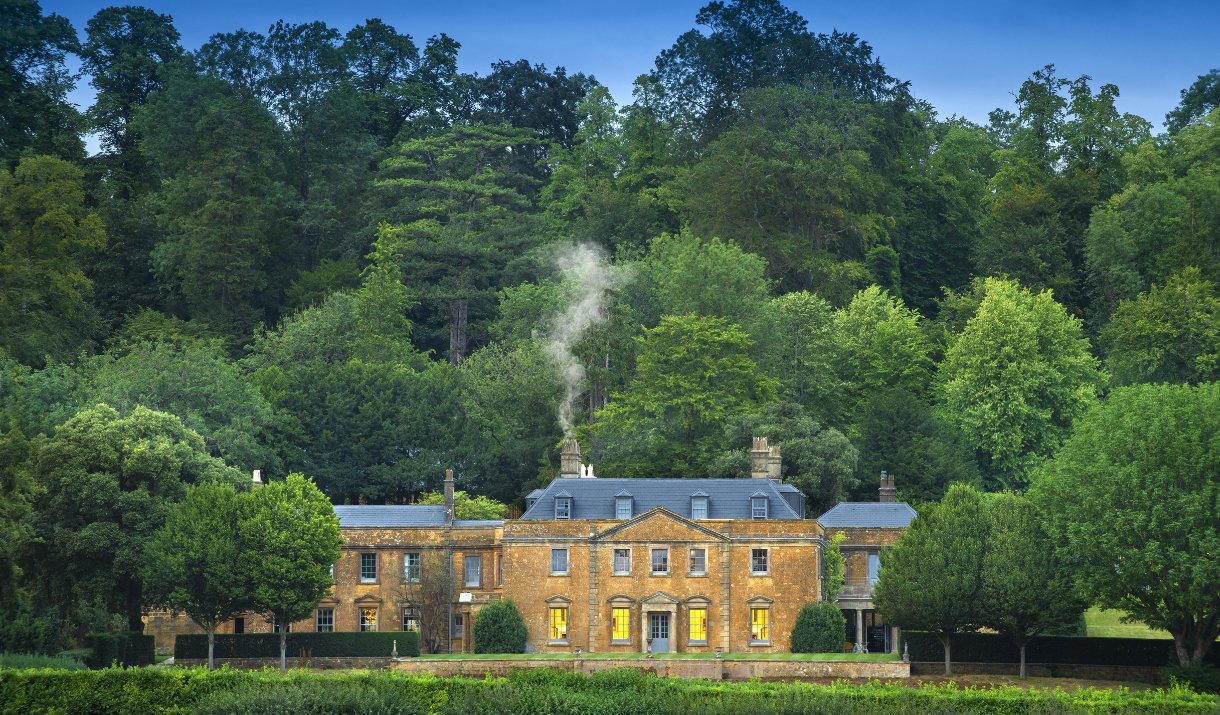
Wineries in Castle Cary
Browse all →
Details
- Elegant
- Rustic
- Scenic
- Classic
- Cozy
- Brunch
- Special Occasion
- Celebration
- Family
- Garden
- Historic Building
- Standalone
- Terrace
- Beer Program
- Farm To Table
- Local Sourcing
- Garden
- A La Carte
- Set Menu
- Loose Leaf Tea
- Traditional Soft Cheese
- Yoghurt
- Vegetarian Friendly
- Vegan Options
Warm and convivial with heritage railway aesthetics; green tiled bar, leather railway carriage booths, and polished mahogany marquetry create a nostalgic golden-age-of-rail atmosphere with natural light from garden views.