Somerset Cider Brandy Co
Somerset Cider Brandy Co at Burrow Hill is one of Britain's most serious producers of apple spirits, distilling cider brandy from Somerset orchards in a tradition that predates the modern craft spirits movement by decades. The farm at Kingsbury Episcopi represents a distinct category of British distilling: unhurried, orchard-rooted, and technically rigorous. Visiting is less a tasting room experience than an encounter with a working agricultural operation that happens to produce bottles of considerable depth.

Pearl is the En Primeur Club membership app — saves, bookings, and concierge access live there. Same editors, same standards.
- Address
- Burrow Hill Burrow Way, Kingsbury Episcopi, Martock TA12 6BU, United Kingdom
- Phone
- +44 1460 240782
- Hours
- Mon–Sat 9 AM–5 PMSun Closed
- Website
- somersetciderbrandy.com
- Directions
- Get directions
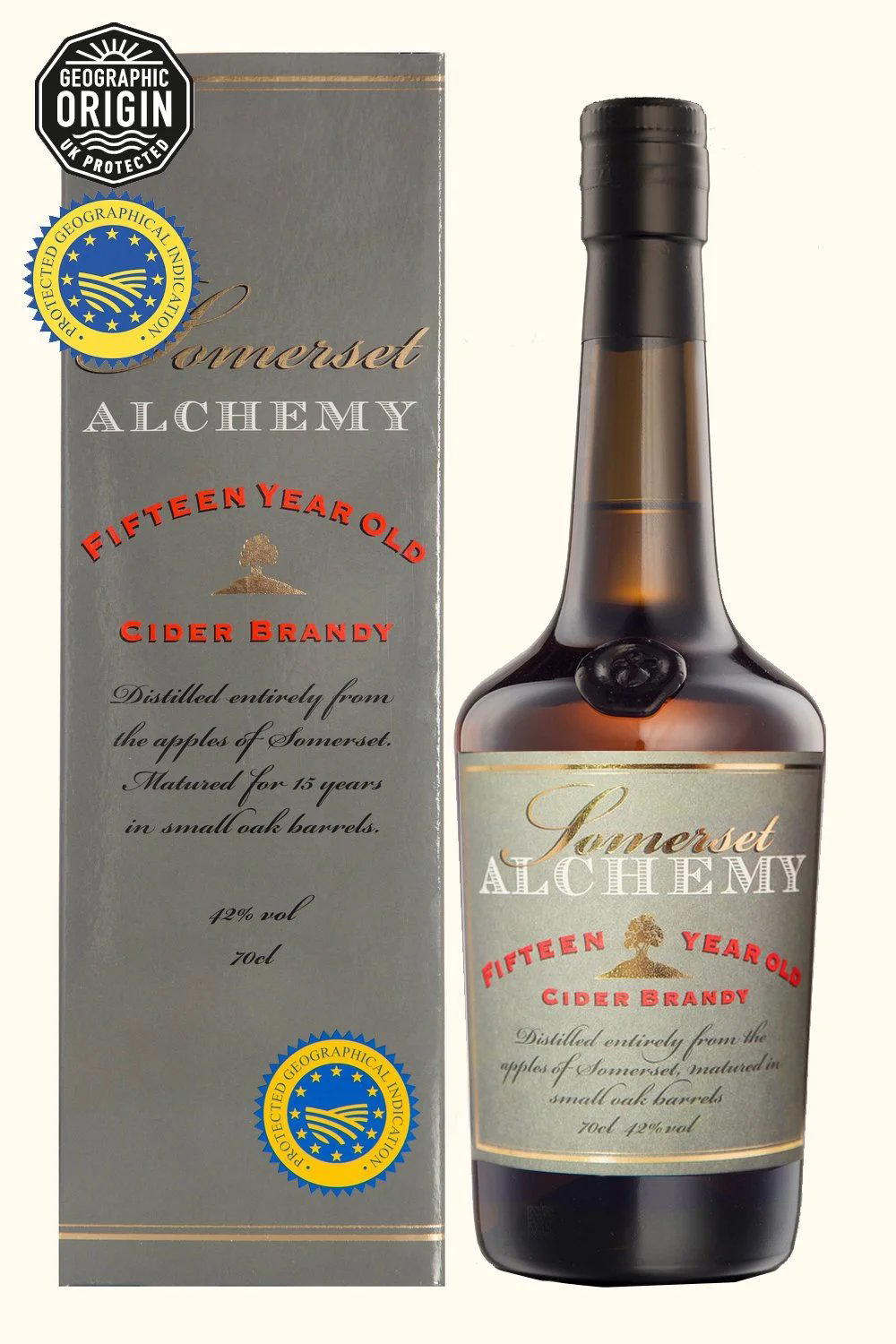
Where British Apple Spirits Have a Serious Address
The road into Kingsbury Episcopi doesn't announce itself with ceremony. The Somerset Levels spread flat and green in every direction, apple orchards marking the field boundaries, and the Burrow Hill site sits among them as a working farm rather than a designed visitor destination. That plainness is the first editorial signal: this is a producer that has spent decades building credibility in the glass rather than on the approach road. For those tracking the development of British artisan spirits beyond gin, Burrow Hill is a reference point, not an afterthought.
Cider brandy as a category occupies an awkward position in the British spirits conversation. Calvados from Normandy has centuries of codified tradition and an AOC framework. British apple brandy, by contrast, spent much of the twentieth century in legal and commercial limbo, with distillation licenses tightly controlled and domestic production negligible. Somerset Cider Brandy Co is among the producers that changed that picture, working within the revived framework for Somerset Cider Brandy — a category that now carries protected geographical indication status, placing it in the same regulatory tier as Cognac or Scotch whisky. That context matters when you're considering what a bottle from Burrow Hill actually represents.
The Spirit in the Glass
The production logic at Burrow Hill follows agricultural rhythms rather than year-round manufacturing schedules. Cider is made from the farm's own orchards, then distilled in copper pot stills before ageing in oak. The resulting spirit is classified by age statements in the same way whisky is, and the maturation process produces profiles that shift considerably across the range: younger releases carry more direct apple character, while older expressions pick up the dried fruit, spice, and tannin notes that extended barrel contact introduces.
For visitors oriented toward cocktail applications, Somerset cider brandy operates as an interesting substitute for Calvados in classic formats. The Normandy Sour template, the apple-brandy-and-vermouth builds that appear on serious cocktail lists, and even simple long formats with tonic or ginger all read differently when the base spirit comes from English rather than French orchards. The flavour register is generally a little more austere, the fruit less overtly rich, with a cidery brightness that younger expressions retain even after time in wood. That character gives the spirit a specific utility in cocktail programmes willing to work with it as a named category rather than a generic brandy substitute.
The broader shift in British bartending toward regionality and provenance has created more space for producers like Somerset Cider Brandy Co on back bars. Operations like 69 Colebrooke Row in London and Schofield's in Manchester have demonstrated that technically minded British bar programmes can anchor a drinks list in local provenance without sacrificing technical ambition. Somerset cider brandy fits logically into that framework: it's an aged, appellation-controlled spirit with genuine complexity, and it comes from a single county with a documented production tradition. Bramble in Edinburgh and Merchant Hotel in Belfast represent the kind of programmes where spirits with this level of regional specificity find a natural home.
A Farm Visit as a Spirits Education
The Burrow Hill site works as a destination for those who want to understand the production chain from orchard to bottle, rather than simply sample finished products. The orchards themselves carry old Somerset varieties, some with names that have been cultivated in this part of England for generations, and the visual context of seeing cider apple trees in scale changes how you understand the raw material going into the still. This is Category 2 context that applies across serious agricultural spirit producers: when the fruit source is on-site and visible, the visit becomes an argument for the spirit's identity in a way that a distillery tour without orchards cannot replicate.
Comparison is useful here. Most of the bars that have built reputations on technical programme depth, from Mojo Leeds to Horseshoe Bar Glasgow, operate within urban formats that rely on sourcing finished bottles. The Burrow Hill visit offers something structurally different: proximity to the production decision-making, which includes orchard management, fermentation choices, still operation, and maturation selection. That educational layer positions it differently from urban tasting rooms and closer to the estate winery or single-farm distillery model that has become a credible travel category in its own right.
Getting There and Planning the Visit
Kingsbury Episcopi sits in Somerset between Yeovil and Langport, more accessible from the A303 or A372 than from any mainline rail connection. A car is the practical requirement for this part of the Levels. The Burrow Hill address — Burrow Way, Kingsbury Episcopi, Martock TA12 6BU, is the working farm, and visitors should confirm opening times and any ticketed elements directly before travelling, as farm-based operations in this category frequently adjust access around seasonal production schedules. Those building a broader itinerary around Somerset drinking culture might also consider the orchard-dense area around Taunton, where cider production traditions are embedded in the agricultural economy in ways that aren't replicated in other English counties.
For those extending the trip into a broader British drinks tour, the contrast between this kind of rural agricultural producer and the urban programmes at venues like Avon Gorge by Hotel du Vin in Bristol or L'Atelier Du Vin in Brighton illustrates how varied the British drinks experience has become. Rural producers and urban cocktail bars now exist in the same conversation about provenance, quality, and regional identity, even if their physical formats couldn't be more different. Further afield, operations like Digby Chick in the Outer Hebrides and Harbour View and Fraggle Rock Bar in Bryher demonstrate that the appetite for regionally specific drinking experiences extends to the edges of the British Isles. Even internationally, the model finds parallels: Bar Leather Apron in Honolulu has built its reputation on precisely this kind of provenance-forward programme logic.
For the full picture of what the Somerset area offers beyond Burrow Hill, our full Kingsbury Episcopi restaurants guide covers the broader dining and drinking context in this part of the county.
How It Stacks Up
| Venue | Price | Awards |
|---|---|---|
| Somerset Cider Brandy CoThis venue — the venue you are viewing | $10–20 | Not listed |
| Bar Termini | $20–30 | World's 50 Best #6 · Falstaff Bar - 93 Falstaff Points |
| Callooh Callay | Not listed | World's 50 Best |
| Happiness Forgets | $20–30 | World's 50 Best #40 · Top 50 Cocktail Bars UK #44 |
| Mojo Leeds | $20–30 | World's 50 Best #24 |
| Nightjar | $30–50 | World's 50 Best #43 · Falstaff Bar - 91 Falstaff Points |
Continue exploring
More in Kingsbury Episcopi
Bars in Kingsbury Episcopi
Browse all →
Restaurants in Kingsbury Episcopi
Browse all →
Hotels in Kingsbury Episcopi
Browse all →
Wineries in Kingsbury Episcopi
Browse all →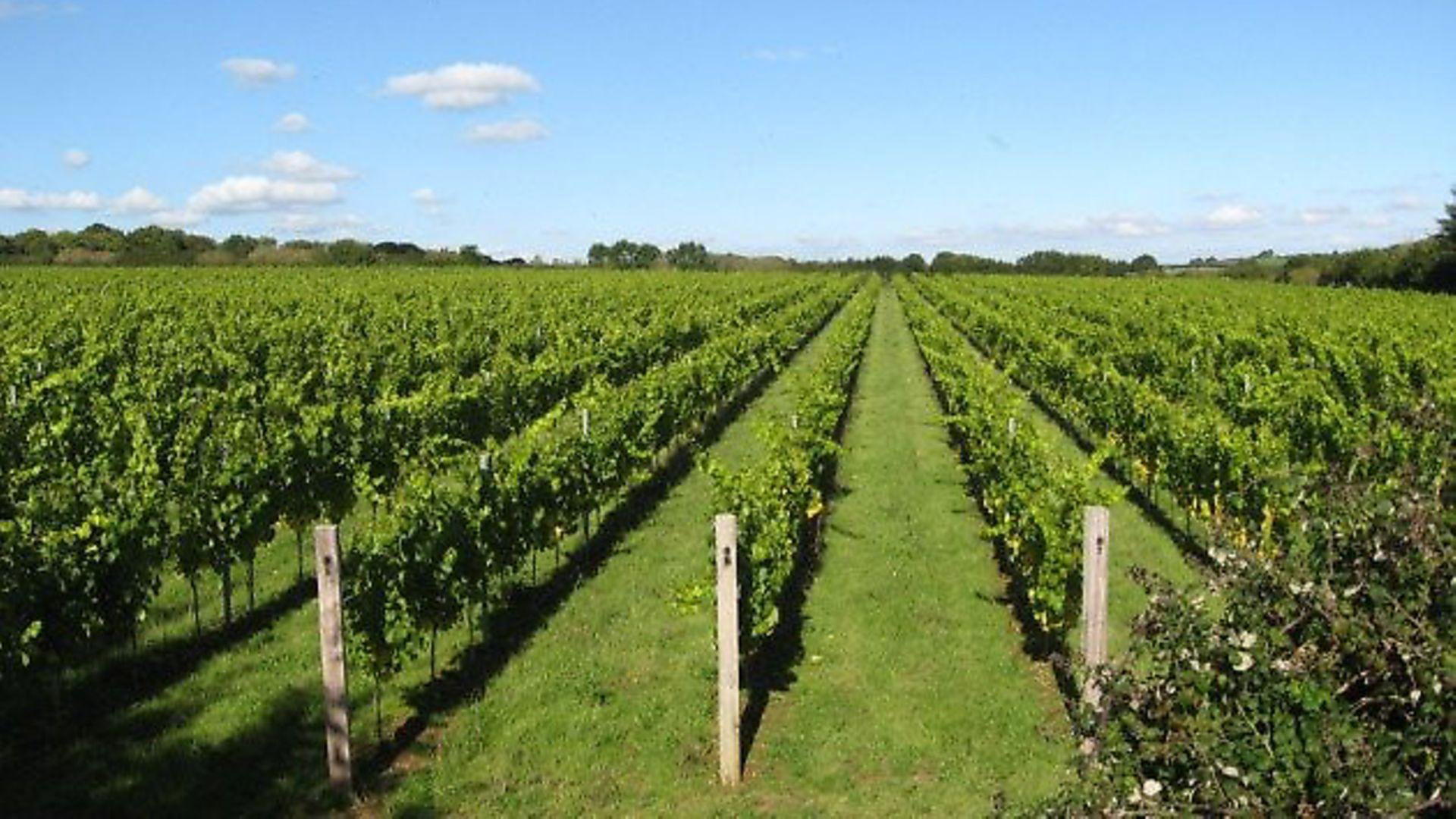
Details
- Rustic
- Classic
- Historic
- Cozy
- Group Outing
- Casual Hangout
- Special Occasion
- Historic Building
- Garden
- Standalone
- Beer Garden
- Seated Bar
- Outdoor Terrace
- Standing Room
- Craft Cocktails
- Conventional Wine
- Garden
Current opening hours
- Monday
- 9 AM–5 PM
- Tuesday
- 9 AM–5 PM
- Wednesday
- 9 AM–5 PM
- Thursday
- 9 AM–5 PM
- Friday
- 9 AM–5 PM
- Saturday
- 9 AM–5 PM
- Sunday
- Closed
Hours can change for holidays and private events. Last verified .
Rustic farmstead atmosphere with exposed oak vats, barrels, and traditional cider-making equipment visible throughout; warm and welcoming with authentic heritage character.