The London Tea Room
Our verdict
On Union Boulevard in St. Louis's Central West End, The London Tea Room occupies a niche that few American cities sustain: a dedicated tearoom operating outside the hotel-lobby format. The room offers a structured afternoon tea service rooted in British tradition, placing it in a category defined by sourcing, ceremony, and a deliberate pace that separates it from the city's broader café scene.

Pearl is the En Primeur Club membership app — saves, bookings, and concierge access live there. Same editors, same standards.
- Address
- 255 Union Blvd, St. Louis, MO 63108
- Phone
- (314) 333-3319
- Hours
- Mon–Tue ClosedWed–Sun 10 AM–5 PM
- Website
- thelondontearoom.com
- Directions
- Get directions
- Booking
- Book on SevenRooms
The menu
What to order
- Cucumber sandwich
- Scones with jam and cream
- Smoked salmon finger sandwich
A British Ritual on a Missouri Boulevard
Afternoon tea in the United States has long existed in two forms: the hotel lobby interpretation, padded with branded china and inflated room rates, and the independent tearoom, which lives or dies on the quality of its leaf sourcing and the discipline of its service format. The London Tea Room at 255 Union Boulevard in St. Louis belongs firmly to the second category. The Central West End address places it on one of the city's more walkable corridors, a neighborhood that runs residential and retail in roughly equal measure, and the room itself reflects that mixed character: not a grand salon, not a quick-service café, but something in between that takes the British afternoon tea format seriously on its own terms.
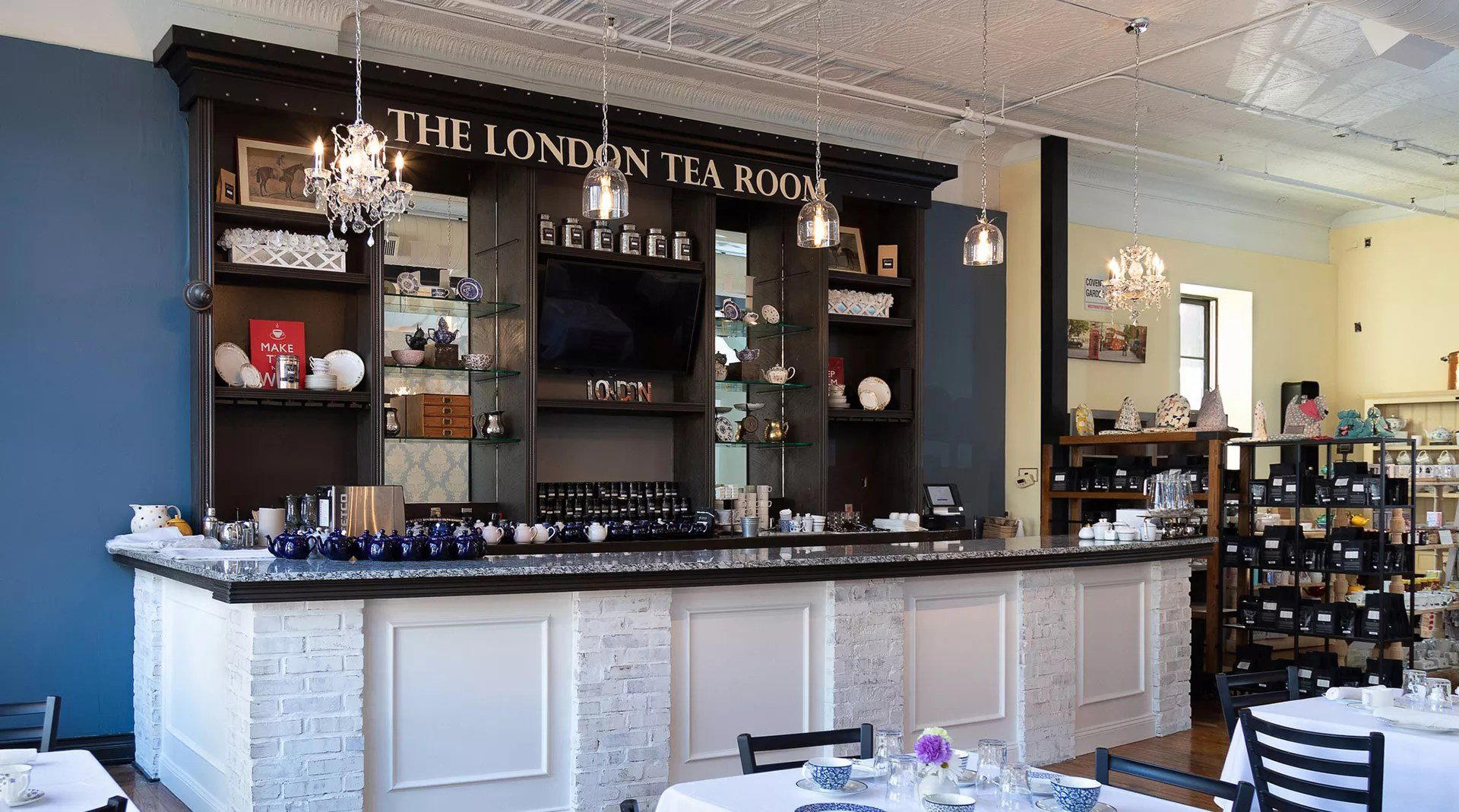
Walking toward a proper tearoom in an American city carries its own particular anticipation. The format has never been native to the Midwest, which means that wherever it takes root, it does so by conviction rather than convention. At this address, the physical signal is deliberate: a room designed to slow the afternoon down, where the sequence of the service matters as much as what arrives on the stand.
Where the Ingredients Come From and Why That Defines the Experience
The afternoon tea format lives or falls on the quality of its tea sourcing. In Britain, the tradition draws from a long import history connecting London merchants to estates in Darjeeling, Assam, Ceylon, and increasingly the high-altitude gardens of Taiwan and Japan. American tearooms that take the format seriously tend to work with specialist importers rather than commodity blends, and the distinction shows immediately in the cup: single-origin or garden-specific teas carry a complexity that supermarket-grade product cannot approach regardless of preparation technique.
This matters beyond the cup itself. The afternoon tea ceremony as it evolved through the 19th century was always partly about provenance — the origin of the leaf, the quality of the milk, the butter in the scone. At its most considered, the format functions as a supply-chain argument dressed in linen. Tearooms that carry that argument through to the food component, sourcing local cream, using real clotted cream or a credible approximation, and treating the savory tier of the stand with the same attention as the sweet, produce a materially different experience from those that treat the food as decoration for the tea occasion.
St. Louis has a farm-supply corridor running through Missouri and into Illinois that gives any food-focused operator access to good dairy and seasonal produce without the freight costs that burden coastal cities. For a tearoom format that depends on cream, butter, and fresh fruit for its mid-tier fillings and pastry work, that regional sourcing advantage is real, even if it operates quietly rather than as a stated policy.
The Afternoon Tea Format in an American Context
The structure of afternoon tea — a tiered stand moving from savories at the base through scones in the middle to sweets at the leading, accompanied by a sequence of teas chosen to pair with each course, is one of the more demanding hospitality formats to execute consistently. It requires kitchen coordination across multiple preparation styles simultaneously, front-of-house staff who understand the tea program well enough to guide selections, and a pace of service that resists the American instinct to turn tables quickly.
Independent tearooms across the country have found different ways to resolve these tensions. Some operate by reservation only, which controls pacing and allows the kitchen to prep to order. Others run walk-in, which requires more standing inventory and greater tolerance for variation in the savory tier.
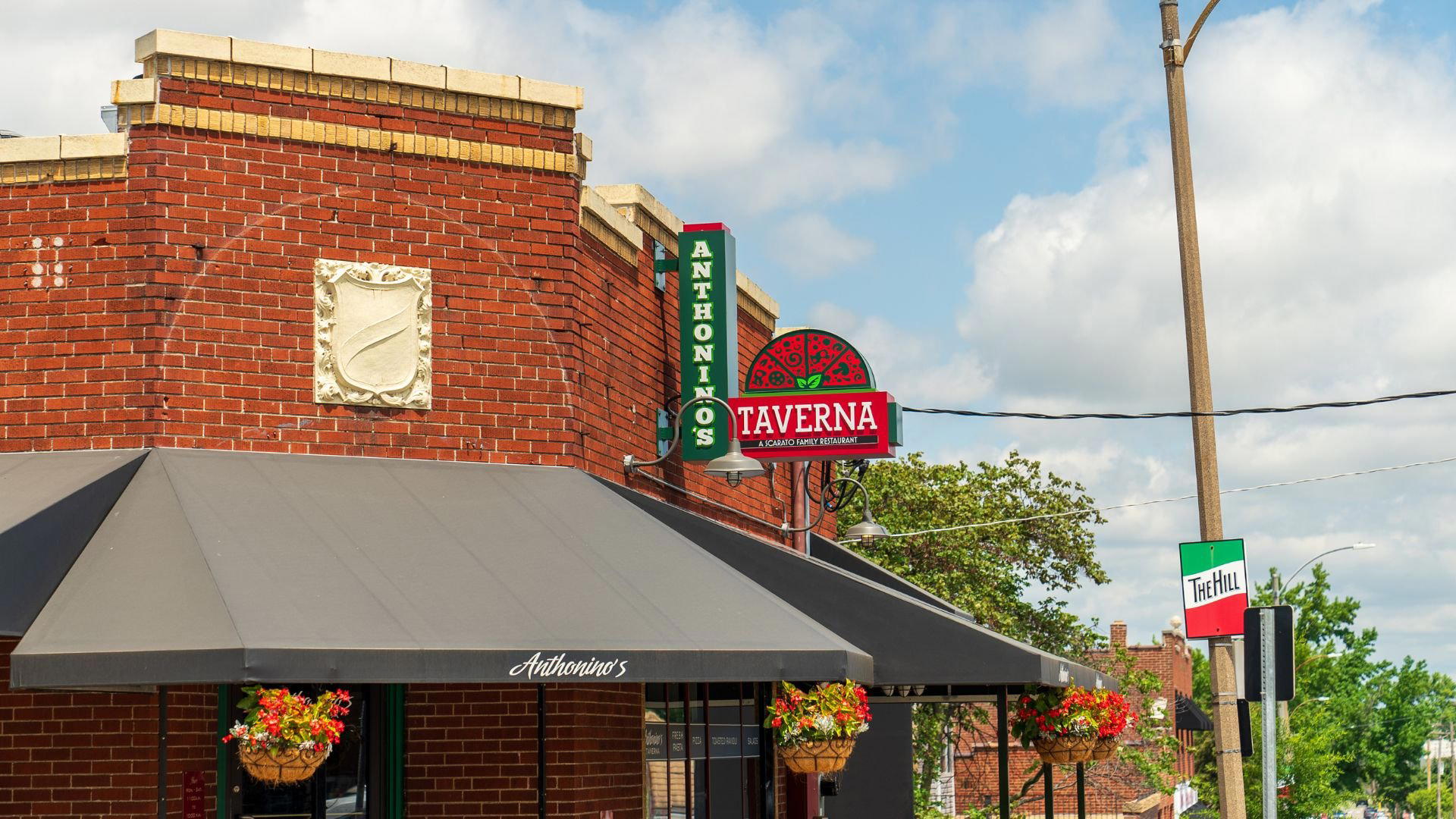
For a city that otherwise leans heavily on its barbecue tradition, its Italian-American dining corridor around The Hill, and a growing contemporary dining scene that includes places like Annie Gunn's and Atomic Cowboy, a properly run tearoom fills a format gap. It operates in a different register from BaiKu Sushi Lounge or Anthonino's Taverna, and it sits entirely apart from the red-sauce legacy of Al's Restaurant. The London Tea Room addresses a different occasion entirely: the mid-afternoon appointment that is neither lunch nor dinner, neither coffee nor cocktail.
Seasonal Timing and When to Go
The tearoom format has a natural seasonality in the United States. Autumn and the weeks running into the December holiday period drive the highest interest, as afternoon tea carries an association with cooler weather, shorter days, and celebratory occasions. Spring bookings, particularly around Mother's Day, represent the second peak. Both periods tend to stretch capacity at independent tearooms that operate with limited seating.
The Central West End in St. Louis reads differently across the year. Summer on the boulevard is warmer and more outdoor-focused; the tearoom format fits the autumn and winter calendar more naturally, when the pace of a long afternoon inside makes intuitive sense. If you're planning a visit between October and February, earlier contact with the venue about availability is advisable.
Where This Fits in the Broader Picture
Afternoon tea as a format exists at the opposite end of the theatrical dining spectrum from the high-commitment tasting menus at places like Smyth in Chicago or The French Laundry in Napa, and the farm-to-table sourcing rigor of Blue Hill at Stone Barns in Tarrytown or Single Thread Farm in Healdsburg. It does not compete with ingredient-forward tasting programs at Le Bernardin in New York City, Providence in Los Angeles, or Lazy Bear in San Francisco. The occasion is structurally different: lower commitment, shorter duration, and built around a specific time of day rather than an entire evening.
That said, the leading American tearooms share with those dining programs a common obsession with sourcing. Addison in San Diego, The Inn at Little Washington, Atomix in New York City, Atelier Moessmer Norbert Niederkofler in Brunico, and Emeril's in New Orleans all operate in contexts where the origin of ingredients shapes the identity of the experience. A well-run tearoom makes the same argument at a different price point and occasion type. For the full St. Louis picture, the EP Club St. Louis restaurants guide covers the broader dining scene across neighborhoods and formats.
Planning Your Visit
The London Tea Room is located at 255 Union Boulevard in the Central West End. Given the limited publicly available information on current hours, booking format, and seasonal programming, contacting the venue directly before visiting is the practical approach. Weekend and holiday periods at independent tearooms routinely require advance notice, and the format is specific enough that arriving without a confirmed table risks a wasted trip. The Central West End is accessible by car with street parking along the boulevard and surrounding streets, and the neighborhood is walkable enough to combine a tearoom visit with an afternoon in the area.
Frequently asked questions
What's the address for The London Tea Room?
The London Tea Room is located at 255 Union Blvd, St. Louis, MO 63108, St Louis.
Is The London Tea Room suitable for a private event or group booking in St. Louis?
Tearooms structured around a fixed afternoon tea format are frequently used for small group occasions — birthdays, bridal showers, and corporate gatherings among them — because the tiered stand service scales naturally to seated groups. The London Tea Room at 255 Union Boulevard in St. Louis's Central West End is a plausible venue for that use case. Groups should contact the tearoom directly to confirm private dining capacity and any minimum spend requirements, as those details are not publicly listed.
What's the signature dish at The London Tea Room?
The London Tea Room follows the classic British afternoon tea structure: savories on the bottom tier, scones in the middle, and sweets at the top. The scone course is the anchor of that format, and in any properly run tearoom it defines whether the kitchen understands the tradition or is simply performing it. Specific menu details should be confirmed directly with the venue at 255 Union Boulevard before your visit.
Can I walk in to The London Tea Room?
Tearooms operating at this format in the United States routinely require reservations, particularly on weekends and during the autumn and December holiday stretch when demand peaks. The London Tea Room is at 255 Union Boulevard in St. Louis's Central West End.
What has The London Tea Room built its reputation on?
The London Tea Room has positioned itself as a genuine alternative to the hotel lobby interpretation of afternoon tea that dominates most American cities. Located on Union Boulevard in St. Louis's Central West End, it draws on the British tearoom format as a primary reference point rather than a decorative one. That specificity of intent is what separates it from venues where afternoon tea is a seasonal add-on rather than the core offering.
How does The London Tea Room handle allergies?
Given that afternoon tea menus are typically fixed-format with advance preparation, guests with specific dietary requirements should contact the venue at 255 Union Boulevard in St. Louis before booking to confirm what substitutions are available.
Should I splurge on The London Tea Room?
Afternoon tea in St. Louis sits at a different price point from the £60–£85 per person benchmark at London hotel tearooms like The Ritz or Claridge's. The London Tea Room at 255 Union Boulevard represents the Central West End's most focused interpretation of the format, which makes it a reasonable choice if the tradition itself is the draw rather than a hotel amenity. Current pricing should be confirmed directly with the venue.
Comparable Spots
Comparable venues nearby, for context on price, style, and recognition.
| Venue | Cuisine | Price | Notes |
|---|---|---|---|
| The London Tea RoomThis venue — the venue you are viewing | British Afternoon Tea | $30–50 | Not listed |
| Gian-Tony's | Authentic Sicilian | $30–50 | The Hill |
| Triumph Grill | American | Not listed | Midtown |
| Spiro's | Authentic Greek & Mediterranean | $20–30 | Lindenwood Park |
| Cardinals Nation | American Sports Bar & Grill | $20–30 | Downtown |
| Olympia Kebob House & Taverna | Authentic Greek Taverna | $20–30 | Hi-Pointe |