Gian-Tony's
Our verdict
A long-standing fixture in St. Louis's Italian-American dining tradition, Gian-Tony's on Daggett Avenue occupies the kind of neighborhood institution category that larger cities take for granted but smaller ones rarely sustain. The restaurant sits in the Shaw neighborhood, where red-sauce heritage and white-tablecloth ambition have coexisted for decades. For visitors mapping St. Louis's Italian dining tier, this is a reference point worth understanding.

Pearl is the En Primeur Club membership app — saves, bookings, and concierge access live there. Same editors, same standards.
- Address
- 5356 Daggett Ave #3028, St. Louis, MO 63110
- Phone
- (314) 772-4893
- Hours
- Mon–Tue ClosedWed–Thu 4:30–9 PMFri–Sat 4:30–9:30 PMSun 4–8 PM
- Website
- giantonys.com
- Directions
- Get directions
The menu
What to order
- Pasta Milanese
- Chicken Caccitora
- Chicken Spedini
Red Sauce, White Tablecloths, and the Shaw Neighborhood Tradition
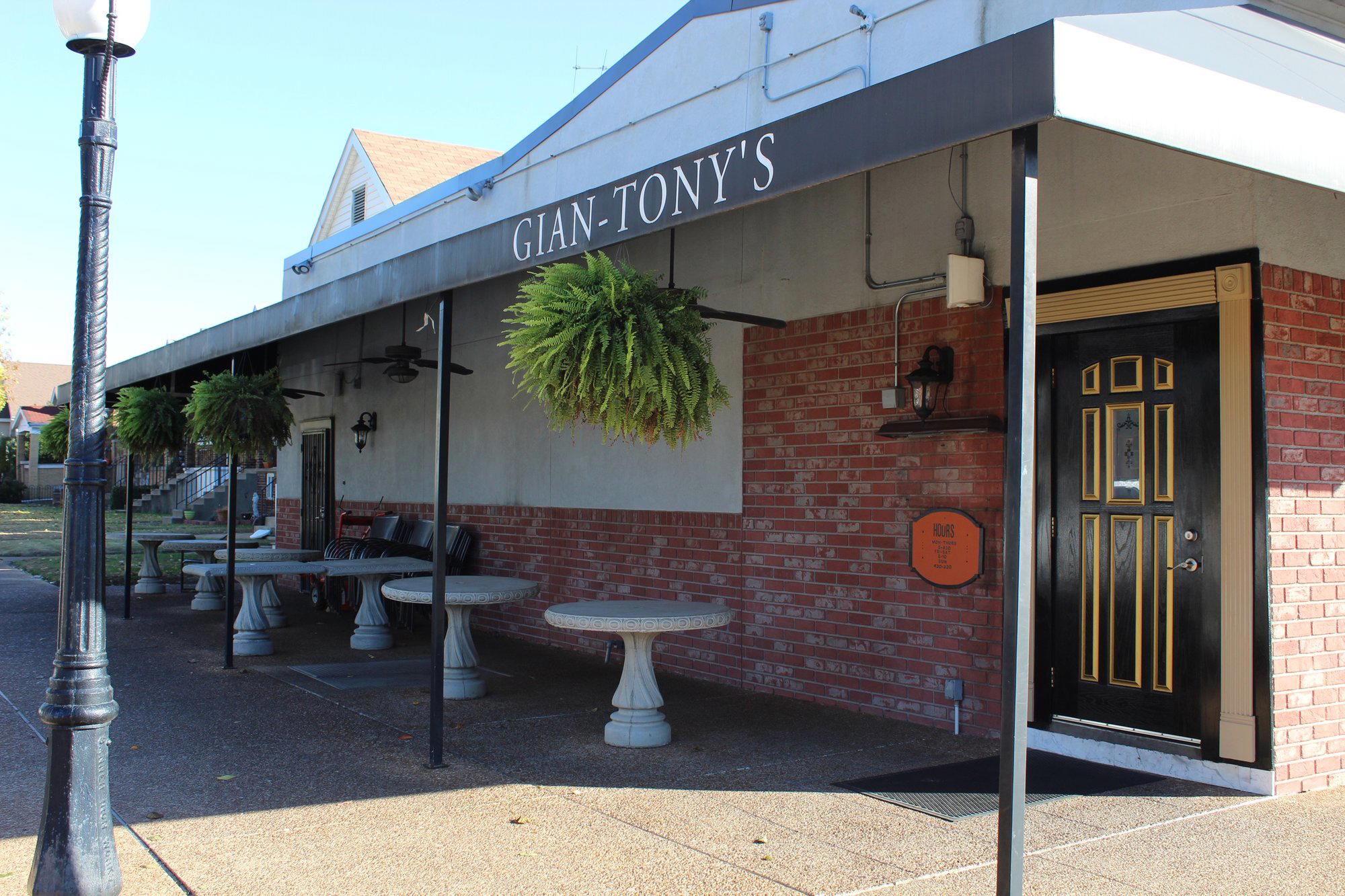
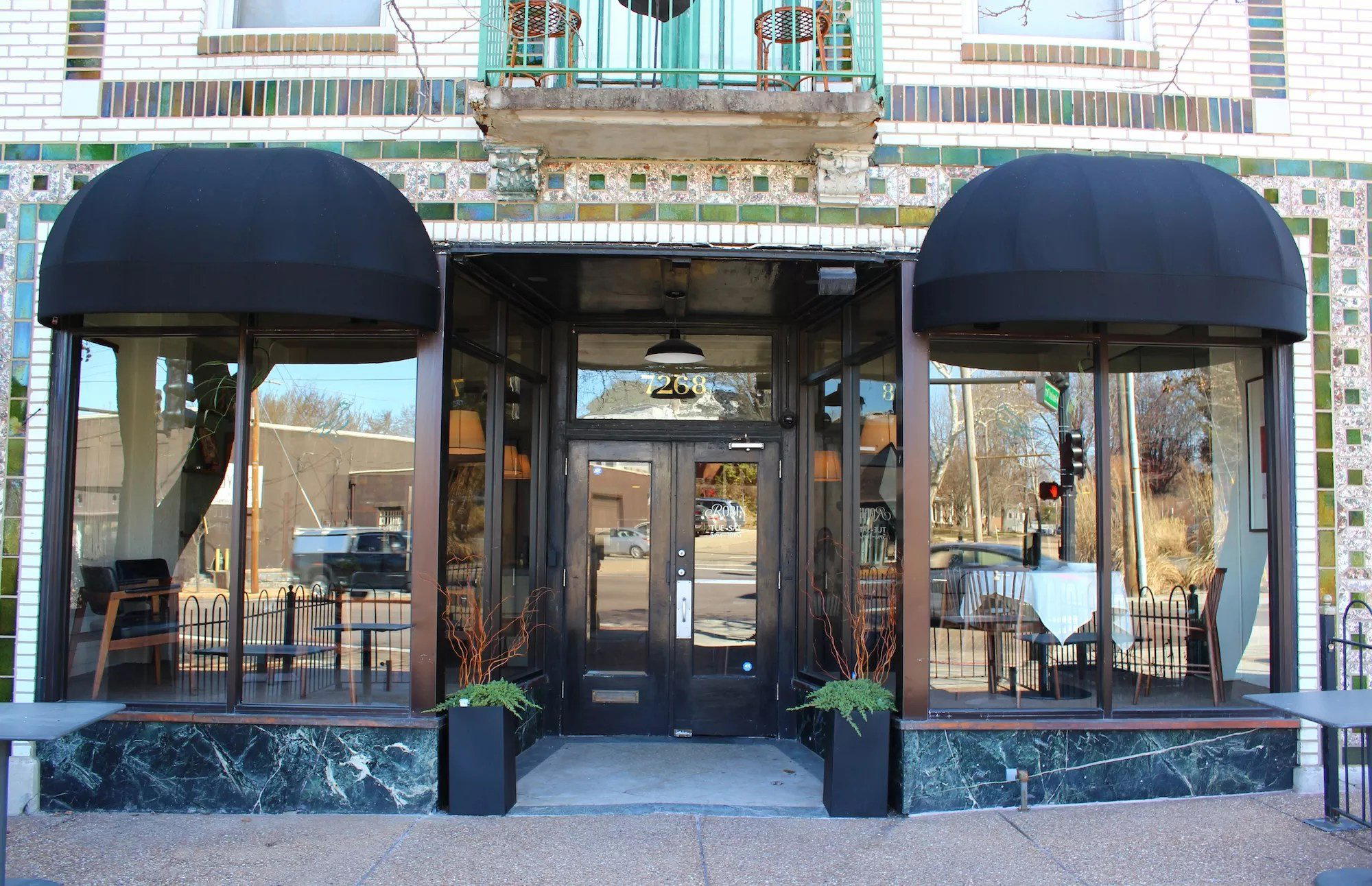
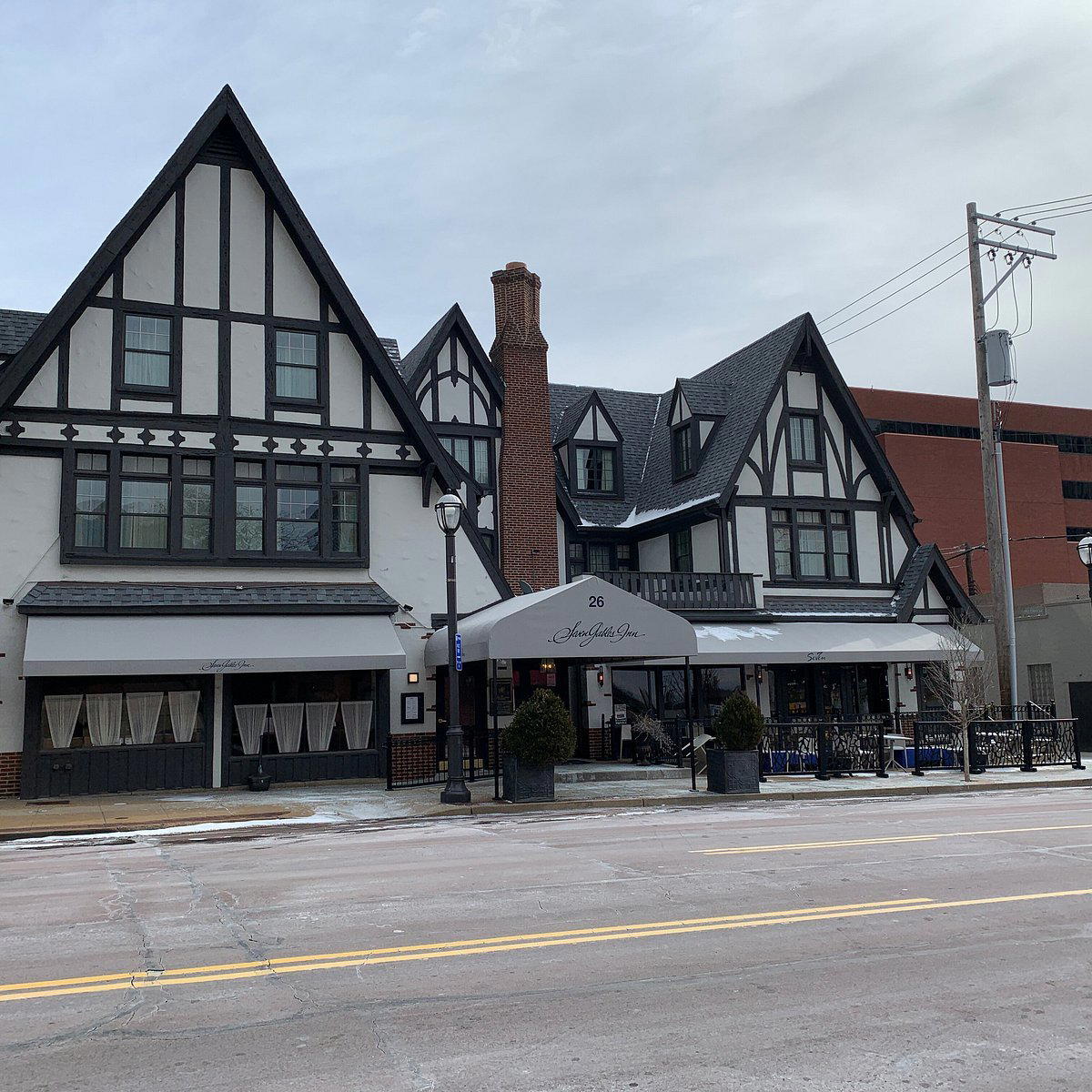
St. Louis's relationship with Italian-American cooking runs deeper than most American cities acknowledge. The Hill neighborhood gets most of the national press, but the Shaw corridor on Daggett Avenue has quietly held its own dining identity for decades. Walking toward Gian-Tony's, the physical cues are familiar to anyone who has spent time in the Italian-American restaurant belt that stretches from South St. Louis outward: modest facades, warm interior light visible through the windows, the kind of signage that signals longevity rather than ambition. This is a room that has outlasted trends, and the atmosphere reflects that accumulated confidence.
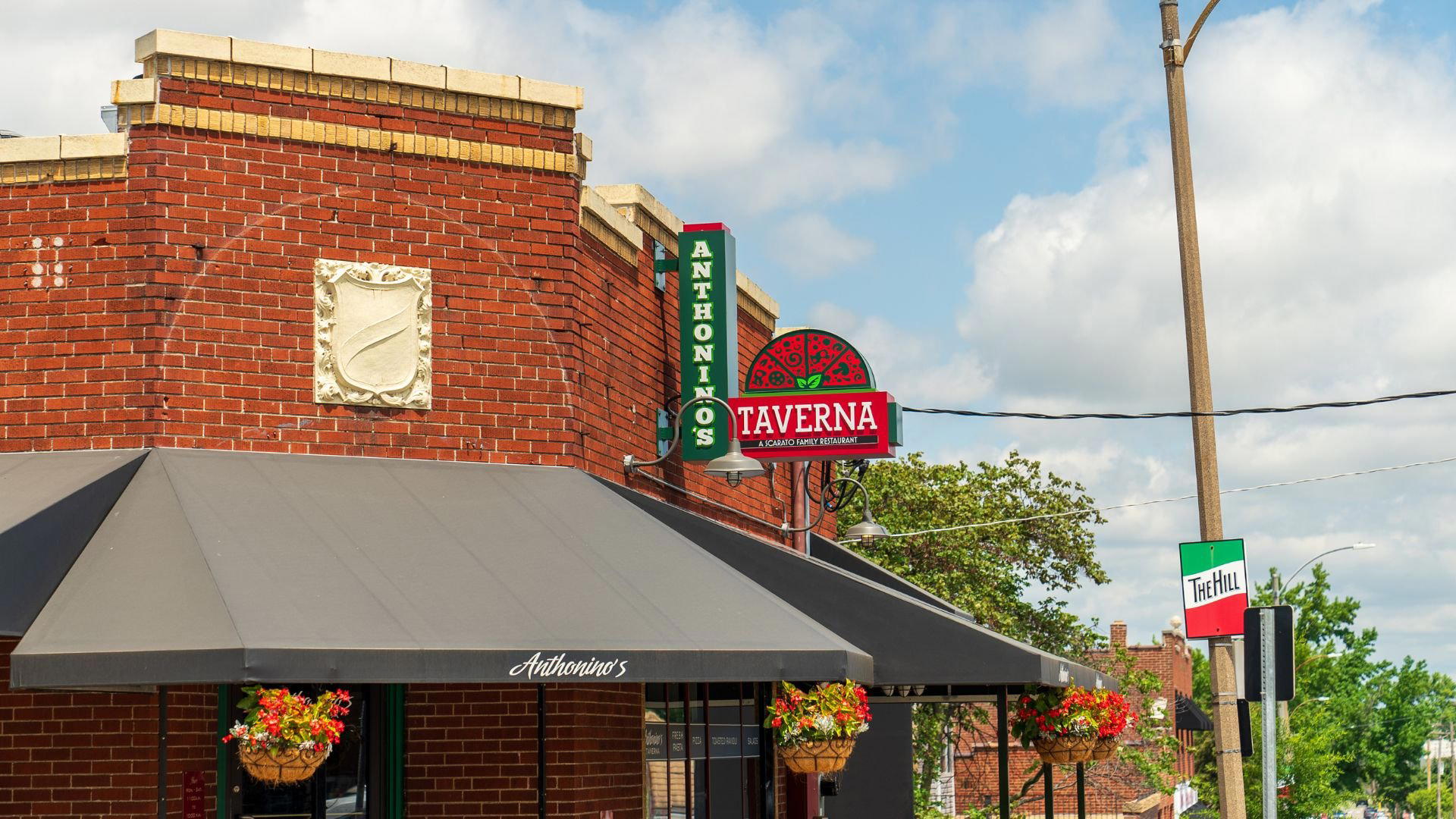
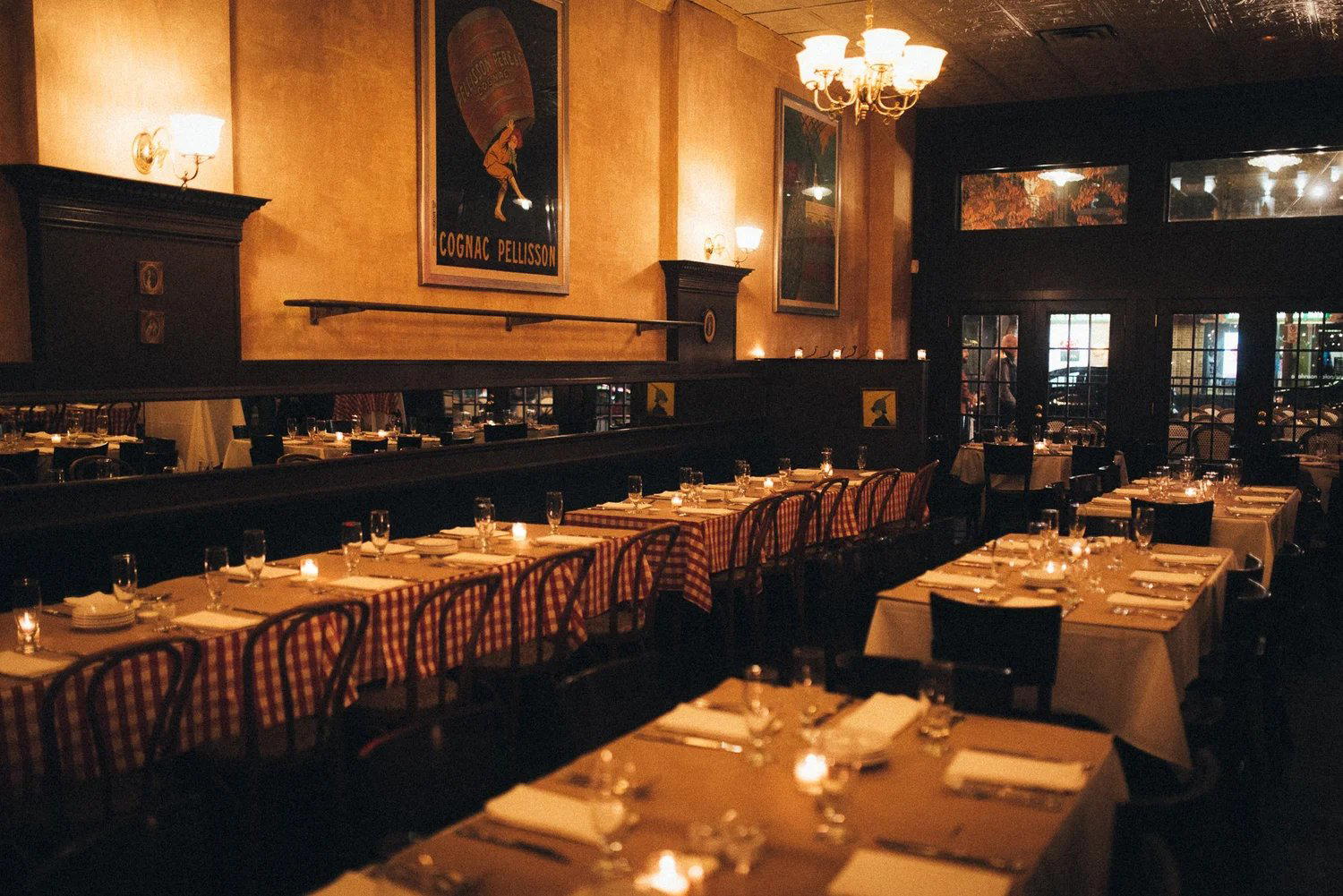
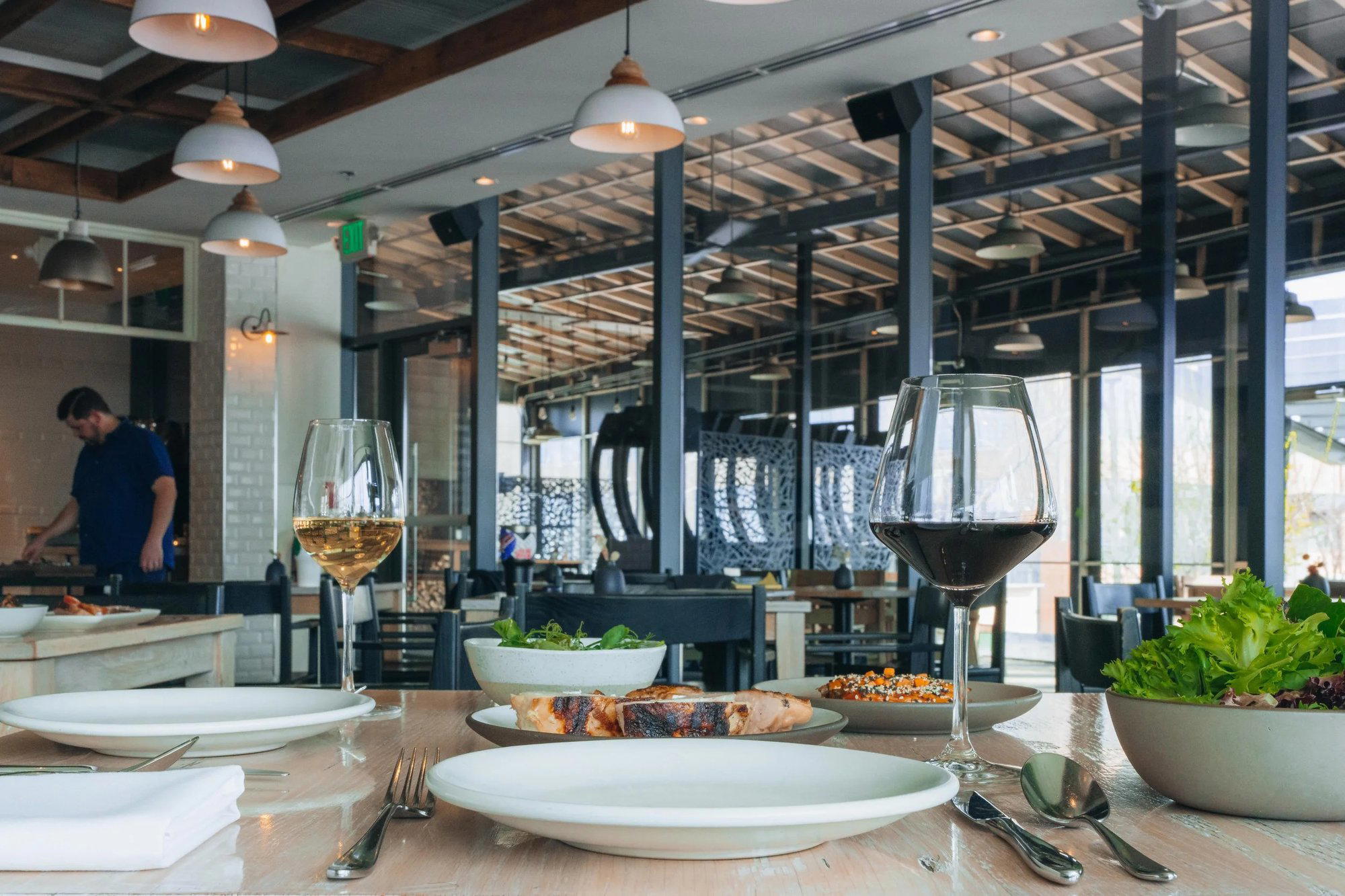
Inside, the dining room belongs to a specific American genre: the family-run Italian restaurant that never needed to reinvent itself because its original proposition remained sound. That proposition, broadly, is generous portions of familiar preparations executed with care, in a setting where regulars are recognized and newcomers are made to feel they should become regulars. St. Louis has several restaurants in this category, including Anthonino's Taverna in the Hill neighborhood, but Gian-Tony's holds its own position in the Shaw dining corridor, distinct in address and in the particular way it has shaped its local following over time.
What the Menu Architecture Tells You About the Restaurant
The structure of a menu at a restaurant like Gian-Tony's is itself a form of editorial statement. Italian-American dining in the Midwest operates within a recognizable grammar: antipasti, pasta, proteins with accompaniments, and a dessert list that leans on the classics. What separates the institutions from the also-rans is not innovation within that grammar but rather the discipline applied to each component. A kitchen that does not chase trends signals its priorities clearly, and those priorities are usually consistency, sourcing confidence, and the kind of production that comes from cooking the same dishes hundreds of times.
In cities like St. Louis, where the Italian-American tradition was brought by immigrant communities in the late nineteenth and early twentieth centuries and then refined through generations of family restaurant ownership, the menu functions as inherited knowledge. The categories are not arbitrary; they reflect what the original communities cooked at home and what translated into a restaurant context. Pasta sections at these restaurants tend to read like family recipes given a price point, and the kitchen's credibility lives or dies in how those dishes hold up against memory and expectation. This is a harder standard than novelty, and it explains why the institutions that survive tend to earn genuine loyalty rather than algorithmic discovery.
Gian-Tony's sits within that tradition. Its Daggett Avenue address places it in a part of St. Louis where dining decisions are made by neighbourhood knowledge rather than app-driven discovery. Visitors looking to understand this tier of St. Louis dining would do well to read the full St. Louis restaurants guide, which maps the city's Italian-American heritage alongside its newer dining movements.
Positioning Within the St. Louis Dining Tier
St. Louis's restaurant scene has diversified considerably over the past decade, with serious chef-driven rooms emerging alongside the legacy institutions. Annie Gunn's in Chesterfield represents the wine-forward, farm-sourcing approach that has become a reference point for the city's more ambitious dining. At the other end of the spectrum, venues like Atomic Cowboy reflect the casual, eclectic energy of the Tower Grove neighborhood. BaiKu Sushi Lounge and Al's Restaurant further illustrate how broadly the city's dining identity now stretches across cuisines and price points.
Within this spread, Gian-Tony's occupies the Italian-American heritage tier, a category that plays differently in St. Louis than it does in, say, New York or Chicago. Here, the tradition is less about grand dining rooms and more about neighbourhood continuity, where the same families have been eating at the same tables for generations. That longevity carries its own form of authority. It is a different credential from the kind earned at tasting-menu destinations, but it is not a lesser one.
For comparison, consider how the country's most ambitious restaurants structure their menus around progressive revelation: the tasting menus at places like Smyth in Chicago or Lazy Bear in San Francisco, or further afield, the precision-driven cooking at Le Bernardin in New York City and The French Laundry in Napa. These are restaurants where the menu is architecture in the most deliberate sense, where each course is positioned against the next. Gian-Tony's operates from a different premise entirely: the menu is a repertoire, not a sequence, and guests are expected to know what they want and return for it reliably. That is not a criticism; it is a description of a distinct and durable restaurant model.
Other American fine dining landmarks like Providence in Los Angeles, Addison in San Diego, Blue Hill at Stone Barns in Tarrytown, The Inn at Little Washington, Single Thread Farm in Healdsburg, Emeril's in New Orleans, Atomix in New York City, and Atelier Moessmer Norbert Niederkofler in Brunico each represent the apex of their respective categories. Gian-Tony's is not in conversation with that tier, and the comparison is not meant to diminish it. The point is that American dining is served by having both: the destinations that push the form and the institutions that hold the tradition.
Planning a Visit
Gian-Tony's is located at 5356 Daggett Avenue in St. Louis's Shaw neighborhood, accessible from the central city without significant transit complexity. Shaw is a walkable neighborhood with sufficient parking for those arriving by car, and the surrounding area rewards a pre- or post-dinner walk, particularly in the warmer months when the Missouri Botanical Garden nearby draws its own crowds.
Frequently asked questions
What dish is Gian-Tony's famous for?
What is the ideal way to book Gian-Tony's?
What do critics highlight about Gian-Tony's?
What if I have allergies at Gian-Tony's?
Should I splurge on Gian-Tony's?
How does Gian-Tony's fit into St. Louis's Italian-American dining heritage compared to Hill neighborhood restaurants?
Cuisine and Recognition
Comparable venues nearby, for context on price, style, and recognition.
| Venue | Cuisine | Price | Notes |
|---|---|---|---|
| Gian-Tony'sThis venue — the venue you are viewing | Authentic Sicilian | $30–50 | Not listed |
| Lombardo's Trattoria | Authentic Italian Trattoria | $30–50 | Downtown West |
| Onesto Pizza & Trattoria | Italian Pizza & Trattoria | $20–30 | Princeton Heights |
| Joey B's Food & Drink | Italian-American Comfort Food | $20–30 | The Hill |
| Small Batch Whiskey & Fare | Modern Vegetarian Whiskey Bar | Not listed | Midtown |
| Guido's Pizzeria & Tapas | Italian Pizza and Spanish Tapas | $20–30 | The Hill |

Details
- Classic
- Well Known
- Cozy
- Rustic
- Group Dining
- Family
- Casual Hangout
- Special Occasion
- Historic Building
- Standalone
- Farm To Table
- Local Sourcing
- A La Carte
- Wine
- Vegetarian Friendly
- Vegan Options
- Gluten Free Options
Current opening hours
- Monday
- Closed
- Tuesday
- Closed
- Wednesday
- 4:30–9 PM
- Thursday
- 4:30–9 PM
- Friday
- 4:30–9:30 PM
- Saturday
- 4:30–9:30 PM
- Sunday
- 4–8 PM
Hours can change for holidays and private events. Last verified .
Classic, medium-casual Hill restaurant with warm, traditional Italian atmosphere punctuated by aromas of tomatoes, garlic, and olive oil; friendly, local service.