Spiro's
Spiro's sits in Chesterfield, Missouri, as part of the suburban dining corridor that has quietly developed west of St. Louis proper. The restaurant occupies a niche in a city whose dining identity is more layered than its national reputation suggests, placing it alongside a range of locally rooted options that reward closer attention.
Pearl is the En Primeur Club membership app — saves, bookings, and concierge access live there. Same editors, same standards.
- Address
- 1054 N Woods Mill Rd, Chesterfield, MO 63017
- Phone
- +13148784449
- Website
- spiros-restaurant.com
- Directions
- Get directions
 Saves & bookings on Pearl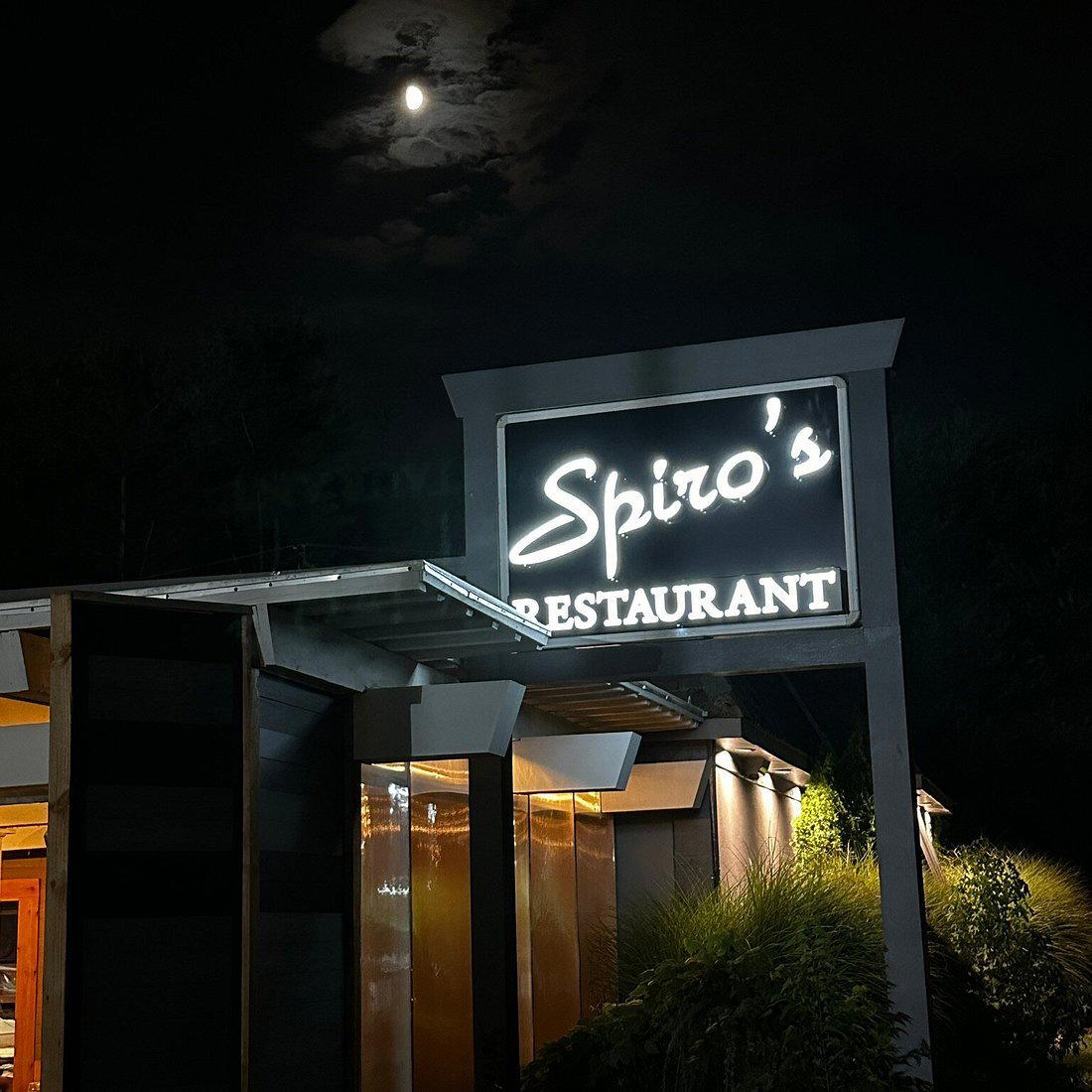
Reading the Room in Chesterfield
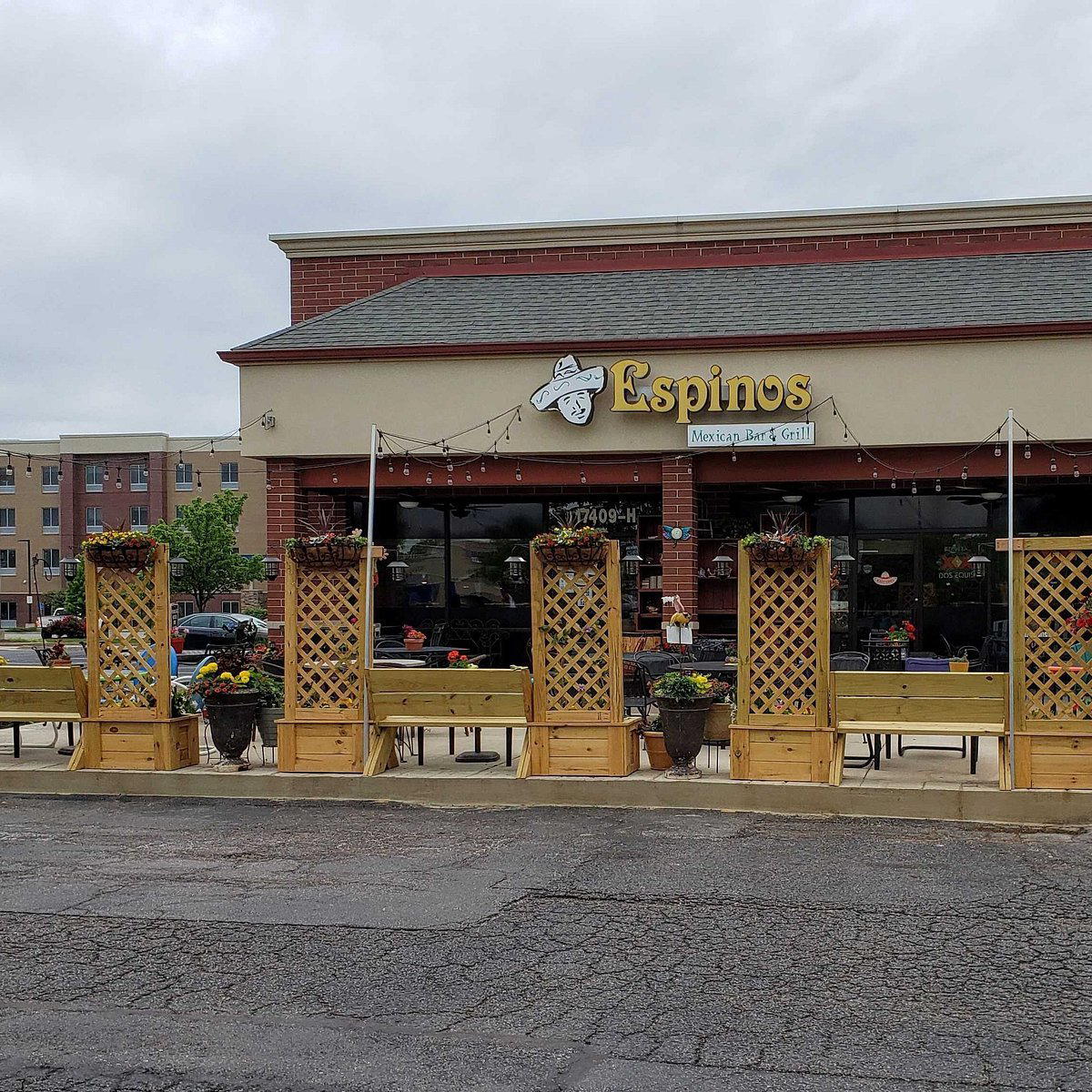
Strip-mall adjacency and parking-lot approaches tend to frame expectations before a fork is lifted, and in St. Louis's western suburbs that framing is especially persistent. Chesterfield, along North Woods Mill Road, looks from the outside like a sequence of interchangeable mid-market options. Spiro's, at 1054 N Woods Mill Rd, sits within that geography, and understanding what the surrounding context means for how the restaurant positions itself matters before considering what happens inside.
St. Louis dining has always split between the historically dense, ethnically rooted neighborhoods closer to the city's core and the more dispersed, car-dependent suburbs to the west. The city's inner neighborhoods carry places like Anthonino's Taverna, rooted in community traditions that stretch back generations, or the counter-culture energy of Atomic Cowboy. The suburban tier operates differently: it draws a dinner-out crowd that prioritizes comfort and familiarity over discovery, and the restaurants that last here tend to do so by meeting those expectations with enough consistency to build a loyal local following rather than chasing critical attention.
Spiro's has occupied that Chesterfield address for years, making it a familiar stop for local diners. That tenure matters in a dining market where longevity and repeat business, rather than press cycles or social media waves, determine survival.
The Atmosphere That Suburban Dining Creates
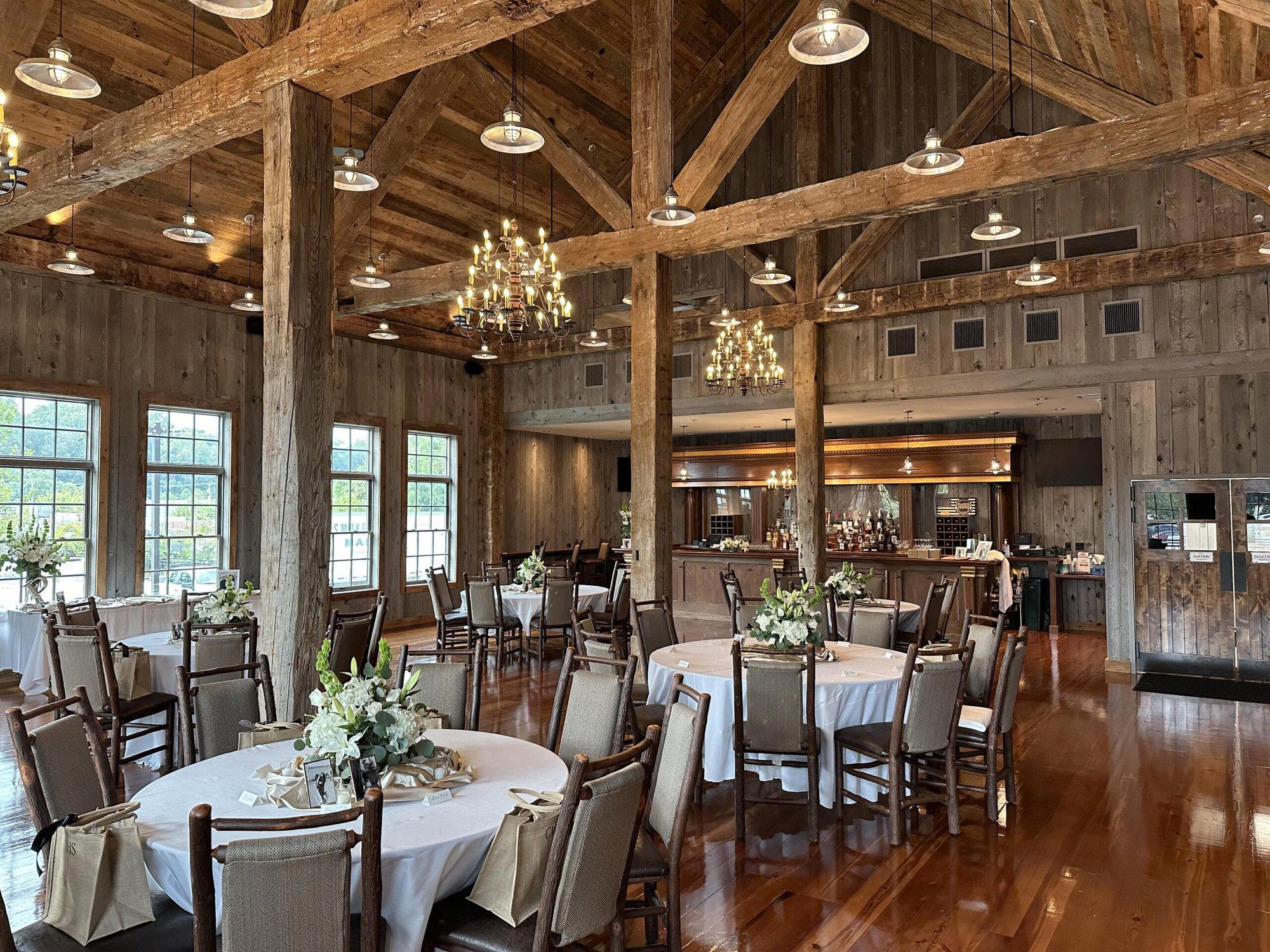
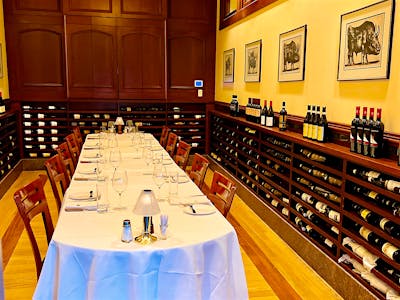
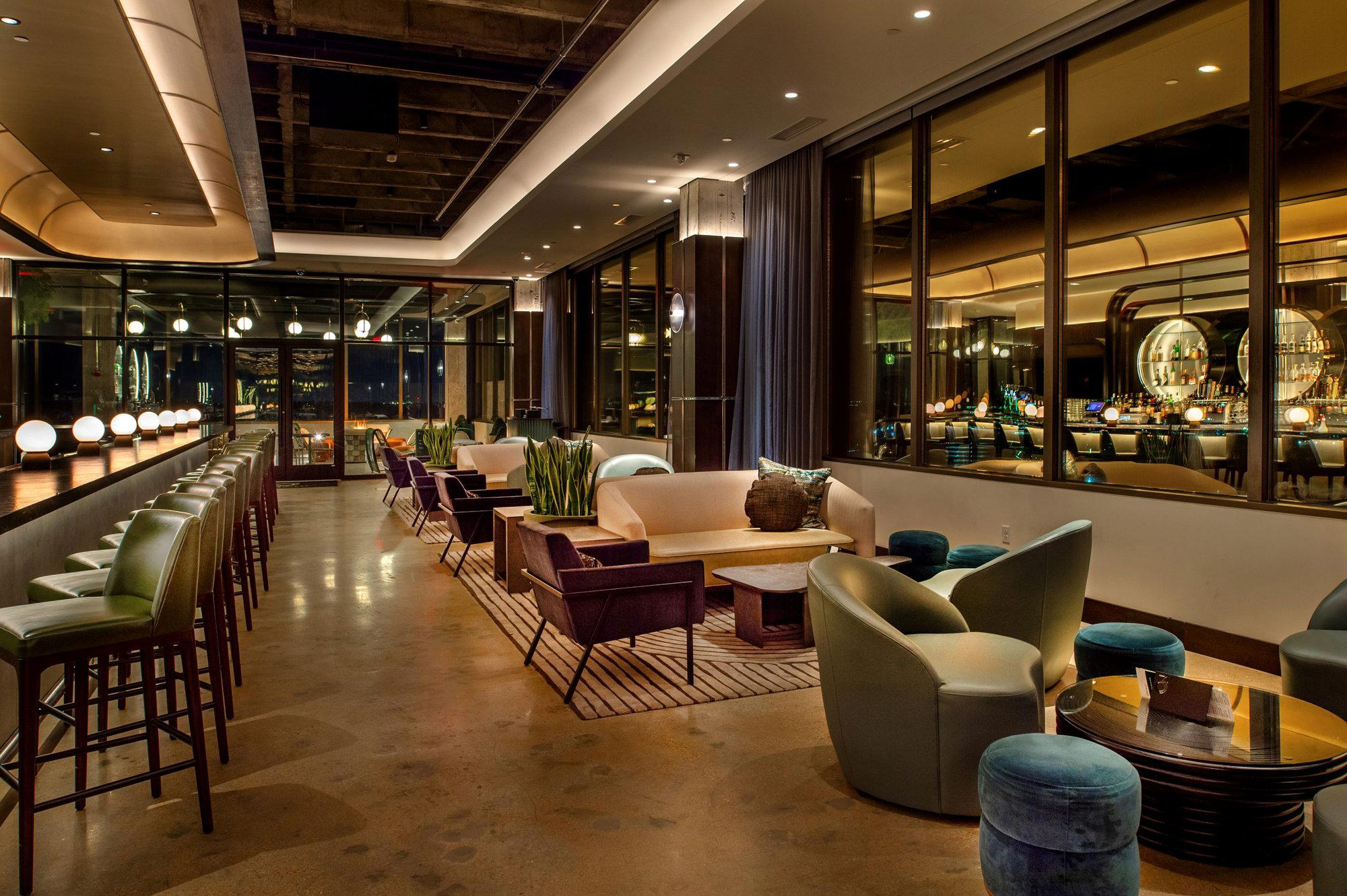
There is a particular sensory register to long-established suburban American restaurants that distinguishes them from newer, design-conscious openings. Lighting tends toward warmth rather than drama. Sound levels stay conversational rather than ambient-electronic. The physical space often carries the accumulated detail of many years of incremental change: different upholstery generations coexisting, bar areas that were added or expanded rather than conceived whole. These are not flaws. They are evidence of a restaurant that has survived because people actually use it, repeatedly, across different life stages.
The approach from North Woods Mill Road sets a tone consistent with Chesterfield's commercial character. There is no theatrical entrance sequence. What the space offers instead is the ease of a room designed around function: getting guests in, seated, and comfortable efficiently. For a segment of the St. Louis dining public, that frictionless hospitality is itself a kind of value that more scenographic restaurants in the city center, however accomplished, do not always provide.
Compare this to the experience at Annie Gunn's in nearby Chesterfield, which has built a regional reputation on its wine program and market-sourced menu within the same suburban geography. Annie Gunn's demonstrates that the western suburbs can accommodate serious dining when the programming justifies it. Spiro's operates in a different register, one where the relationship between the restaurant and its regulars has been built on different terms.
Where Spiro's Sits in St. Louis's Dining Spread
St. Louis is a city whose dining identity resists easy categorization. It is not a food-media capital in the way that Chicago or New York commands continuous national attention, but it sustains a range of serious restaurants that reward attention from travelers willing to look past the headline venues. The barbecue tradition, represented by operations like Pappy's Smokehouse and Bogart's Smokehouse, gets consistent national coverage. Legacy institutions like Al's Restaurant carry decades of local authority. The sushi tier, represented by places like BaiKu Sushi Lounge, has matured considerably. And the Vietnamese community has produced restaurants like Mai Lee that operate well above their price point.
Within that spread, Chesterfield's suburban dining corridor functions as a distinct tier, one that national food media rarely covers but that serves a large portion of the St. Louis population's actual dining habits. The restaurant belongs to that tier. Its comparable set is not the tasting-menu rooms that compete with nationally recognized restaurants like Alinea in Chicago or destination properties like The French Laundry in Napa. It is not operating in the register of seafood-focused temples like Le Bernardin in New York City or Providence in Los Angeles, or farm-to-table destination formats like Blue Hill at Stone Barns in Tarrytown or Single Thread Farm in Healdsburg. Comparing the restaurant to those venues would misread what it is doing and for whom.
The more relevant comparison is to suburban American restaurants that sustain loyal clientele across decades by executing familiar formats with enough care to keep regulars returning.
The Broader Suburban Dining Tradition
American suburban dining in the Midwest carries a tradition that extends back through the postwar restaurant expansion of the 1950s and 1960s, when car ownership, neighborhood growth, and rising disposable incomes created the conditions for a new kind of restaurant: not a downtown special-occasion room and not a diner, but a mid-scale neighborhood option designed for regular use. Many of the restaurants that have lasted in this format share certain characteristics. They develop wine lists that grow over time rather than being curated for press appeal. They maintain menus that evolve slowly, with additions and subtractions happening in response to what regulars actually order. They build service cultures that prioritize recognition of returning guests.
That model has faced pressure from fast-casual chains above and from a new generation of chef-driven neighborhood restaurants below. The survivors tend to be the ones that maintained a clear enough sense of their own audience to resist being pulled in either direction. The sustained presence of the restaurant in Chesterfield suggests that kind of clarity.
Planning Your Visit
The restaurant is located at 1054 N Woods Mill Rd in Chesterfield, accessible by car from central St. Louis in roughly 25 to 30 minutes depending on traffic, and parking in the surrounding commercial area is direct. Given the Chesterfield dinner-out demographic, weekend evenings tend to draw the strongest crowds, and calling ahead is the more reliable approach than assuming availability, particularly for larger groups. The restaurant's established local following means that mid-week visits often provide a more relaxed experience of the room.
Where the Accolades Land
Comparable venues nearby, for context on price, style, and recognition.
| Venue | Cuisine | Price | Notes |
|---|---|---|---|
| Spiro'sThis venue — the venue you are viewing | Authentic Greek & Mediterranean | $$ | Not listed |
| Olympia Kebob House & Taverna | Authentic Greek Taverna | $$ | Hi-Pointe |
| Pat Connolly's | Classic American Pub Fare | $$ | Clayton-Tamm |
| Tucker's Place | Classic American Steakhouse | $$ | South County |
| Atomic Cowboy | Tex-Mex BBQ Fusion | $$ | Forest Park Southeast |
| The London Tea Room | British Afternoon Tea | $$ | DeBaliviere Place |
At a Glance
- Classic
- Date Night
- Group Dining
- Standalone
Current opening hours
- Monday
- 11 AM–10 PM
- Tuesday
- 11 AM–10 PM
- Wednesday
- 11 AM–10 PM
- Thursday
- 11 AM–10 PM
- Friday
- 11 AM–10 PM
- Saturday
- 4–10 PM
- Sunday
- 4–9 PM
Hours can change for holidays and private events. Last verified .
Classic dining room with table service focused on hearty, flavorful Greek meals.