Jacoby's Restaurant & Mercantile
Our verdict
Jacoby's Restaurant & Mercantile on East Cesar Chavez occupies a corner of Austin's East Side where the line between provisions store and dining room has always been deliberately blurred. The format reflects a broader Texas tradition of combining dry goods mercantile culture with hospitality, positioning Jacoby's in a category of its own within the city's increasingly segmented dining scene. It draws from both the barbecue-anchored identity that defines Austin food culture and a more expansive approach to Texas ingredient sourcing.

Pearl is the En Primeur Club membership app, where members save venues, book tables and use the concierge.

The menu
What to order
- Chicken fried steak
- Jacoby Beef steak
East Side Mercantile, Texas Table
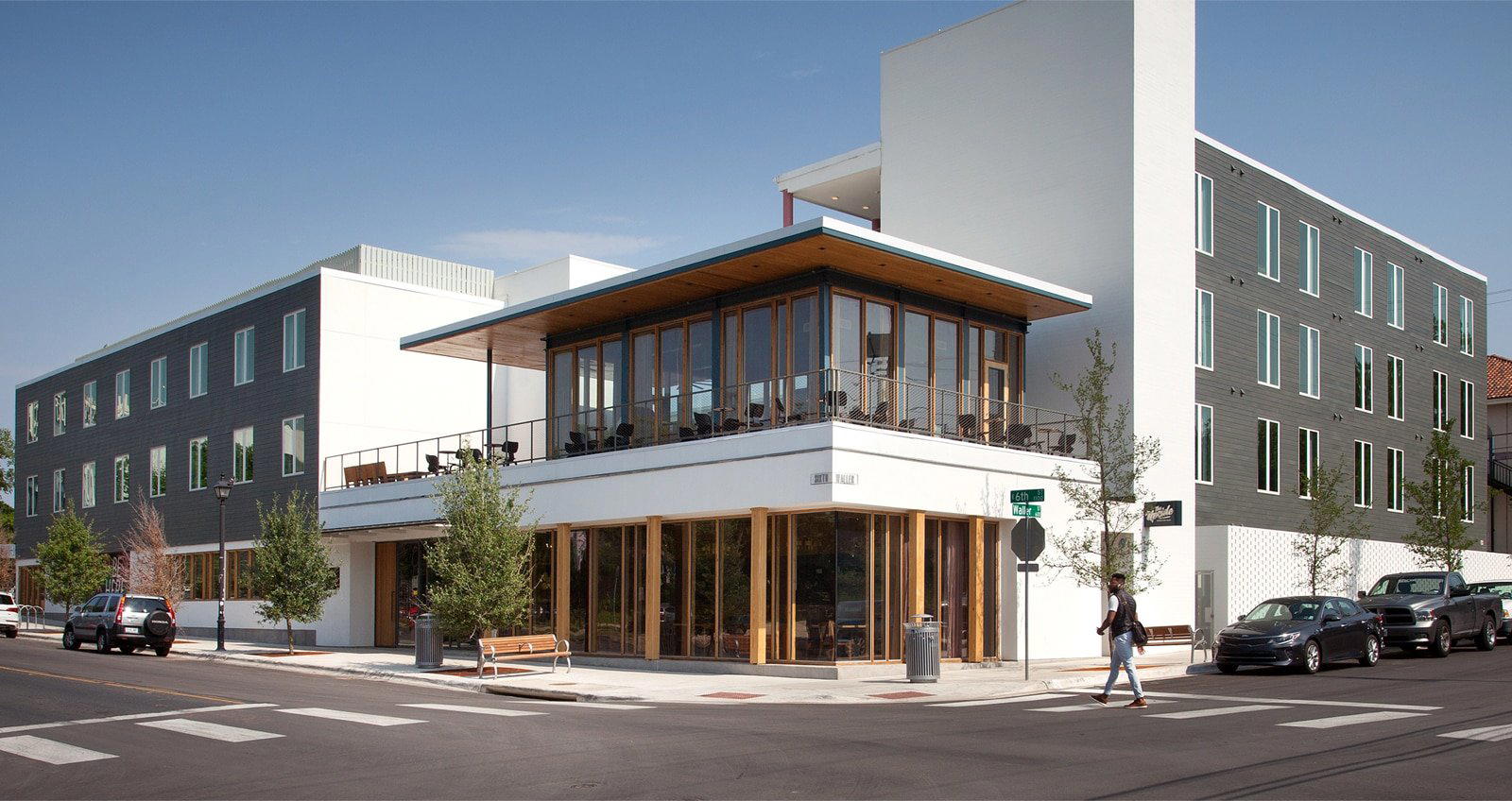
East Cesar Chavez Street has changed considerably over the past decade. What was once a corridor defined by neighborhood taquerias and auto shops has become one of Austin's most closely watched dining stretches, with operators choosing it specifically because it still carries a working-class texture that the more polished districts have lost. Jacoby's Restaurant & Mercantile, at 3235 E Cesar Chavez, sits inside that shift without fully belonging to it. The dual identity, restaurant and mercantile, is not a branding exercise. It speaks to a genuine Texas tradition in which provisions, ranching supply, and communal eating occupied the same physical and cultural space.
In a city whose food identity is anchored by smoke and beef, the mercantile framing matters. It positions Jacoby's closer to the ranch-supply and larder end of Texas dining culture than to the urban tasting-menu circuit. That's a deliberate orientation, and it shapes how the space reads before a single plate arrives.
How the Menu Is Built, and What That Reveals
Menu architecture at a Texas restaurant with mercantile roots tells you something specific about the kitchen's philosophy of sourcing. When a restaurant aligns itself with a provisions tradition, dry goods, local ranches, regional supply chains, the menu tends to organize itself around ingredients first and technique second. This is the inverse of the chef-driven tasting menu format, where technique is the headline and ingredients are selected to serve it.
Austin's dining scene has split along this axis in recent years. On one side sit the technique-forward rooms: places like Barley Swine, where New American tasting formats foreground kitchen craft, and Hestia, which builds an entire identity around live-fire discipline. On the other side are operations where the sourcing story is the primary argument. Jacoby's operates in the latter category, placing it in conversation with the ranching and provisions culture that predates the city's restaurant boom.
That orientation has parallels across American dining. Nationally, restaurants that fuse retail provisions with a dining room, a model with roots in the American general store, tend to structure their menus around what the land and season make available, rather than what a fixed tasting format demands. The result is menus that shift with procurement rather than with culinary trend cycles. For the diner, that means the ordering calculus is different: you're choosing among what the Texas land is producing at a given moment, not selecting from a fixed repertoire designed to showcase a particular kitchen's signatures.
Within Austin's barbecue-adjacent world, this kind of sourcing specificity matters. The city's most serious barbecue addresses, la Barbecue on East Cesar Chavez and InterStellar BBQ further afield, have built their reputations on the quality of the beef they source and smoke. Jacoby's operates in a related but distinct register, where the mercantile identity allows for a broader range of Texas proteins and provisions without anchoring the entire enterprise to a single smoking tradition.
Austin's East Side in Context
The East Side is now Austin's most contested dining territory. Rents have risen sharply, the neighborhood's demographic composition has shifted, and the operators who arrived a decade ago are now competing with a second wave of better-capitalized entrants. Against this, a restaurant with genuine local roots and a mercantile format carries a particular kind of credibility. It's not making the same argument as a polished tasting room or a celebrated chef's casual spin-off. It's making a different argument: that Texas food culture has a provisions-and-community dimension that fine dining formats cannot fully capture.
That argument resonates locally in a way it might not in cities where dining culture is organized entirely around culinary ambition. Austin diners who care about where their beef was raised, which ranch supplied the pork, and how those sourcing relationships translate to the plate have always had a constituency. Jacoby's sits at the intersection of that constituency and the broader East Side dining audience that gravitates toward unpretentious rooms with serious ingredient commitments.
For comparison, the national conversation about farm-to-table sourcing has moved well beyond the catchphrase. At the high end, places like Blue Hill at Stone Barns in Tarrytown have built entire institutional frameworks around agricultural sourcing. Single Thread Farm in Healdsburg integrates farming, hospitality, and menu-building into a single vertically structured operation. Jacoby's operates at a different price point and with a different community orientation, but the underlying premise, that the sourcing relationship should be visible and legible to the diner, connects it to that broader national trend, even if the format is distinctly Texan.
Placing Jacoby's in the Austin Dining Sequence
Austin's restaurant scene now spans a wider range than it did even five years ago. At the tasting menu end, Craft Omakase offers a Japanese counter format that bears no resemblance to anything in Jacoby's orbit. The distance between those two operations illustrates how far Austin's dining range now extends. Jacoby's is not competing with omakase counters or with the Michelin-tier ambitions of operators elsewhere in the country. It's competing with the version of Texas dining that takes sourcing and community seriously without requiring the diner to engage with formal tasting formats or celebrity chef narratives.
For a broader map of where Jacoby's fits within Austin's current dining range, our full Austin restaurants guide provides the context.
Planning Your Visit
Jacoby's sits on East Cesar Chavez, a street with genuine neighborhood texture and a dining density that rewards walking between addresses. For a meal that leans into the mercantile dimension of the format, arriving with an appetite for beef and provisions-led Texas cooking is the right orientation. The sourcing conversation, when visible on a menu, is often the most useful guide to what to order.
Frequently asked questions
What should I order at Jacoby's Restaurant & Mercantile?
Jacoby's sits within a Texas provisions and ranching tradition, which means the beef-forward and regionally sourced items are the natural anchors. In rooms where the mercantile identity is genuine rather than decorative, the ingredients that reflect the local supply chain most directly tend to represent the kitchen's clearest argument. Check the current menu on arrival, as procurement-driven programs shift with season and supply. For context on Austin's broader range of ingredient-serious options, see our coverage of Hestia and Barley Swine.
How far ahead should I plan for Jacoby's Restaurant & Mercantile?
Austin's East Side dining corridor has become competitive enough that walk-in availability at well-regarded addresses is no longer guaranteed, particularly on weekends. For broader Austin planning context, our Austin guide covers the full range of addresses and booking patterns across price tiers.
What's the signature at Jacoby's Restaurant & Mercantile?
In a provisions-and-dining format rooted in Texas ranching culture, the signature is typically defined by the sourcing story rather than a single dish. Restaurants in this category tend to build their identity around a specific beef program, regional pork, or seasonal Texas produce, rather than a fixed hero dish that anchors every menu iteration. Jacoby's mercantile framing suggests the larder itself is the signature. For contrast, the smoke-forward identity of la Barbecue shows how another East Cesar Chavez address defines its signature differently.
Do they accommodate allergies at Jacoby's Restaurant & Mercantile?
In Texas provisions-style kitchens, where beef and pork sourcing is central to the format, guests with significant protein restrictions should discuss options in advance. Austin's dining scene at large has become increasingly responsive to dietary needs, but the most reliable path is always a direct conversation with the restaurant rather than assumptions based on cuisine category.
Is Jacoby's Restaurant & Mercantile worth it?
For a diner whose priorities align with regionally sourced Texas ingredients, an unpretentious East Side room, and a format that combines provisions culture with sit-down dining, Jacoby's makes a coherent argument. It is not competing on the same terms as Austin's tasting-menu addresses or its nationally acclaimed barbecue programs, which makes the comparison to those options less relevant than it might seem. The question is whether the mercantile-and-table format resonates with how you want to engage with Texas food culture. For that specific appetite, the East Cesar Chavez address is a considered choice.
Does Jacoby's Restaurant & Mercantile operate a retail provisions component alongside the restaurant?
The mercantile designation in Jacoby's name points to a genuine dual-format operation, a combination of provisions retail and restaurant dining that reflects a longstanding Texas tradition of ranching supply and community eating sharing the same space. This kind of hybrid format is relatively rare in Austin's current dining scene, where most operators separate retail and hospitality into distinct businesses. The address at 3235 E Cesar Chavez is the reference point for both components.
Cuisine and Credentials
Comparable venues nearby, for context on price, style, and recognition.
| Venue | Cuisine | Price | Notes |
|---|---|---|---|
| Jacoby's Restaurant & MercantileThis venue (the venue you are viewing) | Southern Ranch-to-Table | $30–50 | Not listed |
| Ms P's Electric Cock | Southern Fried Chicken | Not listed | Bouldin |
| Hank's | California-Style American Comfort | $20–30 | Coronado Hills |
| Black's Barbecue Austin | Texas Barbecue | $30–50 | Heritage |
| Casa de Luz Village | Organic Macrobiotic Vegan | $10–20 | Zilker |
| Bull & Bowl | American Bistro | Not listed | Warehouse District |
Continue exploring
More in Austin
Restaurants in Austin
All restaurants in Austin →
Bars in Austin
All bars in Austin →

Details
- Rustic
- Cozy
- Scenic
- Brunch
- Group Dining
- Family
- Waterfront
- Craft Cocktails
- Farm To Table
- Local Sourcing
- Waterfront
- Street Scene
- A La Carte
- Vegetarian Friendly
- Gluten Free Options
Current opening hours
- Monday
- Closed
- Tuesday
- Closed
- Wednesday
- 5–9 PM
- Thursday
- 5–9 PM
- Friday
- 5–10 PM
- Saturday
- 10 AM–2 PM, 5–10 PM
- Sunday
- 10 AM–2 PM
Hours can change for holidays and private events. Hours as of .
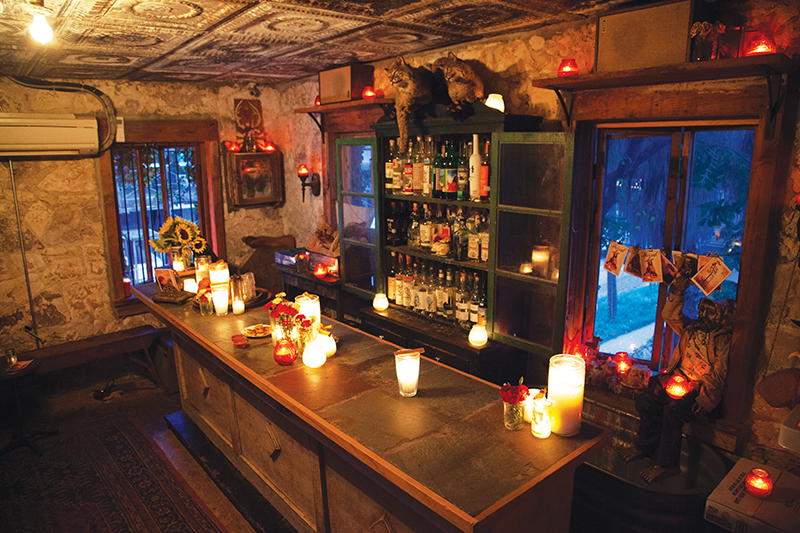
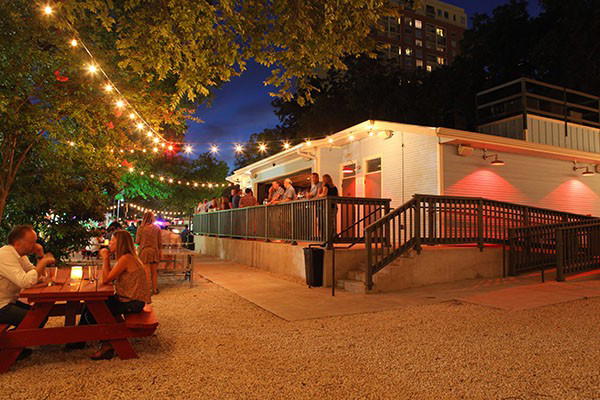
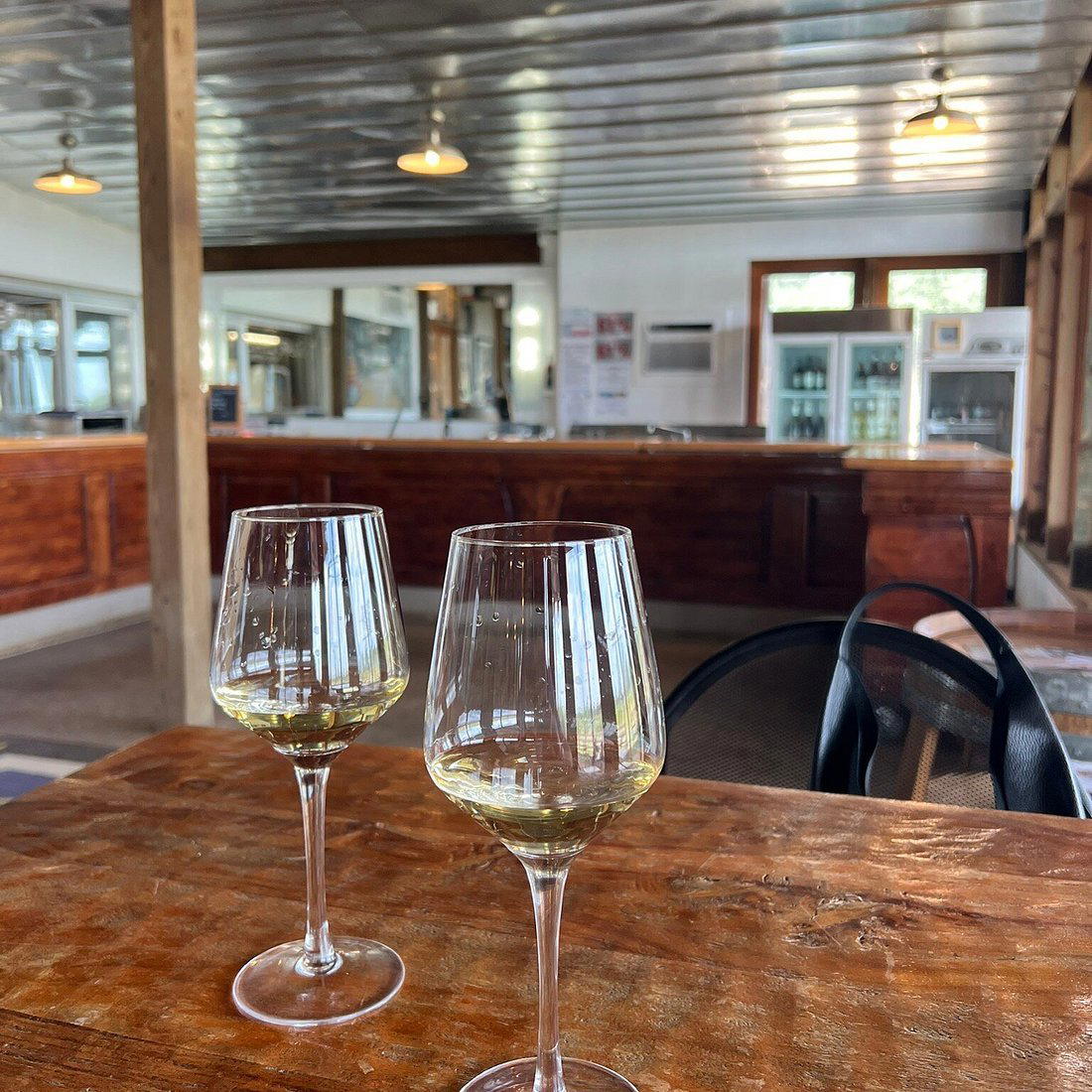
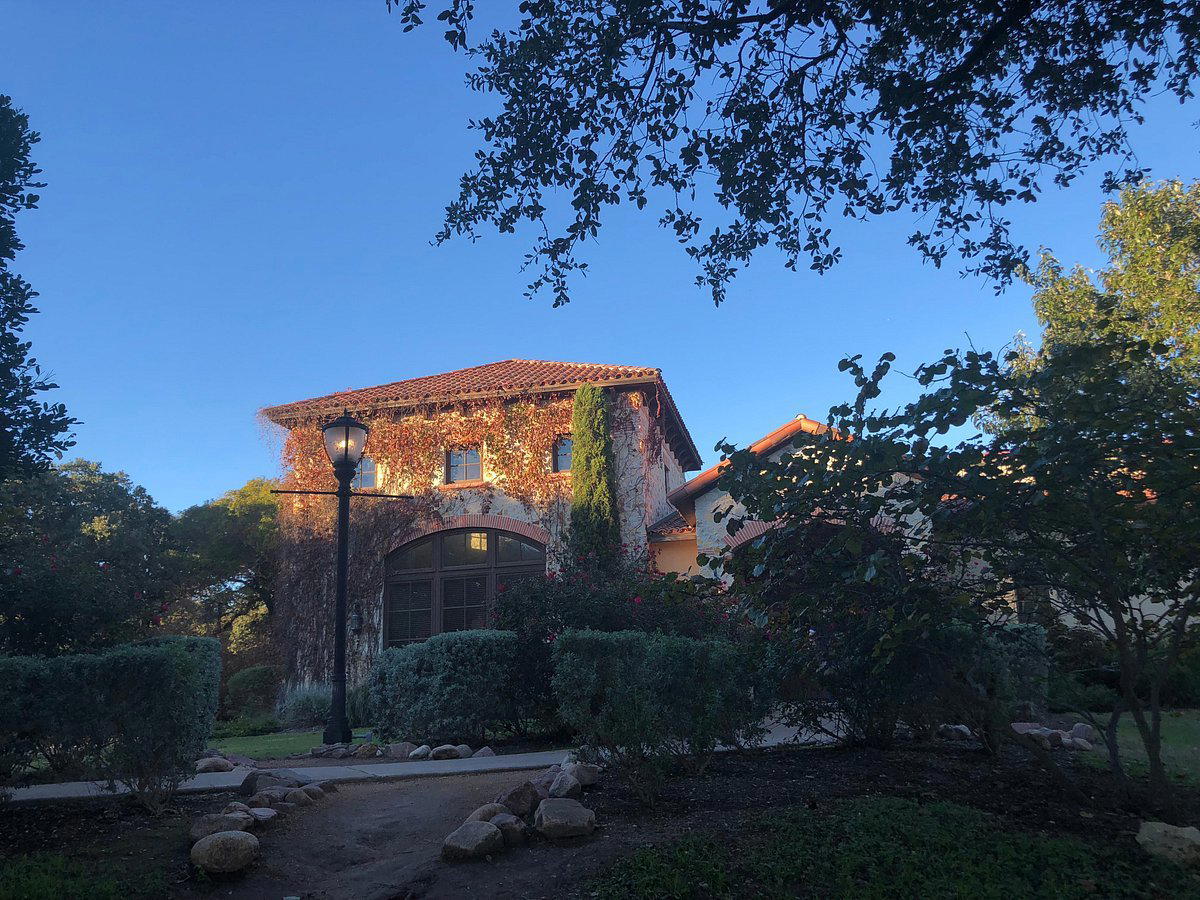
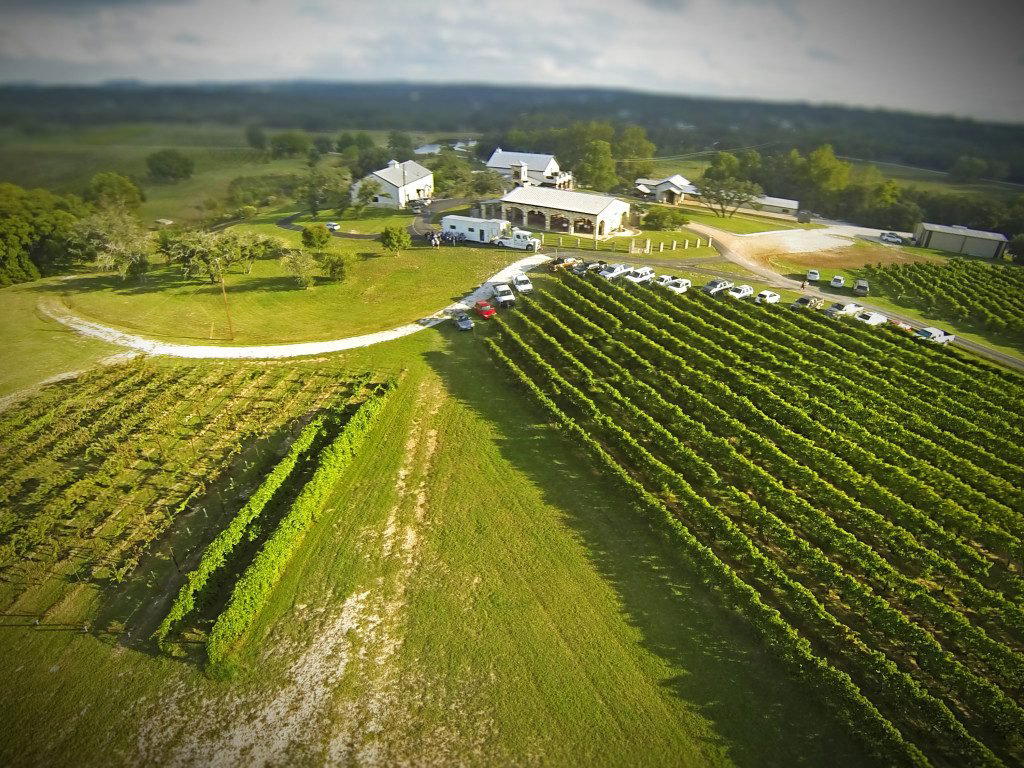
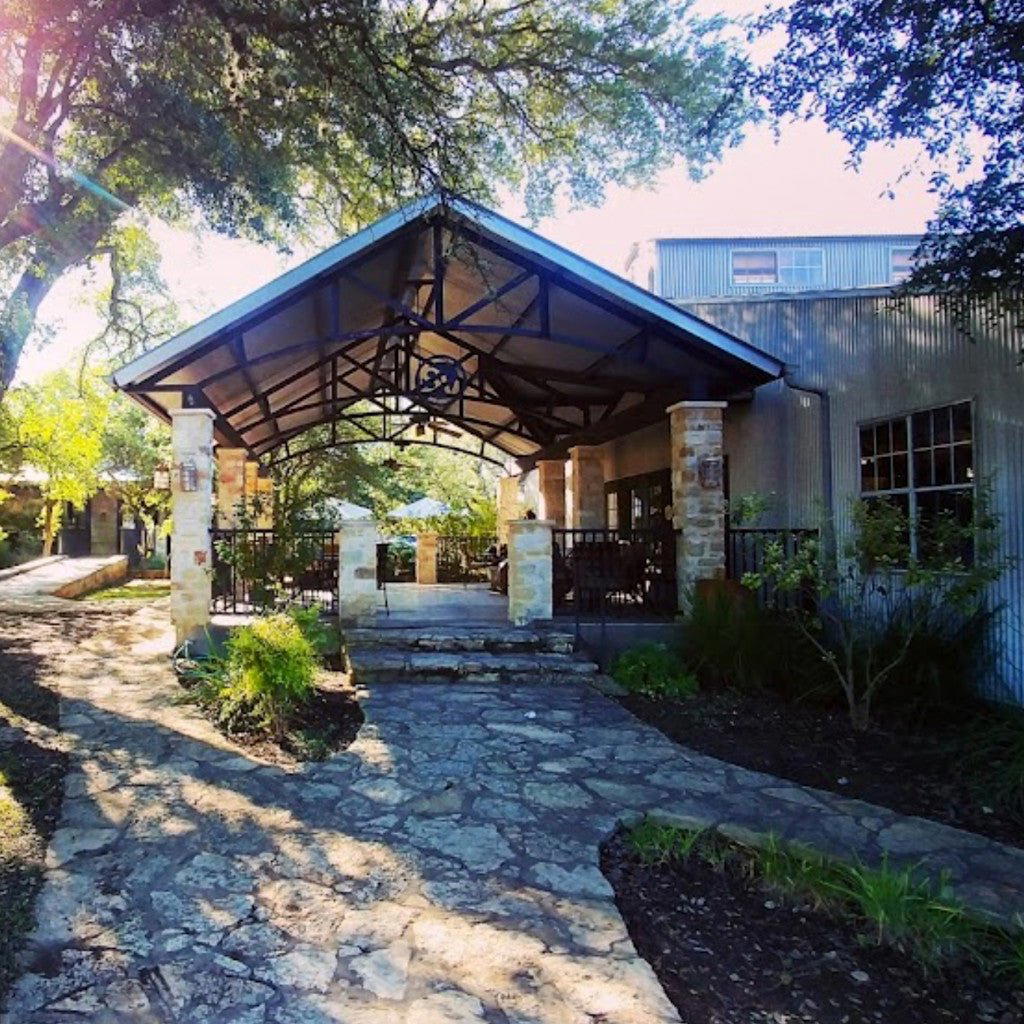
Rustic charm with rough wood tables, kitschy themed rooms in multiple buildings, and a scenic outdoor patio overlooking the Colorado River.