The Greenhouse
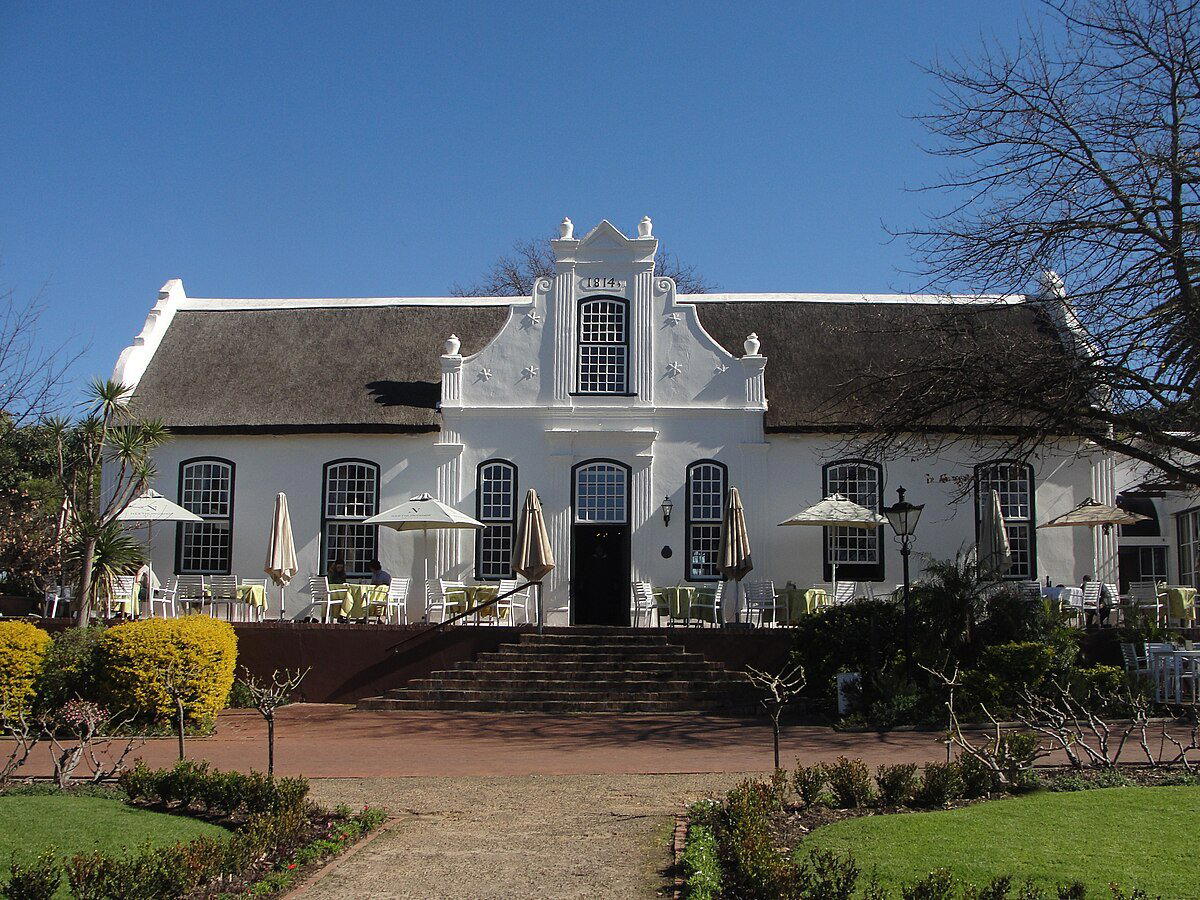
The Greenhouse sits in Constantia Heights, placing it within one of Cape Town's most wine-dense corridors and within reach of the Constantia Valley estates that supply many of the city's serious cellars. The restaurant occupies a tier where wine list curation and kitchen ambition are expected to move in step, making it a reference point for fine dining in the southern suburbs.
- Address
- Constantia Heights, Cape Town, 4800, South Africa
- Phone
- +27217956226
- Website
- greenhouserestaurant.co.za
- Directions
- Get directions
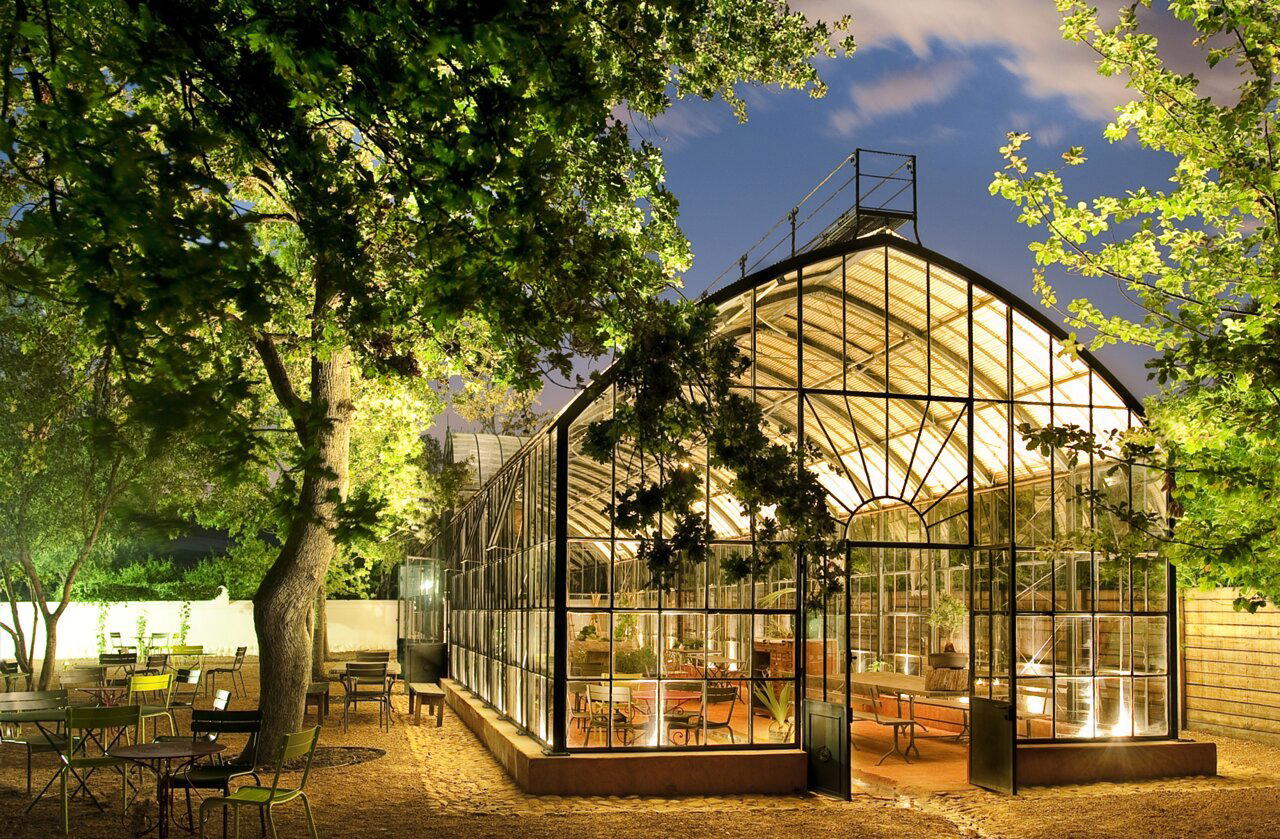
Constantia's Dining Context and Where The Greenhouse Sits
The Constantia Valley has a longer claim to fine winemaking than almost anywhere else in South Africa, with vineyards predating the modern Cape wine industry by several generations. That history shapes what diners expect when they sit down at the area's more serious restaurants: a wine list that reflects the valley's output, and a kitchen that earns the company it keeps. The Greenhouse is a restaurant in Constantia Heights, Cape Town, serving modern South African fine dining. It is not a city-centre destination requiring a case for the drive south; it is, for the suburbs that surround it, a resident institution in a corridor where the competition includes estate restaurants and standalone fine-dining rooms that have been accumulating local authority for years.
Cape Town's broader fine-dining scene has sharpened considerably over the past decade. Venues such as Fyn, which works a Japanese-fusion register with South African produce, and La Colombe, whose tasting menus have drawn sustained international recognition, represent the upper tier of city dining. Salsify at the Roundhouse and The Test Kitchen anchor the creative South African cooking conversation. The Greenhouse operates in a different register: more specifically rooted in the Constantia corridor, more directly in dialogue with the wine estates on its doorstep.
Reading the Wine List as the Room's Central Argument
In restaurants of this category, the wine list is not supplementary material. It is the editorial statement of the house. In the Constantia corridor particularly, a list that does not engage seriously with the valley's own producers, Klein Constantia, Groot Constantia, Beau Constantia, Steenberg, raises a legitimate question about whether the kitchen and the cellar are in conversation at all. Particularly compelling fine-dining wine programs in South Africa have moved toward a model where the sommelier acts less as a catalogue manager and more as a regional editor: acknowledging the Chenin Blanc dominance in Stellenbosch, the cooler-climate Sauvignon Blanc arguments being made in Constantia, and the Cabernet Franc and Bordeaux-blend producers staking serious claims across the broader Cape Winelands.
For context on how deep that regional conversation can run, the wine programs at places like Bread & Wine Vineyard Restaurant in Stellenbosch and Le Quartier Français in Franschhoek demonstrate what happens when a list is built in direct proximity to its producing region. The restaurant's Constantia Heights address gives it equivalent proximity to some of South Africa's oldest and most prestigious estate labels, that proximity is an asset a well-constructed list would use deliberately.
Globally, the restaurants that have made wine curation a signature, Le Bernardin in New York City is the canonical example in seafood fine dining, while Atomix has demonstrated how a focused, ideologically consistent list can reinforce a kitchen's identity, show that depth of cellar matters less than clarity of curation philosophy. A list of four hundred labels with no discernible point of view is less useful to a serious diner than one of eighty that argues for a specific region, style, or producer relationship.
The Constantia Setting and What It Demands of a Kitchen
Dining in the southern suburbs of Cape Town carries a different rhythm from the city centre. The drive through Constantia's oak-lined roads, the shift in scale from urban to estate, the cooler air that descends from the mountain slopes: all of these condition a guest's expectations before they reach the table. Restaurants in this setting tend to attract a clientele willing to commit to a full evening rather than a quick cover, and that commitment shifts the kitchen's obligation. Longer menus, more considered pacing, a wine program that can sustain multiple bottles across several hours: these are the implicit terms of the contract.
That context puts the restaurant in a comparable set that includes 95 at Parks and the estate dining experiences that dot the Constantia and Stellenbosch corridors.
South African Fine Dining Beyond the Cape Peninsula
The ambition of South African destination dining extends well beyond the Cape. Wolfgat in Paternoster has built an international reputation on strandveld foraging and West Coast produce, occupying a category of destination restaurant that requires a deliberate overnight or weekend commitment from most Cape Town-based visitors. Klein Jan in Moshaweng Nu extends the conversation about South African fine dining into the Northern Cape. Within the Western Cape corridor, La Sosta in Swellendam represents the kind of serious regional cooking that rewards guests willing to travel beyond the well-worn tourist circuit.
These reference points matter because they establish what the category demands: not merely good food, but a clear editorial position on South African produce, technique, and identity. A restaurant in Constantia Heights is making an implicit argument about place every time it builds a menu or assembles a wine list. The proximity to some of the country's oldest wine-producing estates is not a backdrop; it is a set of available ingredients, relationships, and reference points that a kitchen and sommelier can either use or ignore.
Quick Comparison
Comparable venues nearby, for context on price, style, and recognition.
| Venue | Cuisine | Price | Notes |
|---|---|---|---|
| The GreenhouseThis venue — the venue you are viewing | Modern South African Fine Dining | $$$$ | Not listed |
| The Roundhouse | Modern South African Fine Dining | $$$$ | Clifton |
| Belly of the beast | South African Seasonal Tasting Menu | $$$$ | City Bowl |
| GOLD Restaurant | Pan-African Taste Safari | $$$ | Schotschekloof |
| The Company's Garden Restaurant | South African Cafe | $$ | City Bowl |
| fable | Modern Fusion Tapas with South African Influences | $$$ | Bo-Kaap |
Continue exploring
More in Cape Town
Restaurants in Cape Town
Browse all →
Bars in Cape Town
Browse all →
Hotels in Cape Town
Browse all →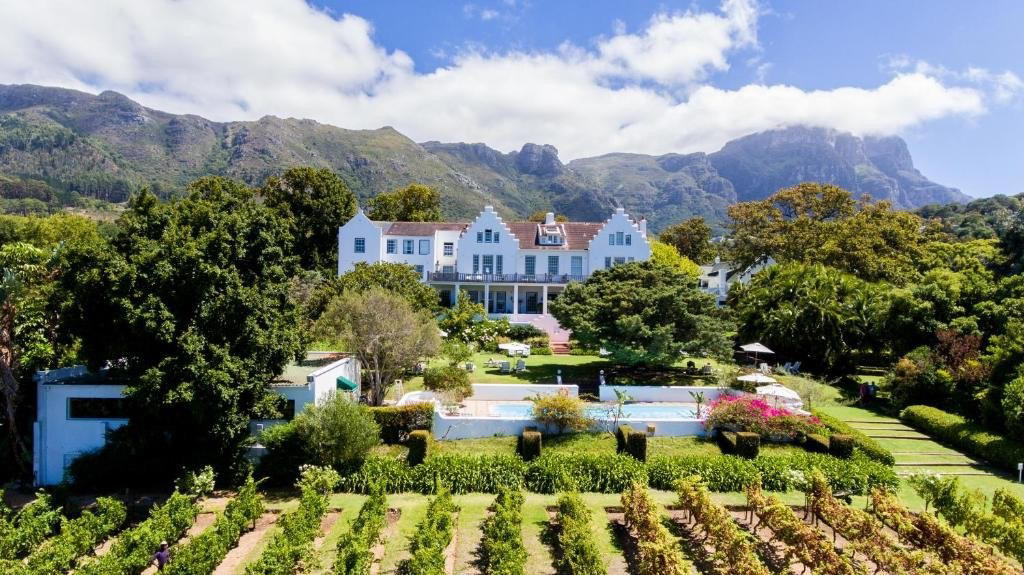
At a Glance
- Elegant
- Scenic
- Sophisticated
- Special Occasion
- Date Night
- Garden
- Extensive Wine List
- Local Sourcing
- Garden
- Mountain
Current opening hours
- Monday
- 6 AM–10 PM
- Tuesday
- 6 AM–10 PM
- Wednesday
- 6 AM–10 PM
- Thursday
- 6 AM–10 PM
- Friday
- 6 AM–10 PM
- Saturday
- 6 AM–10 PM
- Sunday
- 6 AM–10 PM
Hours can change for holidays and private events. Last verified .
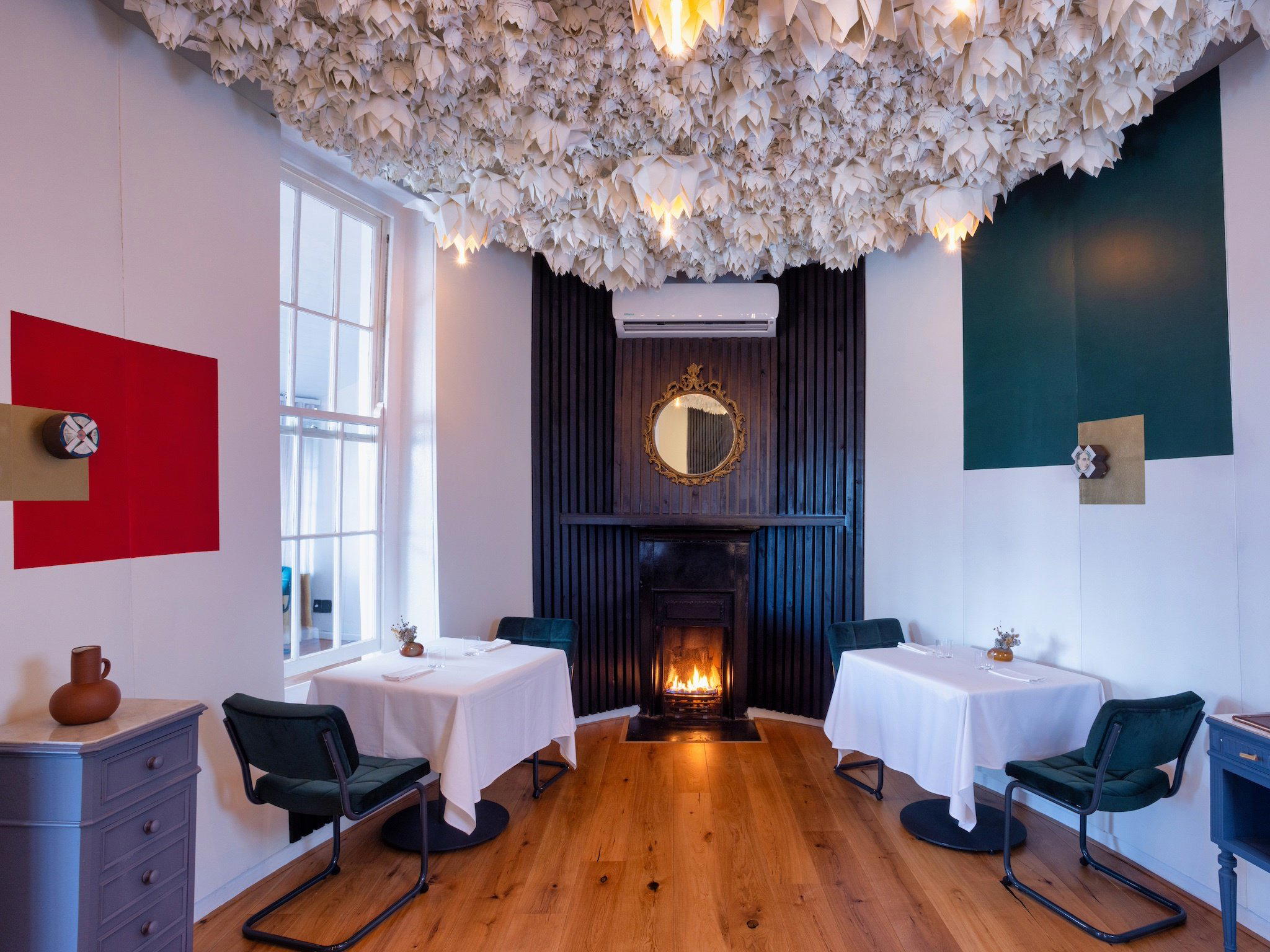
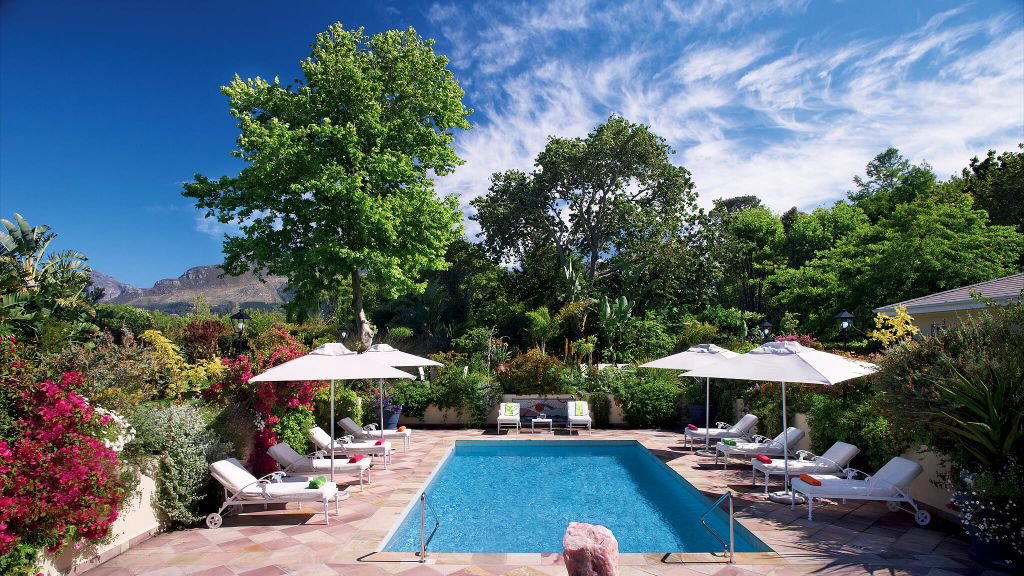
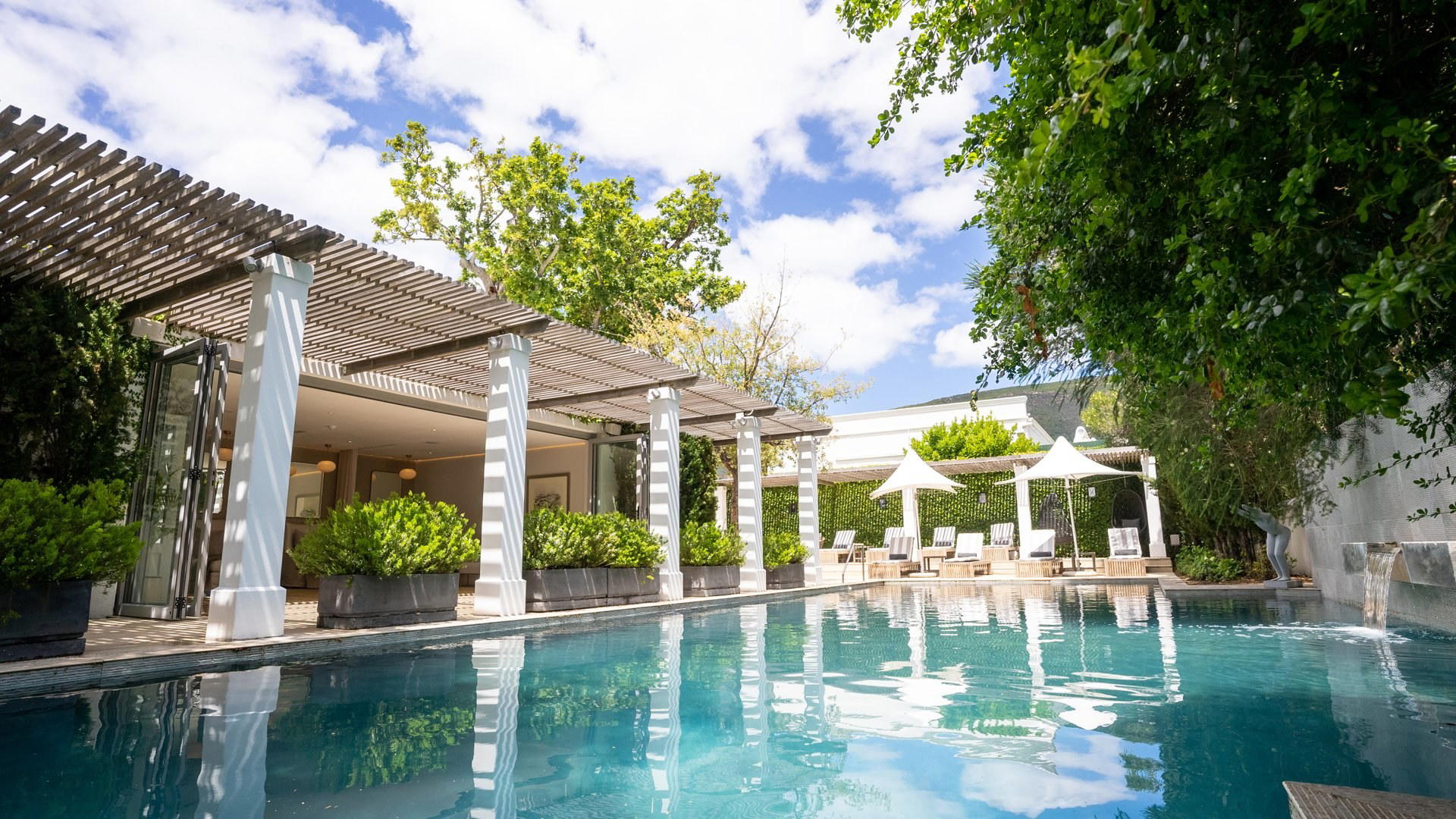
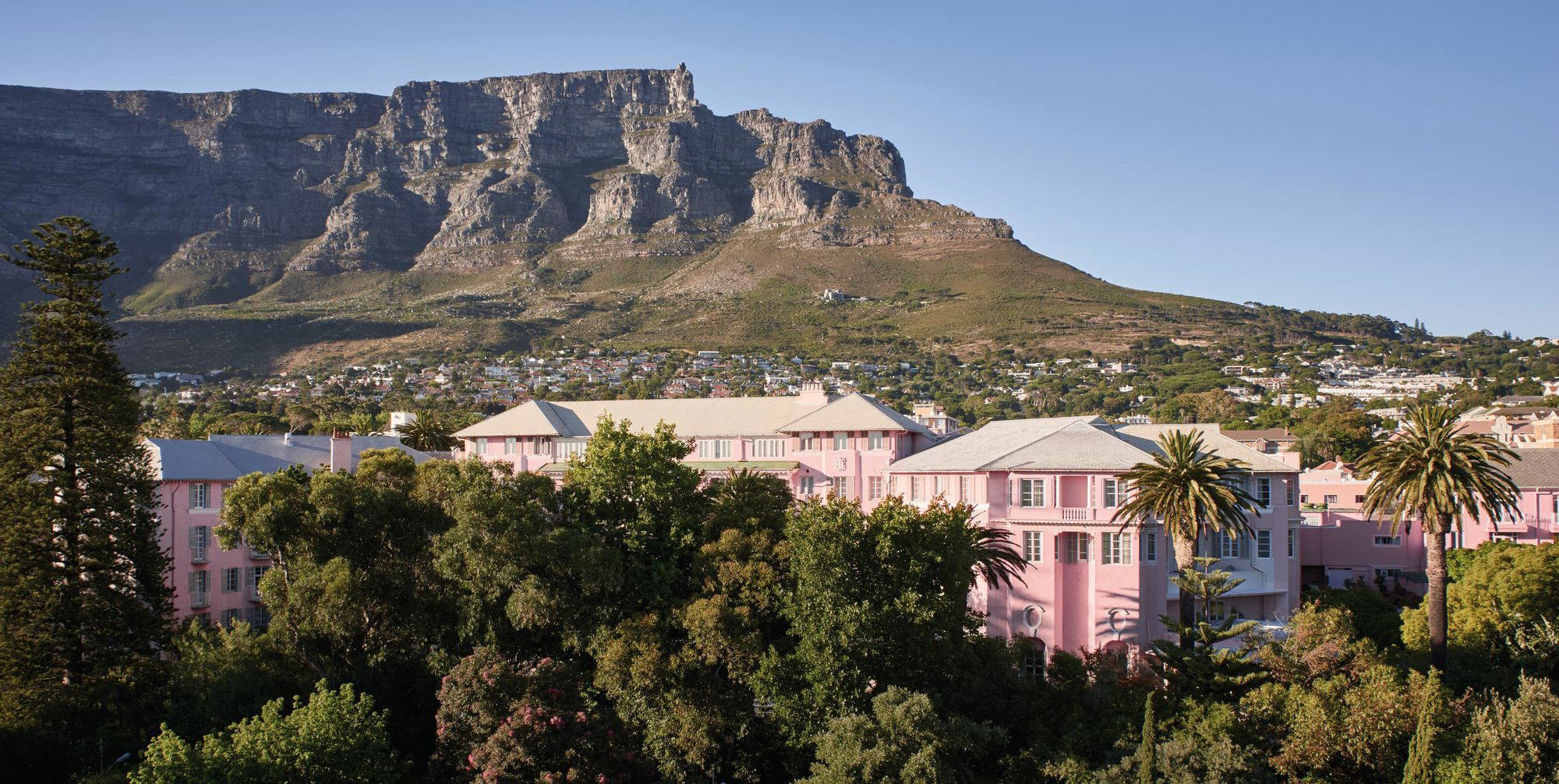
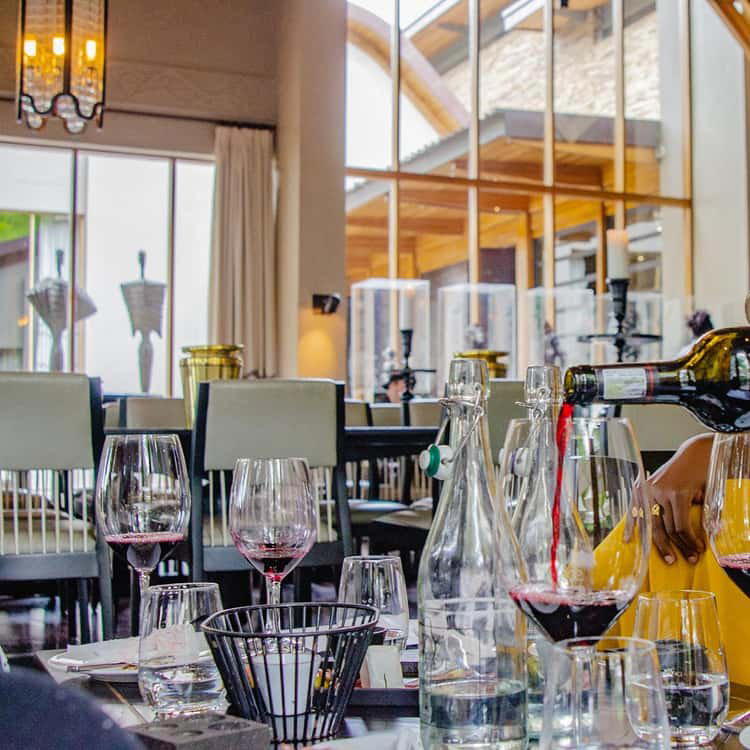
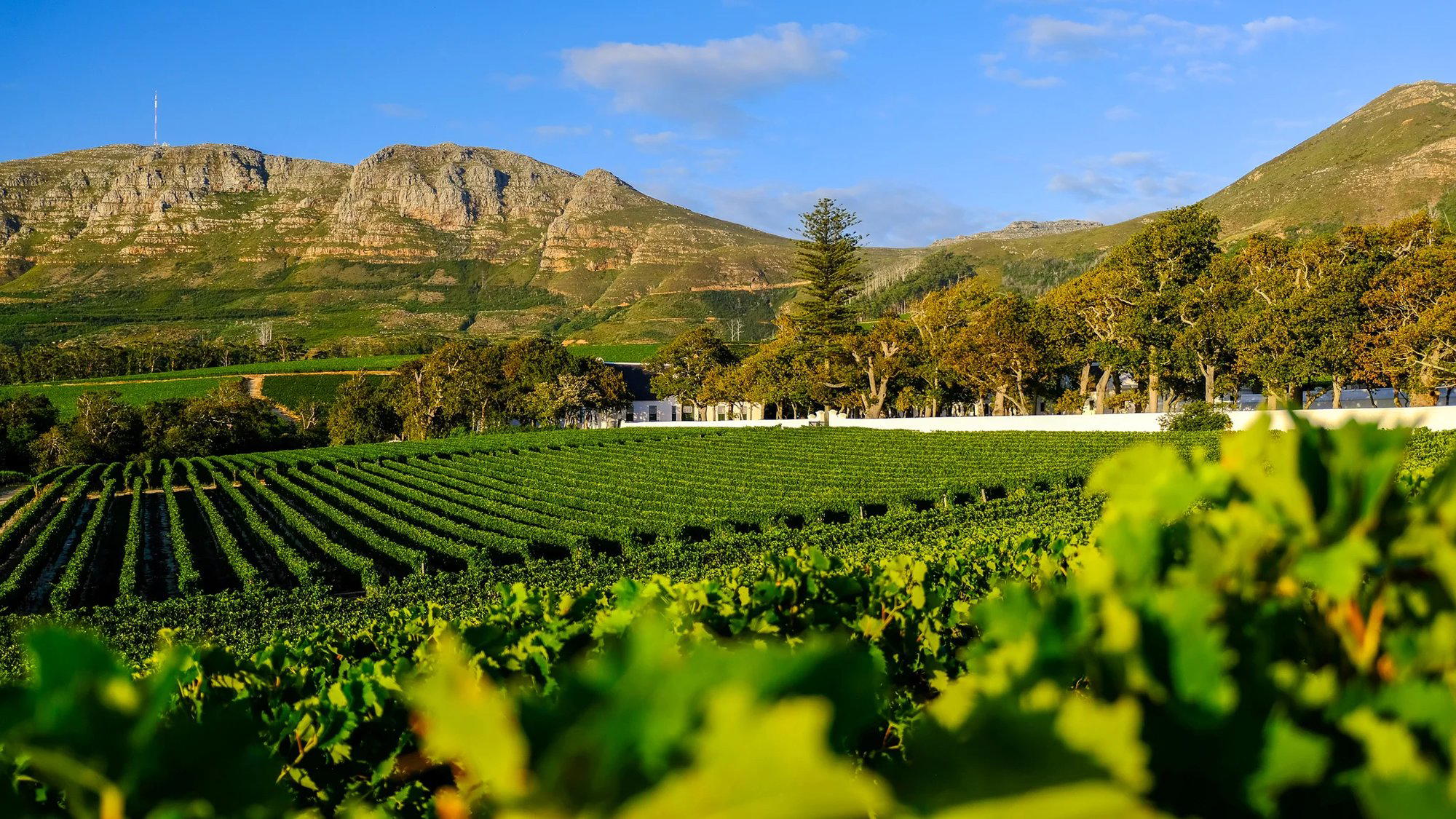
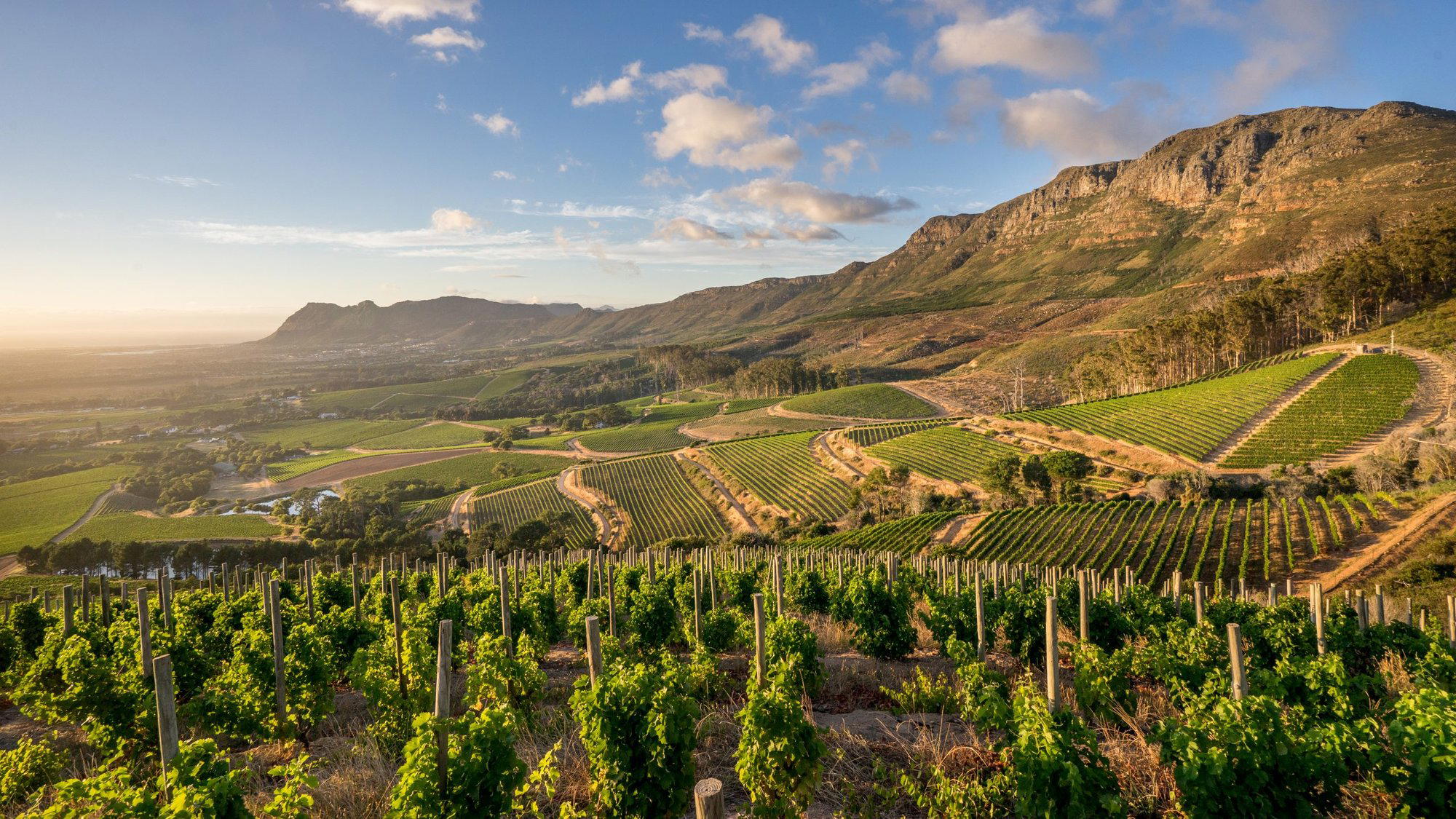
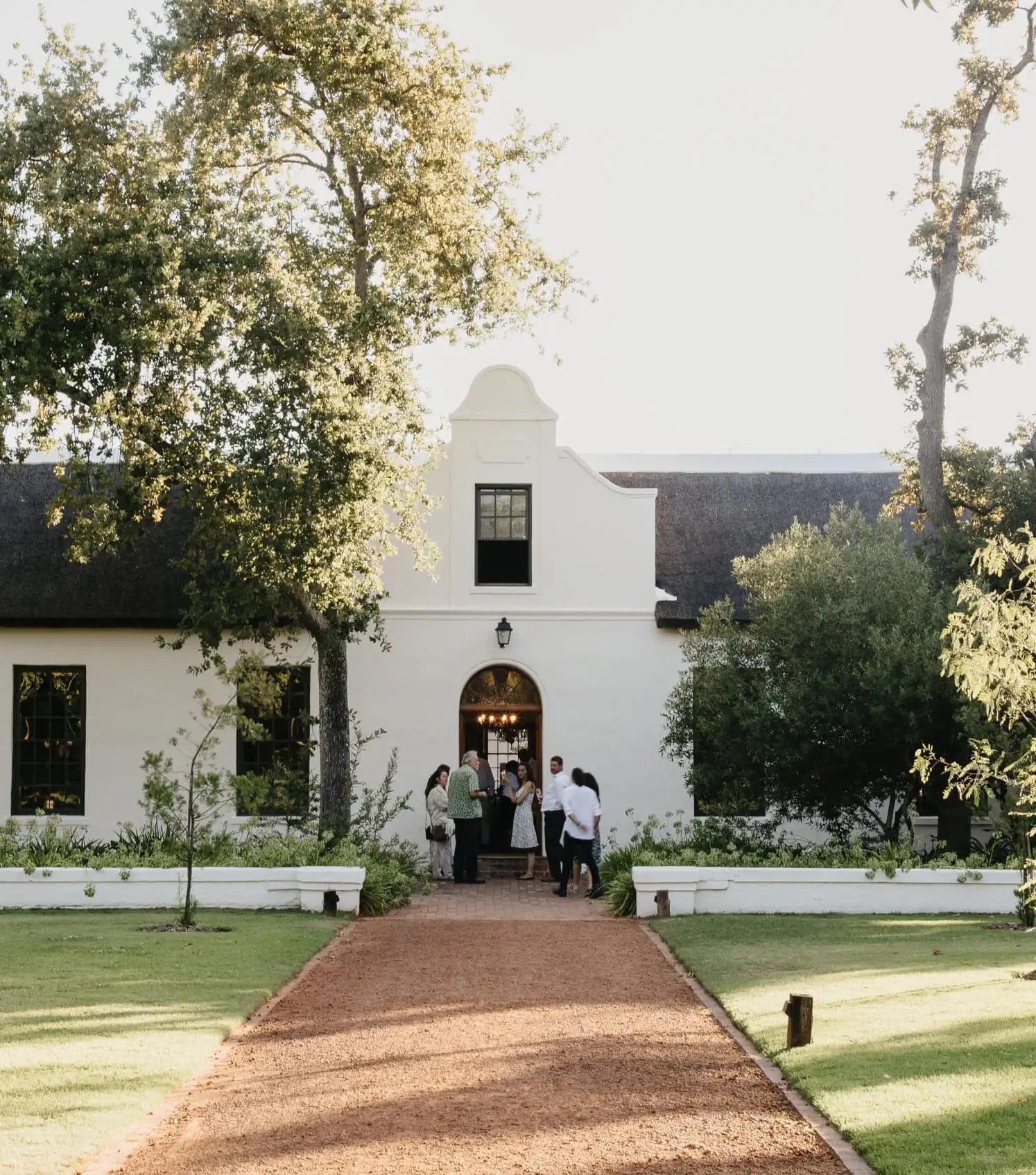
Elegant and nature-inspired with mesmerizing garden and mountain views, light-filled dining spaces evoking a serene oasis.