THE GRAND CAPITAL RESTAURANT
Situated on the first floor of a Sector address in Gandhinagar, The Grand Capital Restaurant operates in a city that has developed a quiet but serious dining culture distinct from the louder restaurant scenes of Ahmedabad just across the Sabarmati. As Gujarat's planned administrative capital matures, its restaurant tier is filling in with venues that carry regional culinary traditions forward in more formal settings.
Pearl is the En Primeur Club membership app — saves, bookings, and concierge access live there. Same editors, same standards.
- Address
- FIRST FLOOR, SECTOR
- Phone
- +918347610028
- Website
- thegrandcapitalrestaurant.in
- Directions
- Get directions
 Saves & bookings on Pearl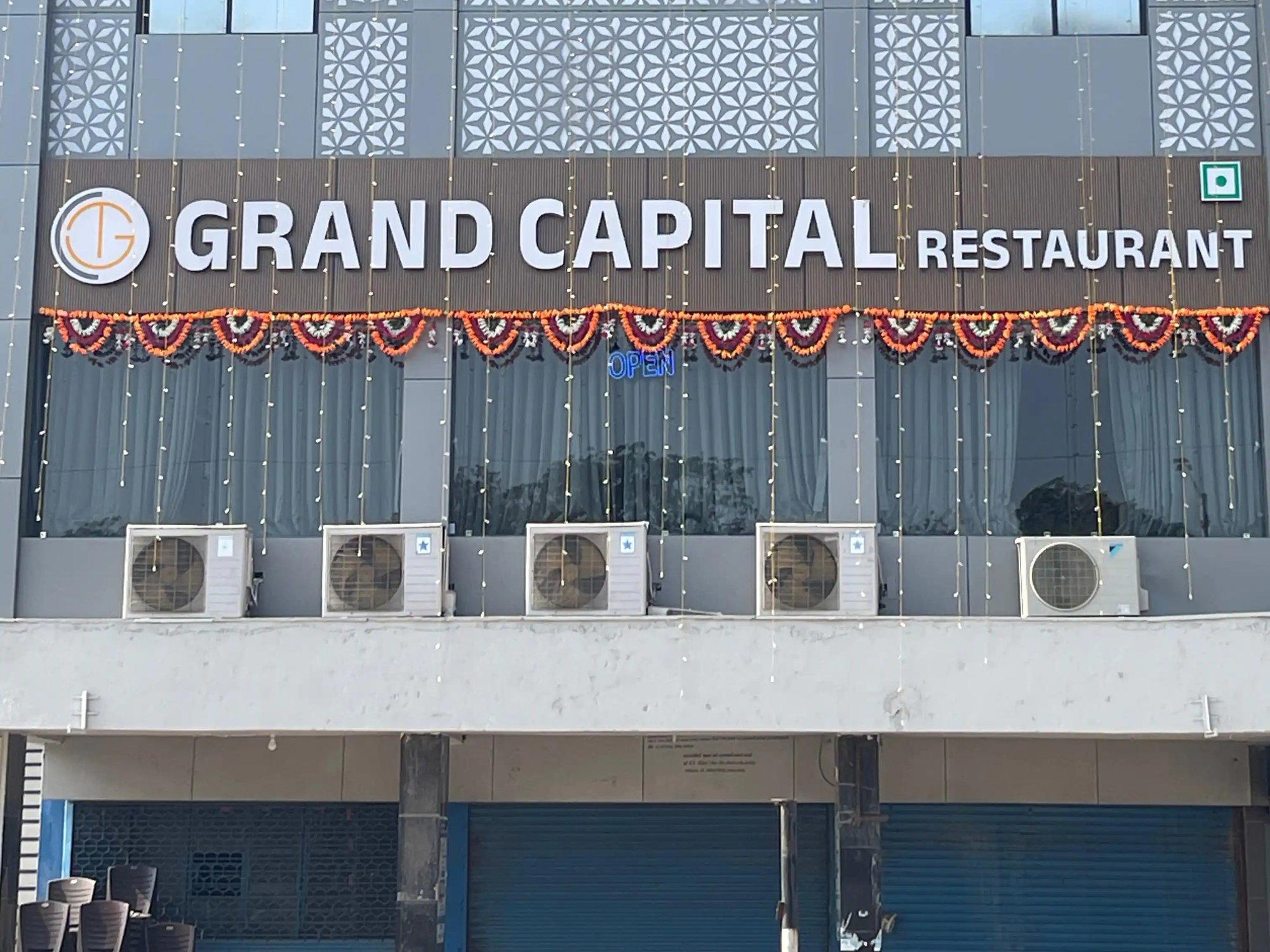
Gandhinagar's Dining Character and Where The Grand Capital Fits
Gujarat's capital city was built to a grid, and its food culture has followed a similarly deliberate pattern. Gandhinagar lacks the chaotic restaurant density of Ahmedabad, but that absence of noise has created space for a different kind of dining: seated, considered, and rooted in the state's predominantly vegetarian culinary tradition. The Grand Capital Restaurant, positioned on the first floor of a Sector-district address, operates inside that quieter but substantive scene. It is the kind of address that serves the city's administrative and professional class rather than a transient tourist audience, which shapes both the format and the expectations visitors should bring to it.
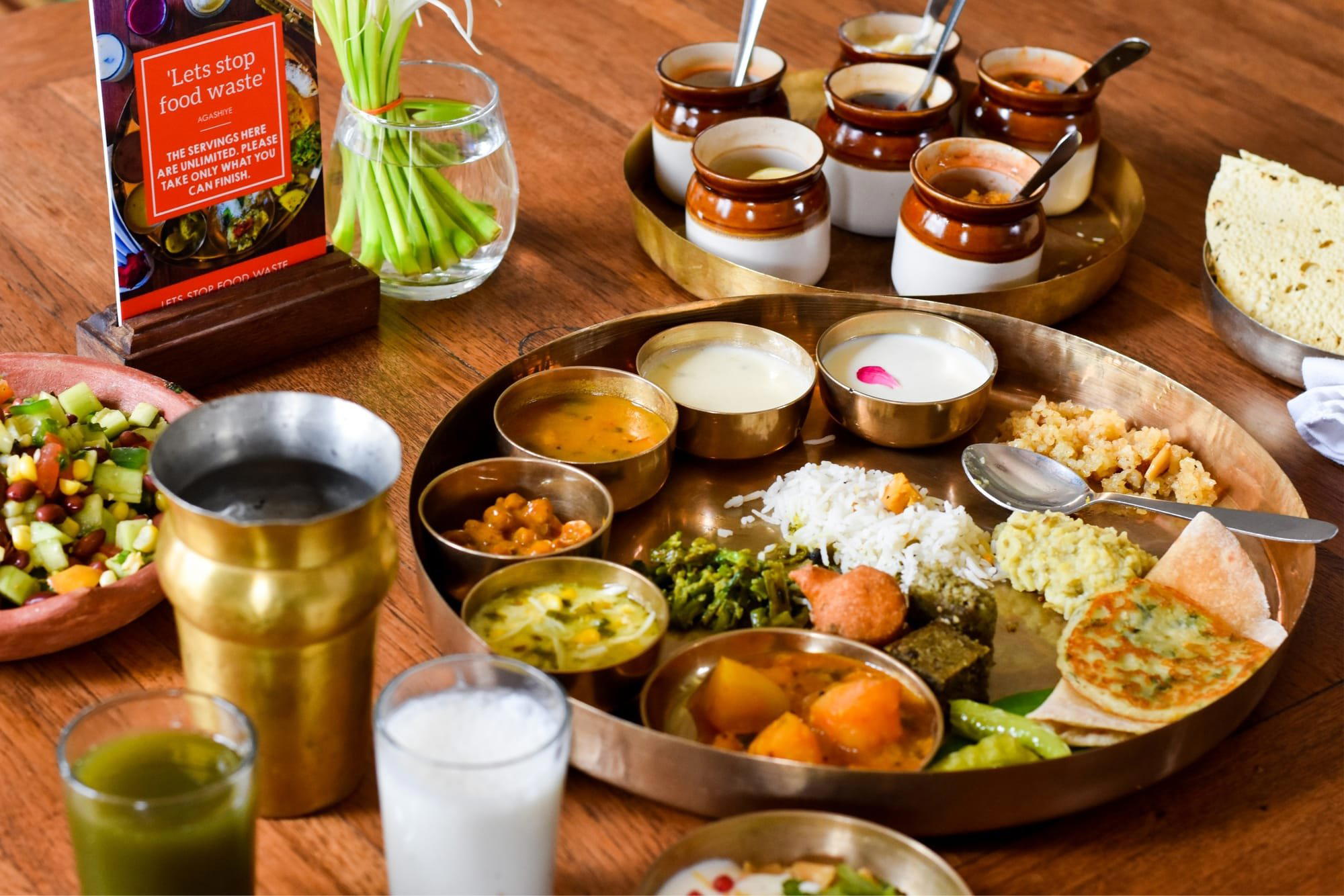
Gujarat's food culture is among the more internally specific in India. The state's cuisine is built around a balance of sweet, sour, and spice that sets it apart from the chili-forward registers of Rajasthan to the north or the coastal richness of Maharashtra to the south. Dal dhokli, undhiyu, thepla, and the full range of farsan (snack preparations) represent a culinary logic shaped over centuries by Jain dietary influence, agricultural geography, and the mercantile communities that carried Gujarati cooking across the subcontinent. Any serious restaurant in Gandhinagar sits inside that tradition whether it chooses to foreground it or not.
The First-Floor Format and What It Signals
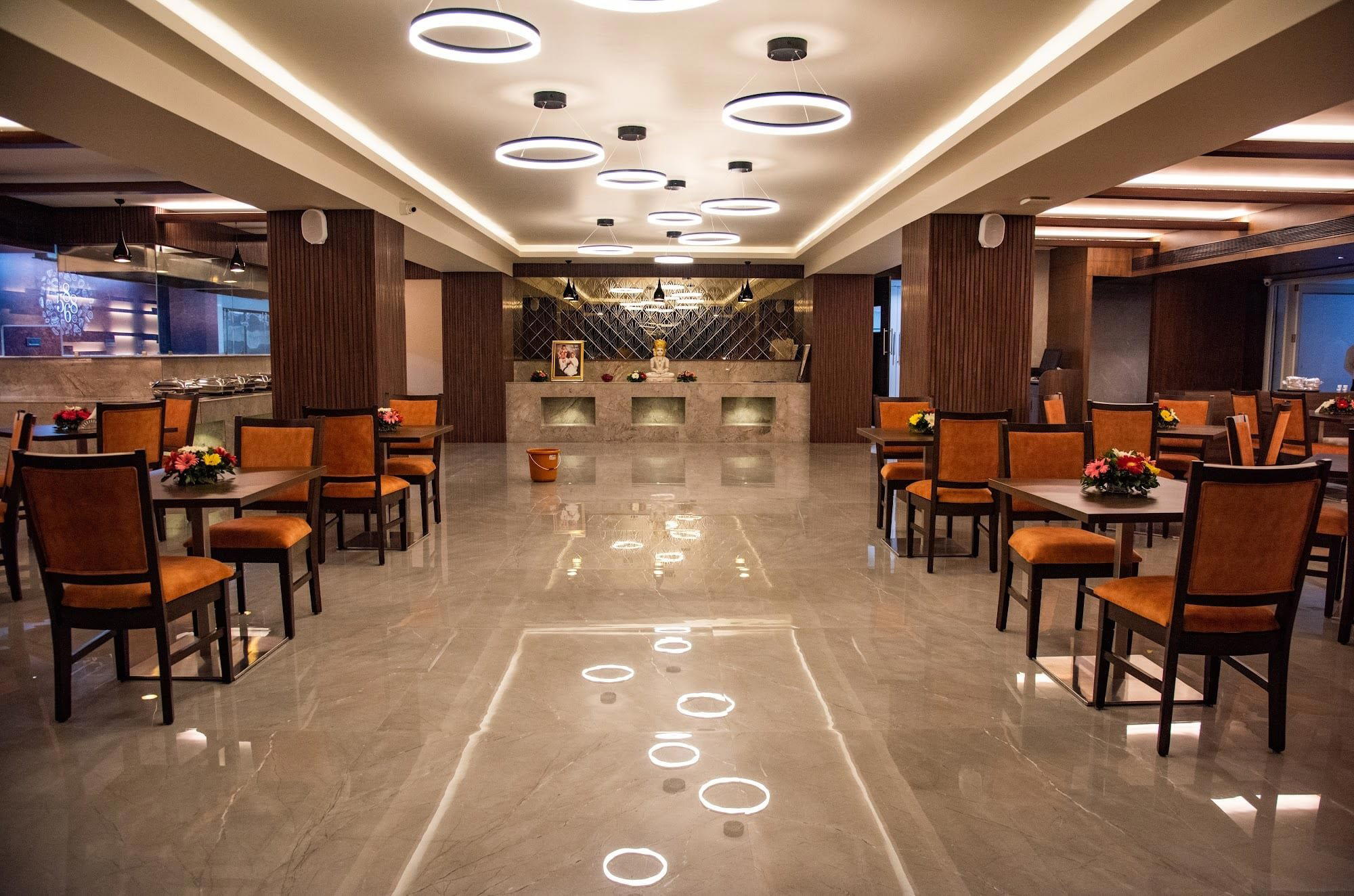
Across India's mid-size cities, the first-floor restaurant format carries a specific social meaning. Street level belongs to fast counters and chai stalls. The first floor, reached by a staircase that filters casual foot traffic, historically signals a more composed experience: tablecloths, service staff, a menu presented rather than barked. It is a format with roots in the old-city restaurants of Ahmedabad, Surat, and Baroda, where family dining out meant ascending to a dedicated floor rather than eating at the pavement. The Grand Capital's sector-district location reinforces this: Gandhinagar's sector grid was designed around residential and administrative blocks, not commercial strips, so a restaurant that draws from that catchment is serving a community rather than foot traffic.
This is worth noting for visitors comparing Gandhinagar's dining options to the more commercially active restaurant corridors of Gujarat's other cities. Venues like 5868 Restaurant and Cilantro's Global Cuisine Restaurant show the range of what Gandhinagar currently offers, from locally rooted formats to more globally inflected menus. The Grand Capital occupies a distinct position within that local tier.
Regional Culinary Context: What Gujarat's Table Tradition Demands
To understand a restaurant in Gandhinagar is to understand what Gujarati dining culture asks of a kitchen. The thali format remains the dominant framework: a rotating selection of preparations presented simultaneously, built around seasonal vegetables, legumes, breads, and the sweet preparations that conclude most Gujarati meals even at lunch. The leading Gujarati thalis are not static menus but responsive ones, adjusted for the agricultural season and, in many households, the Jain calendar of fasting days.
Across India, the conversation about what serious regional cooking looks like at a restaurant level has become more pointed over the past decade. Venues such as Bukhara in New Delhi have demonstrated that a singular, regionally specific focus executed at depth carries more long-term recognition than broad multi-cuisine menus. Further south, Farmlore in Bangalore has pushed the conversation toward ingredient provenance as a defining frame for serious Indian dining. Gujarat has its own version of this argument playing out, more quietly, in venues across Gandhinagar and Ahmedabad.
Internationally, the contrast is instructive. At Le Bernardin in New York City or Atomix in New York City, regional specificity and culinary depth are the primary axes on which fine dining is evaluated. Gujarat's restaurant culture operates at a different price tier and with different formal structures, but the underlying question is the same: does a kitchen have a point of view rooted in its tradition, or is it assembling a generic menu for undifferentiated demand?
Situating The Grand Capital in a Wider Indian Context
India's restaurant geography beyond the major metros is often read reductively. The assumption that serious dining stops at Mumbai, Delhi, and Bangalore misses the depth of regional culinary culture in cities like Gandhinagar, where the cooking tradition is older and more specific than most metropolitan menus acknowledge. For context on the range India's regional dining covers, venues like Esphahan in Agra, Leela Kerala Terrace in Trivandrum, and Naar in Kasauli illustrate how different Indian cities have developed distinct dining registers anchored in their own culinary geographies.
Closer to Gandhinagar's broader Gujarat region, venues like Harvest Kitchen Somnath in Veraval, La Fountain Blu in Navsari, and Dosa Crepes N More in Mehsana show a state where eating out spans from street-level snack culture to more structured dining rooms. WelcomCafe Oceanic Restaurant in Visakhapatnam and Dadi Ki Rasoi in Budaun represent the broader pattern of how India's secondary cities build culinary identity through format and community rather than through awards infrastructure. For different takes on regional specificity across formats, Beera Chicken House in Amritsar, Dragon in Orchha, and Americano in Mumbai each anchor a specific local register with clarity of focus.
Planning a Visit
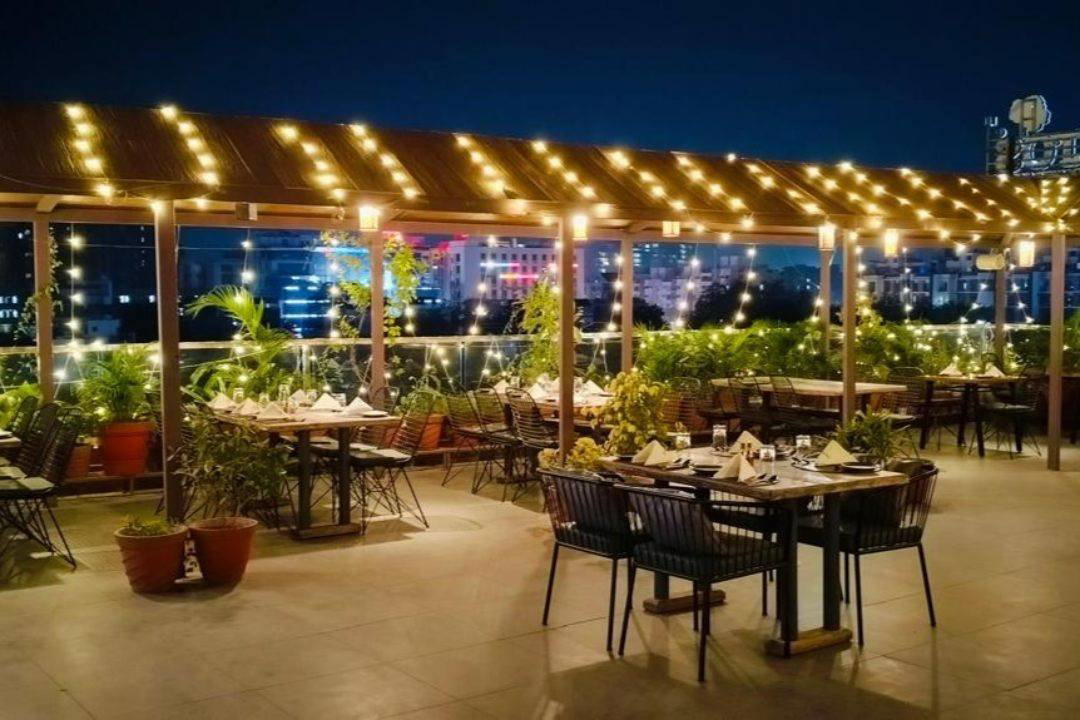
Gandhinagar operates on Gujarat's dry-state rules, which means alcohol is not served at most restaurants without a specific permit, and The Grand Capital's first-floor format is consistent with the broadly dry dining culture of the city. Visitors arriving from Ahmedabad, roughly 30 kilometres south, will find Gandhinagar's restaurant pace considerably calmer: dinner services here align with local habits rather than late metropolitan schedules, so arriving by 7:30 pm is advisable. Sector-district addresses in Gandhinagar are navigable by auto-rickshaw from the main transport points, and the first-floor positioning means the room sits above street-level noise.
Cost and Credentials
Comparable venues nearby, for context on price, style, and recognition.
| Venue | Cuisine | Price | Notes |
|---|---|---|---|
| THE GRAND CAPITAL RESTAURANTThis venue — the venue you are viewing | Not listed | $$ | Not listed |
| 5868 Restaurant | Not listed | $$ | Adalaj, Pure Vegetarian Multicuisine Fine Dining |
| Cilantro's Global Cuisine Restaurant | Kudasan, Gandhinagar, Global Fusion | $$ | Not listed |
| The Pavillion | Not listed | $$ | Rajpur Road, Indian, Chinese & Continental |
| Aanch | Not listed | $$ | Niranjanpur, North-West Frontier North Indian |
| Zing | Not listed | $$ | Chikalthana MIDC, World of Flavors Buffet - Asian, Italian, Indian & Maharashtrian |
Continue exploring
More in Gandhinagar

At a Glance
- Classic
- Cozy
- Casual Hangout
- Family
- Group Dining
- Standalone
Current opening hours
- Monday
- 7:30 AM–3:30 PM, 6:30–10:30 PM
- Tuesday
- 7:30 AM–3:30 PM, 6:30–10:30 PM
- Wednesday
- 7:30 AM–3:30 PM, 6:30–10:30 PM
- Thursday
- 7:30 AM–3:30 PM, 6:30–10:30 PM
- Friday
- 7:30 AM–3:30 PM, 6:30–10:30 PM
- Saturday
- 7:30 AM–3:30 PM, 6:30–10:30 PM
- Sunday
- 7:30 AM–3:30 PM, 6:30–10:30 PM
Hours can change for holidays and private events. Last verified .
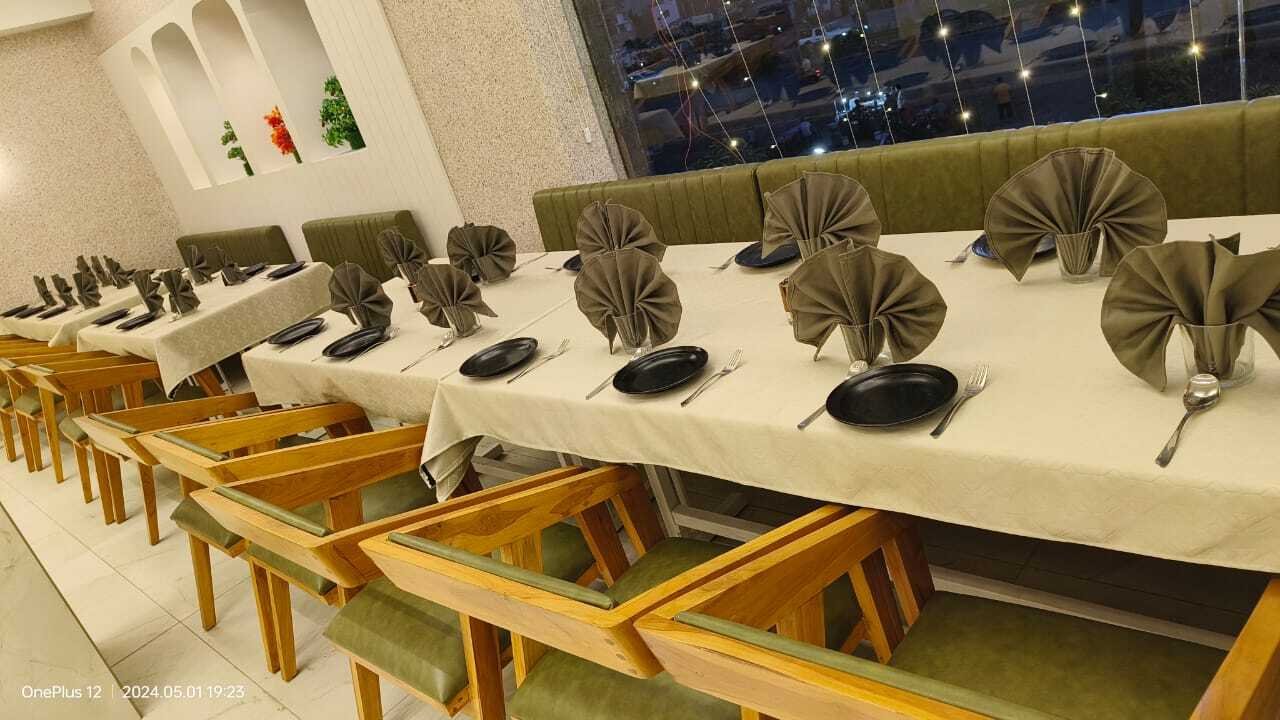
Casual neighborhood dining atmosphere with satisfactory service and food quality.