Fishing Port Varemestue sits at Fiskerivej 8 in Aarhus, a harbour-side address that positions it within the city's working waterfront rather than its polished dining centre. The format and cuisine align with the tradition of Danish coastal eating houses, where proximity to the catch shapes the menu and the setting carries as much weight as the plate. Plan visits with local context in mind, as the address draws from the same quayside geography as Aarhus's broader seafood culture.
Pearl is the En Primeur Club membership app — saves, bookings, and concierge access live there. Same editors, same standards.
- Address
- Fiskerivej 8, 8000 Aarhus, Denmark
- Phone
- +4540934310
- Website
- havnensvarmestue.dk
- Directions
- Get directions
 Saves & bookings on Pearl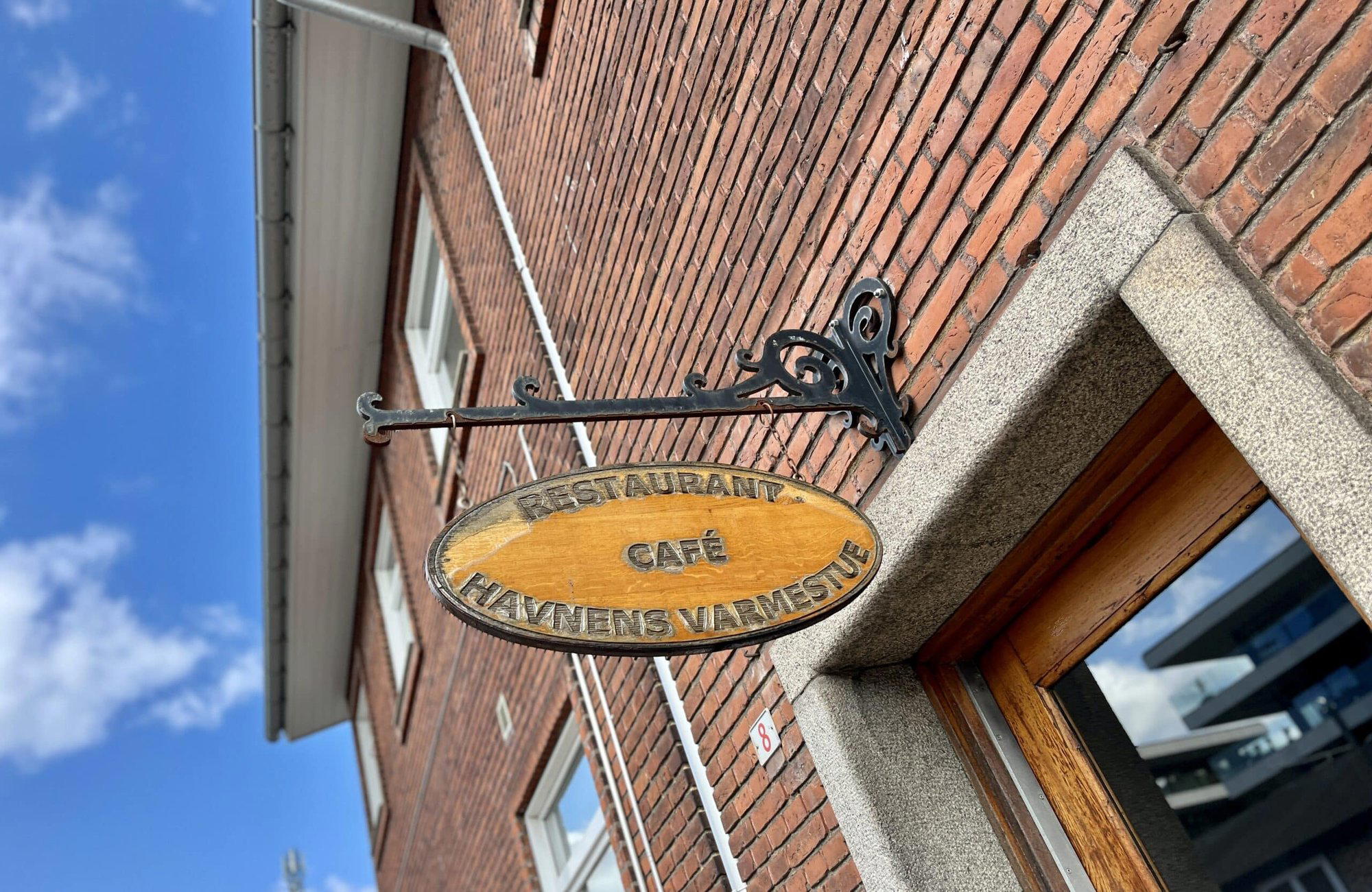
Where the Harbour Does the Heavy Lifting
In Aarhus, the line between a fishing port and a dining room has always been deliberately thin. The city's waterfront has historically produced a category of eating house that operates closer to the logic of a fish market than a restaurant: the catch determines the menu, the setting is functional rather than designed, and the occasion tends to be defined by the food's immediacy rather than by tablecloths or tasting notes. Fishing Port Varemestue, at Fiskerivej 8 on the harbour edge, belongs to this tradition. The address alone does significant editorial work, Fiskerivej translates directly as Fishery Road, and arriving there means passing the infrastructure of the working port rather than a curated restaurant strip.
That physical context shapes the experience before you sit down. Danish harbour eating houses of this type tend to position celebration differently from urban fine dining. A milestone meal here is not marked by a tasting menu's formal progression or a sommelier's floor presence; it is marked by the directness of the cooking and by the sense that the geography is doing something that cannot be replicated inland. For the kind of occasion where the setting itself is the statement, proximity to the source of the food carries considerable weight.
Aarhus and the Seafood Eating House Tradition
Denmark's coastal dining culture divides into two broad streams. The first runs through the Michelin-tracked Nordic fine dining circuit, restaurants like Frederikshøj and Gastromé in Aarhus, or Geranium in Copenhagen and Jordnær in Gentofte, where the kitchen mediates between landscape and plate through technique and restraint. The second stream is less discussed internationally but more deeply rooted locally: the fishing village eating house, the harbour-side kro, the varemestue format, where the mediation is minimal and the eating house functions as an extension of the port economy.
Varemestue is a Danish word that carries specific associations, a goods room or trade room, historically attached to commercial operations rather than hospitality in the formal sense. When the term attaches to a harbour address, it signals a certain honesty of format: the room exists to serve the activity of the port, not to perform dining as theatre. That is a meaningful distinction when choosing a venue for a celebration that should feel grounded rather than ceremonial. Aarhus has plenty of the ceremonial option, Domestic and Substans both operate at the level where occasion dining means careful choreography. Fishing Port Varemestue operates in a different register entirely.
Occasion Dining at the Water's Edge
The coastal eating house as a setting for special occasions has a long history in Scandinavian culture. What makes a harbour-side room work for a celebration is not the formality of the service or the complexity of the menu, but the specificity of the location and the sense that the food has arrived from somewhere close and real. Internationally, the analogy holds: Le Bernardin in New York City built a decades-long reputation on the argument that serious seafood cooking deserves serious dining-room treatment, while Lazy Bear in San Francisco showed that communal, occasion-framed formats could operate outside conventional fine dining structures. The Danish harbour varemestue occupies a different tier and a different tradition, but the underlying logic of occasion eating shaped by geography is the same.
Across the Jutland peninsula and the Danish islands, particularly memorable special-occasion meals at this type of venue tend to share certain qualities: seasonal catch served with minimal intervention, a room where the view or the setting confirms the food's provenance, and a pace that is unhurried in the way that port towns tend to be unhurried. Venues like Tri in Agger and Henne Kirkeby Kro in Henne have built reputations partly on this logic, the remoteness and the sourcing specificity become the occasion rather than merely the backdrop to it.
Where Fishing Port Varemestue Sits in Aarhus's Wider Dining Picture
Aarhus operates as Denmark's second city in terms of restaurant density and ambition, but its waterfront dining segment remains less internationally profiled than its Nordic fine dining tier. The harbour area's eating houses tend to attract local regulars and visitors who have done enough research to move beyond the central city's more obviously marketed options. That relative obscurity is not a quality signal in either direction, it reflects the format's orientation toward a local, working-port clientele rather than toward the travel press.
For visitors building a multi-day Aarhus itinerary around food, the practical structure tends to place the fine dining tier at Frederikshøj or Gastromé for formal occasion nights, with more casual options like A-Kin Thai filling the mid-week or informal slots. A harbour eating house like Fishing Port Varemestue fits a different slot: the long lunch, the low-key birthday, the meal where the point is the place as much as the plate. For broader regional context on where this address fits within Denmark's wider coastal dining picture, including comparisons with Frederiksminde in Præstø, Ti Trin Ned in Fredericia, Dragsholm Slot Gourmet in Hørve, LYST in Vejle, Syttende in Sønderborg, and Pearl by Paul Proffitt in Kruså, the full Aarhus restaurants guide provides the current editorial overview.
Planning a Visit
The address at Fiskerivej 8, 8000 Aarhus places the venue in the port district rather than the central city. Reaching the harbour from Aarhus's main train station takes roughly ten to fifteen minutes on foot, depending on your starting point.
Price Lens
Comparable venues nearby, for context on price, style, and recognition.
| Venue | Cuisine | Price | Notes |
|---|---|---|---|
| Fishing Port VaremestueThis venue — the venue you are viewing | Not listed | $$ | Not listed |
| Mefisto | Not listed | $$ | Latin Quarter, Modern Seafood with French Influences |
| Piccalo | Not listed | $$ | Midtbyen (Downtown Aarhus), Italian Cicchetti & Tapas |
| Restaurant Amalfi | City Center, Classic Italian | $$ | Not listed |
| Carlton | Midtbyen, Classic French Brasserie | $$ | Not listed |
| Plant Food | city center, Plant-Based Fast Food | $$ | Not listed |
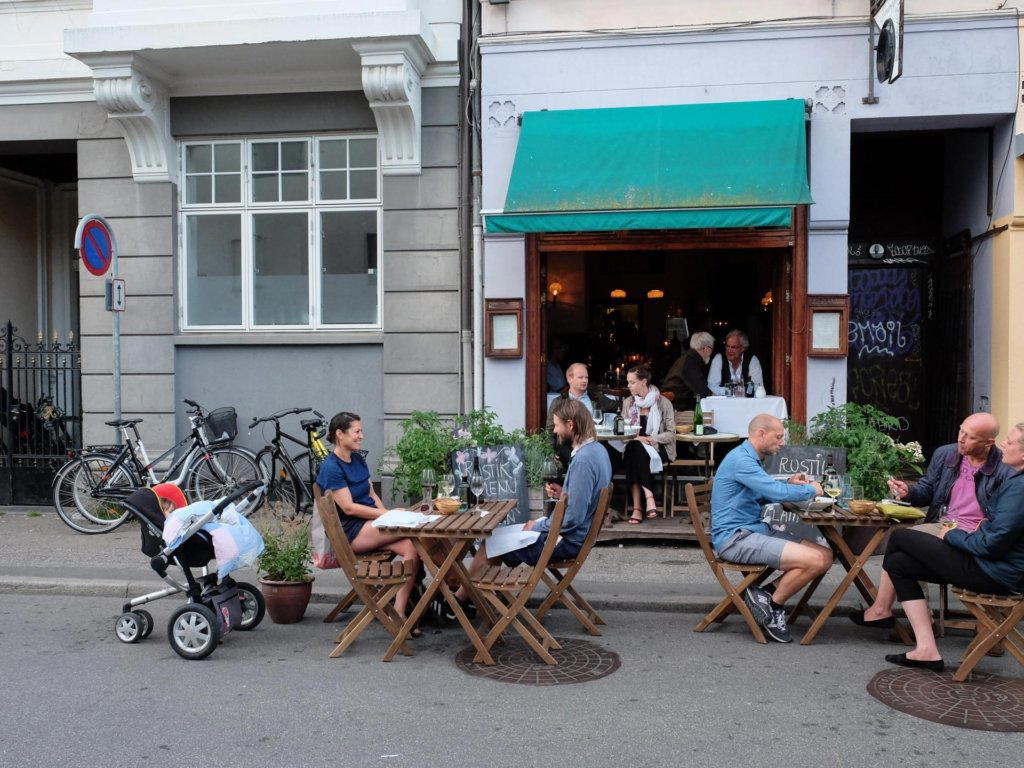
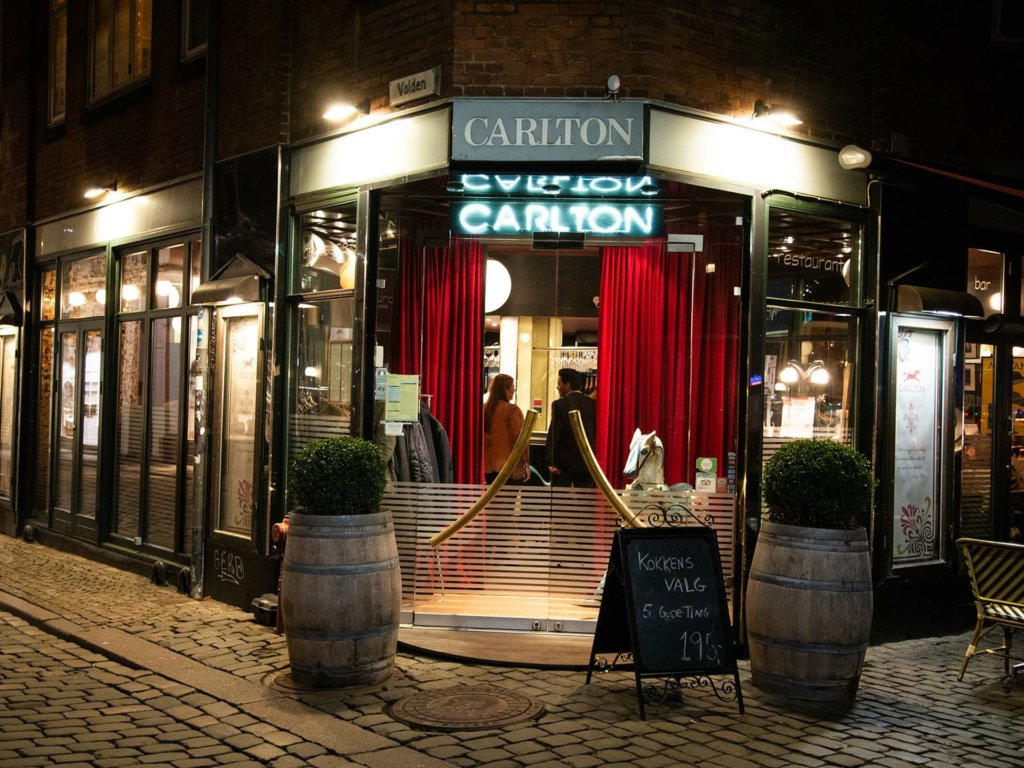
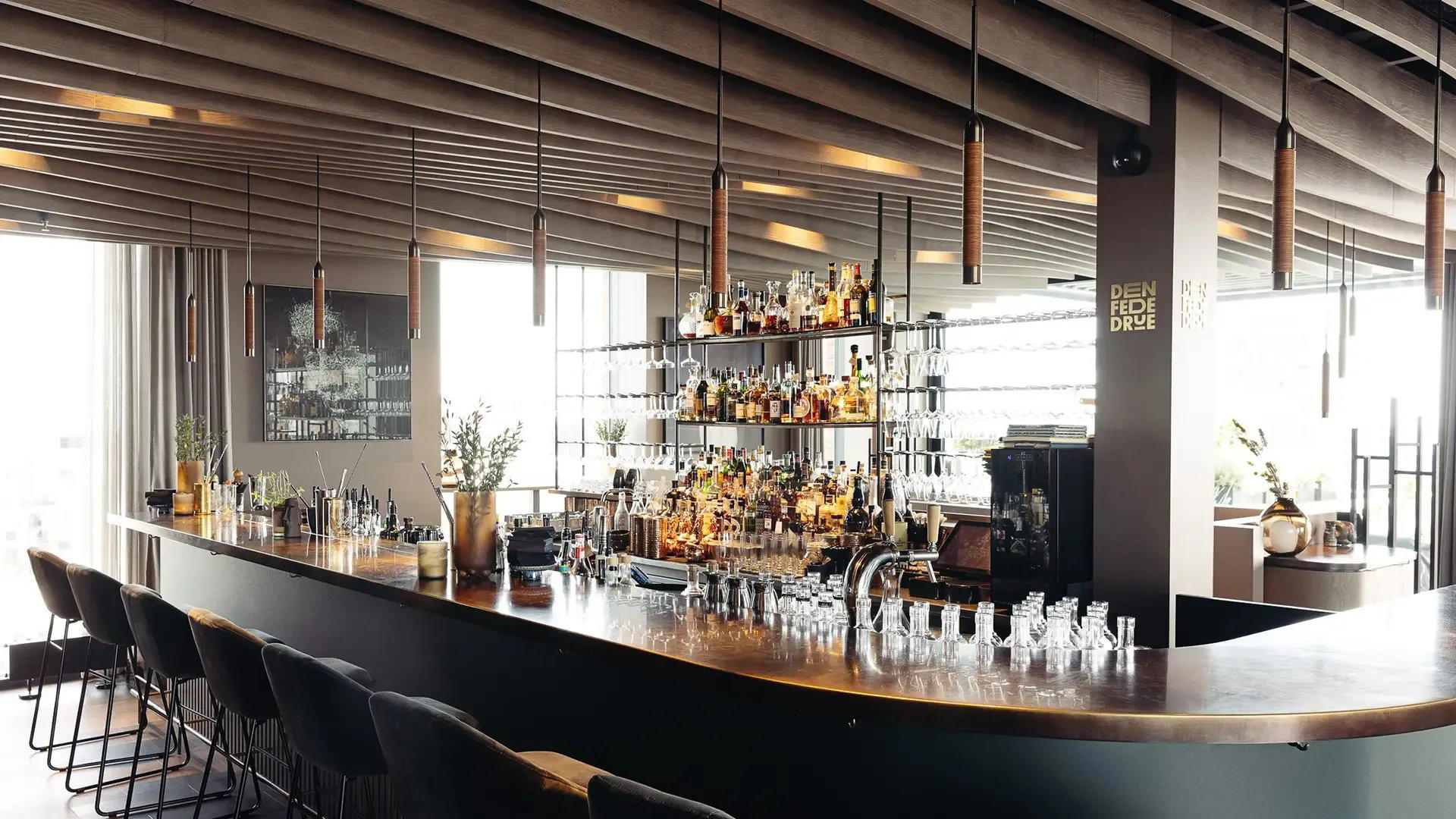
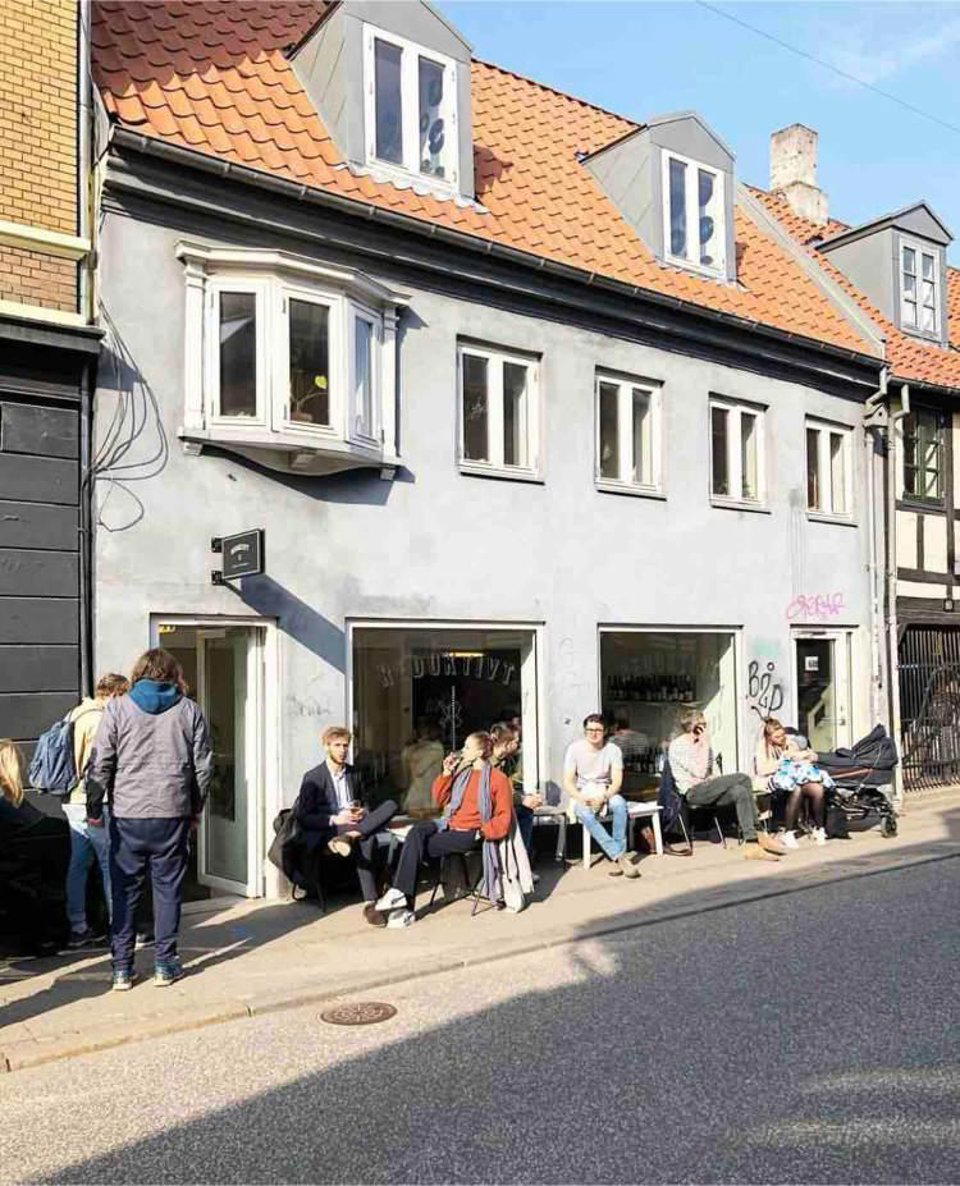
At a Glance
- Rustic
- Cozy
- Classic
- Casual Hangout
- Family
- Waterfront
- Historic Building
- Local Sourcing
- Sustainable Seafood
- Waterfront
Current opening hours
- Monday
- 7 AM–3:30 PM
- Tuesday
- 7 AM–3:30 PM
- Wednesday
- 7 AM–3:30 PM
- Thursday
- 7 AM–3:30 PM
- Friday
- 7 AM–3:30 PM
- Saturday
- 7 AM–3:30 PM
- Sunday
- Closed
Hours can change for holidays and private events. Last verified .
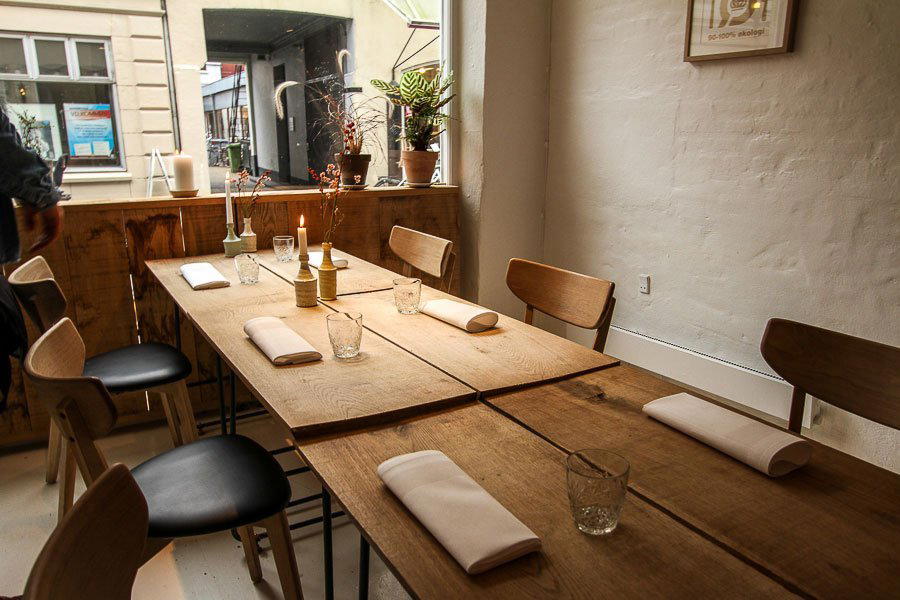
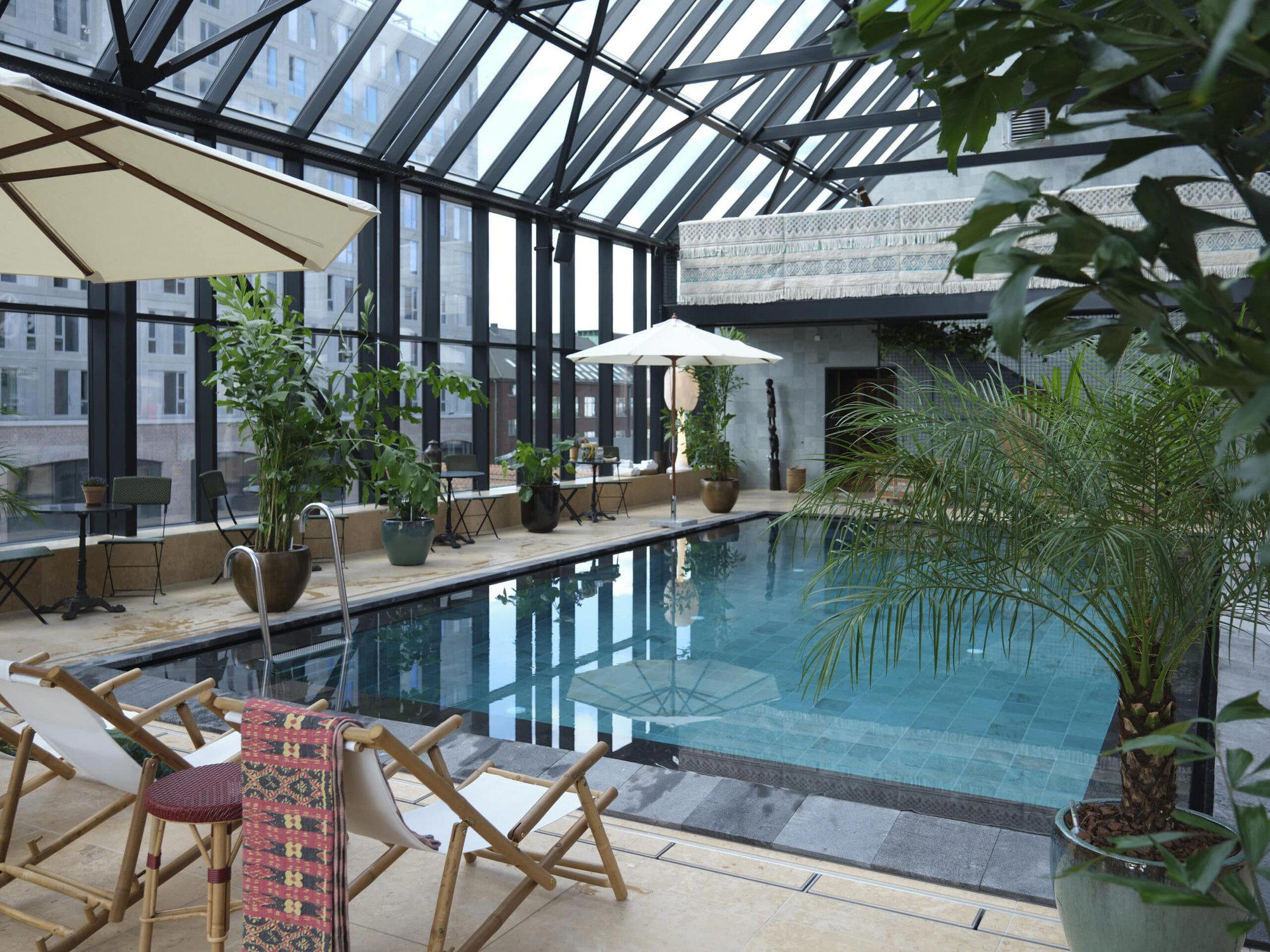
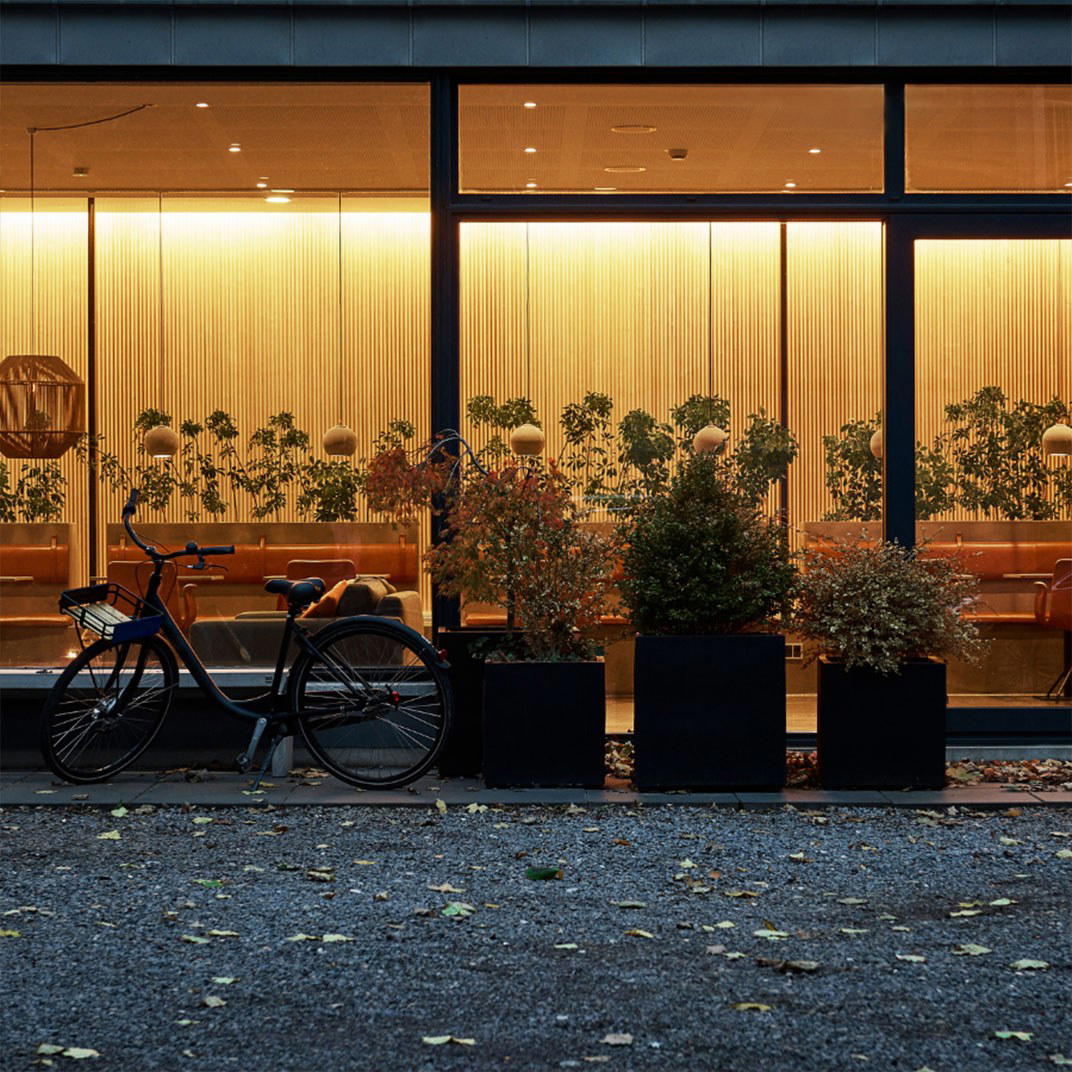
Simple, unpretentious atmosphere in a historic fisherman's cantina with authentic maritime character.