The Dunvegan

The Good Food Guide GFG Good
Our verdict
An Argentinian fire restaurant on the shores of Loch Dunvegan, The Dunvegan fuses asado technique with Hebridean produce — langoustines, Highland hogget, and six-week aged rump cooked over wood and charcoal. Dinner runs to structured three- and five-course menus; lunch is walk-in only and seats fill fast. Book well ahead for evenings.

Pearl is the En Primeur Club membership app — saves, bookings, and concierge access live there. Same editors, same standards.
- Address
- Main Street, Dunvegan, Isle of Skye IV55 8WA, United Kingdom
- Phone
- +44 1470 521497
- Website
- thedunvegan.com
- Directions
- Get directions
- Booking
- Book on ResDiary
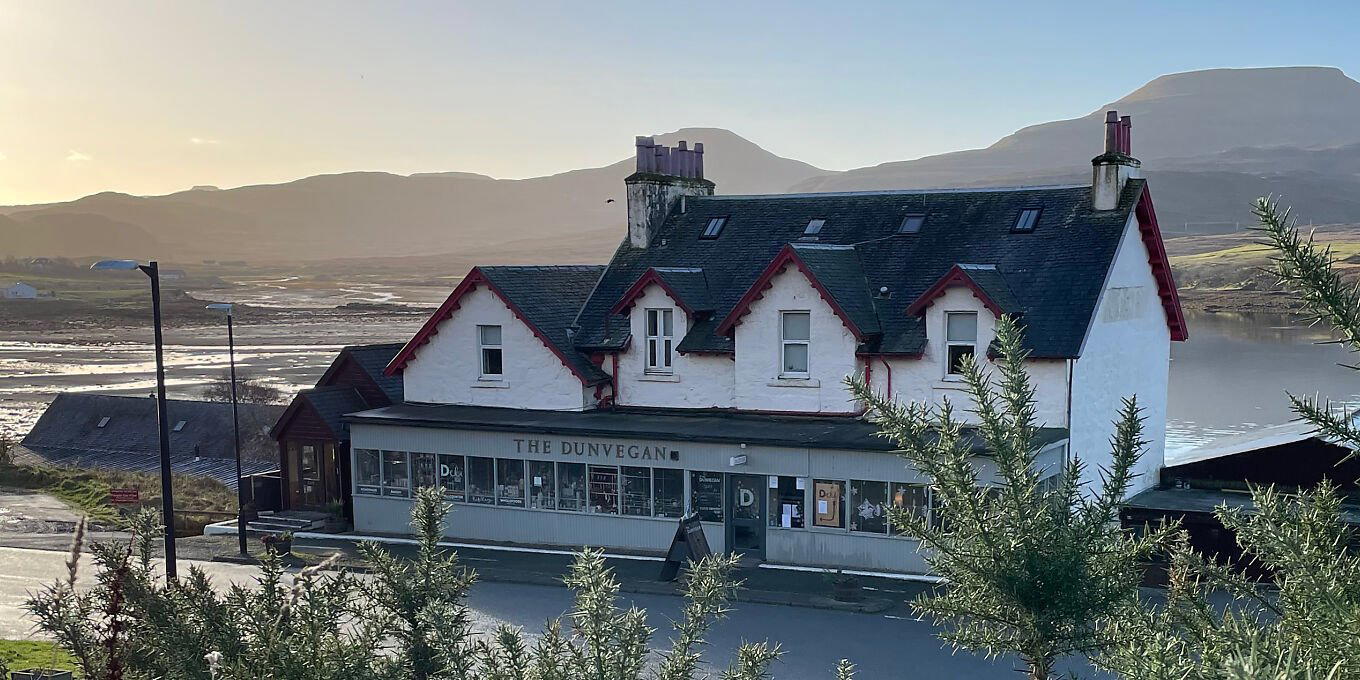
Where Patagonian Fire Meets the Hebridean Shore
The northwest corner of Skye does not typically call Argentinian beef culture to mind. The loch is grey, the hills are treeless, and Dunvegan village runs to a short main street with a castle at one end. Against that backdrop, a restaurant built around the asado grill and wood-fired oven is a genuinely dissonant proposition — and the dissonance is precisely what makes it work. The Dunvegan, overlooking the steely waters of Loch Dunvegan, takes a cooking tradition rooted in the pampas and applies it to produce drawn almost entirely from the surrounding crofts, lochs, and fishing boats.
The concept arrived in 2019 when owners Tim and Blair Hunter-Davies acquired the space, bringing with them family connections to Patagonia that gave the fire-cooking approach a personal logic. But the more interesting editorial point is a structural one: a growing number of restaurants in remote British locations have found that high-concept cooking frameworks — whether Nordic fermentation, Japanese minimalism, or South American fire, give them a coherent identity that pure regional cooking does not always provide. The Dunvegan belongs to that pattern. The cultural reference is Argentine; the raw material is Hebridean. The tension between the two is the menu.
The Asado Tradition and What It Looks Like Here
Asado is not simply grilling. In the Argentine tradition, it is a slow, social, wood-fed process in which the fire does the seasoning and the cook's primary job is patience and heat management. The technique travels well to northern Scotland because the underlying logic, smoke, fat, char, rest, is as suited to aged Highland beef and cold-water shellfish as it is to pampas cattle. What changes is the ingredient set.
At dinner, the kitchen structures its output into three- and five-course fire dining menus. The opening move is charcoal-fired bread with seaweed butter, a dish that signals the cultural translation immediately: the format is Argentine, the flavour is Atlantic. Hot-smoked mussels with garlic, cream, and Torabhaig whisky follow, the whisky functioning as both a local provenance marker and a genuine flavour agent. A dish listed as Hebridean kofta pairs Highland hogget with barbecued celeriac, Rora Dairy yoghurt tzatziki, and wild garlic aioli, an Argentine-Middle Eastern hybrid that works because the fire ties all the threads together. The evening closes with wood-fired burnt Basque cheesecake, another continental reference grounded in local execution.
Lunch is a shorter, more casual version of the same logic. Local langoustines appear on the midday menu and sell out early, arriving before 1pm is advisable if shellfish is the priority. The anchor dish at lunch is a steak churrasco: six-week aged, grass-fed Highland rump on a skewer, charred on the outside, served with hand-cut chips and chimichurri. It is the most direct expression of the Patagonian concept on the menu, and it is made almost entirely from ingredients that could not come from anywhere other than this island.
The Room and the Atmosphere
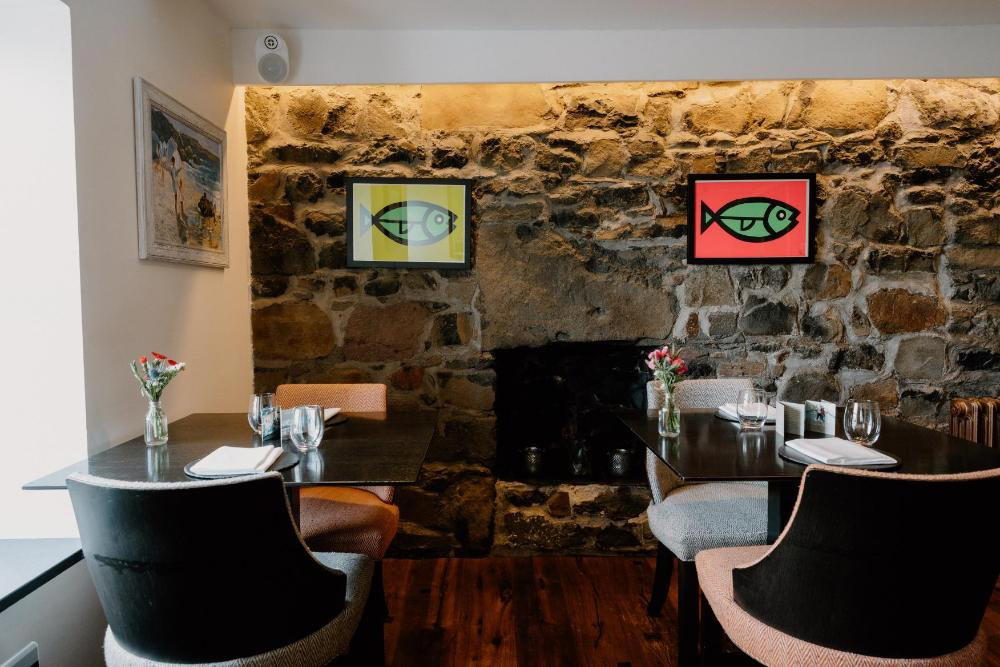
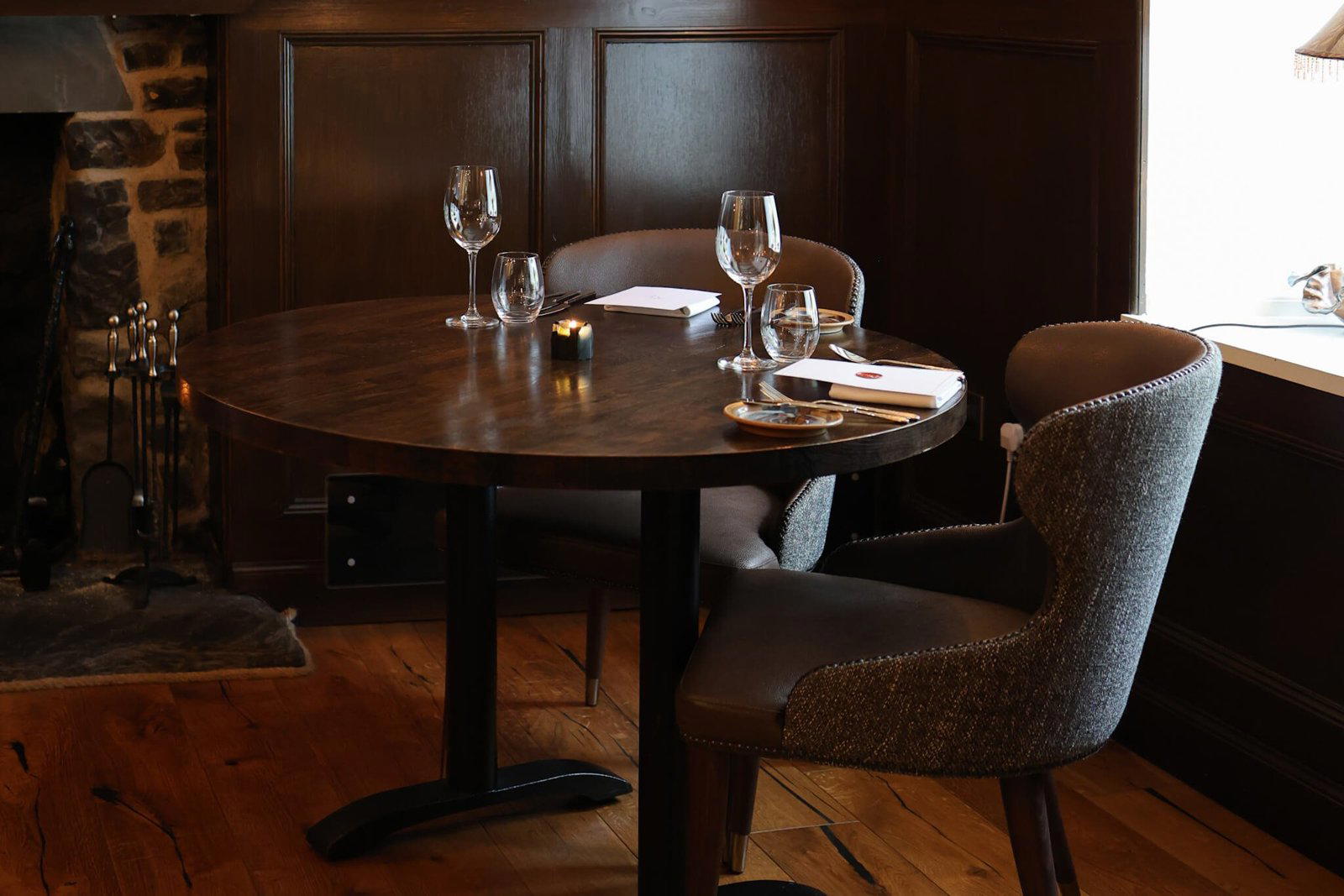
The interior reads as deliberately low-key against the ambition of the cooking. Mismatched furniture, windows strung with fairy lights, bright paintwork, pot plants, cacti in teacups, and jars of wildflowers produce an aesthetic that might be called rustic-eclectic, informal enough to feel accessible, considered enough to avoid feeling accidental. The room suits the format: fire cooking is inherently democratic, and a stripped-back interior keeps the focus on what is happening at the grill rather than on the surroundings.
The wine list nods toward Argentina alongside Scottish ales from the Isle of Skye Brewery and a selection of Scottish malts. That dual identity on the drinks side mirrors the menu's dual identity on the plate: South American reference, Scottish raw material.
Where The Dunvegan Sits on Skye
Northwest of Skye has a smaller concentration of serious restaurants than the island's southern and central zones. Loch Bay in Stein, roughly fifteen minutes south along the loch road, operates at the higher end of the island's seafood-focused tier. Edinbane Lodge, set back from the coast on the road toward Portree, runs a structured modern cuisine program that places it in a different competitive register. Further south, Three Chimneys and Kinloch Lodge anchor the island's reputation for Modern British and Modern Scottish cooking respectively, while Coruisk House operates from the more remote southeast.
Dunvegan occupies a distinct niche within that peer group. It is not a seafood specialist in the way Loch Bay is, nor a tasting-menu-driven modern cuisine operation. It is a fire restaurant that happens to be in the Hebrides, with produce sourced from named local farmers and fishermen. That positioning makes it unusual in Skye's dining scene and, more broadly, unusual within UK restaurant culture. The category of restaurants combining Argentine fire technique with British regional produce is narrow. For comparison, the most prominent UK operators in the fire-cooking space, including venues in London that have built reputations around wood and charcoal, are almost all urban, proximity-dependent on suppliers, and designed for high-frequency dining. A lochside version in a village of a few hundred people represents a meaningful structural contrast.
Skye's broader dining scene rewards planning. Visitors spending multiple nights on the island tend to structure dinner reservations around the handful of kitchens operating at this level. For a full picture, see our full Isle of Skye restaurants guide, along with our Isle of Skye hotels guide, bars guide, wineries guide, and experiences guide.
Planning Your Visit
Dinner at The Dunvegan requires a reservation and should be booked in advance, particularly across the summer months when Skye's visitor numbers peak. Lunch operates on a walk-in basis only, with no reservations taken. The service window of 12:30 to 2pm is short, and the car park fills on busy Saturdays, arriving early or planning to wait for a table is a practical reality, not a deterrent. The address is Main Street, Dunvegan, Isle of Skye IV55 8WA. There is no phone number listed for reservations; checking the venue's website directly is the recommended approach for current booking details. Visitors driving from Portree should allow approximately thirty-five minutes along the A850.
For context on how fire-led cooking at this standard compares elsewhere in the UK, Hand and Flowers in Marlow and Moor Hall in Aughton represent the kind of regional ambition, locally sourced, format-driven, award-bearing, that contextualises what serious cooking outside London looks like. L'Enclume in Cartmel and Gidleigh Park in Chagford sit at the top of that rural-destination tier. The Dunvegan operates at a different price point and format, but the underlying argument, that the most interesting cooking in Britain is increasingly happening away from the capital, applies here as much as anywhere.
Frequently asked questions
What's the address for The Dunvegan?
The Dunvegan is located at Main Street, Dunvegan, Isle of Skye IV55 8WA, United Kingdom, Isle of Skye.
Is The Dunvegan Michelin-listed?
The Dunvegan has received recognition including: An Argentinian fire restaurant overlooking the steely waters of Loch Dunvegan is intriguing and unexpected, but sadly not a well-kept secret if you’re after lunch on a rainy Saturday. Though booking is essential for dinner, at lunch it’s fi….
What dish is The Dunvegan famous for?
The steak churrasco is the most discussed dish on the lunch menu: six-week aged, grass-fed Highland rump, skewered and grilled over fire, served with hand-cut chips, chimichurri, and a salad from a local croft. At dinner, the charcoal-fired bread with seaweed butter and hot-smoked mussels with Torabhaig whisky cream open the fire dining menus and set the tone for the Patagonian-meets-Hebridean approach. Local langoustines also appear at lunch but sell out quickly.
Is The Dunvegan reservation-only?
Dinner requires a booking and should be reserved well ahead during the summer months when Skye's visitor numbers peak. Lunch runs on a first-come, first-served basis, though the 12:30–2pm window is short and the car park fills fast on wet weekends, so arriving early or being prepared to wait is advisable.
Budget Reality Check
Comparable venues nearby, for context on price, style, and recognition.
| Venue | Cuisine | Price | Awards | Notes |
|---|---|---|---|---|
| The DunveganThis venue — the venue you are viewing | Modern Fire-Cooked British | $50–100 | The Good Food Guide GFG Good | Not listed |
| Coruisk House | Modern Scottish Fine Dining | $100–150 | The Good Food Guide GFG Good | Elgol, Strathaird Peninsula, Modern Scottish Fine Dining |
| Caora Dhubh Coffee Company | Carbost, Specialty Coffee & Bakery | $1–10 | Not listed | Not listed |
| The Three Chimneys at Talisker | Modern Scottish Seafood Fine Dining | $50–100 | Michelin Plate | Carbost, Modern Scottish Seafood Fine Dining |
| Kinloch Lodge | Modern Scottish Fine Dining | $50–100 | Not listed | Sleat, Modern Scottish Fine Dining |
| Scorrybreac | Modern Scottish Fine Dining | $50–100 | Michelin Plate | Portree, Modern Scottish Fine Dining |
Recognition history
Dated appearances from independent guides and award organizations, with the underlying list record or original source where available.
The Good Food Guide GFG Good
The Good Food Guide
Continue exploring
More in Isle of Skye
Restaurants in Isle of Skye
Browse all →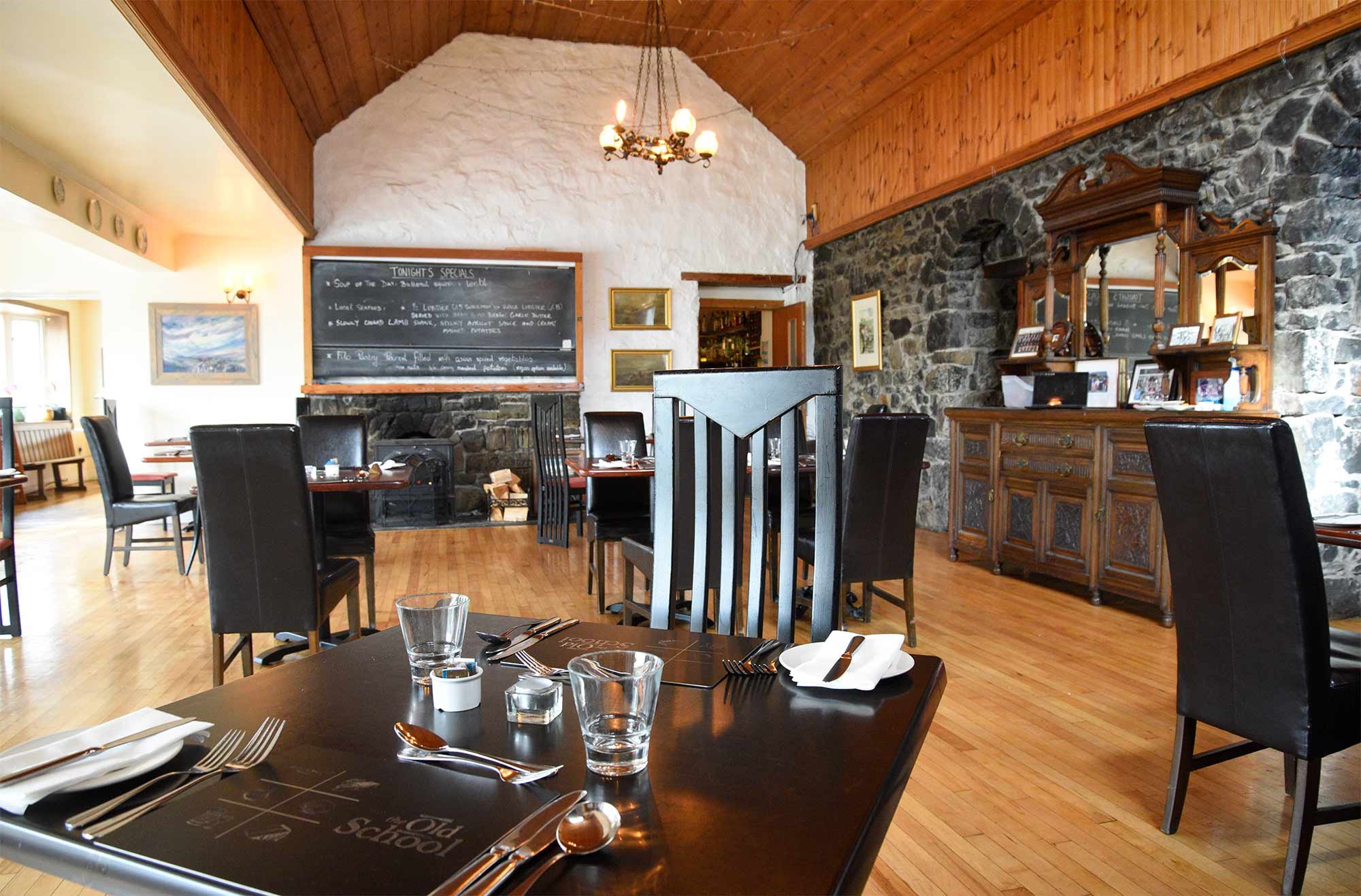
Bars in Isle of Skye
Browse all →
Hotels in Isle of Skye
Browse all →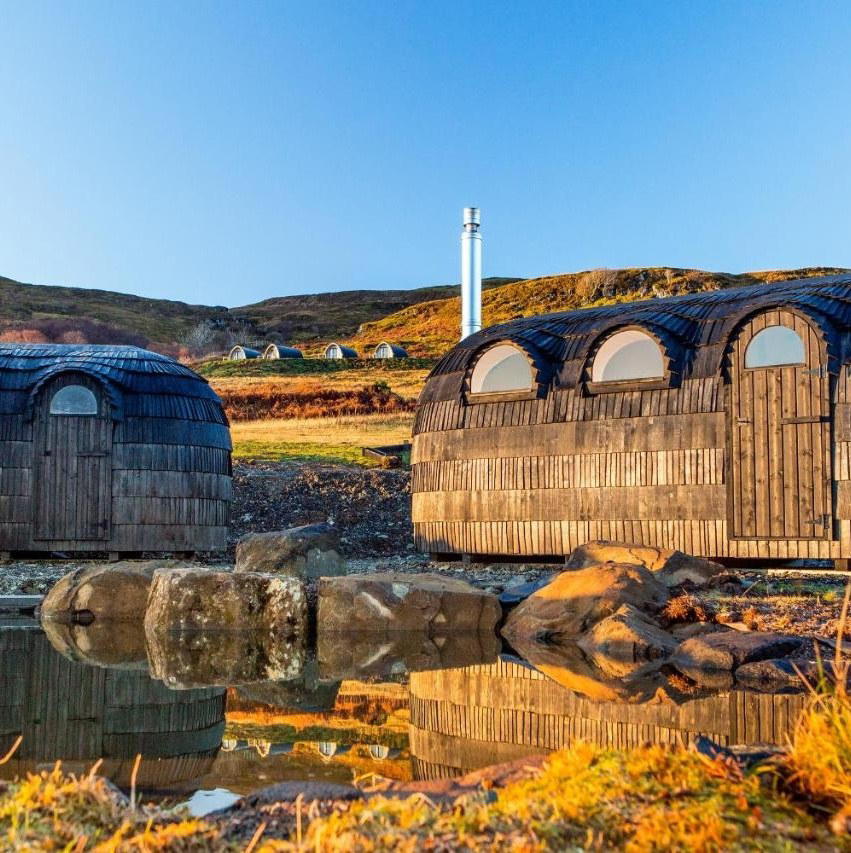
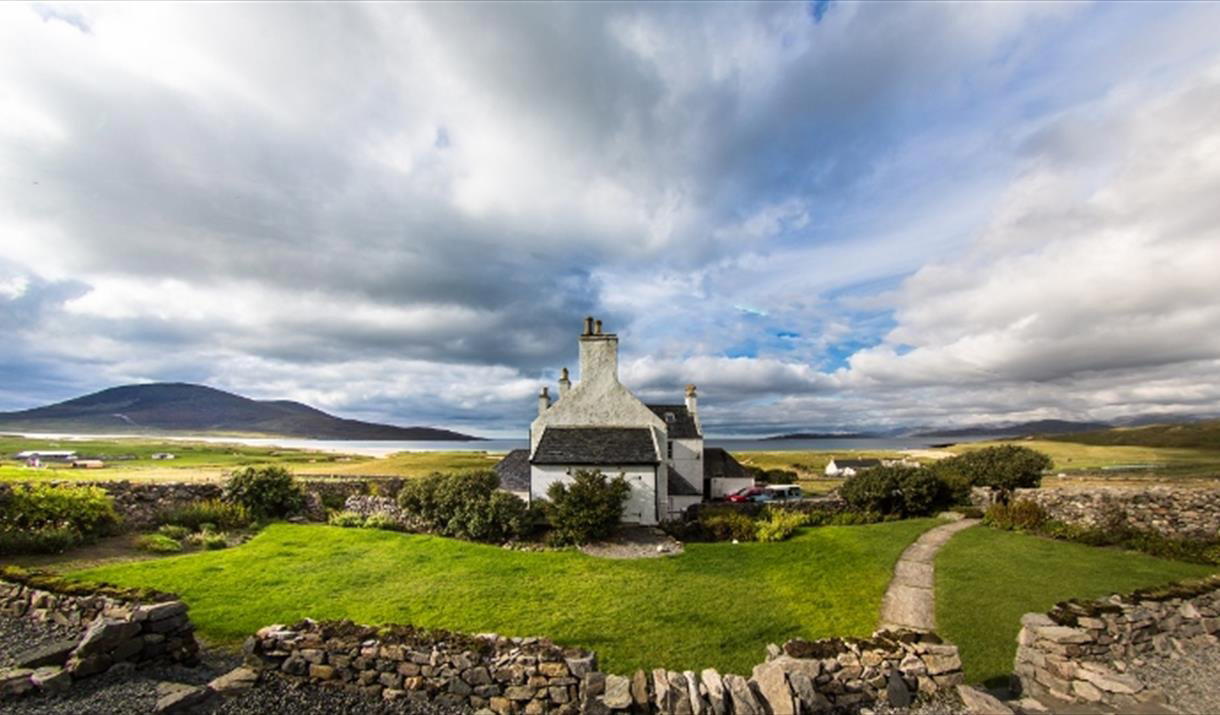
Wineries in Isle of Skye
Browse all →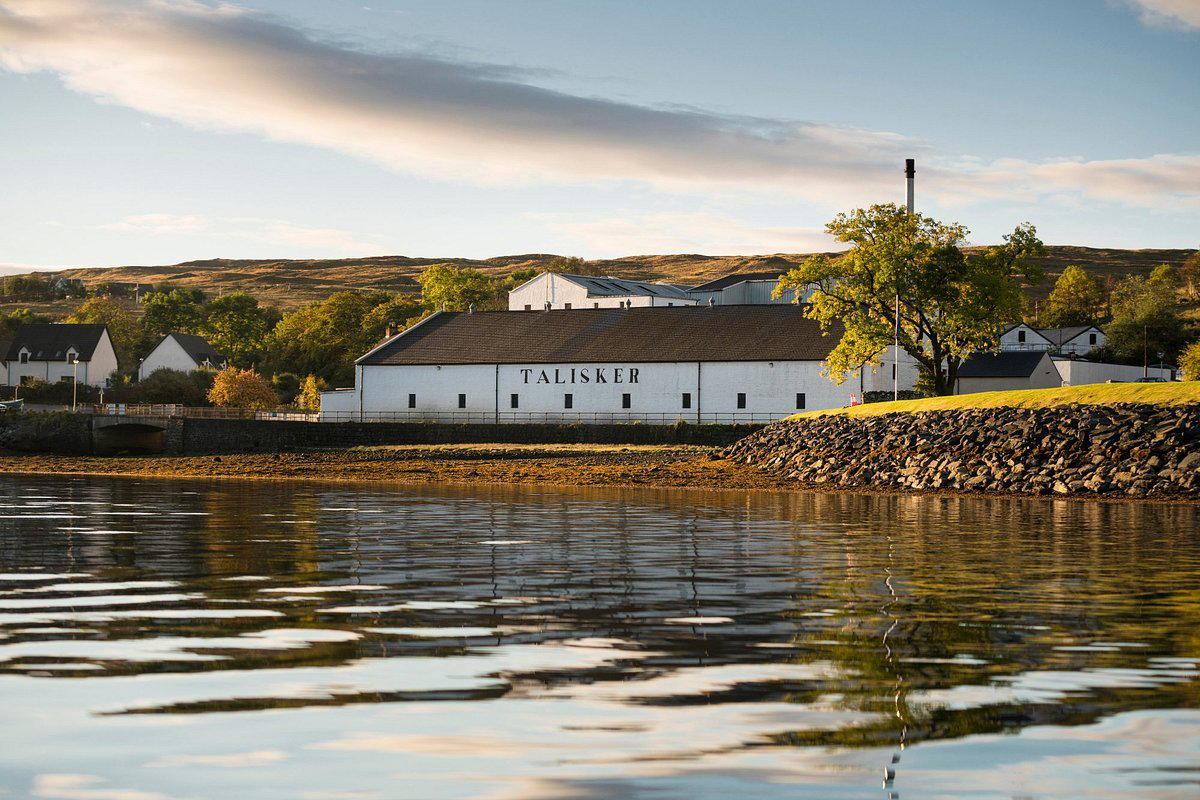
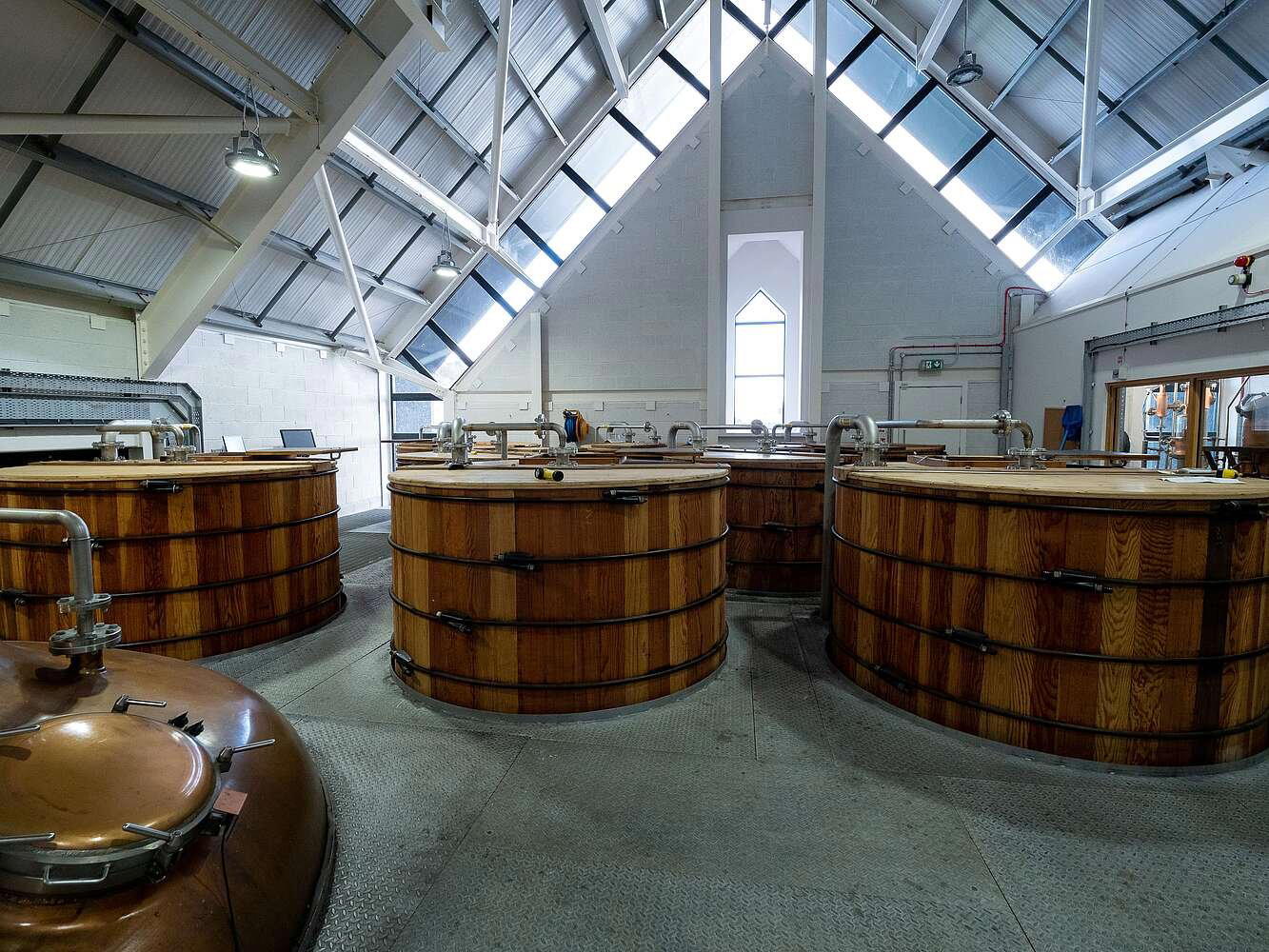
Details
- Cozy
- Rustic
- Intimate
- Date Night
- Special Occasion
- Open Kitchen
- Historic Building
- Craft Cocktails
- Local Sourcing
- Farm To Table
- Waterfront
- Tasting Menu
- Small Plates
- Vegetarian Friendly
- Vegan Options
Cozy and modern with calming neutral tones, fire-cooked dishes, and a welcoming atmosphere enhanced by friendly service.