The Duck on the Pond


Michelin Plate · The Good Food Guide GFG Good
Our verdict
A 16th-century roadside inn in the Oxfordshire village of South Newington, The Duck on the Pond holds a 2025 Michelin Plate for cooking that draws directly from the owners' smallholding and named local producers. The kitchen keeps things honest: bright, ingredient-led dishes without unnecessary complexity, at a price point that sits comfortably within the ££ bracket.

Pearl is the En Primeur Club membership app, where members save venues, book tables and use the concierge.
The menu
What to order
- Beer and cheddar soup
- Hay custard
- Pork belly
Where the Gastropub Tradition Has Its Roots
The British pub kitchen has been quietly reinventing itself for three decades, and the trajectory is worth tracing. In the early 1990s, the gastropub movement began as a corrective: chefs who had trained in serious kitchens grew tired of the ceiling imposed by formal dining rooms and started cooking honest food in stripped-back spaces. What was once a revolution, a half-pint alongside a dish built on carefully sourced regional produce, has become an established category, one now recognised annually by Michelin's Plate and Bib Gourmand designations. The Oxfordshire countryside has absorbed this shift at its own pace, producing a scatter of pubs that do serious work with serious ingredients without ever forgetting they are, first and foremost, pubs. The Duck on the Pond in South Newington belongs to that current.
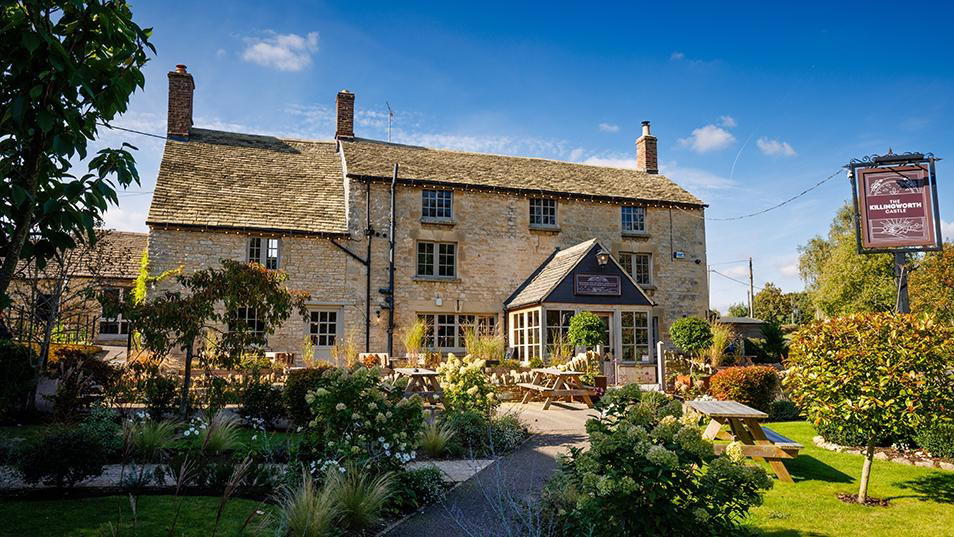
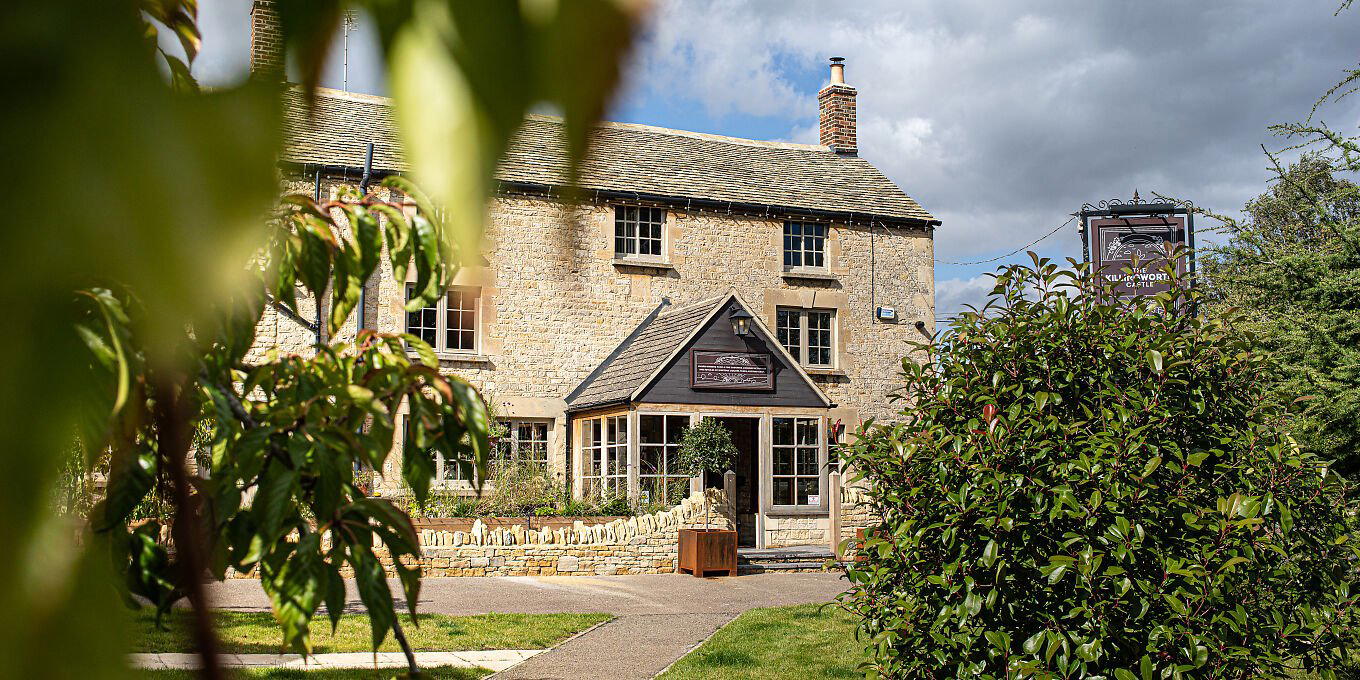
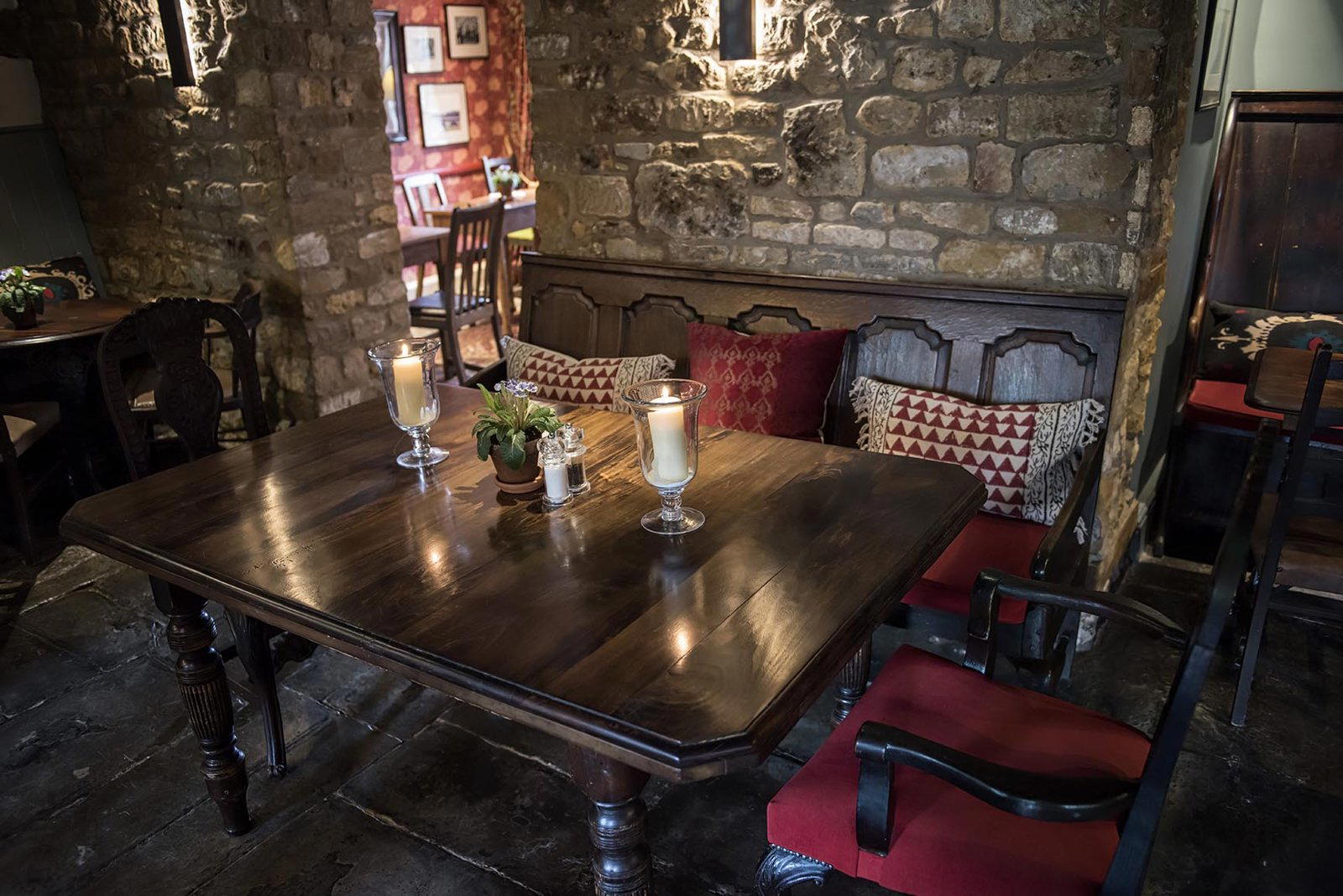
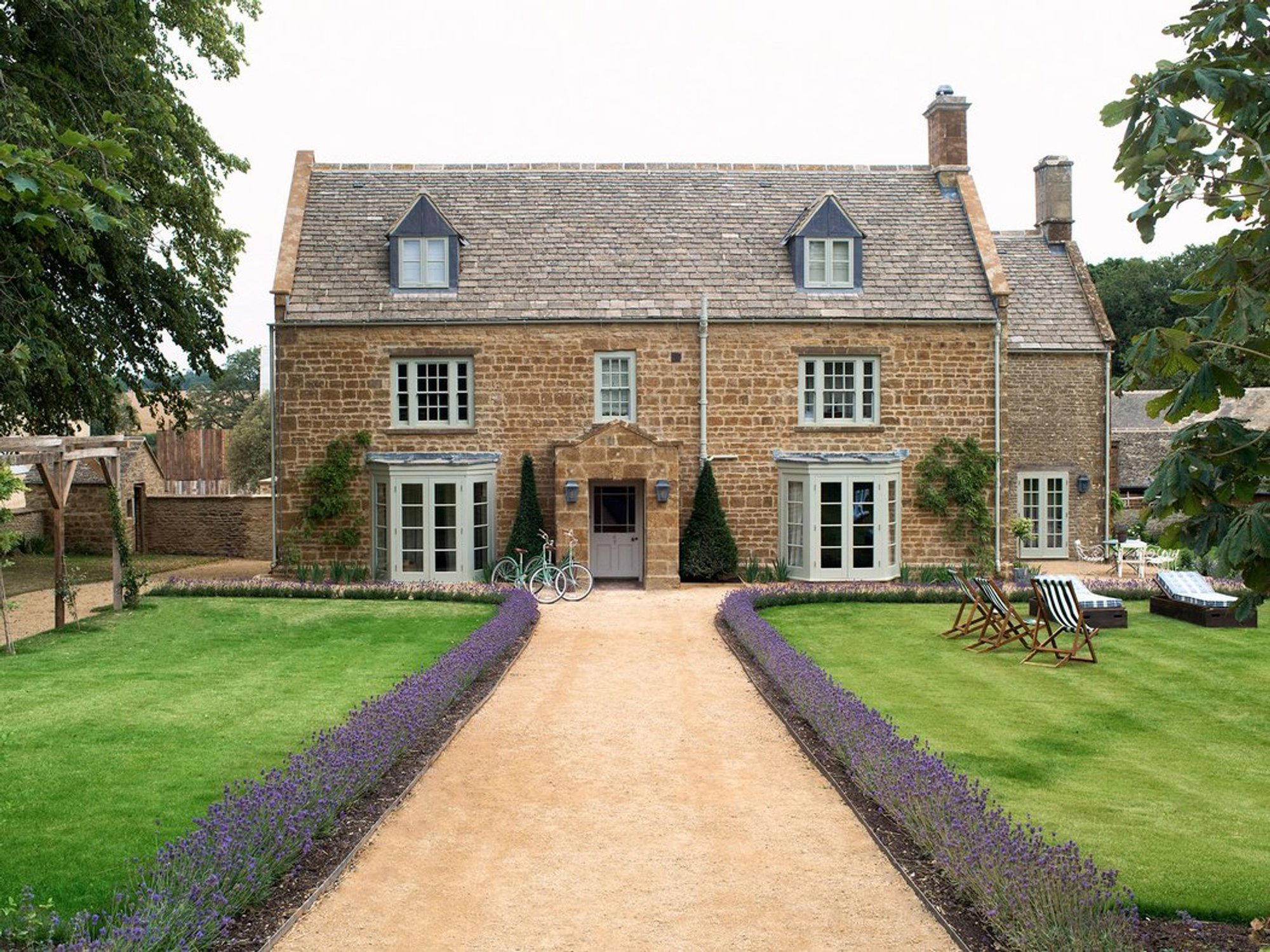
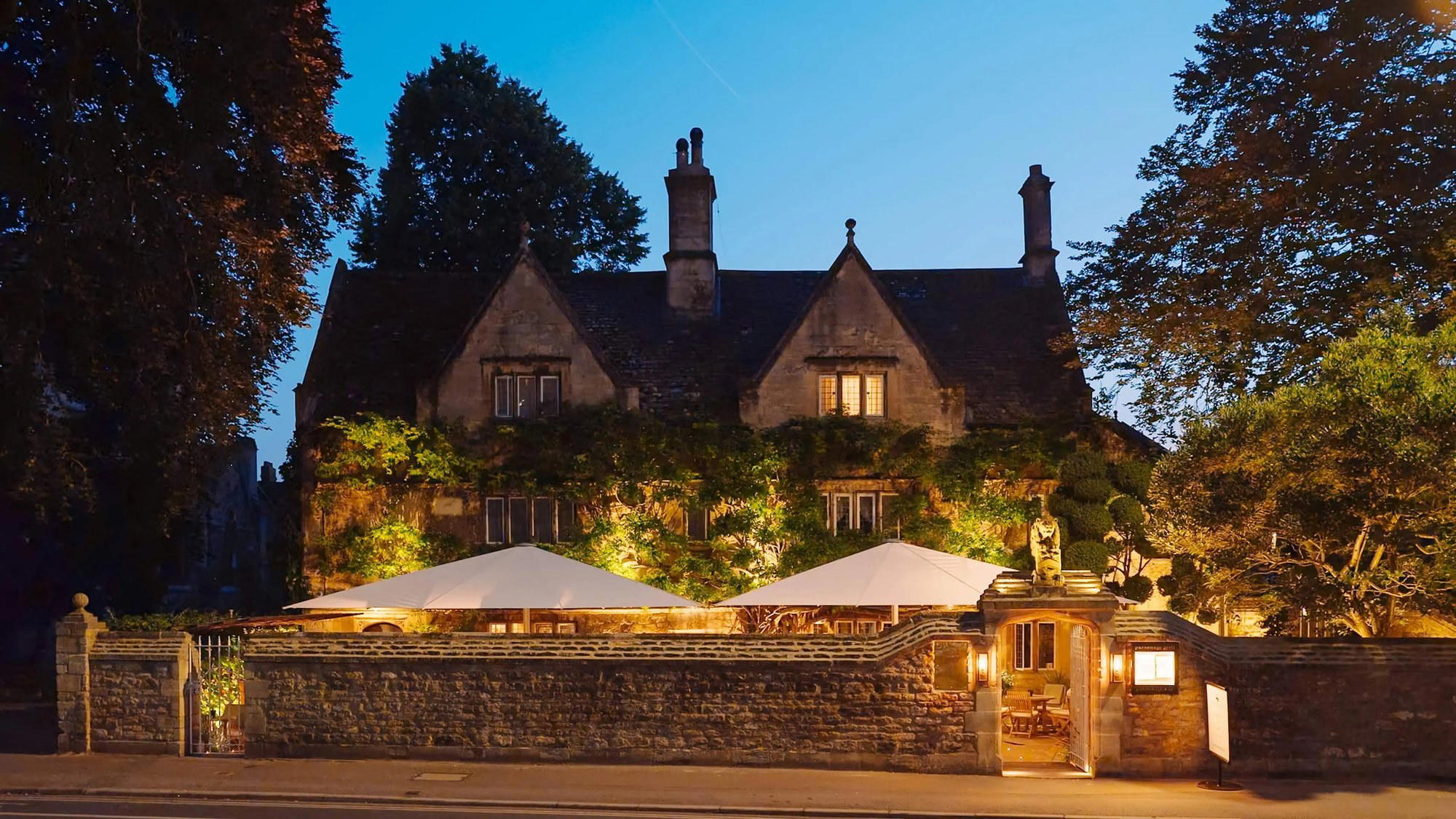
Parts of the building reportedly date to the 16th century, which places its foundations well before the gastropub as a concept existed. That historical layering, low beams, stone, the slow accumulation of a roadside inn, is not decorative backstory. It is the physical context in which the cooking makes most sense: food rooted in a specific landscape, served in a space that has been feeding travellers and locals for generations. Driving through the village, the inn presents itself with the straightforwardness typical of rural Oxfordshire: no theatrical signage, no design-led intervention. The identity is the building itself.
What the Kitchen Is Actually Doing
The gastropub revolution succeeded not when pubs started hiring Michelin-trained chefs to cook elaborate tasting menus, but when kitchens found a register that matched the room. Complexity for its own sake belongs in formal dining; in a pub, the standard shifts toward ingredient quality, execution, and flavour clarity. The Duck on the Pond's 2025 Michelin Plate, awarded to restaurants where inspectors find cooking worth a visit, below the starred tier but above the general field, signals a kitchen operating within that register with enough consistency to earn external recognition.
The cooking here draws directly on two supply chains: the owners' own smallholding and a network of nearby producers whose names appear on the menu, sometimes alongside the distance in miles from the restaurant. That transparency is not marketing. It imposes accountability: when a supplier is named, the kitchen is committed to what that supplier delivers on a given week, which means menus shift with what is available and in season. Michelin's notes on the kitchen describe dishes that concentrate flavour without overcomplicating the base material, roasted cod with mussel sauce offered as an example of the approach: restrained, bright, seasonal. For context on what Michelin recognition looks like at the highest tier in Britain, properties such as The Fat Duck in Bray, The Ledbury in London, and L'Enclume in Cartmel operate at the starred level. The Plate sits in a different tier, but it marks a kitchen that is doing enough right to be singled out.
The Oxfordshire Pub Dining Context
Rural Oxfordshire sits at a particular intersection in British hospitality. It is close enough to London to attract weekend visitors with city-level spending expectations, but its character remains agricultural: villages built from local limestone, farming operations still active, a food culture that defaults to the seasonal and the local when the kitchen chooses to engage with it. The county has its formal dining reference points, Le Manoir aux Quat' Saisons in Great Milton operates at the opposite end of the formality spectrum. But the pub tier in these villages does something different: it keeps cooking accessible at a price point that matches a Tuesday lunch as much as a Saturday reservation.
The ££ price bracket at The Duck on the Pond positions it in the middle of the rural pub spectrum, above a basic food-led local, but below the gastropub-with-tasting-menu territory that some Cotswolds-adjacent operations have moved into. That pricing, combined with Michelin recognition, is the operative signal here. The Michelin Plate is not awarded to pubs charging high-end restaurant prices; it is awarded to kitchens delivering quality relative to what they are, and what this kitchen is is a proper pub with a proper kitchen. For comparison, the Hand and Flowers in Marlow, the only pub in Britain to hold two Michelin stars, occupies a markedly different tier in both price and formality.
That category has strong regional representatives beyond Oxfordshire. The Pipe and Glass in South Dalton in the East Riding of Yorkshire operates on a comparable model: historic building, owner-driven sourcing, ingredient-forward cooking at accessible prices. Both operate in what might be called the honest-pub tier of the Michelin guide, a category the guide has expanded its attention toward as it has broadened coverage across Britain. Other properties at different points on the British dining spectrum, including Moor Hall in Aughton, Midsummer House in Cambridge, and Opheem in Birmingham, demonstrate the range of what Michelin recognition now covers across Britain, from country estates to urban fine dining.
Getting There and Planning a Visit
South Newington is a small village in North Oxfordshire, roughly equidistant between Banbury and Chipping Norton. The address places it on Main Street, with the OX15 postcode serving as the practical reference for navigation. The village is rural, which means a car is the practical mode of arrival for most visitors. Banbury, the nearest town with rail connections from London Marylebone, sits a short drive north. For those combining a visit with broader Oxfordshire or Cotswolds travel, South Newington falls naturally into a circuit that could include Chipping Norton or Stow-on-the-Wold.
Given the inn's size and its Michelin recognition, booking ahead is the sensible approach rather than arriving without a reservation, particularly on weekends. Pricing in the ££ bracket suggests a three-course meal per person sits in a range accessible relative to formal dining in the region, though current menu pricing should be verified directly.
For visitors assembling a longer Oxfordshire itinerary, our full South Newington restaurants guide covers the wider dining picture in the area. Accommodation options appear in our South Newington hotels guide, and for drinks before or after, our South Newington bars guide provides further options. Those interested in the region's wine and food culture more broadly can consult our South Newington wineries guide and South Newington experiences guide.
Frequently asked questions
Can I bring kids to The Duck on the Pond?
The Duck on the Pond is a traditional roadside inn with parts dating to the 16th century, which suggests a relaxed, informal setting rather than a formal dining room. For certainty on seating arrangements or children's options, contacting the venue directly before visiting is advisable.
What should I expect atmosphere-wise at The Duck on the Pond?
This is a historic Oxfordshire inn with parts of the building reputedly dating to the 16th century, expect low ceilings, period character, and the unhurried pace of a village local rather than a destination dining room. It carries a 2025 Michelin Plate recognition, so the kitchen is taken seriously, but the setting remains grounded in pub tradition. The pricing at ££ keeps it accessible, and the menu's habit of naming local suppliers and their distance from the kitchen signals a kitchen that prioritises provenance over performance.
Has The Duck on the Pond won any awards?
The Duck on the Pond has received recognition including: Parts of this attractive roadside inn reputedly date back to the 16th Century, providing a lovely setting for cooking based around local ingredients. Several of them come from the owners’ own smallholding and others from nearby producers wh….
What's the best thing to order at The Duck on the Pond?
The kitchen builds its menu around produce from the owners' own smallholding and named nearby suppliers, sometimes listing how far each ingredient has travelled. Michelin's 2025 Plate recognition specifically cites dishes that 'burst with flavour and don't overcomplicate matters', pointing to a style where ingredient quality does the work rather than elaborate technique. Following whatever is listed as sourced from the smallholding itself is a reasonable strategy for getting the sharpest expression of what this kitchen does.
How It Stacks Up
| Venue | Cuisine | Price | Awards | Notes |
|---|---|---|---|---|
| The Duck on the PondThis venue (the venue you are viewing) | Modern British Gastropub | $50–100 | Michelin Plate · The Good Food Guide GFG Good | Not listed |
| The Ledbury | Modern British Fine Dining | $300–500 | 3 Michelin Stars · World's 50 Best #42 | Modern European, Modern Cuisine |
| Sketch, The Lecture Room and Library | Modern French Fine Dining | $200–300 | 3 Michelin Stars · World's 50 Best #18 | Modern French |
| CORE by Clare Smyth | Modern British Fine Dining | $150–200 | 3 Michelin Stars · World's 50 Best #97 | Modern British |
| Restaurant Gordon Ramsay | French Fine Dining | $200–300 | 3 Michelin Stars · World's 50 Best #13 | Contemporary European, French |
| Dinner by Heston Blumenthal | Modern British, Traditional British | Not listed | Michelin 2 Star | Not listed |
Recognition history
Dated appearances from independent guides and award organizations, with the underlying list record or original source where available.
Michelin Plate
Michelin
The Good Food Guide GFG Good
The Good Food Guide
Full recognition history (3 entries)
Michelin Plate
Michelin
Continue exploring
More in South Newington
Restaurants in South Newington
All restaurants in South Newington →
Details
- Rustic
- Cozy
- Scenic
- Special Occasion
- Date Night
- Garden
- Historic Building
- Craft Cocktails
- Farm To Table
- Local Sourcing
- Garden
- A La Carte
- Tasting Menu
- Vegetarian Friendly
Current opening hours
- Monday
- Closed
- Tuesday
- Closed
- Wednesday
- 10:30 AM–10:30 PM
- Thursday
- 10:30 AM–10:30 PM
- Friday
- 10:30 AM–10:30 PM
- Saturday
- 10:30 AM–10:30 PM
- Sunday
- 11 AM–6 PM
Hours can change for holidays and private events. Hours as of .
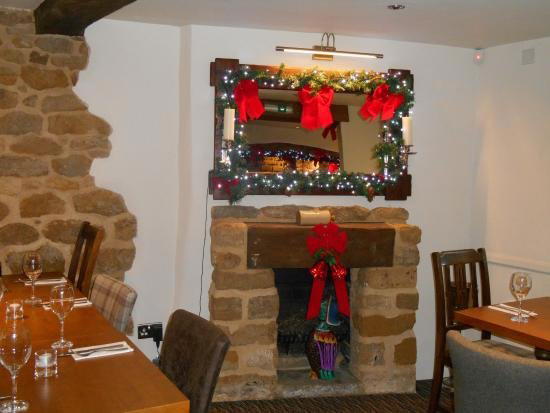
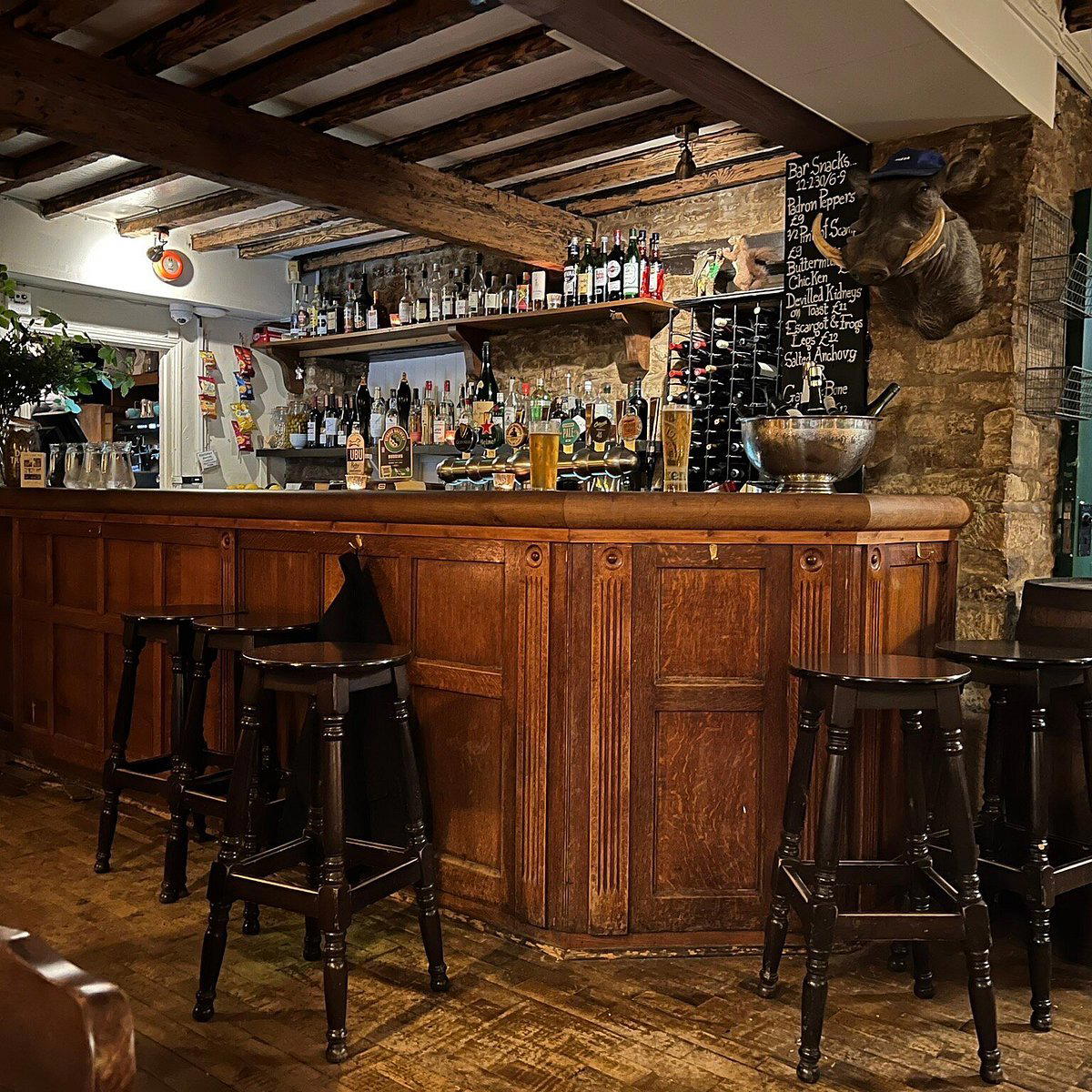
Smart rustic interior with polished wooden tables, beams, exposed stone walls, wood-burning stove, log fires, and comfy seats creating a warm, relaxing village pub atmosphere.