Killingworth Castle


Michelin Plate · AA Rosettes 3 Rosettes
Our verdict
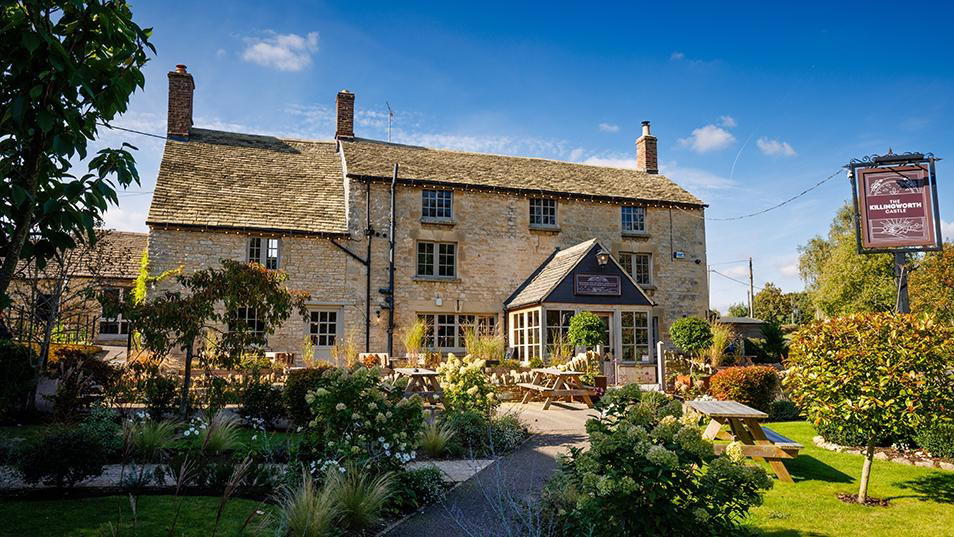
A 16th-century Oxfordshire inn that has earned back-to-back Michelin Plates in 2024 and 2025, Killingworth Castle sits at the sharper end of the Cotswolds gastropub bracket. The kitchen bakes its own bread, butchers its own meat, and structures its menus around local and organic sourcing. A crackling fire in winter, a landscaped garden in summer, and overnight rooms make it a practical base as much as a dining destination.

Pearl is the En Primeur Club membership app, where members save venues, book tables and use the concierge.
The menu
What to order
- Gigha halibut with yellow courgette and mussels
- Tamworth pork fillet and shoulder
- Guinea fowl with pearl barley and chestnut velouté
- Roasted lamb sweetbreads in pea cream
What the British Gastropub Became
The story of the British gastropub is, at its core, a story about expectation management. For most of the twentieth century, food in a pub was an afterthought, a heated pie, a bag of crisps, a basket of limp chips. Then, gradually, a generation of chefs decided the format was worth taking seriously. The result, across two decades of quiet revolution, was a category that now sits confidently between neighbourhood bistro and destination restaurant: places where the bar remains a bar, the fire remains lit, and the cooking has earned its own credentials. Killingworth Castle, a 16th-century inn on Glympton Road outside Woodstock, belongs to that tradition, and its back-to-back Michelin Plates in 2024 and 2025 confirm it has arrived at a credible point within it.
Arriving at the Castle
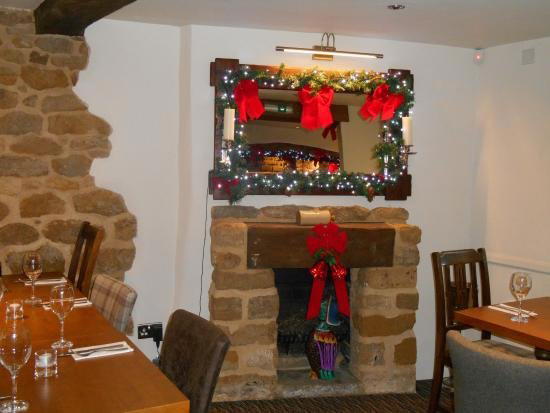
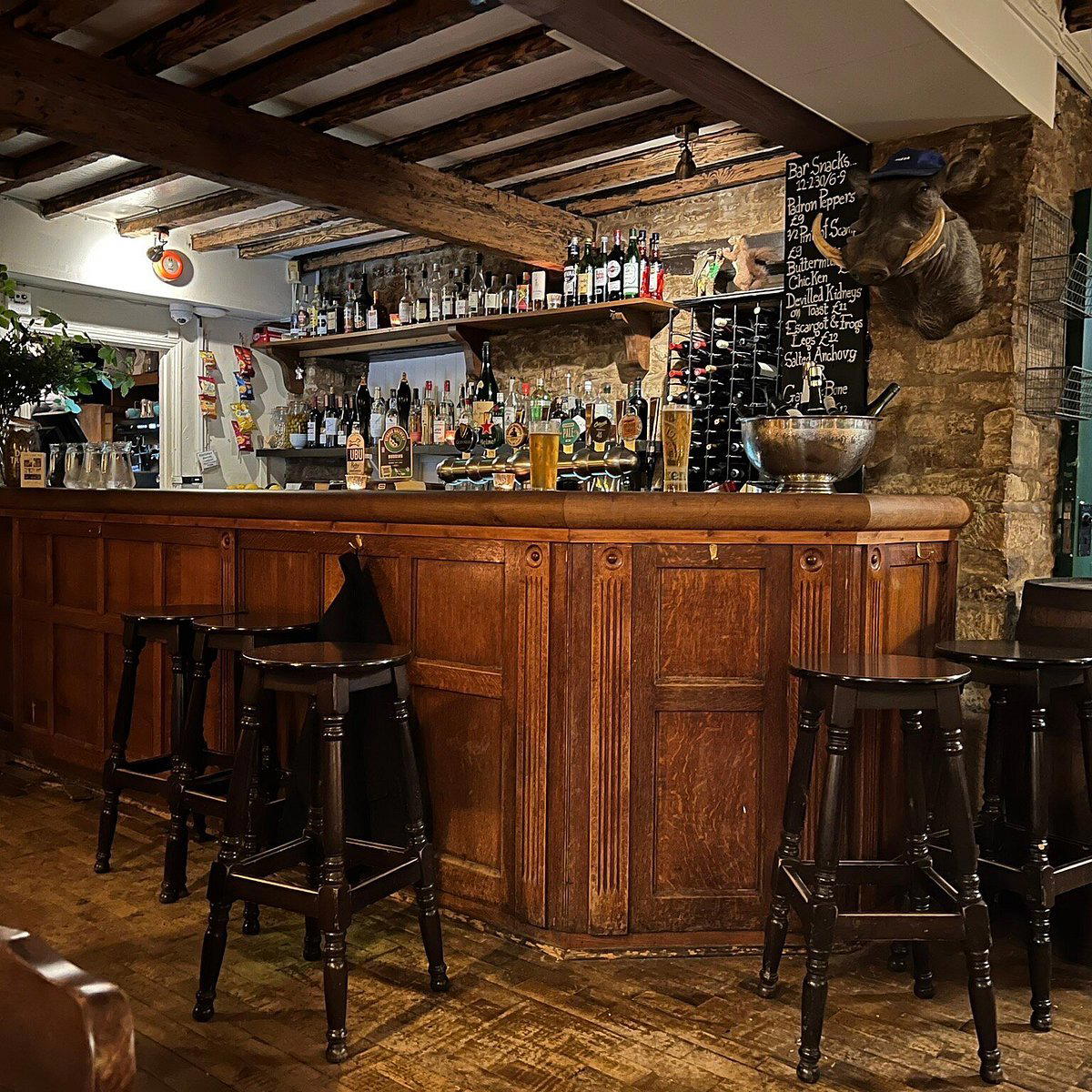
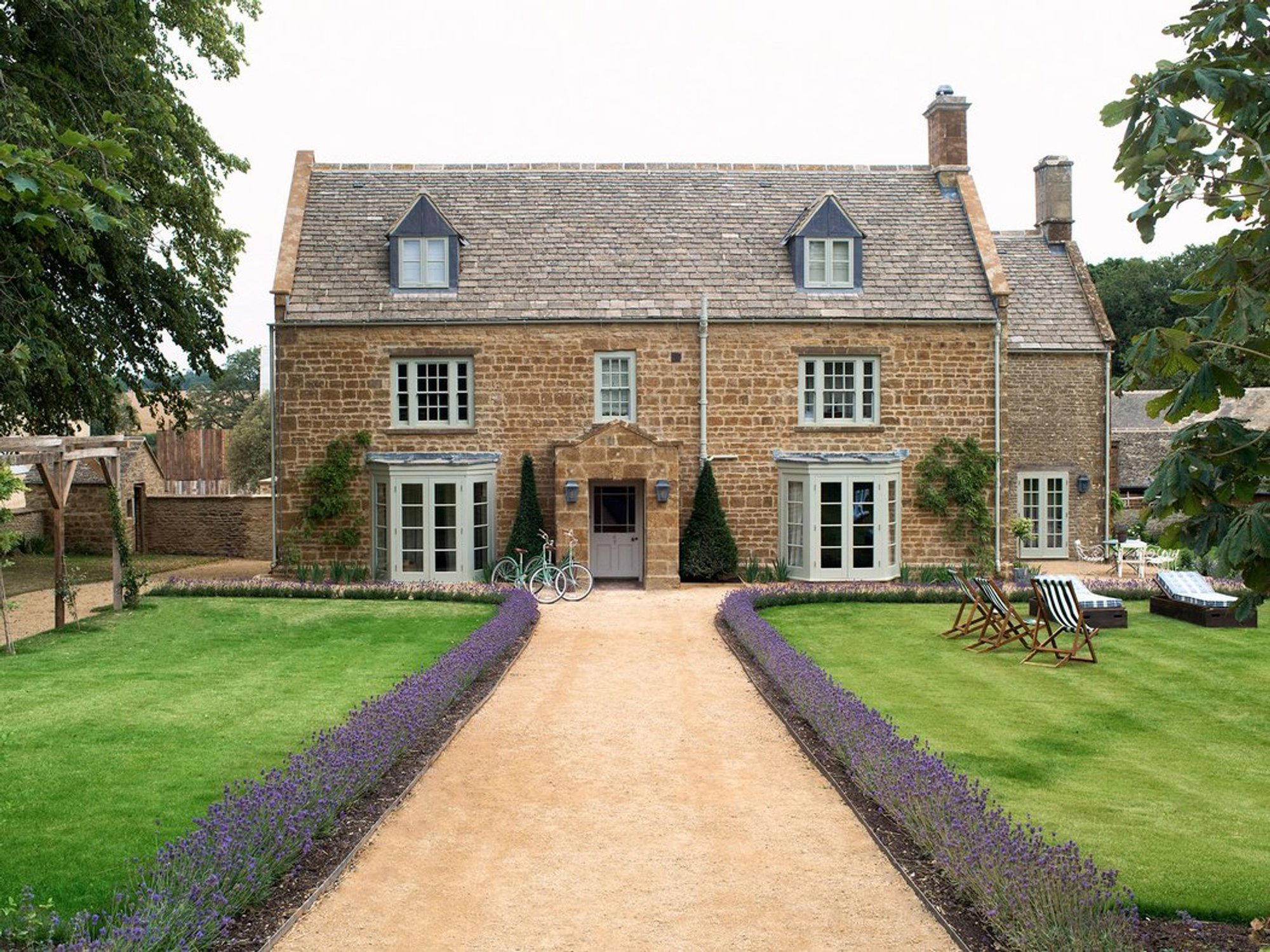
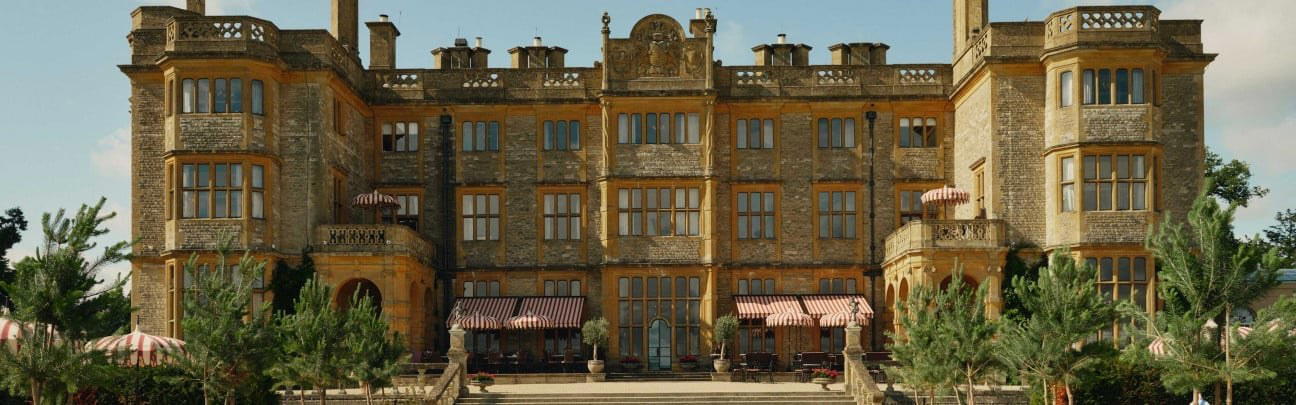
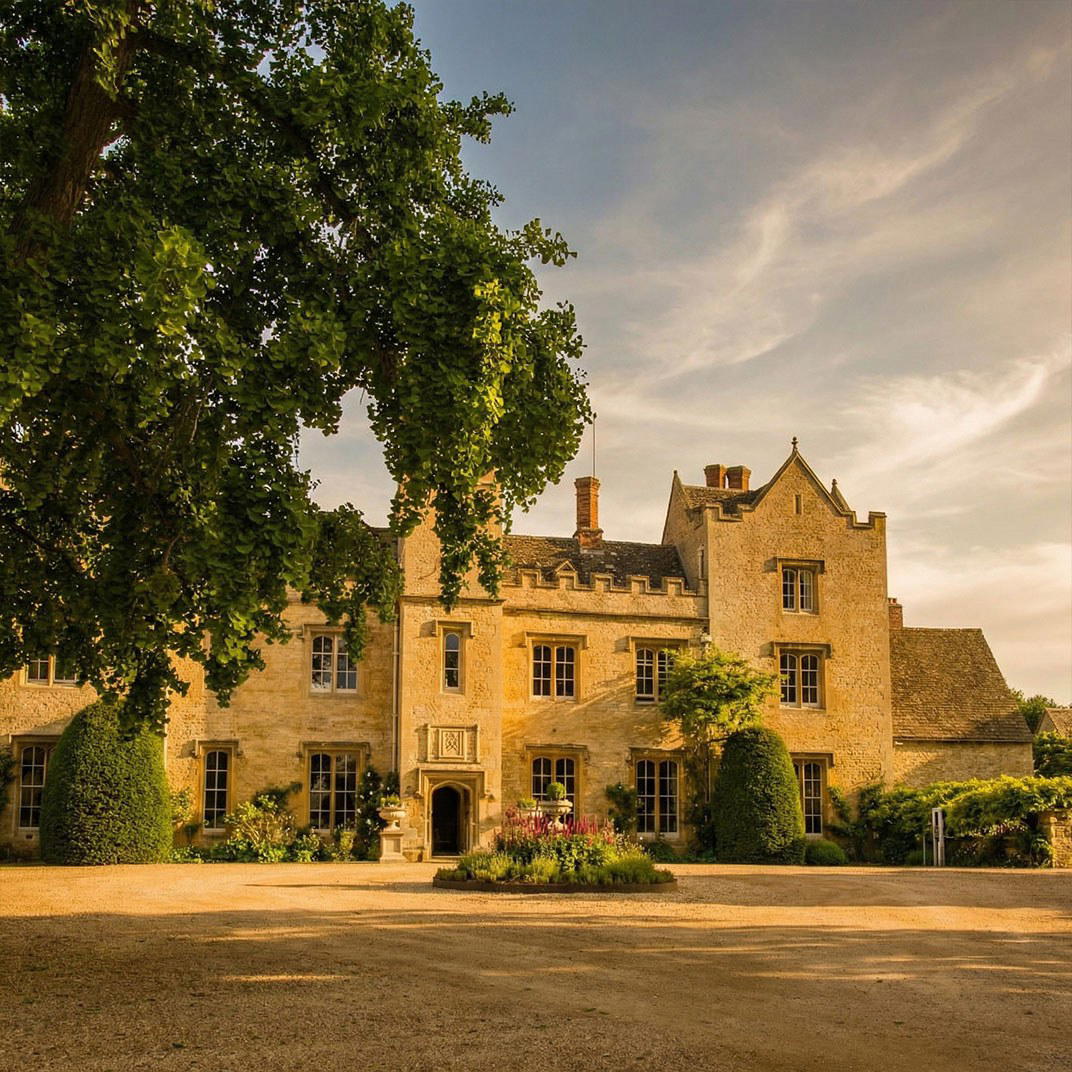
The building does not announce itself with architectural drama. What you get instead is the slower satisfaction of an inn that has been standing since the 1600s: stone walls, low ceilings, and the particular quality of light that seeps through windows not designed for floor-to-ceiling views. In winter, the crackling fire is the dominant sensory fact of the room, the kind that genuinely changes how you feel about the prospect of another course. The landscaped garden, by contrast, is a summer proposition; on a warm Oxfordshire afternoon, the outside space makes a convincing case for a long, unhurried lunch. Both settings work, which is part of what separates the better rural gastropubs from places that are only tolerable in one season.
How the Menu Is Built
In the gastropub tier, kitchen credentials are often measured less by technical flourish than by the discipline of sourcing and preparation. Here, the kitchen bakes its own breads and butchers its own meats, two choices that signal a deliberate commitment to keeping craft in-house rather than outsourcing the foundational work. The produce orientation leans local and organic across a menu structure designed with some flexibility: the set lunch offers strong value relative to the à la carte, Wednesday evenings are dedicated to steak, and the tasting menu exists for those who want a more extended format appropriate to a special occasion.
That layered menu architecture reflects something broader about how the gastropub category has matured. The leading examples, from Hand and Flowers in Marlow to Pipe and Glass in South Dalton, no longer ask diners to choose between a pub atmosphere and serious cooking. They offer both simultaneously, and they let the menu format adapt to the occasion rather than fixing every customer to the same experience. The set lunch, the mid-week steak night, the tasting menu option: these are not gimmicks but evidence of a kitchen that understands its audience arrives with different intentions on different days.
Where It Sits in the Regional Picture
Oxfordshire is not short of fine dining reference points. Le Manoir aux Quat' Saisons in Great Milton remains the county's prestige anchor, sitting at a price point and formality level that places it in a separate category altogether. Killingworth Castle does not compete on that axis. Its Michelin Plate recognition positions it in the tier that the Guide uses to denote kitchens cooking well and with clear intent, without the full apparatus of starred dining. That is a meaningful distinction. Starred restaurants in England, from CORE by Clare Smyth to L'Enclume in Cartmel and Moor Hall in Aughton, operate under different expectations of investment, both financial and temporal. A Michelin Plate inn in a Cotswolds village asks something different of the diner, and delivers something different in return: ease, informality, and the particular pleasure of good food in an old building with a pint at the bar.
4.8 from 28 ratings, a score that reflects a small but consistently positive sample rather than the high-volume consensus of a city restaurant. At the ££ price range, it occupies the accessible end of Michelin-recognised dining in the region, a fact worth noting when planning against more expensive alternatives in Oxfordshire and the wider Cotswolds.
The Overnight Case
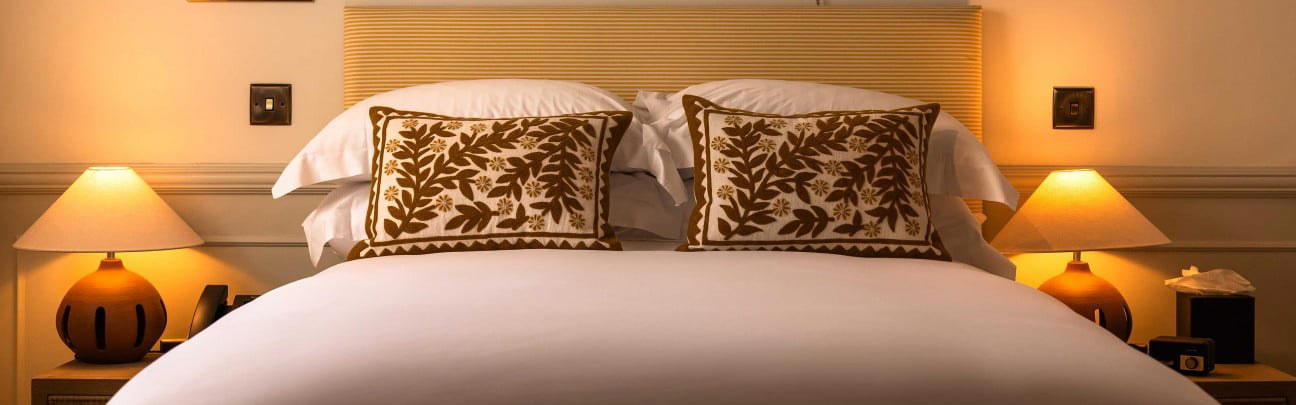
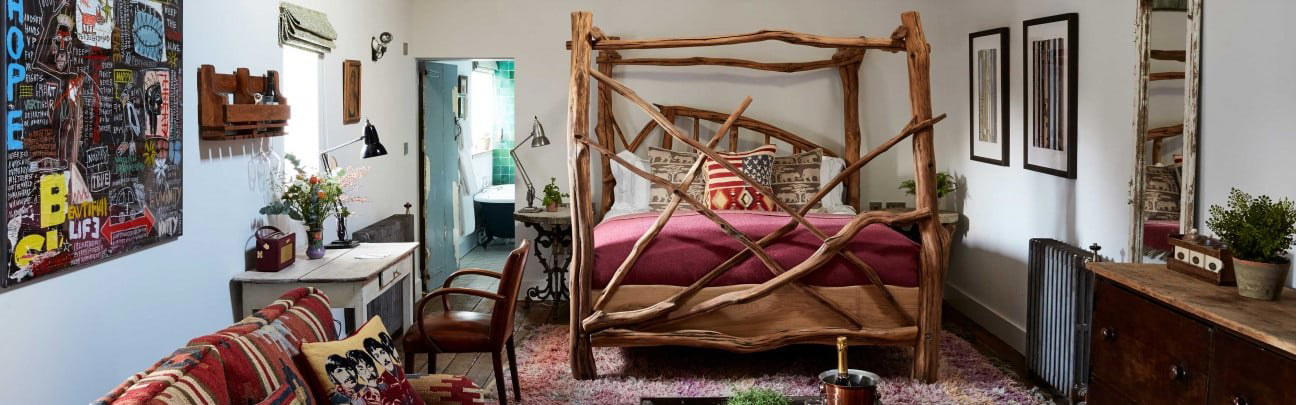
Rural gastropubs that offer rooms operate in a specific logic: the overnight stay changes the calculus of the evening entirely. You no longer have to calculate driving distances or catch a train; the tasting menu becomes a viable option; a second bottle of wine is not a complication. Killingworth Castle has spacious bedrooms, which makes it a genuinely practical destination for those coming from London or further afield who want to eat well without treating the evening as a logistical exercise. The Woodstock area, close to Blenheim Palace, has its own weekend draw, and the inn fits naturally into a two-night Oxfordshire itinerary. For those building a broader visit to the area, our full Wootton hotels guide covers the accommodation options in more depth.
Planning Your Visit
The structure of the menu makes visit planning relatively direct. Those watching budget should target the set lunch, which represents the strongest value proposition. Wednesday evenings are the dedicated steak format. The tasting menu is the appropriate choice for special occasions and works well in the context of an overnight stay. The landscaped garden is the reason to visit between late spring and early September; the firelit interior is the reason to come in November through February. For a broader picture of what the area offers beyond this address, our full Wootton restaurants guide, bars guide, wineries guide, and experiences guide map the options around it.
For those whose interest in British pub dining extends further, the category has strong representatives across the country: hide and fox in Saltwood, Gidleigh Park in Chagford for a different take on rural destination dining, and further afield, Restaurant Andrew Fairlie in Auchterarder, Midsummer House in Cambridge, and Opheem in Birmingham illustrate the range of what serious British regional cooking currently looks like. For a transatlantic reference, Dinner by Heston Blumenthal and The Fat Duck in Bray sit at the more conceptual end of what British cuisine can mean when given full creative range, a useful contrast with what Killingworth Castle does at its own quieter register.
Frequently asked questions
Would Killingworth Castle be comfortable with kids?
A pub-format inn at the ££ price point in a village setting is generally a more relaxed environment for families than a formal restaurant at the same award level. The garden space, available in warmer months, provides practical breathing room. That said, the tasting menu format and Wednesday steak evenings skew toward adult occasions; the set lunch is the format that leading accommodates a flexible, family-paced visit. Wootton's rural setting and proximity to Blenheim Palace also make it a natural fit for a family day out rather than a purely adult dinner destination.
Is Killingworth Castle better for a quiet night or a lively one?
The Michelin Plate recognition and the inn's general positioning in Wootton place it firmly in the quieter end of the spectrum. This is a destination for unhurried meals, not a late-night venue. The ££ pricing and multi-format menu mean it accommodates both a low-key midweek dinner and a more extended special-occasion evening, but the atmosphere is always closer to contemplative country inn than animated city restaurant. Those looking for energy and noise would be better served by an urban alternative.
What's the must-try dish at Killingworth Castle?
The Michelin Plate recognition, combined with the kitchen's commitment to in-house butchery and bread-baking, points toward the Wednesday steak night as the most distinctive single-format experience the inn offers. The Traditional British cuisine orientation and house-butchered meats make that the logical expression of what the kitchen does with its sourcing programme. For those visiting on other days, the tasting menu is the most complete way to see the range of what the kitchen's local and organic produce approach delivers across multiple courses.
Side-by-Side Snapshot
| Venue | Cuisine | Price | Awards | Notes |
|---|---|---|---|---|
| Killingworth CastleThis venue (the venue you are viewing) | Modern British Gastropub | $50–100 | Michelin Plate · AA Rosettes 3 Rosettes | Not listed |
| The Ledbury | Modern British Fine Dining | $300–500 | 3 Michelin Stars · World's 50 Best #42 | Modern European, Modern Cuisine |
| Sketch, The Lecture Room and Library | Modern French Fine Dining | $200–300 | 3 Michelin Stars · World's 50 Best #18 | Modern French |
| CORE by Clare Smyth | Modern British Fine Dining | $150–200 | 3 Michelin Stars · World's 50 Best #97 | Modern British |
| Restaurant Gordon Ramsay | French Fine Dining | $200–300 | 3 Michelin Stars · World's 50 Best #13 | Contemporary European, French |
| Dinner by Heston Blumenthal | Modern British, Traditional British | Not listed | Michelin 2 Star | Not listed |
Recognition history
Dated appearances from independent guides and award organizations, with the underlying list record or original source where available.
Michelin Plate
Michelin
AA Rosettes 3 Rosettes
AA Rosettes
Top 50 Gastropubs 2026 Estrella Damm Top 100 Gastropubs #37
Top 50 Gastropubs
Full recognition history (5 entries)
Michelin Plate
Michelin
Michelin Plate
Michelin
Continue exploring
More in Wootton
Restaurants in Wootton
All restaurants in Wootton →
Bars in Wootton
All bars in Wootton →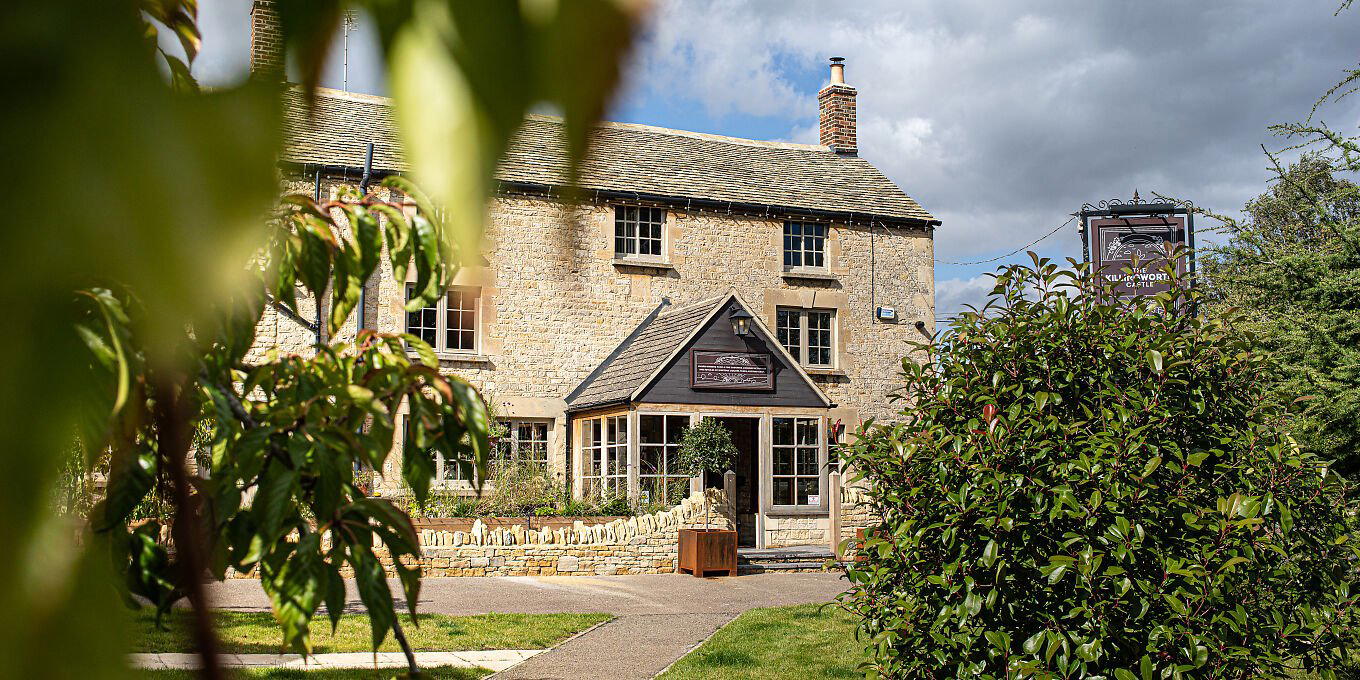
Details
- Cozy
- Classic
- Rustic
- Elegant
- Romantic
- Date Night
- Celebration
- Special Occasion
- Group Dining
- Family
- Historic Building
- Garden
- Private Dining
- Hotel Restaurant
- Standalone
- Extensive Wine List
- Beer Program
- Farm To Table
- Organic
- Local Sourcing
- Sustainable Seafood
- Garden
- A La Carte
- Set Menu
- Tasting Menu
- Wine
- Craft Beer
- Organic Selections
- Vegetarian Friendly
- Vegan Options
- Gluten Free Options
- Organic Focus
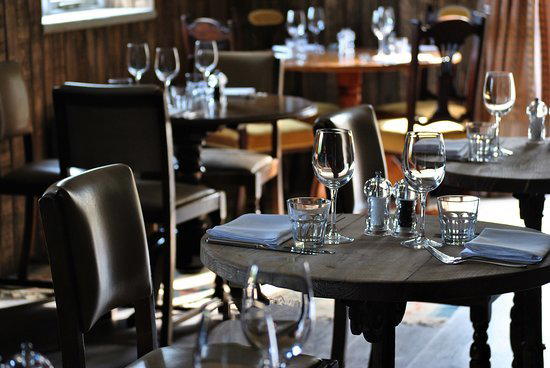
Warm and inviting with crackling wood-burning stove in winter, flagstone flooring, stone walls, dark wood accents, and a contemporary restaurant with intimate alcoves that feel both cosy and sophisticated without pretension.