The Den at Azabu
.png)

Tucked inside Azabu on Ocean Drive, The Den at Azabu has earned consecutive Michelin Plate recognition and Opinionated About Dining rankings in the top 200 North American restaurants, placing it among Miami Beach's most serious omakase counters. Chef Atsushi Okawara operates in a format where sushi tradition carries more weight than South Beach spectacle, making it a clear outlier on a stretch of the city better known for volume dining.
Pearl is the En Primeur Club membership app — saves, bookings, and concierge access live there. Same editors, same standards.
- Address
- Inside Azabu, 161 Ocean Dr, Miami Beach, FL 33139
- Phone
- (786) 276-0520
- Website
- azabumiami.com
 Saves & bookings on Pearl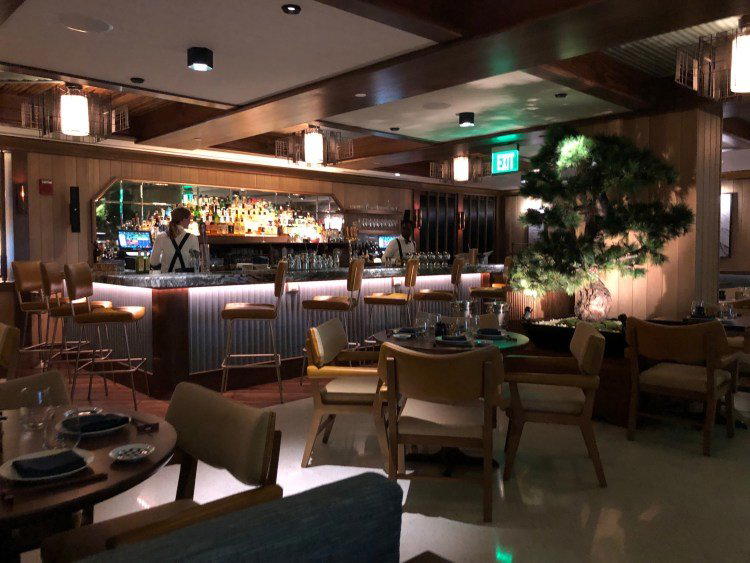
Ocean Drive's Quietest Counter
Ocean Drive is not, by any fair reading, a street associated with culinary discipline. Its reputation runs to rooftop bars, frozen cocktails, and the kind of restaurant that seats 300 and treats the ocean view as the menu's primary ingredient. Which makes the presence of a serious omakase counter inside Azabu at 161 Ocean Dr, just steps from the Art Deco facades and the familiar noise of South Beach, a genuinely odd geographical fact. The Den operates in the same city block as establishments that measure success in covers turned per night. It operates by different logic entirely.
Miami Beach's higher-end Japanese dining has historically sat north of Fifth Street or inland in Brickell and Wynwood, where the crowd skews local and the format expectations are more forgiving of quiet, counter-focused service. The Den's position on Ocean Drive means it draws from a more transient visitor pool, yet its sustained critical recognition suggests the format has found a consistent audience regardless of address. That's worth noting: omakase counters in tourist-heavy locations frequently drift toward crowd-pleasing adaptation. The Den's track record points in the other direction.
What the Recognition Signals
Consecutive Michelin Plate distinctions in 2024 and 2025, combined with Opinionated About Dining rankings of #197 (2024) and #201 (2025) among North American restaurants, put The Den in a specific competitive tier. The Michelin Plate is not a starred distinction, but in Miami's sushi context it represents consistent kitchen quality acknowledged by the guide's inspectors across multiple cycles. OAD rankings carry particular weight among the food-focused travel audience because they aggregate opinions from frequent, experienced diners rather than a single inspector visit, reaching #197 in a continent-wide list that includes properties like NAOE, arguably Miami's most reservation-scarce Japanese counter, places The Den in a comparable set that extends well beyond Florida.
For context on what that ranking tier means nationally: the same OAD list includes institutions like Le Bernardin in New York City, Alinea in Chicago, and The French Laundry in Napa. Appearing in the 200-bracket of that company is a specific credential, not ambient praise. Miami's serious dining scene also includes destinations like L'Atelier de Joël Robuchon Miami and Boia De for Italian contemporary, and Ariete for modern American, but within the Japanese omakase category specifically, the critical field thins considerably.
The South Beach Omakase Format
Omakase as a format is built on a particular transaction: the diner surrenders the menu decision entirely to the chef, and in return receives a progression shaped by what the kitchen considers its current leading expression. This format works well when the operating environment supports the necessary quietness, sushi counters reward attention, pacing, and conversation that stays at counter level rather than competing with ambient room noise. South Beach's hospitality infrastructure is not naturally configured for this. The Den carving sustained critical recognition out of that environment says something about the consistency of the kitchen under Chef Atsushi Okawara, whose name appears across the venue's recognition history.
Japanese omakase in the United States has expanded considerably over the past decade, moving from New York and Los Angeles strongholds into secondary markets including Miami. The format has also stratified: at the upper end, counters align pricing and booking depth against their best-perceived comparable set rather than local market expectations. For a point of international comparison on what that upper tier looks like, Harutaka in Tokyo and Sushi Shikon in Hong Kong represent the standard against which serious counters in other markets are increasingly measured. The Den's OAD placement suggests its local audience is making a version of that same quality comparison.
Miami's broader dining picture has grown more textured in recent years, with the Peruvian-inflected Japanese work at ITAMAE representing one direction, cuisine that adapts Japanese technique to local cultural context, while The Den holds a more traditionally oriented position. Neither approach is correct by default; they serve different reader intentions. If the question is traditional Edomae-influenced sushi in a focused counter format with documented critical recognition, The Den's address is the relevant answer in Miami Beach.
The Ocean Drive Location as Variable
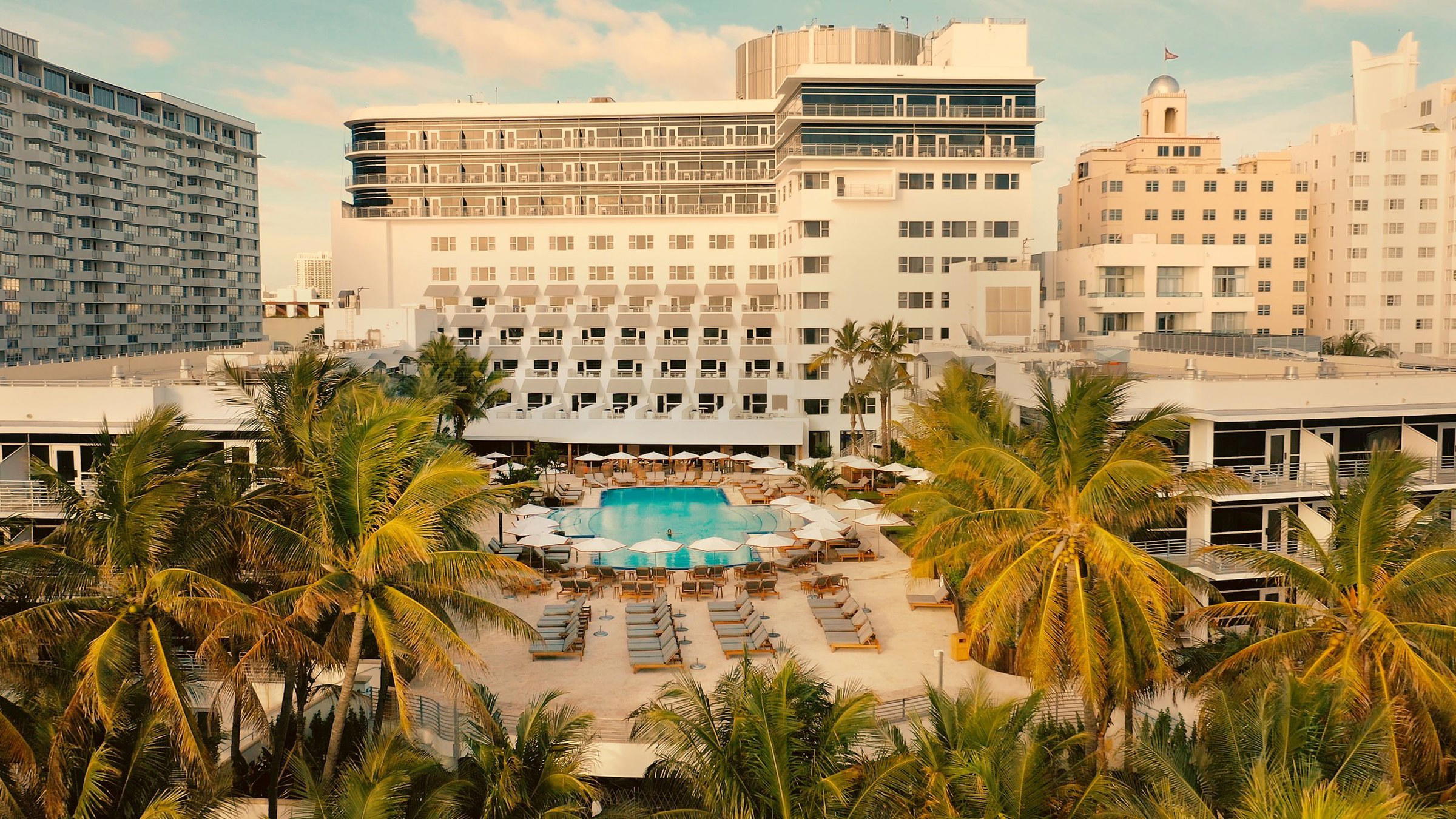
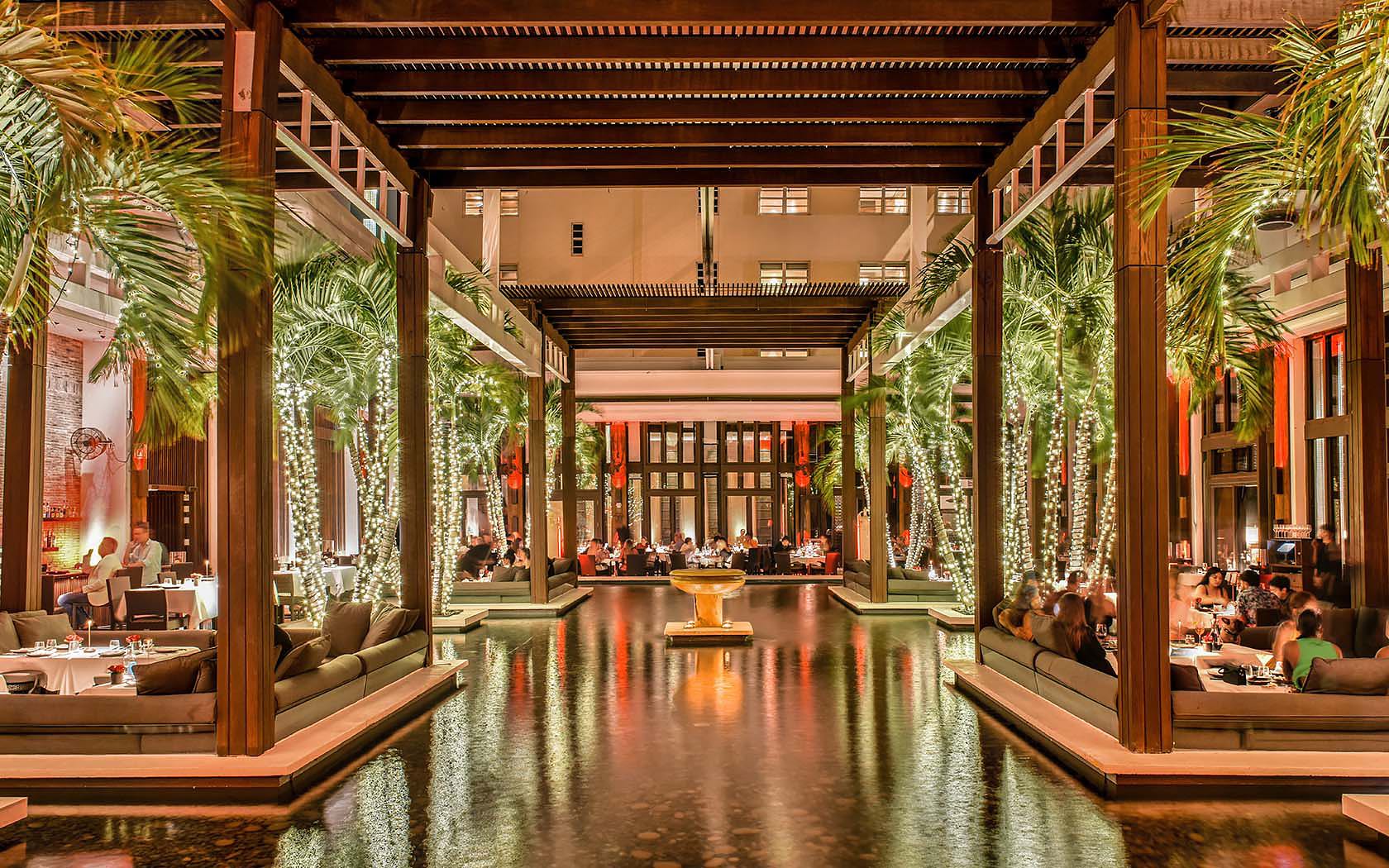
The physical placement matters to the experience in a way that differs from most omakase contexts. Arriving via Ocean Drive means passing through one of the most photographed stretches of American beach culture: the neon-tinged Deco hotels, the Lummus Park strip, the perpetual procession of pedestrian traffic. The transition from that environment into the interior of Azabu, and then into The Den specifically, represents a sharper contextual shift than most restaurant entrances require. Whether that contrast enhances or disrupts the omakase experience is a matter of individual preference, but it does define the visit in a way that counter experiences in quieter Miami neighborhoods, or comparable counters in cities like San Francisco (see Lazy Bear for a different format in that market) or Healdsburg's Single Thread Farm, would not.
The Google rating of 4.9 across 75 reviews is a narrow dataset but directionally consistent with the OAD crowd-sourced signal: the people finding and reviewing The Den are satisfied at a high rate. A 4.9 average across a smaller volume of reviews typically indicates a self-selected audience of engaged diners rather than casual walk-in traffic, which, given the location, suggests The Den's reputation is doing the filtering work that its physical address would not naturally provide.
Planning Your Visit
The Den sits inside Azabu at 161 Ocean Drive, Miami Beach, FL 33139. Given the omakase format and its OAD ranking history, advance reservations are essential, this is not a venue where walk-in availability can be assumed. Miami Beach's higher-traffic season runs from November through April, when the winter influx from the Northeast and international visitors compresses reservation availability across the city's serious dining options. Booking well ahead of travel during that window is the practical default for any counter-format restaurant at this recognition level.
For regional comparisons beyond Florida, the Emeril's New Orleans listing illustrates how legacy-format restaurants hold recognition across Southern markets over time, a different category, but a useful frame for understanding how sustained critical acknowledgment operates across American dining geography.
Know Before You Go
- Address: Inside Azabu, 161 Ocean Dr, Miami Beach, FL 33139
- Chef: Atsushi Okawara
- Cuisine: Sushi / Omakase
- Awards: Michelin Plate (2024, 2025); OAD Leading Restaurants in North America #197 (2024), #201 (2025); OAD Highly Recommended (2023)
- Google Rating: 4.9 (60 reviews)
- Booking: Advance reservations strongly recommended; particularly during November–April peak season
- Format note: Counter-format omakase inside the Azabu restaurant space
What Regulars Order
The omakase format at The Den means the menu is not a fixed document, and the kitchen determines the progression. That said, the OAD recognition history spanning 2023 to 2025 signals consistent execution across multiple diner visits and repeated critical assessments, suggesting the kitchen's output has remained coherent rather than variable. At a counter operating at The Den's recognition level, the rice temperature, fish sourcing, and nigiri pressure are the details that differentiate, these are the technical variables that frequent omakase diners report on in crowd-sourced platforms like OAD, and the 4.9 Google average suggests those details are landing consistently.
Peers in This Market
Comparable venues nearby, for context on price, style, and recognition.
| Venue | Cuisine | Price | Notes |
|---|---|---|---|
| The Den at AzabuThis venue — the venue you are viewing | Modern Japanese Omakase | $$$$ | |
| Hiyakawa Miami | Refined Japanese Omakase and Izakaya | $$$$ | Edgewater |
| Pao by Paul Qui | Modern Asian Fusion | $$$$ | Miami Beach |
| Torno Subito | Playful Contemporary Italian | $$$$ | Design District |
| Los Fuegos by Francis Mallmann | Argentinian Open-Fire Asado Steakhouse | $$$$ | Miami Beach |
| Uchi | Modern Japanese Sushi | $$$$ | Miami Fashion District |
At a Glance
- Elegant
- Intimate
- Sophisticated
- Minimalist
- Date Night
- Business Dinner
- Special Occasion
- Chefs Counter
- Private Dining
- Open Kitchen
- Hotel Restaurant
- Sake Program
- Sommelier Led
- Sustainable Seafood
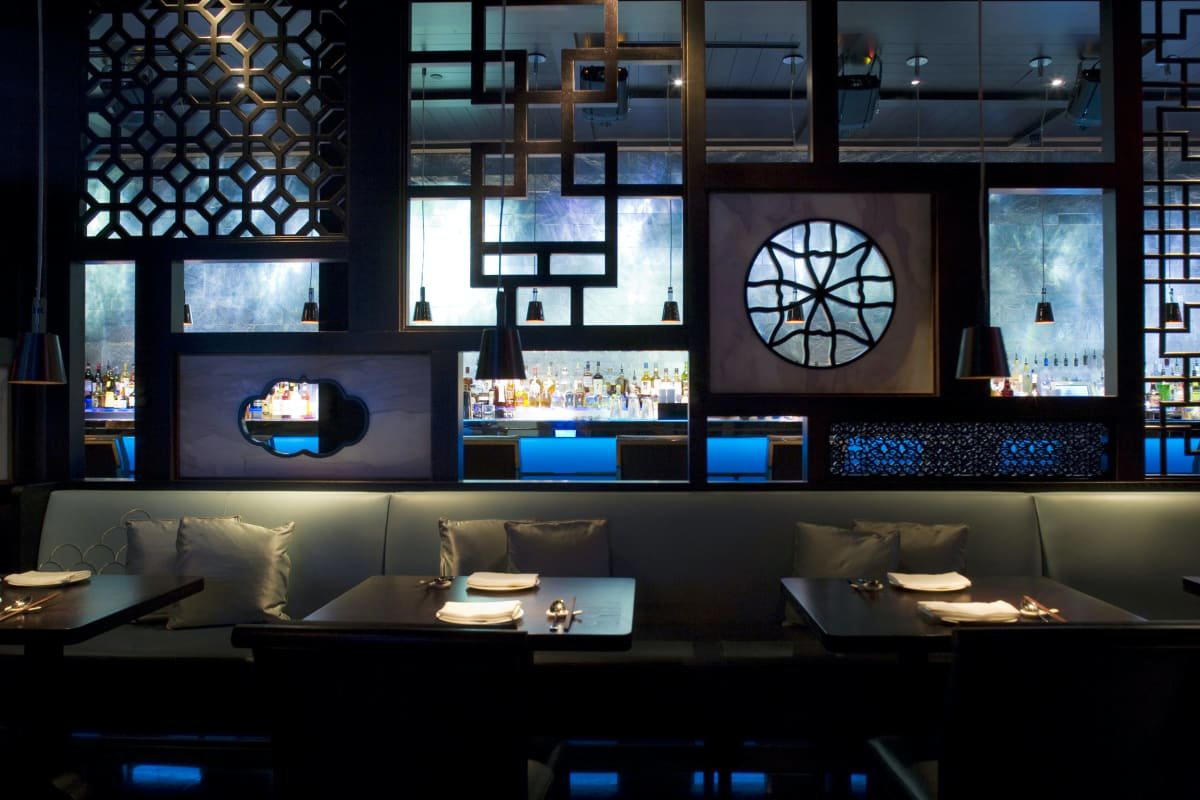
Sleek and minimalist with a smooth blonde Hinoki cypress counter, dimly lit, quiet atmosphere with traditional Japanese decor, elegant but not stuffy.