THE CLUB
THE CLUB occupies a quiet address on Lohenstraße in Gräfelfing, the prosperous residential municipality immediately west of Munich's city limits. With the full details of its kitchen program remaining closely held, it sits within a wider conversation about what serious dining looks like on Munich's outer ring, where lower rents and calmer surroundings have begun attracting focused culinary operations away from the city centre.
Pearl is the En Primeur Club membership app — saves, bookings, and concierge access live there. Same editors, same standards.
- Address
- Lohenstraße 5, 82166 Gräfelfing, Germany
- Phone
- +49895589538166
- Website
- grefis.com
- Directions
- Get directions
 Saves & bookings on Pearl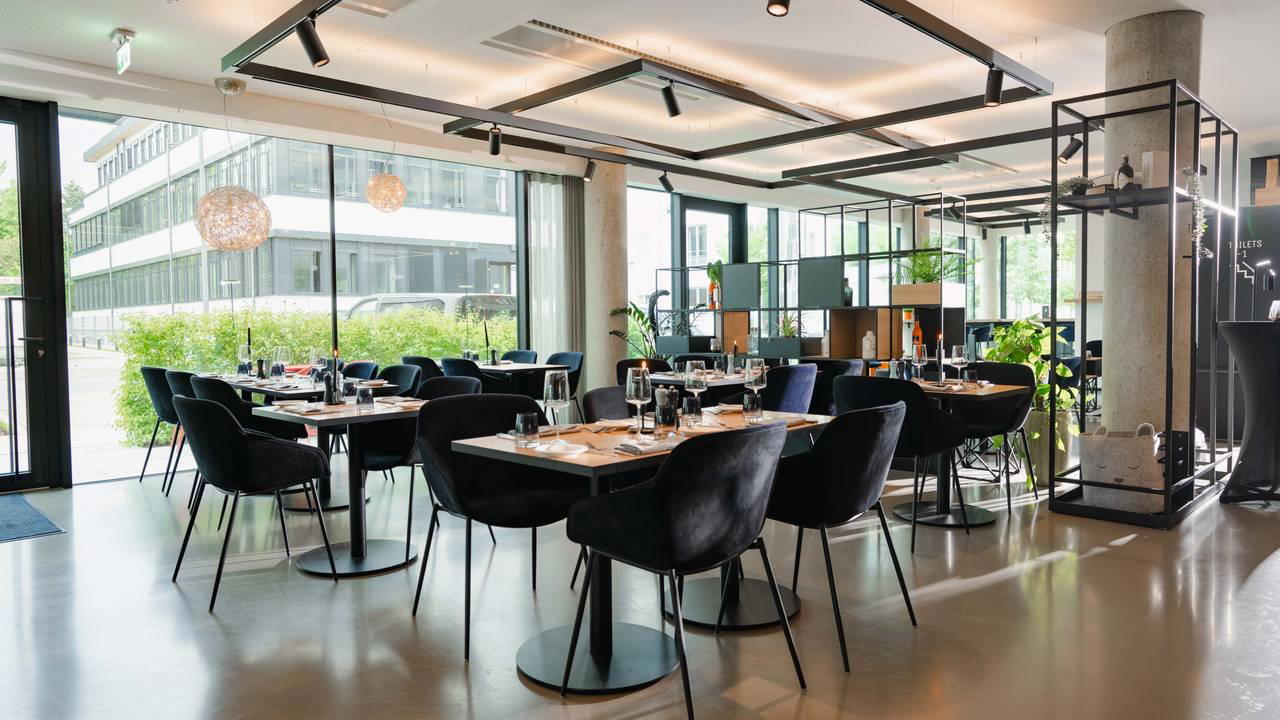
Gräfelfing and the Quiet Edge of Munich's Fine Dining Belt
It has happened in the municipalities that ring the city, places like Gräfelfing, where the density thins out and the buildings drop to two storeys, and where a serious dining room can exist without the overhead pressure that shapes every decision a city-centre kitchen makes. THE CLUB, addressed at Lohenstraße 5 in Gräfelfing, belongs to this pattern: a venue that has positioned itself in a suburb where the expectations are local and loyal rather than tourist-driven, and where the relationship between kitchen and regular clientele tends to run deeper than in more transient postcodes.
Gräfelfing itself is worth understanding as a context. It is not a satellite town in any dismissive sense. It borders Munich's western districts directly, shares the same S-Bahn infrastructure, and has long attracted a professional and academic population from the Ludwig Maximilian University corridor. The dining expectations of that population are shaped by proximity to Munich's full range of options, including the Michelin-level programs at JAN in Munich, which means a venue in Gräfelfing does not get away with coasting on geography. It competes on merit with what's accessible by public transport twenty minutes east.
Where the Ingredients Come From, and Why That Question Matters Here
Bavaria's position in the German sourcing conversation is specific. The region has some of Germany's most productive agricultural land within reasonable distance of its kitchens: the Allgäu dairy belt, the Isar valley market gardens, the hop fields of Hallertau, and the game-rich forests of the Bavarian uplands. Restaurants in this zone that are serious about provenance work with suppliers who can deliver product that has travelled hours rather than days. That compression in supply chain, between field and plate, is one of the genuine advantages of cooking in Bavaria rather than in a city like Hamburg or Berlin, where equivalent freshness requires more deliberate logistics.
The ingredient sourcing conversation has become central to how Germany's ambitious regional restaurants distinguish themselves. At ES:SENZ in Grassau, the proximity to Alpine producers shapes the entire kitchen philosophy. Further afield, at Schwarzwaldstube in Baiersbronn, the Black Forest's specific larder has defined one of Germany's most recognised kitchens for decades. THE CLUB's position in the Munich suburbs places it within reach of exactly the kind of regional supply network that has underpinned this broader trend.
The Suburban Dining Format and What It Signals
Across Europe, the suburban or village-adjacent fine dining room has a distinct dynamic. Bookings tend to skew toward regulars. The room reads quieter on weekday evenings and fills differently on weekends than a city-centre equivalent. Service is often more personal simply because the staff and the clientele know each other across multiple visits. This is the environment that produced some of Germany's most decorated kitchens, Waldhotel Sonnora in Dreis and Vendôme in Bergisch Gladbach both operate in exactly this register, where the setting insulates the kitchen from the noise of trend and allows longer creative arcs to develop.
The contrast with high-visibility city programs is real. A kitchen operating in a residential suburb does not need to perform for the Instagram moment or the first-time visitor. It can make decisions, on format, on portion, on pacing, that serve the repeat guest. That is both a freedom and a discipline. Venues like Aqua in Wolfsburg and AUGUST in Augsburg have demonstrated that operating outside the major metropolitan core is no barrier to serious recognition, provided the kitchen program is consistent and the identity is clear.
Placing THE CLUB in Its Regional comparable set
Germany's fine dining map is more distributed than many international visitors assume. The country has a large number of Michelin-starred addresses spread across provincial cities and rural municipalities, a pattern closer to France than to the UK, where recognition concentrates in London. That distribution means a venue in Gräfelfing is not anomalous. It is part of a tradition that includes Schanz in Piesport, Bagatelle in Trier, and ATAMA by Martin Stopp in Sankt Ingbert, all of which operate in smaller or peripheral locations without any apparent disadvantage to their culinary programs.
The creative end of the German dining scene has also diversified beyond classical French influence. Programs like CODA Dessert Dining in Berlin and AURA by Alexander Herrmann and Tobias Bätz in Wirsberg demonstrate that format experimentation and international reference points, including the kind of precision seen at Atomix in New York City and the classical rigour of Le Bernardin in New York City, now inform kitchens across the country. Victor's Fine Dining by Christian Bau in Perl and Restaurant Haerlin in Hamburg show that the French classical inheritance remains productive when it is applied with genuine technical command rather than imitation. ammolite in Rust takes a different path again, using its lakeside setting as a framing device for its kitchen identity.
Where THE CLUB positions itself within that range of references is not something the public record clarifies with specificity. The venue's address and cuisine style are established: European Cafe with International Influences. See our full Gräfelfing restaurants guide for a broader picture of the dining options in this part of the Munich orbit.
Planning a Visit
Gräfelfing is reached from central Munich via the S6 line, with the journey from Marienplatz taking around fifteen minutes to Planegg or Gräfelfing station. Lohenstraße is within walking distance of the S-Bahn infrastructure, which makes the venue accessible without a car for visitors staying in Munich's centre. Reservations are recommended, and the venue is open Mon: 6:30 AM to 1 AM; Tue: 6:30 AM to 1 AM; Wed: 6:30 AM to 1 AM; Thu: 6:30 AM to 1 AM; Fri: 6:30 AM to 1 AM; Sat: 7 AM to 1 AM; Sun: 7 AM to 1 AM. The local character of the trade suggests that weekend evenings are likely to be the more competitive booking windows, while midweek may offer more flexibility.
Comparison Snapshot
Comparable venues nearby, for context on price, style, and recognition.
| Venue | Cuisine | Price | Notes |
|---|---|---|---|
| THE CLUBThis venue — the venue you are viewing | European Cafe with International Influences | $$ | Not listed |
| Tabacco | European Bar & Grill | $$$ | Isarvorstadt |
| TAKO -Japanese Casual Food Stand- | Japanese Casual Street Food | $$ | Sendling-Westpark |
| Padme Hum | Vegan Asian Fusion Sushi | $$ | Theresienwiese |
| IRMI | Modern Munich Kitchen with Bavarian Traditions | $$ | Theresienwiese |
| Vitruv | Modern Mediterranean Steakhouse | $$ | Lerchenau |
Continue exploring
More in Grafelfing
Restaurants in Grafelfing
Browse all →
Bars in Grafelfing
Browse all →
At a Glance
- Modern
- Lively
- Elegant
- Brunch
- Business Dinner
- Casual Hangout
- Hotel Restaurant
- Local Sourcing
Current opening hours
- Monday
- 6:30 AM–1 AM
- Tuesday
- 6:30 AM–1 AM
- Wednesday
- 6:30 AM–1 AM
- Thursday
- 6:30 AM–1 AM
- Friday
- 6:30 AM–1 AM
- Saturday
- 7 AM–1 AM
- Sunday
- 7 AM–1 AM
Hours can change for holidays and private events. Last verified .
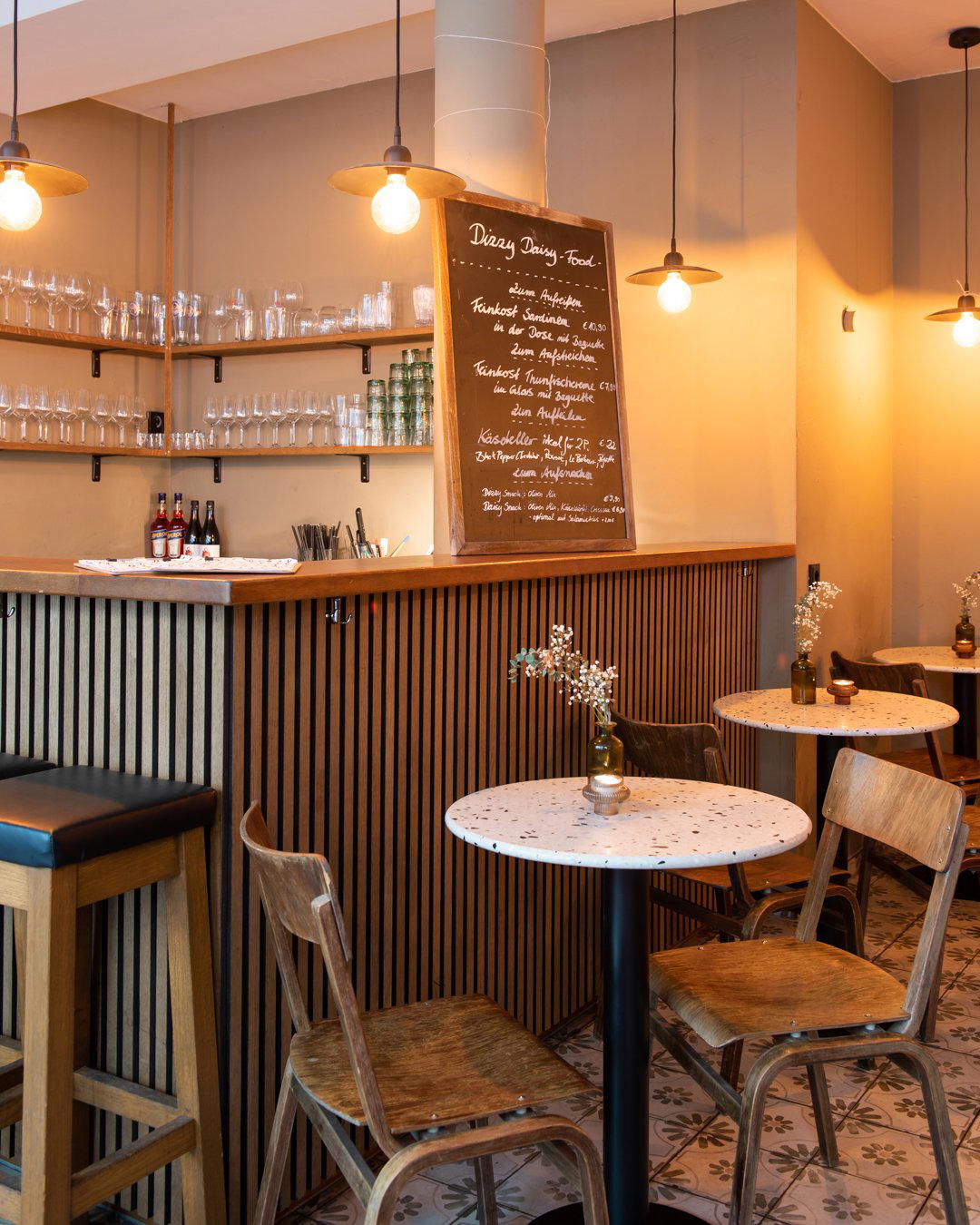
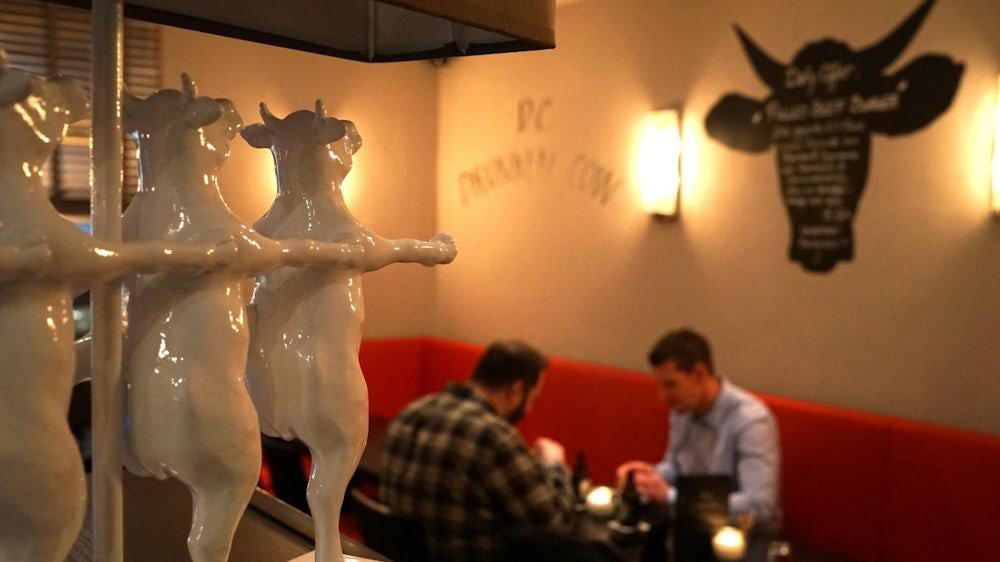
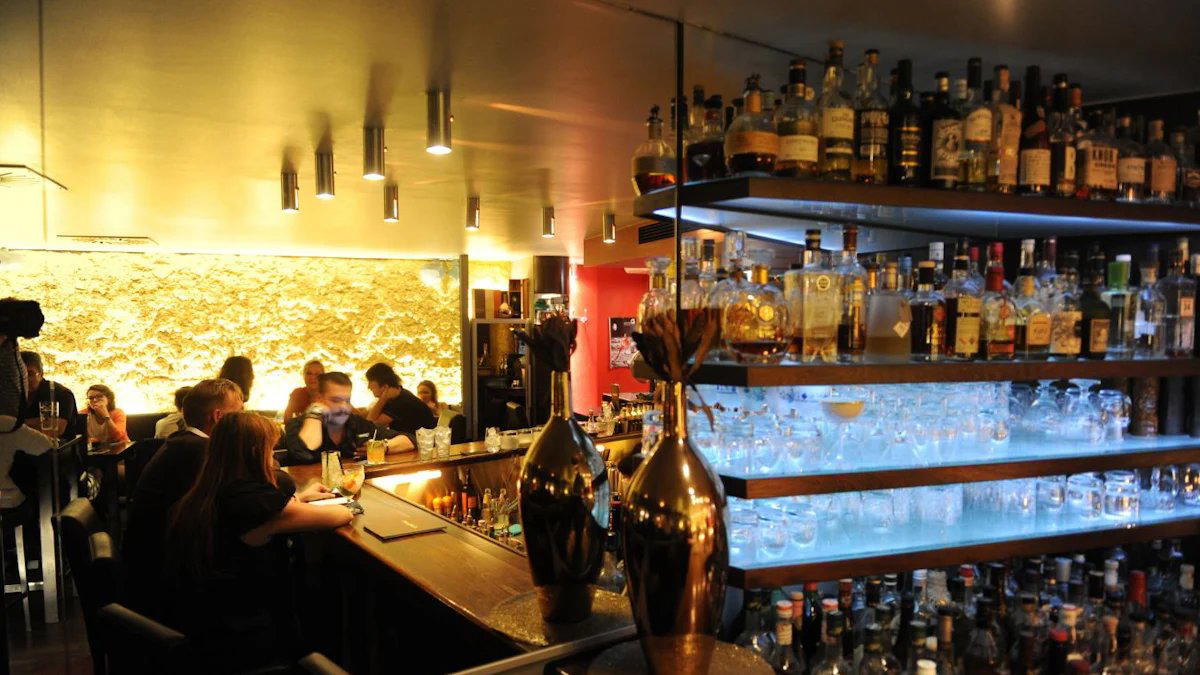
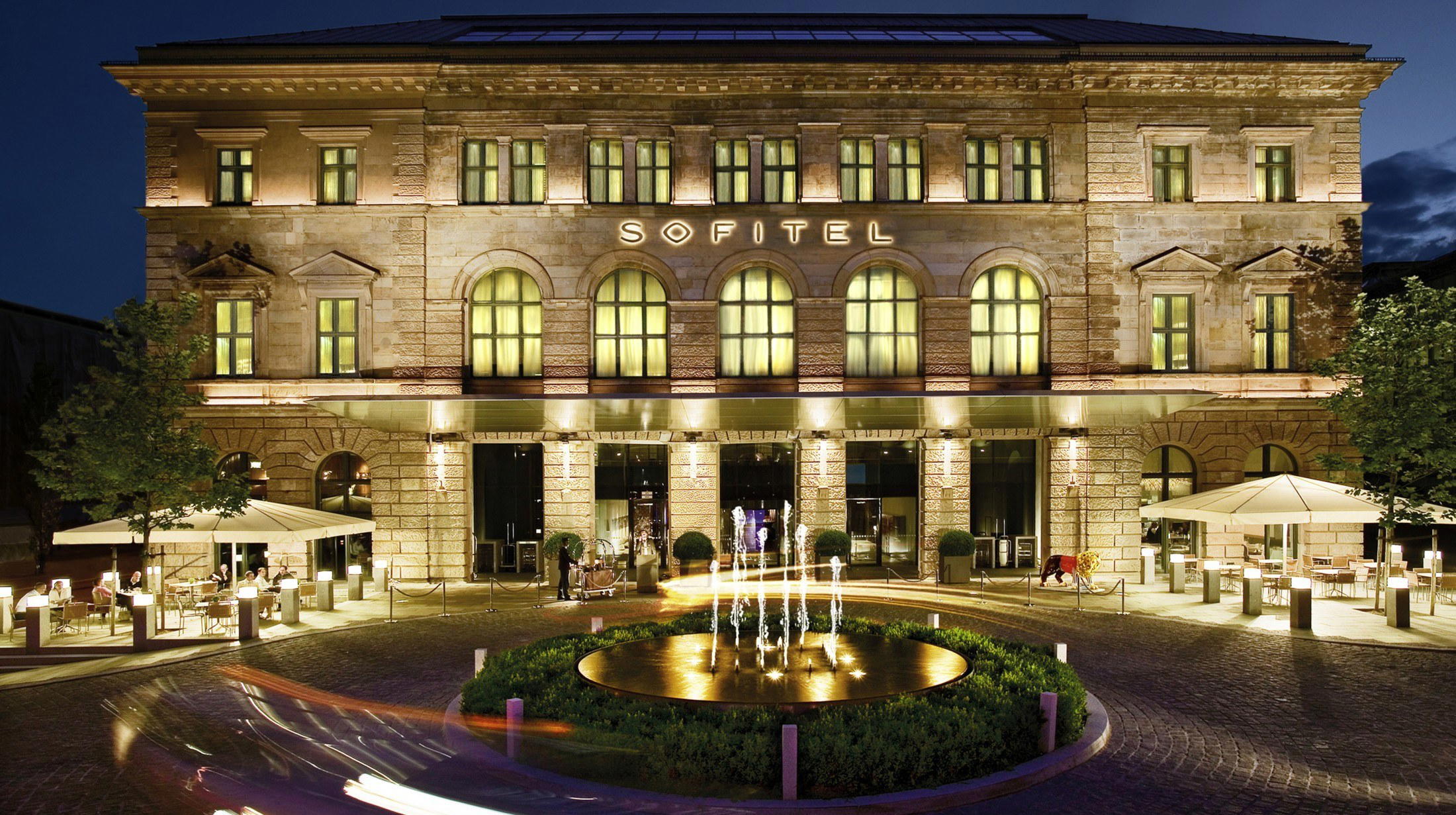
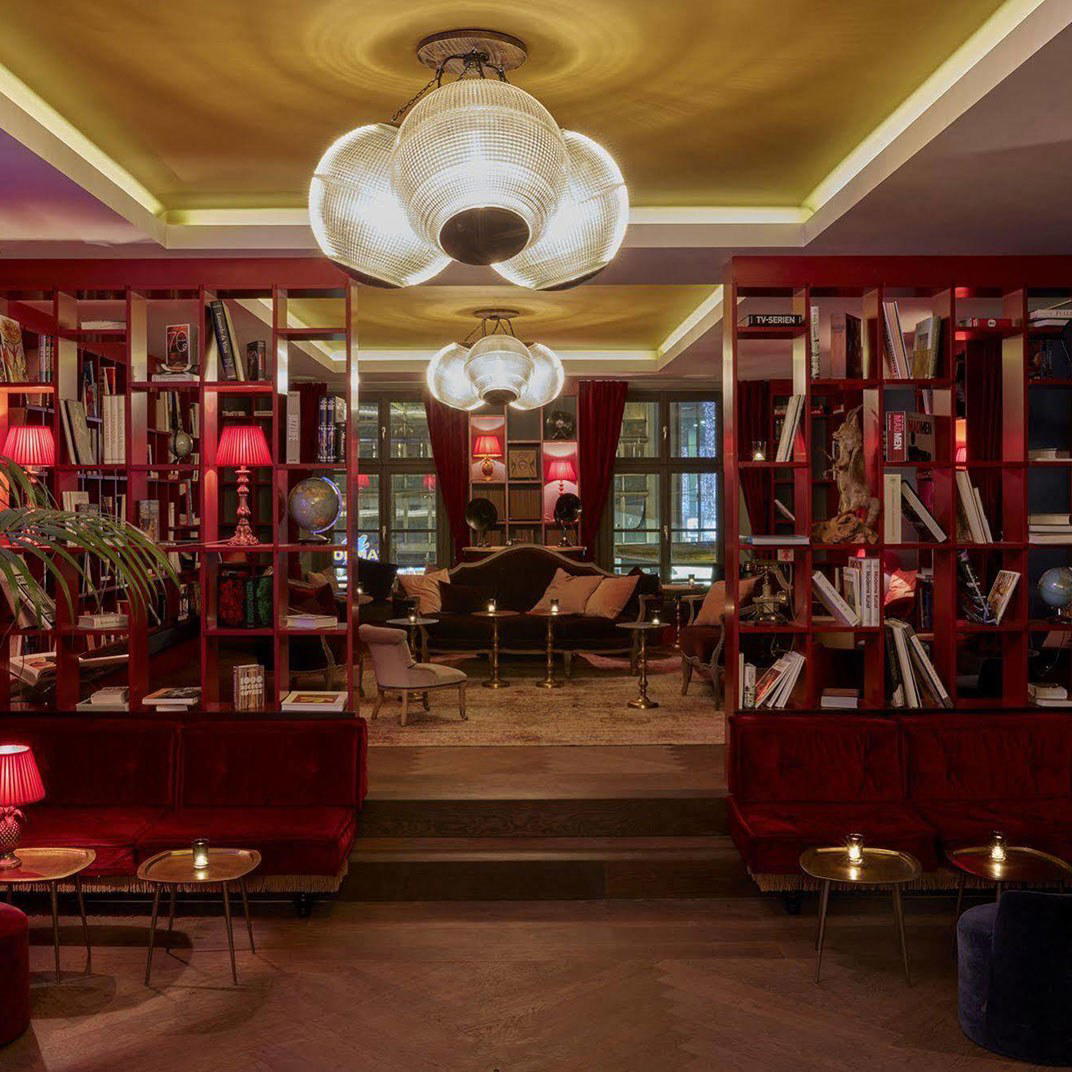
Energetic atmosphere with stylish design emphasizing joie de vivre and good taste.