The Bull's Head


Michelin Plate
Our verdict
A former drovers' inn on the Herefordshire side of the Black Mountains, The Bull's Head holds a Michelin Plate for ingredient-led cooking drawn directly from the owners' farm, meats, charcuterie, and a Sunday roast that reflects the agricultural landscape on the plate. Flagstone floors, open fires, and on-site cabins make it a destination worth the six-mile single-track approach from Hay-on-Wye.

Pearl is the En Primeur Club membership app, where members save venues, book tables and use the concierge.

The menu
What to order
- Short rib ravioli
- Roast lamb with charred cabbage
- Beef osso bucco
- Welsh rarebit croquettes
- Hogget
- Rare breed pork
- Dry-aged beef
Six Miles from Anywhere, and Worth Every One of Them
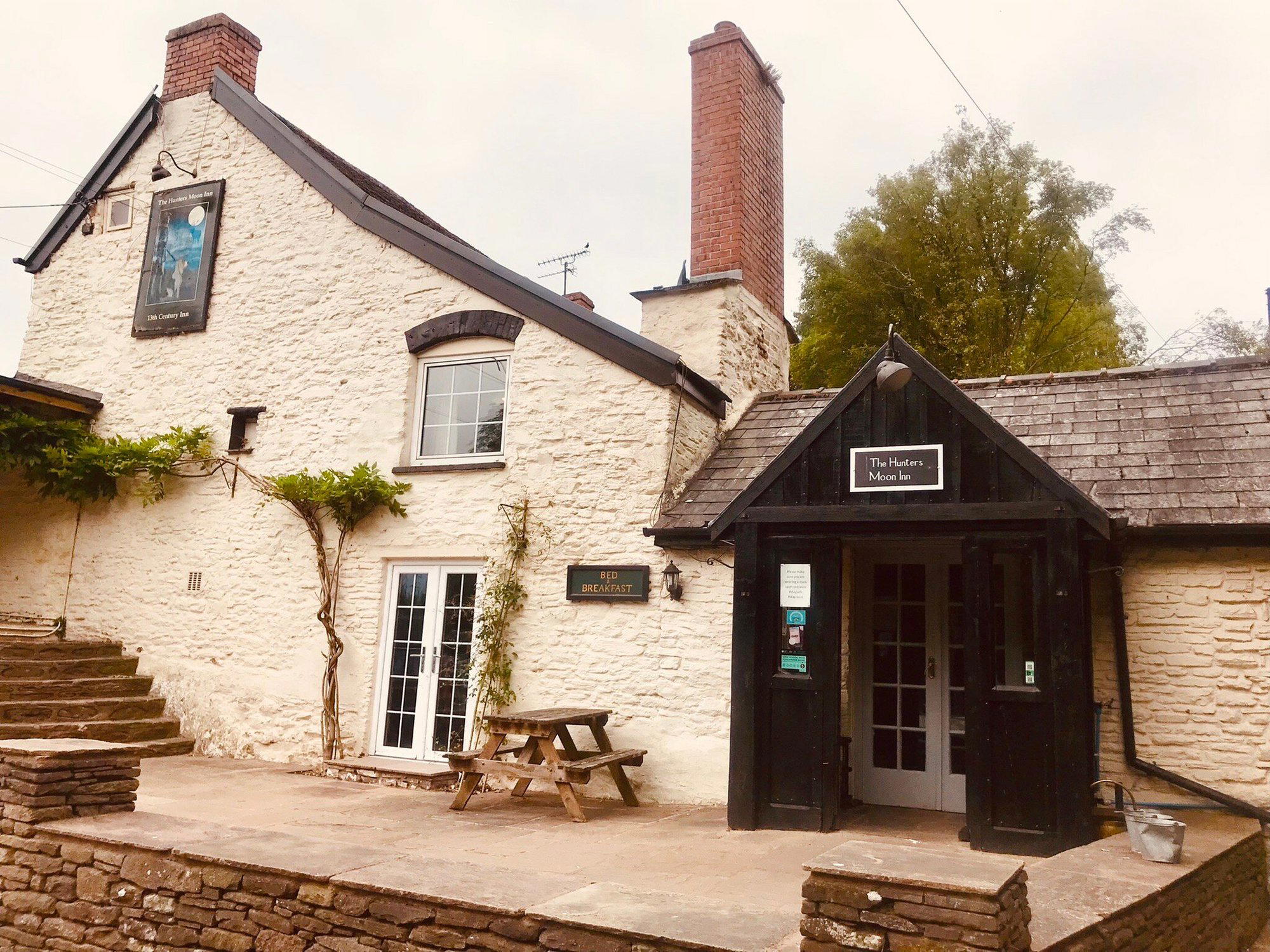
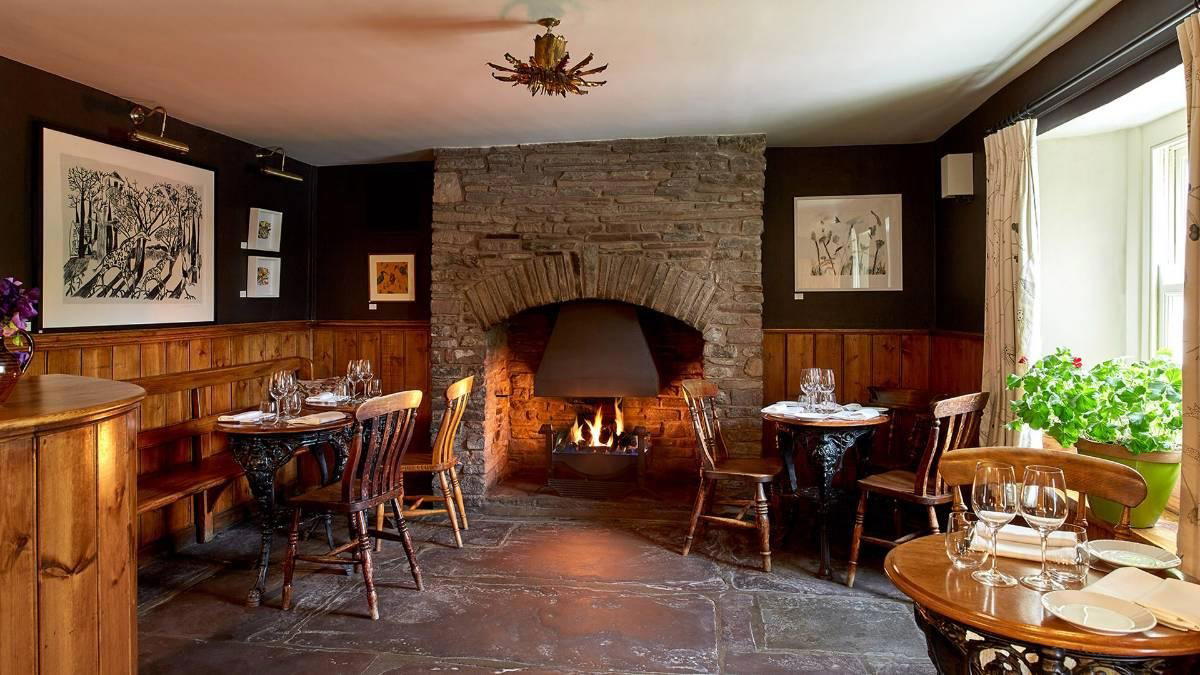
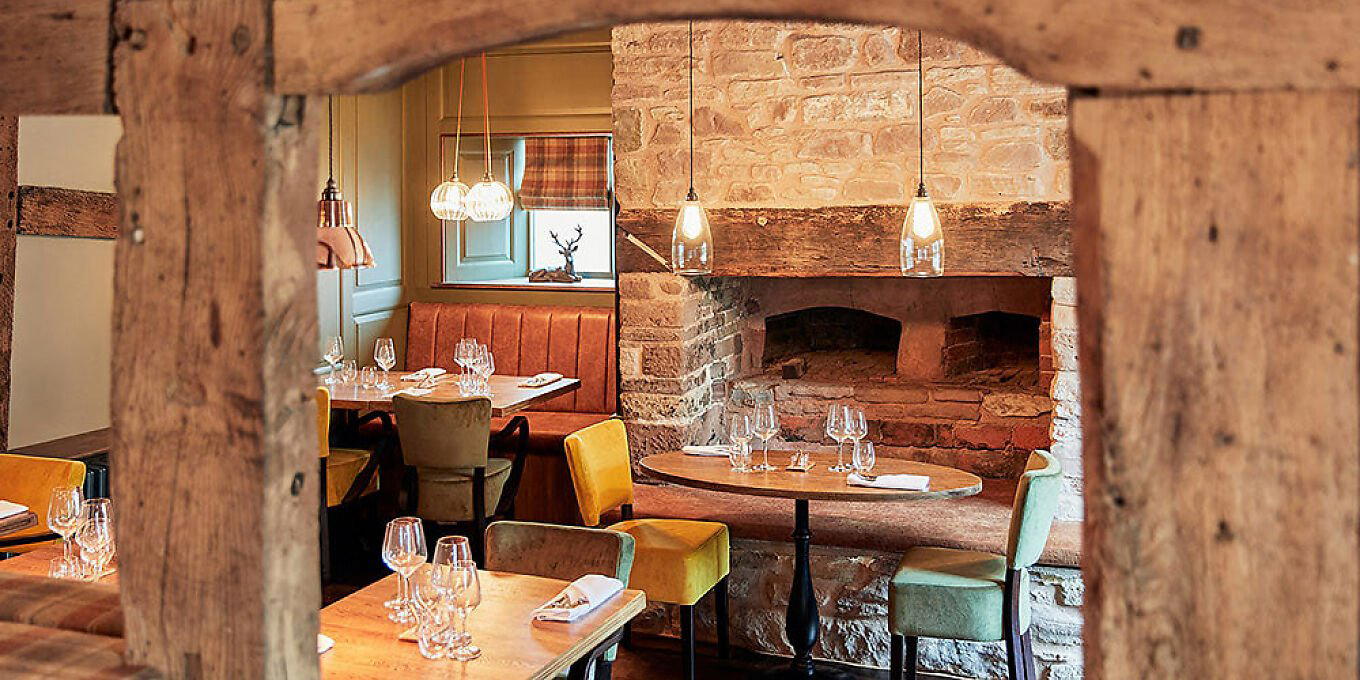
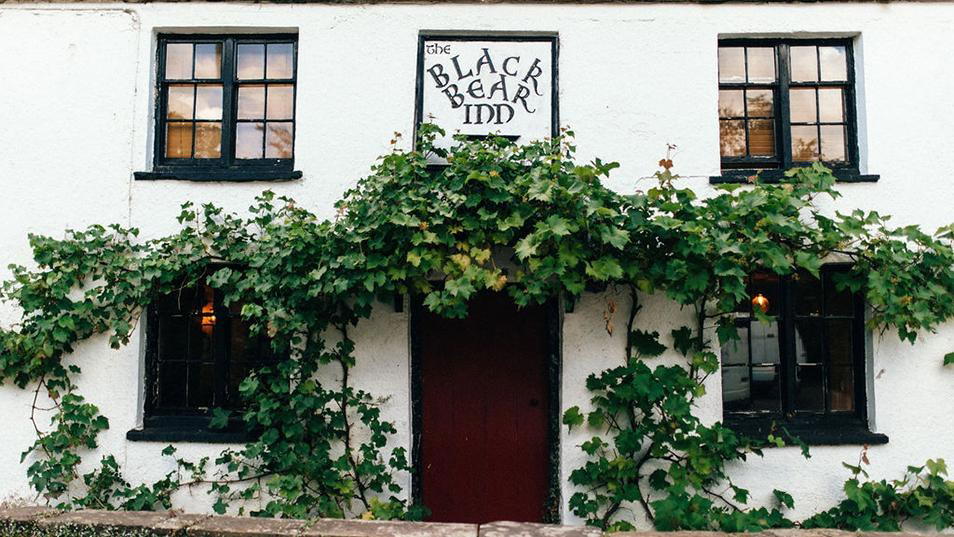
The road in from Hay-on-Wye is the first signal that The Bull's Head operates outside normal restaurant logic. A six-mile single-track lane threads through the valley between the Herefordshire border and the Black Mountains, past bracken and dry-stone walls, before arriving at a building that announces itself through smoke from a chimney rather than a sign at a roadside. Flagstone floors, slate walls, and open fires inside confirm what the approach suggested: this is a pub that has not adjusted its bones to meet contemporary expectations, and that refusal is the whole point.
In a moment when rural British dining splits between the self-consciously rustic gastropub and the destination tasting-menu room tucked into converted farmhouses, The Bull's Head occupies a more grounded register. The cooking is ingredient-led in the specific, agricultural sense of the term, not the branding sense. The owners farm the land, and the meat on the plate comes from it. That supply chain, closed, short, and geographically fixed, defines the menu more than any culinary philosophy statement could.
What the Farm Puts on the Plate
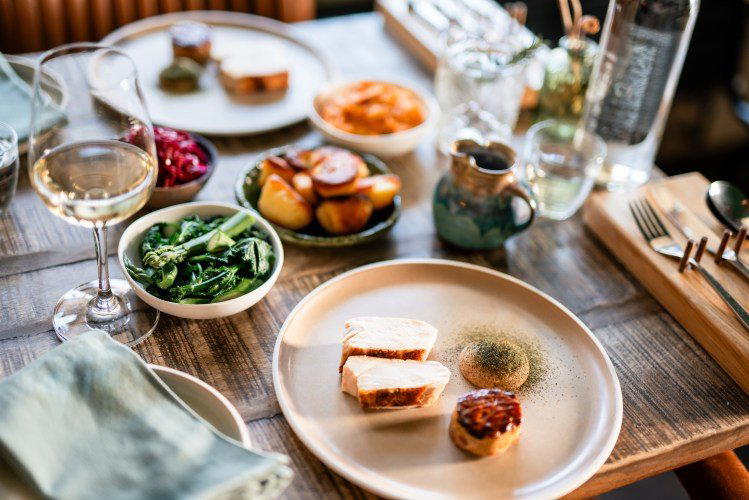
Farm-to-table rhetoric has been stretched thin across British hospitality for two decades, but the version practised here carries different weight because the owners sit at both ends of the chain. When the kitchen serves its meats, the provenance is not a sourcing relationship with a named supplier two counties away; it is the field visible through the window. Homemade charcuterie extends that logic further, applying preservation traditions that were originally a practical response to farming surplus rather than a contemporary technique signifier.
The Sunday roast, served in the traditional British format, becomes a different proposition when understood through this lens. Across the country, the Sunday roast at pub level has faced pressure from both ends: rising costs pushing operators toward cheaper proteins and par-cooked shortcuts, and aspirational gastropubs over-complicating a format whose appeal is fundamentally about restraint and quality of material. A roast built around farm-reared meat sidesteps both failure modes. The cooking is described as unfussy, which in this context is an editorial statement about what the kitchen trusts: that ingredients sourced this way do not require elaborate intervention to deliver flavour.
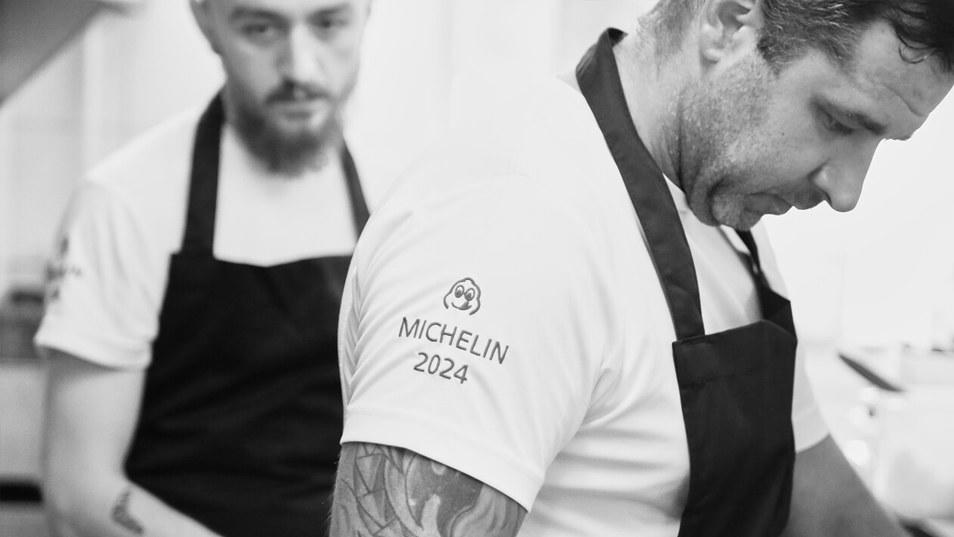
Michelin awarded The Bull's Head a Plate in both 2024 and 2025, a recognition that sits below star level but signals that the inspectorate found cooking worth noting and a meal worth seeking. The Michelin Plate, in the current British context, tends to appear on restaurants where the kitchen is doing something coherent and honest rather than technically ambitious. In a county where starred rooms tend to concentrate around Ludlow and the Welsh borders further south, a Plate at this address reflects the quality possible when sourcing is this direct. For context, the starred tier in rural England runs from rooms like L'Enclume in Cartmel and Moor Hall in Aughton through to country-house formats like Gidleigh Park in Chagford and Le Manoir aux Quat' Saisons in Great Milton. The Bull's Head belongs to a different tier and a different register, one where the kitchen's case rests on supply chain integrity rather than technical ambition or tasting-menu length.
The price point sits at ££, which in the current British pub-dining market positions it as accessible rather than occasion-only. Compared to destination rooms such as The Fat Duck in Bray or The Ledbury in London, which operate at ££££ and serve a fundamentally different audience, The Bull's Head represents the kind of value that becomes visible only when the sourcing model removes layers of supply-chain cost. It also reflects the economics of a remote location: pricing must suit the community that forms its regular base, not just the visiting trade arriving from Hay-on-Wye.
Drinks Policy as a Statement of Intent
Low-intervention wines have moved from niche category to mainstream listing across British restaurants in the past decade, but the decision to feature them here carries specific contextual weight. In a rural pub drawing a local agricultural crowd alongside visitors from the Hay literary festival circuit and walkers crossing the Black Mountains, a wine list built around low-intervention producers signals a consistent editorial position across the whole operation: materials that carry a legible origin, handled without excessive manipulation. It mirrors the kitchen's approach to meat and charcuterie. A fine selection of beers runs alongside it, which matters in a former drovers' inn where beer has a longer institutional history than wine. The two lists together reflect a drinks programme that has made deliberate choices rather than defaulting to a standard national-account pub range.
Staying Over: The Case for the Cabins
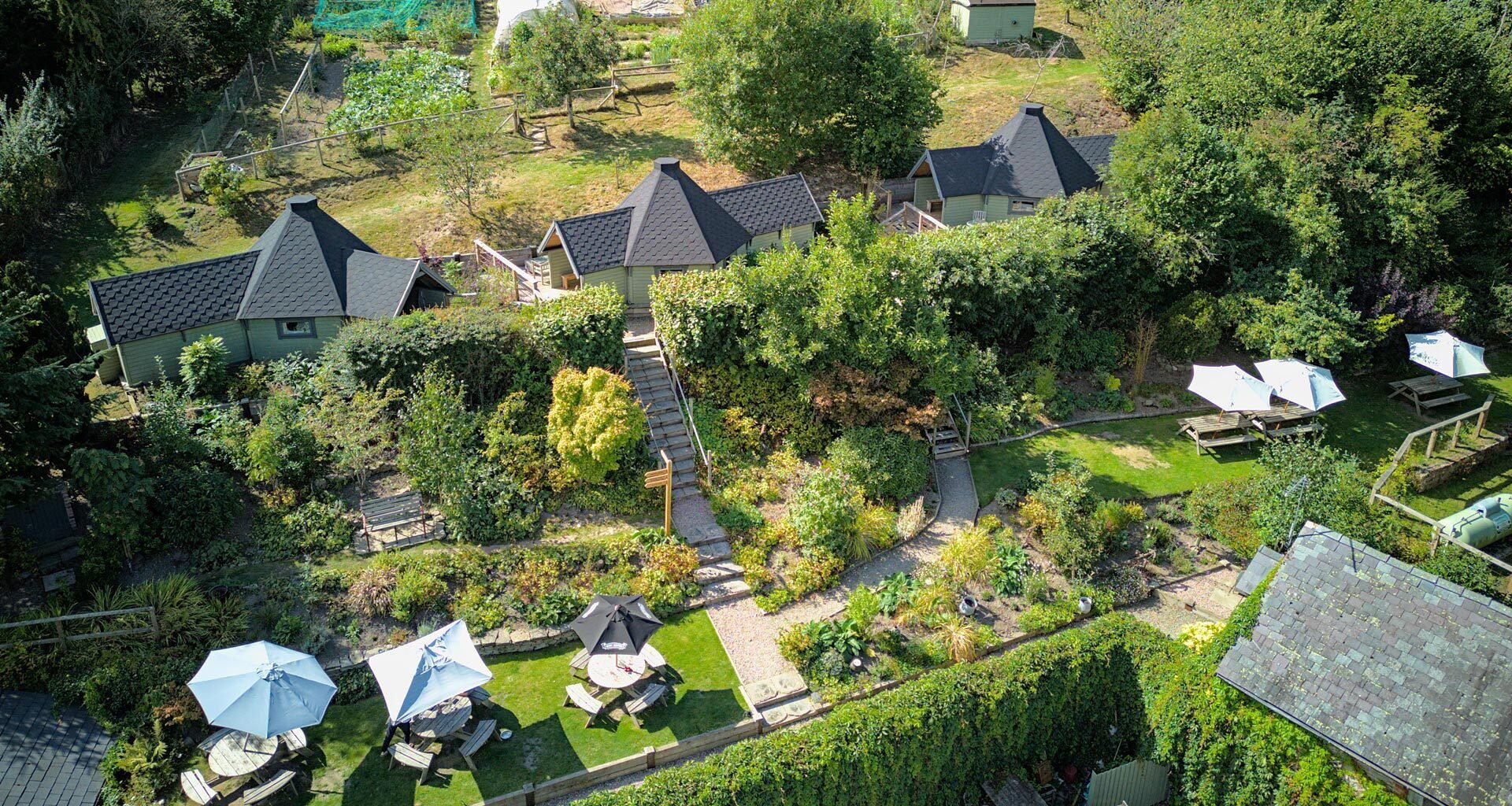
On-site cabin accommodation reshapes how The Bull's Head functions as a destination. Without it, the six-mile single-track road from Hay-on-Wye imposes a time limit on the visit and a sober driver requirement. With a cabin, the visit becomes a two-day proposition: arrival in the afternoon, an evening in the pub with the low-intervention wine list and a full dinner, a morning walk into the Black Mountains, and a return for Sunday lunch before the drive out. The Brecon Beacons and the Offa's Dyke Path are within reach on foot or by short drive. The area around Hay-on-Wye, with its concentration of second-hand bookshops and annual literary festival, gives the trip a cultural anchor beyond the pub itself. For anyone considering the stay, booking a cabin in parallel with the dinner reservation is the practical approach given the limited accommodation options in this part of the valley.
It is a signal about reliability.
Where It Sits in the Broader Picture
The rural British pub has been under structural pressure for two decades: rising costs, changing drinking habits, and the gravitational pull of urban dining have thinned the stock of serious cooking at this format. The ones that survive and maintain quality tend to do so through a clear supply-chain position, a loyal local base, and an offer that justifies the journey for visiting trade. The Bull's Head checks each of those conditions. It draws comparison less with technically ambitious rural rooms like Hand and Flowers in Marlow or urban-anchored restaurants such as Midsummer House in Cambridge and Opheem in Birmingham, and more with European rural-inn traditions where the point is sourcing and setting, not technique. Rooms operating in a similar register abroad, such as Auberge Grand'Maison in Mûr-de-Bretagne and Auga in Gijón, confirm that this model, when executed with genuine supply-chain commitment, earns international recognition at Michelin level. Closer to home, village-scale rooms like hide and fox in Saltwood show that the format can translate across different regional contexts and Restaurant Andrew Fairlie in Auchterarder demonstrates what happens when a rural Scottish setting meets serious culinary ambition, a different register entirely, but useful context for understanding where the spectrum runs.
For more on eating, drinking, and staying in this part of Herefordshire, see our full Craswall restaurants guide, our full Craswall hotels guide, our full Craswall bars guide, our full Craswall wineries guide, and our full Craswall experiences guide.
Planning Your Visit
The address is Craswall, Hereford HR2 0PN. The approach from Hay-on-Wye via the B4350 and then the single-track valley road takes around twenty minutes but requires careful navigation on first visit; map the route before leaving. Given the remote location, booking a table in advance is the logical approach, and pairing that reservation with a cabin booking removes the transport constraint entirely and opens up the full two-day version of the visit. The price range sits at ££, making it accessible across a range of occasions from a midweek lunch to a weekend stay.
Frequently asked questions
Does The Bull's Head work for a family meal?
The flagstone floors, open fires, and Sunday roast format make The Bull's Head a practical choice for families. The cooking is ingredient-led and unfussy, with meats sourced from the owners' farm, which gives it the kind of straightforward appeal that works across generations. The remote setting on a six-mile single-track road from Hay-on-Wye does require planning, particularly with young children.
What should I expect atmosphere-wise at The Bull's Head?
The interior is a former drovers' inn with slate walls, flagstone floors, and open fires, functional in origin, not designed for effect. It holds a Michelin Plate for 2024 and 2025, which signals cooking quality rather than formality; the tone is closer to a working country pub than a destination restaurant. Six miles from Hay-on-Wye down a single-track valley road, it draws a deliberate crowd rather than passing trade.
Is The Bull's Head award-winning?
The Bull's Head has received recognition including: Nestled in a lush valley bordered by the Black Mountains, this former drovers' inn is separated from Hay-on-Wye by a six-mile single-track road. It retains a homely charm, boasting flagstone floors, slate walls and open fires. Unfussy, ingr….
What do regulars order at The Bull's Head?
The Sunday roast is the most explicitly signalled dish in the venue's own description, with meats coming directly from the owners' farm. Homemade charcuterie features as a recurring element of the ingredient-led menu. Low-intervention wines and a beer selection are the drinks of choice for those who pair intentionally with the food.
A Quick Peer Check
| Venue | Cuisine | Price | Awards | Notes |
|---|---|---|---|---|
| The Bull's HeadThis venue (the venue you are viewing) | Modern British Farm-to-Table Gastropub | $50–100 | Michelin Plate | Not listed |
| The Ledbury | Modern British Fine Dining | $300–500 | 3 Michelin Stars · World's 50 Best #42 | Modern European, Modern Cuisine |
| Sketch, The Lecture Room and Library | Modern French Fine Dining | $200–300 | 3 Michelin Stars · World's 50 Best #18 | Modern French |
| CORE by Clare Smyth | Modern British Fine Dining | $150–200 | 3 Michelin Stars · World's 50 Best #97 | Modern British |
| Restaurant Gordon Ramsay | French Fine Dining | $200–300 | 3 Michelin Stars · World's 50 Best #13 | Contemporary European, French |
| Dinner by Heston Blumenthal | Modern British, Traditional British | Not listed | Michelin 2 Star | Not listed |
Recognition history
Dated appearances from independent guides and award organizations, with the underlying list record or original source where available.
Michelin Plate
Michelin
National Pub & Bar Awards Regional Pub & Bar of the Year Winner
National Pub & Bar Awards
Top 50 Gastropubs 2026 Estrella Damm Top 100 Gastropubs #59
Top 50 Gastropubs
Full recognition history (6 entries)
National Pub & Bar Awards County Pub & Bar of the Year Winner
National Pub & Bar Awards
Michelin Plate
Michelin
Michelin Plate
Michelin
Continue exploring
More in Craswall
Details
- Rustic
- Cozy
- Romantic
- Scenic
- Date Night
- Special Occasion
- Celebration
- Group Dining
- Private Dining
- Garden
- Historic Building
- Standalone
- Terrace
- Beer Program
- Farm To Table
- Local Sourcing
- Organic
- Mountain
- Garden
- A La Carte
- Small Plates
- Wine
- Craft Beer
- Cocktails
- Vegetarian Friendly
- Vegan Options
- Gluten Free Options
- Allergy Accommodating
Current opening hours
- Monday
- Closed
- Tuesday
- Closed
- Wednesday
- 3–11 PM
- Thursday
- 12–11 PM
- Friday
- 12–11 PM
- Saturday
- 12–11 PM
- Sunday
- 12–4 PM
Hours can change for holidays and private events. Hours as of .
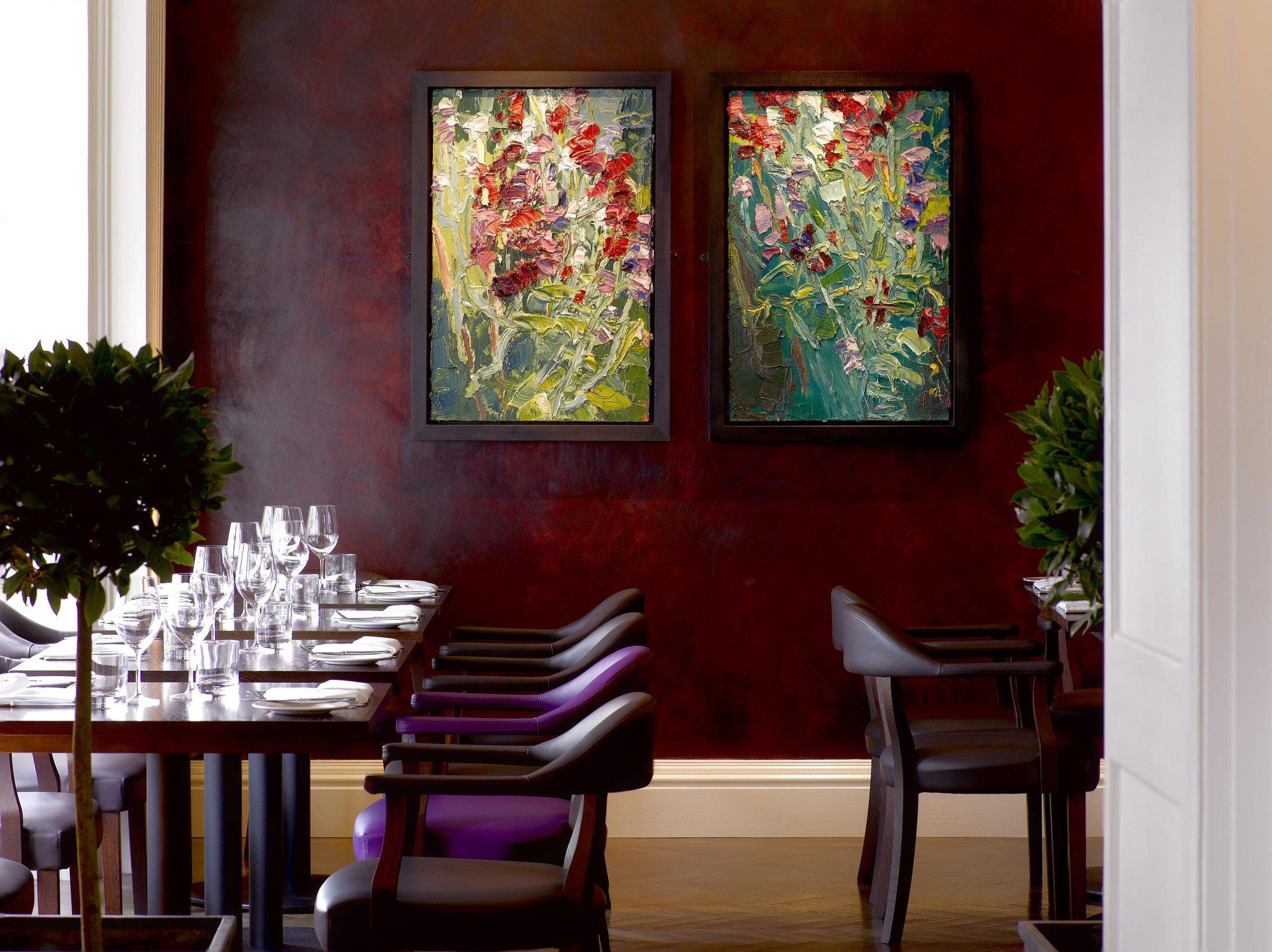
Warm and inviting with rustic charm featuring flagstone floors, slate walls, and open fires; intimate dining rooms with a homely, old-world character that feels both refined and welcoming.