Dishes

A Michelin Plate recipient on Prestatyn's High Street, Dishes brings chef Andrew Sheridan's fine-tuned approach to Welsh produce into a former cloth shop repurposed for counter dining and high-topped tables. Menai oysters, caramelised mutton belly, and a choice between à la carte sharing plates or chef's choice tasting format define the offer. For north Wales, this is a meaningful addition to the region's dining story.
Pearl is the En Primeur Club membership app — saves, bookings, and concierge access live there. Same editors, same standards.
- Address
- 194 High St, Prestatyn LL19 9BW, United Kingdom
- Phone
- +44 1745 771685
- Website
- restaurantdishes.co.uk
- Directions
- Get directions
 Saves & bookings on Pearl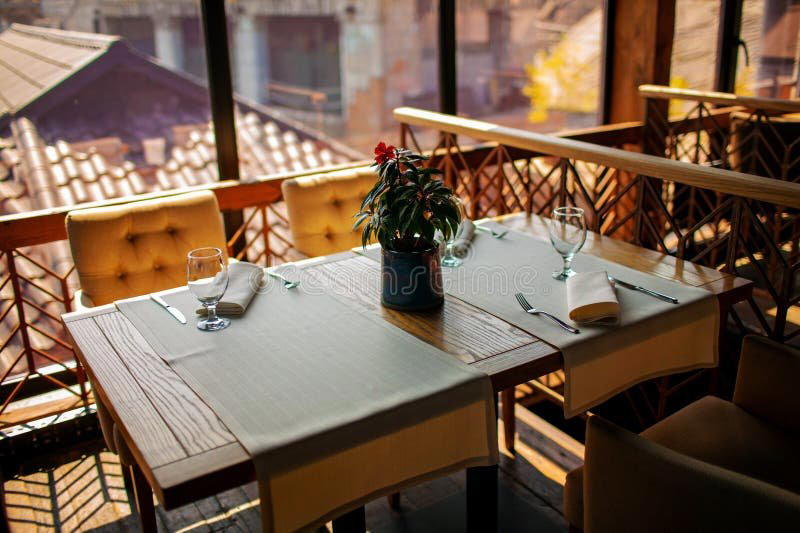
A High Street Address Doing Something Different
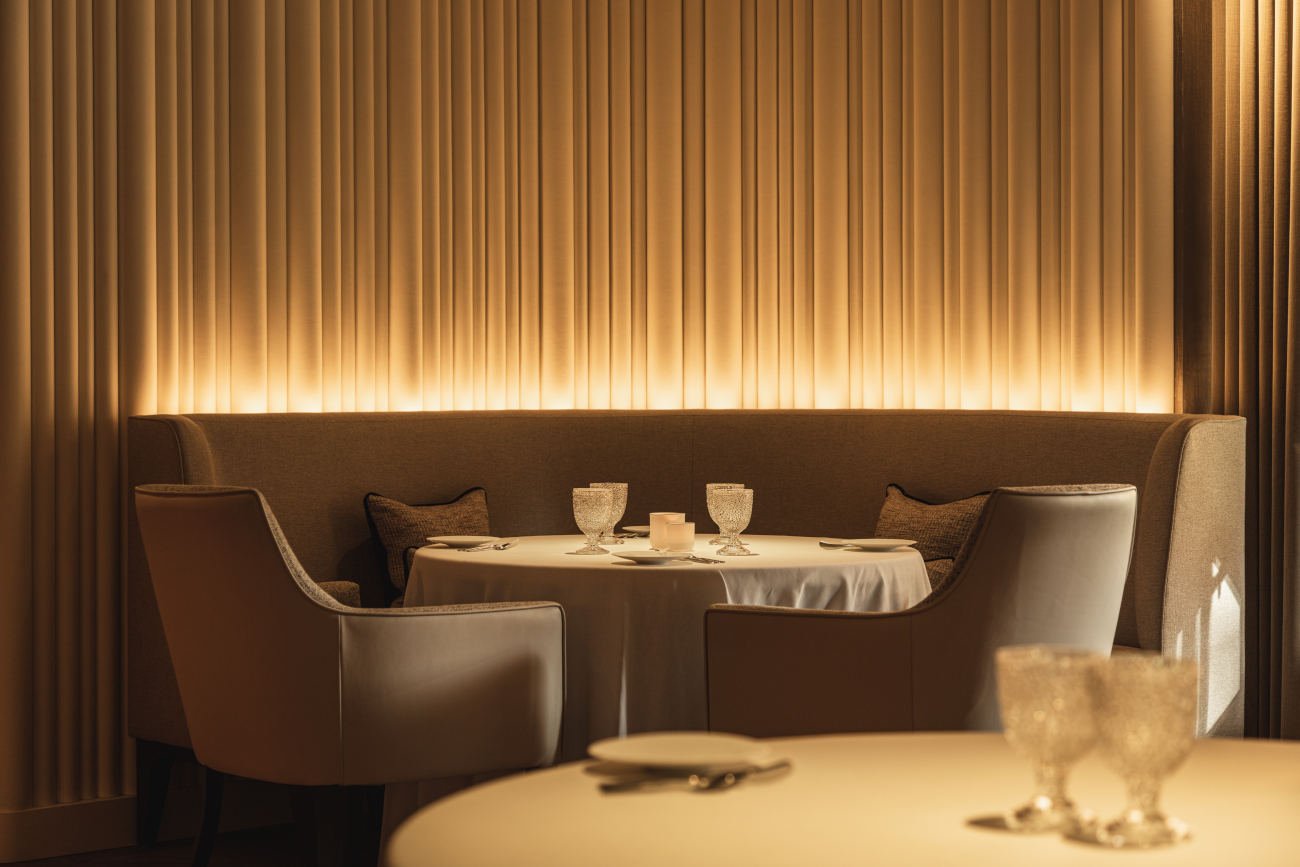
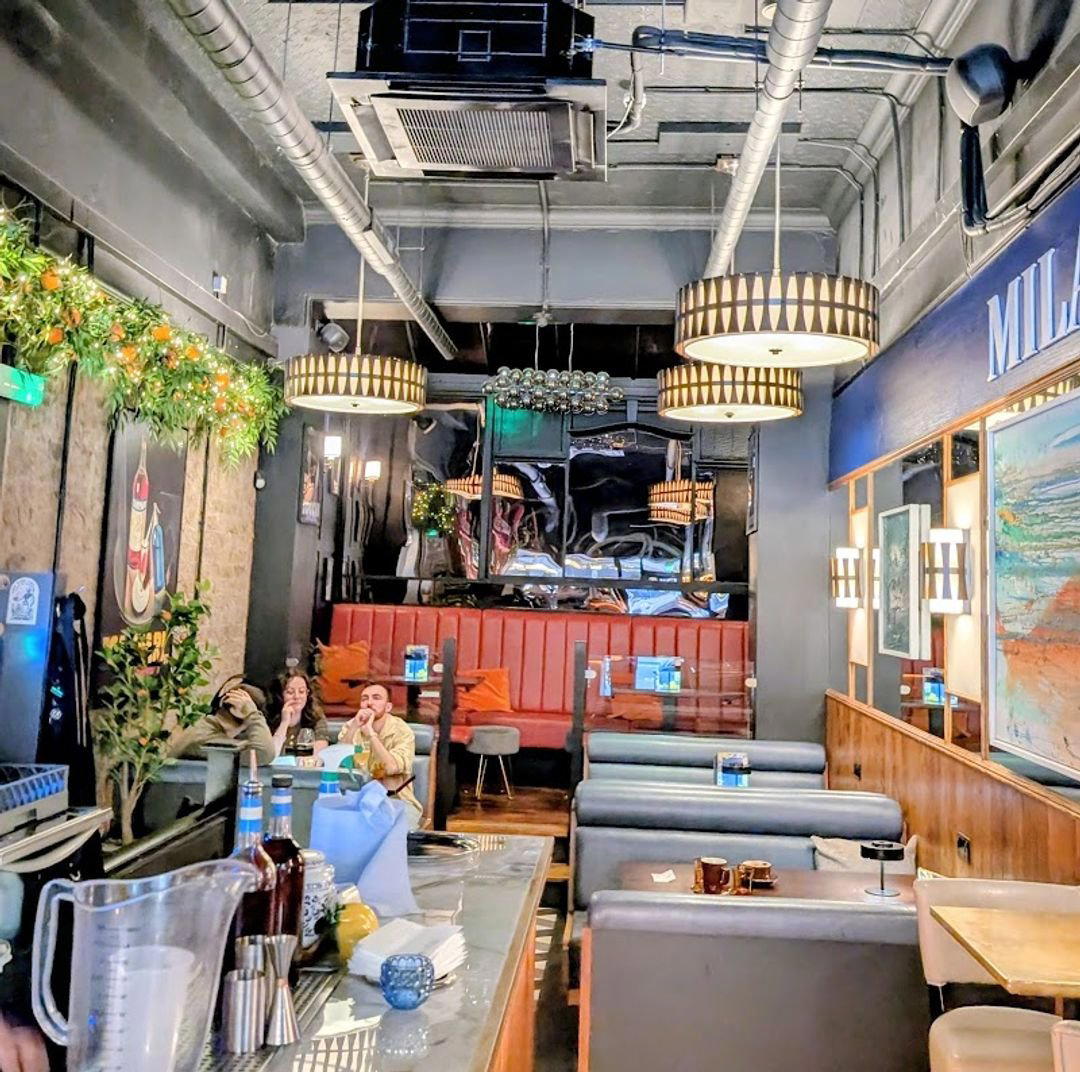
Walk along Prestatyn's High Street and the converted former cloth shop at number 194 reads differently from its neighbours. The bones of a retail unit remain, but the interior has been reworked around a counter and high-topped tables, a format borrowed less from the traditional Welsh dining room and more from the contemporary British chef's counter that has become, over the past decade, the preferred stage for produce-led cooking. In that sense, Dishes announces its intentions before you order. This is not a conservatively furnished restaurant making conservative food. It is a room designed to close the distance between kitchen and guest, and the menu backs that premise up.
That format, open counter, visible kitchen, a service team trained to talk as much as to serve, has become one of the more important structural shifts in British regional dining. Where the gastropub revolution of the late 1990s and 2000s broke down the divide between pub food and restaurant food, the counter-and-sharing-plate format of the 2010s and 2020s broke down the remaining formality that still separated fine-tuned cooking from an accessible evening out. Dishes sits squarely in that second wave. This is notable: a Michelin Plate-recognised kitchen on a north Wales high street, operating with the format language of much larger urban dining scenes.
The Welsh Produce Argument, Made Clearly
The editorial case for Welsh ingredients has been building for years, but it rarely lands with the specificity that actually convinces. Dishes is specific. Menai oysters from the Menai Strait, meaty, briny, with a flavour profile shaped by the tidal flow between Anglesey and the mainland, appear on the menu as evidence that north Wales has primary produce comparable to anything from the west of Ireland or the Scottish lochs. Caramelised mutton belly sourced from just up the road makes a parallel argument: that the grazing land of north Wales produces meat worth treating with the same attention that London kitchens apply to Herdwick lamb or Dingwall Black Pudding.
This is the stronger version of the regional produce argument. Not a vague gesture toward locality, but named ingredients from named places, cooked in a way that frames the provenance as meaningful rather than incidental. British Contemporary cuisine, when it works at this level, functions as a kind of food geography, the menu becomes a map of a specific landscape's output, and the cooking technique exists to make that map legible to the person eating. Chef Andrew Sheridan, who returned to his native north Wales to open Dishes, brings that approach to a county that has not always had a restaurant capable of making the case on its behalf. For a broader view of how British Contemporary cooking is being executed at various price points across the UK, the range runs from Dog and Gun Inn, British Contemporary in Skelton through to Jaan by Kirk Westaway, British Contemporary in Singapore at the formal end of the spectrum.
Format and Menu Logic
The structure at Dishes is direct in principle and thoughtful in execution. Sharing plates from the à la carte allow a table to build their own progression, choosing depth over breadth or vice versa depending on appetite and preference. The alternative is the chef's choice format, a sequence decided by the kitchen, which removes decision fatigue and places trust in the team's read of what is working that evening. Both formats coexist in the same relaxed room, which means the experience can calibrate itself to the occasion without requiring two different booking types or two separate menus.
This dual-track approach has become more common in British regional restaurants that are trying to serve both the curious first-timer and the returning regular. The chef's choice format rewards the latter: regular guests who have already worked through the à la carte find a different entry point, and the kitchen gains the flexibility to build sequences around whatever produce has arrived that week rather than committing to a fixed tasting menu months in advance. At the £££ price point, this flexibility matters. The venue sits below the £££££ commitment level of places like CORE by Clare Smyth in London or L'Enclume in Cartmel, and it operates at a different register of formality than Moor Hall in Aughton or Gidleigh Park in Chagford. The comparable set is closer to accessible regional restaurants doing serious cooking without the ceremony, places like hide and fox in Saltwood or Hand and Flowers in Marlow, both of which hold Michelin recognition while maintaining an atmosphere designed for enjoyment rather than occasion management.
Michelin Recognition and What It Signals Here
The Michelin Plate, awarded in both 2024 and 2025, signals that food quality at this address is worth attention. It sits below a star in the hierarchy, but its consistency across two consecutive years carries its own weight: the kitchen is not a one-season story. In the context of north Wales, this level of sustained recognition places Dishes in a small peer group of restaurants that have earned national attention despite operating far from the major urban dining circuits.
Michelin's regional reach has been a driver of exactly this kind of restaurant. Dishes fits that pattern precisely. For comparison, the Michelin-starred end of British Contemporary cooking, Restaurant Andrew Fairlie in Auchterarder, Opheem in Birmingham, Midsummer House in Cambridge, Le Manoir aux Quat' Saisons, a Belmond Hotel in Great Milton, operates at a different price tier and a different formality level, which only underlines what Dishes is doing at its end of the market.
Planning a Visit
Dishes is located at 194 High Street, Prestatyn LL19 9BW, in a former cloth shop that places it within walking distance of the town centre. The £££ pricing positions an evening here above a casual bistro spend but well within the range of a considered regional dining occasion. Reservations are advisable given the counter and high-leading format limits covers, and the Michelin recognition across two consecutive years means demand will outpace walk-in availability on weekends.
In Context: Similar Options
Comparable venues nearby, for context on price, style, and recognition.
| Venue | Cuisine | Price | Awards | Notes |
|---|---|---|---|---|
| DishesThis venue — the venue you are viewing | Modern British Small Plates | $$$ | Michelin Plate | Not listed |
| The Gaff | Modern British Small Plates | $$$ | Michelin Plate | town center |
| Cartford Inn | British Gastropub with French Influences | $$$ | Michelin Plate | Little Eccleston |
| Docket Restaurant | Modern British Tasting Menu | $$$ | Michelin Plate | Whitchurch |
| Lan y Môr | Modern British Gastropub | $$$ | Michelin Plate | Coppet Hall Beach |
| Afon | Modern British Fine Dining | $$$ | Michelin Plate | Penmaenpool |
Recognition history
Dated appearances from independent guides and award organizations, with the underlying list record or original source where available.
Michelin Plate
Michelin
Michelin Plate
Michelin
Michelin Plate
Michelin
Continue exploring
More in Prestatyn
Restaurants in Prestatyn
Browse all →
Bars in Prestatyn
Browse all →
At a Glance
- Intimate
- Modern
- Cozy
- Elegant
- Date Night
- Special Occasion
- Group Dining
- Open Kitchen
- Extensive Wine List
- Local Sourcing
Current opening hours
- Monday
- Closed
- Tuesday
- Closed
- Wednesday
- 5–11 PM
- Thursday
- 5–11 PM
- Friday
- 5–11 PM
- Saturday
- 12–3 PM, 5–11 PM
- Sunday
- 12–5 PM
Hours can change for holidays and private events. Last verified .
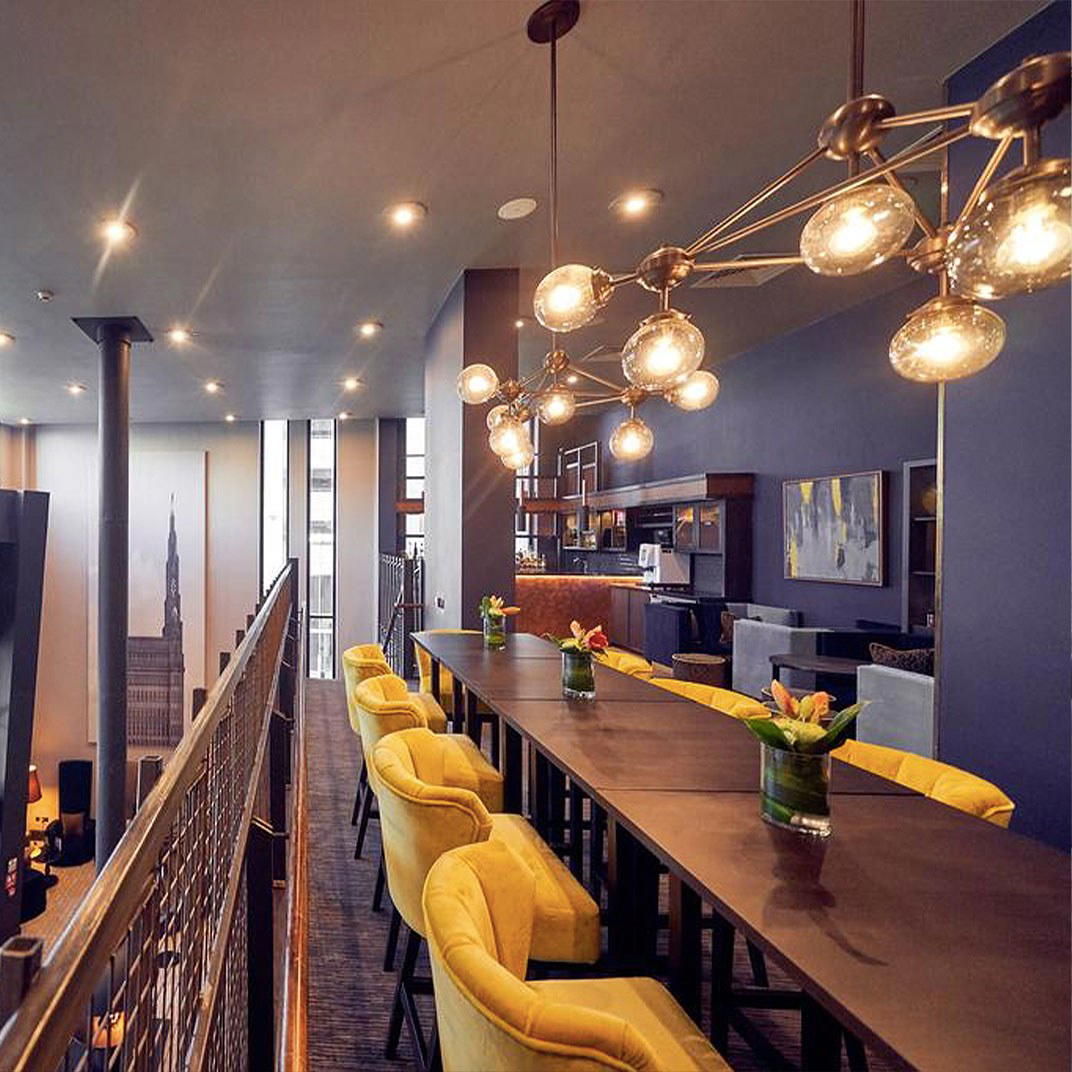
Relaxed and upbeat atmosphere in a stylish, intimate space with high-top tables and counter seating overlooking chefs at work.