Brickery
Located on Ukiah Street in one of California's most supply-rich coastal stretches, the restaurant draws its identity from the North Coast's agricultural and fishing traditions. For a small-town dining room operating in the shadow of the Mendocino coast, that provenance carries real weight.
Pearl is the En Primeur Club membership app — saves, bookings, and concierge access live there. Same editors, same standards.
- Address
- 961 Ukiah St, Mendocino, CA 95460
- Phone
- (707) 937-5614
- Website
- cafebeaujolais.com
- Directions
- Get directions
 Saves & bookings on Pearl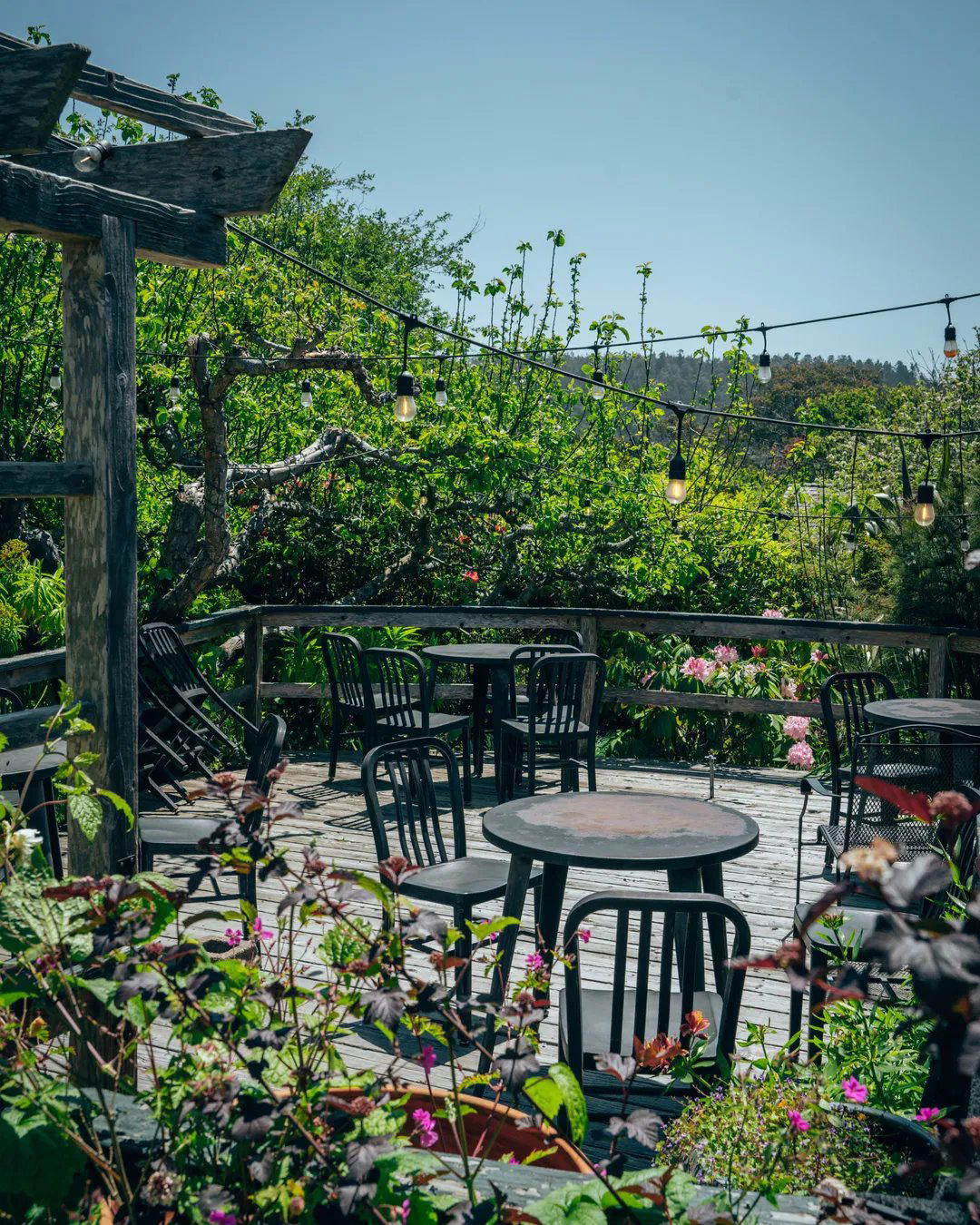
Where Mendocino's Supply Chain Becomes the Menu
The North Coast of California sits at an unusual intersection: close enough to the Pacific for serious fishing access, backed by Anderson Valley wine country, and threaded through with small farms that supply some of the state's more ingredient-focused kitchens. Dining in Mendocino has historically operated at a quieter register than the Napa-Sonoma corridor to the south, where destination restaurants like Single Thread Farm in Healdsburg and The French Laundry in Napa attract international attention and price accordingly. Mendocino's better restaurants tend to work within a different logic: proximity to raw material, smaller rooms, and menus shaped by what the coast and the inland valleys are actually producing.
Brickery, a restaurant serving wood-fired pizza at 961 Ukiah Street in Mendocino, sits inside that tradition. That distinction matters in a town where the dining options range from tourist-facing seafood counters to genuinely serious kitchens.
The Sourcing Logic of the Mendocino Coast
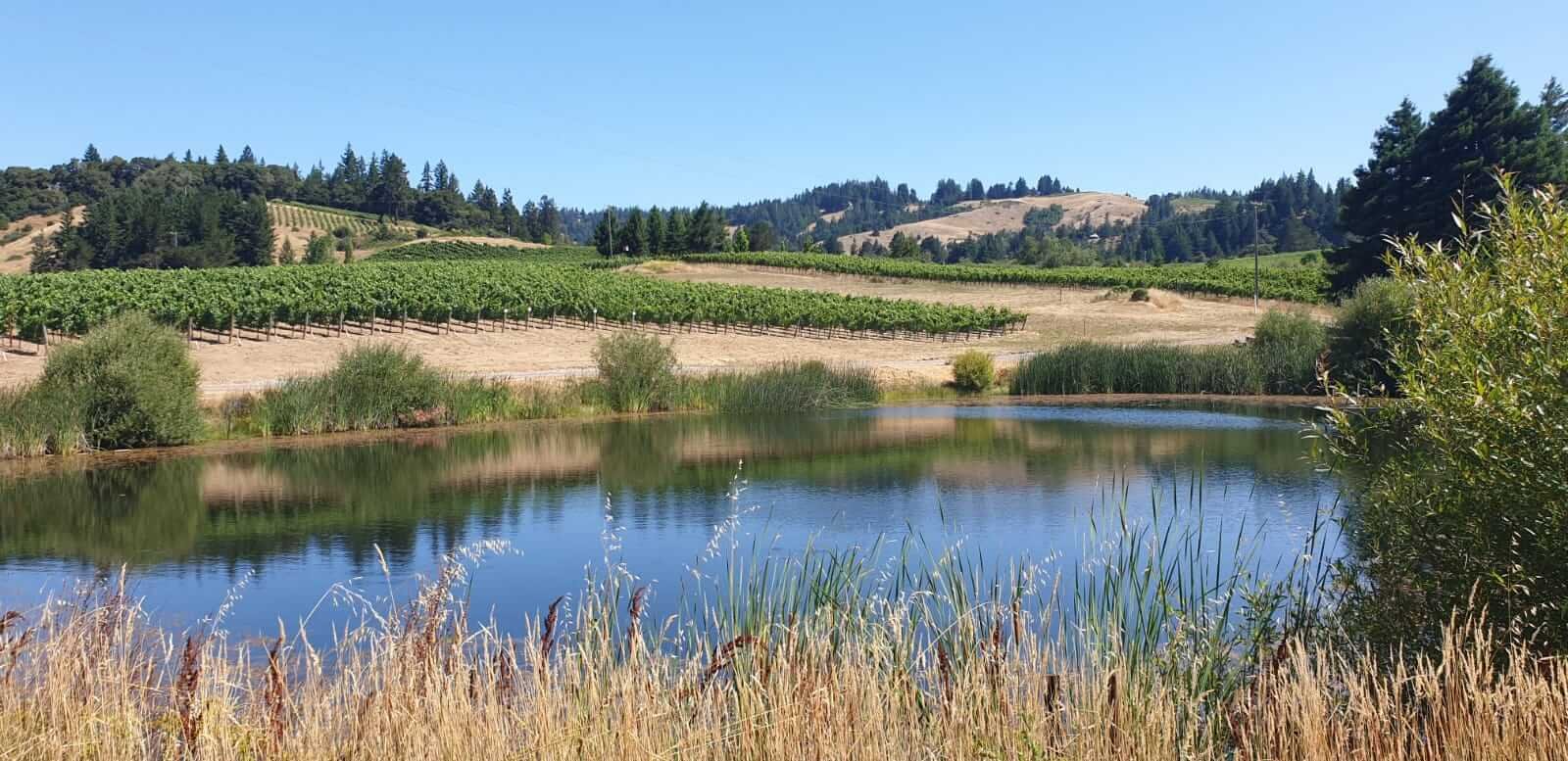
Ingredient sourcing on the Mendocino coast follows geography in ways that differ sharply from urban restaurant supply chains. The Pacific here runs cold and productive: Dungeness crab, sea urchin, black cod, and wild salmon move through local fishing operations on a seasonal cycle that a kitchen paying attention can build a calendar around. Inland, the Anderson Valley and the broader Mendocino County agricultural belt produce stone fruit, heritage grains, and livestock under conditions that have attracted farm-to-table interest for decades, long before that phrase became shorthand for aspirational menu language.
Restaurants that take this supply chain seriously operate differently from those importing premium product from afar. Menus shift more frequently, portion compositions change with the season, and the kitchen's relationship with suppliers becomes legible on the plate in ways that matter to a reader who has eaten at sourcing-driven operations like Blue Hill at Stone Barns in Tarrytown, where the farm-to-table premise is built into the property itself. At Brickery, the same geographic advantage is available without the institutional scale: what the North Coast produces in a given week is, in principle, what a small Mendocino kitchen can put on the table that week.
Atmosphere and the Physical Experience
Mendocino's architectural character is Victorian and compact, a legacy of the town's nineteenth-century timber economy, and the dining rooms that inhabit these buildings tend toward the intimate. Ukiah Street runs through the commercial heart of the village, a short walk from the headlands that drop to the Pacific. Approaching a restaurant on this street, you encounter the particular quiet of a coastal town that has not been scaled for mass tourism: no valet queues, no marquee signage, a pace that differs from the urban dining theatre found at technically comparable rooms in San Francisco or Los Angeles.
Mendocino registers as a different setting entirely. The signal-to-noise ratio favours the food and the room. That is a deliberate feature of coastal California dining at this scale, not a limitation.
The comparable set and What the Award Implies
The town draws visitors from the San Francisco Bay Area and from travellers combining a coastal stop with wine country visits to the Anderson Valley. Reservation availability tightens accordingly between June and September.
Within the broader Northern California dining picture, Mendocino's recommended restaurants operate in a different competitive set from the Michelin-tracked rooms of the Bay Area and Napa. The price-to-experience ratio at this latitude reflects local economics rather than prestige positioning: the kitchen is not competing on the same terms as Providence in Los Angeles or Addison in San Diego, and is not trying to. The comparison set is the small group of ingredient-led, editorially recognised rooms operating in towns of comparable scale along the California coast.
Nationally, the sourcing-first approach that defines this tier finds its most discussed expression at venues like Le Bernardin in New York City, where the supply chain for seafood is treated as primary subject matter, or at Emeril's in New Orleans, where regional product identity underpins the menu philosophy. At Brickery, the same logic applies at a fraction of the institutional scale, in a setting where the Pacific fishing docks are less than a mile from the kitchen door.
Planning Your Visit
Brickery is located at 961 Ukiah Street in the village of Mendocino, roughly three and a half hours north of San Francisco by car via Highway 1 or US-101 to Highway 128. Mendocino does not have a commercial airport; access is by private vehicle or rental car from the Bay Area.
For context on how ingredient-led Korean fine dining operates at urban scale, Atomix in New York City and Albi in Washington, D.C. offer instructive comparisons. 8 1/2 Otto e Mezzo Bombana in Hong Kong and The Inn at Little Washington round out the global context for what editorial recognition in a small-town or destination-market setting can signal about a kitchen's overall seriousness.
A Quick Peer Check
Comparable venues nearby, for context on price, style, and recognition.
| Venue | Cuisine | Price | Notes |
|---|---|---|---|
| BrickeryThis venue — the venue you are viewing | Wood-Fired Pizza | $$ | Not listed |
| Hen House | Southern Soul Food - Chicken and Waffles | $$ | Jack London District |
| Genny's BBQ | Southern BBQ | $$ | East Oakland |
| Box & Bells | Modern Comfort Food | $$ | Rockridge |
| Cafe Maritime | Farm-to-Table Seafood Cafe | $$ | Elk |
| B-Side BBQ | Oakland-Style Barbecue | $$ | West Oakland |
Continue exploring
More in Mendocino
Restaurants in Mendocino
Browse all →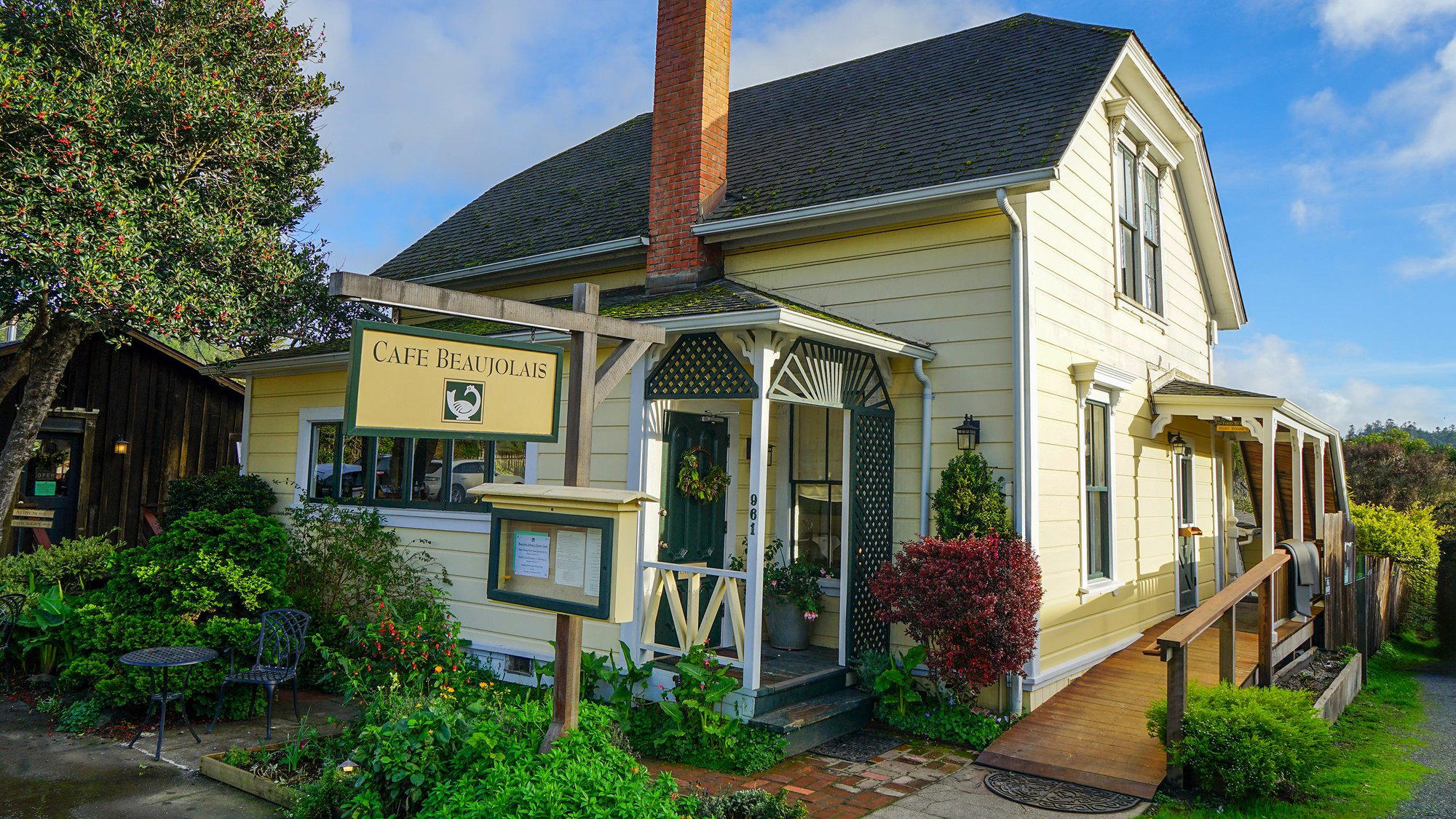
Hotels in Mendocino
Browse all →
At a Glance
- Cozy
- Rustic
- Scenic
- Casual Hangout
- Family
- Brunch
- Garden
- Open Kitchen
- Beer Program
- Local Sourcing
- Garden
Current opening hours
- Monday
- Closed
- Tuesday
- Closed
- Wednesday
- 11:30 AM–5 PM
- Thursday
- 11:30 AM–5 PM
- Friday
- 11:30 AM–5 PM
- Saturday
- 11:30 AM–5 PM
- Sunday
- 11:30 AM–5 PM
Hours can change for holidays and private events. Last verified .
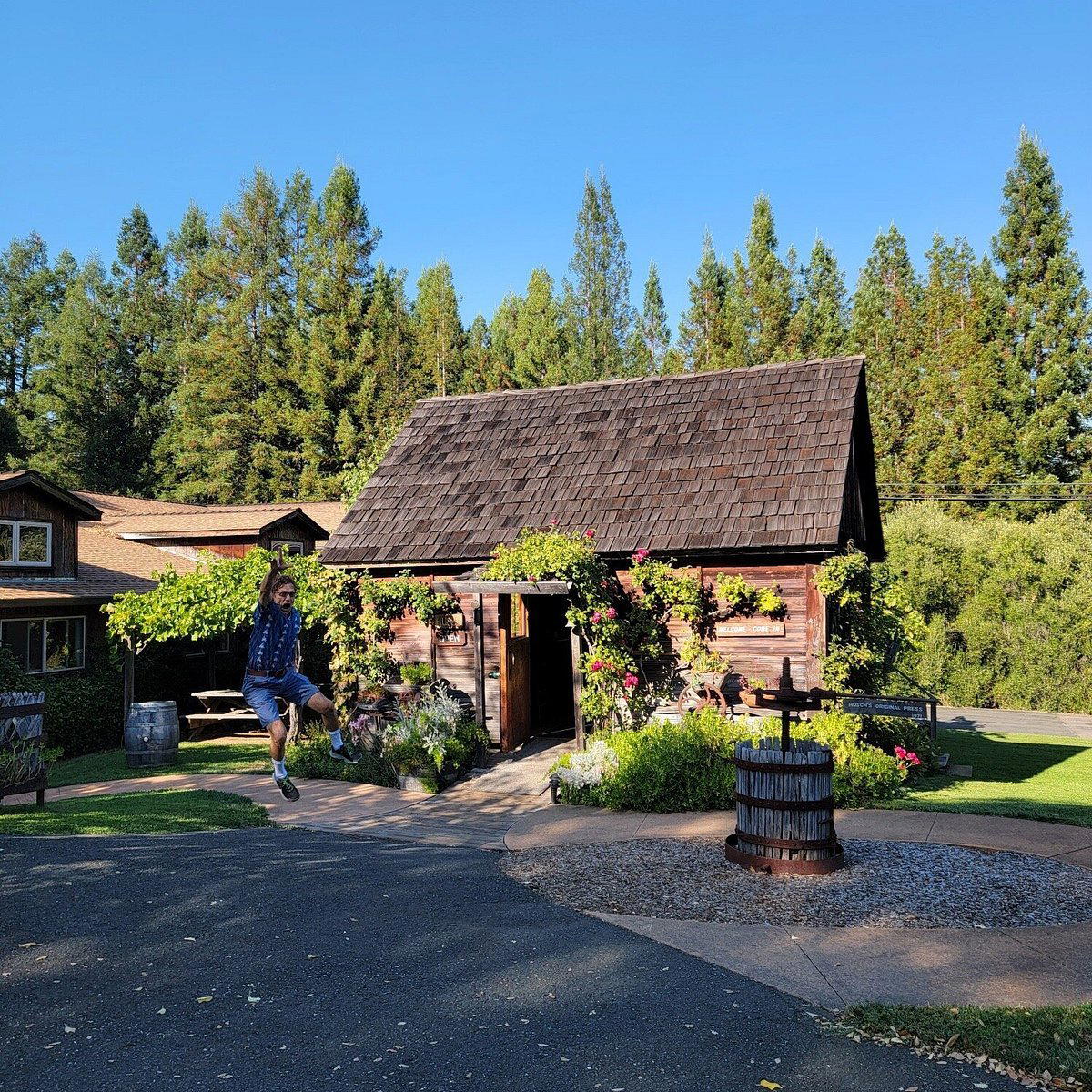
Lovely outdoor garden setting with lush plants, succulents, artistic picnic tables, and a relaxed, cheerful atmosphere.