Gus's BBQ
A long-standing fixture in Pasadena's casual dining scene, Gus's BBQ trades in the kind of American barbecue tradition that rewards regulars and first-timers alike. Smoke, charred edges, and no-nonsense plating define the register here, this is a neighbourhood spot that earns its following through consistency rather than spectacle, in a city better known for white-tablecloth ambition than pit-smoked patience.

Pearl is the En Primeur Club membership app — saves, bookings, and concierge access live there. Same editors, same standards.
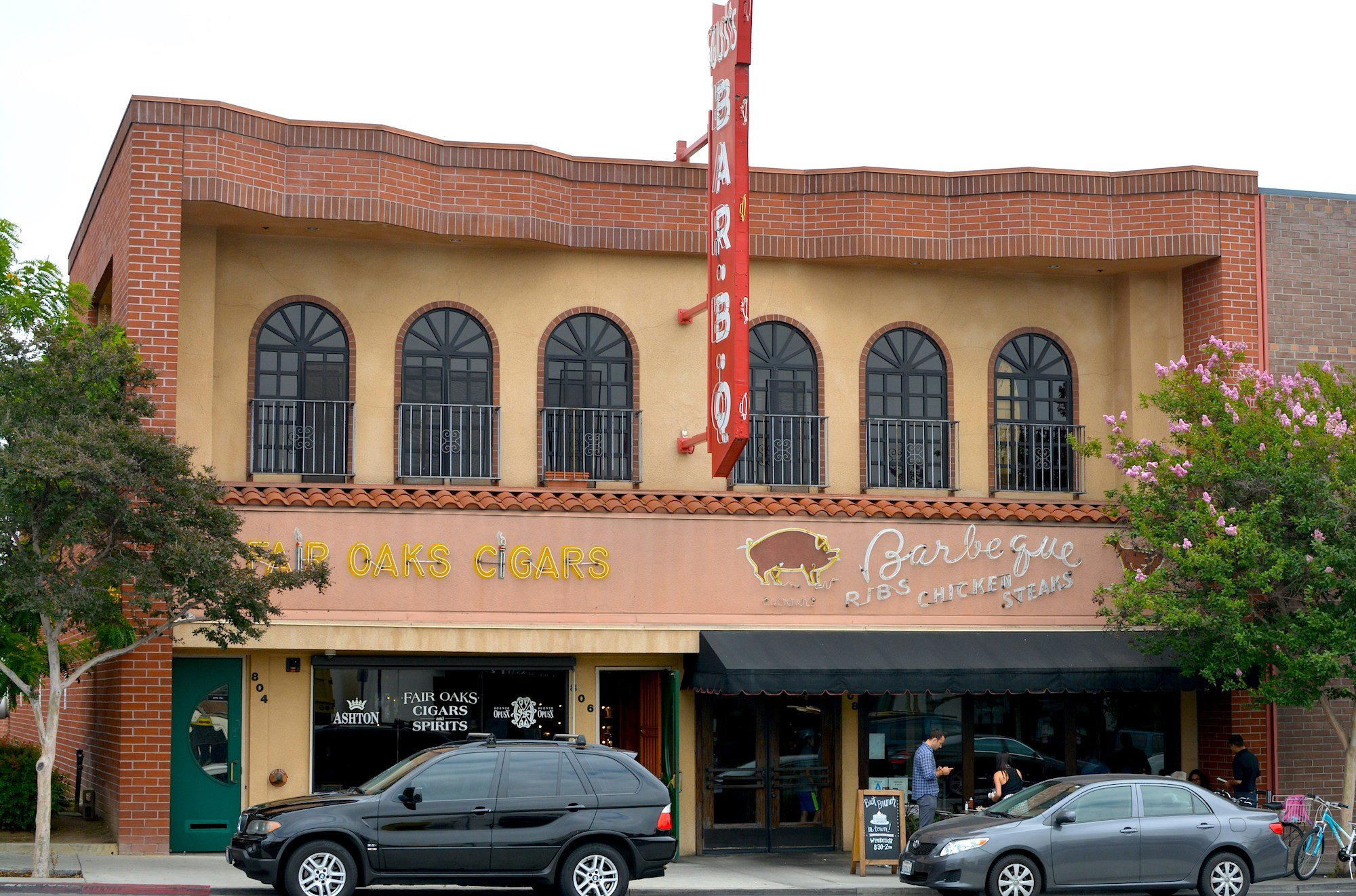
Where Smoke Meets Southern California
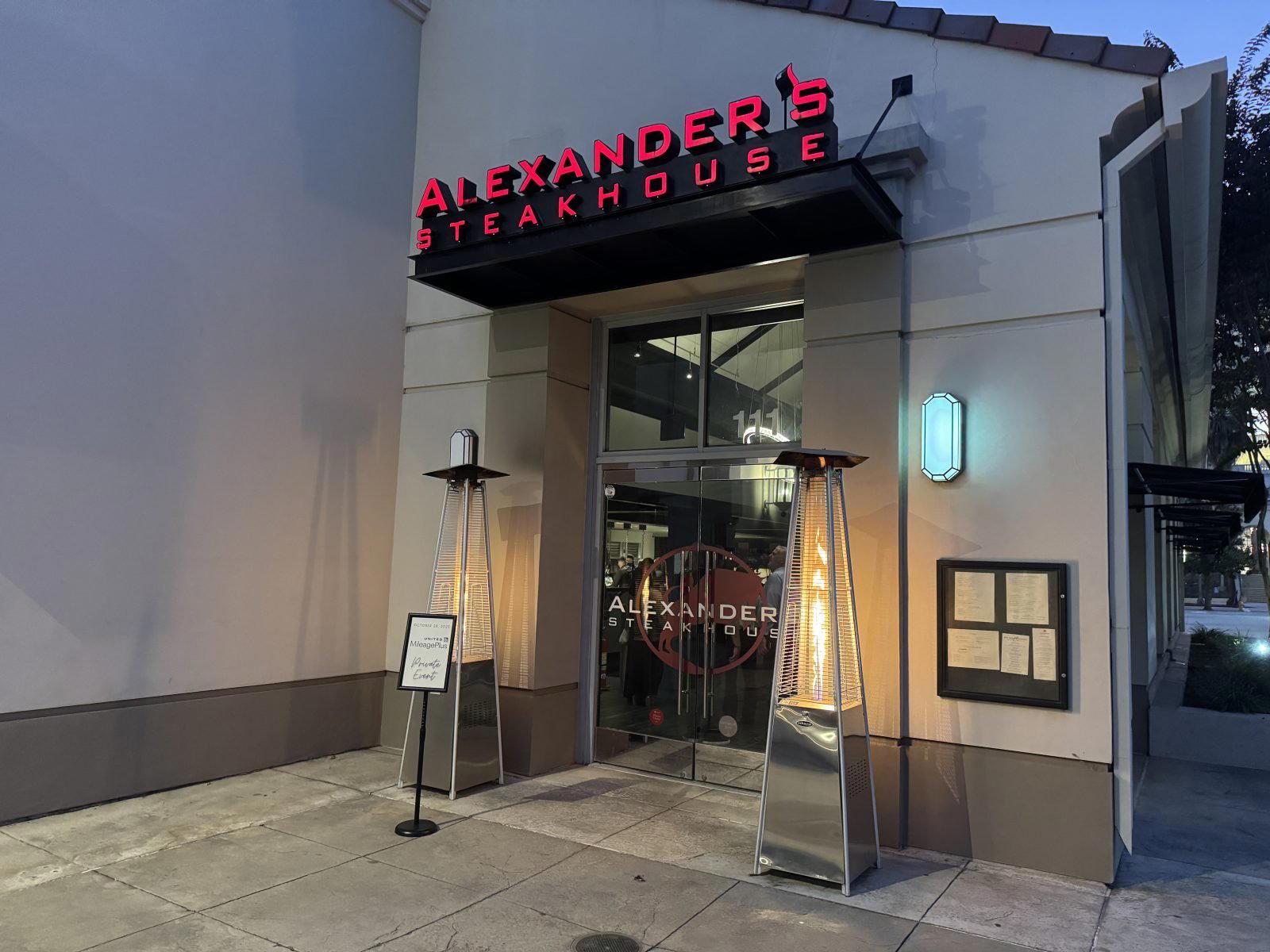
Gus's BBQ is a casual restaurant in Pasadena with Southern Pit BBQ and an estimated price of about $25 per person. Pasadena's dining character has always been pulled in two directions: the white-tablecloth ambition of its Old Town corridors, where Alexander's Steakhouse and Arbour compete in a premium register, and the neighbourhood-rooted spots that keep working Pasadenans fed without ceremony. Gus's BBQ belongs firmly in the second category, and in a city where the barbecue tradition is neither native nor deeply rooted, that position carries its own significance.
American barbecue, in its serious forms, is one of the country's most regionally argued cuisines. Texas brisket culture runs on post-oak smoke and a strict no-sauce orthodoxy. Kansas City pitmen layer sweet, tomato-heavy glazes over low-and-slow ribs. The Carolinas split between mustard-based and vinegar-forward sauces with the kind of conviction usually reserved for political allegiances. When barbecue migrates to Southern California, it tends to shed regional purity in favour of crowd-pleasing synthesis, and Gus's, sitting in Pasadena's accessible-casual tier, operates within that synthesis tradition rather than against it.
The Cultural Weight of the Pit
Understanding why a BBQ spot in suburban Los Angeles County merits serious attention requires stepping back from the menu and looking at what barbecue actually represents in American food culture. It is, at its core, a tradition of transformation: turning tough, inexpensive cuts into something tender and complex through time, smoke, and skill. The pit is the great equaliser of American cooking. It demands patience over technique, consistency over creativity. A pitmaster who can hold a steady 225°F for twelve hours has learned something no culinary school teaches.
That cultural weight is what separates the serious BBQ spots from the impostors. Across the broader Los Angeles region, the high-end dining conversation is dominated by restaurants operating at a different register: Providence in Los Angeles runs a seafood-focused tasting menu that earns Michelin stars; places like Lazy Bear in San Francisco or Alinea in Chicago push dining into performance-art territory. Gus's makes no claim on that conversation, and it doesn't need to. Its reference points are the neighbourhood regulars who want smoke-ringed meat and a cold drink, not a narrated amuse-bouche.
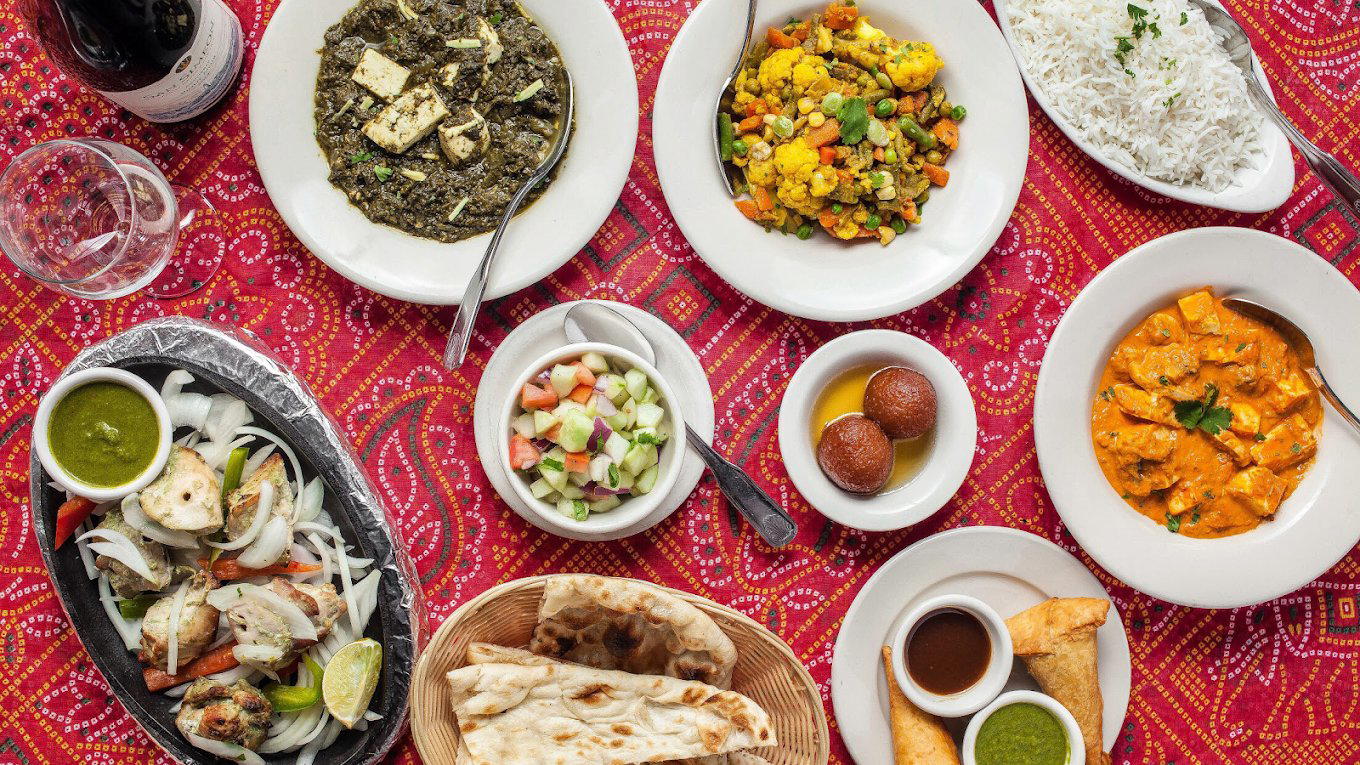
That positioning matters in Pasadena specifically because the city's dining scene has grown increasingly stratified. All India Cafe holds down the accessible-ethnic end of the spectrum. Amara Cafe & Restaurant and 36 W Colorado Blvd occupy mid-range casual territory. Gus's BBQ slots into a working-casual register that the city's more celebrated dining addresses don't touch, and that gap is precisely what sustains it.
What the Room Communicates
Barbecue restaurants communicate their seriousness through the room before any food arrives. The smell arrives first: wood smoke embedded in walls and upholstery, the kind that doesn't fully scrub out and that serious pitmasters consider a mark of tenure. The visual register tends toward unfussy, paper towel rolls on tables, laminated menus, the hum of an order line. These are not aesthetic failures; they are signals. A BBQ spot investing heavily in interior design is often compensating for something the smoke should be doing.
Gus's operates in that tradition of communicating through smell and atmosphere rather than decor ambition. In a broader context where farm-to-table restaurants like Blue Hill at Stone Barns in Tarrytown or Single Thread Farm in Healdsburg spend considerable resources on spatial storytelling, the honest simplicity of a good BBQ room is its own statement of intent.
Ordering Logic and the BBQ Hierarchy
At any barbecue restaurant worth its pit, the ordering hierarchy is roughly predictable: brisket is the acid test of smoke management and patience; ribs reveal the pitmaster's feel for texture; pulled pork shows whether the kitchen understands fat rendering. Sides, in the Southern tradition, are not afterthoughts, they are load-bearing structural elements of the meal, and a strong coleslaw or well-executed mac and cheese can save an otherwise ordinary plate.
Regulars at Pasadena's casual spots tend to return for the combination plates that let them move across the menu without committing to a single protein, a logic that makes sense when the kitchen is managing multiple smoke cycles and cook times simultaneously. The combination plate is also the leading diagnostic tool for a first visit: it surfaces both the kitchen's strengths and the cuts where consistency is harder to maintain.
For readers who want a frame of reference across the calibre spectrum, the tasting-menu architecture of The French Laundry in Napa or the seafood precision of Le Bernardin in New York City occupies a completely different plane, but the discipline required to manage a twelve-hour smoke is not categorically inferior to the discipline required to execute a classical French sauce. It is simply different, and it deserves assessment on its own terms.
Planning a Visit
The restaurant draws a Pasadena crowd that skews local and repeat rather than destination-seeking. That is a meaningful distinction for planning purposes: walk-in access tends to be more realistic here than at the reservation-driven premium addresses in Old Town. The casual format means dress code is not a consideration.
Pasadena itself is navigable from central Los Angeles via the 110 freeway, and parking along the city's surface streets remains less punishing than in comparable LA-adjacent dining destinations.
Addison in San Diego, Atomix in New York City, or The Inn at Little Washington in Washington, all operating at the opposite end of the formality register but sharing the same underlying ambition of doing one thing with consistent depth. Gus's argument is just made with smoke rather than tweezers.
A Pricing-First Comparison
Comparable venues nearby, for context on price, style, and recognition.
| Venue | Cuisine | Price | Notes |
|---|---|---|---|
| Gus's BBQThis venue — the venue you are viewing | South Pasadena, Southern Pit BBQ | $$ | Not listed |
| Marston's Pasadena | Not listed | $$ | Old Pasadena, Classic American Breakfast & Brunch |
| Stonefire Grill | Hastings Ranch, American BBQ Grill | $$ | Not listed |
| Father Nature Lavash Bistro | Not listed | $$ | Old Town Pasadena, Mediterranean Lavash Bistro |
| The Kitchen Italian Cafe & Pizzeria | Old Pasadena, Italian Pizza & Pasta | $$ | Not listed |
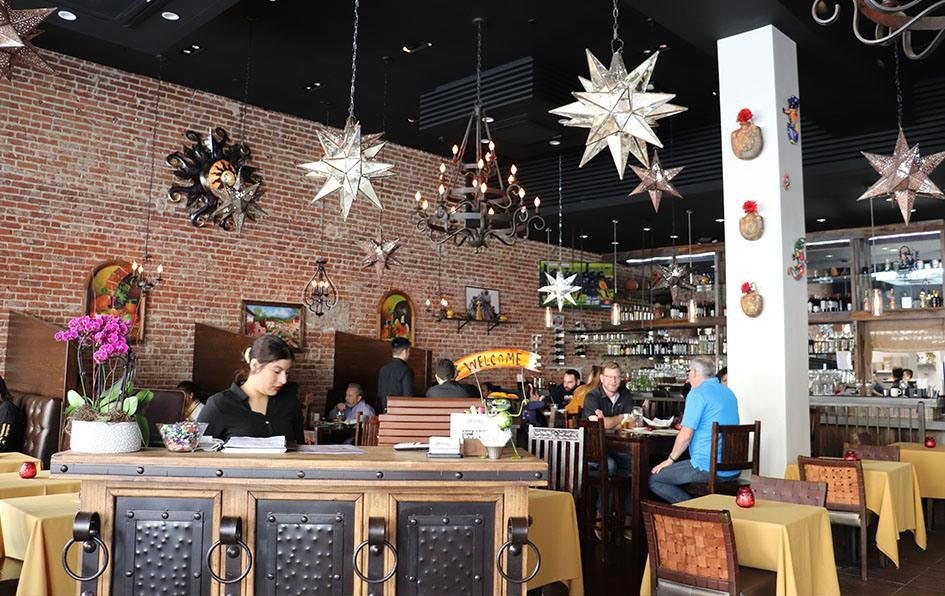
| Mercado | South Lake Avenue, Modern Mexican | $$ | Not listed |
Continue exploring
More in Pasadena
Restaurants in Pasadena
Browse all →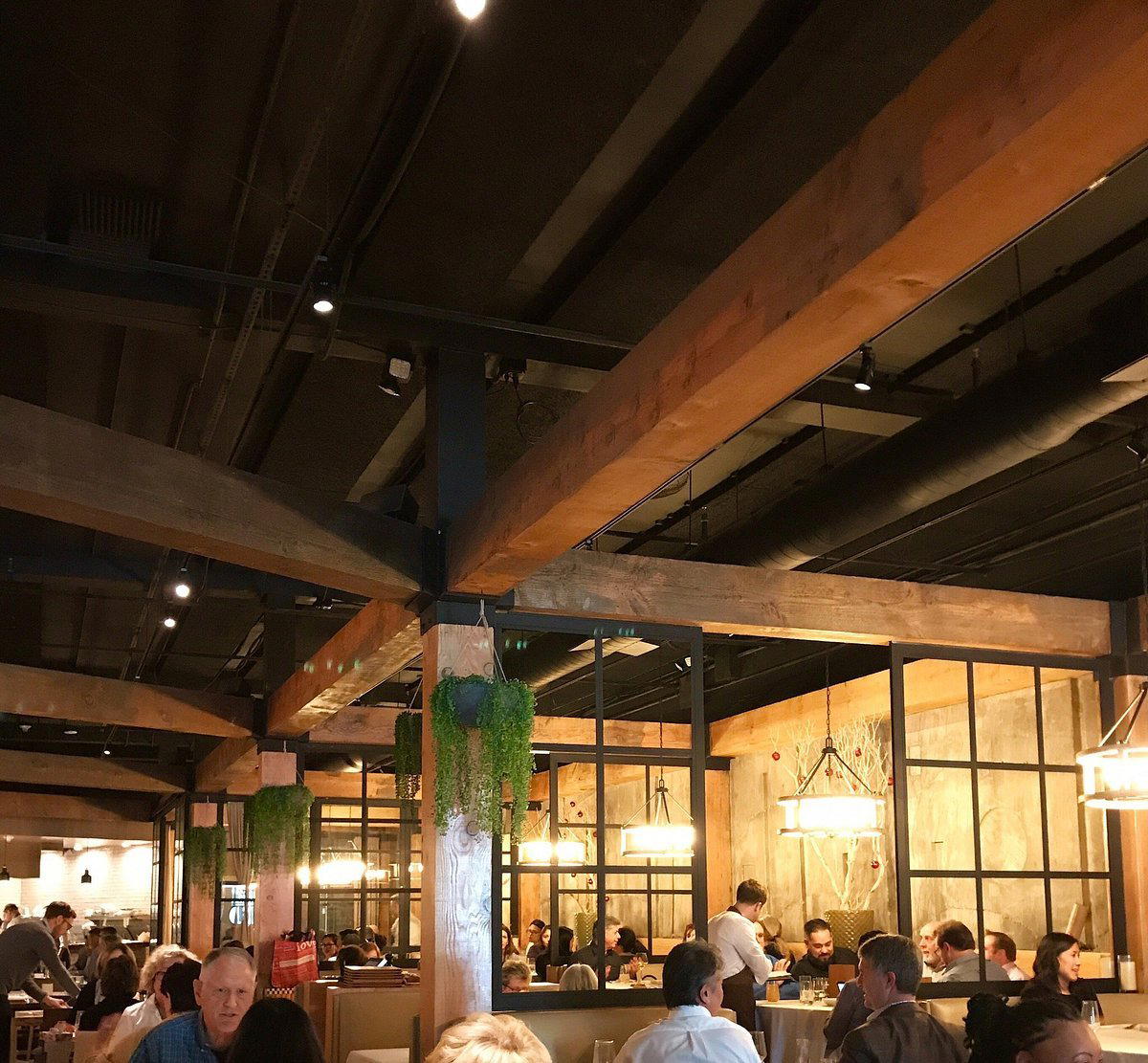
At a Glance
- Rustic
- Classic
- Well Known
- Family
- Casual Hangout
- Celebration
- Historic Building
- Craft Cocktails
- Beer Program
Upbeat and lively atmosphere evoking Southern hospitality with a focus on family, tradition, and celebration.