Our verdict
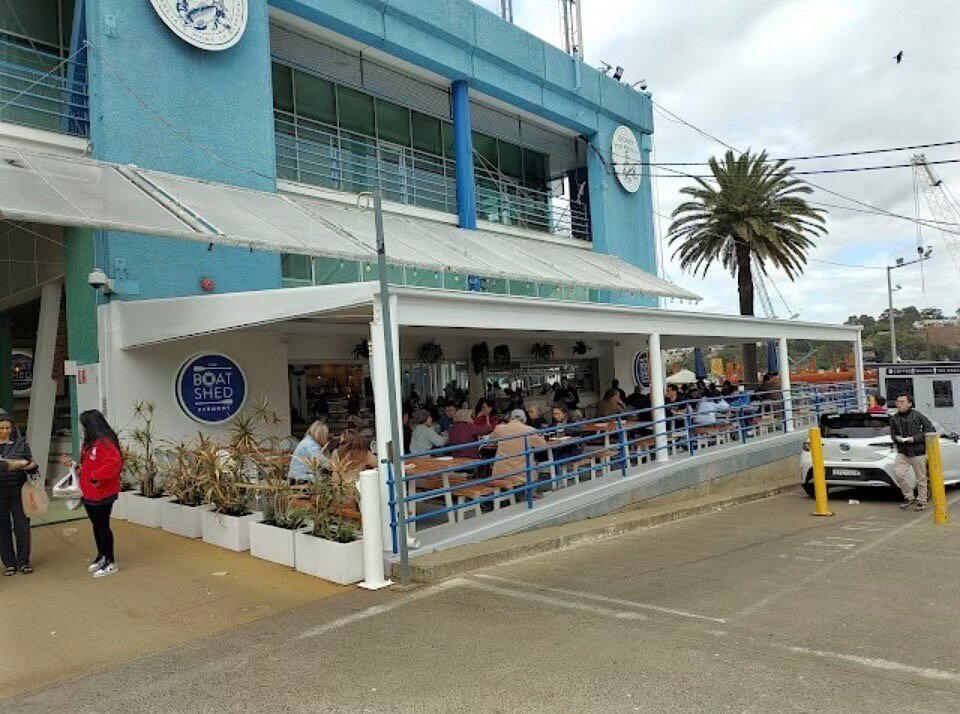
On the Pyrmont waterfront, The Boatshed occupies a stretch of Bank Street where Sydney Harbour's working history meets the suburb's current dining identity. The setting anchors a dining experience shaped by the harbour's produce traditions and the suburb's evolution from industrial port to residential and restaurant precinct. It belongs to a tier of Sydney waterfront venues where location does as much editorial work as the kitchen.

Pearl is the En Primeur Club membership app — saves, bookings, and concierge access live there. Same editors, same standards.
- Address
- Bank St, Pyrmont NSW 2009, Australia
- Phone
- +61290007774
- Hours
- Mon–Thu 11 AM–8 PMFri–Sat 11 AM–8:30 PMSun 11 AM–8 PM
- Website
- theboatshedpyrmont.com.au
- Directions
- Get directions
- Booking
- Book on OpenTable
The menu
What to order
- Grilled Barramundi with sweet potato mash and broccolini
- Snapper and Chips
- Whole BBQ Snapper
- Lobster Linguine
- Salt and Pepper Calamari
- Prawn and Pesto Pizza
Where Pyrmont's Industrial Past Meets Harbour Dining
Sydney's relationship with its waterfront has always been complicated. For most of the twentieth century, the harbour edge was functional infrastructure: wharves, wool stores, maritime yards. Pyrmont, sitting just west of Darling Harbour on a peninsula that juts into the water, was industrial in the truest sense. The suburb's conversion into a residential and hospitality precinct over the past three decades tracks a familiar pattern in Australian port cities, but Pyrmont's version has produced a dining strip that retains genuine physical character. Bank Street runs close to the water, and the buildings along it carry the material weight of their origins.
The Boatshed Pyrmont sits within that context. The name alone signals an architectural vernacular specific to working harbours: boatsheds are functional structures, built to the edge of the water, designed around access rather than aesthetics. When that frame is applied to a dining venue, the implicit promise is directness. The harbour is the reference point, and what comes from it or relates to it should be central to the proposition.
The Cultural Logic of Australian Waterfront Dining
Australian seafood dining carries a set of expectations that have sharpened considerably over the past decade. The model established by venues like Saint Peter in Paddington reframed what serious engagement with Australian seafood could look like: whole-animal thinking applied to fish, close relationships with specific fishers and fish farmers, and a willingness to serve species that supermarkets ignore. That approach filtered into the broader Sydney scene and raised the baseline expectation for what a waterfront venue with serious intent should be doing.
Further upstream, Rockpool established that Australian produce-driven cooking could sit at the high end of the market without apology. These reference points matter when placing any Sydney waterfront venue because they define the critical frame the city now applies. A harbour address in Sydney is no longer sufficient on its own; the question is what the kitchen does with the access that location implies.
Pyrmont's dining scene occupies a middle register in that hierarchy. It is not the destination strip of Surry Hills or the flagship-heavy CBD fringe, but it is not neighbourhood-casual either. The waterfront geometry creates a particular dining psychology: the water is visible, the air carries it, and the expectation of seafood-adjacent cooking is almost structural. Venues in this setting tend to organise themselves around that expectation or position themselves deliberately against it.
The Harbour Setting as Editorial Frame
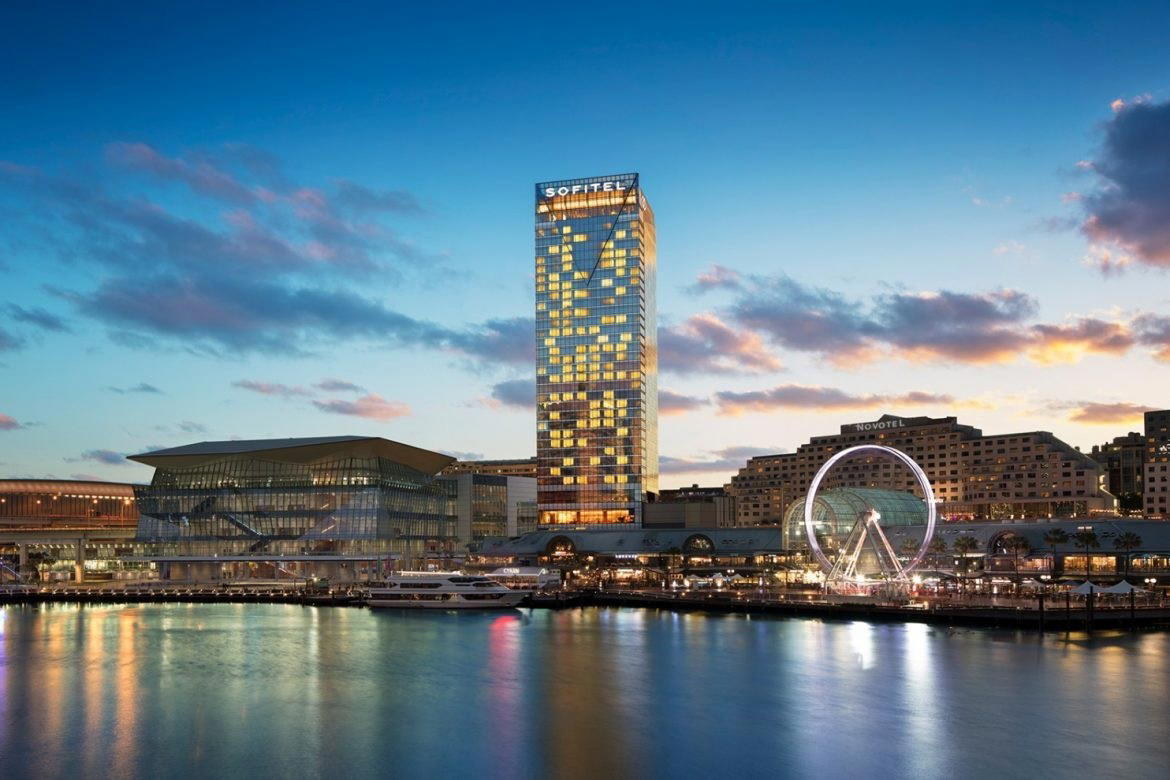
Approaching the Bank Street address, the harbour context does its work before you reach a table. Pyrmont's waterfront has a different register to the polished tourist-facing edges of Darling Harbour immediately to the east. The fabric here is rougher, the footprint more residential and less curated, and that distinction matters for the dining experience. Restaurants that occupy genuinely industrial-conversion spaces carry a different atmospheric pressure to purpose-built dining venues, even when the interiors have been entirely remade.
This is a pattern visible across Australian port-city dining: the converted shed or boatshed format, repurposed for hospitality while retaining structural honesty, has become a legitimate category. In Melbourne, venues from South Yarra to Northcote, such as Bar Carolina and Barry Cafe, show how non-harbour industrial conversions establish character through material authenticity rather than decorative signalling. The harbour version of that formula, when it works, adds the specific weight of maritime history to the physical environment.
Sydney's waterfront dining in this tier competes partly on setting and partly on what the kitchen can deliver within that setting. Venues like Bayly's Bistro in Kirribilli and bills in Bondi Beach each anchor themselves to a specific Sydney waterside character, demonstrating that proximity to water means very little without a clear culinary identity to match it.
Pyrmont in the Wider Sydney Dining Picture
Sydney's dining geography in 2024 and 2025 has continued its post-pandemic redistribution. Inner suburbs that once functioned primarily as residential catchments have developed more serious restaurant credentials, while some established strips have softened. Pyrmont's position, within easy reach of the CBD but with a distinct residential and creative-industry population, gives it a dual audience: locals who eat regularly and visitors drawn by the waterfront and the neighbouring casino and hotel precinct.
That dual audience creates menu and pricing pressures that differ from a purely neighbourhood dining context. Venues in mixed visitor-local zones like Pyrmont tend to develop formats that can operate across lunch and dinner, absorb diverse expectations, and communicate their identity quickly. The dining range in the suburb extends from casual quayside options to venues with more considered cooking programs. For visitors building a Sydney itinerary, the suburb makes sense as a lunch or early-evening stop, particularly on days that include the Powerhouse Museum or the fish market at Pyrmont Bridge Road.
The broader Sydney picture is well-documented in our full Sydney restaurants guide, which maps the city's dining character suburb by suburb. Pyrmont reads as a suburb in ongoing development, with enough critical mass to reward dedicated visits but not yet the depth of Surry Hills or Newtown. Within that frame, venues on or near Bank Street sit at the better end of what the suburb currently offers.
For comparative regional context, the Australian fine-dining conversation extends well beyond Sydney. Attica in Melbourne and Brae in Birregurra set the benchmark for produce-led cooking at the highest level, while Sydney's own 10 William St and 1021 Mediterranean demonstrate how European culinary frameworks adapt to local produce with conviction. The international register for serious seafood-focused cooking runs through venues like Le Bernardin in New York City, which has spent decades establishing that fish cookery can carry a three-Michelin-star program. Sydney has not yet produced a direct equivalent, but the ambition exists in the work coming out of kitchens like Saint Peter's.
Other Sydney venues worth considering alongside the Pyrmont waterfront include Johnny Bird in Crows Nest, 10 Pounds, and, further afield along the New South Wales coast, Kulcha Restaurant in Wollongong. For a different register entirely, Atomix in New York City shows how Korean culinary tradition can operate at the highest fine-dining tier, a useful reference point for understanding how cuisine-rooted identity becomes a competitive strength rather than a limitation. The same logic applies in the Australian context through venues like Jaani Street Food in Ballarat and Hungry Wolfs in Newcastle, which demonstrate how strong culinary identity functions across different market scales.
Planning a Visit to Pyrmont
Bank Street, Pyrmont is accessible by light rail from the CBD, with stops at Convention and Pyrmont Bay within walking distance. The suburb is also reachable by ferry from Circular Quay, which adds a harbour approach that reinforces the waterfront context of the area. Parking is available in the surrounding streets but limited during weekend lunch service. The Pyrmont dining strip is most active at weekend lunches and weekday evenings, particularly in the warmer months from October through March when outdoor harbour-facing dining carries additional appeal.
Quick reference: Bank St, Pyrmont NSW 2009. Light rail to Pyrmont Bay or ferry from Circular Quay. Leading visited October to March for outdoor waterfront dining conditions.
Frequently asked questions
What should I eat at The Boatshed Pyrmont?
Should I book The Boatshed Pyrmont in advance?
What has The Boatshed Pyrmont built its reputation on?
Can The Boatshed Pyrmont adjust for dietary needs?
Is eating at The Boatshed Pyrmont worth the cost?
What makes The Boatshed Pyrmont different from other Sydney waterfront restaurants?
Peers in This Market
Comparable venues nearby, for context on price, style, and recognition.
| Venue | Cuisine | Price | Notes |
|---|---|---|---|
| The Boatshed PyrmontThis venue — the venue you are viewing | Modern Australian Seafood | $30–50 | Not listed |
| Angelo's Cabarita | Modern Australian Seafood Grill | $50–100 | Cabarita |
| love.fish | Australian Seafood | $50–100 | Barangaroo |
| La Terrazza Osteria Verde | Casual Italian Trattoria | $30–50 | Ultimo |
| Grana sydney | Modern Italian with Australian Ingredients | Not listed | Circular Quay |
| Balcon by Tapavino | Modern Northern Spanish | Not listed | Sydney |
Continue exploring
More in Sydney
Restaurants in Sydney
Browse all →
Bars in Sydney
Browse all →
Hotels in Sydney
Browse all →


Details
- Scenic
- Modern
- Relaxed
- Well Known
- Casual Hangout
- Brunch
- Group Dining
- Waterfront
- Open Kitchen
- Standalone
- Craft Cocktails
- Sustainable Seafood
- Local Sourcing
- Waterfront
- A La Carte
- Small Plates
- Cocktails
- Oysters
- Pescatarian Friendly
Current opening hours
- Monday
- 11 AM–8 PM
- Tuesday
- 11 AM–8 PM
- Wednesday
- 11 AM–8 PM
- Thursday
- 11 AM–8 PM
- Friday
- 11 AM–8:30 PM
- Saturday
- 11 AM–8:30 PM
- Sunday
- 11 AM–8 PM
Hours can change for holidays and private events. Last verified .
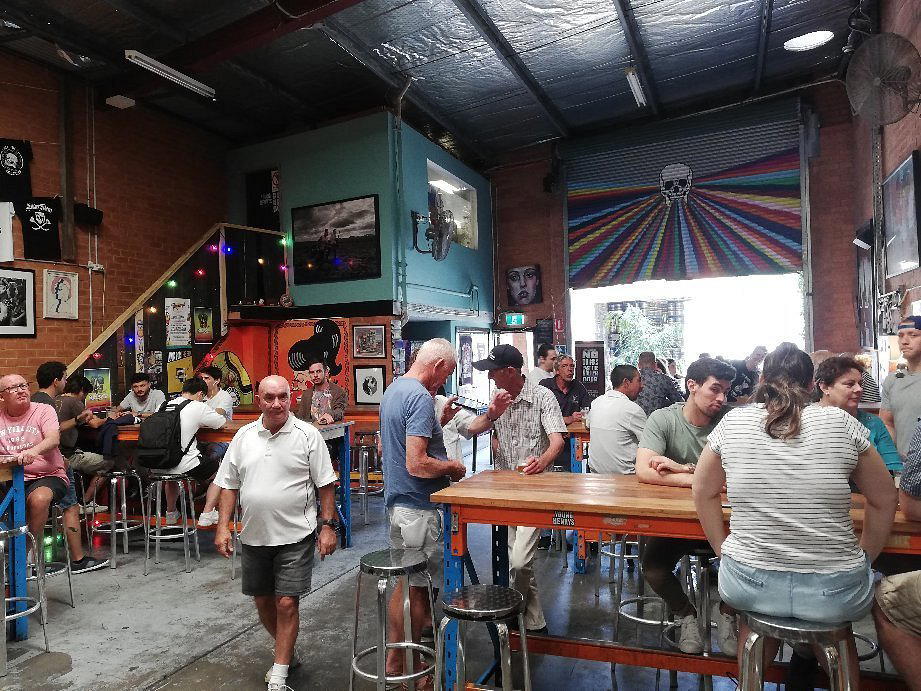
Light and airy by day with harbour views; warm ambient lighting in the evening with a contemporary yet timeless aesthetic celebrating Sydney character.