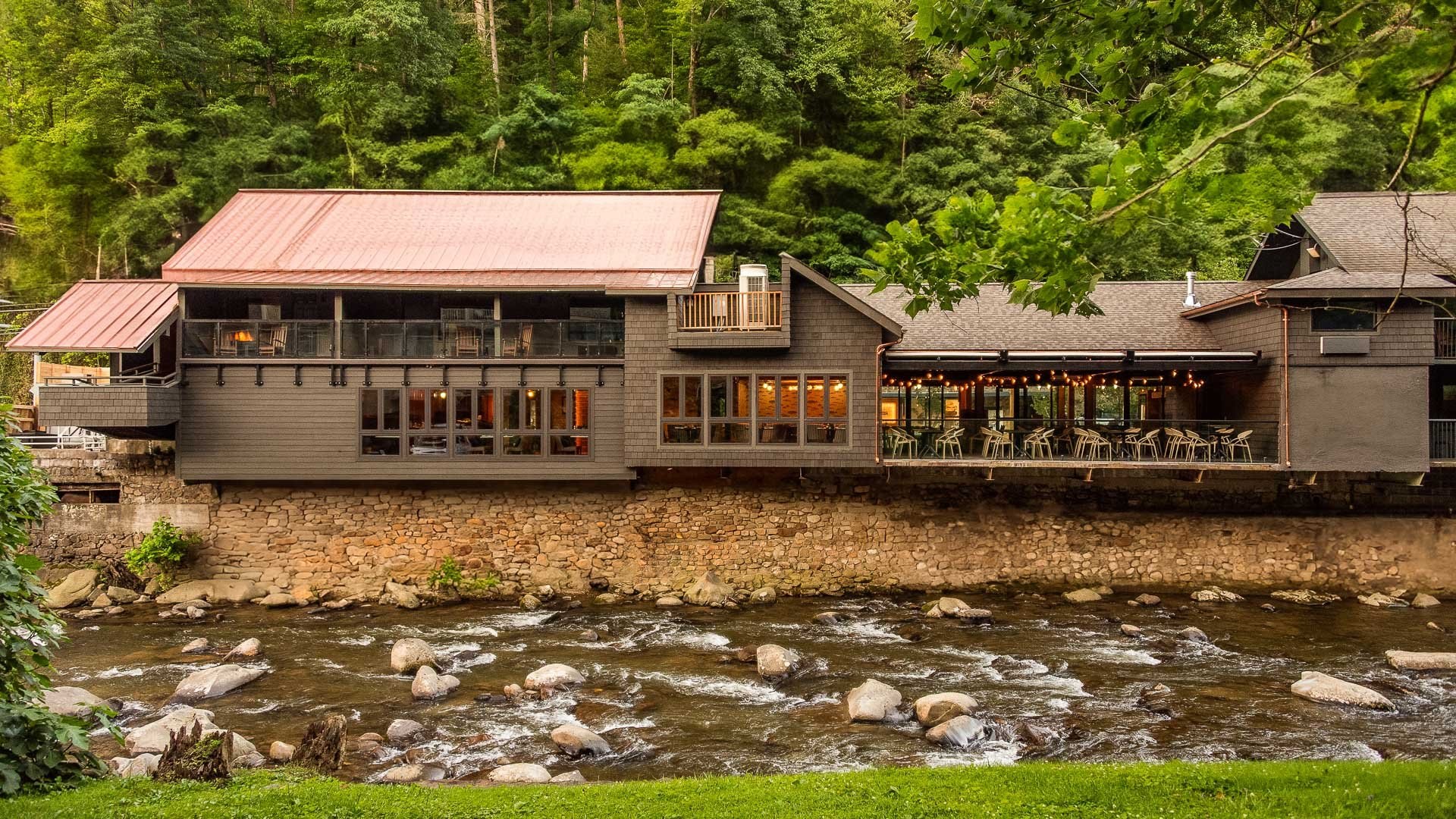
The Barn at Blackberry Farm



Set within the storied Blackberry Farm estate in the Great Smoky Mountains foothills, The Barn at Blackberry Farm brings American farmhouse cooking to its most considered form. Chef Cassidee Dabney leads a kitchen grounded in Tennessee's agricultural calendar, supported by one of the country's deeper cellar programs. The wine list runs to 8,200 selections across 135,000 bottles, with particular strength in California, Burgundy, and the Rhône.
 Discover on Pearl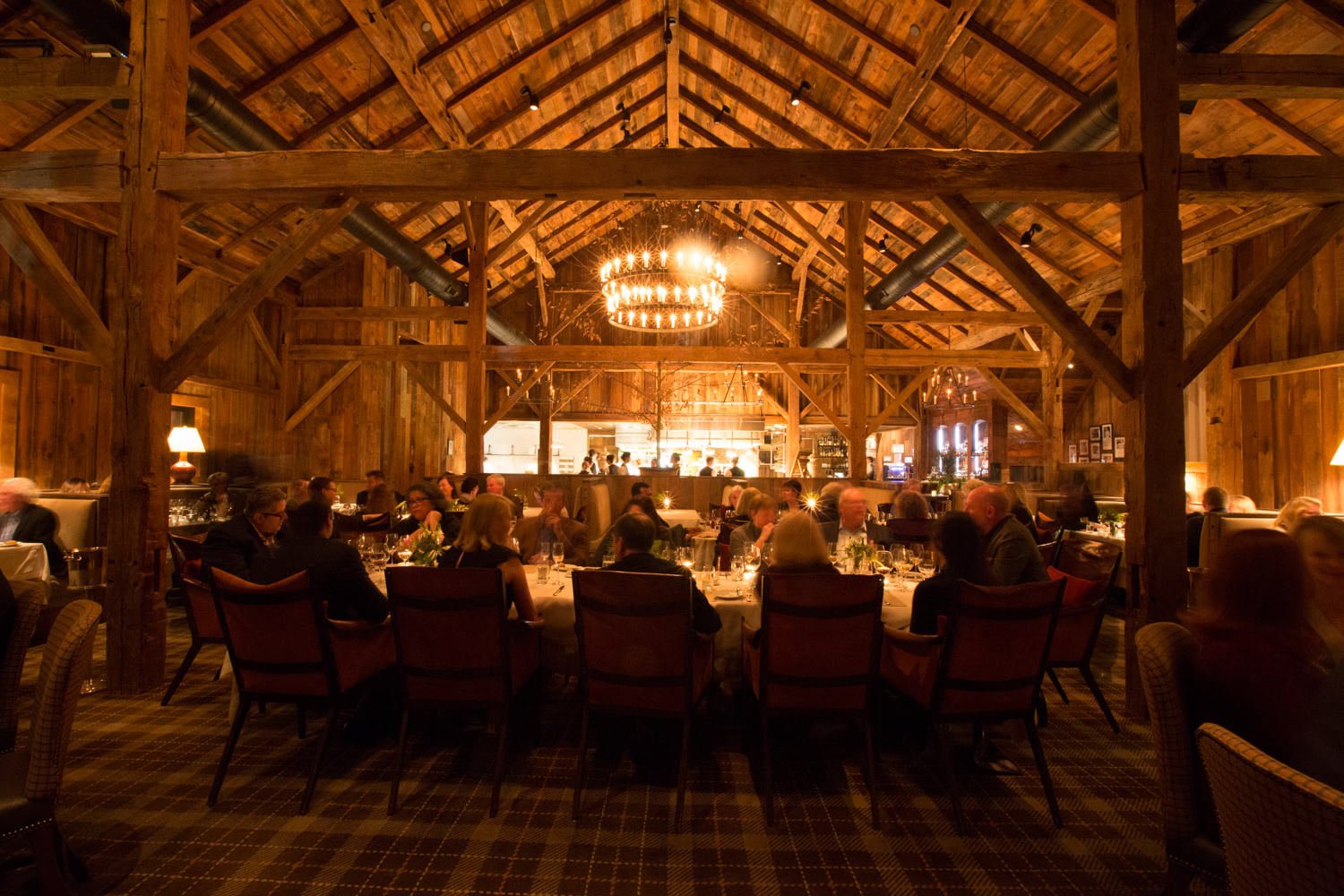
Where the Smokies Meet the Table
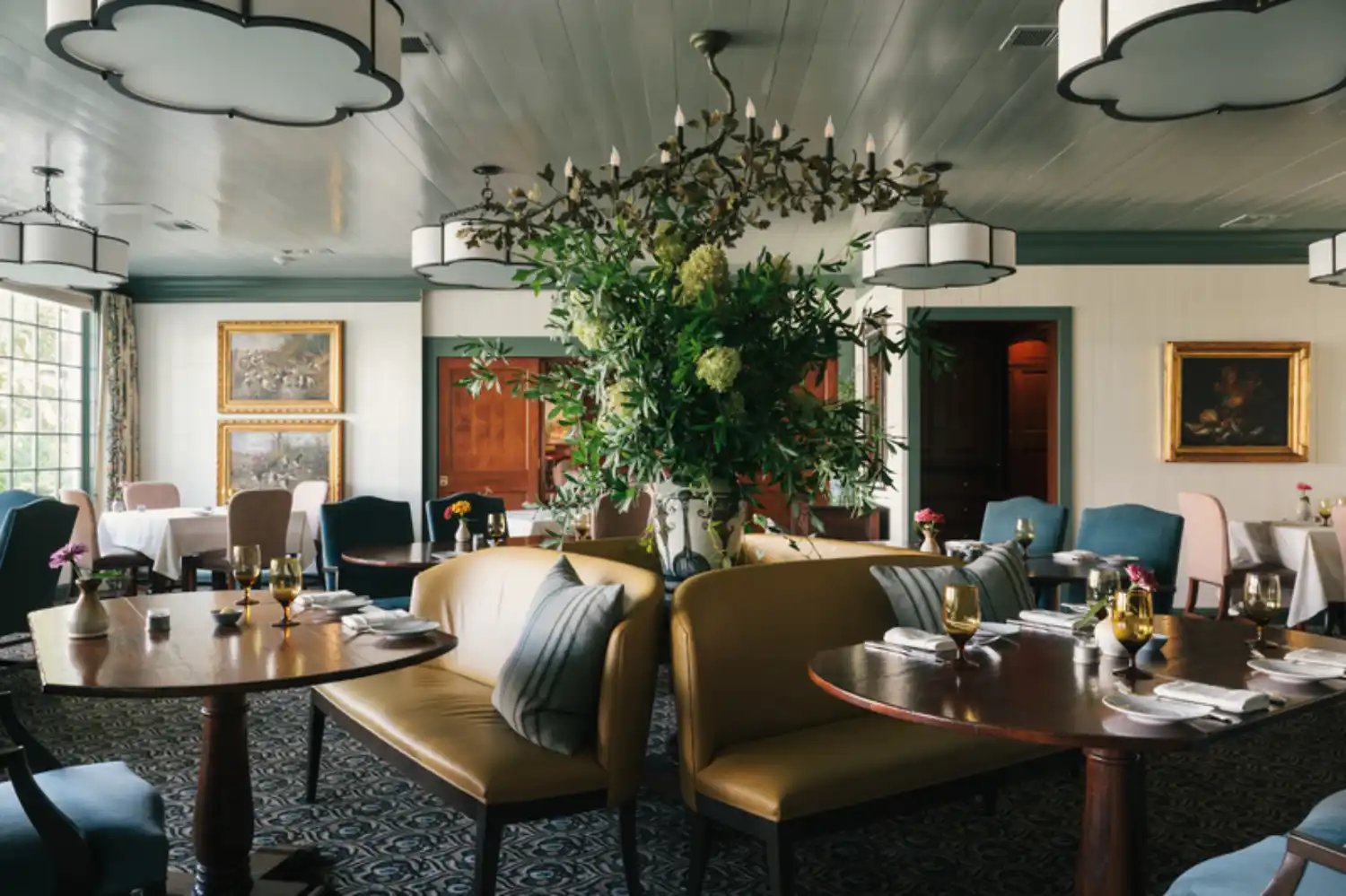
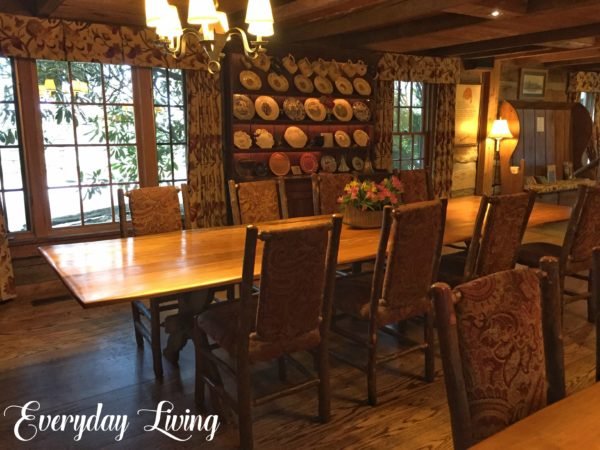
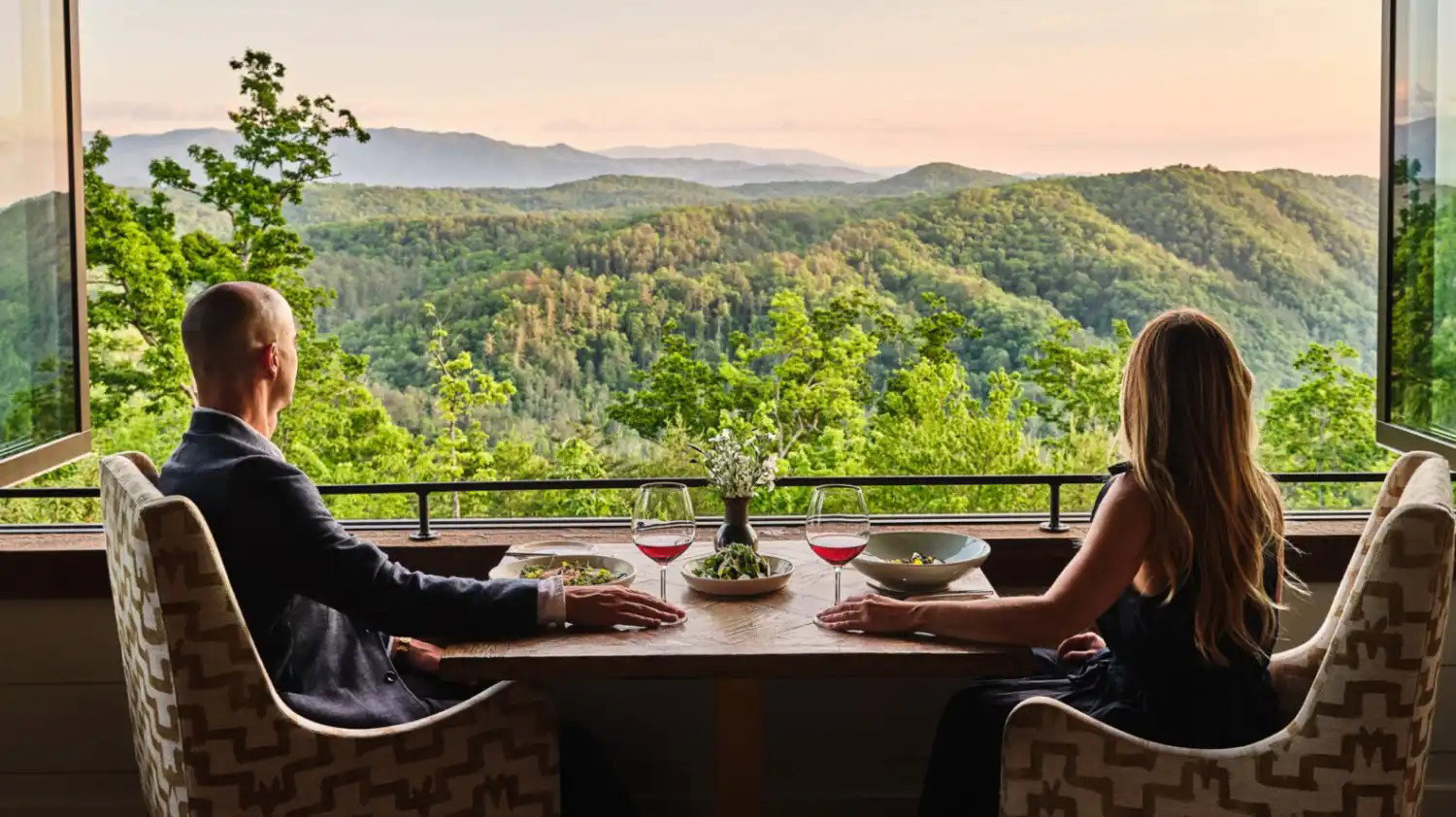
The approach to Blackberry Farm along West Millers Cove Road through the Tennessee foothills is one of those drives that sets an expectation the food then has to meet. The Barn itself sits within a working farm estate where the gap between field and plate is literal rather than rhetorical. Arriving here, the physical context does a great deal of editorial work before a dish appears: the Blue Ridge ridgeline to the east, the quiet of a property that operates at deliberate remove from the resort-dining playbook. From Knoxville, the drive runs roughly 25 kilometres south via Highway 129 and then north on Highway 321 through Townsend, turning onto West Millers Cove Road just past the Foothills Parkway entrance.
The Barn occupies a specific tier within the Blackberry Farm estate, which also houses Blackberry Farm (New American), Blackberry Mountain (American Mountain), and Three Sisters (American Southern). Each addresses a different register of the property's identity. The Barn is the one most explicitly tied to farmhouse tradition, a cooking mode that has gained serious critical standing over the past decade as American chefs have stopped treating regional pantries as nostalgia and started treating them as primary source material.
American Farmhouse Cooking and the Question of Tradition
Phrase "American farmhouse" means something more specific than it once did. For most of the twentieth century, it described home cooking — preserved, cured, braised, rooted in necessity rather than aesthetics. What has happened in the past fifteen or so years, at a handful of properties with land access and serious kitchen leadership, is that chefs have taken that tradition and applied rigour without erasing its character. The result is a cooking style that draws from Appalachian, Southern, and broader American regional vocabularies while cross-referencing European technique — the kind of synthesis that defines what American cuisine actually is when it is working honestly.
Chef Cassidee Dabney has earned the Cooking Classics designation at The Barn, a trust signal that locates the kitchen in a tradition-forward rather than novelty-forward category. That framing matters in a dining environment where many high-profile American restaurants trend toward theatrical or conceptually restless formats. The comparison is instructive: a restaurant like Alinea in Chicago or Lazy Bear in San Francisco pursues a different kind of ambition, one where the experience is consciously constructed as an event. The Barn sits closer to the mode of Blue Hill at Stone Barns in Tarrytown, where agricultural context is the intellectual frame and the food argues for a relationship between place and plate rather than between chef and spectacle.
That said, the Cooking Classics designation also signals something about execution: this is cooking that has to hold up to repetition and comparison with accumulated standards, not just novelty. The farm-to-table American dining category has produced both its strongest and weakest examples in the past decade. At the lower end, the format becomes a set dressing exercise , wooden boards, mason jars, seasonal-sounding menus assembled from wholesale suppliers. At the higher end, represented by venues like The Barn or Single Thread Farm in Healdsburg, the agricultural sourcing is genuinely structural to what arrives at the table.
A Wine Program of Substantial Scale
Few restaurant wine programs in the American Southeast operate at the depth The Barn maintains. The list runs to 8,200 selections with an inventory of 135,000 bottles , numbers that place it in the company of destination cellars nationally, a peer set that includes the wine programs at The French Laundry in Napa and Le Bernardin in New York City in terms of raw scale, though The Barn's geographic location and farmhouse identity give it a distinctly different compositional logic.
Wine Director Andy Chabot oversees a team of eight sommeliers: Kelly Schmidt, John Schlichting, Greg Wilson, Emma Wortman, David Bond, Melissa McAvoy, Callum Krishna, and Sadie Bales. A sommelier team of that size at a non-urban property is an operational signal about how seriously the program is resourced. The wine list's declared strengths span California, Burgundy, and the Rhône in France, Tuscany and elsewhere in Italy, Spain, Australia, Germany, Oregon, and Washington. Corkage is set at $50 for guests who bring their own bottles. Pricing sits in the upper tier, with many bottles above $100, consistent with the $$$-rated program benchmark.
For diners who approach the meal as a food-and-wine pairing exercise, the depth here means there is almost certainly something on the list suited to every dish the kitchen produces. The farmhouse register of the food , cured, fermented, smoke-touched, vegetable-forward in season , pairs well with the list's Rhône and German inclinations, though the sommelier team is well-positioned to guide choices across the program's considerable range.
Situating The Barn Within American Farmhouse Dining
The farmhouse-dining category has a small set of serious national peers. Restaurant at Winvian Farm in Morris and Twin Farms Restaurant in Barnard share the estate-property, agriculture-grounded positioning. Emeril's in New Orleans and Providence in Los Angeles operate in a different tier of American fine dining entirely , urban, chef-personality-forward, building on regional ingredient identity rather than from within a working farm context. The Barn's positioning is more insular and place-specific, which is precisely its competitive logic: the setting is not backdrop but argument.
The broader pattern in American dining is that cuisine here has always been a process of fusion rather than purity, layering Indigenous, African, European, and regional influences into something that resists clean taxonomy. The American farmhouse tradition in the Appalachian foothills draws from that accumulation: pickling and preservation from Central European migration, smoke traditions from African-American Southern cooking, game and forage knowledge from Appalachian hunting culture. A kitchen that takes these sources seriously is not doing regionalist nostalgia; it is working with one of the more complex culinary inheritances in the country.
Planning a Visit
Barn serves lunch and dinner, and access is by car from Knoxville (GPS: 35.6857, -83.8667), approximately 25 kilometres by the Hwy 129 South and Hwy 321 North route through Townsend. Knoxville's McGhee Tyson Airport is the nearest commercial airport. Cuisine pricing sits at the $$$+ tier (above $66 for a two-course meal before wine and gratuity). The wine program pricing is consistent with that bracket, with a corkage fee of $50 for personal bottles. The property is managed under Owner Mary Celeste Beall, with General Manager Brian Lee overseeing operations. EP Club members rate the property at 4.7 out of 5, based on 108 Google reviews averaging 4.8.
For a broader view of the area's dining options, our full Walland restaurants guide covers the estate's other venues alongside independent options. Our Walland hotels guide, bars guide, wineries guide, and experiences guide cover the full range of what the area supports for a multi-day stay.
Cuisine and Recognition
These are the closest comparables we have in our database for quick context.
| Venue | Cuisine | Awards | Notes |
|---|---|---|---|
| The Barn at Blackberry Farm | American Farmhouse | HIGHLIGHTS: • COOKING CLASSICS DIRECTIONS & ACCESS: Directions By car From… | This venue |
| Blackberry Farm | New American | New American | |
| Blackberry Mountain | American Mountain | American Mountain | |
| Three Sisters | American Southern | American Southern |