The Appalachian
Our verdict
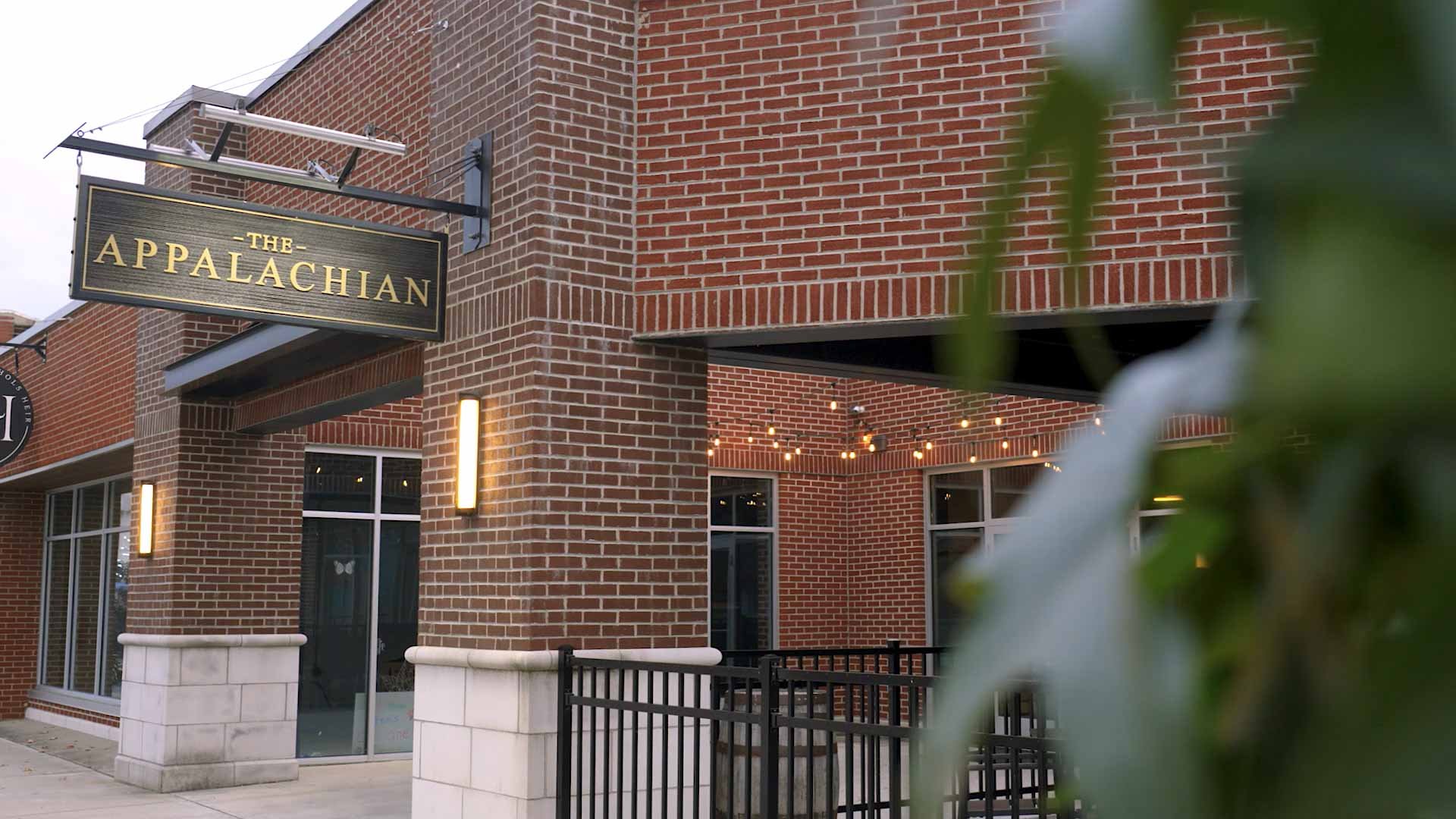
The Appalachian sits on Bruce Street in Sevierville, Tennessee, at the edge of the Smokies corridor that has quietly developed a more serious dining identity over the past decade. Positioned within a region where Appalachian culinary tradition is undergoing reassessment, it draws visitors looking beyond the Gatlinburg strip toward something more grounded in local character and mountain heritage.

Pearl is the En Primeur Club membership app — saves, bookings, and concierge access live there. Same editors, same standards.
- Address
- 133 Bruce St, Sevierville, TN 37862
- Phone
- (865) 505-0245
- Hours
- Mon ClosedTue–Sat 4–9 PMSun Closed
- Website
- theappalachianrestaurant.com
- Directions
- Get directions
- Booking
- Book on Resy
The menu
What to order
- Fried Chicken Skins
- Duck Breast
- Rainbow Trout
Where the Smokies Meet the Table
The approach to Sevierville from the west gives you strip-mall sprawl and pancake houses long before the mountains come into full view. But the town itself, older and quieter than its tourist-facing reputation suggests, has a different register along streets like Bruce, where the built environment feels less performed. That distinction matters for understanding what kind of dining experience The Appalachian is positioned to offer: one that draws from mountain heritage rather than tourist convenience, and that answers to a different set of expectations than the Gatlinburg corridor a few miles southeast.
Sevierville's dining scene has shifted meaningfully over the past decade. Where the area once defaulted almost entirely to volume-driven family restaurants and chain operations, a smaller cohort of locally anchored venues has emerged, including Applewood Farmhouse Restaurant and Seasons 101, both of which reflect a growing appetite for regionally specific food in a market that long treated regional identity as a backdrop rather than an ingredient. The Appalachian sits within this shift. Our full Sevierville restaurants guide maps the broader picture for visitors planning across multiple meals.
The Appalachian Tradition at the Table
Appalachian cuisine as a category has spent most of American culinary history being misread. The popular image collapses it into biscuits-and-gravy simplicity or poverty cooking, but the actual tradition is more layered: it draws on Cherokee foodways, Scots-Irish fermentation practices, a foraging culture shaped by the biodiversity of the southern Blue Ridge, and a preservation economy that produced distinct approaches to pickling, smoking, and curing that predate most of what American restaurant culture has recently rediscovered as fashionable technique. Ramps, country ham, sorghum, pinto beans cooked low and long, cornbread made without sugar — these are not accent notes but structural elements of how people in this region have eaten for generations.
That tradition has found renewed critical attention in recent years as American restaurants have moved away from European reference points toward something more geographically honest. The progressive American dining that places like Lazy Bear in San Francisco and Alinea in Chicago made internationally legible opened a wider conversation about what American regional cooking could look like with serious technical attention behind it. At the farm-to-table end, venues like Blue Hill at Stone Barns in Tarrytown and Single Thread Farm in Healdsburg demonstrated that deep sourcing relationships and regional specificity could anchor tasting menus at the highest price tier. The Appalachian operates in a different register — a Tennessee mountain town rather than the Hudson Valley or Sonoma County, but the cultural argument is the same: that local food systems, properly understood, produce more interesting food than imported luxury defaults.
Appalachian Dining in a National Frame
It is useful to place Sevierville's emerging dining identity against the broader American regional dining conversation. The South has produced some of the country's more formally recognized restaurants in recent years. Bacchanalia in Atlanta has maintained its position as the standard-bearer for refined Southern dining for over two decades. Further afield, The Inn at Little Washington in Virginia has shown that rural settings are not a barrier to fine dining recognition. Meanwhile, venues like Emeril's in New Orleans built their reputations on the argument that deep regional tradition could sustain serious restaurant ambition at scale.
None of those comparisons imply that The Appalachian operates in the same award tier as a Le Bernardin in New York City, a Providence in Los Angeles, or an Atomix in New York City. They are useful instead for framing why a regionally rooted restaurant in a secondary Tennessee market is worth taking seriously on its own terms. The culinary case for Appalachian cooking does not require Michelin validation to hold. What it requires is a kitchen willing to treat the source material with the same seriousness that Addison in San Diego or Brutø in Denver bring to their own regional contexts.
The Address and What It Signals
The Bruce Street address places The Appalachian in the older residential-commercial fabric of central Sevierville rather than the highway-adjacent tourist corridor. That positioning is itself a signal. Restaurants that locate away from the highest-footfall tourist zones tend to rely more on repeat local business and word-of-mouth visitor traffic, which typically produces a different operational culture than the volume-dependent model that dominates along the Parkway. In practical terms, it means the dining room is less likely to be turning tables at the pace required to absorb busload arrivals, and more likely to operate at a tempo that allows the kitchen to execute with some care.
For visitors coming specifically for the restaurant, the address is easy to reach from the main visitor routes into the Smokies. Sevierville sits at the intersection of I-40 and the primary mountain corridor, making it a natural first or last stop for trips into Great Smoky Mountains National Park. The town itself is navigable by car in under ten minutes from most hotel concentrations on Chapman Highway or the Parkway.
Planning Your Visit
Given the limited publicly available data on current hours and reservation systems, contacting the venue directly via the address at 133 Bruce St, Sevierville, TN 37862 is the most reliable approach before visiting. Sevierville draws significant visitor volume between late spring and fall foliage season, with October representing the peak of mountain traffic. During those periods, even restaurants outside the main tourist cluster tend to fill on weekend evenings. Visiting on a weekday, or earlier in the evening during shoulder season, reduces the likelihood of a wait. For additional options in the surrounding area and broader trip planning, see our full Sevierville restaurants guide.
Visitors interested in how other American regional restaurants have made the case for local culinary traditions may also find useful reference points in Causa in Washington, D.C., which applies a similar discipline to Peruvian regional cuisine, or 8½ Otto e Mezzo Bombana in Hong Kong, where Italian regional specificity travels across contexts without losing its grounding.
Frequently asked questions
What's the address for The Appalachian?
The Appalachian is located at î133 Bruce St, Sevierville, TN 37862, Sevierville.
How does The Appalachian's location in Sevierville differ from the Gatlinburg or Pigeon Forge dining options nearby?
Sevierville's central district, where The Appalachian sits at 133 Bruce St, predates the Parkway commercial build-out that defines Pigeon Forge and much of Gatlinburg's visitor economy. That geographic separation from the pancake-house-and-fudge-shop corridor gives the venue a different operating context: fewer walk-in tourists, more deliberate diners, and a stronger connection to the town's older civic fabric. For visitors staying along the US-441 corridor, the short drive into central Sevierville represents a meaningful shift in atmosphere.
What should I order at The Appalachian?
The menu draws from Appalachian culinary tradition, which runs considerably deeper than biscuit-and-gravy shorthand — expect preparations rooted in the preservation, forage, and farmstead cooking of the Tennessee mountain region. Because current menu data is not published online, the surest approach is to check the venue's official channels at 133 Bruce St, Sevierville, TN 37862 before visiting to confirm current offerings and any seasonal rotation.
Should I book The Appalachian in advance?
The Bruce Street address puts The Appalachian in Sevierville's older residential-commercial core rather than the high-traffic Parkway strip, which means it draws a more local and intentional crowd than the tourist-facing chains nearby. That concentrated demand in a smaller setting makes advance contact advisable, particularly on weekends or during peak Smoky Mountains season. Reach the venue at 133 Bruce St, Sevierville, TN 37862 to confirm reservation policy.
What is The Appalachian known for?
The Appalachian occupies a position in Sevierville's dining scene that takes mountain-regional cooking seriously as a culinary category rather than a nostalgia prop. Its Bruce Street location in central Sevierville — distinct from the highway-adjacent tourist corridor — signals an orientation toward the town's resident community and toward guests who come with some purpose. The broader context is a national conversation around Southern and Appalachian cuisine that has accelerated since the mid-2010s, and venues like this one are part of how that tradition gets reclaimed on its own terms.
Cost Snapshot
Comparable venues nearby, for context on price, style, and recognition.
| Venue | Cuisine | Price | Awards | Notes |
|---|---|---|---|---|
| The AppalachianThis venue — the venue you are viewing | Modern Southern Appalachian | $50–100 | Not listed | Not listed |
| Applewood Farmhouse Restaurant | Southern Comfort Food | $20–30 | Not listed | Apple Valley, Southern Comfort Food |
| Seasons 101 | Seasonal American Bistro | $30–50 | Not listed | downtown, Seasonal American Bistro |
| Wild Plum Tea Room | American Tea Room | $20–30 | Not listed | Great Smoky Arts & Crafts Community, American Tea Room |
| Song & Hearth: A Southern Eatery | Southern American Eatery | Not listed | Not listed | Pigeon Forge, Southern American Eatery |
| Gannons Nashville | Seafood & New American | Not listed | Wine Spectator Award of Excellence | Printer's Alley, Seafood & New American |
Continue exploring
More in Sevierville
Restaurants in Sevierville
Browse all →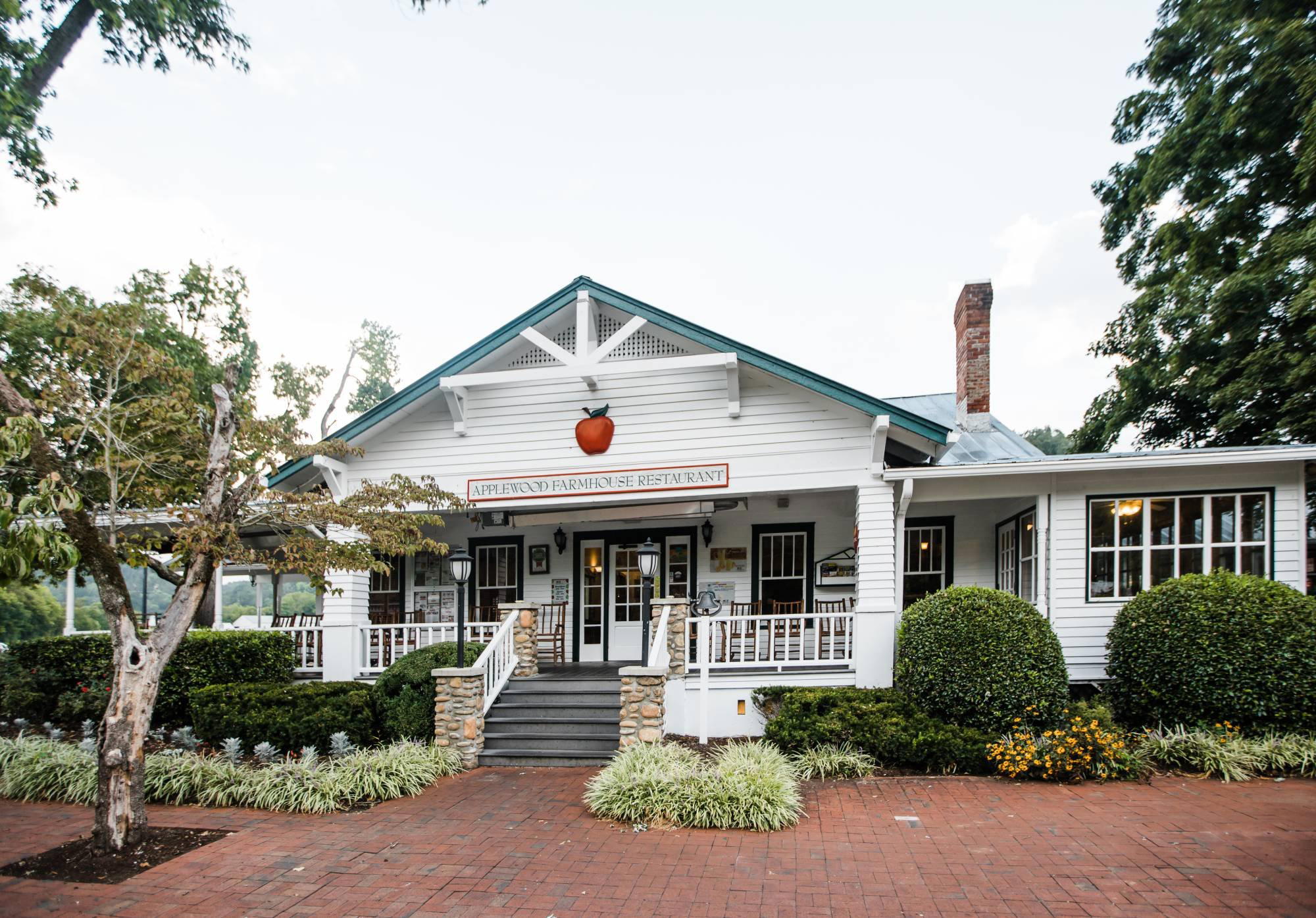
Bars in Sevierville
Browse all →
Details
- Rustic
- Cozy
- Elegant
- Sophisticated
- Date Night
- Special Occasion
- Group Dining
- Open Kitchen
- Farm To Table
- Local Sourcing
- A La Carte
- Gluten Free Options
- Vegan Options
Current opening hours
- Monday
- Closed
- Tuesday
- 4–9 PM
- Wednesday
- 4–9 PM
- Thursday
- 4–9 PM
- Friday
- 4–9 PM
- Saturday
- 4–9 PM
- Sunday
- Closed
Hours can change for holidays and private events. Last verified .
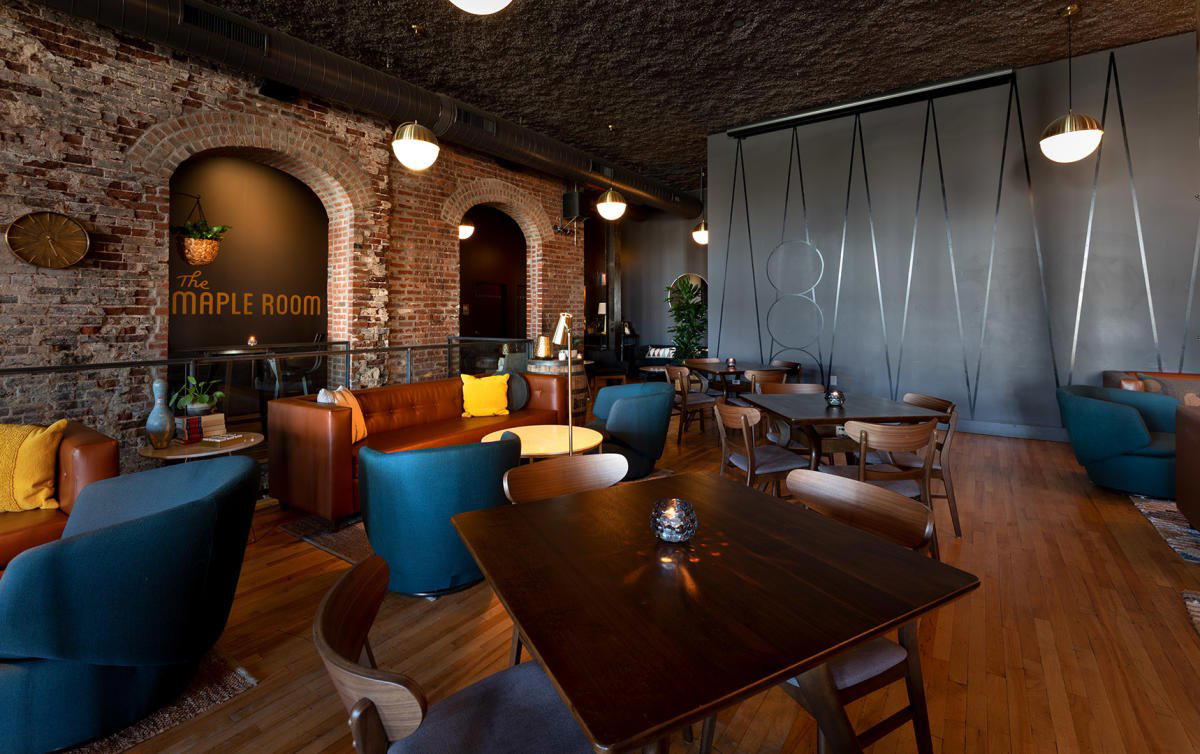
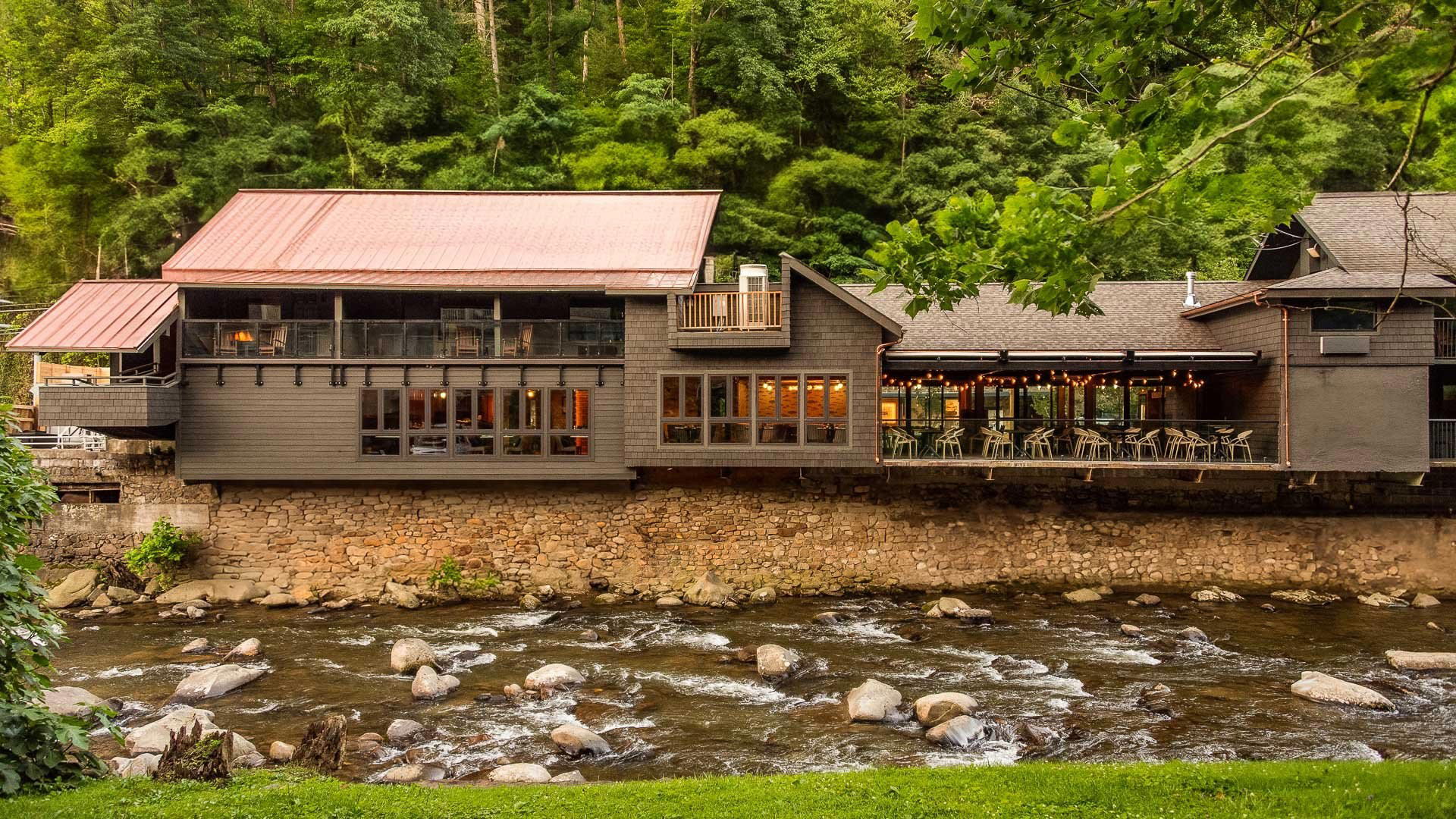
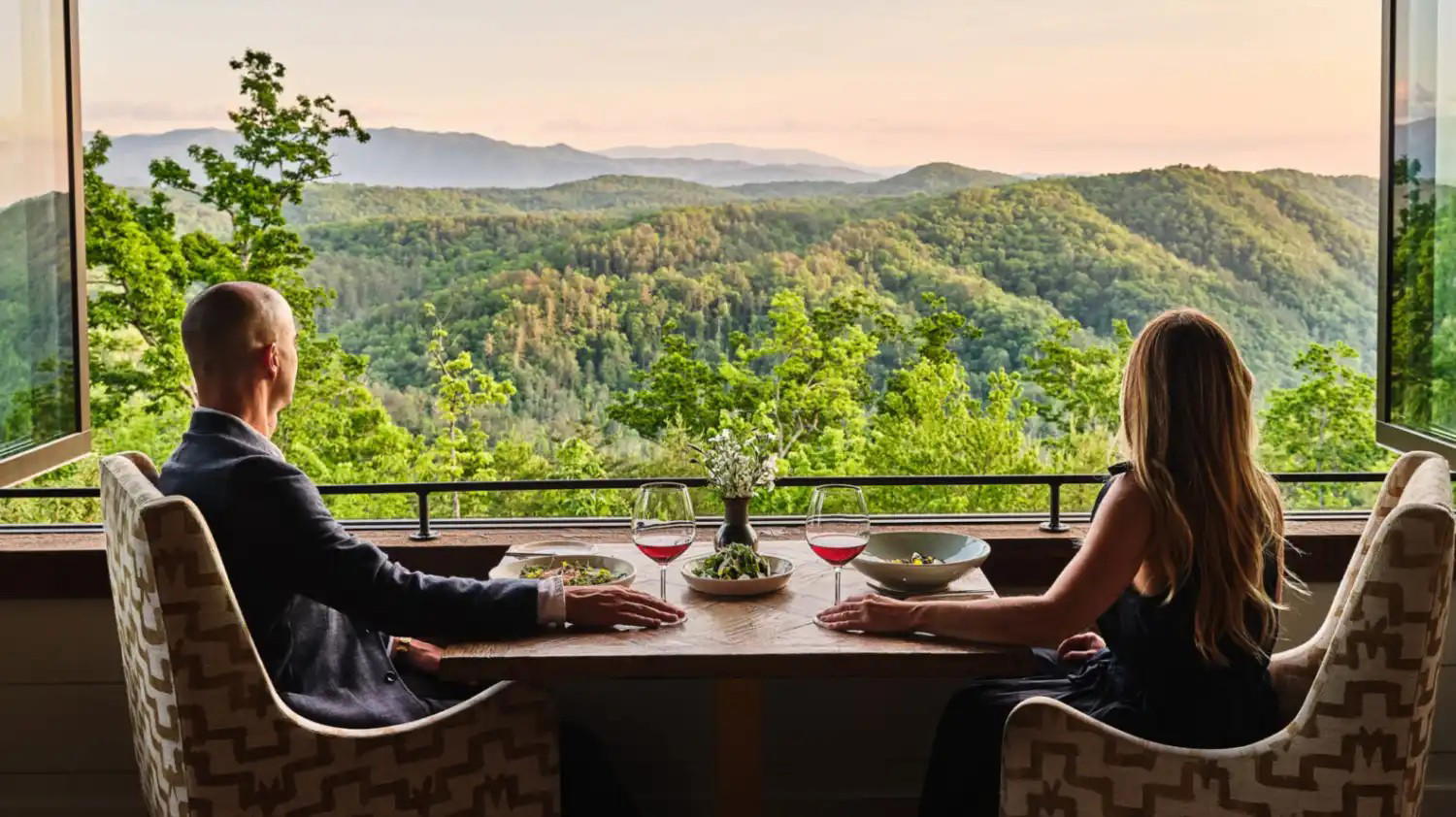
Darker tones with touches of brass, stone, and wood create an upscale yet relaxed atmosphere honoring the Smoky Mountain region.