Thamel Nepalese & Indian Cuisine
At the southern fringe of Dublin 14, Thamel brings Nepalese and Indian cooking to a neighbourhood better known for quiet residential streets than subcontinental dining. The address at Windy Arbour places it outside the city centre circuit, which tends to filter the crowd toward locals who return on habit rather than tourists following a list. For South Dublin residents, it fills a specific gap in a dining belt otherwise dominated by European formats.
Pearl is the En Primeur Club membership app — saves, bookings, and concierge access live there. Same editors, same standards.
- Address
- 4 Olivemount Terrace, Windy Arbour, Dublin 14, D14 E067, Ireland
- Phone
- +35312601608
- Website
- thamel.ie
- Directions
- Get directions
 Saves & bookings on Pearl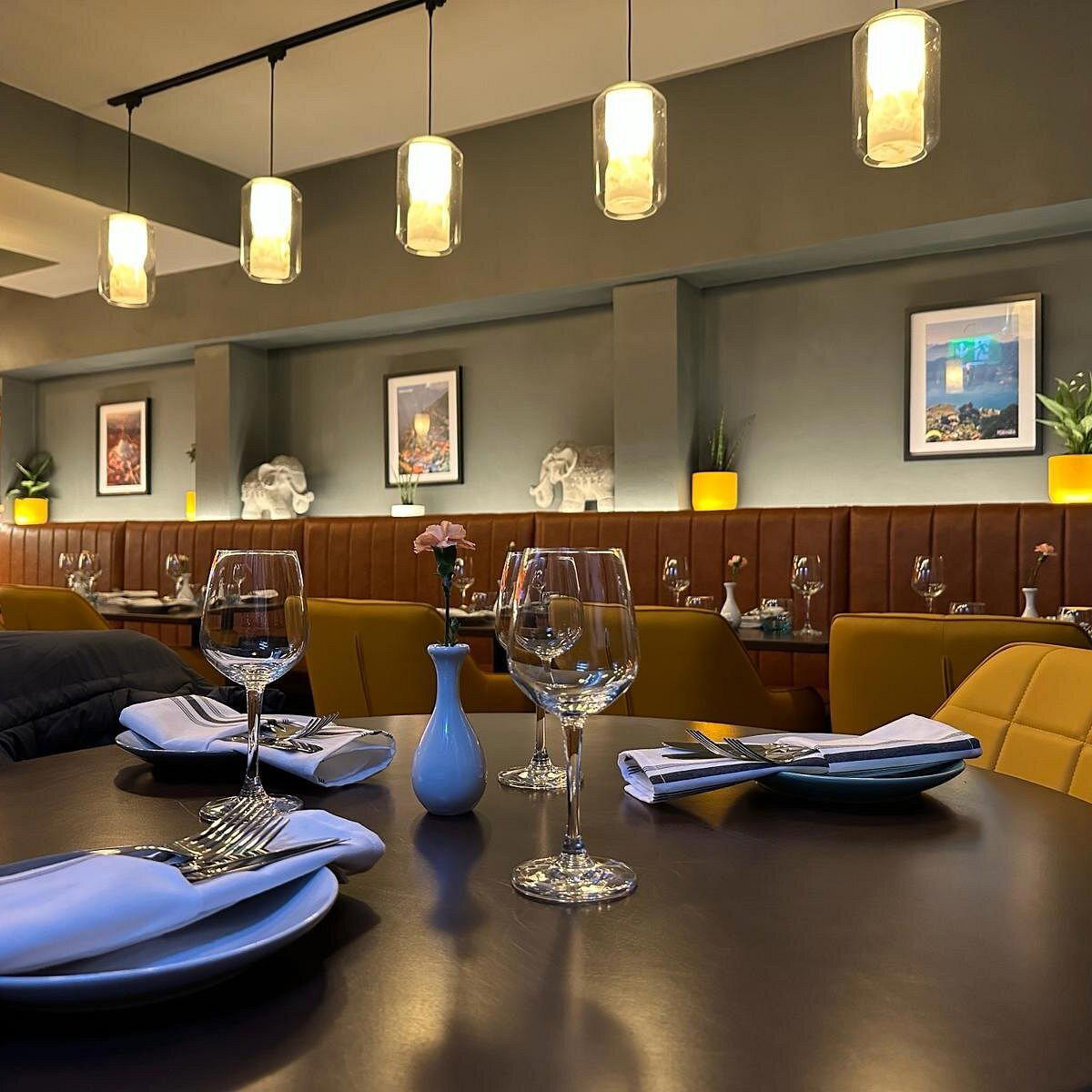
South Dublin's Subcontinental Fringe
The stretch of Dublin 14 that runs through Windy Arbour and toward Clonskeagh is not where most visitors to the city think to eat. The residential streets here are quiet in the way that prosperous suburban Dublin tends to be: well-planted, unhurried, and largely indifferent to dining trends playing out three kilometres north in Ranelagh or Rathmines. That distance from the city's more saturated restaurant belt is precisely what gives a place like Thamel Nepalese & Indian Cuisine its context. Subcontinental cooking in this part of Dublin does not compete for the tourist footfall that props up many city-centre curry houses; it competes for the repeat custom of local households, and that tends to produce a different kind of kitchen discipline.
The address at 4 Olivemount Terrace, Windy Arbour, puts the restaurant in a pocket of Dublin 14 that is easier to reach by car or the nearby Luas green line than on foot from the city centre. The practical logic of the location matters: a restaurant drawing almost entirely from within a few kilometres of its front door must earn its place in local routines, which is a harder test than novelty alone.
Where the Food Comes From
Distinction between Nepalese and Indian cooking is worth pausing on, because the two traditions draw from overlapping but distinct ingredient pools and techniques. North Indian cooking, particularly in its Mughal-derived forms, leans on long-cooked dairy reductions, aromatic spice blends built around cumin, coriander, and cardamom, and tandoor-fired proteins. Nepalese cooking shares many of those spice references but integrates influences from the Tibetan plateau to the north and the Terai plains to the south, producing dishes where fermented ingredients, sesame, and timur pepper (a Sichuan-adjacent spice grown in Nepal's eastern hills) surface alongside more familiar subcontinental flavours.
For any restaurant presenting both traditions under one roof, the sourcing question becomes meaningful. The quality of mustard oil, the provenance of whole spices, and whether lentils arrive pre-ground or whole enough to be split and tempered in-house all determine whether the cooking reads as assembled or genuinely made. Ireland's subcontinental ingredient supply has deepened considerably over the past two decades, with specialist wholesalers in Dublin now able to source dried fenugreek leaf, black cardamom, and Himalayan-origin timur that would have been difficult to obtain locally fifteen years ago. Restaurants in this category that invest in that supply chain tend to produce cooking with more aromatic depth than those working from standardised spice blends.
This kind of sourcing rigour is not limited to fine dining. Some of Ireland's most ingredient-focused restaurants operate well outside the Michelin circuit. Aniar in Galway built its reputation almost entirely around provenance at a granular level; Chestnut in Ballydehob applies similar logic from the opposite end of the country. The principle travels across cuisines: what arrives at the table is a function of what was sourced, and how carefully.
Nepalese and Indian Cooking in Dublin's Broader Dining Frame
Dublin's subcontinental restaurant sector spans a wide range, from tandoor-heavy city-centre volumes houses to smaller neighbourhood operations where the menu reflects a more specific regional identity. The city's award-facing dining conversation tends to concentrate on modern Irish and European formats. Chapter One by Mickael Viljanen operates at the upper end of that European-inflected spectrum; Liath in Blackrock represents the more experimental modern Irish tier. Subcontinental restaurants in Dublin sit largely outside those award structures, which says more about the award frameworks than about the cooking quality in the better examples.
For context on how ingredient-sourcing discipline intersects with critical recognition in other markets, it is instructive to look at restaurants like Atomix in New York City, where Korean cooking operating at the highest level of critical attention is built on provenance logic that mirrors what the leading subcontinental restaurants have always done with spice sourcing. The methods differ; the underlying discipline does not.
Other Irish restaurants worth understanding as part of the broader sourcing-conscious scene include Bastion in Kinsale, Campagne in Kilkenny, Homestead Cottage in Doolin, House in Ardmore, Lady Helen in Thomastown, LIGИUM in Bullaun, The Morrison Room in Maynooth, The Oak Room in Adare, Roundwood House in Mountrath, Terre in Castlemartyr, and dede in Baltimore. These span different traditions and price points, but collectively represent how seriously Irish restaurants across the country have engaged with the question of where food originates. Outside Ireland, Le Bernardin in New York City offers a useful reference for how sourcing transparency, applied consistently across a long tenure, shapes a restaurant's identity at institutional scale.
Thamel sits at 4 Olivemount Terrace, Windy Arbour, Dublin 14. The Luas green line stops at Windy Arbour, making the restaurant accessible without a car for those coming from the city centre or the Sandyford direction. The restaurant is open Monday and Wednesday through Sunday from 5 to 10:45 PM, and closed on Tuesday. Reservations are recommended, and the dress code is smart casual.
Fast Comparison
Comparable venues nearby, for context on price, style, and recognition.
| Venue | Cuisine | Price | Notes |
|---|---|---|---|
| Thamel Nepalese & Indian CuisineThis venue — the venue you are viewing | Nepalese & Indian Cuisine | $$$ | Not listed |
| Doolally | Contemporary Indian with Regional Specialties | $$$ | Saint Kevin'S |
| Indian Vibe - Dun Laoghaire | Authentic Indian | $$ | Harbour Square |
| Indie Spice Grill | Contemporary Indian Fusion | $$ | Swords |
| Roe & Co Distillery | Modern Irish Whiskey Bar | $$$ | Ushers B |
| Boeuf & Frites | French Steakhouse | $$$ | Blanchardstown |
Continue exploring
More in Clonskeagh
Restaurants in Clonskeagh
Browse all →
Bars in Clonskeagh
Browse all →
Hotels in Clonskeagh
Browse all →
Wineries in Clonskeagh
Browse all →
At a Glance
- Family
- Group Dining
- Casual Hangout
Current opening hours
- Monday
- 5–10:45 PM
- Tuesday
- Closed
- Wednesday
- 5–10:45 PM
- Thursday
- 5–10:45 PM
- Friday
- 5–10:45 PM
- Saturday
- 5–10:45 PM
- Sunday
- 5–10:45 PM
Hours can change for holidays and private events. Last verified .
Warm and inviting atmosphere evoking the lively culture of Nepal's Thamel.