Teuchi Soba Tokiya

Teuchi Soba Tokiya places rural Kochi soba in a tighter frame than the usual city noodle stop: small scale, handmade buckwheat noodles, and a setting shaped by river-country travel rather than station-front convenience. Its Tabelog 100 Soba WEST 2025 selection gives the room a clear credential, but the stronger point is how deliberately it links soba to place.
Pearl is the En Primeur Club membership app — saves, bookings, and concierge access live there. Same editors, same standards.
- Address
- 29-1 Nakanokawa, Ino, Agawa District, Kochi 781-2616, Japan
- Phone
- +81 88-850-5666
- Website
- tabelog.com
 Saves & bookings on Pearl
The approach to serious soba in rural Shikoku asks for a different rhythm from Tokyo counter dining. The setting matters before the first bowl arrives: mountain roads, river-country quiet, and a room scaled for a handful of diners rather than turnover. In that context, Teuchi Soba Tokiya reads less as a casual noodle stop than as a small-format argument for buckwheat as local craft.
Japan’s soba culture has always carried two identities. In cities, it can be lunch fuel, eaten quickly and priced for repetition. In the countryside, it often becomes a study in grain, water, milling, and restraint. Kochi’s inland districts sharpen that second identity. The meal is not built around luxury ingredients or theatrical service; it is built around the plain difficulty of making buckwheat taste precise without burying it under garnish or excess seasoning.
Handmade soba as a sourcing statement
Hand-cut buckwheat noodles reward restaurants that treat sourcing as structure rather than decoration. The category depends on small decisions: flour character, dough hydration, cutting width, boiling discipline, and how the dipping sauce frames the grain rather than dominating it. That is why a rural soba house can compete editorially with flashier urban dining rooms. The craft is visible in the format itself.
Teuchi Soba Tokiya sits in the soba category rather than the broad washoku lane, and that narrower focus is the point. A Tabelog 100 Soba WEST 2025 selection places it among western Japan’s recognized buckwheat specialists, where the competitive field is defined by noodle handling and consistency rather than tasting-menu ambition. Its 2024 selection adds continuity, which matters in a genre where repetition is the test.
The pricing tier also says something about the tradition. Soba at this level can remain relatively accessible while demanding serious technique. Compared with urban kappo or sushi counters, the spend is modest, but the discipline is not. That gap between price and craft is one reason Japanese noodle culture travels poorly in translation: the bowl looks simple, while the work behind it is exacting.
For a regional comparison, Saijo Soba Kinoe sits in a similar price band outside the immediate area, while Yairo Tei also appears in a lower-to-mid casual range. Those references help frame the decision: this is not a luxury dining contest, but a question of whether a diner values a tightly focused soba format enough to build part of a Kochi itinerary around it.
A small room changes the meal's tempo
Small-capacity soba rooms create a different social contract. Service is not designed for lingering banquets or large-group looseness; it is closer to a specialist workshop where the guest adjusts to the pace of the craft. Tokiya’s scale, with seating that can shift by season and weather, makes that contract explicit. The meal suits diners who understand that rural Japanese food culture often values order, quiet, and timing over abundance.
The setting reinforces the sourcing story. Soba is one of the Japanese foods most sensitive to place: buckwheat has long been tied to cooler uplands, lean soils, and regions where rice was not the only agricultural measure of value. Kochi is better known internationally for bonito and coastal cooking, but inland Agawa District offers a different register, where mountain routes and river valleys make the meal feel grounded in terrain rather than city fashion.
That distinction matters for travelers planning food days in Shikoku. A soba stop here should not be treated as filler between larger attractions. It works better as the anchor of a slow day, especially for diners tracing regional ingredients across Kochi rather than chasing only high-award urban rooms. The award recognition supplies the external validation; the more interesting reason to go is the way the format compresses local geography into a single bowl.
Where it fits in a Kochi food itinerary
Agawaguninochou is not a dining district built around density. That makes curation more important. The stronger itinerary pairs a specialist lunch with rural movement, allowing enough time for roads, weather, and the slower cadence of a small restaurant. For broader planning, start with our full agawaguninochou restaurants guide, then layer lodging and non-restaurant stops through our full agawaguninochou hotels guide, our full agawaguninochou bars guide, our full agawaguninochou wineries guide, and our full agawaguninochou experiences guide.
Travelers building a wider Japan food map can treat this as the quiet counterweight to higher-volume city eating. A route might contrast regional soba with beef-focused dining such as -Grilled beef Sukiyaki- KAMAKURA TANUKIAN 鎌倉 たぬき庵 in Kamakura, charcoal-led casual rooms like . 鮪と炭火焼き うお炭 秋葉原店 in Tokyo, coffee stops such as .cafe in Osaka, and compact contemporary rooms like .know in Kumamoto. The point is not sameness across cities, but how each format reveals a different pressure point in Japanese dining.
That broader lens also helps avoid over-romanticizing rural soba. This is a disciplined, practical tradition, not a stage set. The better comparison is with other specialist formats where narrow focus carries the experience: (Shoku) Vietnam in Kawasaki, [Curry Senmon Ten] Maruyama Kyoju. in Sapporo, [ki:] in Kyoto, #肉といえば松田 奈良本店 in Kashihara, 1/3 HAMBURGER FACTORY in Kanazawa, 1000 in Yokohama, and 1000mヒュッテ 1000m Hut in Kutchan. For Japanese food culture outside Japan, compare the ingredient-first logic with Jōdo Saké Bar in Los Angeles or Onigiri Time in Pasadena, where a narrow format can also carry the editorial weight.
The verdict is simple: Teuchi Soba Tokiya is strongest for travelers who care about the origin and handling of staple ingredients, not for diners seeking spectacle. Its Tabelog recognition confirms that the room belongs in a serious soba conversation, but its real value is quieter: it makes buckwheat, water, scale, and rural Kochi feel connected without forcing the point.
A Quick Peer Check
Comparable venues by cuisine and price in the same metro.
| Venue | Cuisine | Price | Notes |
|---|---|---|---|
| Teuchi Soba TokiyaThis venue — the venue you are viewing | Traditional hand-made soba in the mountains of Kochi | $$ | Not listed |
| りんすけ | 南予郷土料理 たいめし | $$ | 内子町内子 |
| 樺太食堂 | Hokkaido Seafood Donburi | $$ | Noshappu |
| Denko Sekka (電光石火) | Hiroshima-style Okonomiyaki | $$ | Hiroshima Station area |
| Rankan | Traditional Japanese Kissaten Coffee House | $$ | Dazaifu |
| れんが屋 | Yakushima Yakiniku with Jomon Beef & Venison | $$ | Anbo |
Recognition history
Dated appearances from independent guides and award organizations, with the underlying list record or original source where available.
Tabelog 100 #68 · No. 68
Tabelog · Tabelog 100 - Soba - WEST - 2025
Continue exploring
More in agawaguninochou
Restaurants in agawaguninochou
Browse all →

Hotels in agawaguninochou
Browse all →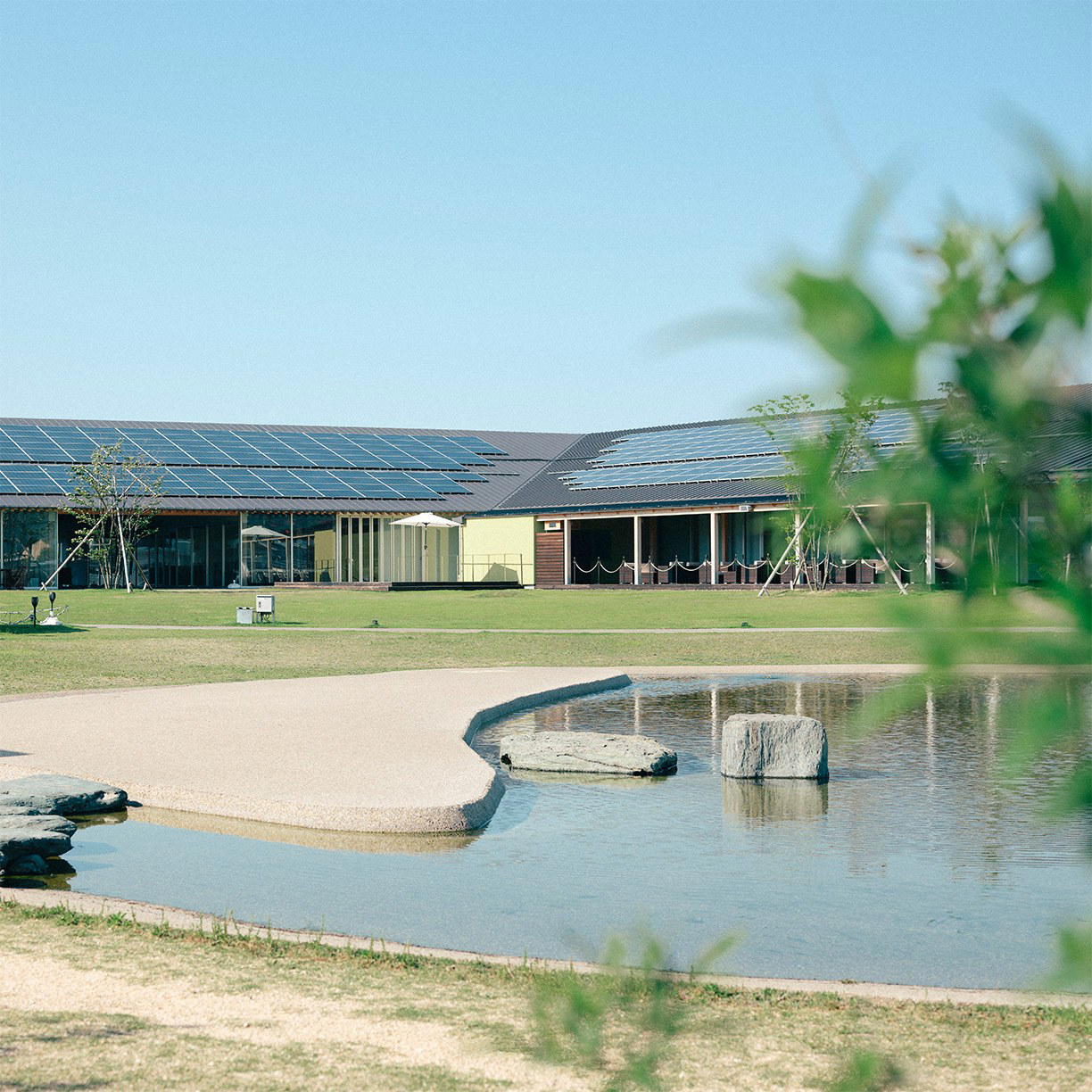
At a Glance
- Scenic
- Quiet
- Cozy
- Rustic
- Solo
- Family
- Casual Hangout
- Terrace
- Waterfront
- Panoramic View
- Standalone
- Sake Program
- Waterfront
- Mountain
Current opening hours
- Monday
- 11:30 AM–1:30 PM
- Tuesday
- 11:30 AM–1:30 PM
- Wednesday
- 11:30 AM–1:30 PM
- Thursday
- 11:30 AM–1:30 PM
- Friday
- 11:30 AM–1:30 PM
- Saturday
- 11:30 AM–2:30 PM
- Sunday
- 11:30 AM–2:30 PM
Hours can change for holidays and private events. Last verified .
A small, reservation-only soba shop in the mountains with tatami and terrace seating, quiet and relaxed like a hidden countryside retreat, where guests eat in a calm, non-smoking space while enjoying views of the river and surrounding nature.