Tabelog 100 #43
Our verdict
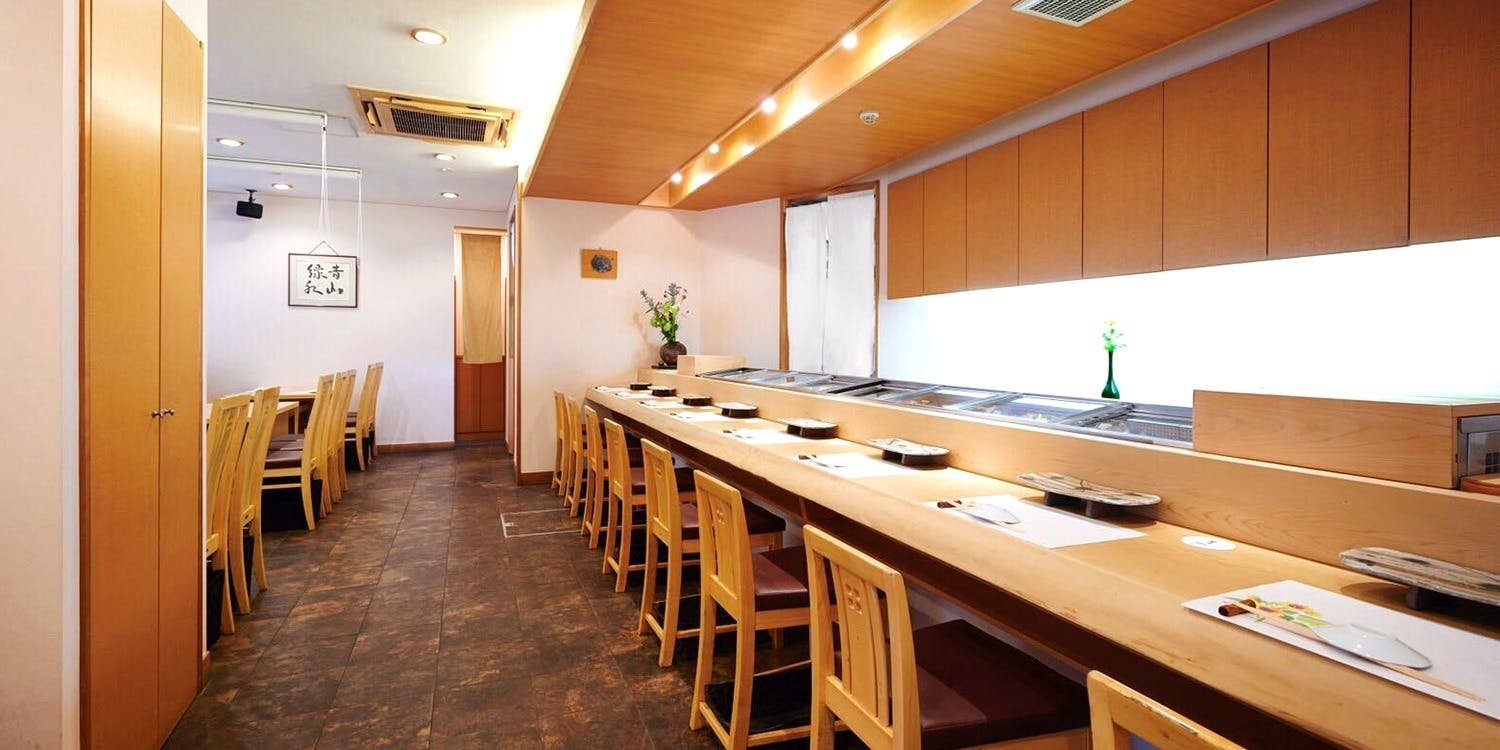
Teuchi Soba Kiri Takumi belongs to Tokyo’s serious soba circuit rather than the city’s luxury tasting-menu economy. In Kanda Sakumacho, between Akihabara’s electronics traffic and Iwamotocho’s office rhythm, it keeps the focus on hand-cut buckwheat noodles, tempura, and a compact room with counter seating. Tabelog selected it for Soba EAST “Tabelog 100” in 2025, 2024, and 2022.

Pearl is the En Primeur Club membership app, where members save venues, book tables and use the concierge.
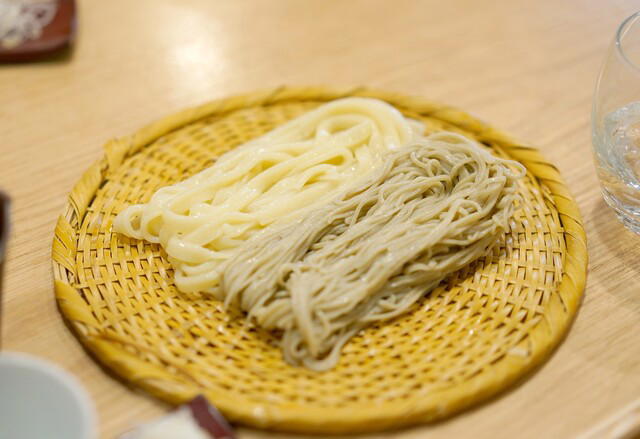
The first cue is the city shift. Tokyo’s glare and station traffic give way to lower-key working blocks, where lunch counters, noodle shops, and after-work dining rooms shape daily food culture more than polished hotel-district dining rooms. Here, soba reads differently: not a default ceremonial splurge, but a test of craft in a format that must still serve solo diners, office regulars, and people who know the difference between a noodle shop and a noodle specialist.
Teuchi Soba Kiri Takumi fits that older Tokyo logic. The room is presented as a specialist rather than a theatrical luxury counter, and the category is clear: soba, tempura, and noodles. The point is not maximalism. Tokyo soba culture rewards restraint, repetition, and detail, especially in commercial districts where a serious lunch can be brief without feeling careless.
Tokyo gives the soba format its edge
Tokyo suits diners who prefer the working-city food culture to destination-dining pageantry. Around major stations, restaurant culture is more layered than any single shopping or entertainment shorthand suggests. Curry shops, ramen counters, izakaya, soba rooms, and specialist noodle houses operate close together, serving a clientele that values speed, price discipline, and repeatability.
That matters for soba. In a workday city, craft must be legible without long explanation. Tokyo buckwheat noodles are judged through texture, cut, aroma, dipping sauce, temperature, and pacing, yet the plain form exposes weak technique. Tempura adds another axis: frying and noodle timing must align without making the meal a drawn-out production. A soba address in Tokyo can therefore feel more revealing than a grander room elsewhere. The format leaves little cover.
Recognition places the restaurant in a defined competitive tier. Selection from Tabelog’s Hyakumeiten source in 2025 signals relevance within the soba category, not merely a passing tourist mention. Its Tabelog score is 3.66, which reads differently in Japan than on global review platforms: for specialist Japanese restaurants, especially small ones, mid-to-high threes often indicate a serious local following rather than broad tourist volume.
Soba without luxury-dining theatre
Modern Tokyo visitors often reach noodles through ramen, where lines, limited bowls, and shop branding dominate. Soba is quieter and less forgiving. The core act is agricultural and technical: buckwheat behaves differently from wheat, and character depends on grind, ratio, kneading, rolling, cutting, boiling, rinsing, and serving rhythm. A restrained soba meal can look simple, but the margin for error is narrow.
Here, the evidence points to a classic specialist, not a hybrid concept. The listed categories stay close to soba, tempura, and noodles. That suits Tokyo’s everyday dining culture, which does not always need another spectacle-driven restaurant. It needs places where craft is visible through discipline.
Compared with other Tokyo casual noodle and curry options, the restaurant occupies a more deliberate lane. Tokyo Style Noodle Hotate Biyori and Mendokoro Honda Akihabara honten speak to the city’s ramen and noodle-counter economy, while Indian Restaurant Aarti and The French Toast Factory Yodobashi Akiba ten show how broad Tokyo’s dining map becomes once station traffic is included. Teuchi Soba Kiri Takumi is narrower by design, choosing a focused form and keeping the offer concentrated enough for that form to carry the meal.
The restaurant’s appeal does not depend on a founding-year narrative or a celebrity-owner story. It belongs to a contemporary Tokyo specialist pattern: small, category-specific restaurants using familiar forms with enough precision to attract local ranking culture. For travellers, it offers a route into Tokyo soba without the time commitment, expense, or ceremony of high-end omakase dining.
How to read it within a Tokyo itinerary
Use this address as a Tokyo dining anchor. The city is often treated as a sequence of shopping, culture, and nightlife stops, but eating well nearby can sharpen the day. A soba meal creates a different rhythm from station-facing restaurant floors: smaller scale, less visual noise, and closer contact with Tokyo’s everyday specialist dining.
It also pairs naturally with a broader Tokyo food plan. For readers mapping the city, . 鮪と炭火焼き うお炭 秋葉原店 keeps the focus on Tokyo, while other dining rooms show how quickly the city changes by district and format. For citywide planning, use Our full Tokyo restaurants guide alongside Our full Tokyo hotels guide, Our full Tokyo bars guide, Our full Tokyo wineries guide, and Our full Tokyo experiences guide.
Travellers extending the comparison beyond Tokyo can read the soba format against other Japanese and Japanese-adjacent specialists in general terms. Within Japan and abroad, Japanese food formats change meaning as they move between neighbourhoods, audiences, and service styles. That contrast helps underline how grounded Teuchi Soba Kiri Takumi feels in its original city context.
The editorial case is simple: this is a Tokyo soba specialist whose appeal depends on place as much as product. In Tokyo, buckwheat noodles are not an exotic performance for visitors; they are part of the city’s working grammar. That makes the restaurant a useful corrective to itineraries overloaded with luxury counters and reservation trophies, and shows how much authority a small specialist can carry when category, room, and city align.
Frequently asked questions
What part of town is Teuchi Soba Kiri Takumi in?
Tokyo.
Is Teuchi Soba Kiri Takumi more mid-range or high-end?
Pricing at Teuchi Soba Kiri Takumi is listed as Dinner: JPY 3,000 - JPY 3,999; Lunch: JPY 1,000 - JPY 1,999.
What time does Teuchi Soba Kiri Takumi open and close?
Published hours are not provided in the source details used; confirm directly with the restaurant before visiting.
What is Teuchi Soba Kiri Takumi known for?
Teuchi Soba Kiri Takumi is known as a Tokyo soba specialist, with tempura and noodles listed alongside the soba focus. Its Tabelog Hyakumeiten recognition in 2025 gives it clear third-party credentialing.
Accolades, Compared
Comparable venues to anchor price and recognition.
| Venue | Cuisine | Price | Awards | Notes |
|---|---|---|---|---|
| Teuchi Soba Kiri TakumiThis venue (the venue you are viewing) | Traditional Handmade Soba | $10–20 | Tabelog 100 #43 | Not listed |
| Hekkelun | Classic Japanese kissaten & pudding café | $1–10 | Tabelog 100 | Toranomon/Shinbashi |
| Fukuo Shoten | Traditional Japanese sweets and agar jelly shop | $1–10 | Tabelog 100 #61 | Chiyoda |
| Kamezawa Do | Japanese Confectionery (Wagashi) | Not listed | Tabelog 100 #20 | Chiyoda |
| Gion Tsujiri Toukyou sukaitsurii taun soramachi ten | Matcha sweets & Japanese cafe | $1–10 | Tabelog 100 #46 | Sumida |
| Kadoya | Japanese traditional sweets (wagashi) shop | $1–10 | Tabelog 100 #90 | Adachi |
Recognition history
Dated appearances from independent guides and award organizations, with the underlying list record or original source where available.
Tabelog 100 #43 · No. 43
Tabelog · Tabelog 100 - Soba - EAST - 2025