
Tabelog 100 #46
Our verdict
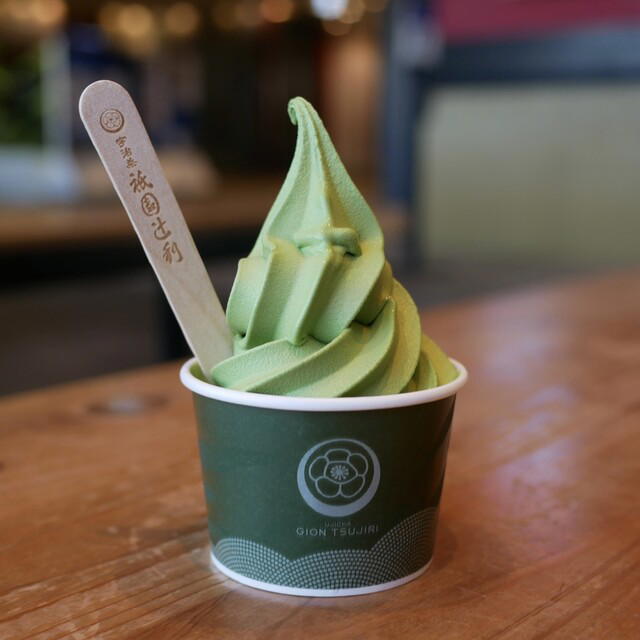
Inside Tokyo Solamachi, Gion Tsujiri Toukyou sukaitsurii taun soramachi ten puts Kyoto tea culture into a high-traffic Skytree setting: soft serve, cafe formats, and takeout rather than a formal salon. Its selection for Tabelog 100 Ice cream / Gelato 2023 gives it a credential beyond mall convenience, especially for travellers reading Oshiage as more than an observation-deck stop.

Pearl is the En Primeur Club membership app, where members save venues, book tables and use the concierge.
The menu
What to order
- Matcha soft serve ice cream
- Matcha parfait
Tokyo is built for movement: station exits, escalators, souvenir floors, families tracking the next stop, and visitors folding dessert into a larger day. Here, a sweets stop becomes portable rather than ceremonial: not a hushed room transplanted into the city, but a compact cafe format adapted to a busy commercial setting where soft serve and short-pause service carry a clear specialist identity without requiring a long sitting.
Gion Tsujiri Toukyou sukaitsurii taun soramachi ten fits that urban pattern. Tokyo’s dessert scene now separates pedigree from formality, supporting tasting-menu patisserie, department-store sweets counters, convenience-store sweets, and specialist soft-serve shops in one afternoon. The format is concise, the category is soft serve ice cream and cafe, and the recognition is concrete: selection for Tabelog 100 Ice cream / Gelato 2023, with a Tabelog score of 3.58. In Japan’s crowded casual-sweets field, that placement makes this branch a specialist stop rather than an anonymous sugar break.
Specialist dessert culture, compressed for the Tokyo crowd
The evolution matters. Dessert brands can express authority through sourcing, shopkeeping, and ritual pace. Tokyo’s mixed-use stations and commercial addresses change the grammar. A focused cafe in a destination setting must work for families, friends, commuters, and time-limited visitors, so the experience is compressed into takeaway and short-pause service. That need not weaken the category. In Tokyo, it can clarify it: a narrow format, recognizable identity, and a dessert style understood without translation.
Tokyo also changes the audience. Some sweets counters speak to shoppers moving through polished retail; others lean toward old-city food routes or neighborhood regulars. This branch draws guests for convenience, shopping, transit, or a compact break in the day. A dessert shop becomes cultural shorthand: soft serve as the accessible edge of a wider Japanese sweets landscape. The branch’s Tabelog 100 Ice cream / Gelato listing signals the category has moved beyond novelty into a judged field where texture, consistency, service flow, and queue tolerance shape the decision.
The Tokyo comparison is less with formal restaurants than compact specialist formats. Chicken houses such as Tamahide, counter-driven yakitori such as Yakitori Omino, and contemporary rooms such as KOKYU ask diners to build an evening around a meal. A Tokyo dessert stop asks how much culinary signal a short-format venue can carry in a high-traffic setting. The answer is enough, when the product has clear identity and the operation resists generic dessert.
Why Tokyo suits serious soft serve
Soft serve in Japan is casual, but it rewards precision. It is perishable, temperature-sensitive, and unforgiving when the base is thin or flavoring blunt. A specialist cafe gives the product a tighter frame than a broad dessert shop: fewer distractions, quicker turnover, and a clearer reason to choose it over parfaits, cakes, or souvenir confectionery elsewhere in the city.
The branch’s short-format orientation suits Tokyo dining habits. Not every worthwhile stop requires a reservation, counter seat, or chef-led performance. Some sharper eating is transactional in the useful sense: stand, order, eat, move on. That rhythm connects this address to a wider Tokyo pattern, where compact shops carry surprising authority. Readers can pair the stop with other dining in Tokyo without forcing dessert into a formal itinerary.
Tokyo dessert credibility has broadened beyond the era when Western patisserie dominated international attention. Soft serve, shaved ice, taiyaki, dorayaki, bean-paste sweets, and parfait culture now sit beside French technique and convenience-store innovation. The city’s strength is not one dessert tradition but several run at high competence. A focused sweets name in a busy Tokyo setting is no contradiction; it shows how Japanese food identities travel inside the capital: brand identity supplies meaning, Tokyo supplies volume and speed.
How to place it in a Tokyo food day
This is a precision stop, not a destination dinner. It works when Tokyo is already on the route, when a day of shopping or sightseeing needs a food punctuation mark, or when a traveller wants a specialist dessert break without crossing the city for a formal cafe. Treat it as a short-format specialist within Tokyo’s broader dining map, then spend the longer meal elsewhere. For planning, other casual Tokyo formats can pull the day in different directions, showing how the city’s quick-service and dessert categories carry distinct visual or culinary identities without becoming full evening commitments.
For readers comparing Tokyo’s range rather than chasing one genre, the contrast is useful. Some restaurants occupy very different rhythms from this branch’s dessert traffic, which is why Tokyo rewards careful sequencing. Regional and city-by-city detours can widen the frame, but the point remains simple: compact Japanese dining categories shift by context, audience, and pace. Gion Tsujiri Toukyou sukaitsurii taun soramachi ten belongs in that map as a focused soft serve ice cream and cafe stop rather than a full-service restaurant substitute.
The clean verdict is editorial, not sentimental: Gion Tsujiri Toukyou sukaitsurii taun soramachi ten proves a high-traffic Tokyo setting can hold a credible specialist dessert address. It does not replace formal sweets service or Tokyo patisserie; it translates a focused dessert identity into quick service, backed by a category award that separates it from ordinary sweets. For broader planning, use the full Tokyo restaurants guide alongside Tokyo hotels, bars, wineries, and experiences coverage, then place this venue where it works best: as a concise soft-serve pause in a larger Tokyo day.
Cuisine-First Comparison
Comparable venues by cuisine and category.
| Venue | Cuisine | Price | Awards | Notes |
|---|---|---|---|---|
| Gion Tsujiri Toukyou sukaitsurii taun soramachi tenThis venue (the venue you are viewing) | Matcha sweets & Japanese cafe | $1–10 | Tabelog 100 #46 | Not listed |
| Sabameshi no Sabashou | Japanese saba-focused cafeteria | $10–20 | Tabelog 100 #15 | Chiyoda |
| Kanmi Okame Koutsuu kaikan ten | Traditional Japanese sweets café | $10–20 | Tabelog 100 #15 | Chiyoda |
| King Seimen | Modern Tokyo ramen & dumpling shop | $10–20 | Tabelog 100 #67 | Kita |
| 常 | Kaiseki with Wagyu | $300–500 | 1 Michelin Star · Tabelog 100 #37 | Minato |
| Kasho Kikuya | Traditional Japanese Wagashi Confectionery | $1–10 | Tabelog 100 #80 | Minato |
Recognition history
Dated appearances from independent guides and award organizations, with the underlying list record or original source where available.
Tabelog 100 #46 · No. 46
Tabelog · Tabelog 100 - Ice cream / Gelato - 2023
Continue exploring
More in Tokyo
Restaurants in Tokyo
All restaurants in Tokyo →









Details
- Modern
- Cozy
- Well Known
- Solo
- Family
- Casual Hangout
- After Work
- Standalone
- Design Destination
- Local Sourcing
- A La Carte
- Counter Dining
- Tea
Current opening hours
- Monday
- 11 AM–10 PM
- Tuesday
- 11 AM–10 PM
- Wednesday
- 11 AM–10 PM
- Thursday
- 11 AM–10 PM
- Friday
- 11 AM–10 PM
- Saturday
- 11 AM–10 PM
- Sunday
- 11 AM–10 PM
Hours can change for holidays and private events. Hours as of .
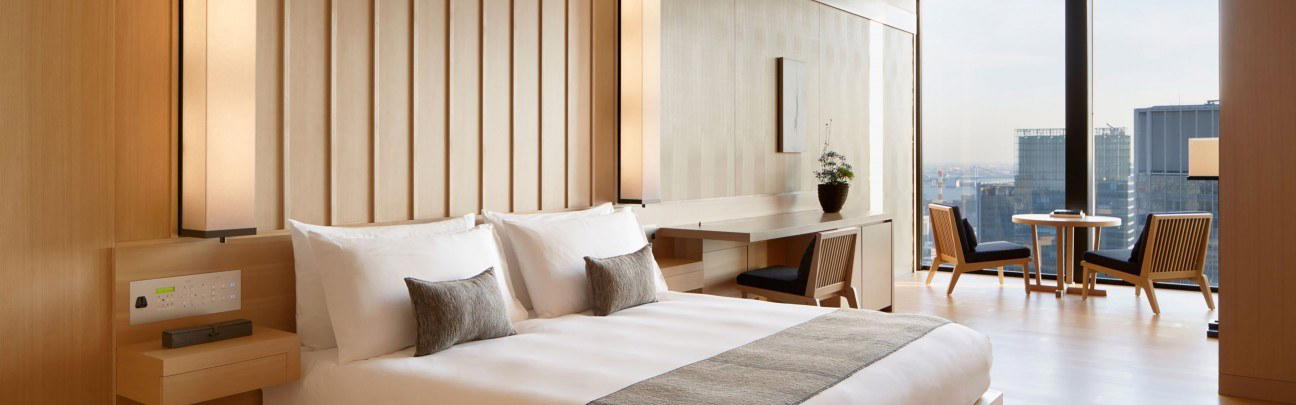
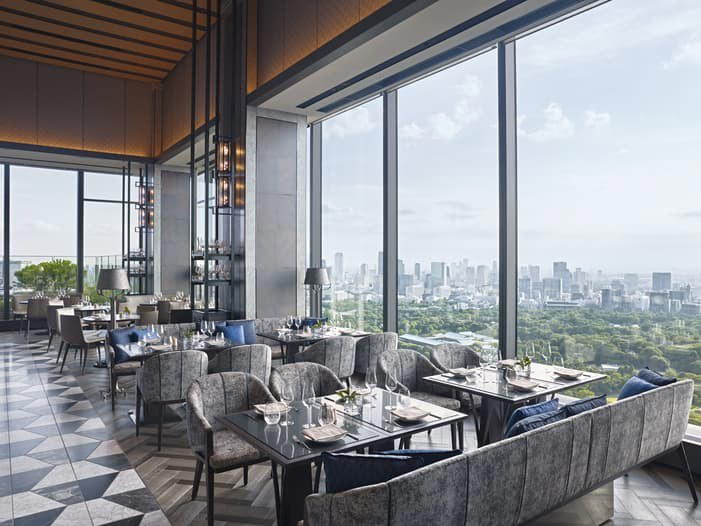
Bright, modern tea-and-sweets shop inside a busy mall floor, with a clean and stylish design that feels casual and welcoming rather than formal.