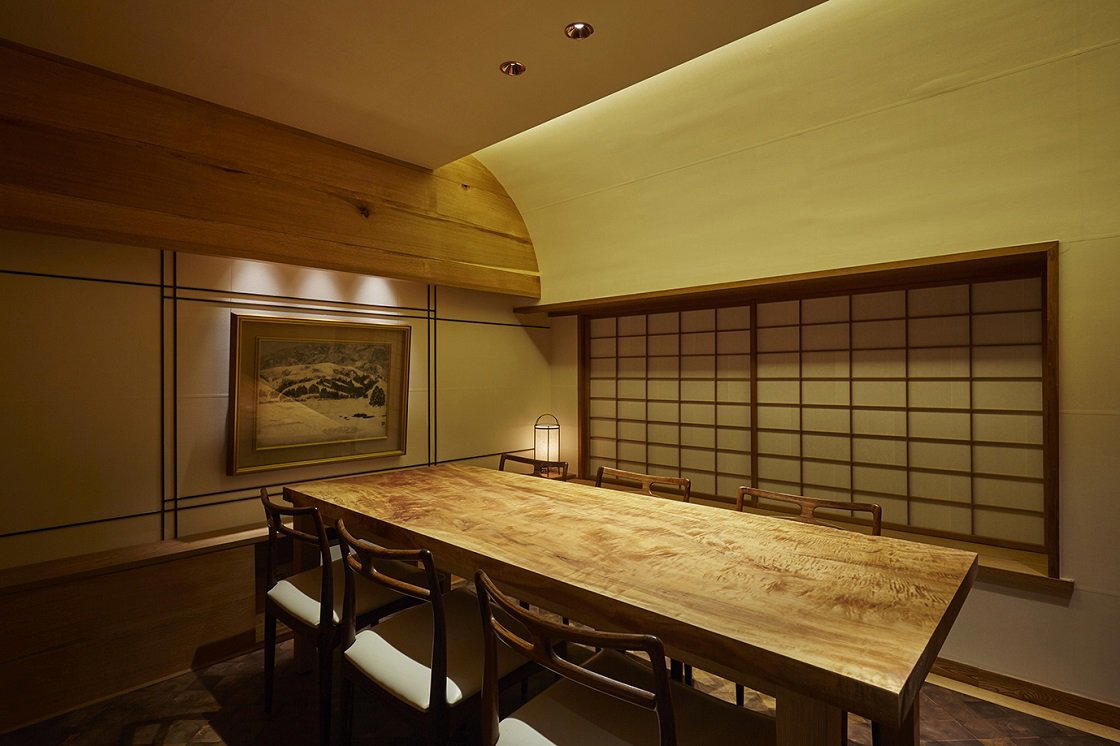
Tabelog 100 #32
Our verdict
Teuchi Men Yasuda belongs to Osaka’s compact, craft-driven ramen tier: seven counter seats, hand-made noodle identity, and repeated selection in Tabelog’s Ramen Hyakumeiten lists from the WEST era through OSAKA 2025. The appeal is less about spectacle than format discipline near Shin-Osaka, where lunch-only service and counter seating make the meal feel closer to a specialist workshop than a station-area convenience stop.

Pearl is the En Primeur Club membership app, where members save venues, book tables and use the concierge.
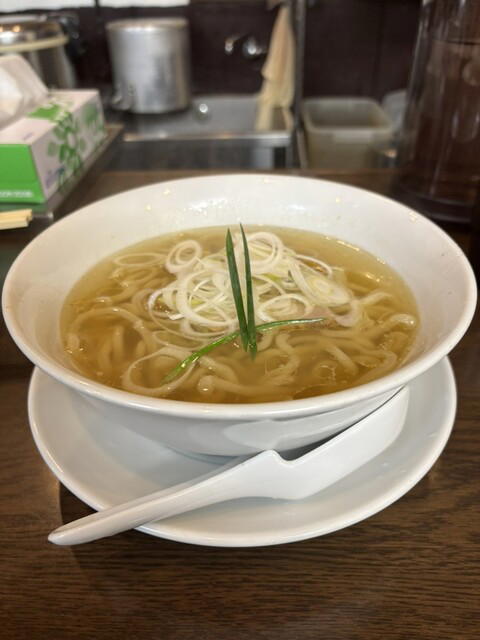
Approaching Osaka, the dining rhythm shifts fast: suitcase traffic, office lunches, and specialist meals tucked into ordinary city routines. Ramen here is not framed by nightlife glamour or tasting-menu ceremony. It is often a midday transaction of speed, repetition, and close attention to narrow craft. Teuchi Men Yasuda fits that mode: an Osaka ramen address whose name foregrounds noodles and whose appeal is best read through focus rather than spectacle.
Visitors often flatten Osaka’s food culture into takoyaki, okonomiyaki, and kushikatsu. That misses a quieter noodle scene. Stronger ramen addresses can be specialized, direct, and better suited to planning than wandering. Teuchi Men Yasuda appears in Tabelog’s Ramen Hyakumeiten recognition for 2025, with a listed score of 3.73 and a price band of - JPY 999. In Osaka’s dense, competitive casual dining field, that kind of category signal matters.
A focused ramen address in Osaka's tighter casual tier
The ramen format is one of Japan’s clearest models for serious low-price dining. It compresses the restaurant experience into a close sequence: noodles, bowls, timing, handoff. There is little room for excessive mood-setting; the meal either runs cleanly or it does not. At Teuchi Men Yasuda, the experience points toward concentration and set expectations. This is not a leisurely group meal or a place for extended browsing. It suits diners who understand that the ramen stop is defined by pace, focus, and the bowl itself.
The shop’s category matters. A ramen operation places the restaurant firmly inside a specialist tradition: narrower rhythm, direct ordering logic, and less tolerance for indecision than a broad-menu dining room. Around Osaka, diners can default to efficient carbohydrates in many forms, from curry to udon to bakery counters. In that context, a noodle-led ramen address asks for different attention.
Comparison clarifies the niche. Moja Curry Shin osaka honten and Jonetsu Udon Sanshu Shin'osaka ten share Osaka’s practical orbit, where lunch must work under pressure and cost discipline matters. de tout PAINDUCE Ekimarushie shinōsaka ten serves another commuter-friendly need, while Toki Ya sits in the same broad low-to-mid budget conversation. Teuchi Men Yasuda competes less on convenience than on category focus: Hyakumeiten recognition, ramen specificity, and a style that turns a quick lunch into a narrow technical proposition.
The noodle signal, and why the awards matter
Noodles are not a branding detail in ramen. They shift attention from broth alone to texture, thickness, hydration, and timing. Osaka’s stronger ramen shops often define themselves through a technical axis: clarity, intensity, seasoning, density, or noodle work. Here, the signal sits in the name and the category. A ramen address can survive scrutiny only if its core mechanics hold across ordinary service, not just as a novelty.
Tabelog’s Hyakumeiten lists identify depth within a category rather than general luxury. Teuchi Men Yasuda’s 2025 recognition places it among ramen addresses with notable local attention in Osaka, alongside a listed score of 3.73. That does not make the meal formal. It argues the opposite: some of Japan’s more serious cooking sits below the price and ceremony threshold where international travelers usually start looking.
The value is also temporal. A ramen meal behaves differently from a restaurant built for reservations and lingering. Demand is absorbed bowl by bowl and hour by hour. Practically, arrive with a ramen plan, not as an afterthought. Critically, Osaka is often treated through broad food clichés, yet its better casual stops show craft hiding in plain commercial rhythm without becoming decorative.
For a wider Osaka map, this is a counterweight to longer evenings and hotel-led itineraries. The city rewards mixing registers: a tight ramen lunch, a more expansive dinner, and a late drink elsewhere. EP Club’s broader Osaka coverage can help structure that spread, from our full Osaka restaurants guide to our full Osaka hotels guide, our full Osaka bars guide, our full Osaka wineries guide, and our full Osaka experiences guide.
How to place it in an Osaka day
The decision case is clear. Teuchi Men Yasuda makes sense when the day already calls for a ramen-focused Osaka itinerary, or when a diner values a specialist stop over broad menu range. It is less useful for diners seeking a long, leisurely meal or a reservation-led plan. The experience is intimate by structure rather than theatrical design. The point is focus: a low-price ramen stop whose appeal rests on category recognition, noodle identity, and disciplined pacing.
Osaka rewards appetite and sequencing. A ramen stop here can sit before another casual bakery run, a quick snack comparison, or a later reservation elsewhere in the city. For a softer daytime pause, an unnamed cafe gives the same city a different tempo. The point is not ranking but reading Osaka through formats. Ramen address, bakery, quick queue, dining room, cafe: each solves a different hour.
That format reading travels beyond Osaka in generic terms. A diner interested in concise Japanese specialist meals might compare the category logic with other compact counters, curry shops, noodle rooms, or casual dining rooms across Japan. More expansive or cross-cultural references sit elsewhere, from regional grills and seafood counters to sake bars and snack specialists abroad. Teuchi Men Yasuda belongs to the focused end: an Osaka ramen address where everyday dining intelligence is measured in timing, value, and noodles.
Frequently asked questions
Is Teuchi Men Yasuda suitable for children?
Teuchi Men Yasuda is best approached as a focused ramen stop in Osaka rather than a long, leisurely family meal. It also sits in the Tabelog 100 - Ramen - OSAKA - 2025 selection.
What is the atmosphere like at Teuchi Men Yasuda?
Expect a focused ramen setting with a pared-back service rhythm and a clear focus on noodle-led bowls in Osaka.
What's the pricing like at Teuchi Men Yasuda?
Pricing at Teuchi Men Yasuda is listed as - JPY 999.
When can I go to Teuchi Men Yasuda?
Check current opening details before going, as ramen shops can be sensitive to service changes and daily demand.
Cost and Credentials
Comparable venues for cuisine and category context.
| Venue | Cuisine | Price | Awards | Notes |
|---|---|---|---|---|
| Teuchi Men YasudaThis venue (the venue you are viewing) | Handmade Noodle Ramen Shop | $1–10 | Tabelog 100 #32 | Not listed |
| Umaiya Takoyaki | Traditional Osaka Takoyaki | $1–10 | Not listed | Tenma, Traditional Osaka Takoyaki |
| KUCHE | Modern KURO-style ramen & tsukemen | $10–20 | Tabelog 100 #88 | Higashiyodogawa, Modern KURO-style ramen & tsukemen |
| Columbia8 Kitahama honten | Osaka spice curry counter | $10–20 | Tabelog 100 #82 | Chūō, Osaka spice curry counter |
| Naniwa Menjiro | Modern ramen counter inside Osaka Namba Station | $10–20 | Tabelog 100 #99 | Chūō, Modern ramen counter inside Osaka Namba Station |
| Hokkyoku Nanba honten | Traditional Japanese ice candy shop | $1–10 | Tabelog 100 #32 | Chūō, Traditional Japanese ice candy shop |
Recognition history
Dated appearances from independent guides and award organizations, with the underlying list record or original source where available.
Tabelog 100 #32 · No. 32
Tabelog · Tabelog 100 - Ramen - OSAKA - 2025