Terrazza Costantino

In the Sicilian hill village of Sclafani Bagni, Terrazza Costantino has transformed a family trattoria into a Michelin Plate-recognised address built around local ingredients and a single tasting menu. The value-to-quality ratio is distinctive sharply for this price tier. Advance booking is essential, the format is intimate by design, not accident.
Pearl is the En Primeur Club membership app — saves, bookings, and concierge access live there. Same editors, same standards.
- Address
- Rione Sant'Antonio, 24, 90020 Sclafani Bagni PA, Italy
- Phone
- +39 339 115 5915
- Website
- terrazzacostantino.com
- Directions
- Get directions
 Saves & bookings on Pearl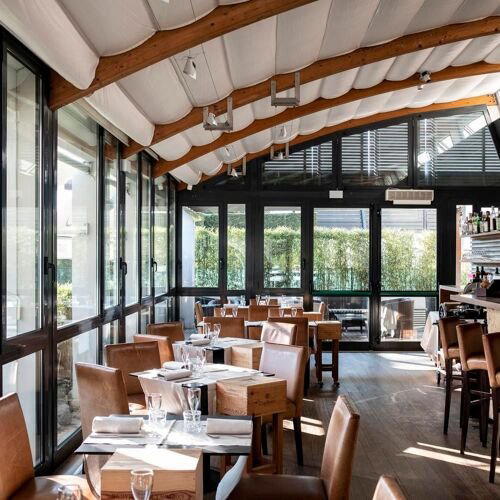
A Village Kitchen Rooted in the Madonie Hills
Sclafani Bagni sits at roughly 800 metres in the Madonie mountains of inland Sicily, a stone-built commune where the population numbers in the hundreds and the surrounding land still dictates what ends up on the plate. This is not the Sicily of beach resorts or Palermo street markets. It is an interior world of wild herbs, mountain-reared livestock, and seasonal rhythms that urban restaurants spend considerable money trying to simulate. At Terrazza Costantino, on Rione Sant'Antonio, those ingredients arrive because they are simply what is nearby, a structural advantage no amount of sourcing budget can replicate in a city kitchen.
The broader pattern across Italy's more interesting smaller restaurants in recent years has been a move away from the trattoria-as-it-always-was toward something more considered: tasting menus built around a specific place, with the produce doing most of the argumentative work. That shift has happened most legibly in regions where the raw materials are strong enough to carry the format, parts of Piedmont, Abruzzo, and increasingly, inland Sicily. Terrazza Costantino sits inside that trend, though its version of it is tied tightly to the Madonie rather than to any broader style movement.
What the Ingredient Story Actually Means Here
The Madonie Park, which surrounds this part of central Sicily, contains one of the island's more concentrated reserves of traditional agricultural variety: Sicilian black pig, Nebrodense lamb, wild mushrooms, chestnuts, and a range of foraged greens that shift across the calendar. For a kitchen working at this price point (€€, placing it well below the €€€€ bracket occupied by Italian fine-dining addresses like Osteria Francescana in Modena or Enoteca Pinchiorri in Florence), proximity to that material is everything. The food is described by Michelin as reinterpretations of local specialities, which, in this context, means dishes that respect what the territory produces rather than replacing it with imported technique.
This sourcing logic is worth taking seriously as a dining choice, not just as a romantic idea. Kitchens operating at altitude in interior Sicily work with a larder that genuinely differs from coastal equivalents. The proteins are different, the wild plants are different, and the cooking traditions that developed around them carry a specificity that is hard to find in restaurants that construct a local-produce narrative from a distance. At venues like Reale in Castel di Sangro or Atelier Moessmer Norbert Niederkofler in Brunico, the same principle applies at a much higher price point and with significant international recognition. Terrazza Costantino operates in that same philosophical territory at a fraction of the cost and without the surrounding apparatus of a major culinary destination.
The Format and What It Signals
There is a single tasting menu, offered in either a meat or fish orientation, and the choice can be discussed at the time of booking. This is a telling structural decision. A kitchen that offers one menu, rather than à la carte options, or multiple tasting formats at different prices, is one that has organised its supply chain around a specific set of dishes for a specific period. It is a commitment to seasonality that goes beyond the usual lip service, because the menu cannot easily absorb ingredients that are not available without restructuring the whole offering.
The Michelin Plate recognition, awarded in both 2024 and 2025, signals that the guide's inspectors have found the cooking consistently worth noting. The Michelin Plate category covers restaurants where the food quality warrants attention but where the full constellation of factors required for a star has not yet aligned, which, for a young kitchen in a small mountain village operating at €€ pricing, is a meaningful endorsement rather than a consolation.
For comparison with Italian country-cooking addresses in a similar vein, see 21.9 in Piobesi d'Alba and Andrea Monesi - Locanda di Orta in Orta San Giulio, both working in the same country-cooking category across northern Italy.
Value Position in the Italian Fine-Dining Context
Italian fine dining has a pronounced tendency to concentrate its recognised names in the north: the Veneto, Emilia-Romagna, Lombardy, and Piedmont hold a disproportionate share of Italy's Michelin stars and the associated press coverage. Addresses like Le Calandre in Rubano, Piazza Duomo in Alba, Dal Pescatore in Runate, and Enrico Bartolini in Milan define a tier of Italian cooking that is well-documented and heavily visited. Southern Italy and the islands carry a smaller share of that institutional attention, which means that the gap between quality and recognition tends to be wider in places like the Sicilian interior than in Piedmont or Lombardy.
The restaurant sits in that gap. The Michelin commentary explicitly flags strong value for money, which is not a phrase the guide uses to soften a critical assessment, it is a specific statement about the relationship between what is charged and what is delivered. At €€ pricing, a tasting menu of this calibre in this culinary tradition represents an argument for extending an Italian food trip beyond the well-mapped northern circuit.
Planning a Visit
Sclafani Bagni is a destination that requires intention. It is not a stop you make on the way to somewhere else, which means the visit to the restaurant benefits from being planned as the anchor of a Madonie excursion rather than a side note. Booking in advance is described as essential, the intimate format leaves no room for walk-in flexibility, and given the 4.9 rating with nearly 200 reviews, demand runs ahead of available covers. The meat or fish orientation of the menu is best confirmed at the time of booking rather than on arrival.
For contrast at the other end of Italy's coastal fine-dining spectrum, Quattro Passi in Marina del Cantone, Uliassi in Senigallia, and Casa Perbellini 12 Apostoli in Verona offer reference points for where Italian cooking sits at higher price tiers and different regional settings.
In Context: Similar Options
Comparable venues nearby, for context on price, style, and recognition.
| Venue | Cuisine | Price | Awards | Notes |
|---|---|---|---|---|
| Terrazza CostantinoThis venue — the venue you are viewing | Modern Sicilian Fine Dining | $$$ | Michelin Plate | Not listed |
| Filippino | Traditional Sicilian Seafood | $$$ | Michelin Plate | historic center |
| Palazzo Branciforte | Modern Sicilian Fine Dining | $$$ | Michelin Plate | Palermo Centro Storico |
| Marina del Nettuno | Modern Sicilian Seafood | $$$ | Michelin Plate | Yachting Club Messina |
| Al Fogher | Modern Sicilian Italian | $$$ | Michelin Plate | Piazza Armerina |
| Casa Rispoli | Modern Italian Seafood | $$$ | Michelin Plate | Historic Centre (Piazza San Francesco) |
Recognition history
Dated appearances from independent guides and award organizations, with the underlying list record or original source where available.
Michelin Plate
Michelin
Michelin Plate
Michelin
Michelin Plate
Michelin
Continue exploring
More in Sclafani Bagni
Restaurants in Sclafani Bagni
Browse all →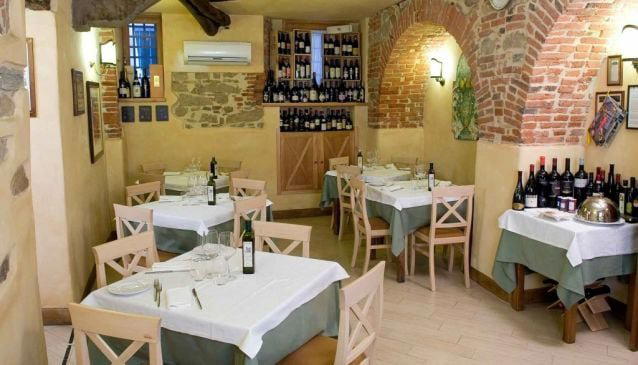
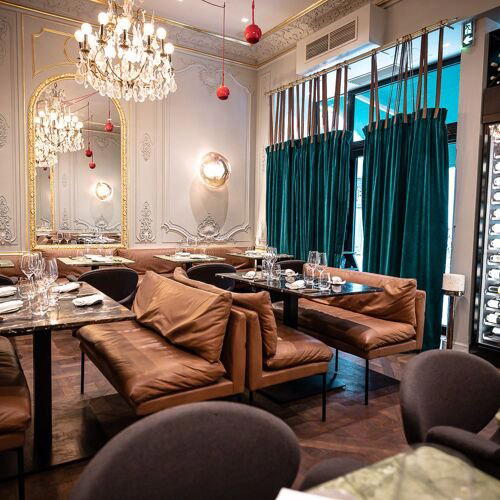
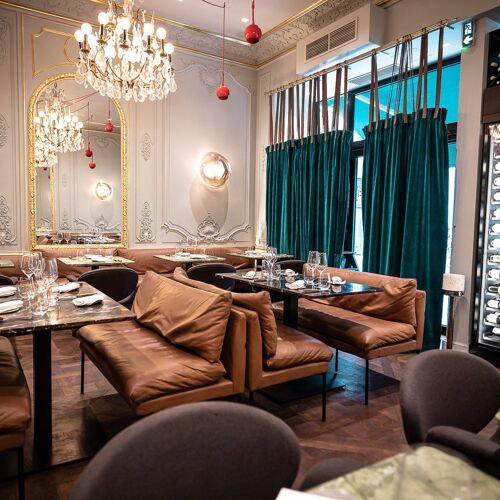
Bars in Sclafani Bagni
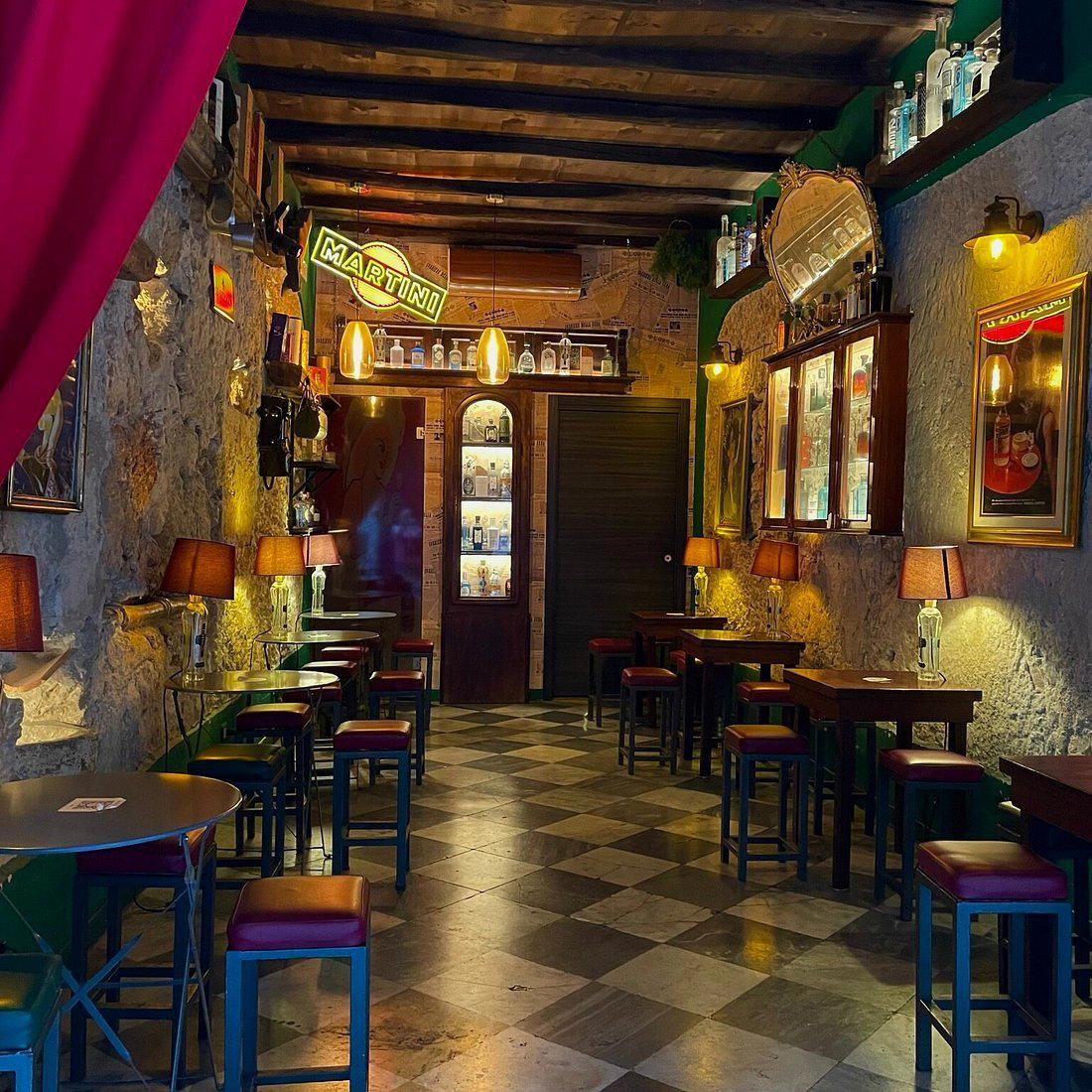
Browse all →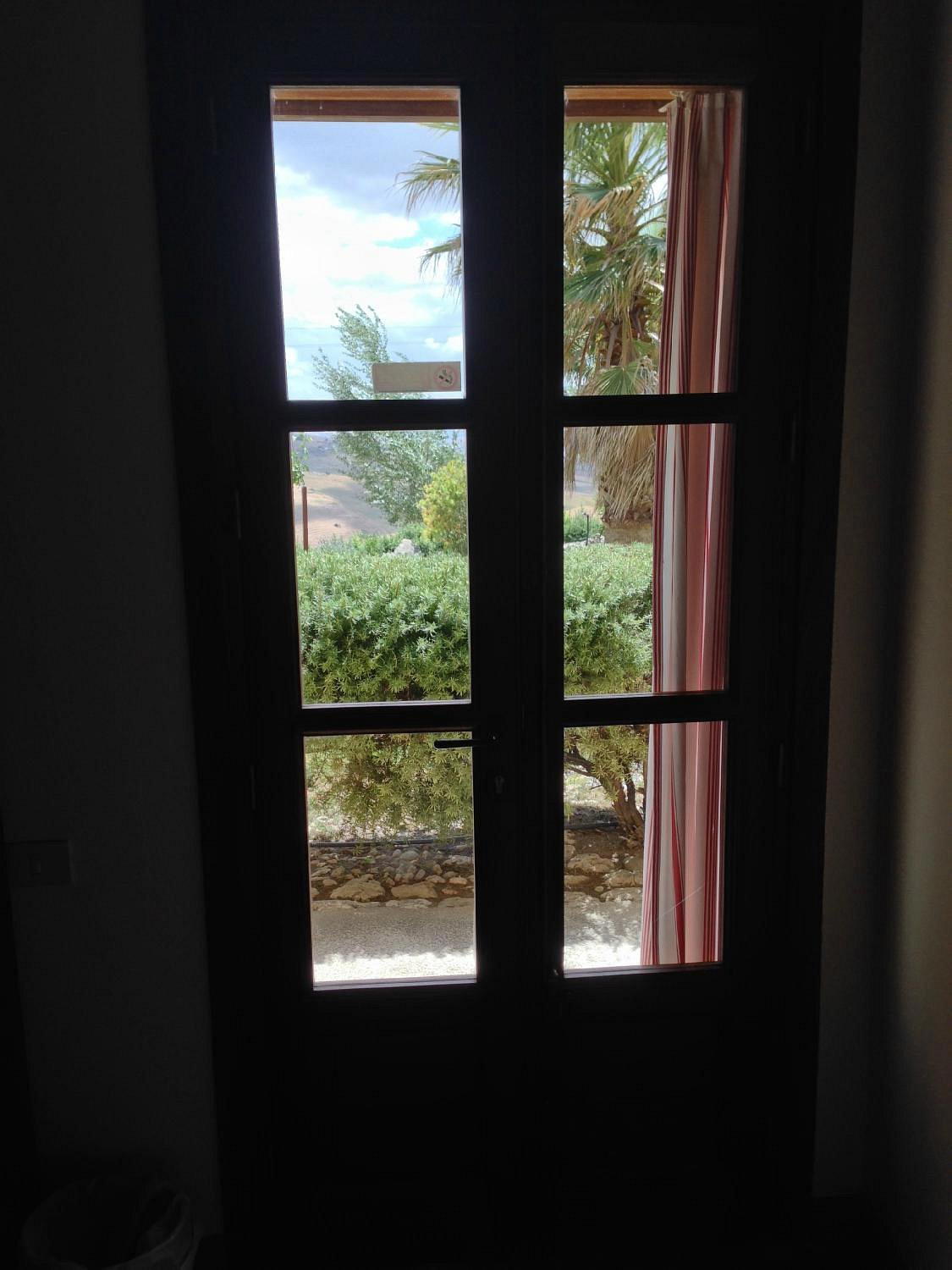
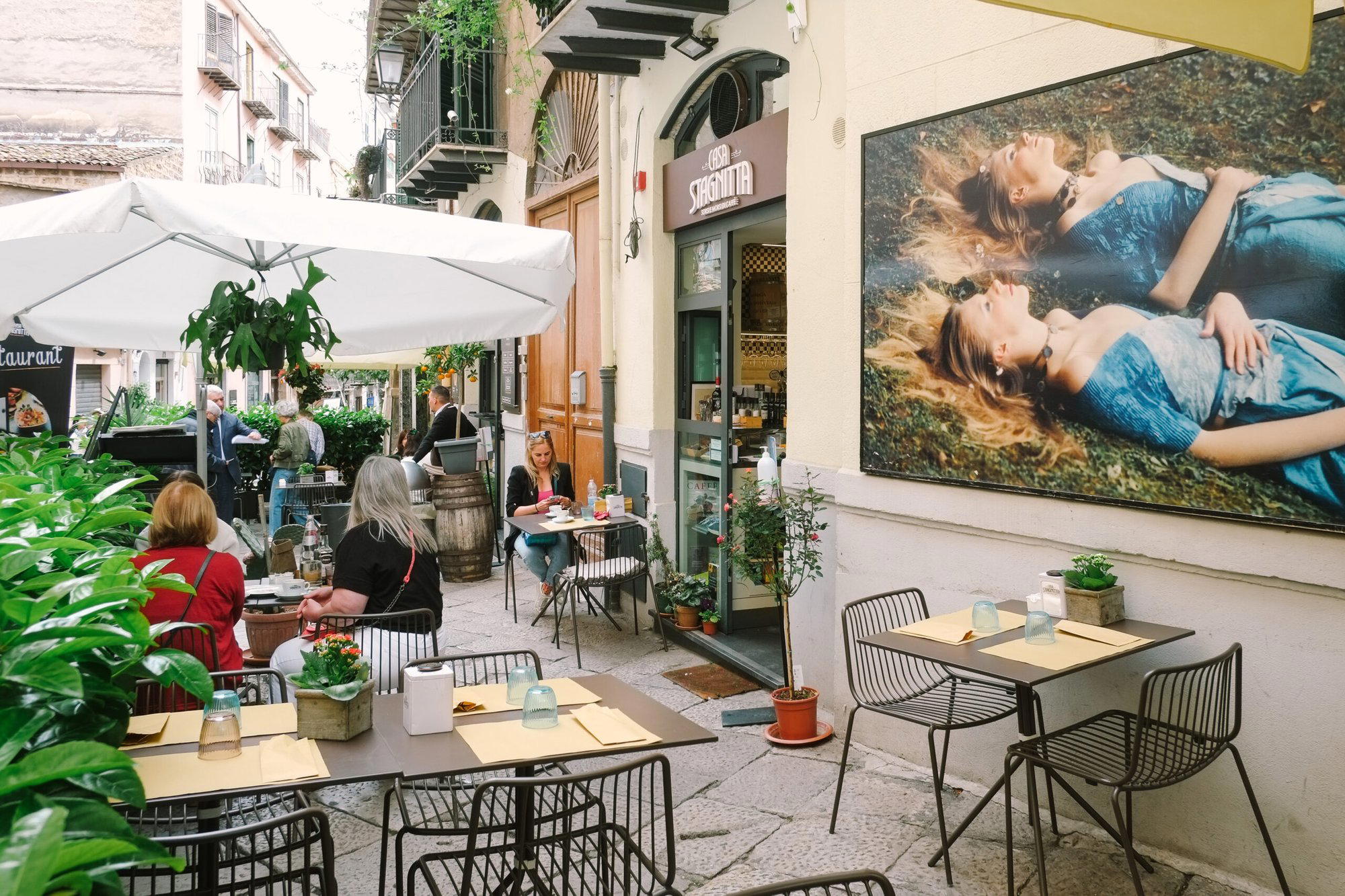
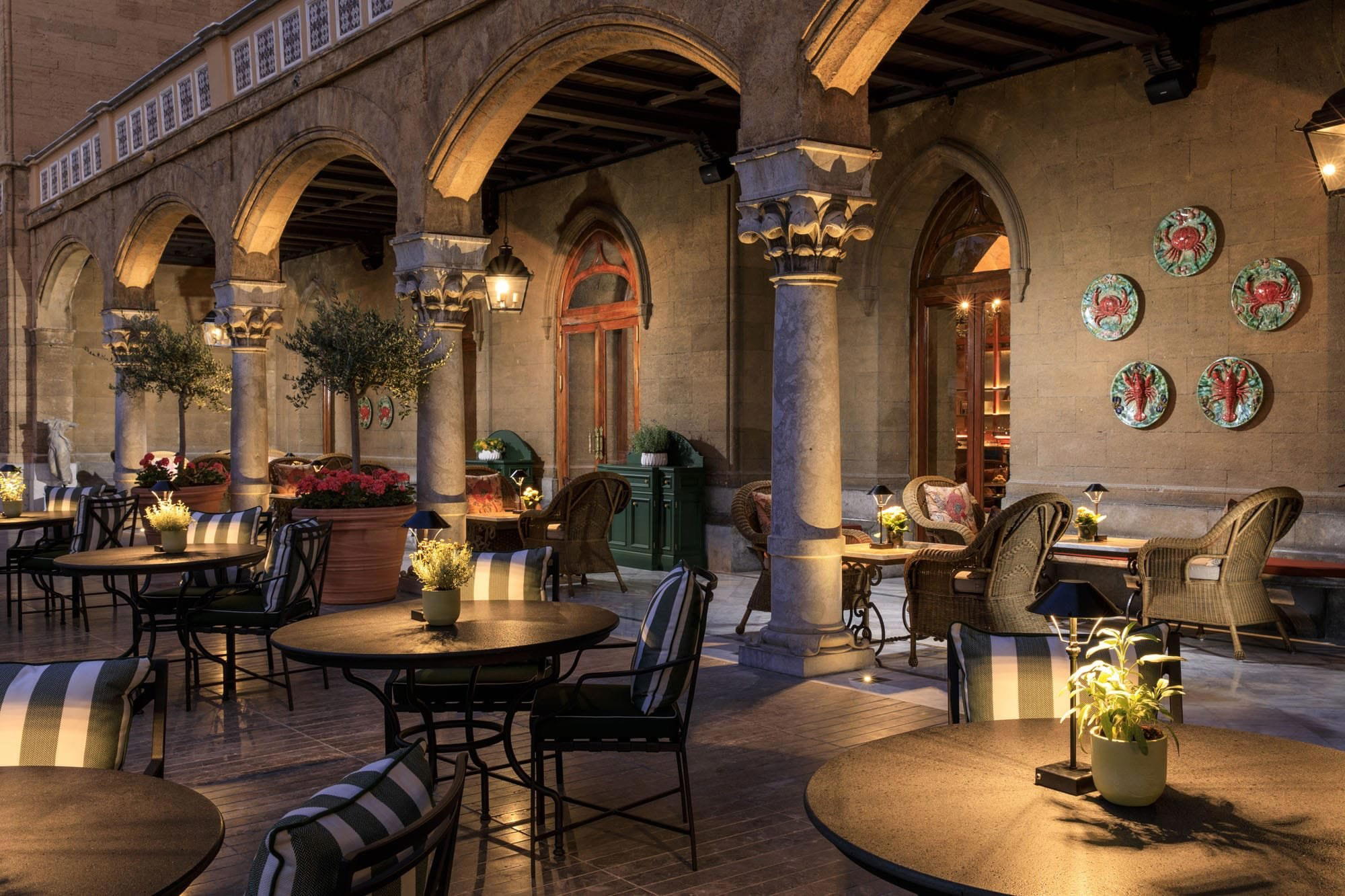
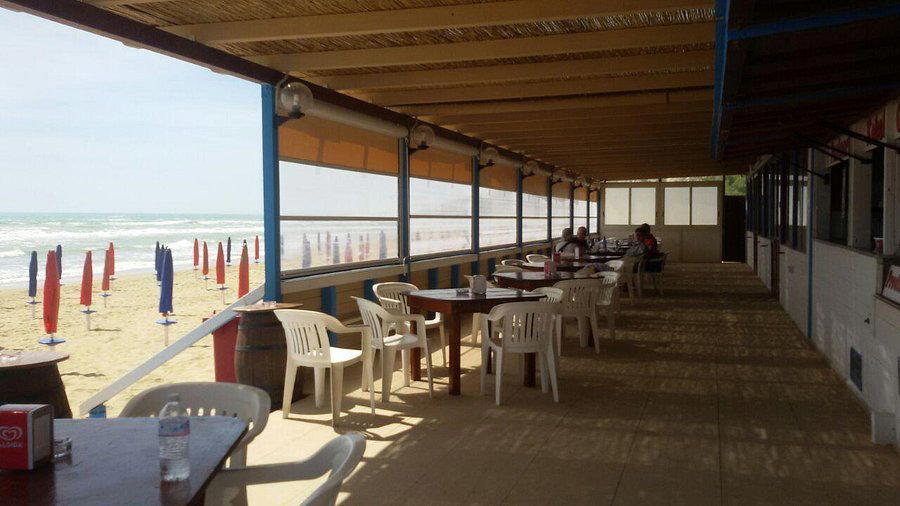
Hotels in Sclafani Bagni
Browse all →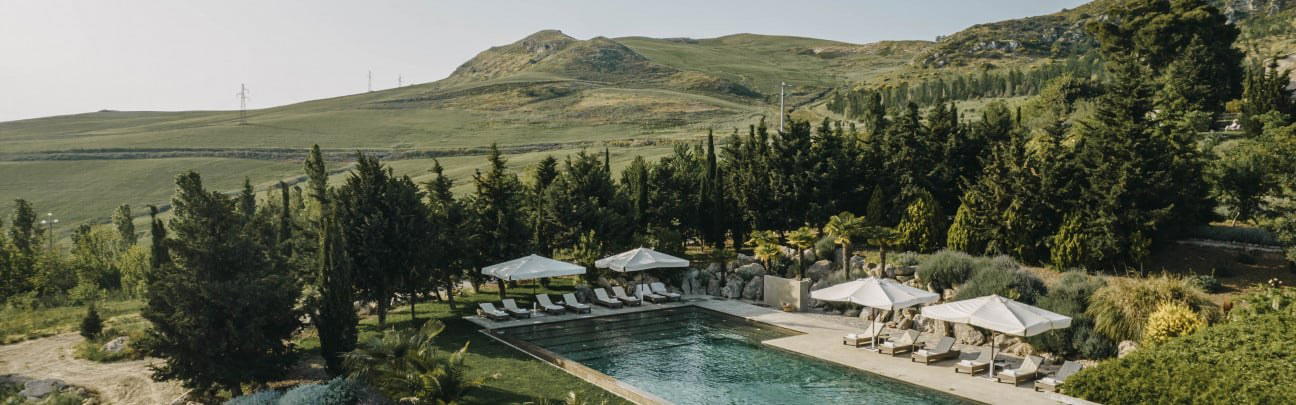
Wineries in Sclafani Bagni
Browse all →

At a Glance
- Elegant
- Intimate
- Scenic
- Sophisticated
- Date Night
- Special Occasion
- Terrace
- Panoramic View
- Extensive Wine List
- Local Sourcing
- Mountain
Current opening hours
- Monday
- Closed
- Tuesday
- Closed
- Wednesday
- Closed
- Thursday
- Closed
- Friday
- Closed
- Saturday
- 12:30–2 PM, 7:30–10 PM
- Sunday
- 12:30–2 PM
Hours can change for holidays and private events. Last verified .
Elegant yet informal country-chic atmosphere with refined table settings, serene terrace views, and a warm, pampering service in a small space with limited tables.