

On the northern coast of Sicily, Le Calette N°5 occupies a bay-side position that three generations of the Cacciola family have shaped into one of Cefalù's most considered boutique properties. Architect Angelo Miccichè's design eye runs through every terrace and whitewashed wall, placing the hotel in the company of Italy's design-led coastal properties rather than its volume-resort tier.
Pearl is the En Primeur Club membership app — saves, bookings, and concierge access live there. Same editors, same standards.
- Address
- V. Angela di Francesca, 1, 90015 Cefalù PA
 Saves & bookings on Pearl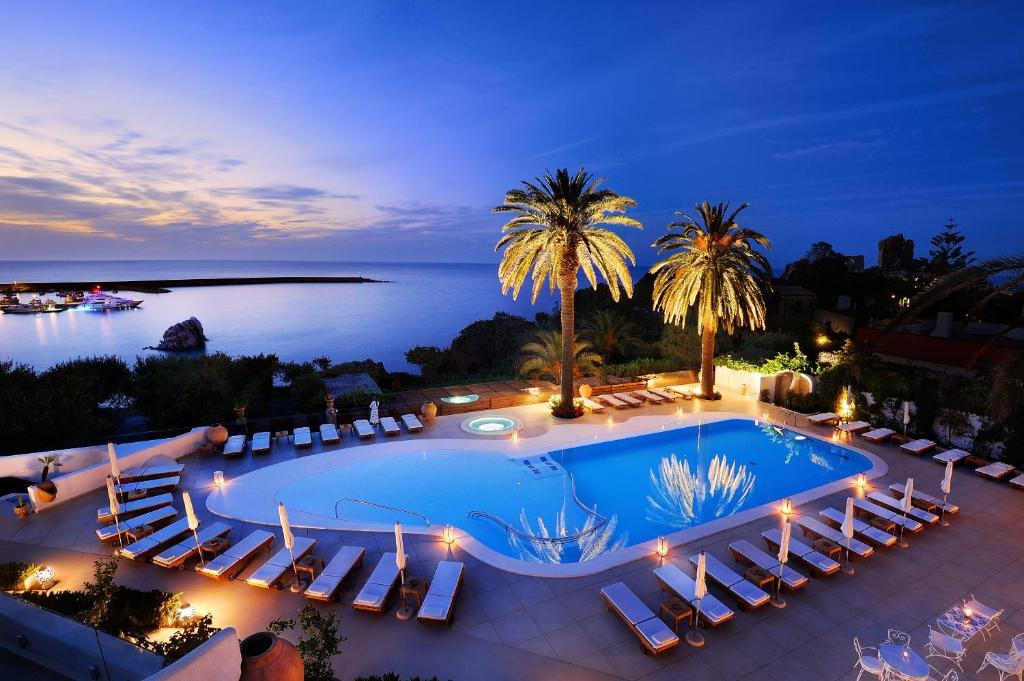
Where the Bay Shapes the Building
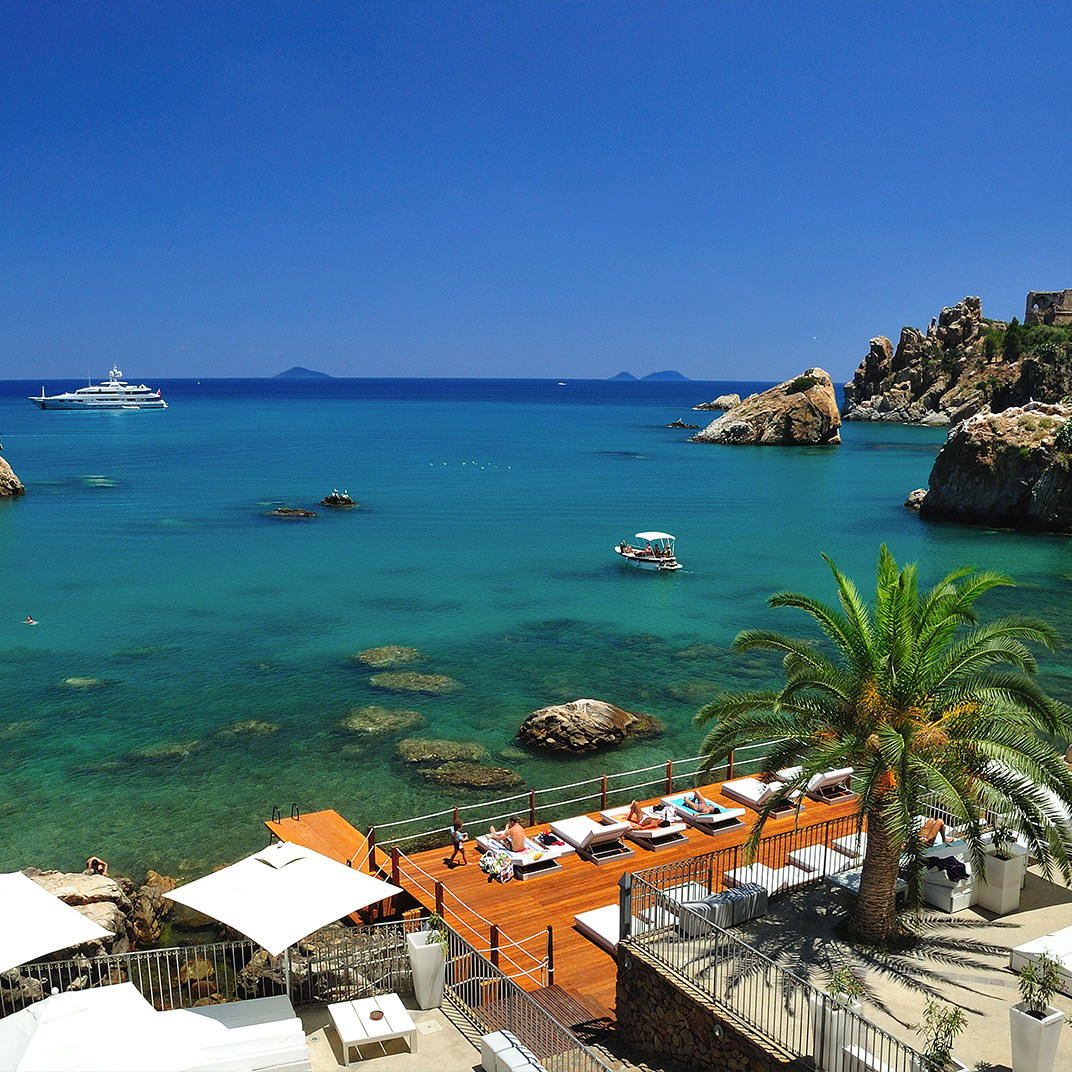
Along Sicily's Tyrrhenian coast, the relationship between architecture and water is rarely accidental. At Le Calette N°5, it is the defining logic of the entire property. The hotel follows the natural conformation of Caldura Bay, its terraces and volumes stepping down toward the sea rather than imposing a formal plan onto the hillside. Citrus, olive, and palm trees anchor the grounds, while fuchsia bougainvillea traces the whitewashed walls in a pattern that reads less as decoration and more as structural colour. Rockpools and the masts of boats in the nearby marina sit within sightlines from the upper terraces. This is the kind of coastal position that, in Italy's more trafficked resort zones, commands a premium and delivers very little. Here, it remains in proportion with the architecture around it.
The physical approach matters at a property of this character. Cefalù itself, about 70 kilometres east of Palermo on the A19 and A20 autostrade, is already a compression of Norman cathedral towers, Arab-Norman street grids, and fishing-village scale. Le Calette N°5 sits just outside the historic centre, on Via Angela di Francesca, where the bay opens and the density of the town recedes. The transition from old-town stone to the hotel's Mediterranean palette is abrupt in the leading sense: you move from one kind of beauty into another, and neither cancels out the other.
Three Generations, One Design Logic
Italy's privately held boutique hotels tend to fall into two camps: those that preserve a founding aesthetic unchanged across decades, and those that reinvent themselves with each ownership transition. Le Calette N°5 represents a third, less common path. Over more than fifty years, three generations of the Cacciola family have shaped the property, and the design has evolved continuously without losing coherence. The through-line is the architect's eye: Angelo Miccichè, who joined the family through marriage to Francesca Cacciola, brought a formal design discipline to what might otherwise have been an accumulation of personal taste. His involvement means the property reads as designed rather than merely decorated.
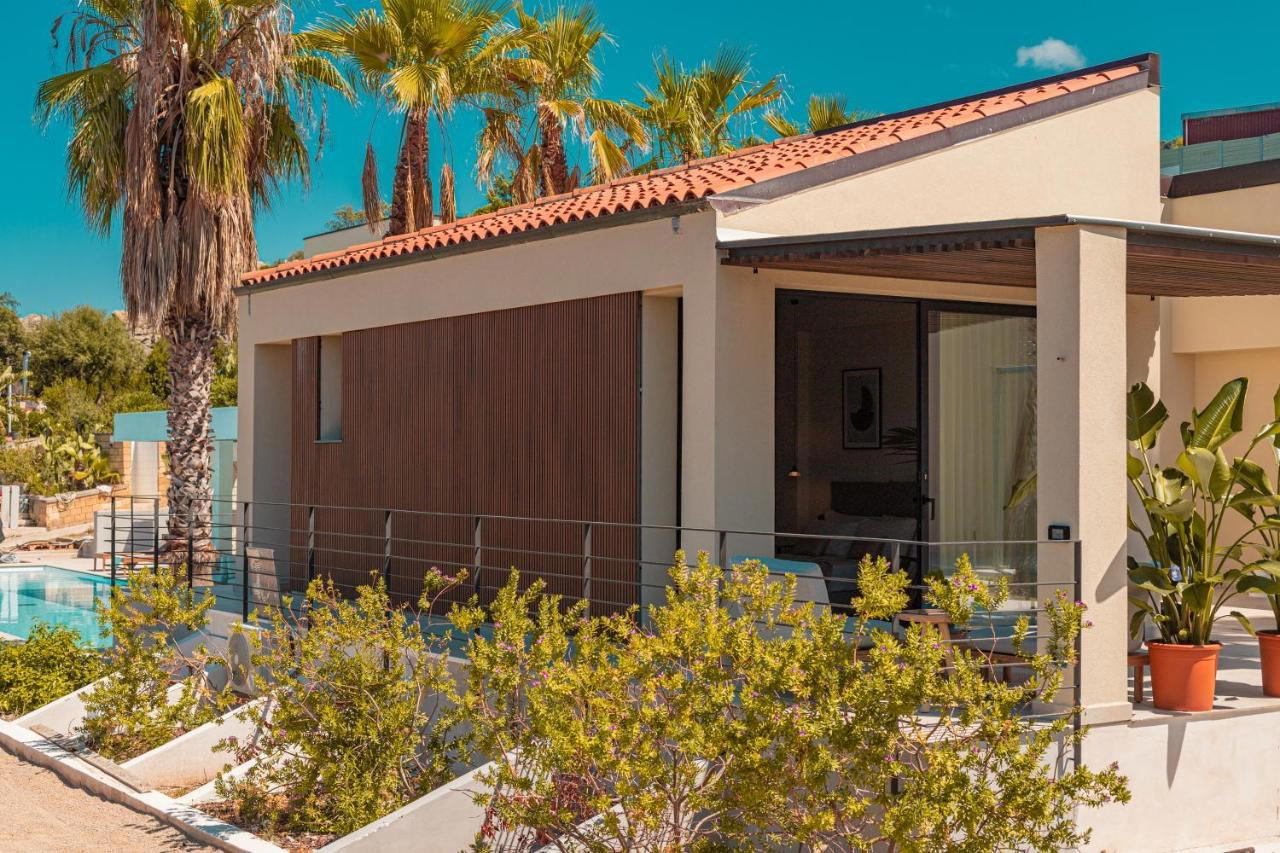
This is the distinction that separates Le Calette N°5 from the broader category of family-run Sicilian hotels, which range from genuinely considered to charmingly improvised. Properties like Borgo Egnazia in Savelletri di Fasano or Il San Pietro di Positano operate in a similar register of Mediterranean design-led hospitality, where the physical environment is the primary statement. Le Calette N°5 belongs in that conversation, though at a different scale and with a distinctly Sicilian material vocabulary: terracotta, whitewash, local stone, and the particular light that comes off the Tyrrhenian in summer months.
The third generation's arrival, in the form of Gaia Miccichè, signals continuity rather than disruption. In Italian boutique hospitality, the handover from second to third generation is often the moment when a property either formalises its identity or loses it. Le Calette N°5 appears to be in the former category, with Gaia bringing international experience back into a property that had always been home. This pattern, a family property shaped by professional exposure outside it, is visible at other Italian addresses that have maintained long-term relevance: Castel Fragsburg in Merano and Bellevue Syrene 1820 in Sorrento both demonstrate how generational continuity, when managed with professional rigour, tends to deepen rather than dilute a property's character.
The Sicilian Luxury Register
Sicily's hospitality market has not consolidated around a single dominant model the way Tuscany or the Amalfi Coast has. Properties like Rosewood Castiglion Del Bosco in Montalcino or Borgo Santandrea on the Amalfi Coast operate within well-established luxury frameworks, where brand recognition and category definition are largely settled. In Sicily, particularly outside Taormina, the market is less codified. That creates space for properties to define their own register, which is both an advantage and a risk.
Le Calette N°5 occupies what its own history describes as a Sicilian luxury position, but the detail matters: this is not the large-footprint, full-service resort model that dominates the island's international perception. It is a boutique format, design-led, family-managed, and positioned against peer properties in the Mediterranean's smaller, more considered tier. Comparable Italian addresses in that tier include Il Pellicano in Porto Ercole, which built its reputation on a similar combination of coastal position, architectural restraint, and family-era provenance, and JK Place Capri, which operates at higher price points but in the same design-led, low-key-luxury register.
The cuisine at the property draws on Sicilian produce and tradition. What the property's own description makes clear is that local products and the character of the land are the reference point, which places it in the same category as Italian hotels where the table is an extension of place rather than an imported fine-dining format. Properties like Casa Maria Luigia in Modena and Borgo San Felice Resort in Castelnuovo Berardenga operate on the same principle in their respective regions.
Planning Your Stay
Le Calette N°5 is located at Via Angela di Francesca, 1, in Cefalù, on Sicily's northern coast. Cefalù is accessible by train from Palermo in under an hour, or by car via the A19 and A20 motorways, with the drive from Palermo Falcone-Borsellino Airport taking approximately 50 minutes depending on traffic. Sicily's northern coast is at its most inhabited from late June through August, when Caldura Bay and the town's beaches draw significant domestic and international visitors. Shoulder season, particularly May, early June, and September, offers the same coastal light and Tyrrhenian water temperature with considerably less pressure on both the town and the hotel. For a property of this scale and format, advance booking is advisable for summer travel.
The Tyrrhenian coast, the Arab-Norman monuments of Cefalù and Palermo, and Sicily's interior all reward time. Those extending north or east through the Italian peninsula will find comparable design-led properties at Four Seasons Hotel Firenze in Florence, Portrait Milano in Milan, or, for those tracking Venice, Aman Venice and Bulgari Hotel Roma in Rome. Further afield, the design-led coastal format that Le Calette N°5 represents has international equivalents in Amangiri in Canyon Point and Aman New York, though the Mediterranean vernacular is particular to this coast and does not travel.
In Context: Similar Options
Comparable venues nearby, for context on price, style, and recognition.
| Venue | Cuisine | Price | Awards | Notes |
|---|---|---|---|---|
| Le Calette N°5This venue — the venue you are viewing | Mediterranean boutique luxury | $$$$ | 5-Star | |
| Insulae Resort | Modern bio-architecture resort with privacy-focused accommodations integrated into tropical gardens. | $$$$ | 4-Star | Cefalu |
| Le Calette | Mediterranean architecture following the natural contours of the coastline | $$$$ | 5-Star | Cefalu |
| Mezzatorre Hotel & Thermal Spa | Historic watchtower resort nestled in Mediterranean forest on a private promontory | $$$$ | 5-Star | Forio d'Ischia |
| L'Olmo | Restored 17th-century Tuscan farmhouse with modern comforts. | $$$$ | 5-Star | Monticchiello |
| Sunny Valley Mountain Lodge | Exclusive alpine luxury retreat with contemporary design rooted in traditional mountain architecture and local craftsmanship. | $$$$ | 5-Star | Valle dell'Alpe, Santa Caterina Valfurva |
Continue exploring
More in Cefalu
At a Glance
- Elegant
- Romantic
- Scenic
- Sophisticated
- Intimate
- Honeymoon
- Romantic Getaway
- Wellness Retreat
- Anniversary
- Weekend Escape
- Beachfront
- Infinity Pool
- Panoramic View
- Terrace
- Wifi
- Pool
- Spa
- Fitness Center
- Room Service
- Concierge
- Restaurant
- Hot Tub
- Sauna
- Steam Room
- Waterfront
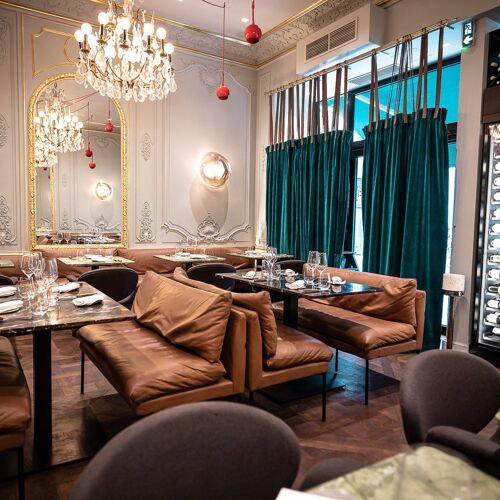
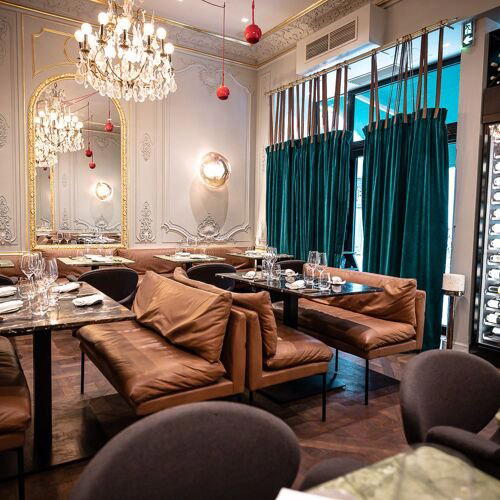
Elegant and refined atmosphere with soundproofed rooms, Mediterranean architecture, and relaxing spa lighting creating a sophisticated seaside retreat.