.png)
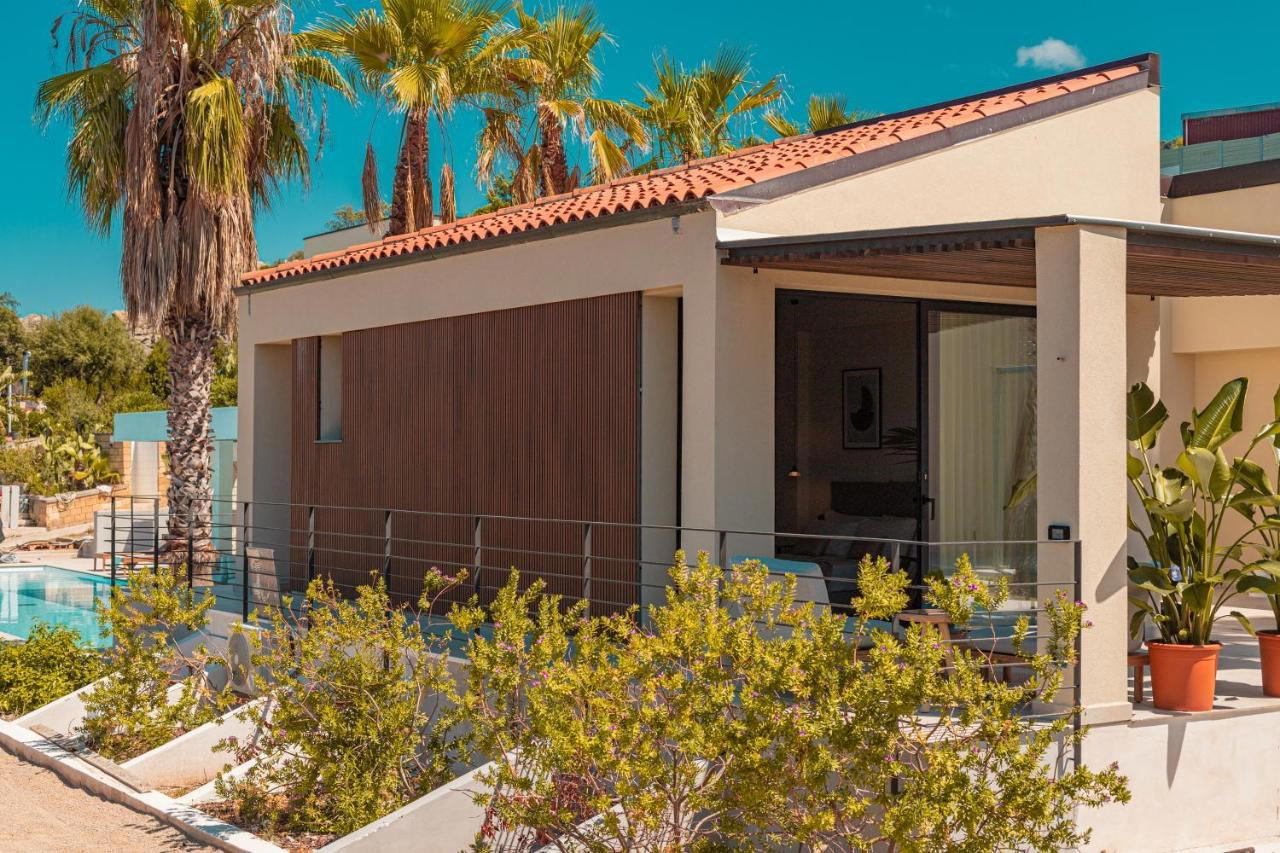
Set within the garden of boutique hotel Le Calette, Cala Luna holds a Michelin Plate for contemporary cuisine that roots itself firmly in Sicilian ingredients and traditions. Chef Dario Pandolfo applies techniques drawn from kitchens across Italy and beyond to local produce, with a dedicated vegetable-forward menu and a supply approach that treats waste reduction as craft rather than afterthought.
Pearl is the En Primeur Club membership app — saves, bookings, and concierge access live there. Same editors, same standards.
- Address
- Via Vincenzo Cavallaro 12, 90015 Cefalù PA, Italy
- Phone
- +39 0921 424144
- Website
- lecalette.it
 Saves & bookings on Pearl
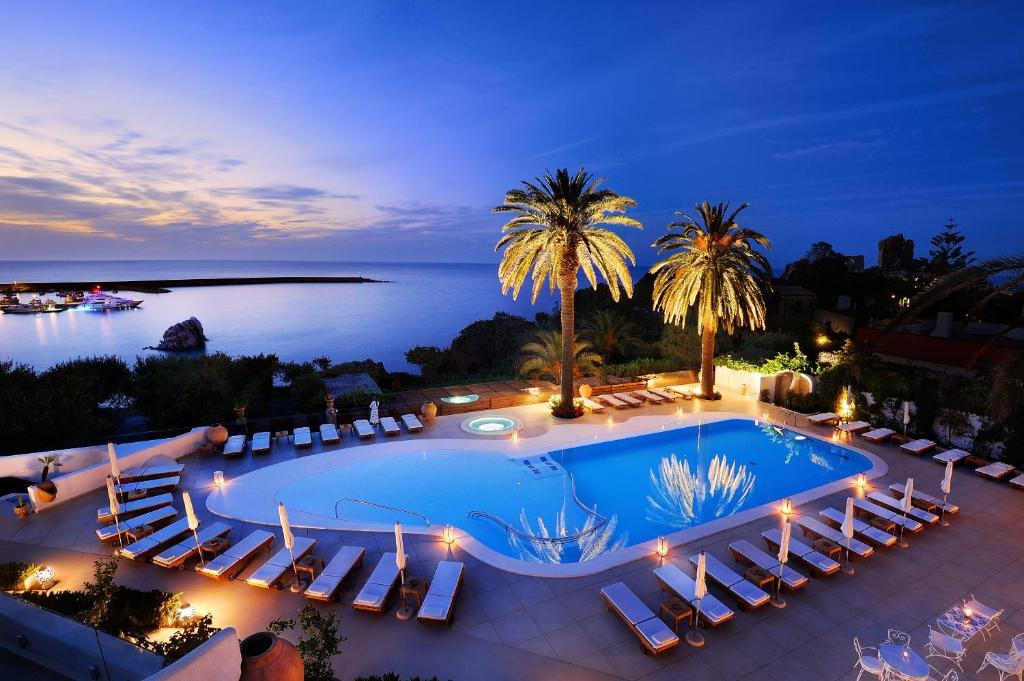
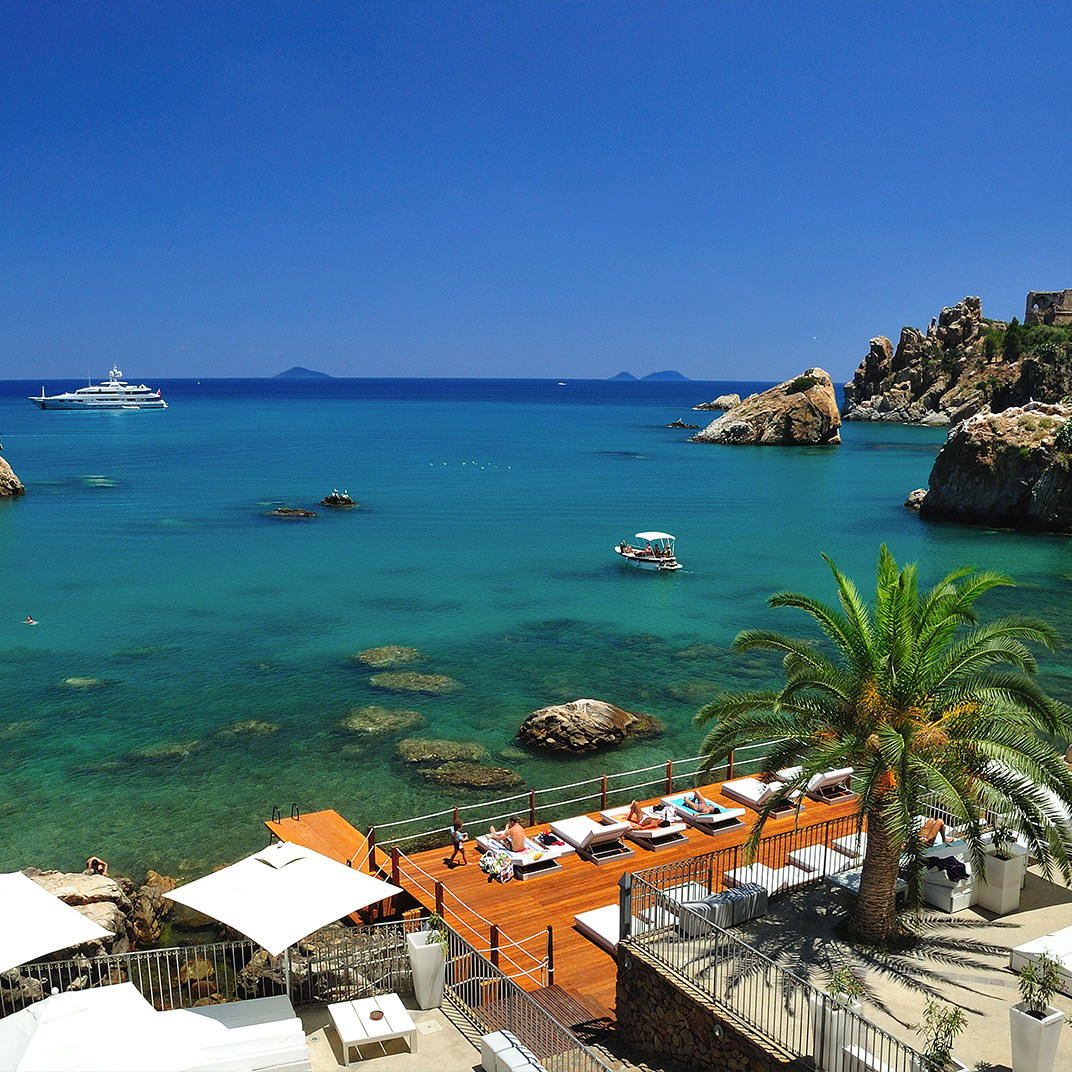
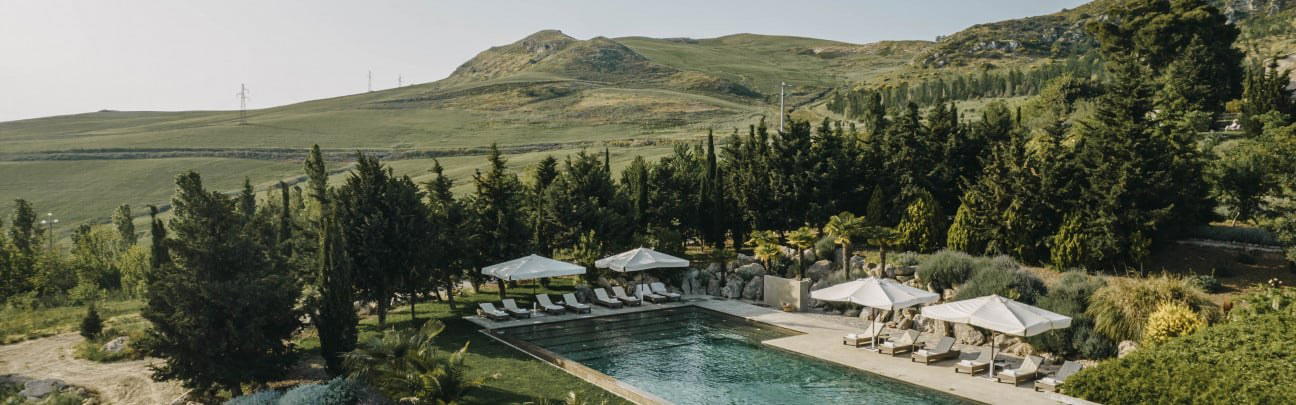
Cala Luna is a restaurant in Cefalù, Italy, serving Modern Sicilian Seafood at about $115 per person. At Cala Luna, the garden terrace of boutique hotel Le Calette frames exactly that dynamic: the Caldura sea stacks visible in the middle distance, the bay catching the last of the evening light, and a menu that draws its logic from the same geography spread across the table in front of you. The physical setting does real editorial work here, keeping the cooking honest to its context in a way that an interior room rarely forces a kitchen to be.
Sourcing as Discipline: What the Kitchen Is Actually Doing
Contemporary restaurants across Italy's southern regions face a version of the same challenge: how to apply technical ambition to ingredients that already carry strong regional identity without flattening what makes those ingredients worth using. The most coherent answer, visible at kitchens from Quattro Passi in Marina del Cantone to Piazza Duomo in Alba, tends to involve sourcing as a structural decision rather than a marketing footnote. Cala Luna operates on a similar premise. Chef Dario Pandolfo, whose kitchen formation took him through prestigious restaurants in Italy and abroad before returning to Sicily, applies that external technical vocabulary to a supply chain that keeps its roots local.
The commitment shows most clearly in the approach to raw materials: every part of an ingredient is used, waste reduction is treated as a quality constraint rather than an environmental gesture, and the result is a cuisine the kitchen describes as Mediterranean in character, sometimes carrying strong, direct flavors, and consistently vegetable-forward in orientation. That last point matters in the context of Italian fine dining broadly. The northward pull of the category, toward butter, toward game, toward the prestige proteins of Emilia-Romagna and Piedmont, can make southern vegetable cookery feel like a subordinate register. Cala Luna's "Fiori di Luna" menu, dedicated entirely to Sicilian vegetables, herbs, and flowers, reads as a deliberate correction to that hierarchy. For reference on how the northern end of Italy's fine dining spectrum handles similar questions of ingredient identity, see Atelier Moessmer Norbert Niederkofler in Brunico, where Alpine sourcing discipline has produced a comparable zero-waste philosophy in a very different climate.
Where Cala Luna Sits in Cefalù's Dining Tier
Cefalù's restaurant scene runs across a fairly compressed price range. Locanda del Marinaio anchors the accessible Mediterranean end at €€, while Cortile Pepe and Qualia occupy the €€€ contemporary bracket. Cala Luna prices at €€€€, placing it at the top of the local tier and in a different conversation from its immediate neighbours. The Michelin Plate recognition in both 2024 and 2025 positions it as the town's benchmark for formal dining, even if it operates below the starred threshold that shapes the competitive set at restaurants like Osteria Francescana in Modena, Enoteca Pinchiorri in Florence, or Enrico Bartolini in Milan.
The Michelin Plate designation signals a kitchen producing food worth the inspector's attention without yet reaching the level of recommendation that a star implies. In practice, for a restaurant in a coastal Sicilian town with a strong summer tourism pattern, that recognition carries meaningful weight: it places Cala Luna on itineraries that would otherwise route entirely through Palermo or Taormina for serious dining. The Google rating of 4.7 across 141 reviews suggests consistent execution, which matters in a seasonal operation where kitchen teams can be under significant pressure during peak months.
For readers tracking how contemporary Italian fine dining handles similar ingredient-to-technique questions at different price points and geographies, Dal Pescatore in Runate, Le Calandre in Rubano, and Enrico Bartolini in Milan offer useful reference points. Further afield, César in New York City and Jungsik in Seoul show how the contemporary format travels and adapts when sourcing logic shifts from regional to global.
The Seasonal Factor
One of the structural realities of dining at the top of a coastal resort town's price range is that seasonality operates on two distinct registers. There is the agricultural seasonality that shapes what the kitchen can actually source, and there is the tourism seasonality that shapes when the kitchen is operating at full capacity and when it effectively closes. Cala Luna's garden setting is a summer proposition: the terrace dining experience, with its views of the bay and the sea stacks, runs during warmer months, and the hotel context means the restaurant follows the property's seasonal rhythm.
That summer concentration has culinary implications. Sicilian summer produce, the depth of the island's tomato and aubergine season, the herb intensity that comes with the heat, the fish moving through the Tyrrhenian, is some of the most characterful in the Mediterranean. A kitchen committed to sourcing from that specific geography, at the height of its seasonal intensity, has access to ingredients that a year-round operation in a northern Italian city can only approximate. The "Fiori di Luna" menu, with its focus on vegetables, herbs, and flowers, is a summer menu in the truest sense: it could not be replicated with the same integrity in November.
Planning a Visit
Cala Luna sits at Via Angela di Francesca 1, within the Le Calette hotel, on the coastal edge of Cefalù. At €€€€ pricing with Michelin Plate recognition and a location tied to a boutique hotel, demand during high summer can be significant, and the combination of a limited garden setting and seasonal operation means that tables are finite in a way that a larger inland restaurant is not. Booking in advance is advisable for July and August visits, and the restaurant's hotel context means that guests staying at Le Calette will have a clearer line to reservations than those arriving independently.
Cefalù itself is a practical base for exploring the northern Sicilian coast, with Palermo approximately an hour to the west. For a broader picture of what the town offers across categories, our full Cefalù restaurants guide covers the complete dining range, while our Cefalù hotels guide maps the accommodation options around Le Calette's positioning.
In Context: Similar Options
Comparable venues nearby, for context on price, style, and recognition.
| Venue | Cuisine | Price | Awards | Notes |
|---|---|---|---|---|
| Cala LunaThis venue — the venue you are viewing | Modern Sicilian Seafood | $$$ | Michelin Plate | |
| Locanda del Marinaio | Modern Mediterranean Seafood | $$$ | Michelin Plate | historic center |
| Cortile Pepe | Modern Sicilian Mediterranean | $$$$ | Michelin Plate | historic centre |
| Qualia | Contemporary Sicilian with Northern European Influences | $$$$ | Michelin Plate | Centro Storico (Old Town Center) |
| Carusu | Modern Sicilian | $$$ | Michelin Plate | Valle dei Templi |
| L'Oste e il Sacrestano | Modern Sicilian Osteria | $$$ | Michelin Plate | historic center |
Continue exploring
More in Cefalu
Restaurants in Cefalu
Browse all →
At a Glance
- Romantic
- Elegant
- Scenic
- Sophisticated
- Date Night
- Special Occasion
- Waterfront
- Terrace
- Extensive Wine List
- Local Sourcing
- Waterfront
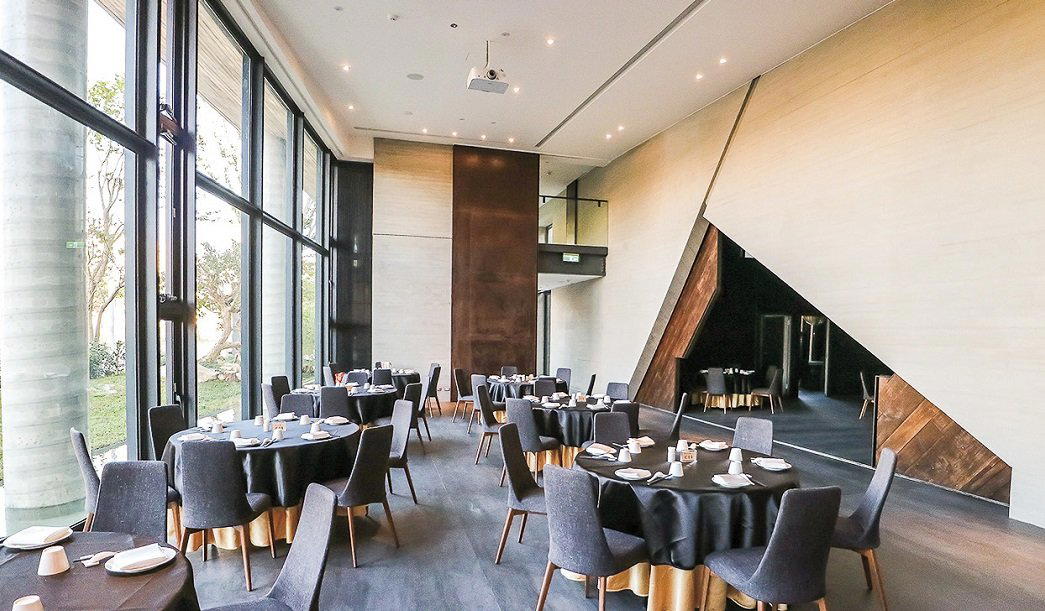
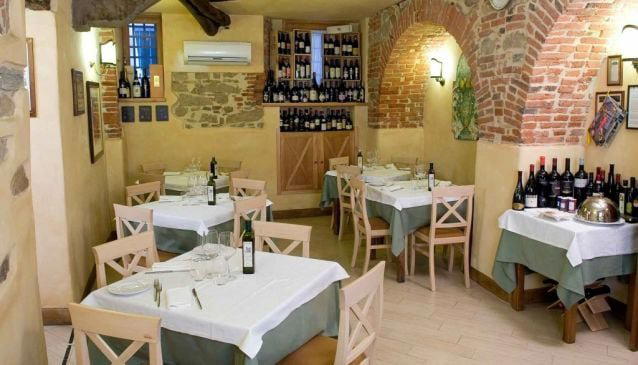
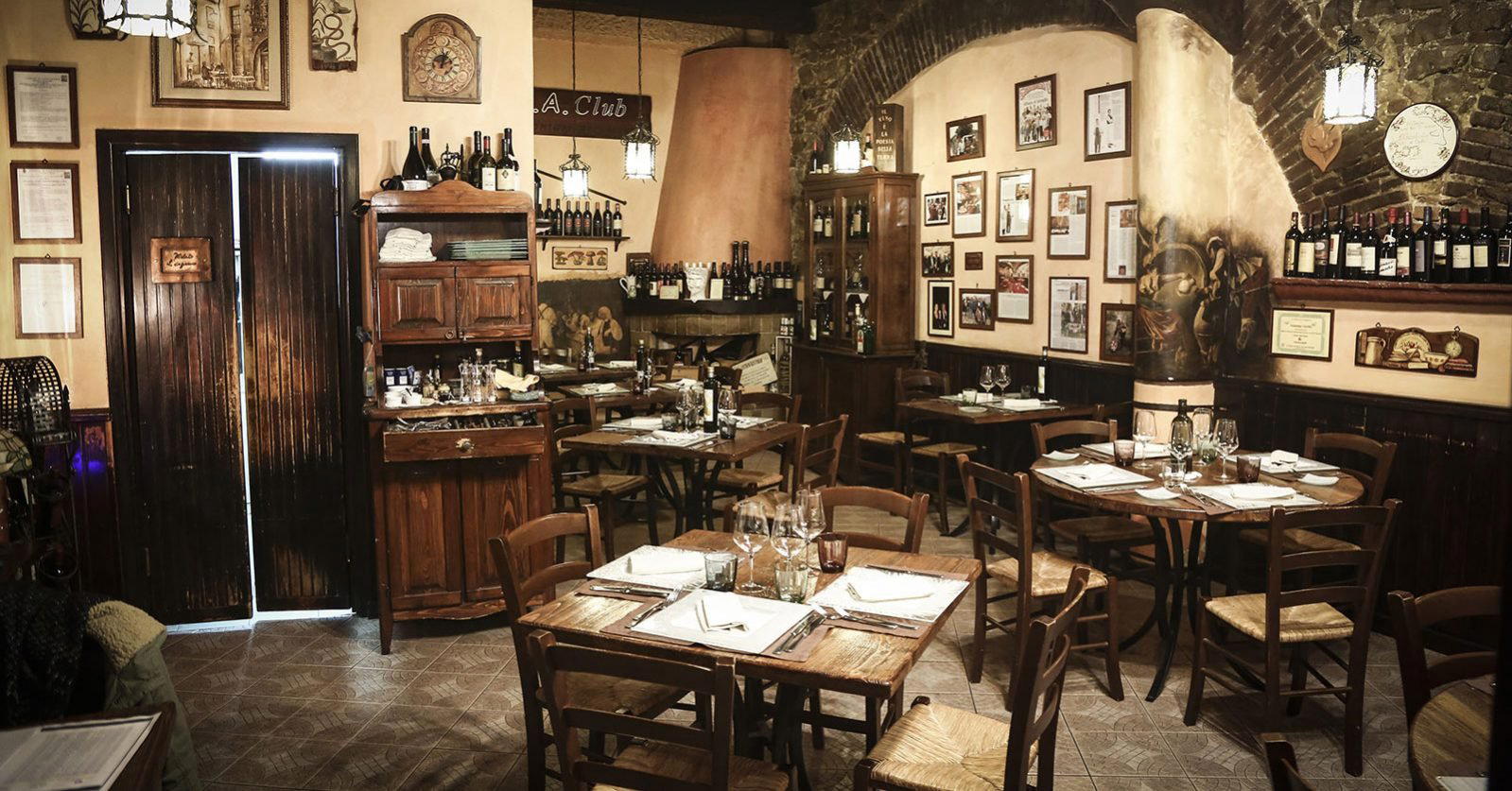
Elegant panoramic dining room in cooler months or open-air garden on a lawn under the stars in summer, overlooking Caldura rocks and La Rocca.