


Michelin Bib Gourmand · Guía Repsol 1 Sol · Macarfi 7.5 Food Rating
Our verdict
Terra Palencia in Palencia presents contemporary Spanish tasting menus that celebrate Castile and León produce. Must-try experiences include the Degustación tasting menu, the Gastronómico menu with regional wine pairings, and the midday De Mercado lunch. Expect plates that highlight market fish, seasonal vegetables, and carefully reduced sauces, served with unfiltered natural wines from small producers. The kitchen led by chef Roberto Terradillos blends training from El Celler de Can Roca and Akelaŕe with local tradition. A Michelin Bib Gourmand and strong Tripadvisor ranking signal both quality and value. The dining room delivers warm, attentive service and vivid flavors that make each course memorable and immediate.

Pearl is the En Primeur Club membership app — saves, bookings, and concierge access live there. Same editors, same standards.
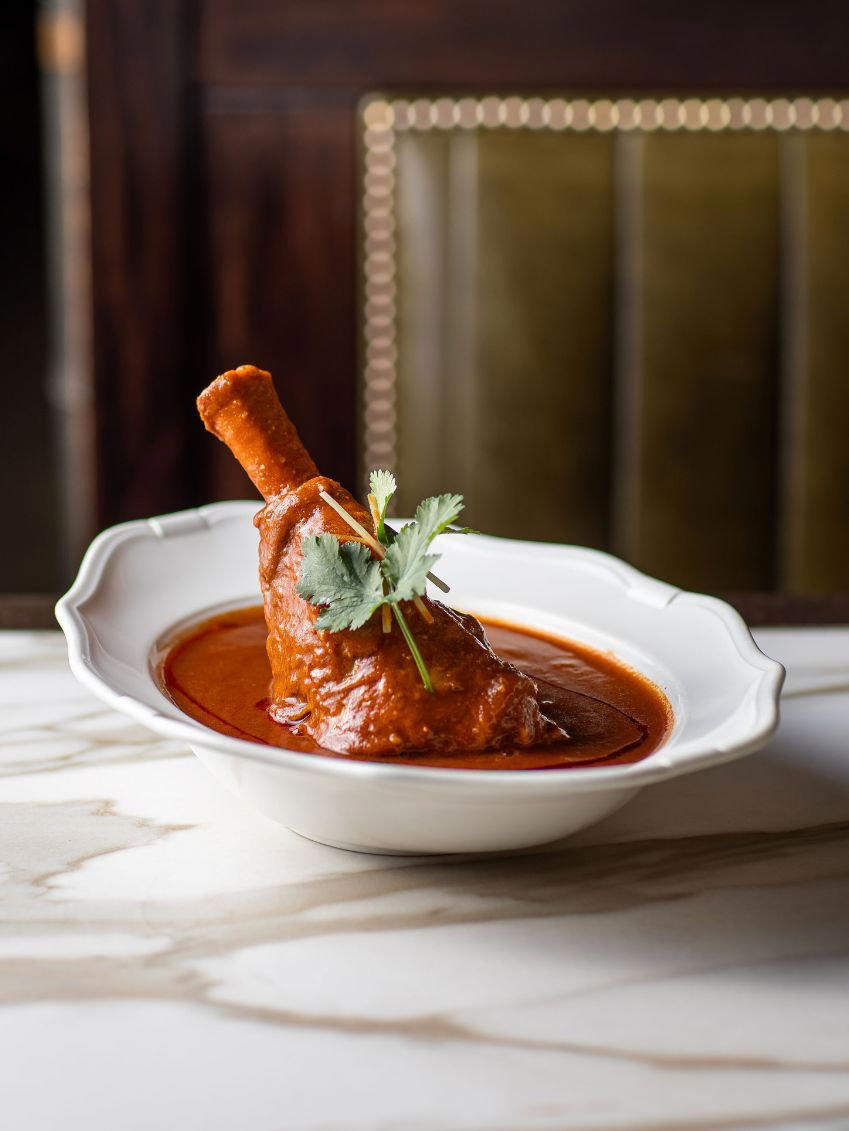
A Quiet Street, a Precise Kitchen
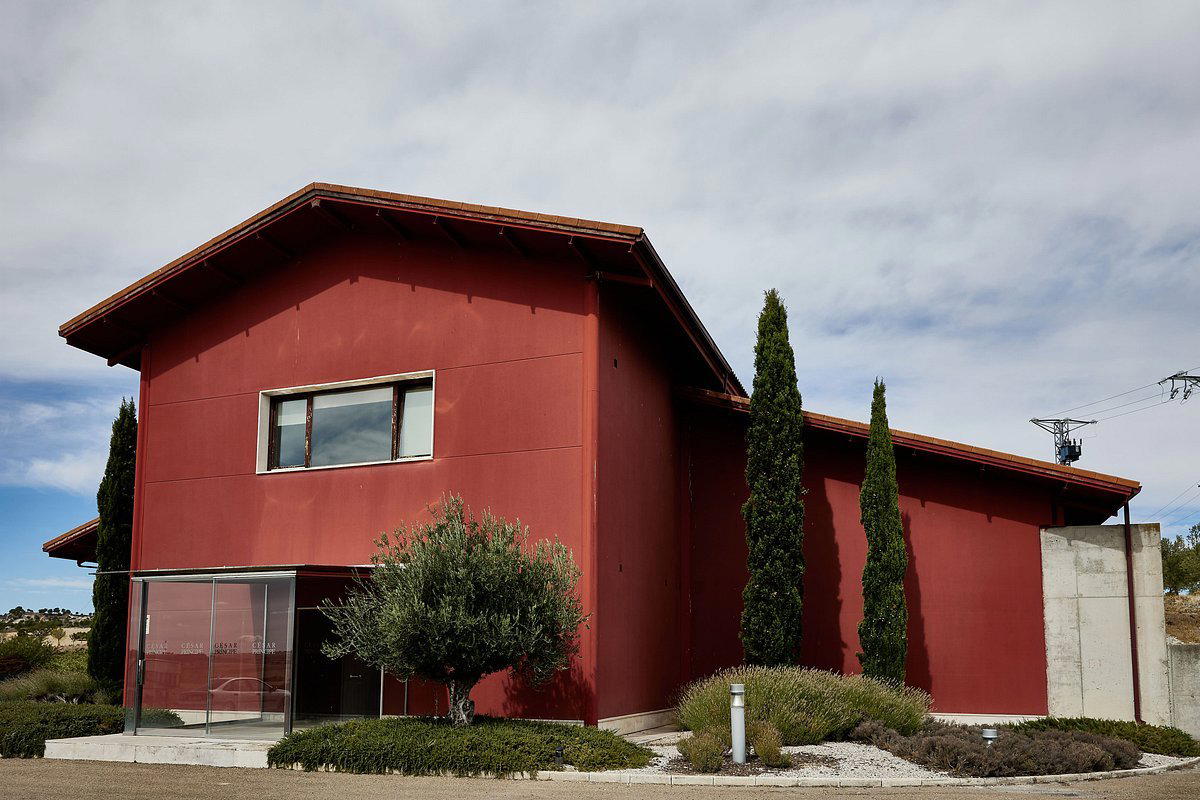
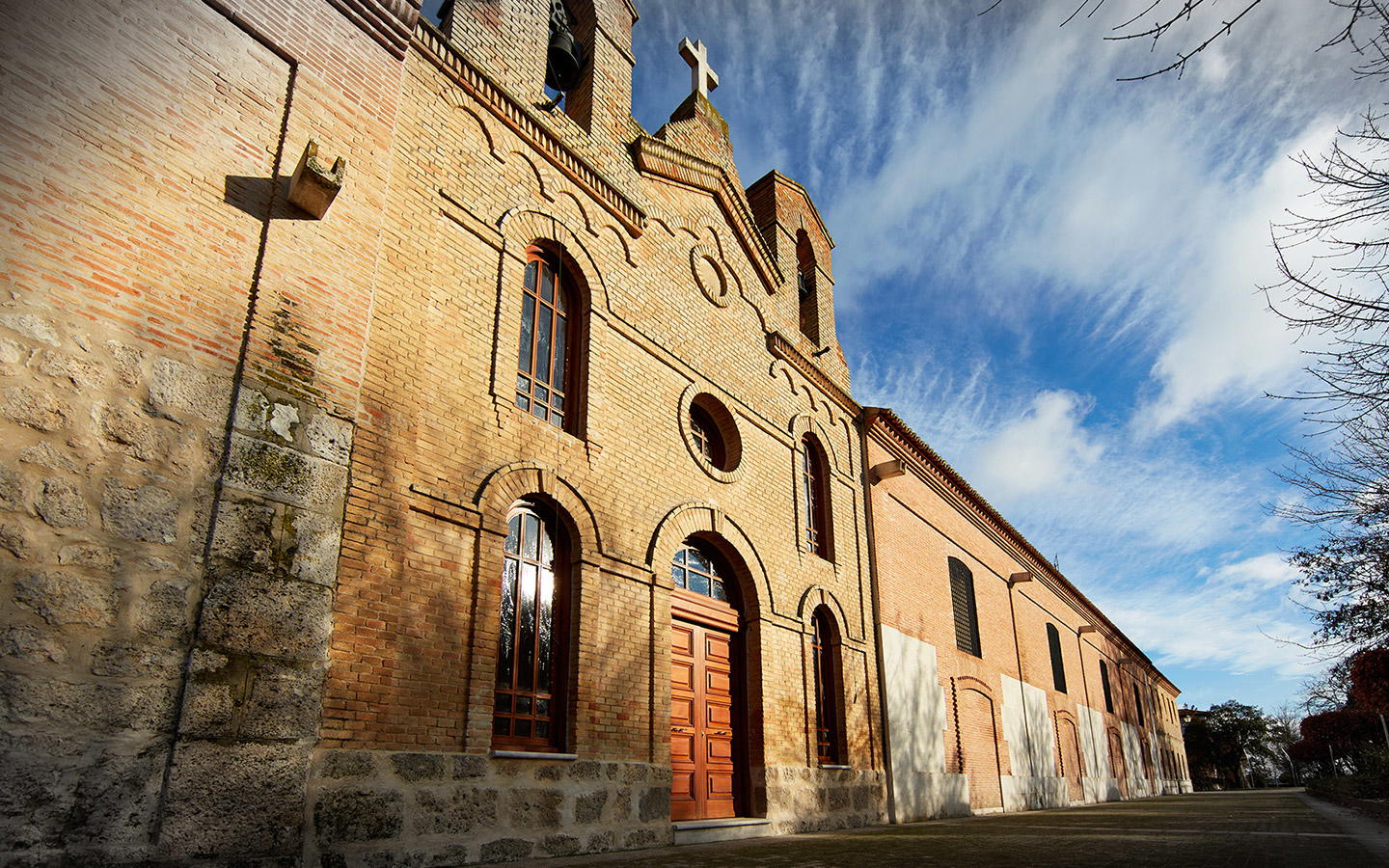
Calle Pedro Fernández de Pulgar is not a destination street. It runs through a residential stretch of Palencia without much ceremony, and the facade of Terra Palencia does little to announce itself. The interior matches that restraint: functional, contemporary, stripped of the theatrical design gestures that characterise a certain tier of Spanish gastronomy. What happens in the kitchen, however, is a different conversation entirely.
Palencia sits in the Castile and León interior, a provincial city that rarely appears on the itineraries of visitors passing between Madrid and the Basque Country. Its restaurant scene reflects that position: deep-rooted in the traditions of the Castilian table, with roast lamb and cured meats forming the backbone of most menus. Contemporary technique at this address represents a genuine departure from that dominant register, and it arrives with credentials that warrant attention. Chef Roberto Terradillos trained across some of the most demanding kitchens in Spain, including El Celler de Can Roca in Girona, Akelaré, and Nerua, before returning to his home province. That lineage connects Palencia to a circuit of Spanish fine dining that also includes Arzak in San Sebastián, Mugaritz in Errenteria, and Azurmendi in Larrabetzu.
The Ritual of the Meal Here
The pacing at Terra Palencia is deliberate. Lunch runs from 1:45 PM to 3 PM, Tuesday through Saturday. Dinner service opens at 8:45 PM on Wednesday, Thursday, Friday, and Saturday, closing at 10 PM. Monday and Sunday are closed. Those windows are tight by Spanish standards, where dinner can drift past midnight in larger cities, and they signal something about how the kitchen operates: focused service, controlled covers, the kind of sequencing that allows technique to land with consistency.
The menu structure reinforces this. An à la carte runs alongside several fixed-format options. The midweek lunch menu, named De Mercado, draws directly from what is available at the market that day. Three further menus, the Gastronómico, Clásico, and Degustación, are available with wine pairing. This architecture is standard across serious contemporary Spanish kitchens, where the tasting menu has become the primary vehicle for a chef's full range, but the market lunch keeps the operation grounded in the rhythms of local produce rather than locked into a single fixed programme.
Choosing between formats is itself a decision about how to spend the meal. The market lunch trades depth for immediacy: shorter, seasonal, contingent on what arrived that morning. The longer menus allow Terradillos to work through the techniques absorbed across his training years, applying them to the flavours of Palencia province. Neither format is a shortcut; both require the kitchen to execute at a level consistent enough to hold a Michelin Bib Gourmand, which Terra Palencia received in 2025.
Where Terra Palencia Sits in the Contemporary Spanish Scene
The Bib Gourmand category in Spain covers a wide range. It recognises cooking that achieves a high quality-to-value ratio, and at the €€ price point, Terra Palencia sits at the accessible end of contemporary technique in the country. Compare that positioning to the four-figure tasting menus at DiverXO in Madrid, Disfrutar in Barcelona, or Aponiente in El Puerto de Santa María, and it becomes clear that what Terra Palencia offers is a particular kind of access: serious culinary intelligence at a price that does not require the occasion to be a milestone event.
The training lineage matters here for a specific reason. A chef who has worked inside kitchens at the level of El Celler de Can Roca or Nerua carries a technical vocabulary that is rarely available in cities of Palencia's size. That vocabulary shows up not in showmanship but in precision: the calibration of acidity, the treatment of local proteins, the structural logic of a tasting menu sequence. Terradillos applies it in the context of Castilian ingredients, which grounds the cooking in something specific to this city rather than producing a generic contemporary menu that could be served anywhere in Spain. For broader context on how that compares internationally, the contemporary format has been explored with different regional inflections at Jungsik in Seoul and César in New York City, where the move to anchor technique in a specific local tradition has become a defining gesture of the genre.
Within Palencia itself, the contemporary register is not the only option. Ajo de Sopas works in modern cuisine with its own editorial point of view, and San Remo represents a different register in the city's dining offer. For a complete picture of where Terra Palencia fits within the broader eating and drinking options here, see our full Palencia restaurants guide.
Planning Your Visit
Terra Palencia is at C. Pedro Fernández de Pulgar, 6, 34005 Palencia. The tight service windows mean timing matters: arriving at the opening of a lunch or dinner session gives the kitchen the leading conditions to pace the meal properly, and given the limited covers, reservations are the sensible approach. No booking method is listed in the public record, so contacting the restaurant directly is the practical route. The €€ price range positions the meal as an accessible spend relative to comparable technique elsewhere in Spain, though wine pairings on the longer menus will move the final bill upward.
For those building a wider trip around the city, our full Palencia hotels guide covers the accommodation options, and our full Palencia bars guide maps the drinking scene. Wine-focused visitors will find more context in our Palencia wineries guide, and those looking for activities and cultural programming can reference our Palencia experiences guide. Spain's broader fine-dining circuit, from Quique Dacosta in Dénia to Martin Berasategui in Lasarte-Oria, provides the wider frame for understanding what Terradillos has brought back to Palencia — and why a Michelin recognition in a city of this size signals something more than local achievement.
Frequently asked questions
What should I order at Terra Palencia?
The De Mercado menu, available at midweek lunches, is the clearest expression of the kitchen's connection to local Castilian produce and changes according to what the market offers. For a fuller picture of what chef Roberto Terradillos brought back from El Celler de Can Roca, Akelaré, and Nerua, the Gastronómico or Degustación menus with optional wine pairing are the more complete choices. All menus sit within the €€ price bracket, which is the point: this level of technical ambition at that spend is the reason the Michelin Guide awarded a Bib Gourmand in 2025.
What's the price range at Terra Palencia?
Pricing at Terra Palencia is listed as €€.
Is Terra Palencia open every day?
Hours at Terra Palencia: Monday closed Tuesday 1:45 PM-3 PM Wednesday 1:45 PM-3 PM 8:45 PM-10 PM Thursday 1:45 PM-3 PM 8:45 PM-10 PM Friday 1:45 PM-3 PM 8:45 PM-10 PM Saturday 1:45 PM-3 PM 8:45 PM-10 PM Sunday closed.
Where exactly is Terra Palencia?
Terra Palencia is located at C. Pedro Fernández de Pulgar, 6, 34005 Palencia, Spain, Palencia.
What makes Terra Palencia worth seeking out?
Palencia's dining scene is rooted in Castilian tradition, and finding a kitchen that deploys techniques absorbed at El Celler de Can Roca, Akelaré, Nerua, and El Ermitaño at the €€ price point is genuinely uncommon in a city of this size. The 2025 Michelin Bib Gourmand confirms the quality-to-value ratio rather than simply the cooking level. Tight service windows — lunch from 1:45 PM, dinner from 8:45 PM on Wednesday through Saturday — give the kitchen control over its output, which shows in the consistency of the fixed menus.
Where It Fits
| Venue | Cuisine | Price | Awards |
|---|---|---|---|
| Terra PalenciaThis venue — the venue you are viewing | Modern Palencia Cuisine | $50–100 | Michelin Bib Gourmand · Guía Repsol 1 Sol |
| Aponiente | Progressive - Seafood, Creative | Not listed | Michelin 3 Star |
| Arzak | Modern Basque, Creative | Not listed | Michelin 3 Star |
| DiverXO | Progressive - Asian, Creative | Not listed | Michelin 3 Star |
| El Celler de Can Roca | Progressive Spanish, Creative | Not listed | Michelin 3 Star |
| Quique Dacosta | Creative | Not listed | Michelin 3 Star |
Recognition history
Dated appearances from independent guides and award organizations, with the underlying list record or original source where available.
Michelin Bib Gourmand
Michelin
Guía Repsol 1 Sol
Guía Repsol
Macarfi 7.5 Food Rating
Macarfi
Full recognition history (4 entries)
Michelin Bib Gourmand
Michelin
Continue exploring
More in Palencia
Restaurants in Palencia
All restaurants in Palencia →
Hotels in Palencia
Browse all →
Details
- Cozy
- Elegant
- Modern
- Intimate
- Date Night
- Business Dinner
- Group Dining
- Special Occasion
- Celebration
- Open Kitchen
- Private Dining
- Chefs Counter
- Farm To Table
- Local Sourcing
- Tasting Menu
- A La Carte
- Set Menu
- Wine
- Vegetarian Friendly
- Allergy Accommodating
Current opening hours
- Monday
- Closed
- Tuesday
- 1:45–4 PM
- Wednesday
- 1:45–4 PM
- Thursday
- 1:45–4 PM
- Friday
- 1:45–4 PM, 8:45–10:45 PM
- Saturday
- 1:45–4 PM, 8:45–10:45 PM
- Sunday
- 1:45–4 PM
Hours can change for holidays and private events. Last verified .
Contemporary and functional interior with natural tones, green shades, and wood as primary materials; warm, welcoming, and cozy atmosphere designed to make guests feel at home.