

Michelin Plate · Macarfi 7.2 Food Rating
Our verdict
Behind a quietly traditional façade on Avenida Brasilia, San Remo is one of Palencia's most considered contemporary kitchens. Chef Alberto Villegas, trained at the Basque Culinary Centre and now running the family restaurant, builds his menu around Castilian seasonal produce: Palencia peas, smoked eel, red prawns. The result is a restaurant that treats a provincial city as a serious address for modern Spanish cooking.

Pearl is the En Primeur Club membership app, where members save venues, book tables and use the concierge.
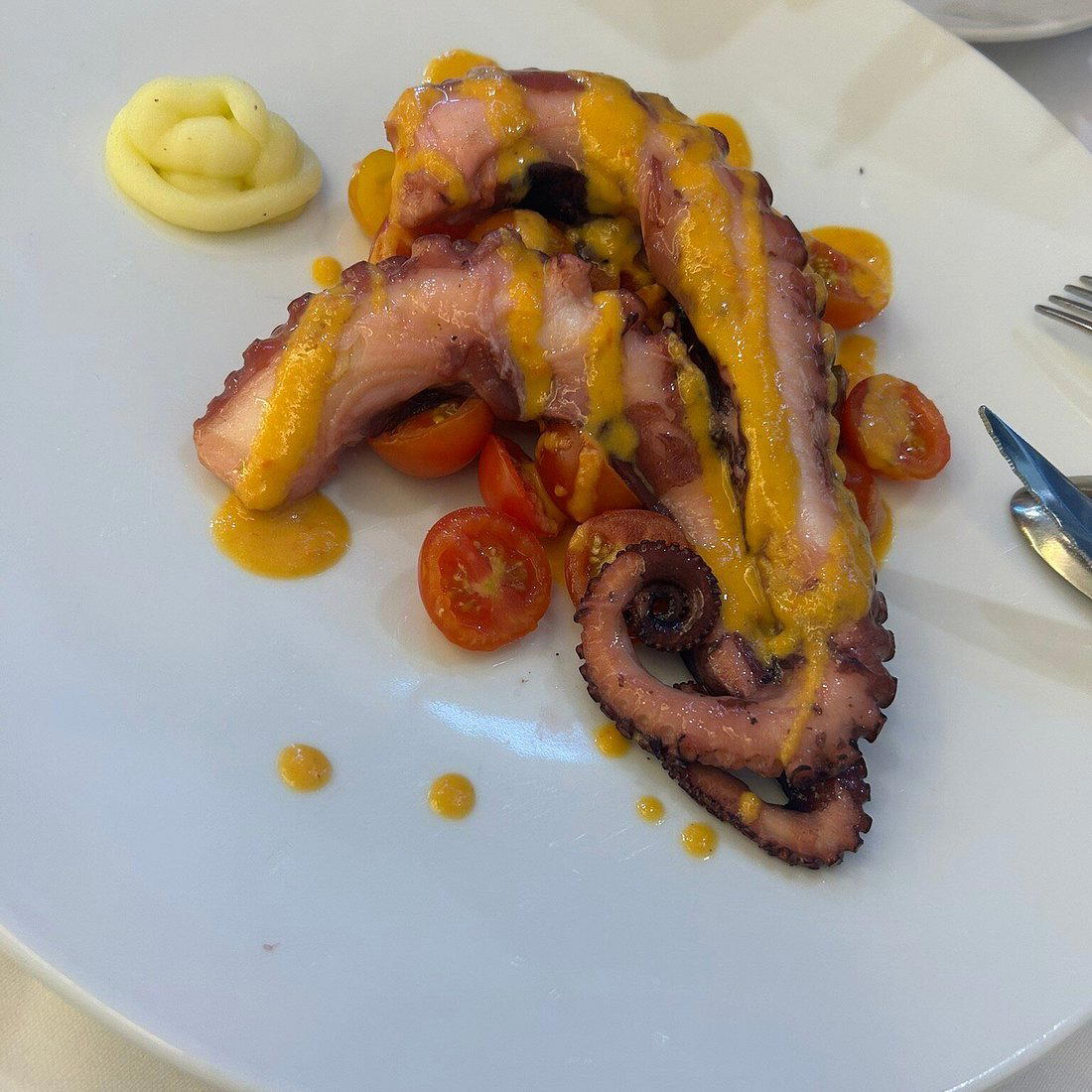
The menu
What to order
- Croquetas de carabinero
- Arroz con bogavante
- Lubina de aquanaria
Where Castilian Tradition Meets Contemporary Technique
Palencia sits in the heart of Old Castile, a city more accustomed to pilgrims on the Camino Francés than to gastronomy press. That context makes San Remo, a restaurant on Avenida Brasilia with a façade that reads as thoroughly local and unhurried, worth reading carefully. In a country whose haute cuisine conversation gravitates toward Arzak in San Sebastián, El Celler de Can Roca in Girona, or Disfrutar in Barcelona, the fact that a restaurant in a provincial Castilian capital is generating serious editorial attention says something about how Spanish fine dining is decentralising.
The exterior signals nothing exceptional. That gap between appearance and what follows inside is itself a recognisable feature of Spanish regional restaurants that take cooking more seriously than scenography. The dining room is the argument, and at San Remo, the argument is made through the plate.
A Kitchen Rooted in Castile, Trained Elsewhere
Spanish cuisine's most productive generation of chefs shared a formation model: train in the Basque Country or Catalonia, then return to home territory carrying those technical languages. Chef Alberto Villegas followed that arc, completing his studies at the Basque Culinary Centre in San Sebastián before returning to Palencia to take over the family business. The Basque Culinary Centre has produced graduates working across every tier of Spanish cooking, from two- and three-star kitchens to destination restaurants in smaller cities, and its influence on Spanish culinary thinking over the past decade is considerable.
What distinguishes San Remo from the broader pattern of Basque-trained chefs landing in provincial restaurants is the specificity of its local sourcing. Palencia province is serious agricultural territory: its peas, grown in the Tierra de Campos, carry genuine regional identity and appear in the restaurant's most-discussed dishes. That combination of cosmopolitan technique with hyper-local produce is the same tension that drives the menus at places like Azurmendi in Larrabetzu and Quique Dacosta in Dénia, though at a different scale and price register.
The Menu: Seasonal Produce as Editorial Position
San Remo's menu reads as a series of deliberate choices about what Castilian ingredients can do when handled with contemporary technique rather than traditional formula. Smoked eel with salsa verde and Palencia peas places a fish associated with northern Spanish rivers alongside the province's most celebrated vegetable, with the salsa verde bridging both toward Basque flavour registers. Red prawns served alongside a bisque made from their heads is a format common in high-end Spanish seafood cooking, the approach treats the whole animal as a flavour system, extracting concentration from parts most kitchens discard. For dessert, a ricotta and mascarpone flan moves away from the Castilian canon of egg-heavy sweets toward something lighter and more technically considered.
The throughline across these dishes is restraint in composition: two or three elements, each doing specific work, rather than the kind of multi-element plates associated with more theatrical kitchens like DiverXO in Madrid or Aponiente in El Puerto de Santa María. This is cooking that earns attention through precision rather than provocation.
San Remo in Palencia's Restaurant Scene
Palencia's restaurant scene is smaller than those of Castile's larger cities, but it has developed a cohort of kitchens serious enough to draw visitors from Valladolid and Burgos. San Remo sits at the more ambitious end of that cohort, alongside Ajo de Sopas and Terra Palencia, which together represent the city's contemporary dining direction. For a fuller picture of the city's food and drink scene, the EP Club Palencia restaurants guide maps the broader field, and the Palencia bars guide covers the city's considerable tapas and wine bar culture.
San Remo occupies its position not by competing with the headline Spanish addresses, the Martin Berasategui or Mugaritz tier, but by being the most technically serious kitchen in a city that until recently was not a dining destination. That positioning matters for readers who follow Spanish gastronomy as a whole: the same pattern of Basque-trained chefs raising standards in secondary cities is reshaping the map of where serious Spanish cooking actually happens.
Planning Your Visit
San Remo is located at Avenida Brasilia 2 in central Palencia, easy to reach on foot from the cathedral quarter. Palencia is served by high-speed AVE trains from Madrid (approximately 50 minutes) and Valladolid (under 30 minutes), making a day trip or weekend visit from either city direct. The restaurant's format, centred on seasonal menus with a limited number of covers, means booking ahead is the sensible approach, particularly for weekend visits when demand from local regulars and out-of-town visitors converges. For those staying in the city, the EP Club Palencia hotels guide covers accommodation options, and the Palencia wineries guide and experiences guide provide context for building a longer itinerary around the region.
Frequently asked questions
What distinctions does San Remo have?
San Remo has received recognition including: Behind its simple, somewhat old-fashioned façade lies a restaurant that lives and breathes gastronomy with a heated passion. Chef Alberto Villegas, who after studying at the Basque Culinary Centre took over the family business where he grew….
What's San Remo's location?
San Remo is located at Av. Brasilia, 2, 34004 Palencia, Spain, Palencia.
What do regulars order at San Remo?
The dishes that draw the most attention are built around Palencia's own produce: smoked eel with salsa verde and Palencia peas, and red prawns served alongside a bisque made from their heads. For dessert, the ricotta and mascarpone flan has earned a reputation as a genuinely surprising finish to the meal.
How hard is it to get a table at San Remo?
San Remo operates at a different booking scale than Spain's trophy restaurants, no three-month reservation windows here. Palencia's size works in the diner's favour, though the restaurant's reputation for serious seasonal cooking means weekends and local holidays are worth planning ahead.
What's the signature at San Remo?
The smoked eel with salsa verde and Palencia peas functions as the clearest statement of the kitchen's identity: a local ingredient handled with technique absorbed at the Basque Culinary Centre, where chef Alberto Villegas trained before returning to lead the family restaurant. It positions Castilian produce as the menu's editorial anchor rather than its backdrop.
Pricing, Compared
Comparable venues nearby, for context on price, style, and recognition.
| Venue | Cuisine | Price | Awards | Notes |
|---|---|---|---|---|
| San RemoThis venue (the venue you are viewing) | Modern Spanish Mediterranean | $50–100 | Michelin Plate · Macarfi 7.2 Food Rating | Not listed |
| Ajo de Sopas | Modern Castilian with Asian-Latin Fusion | Not listed | Michelin Plate · Guía Repsol 1 Sol | Parque del Salón, Modern Castilian with Asian-Latin Fusion |
| Terra Palencia | Modern Palencia Cuisine | $50–100 | Michelin Bib Gourmand · Guía Repsol 1 Sol | Centro, Modern Palencia Cuisine |
| El Brote | Contemporary Spanish Wild Mushroom Tasting | $30–50 | Michelin Plate · Macarfi 7.1 Food Rating | Embajadores, Contemporary Spanish Wild Mushroom Tasting |
| Los Caballeros | Traditional Riojan Cuisine | $30–50 | Michelin Plate | Santo Domingo de la Calzada, Traditional Riojan Cuisine |
| La Primera | Modern Cantabrian Spanish | $30–50 | Macarfi 7.3 Food Rating | Cortes, Modern Cantabrian Spanish |
Recognition history
Dated appearances from independent guides and award organizations, with the underlying list record or original source where available.
Michelin Plate
Michelin
Macarfi 7.2 Food Rating
Macarfi
Continue exploring
More in Palencia
Restaurants in Palencia
All restaurants in Palencia →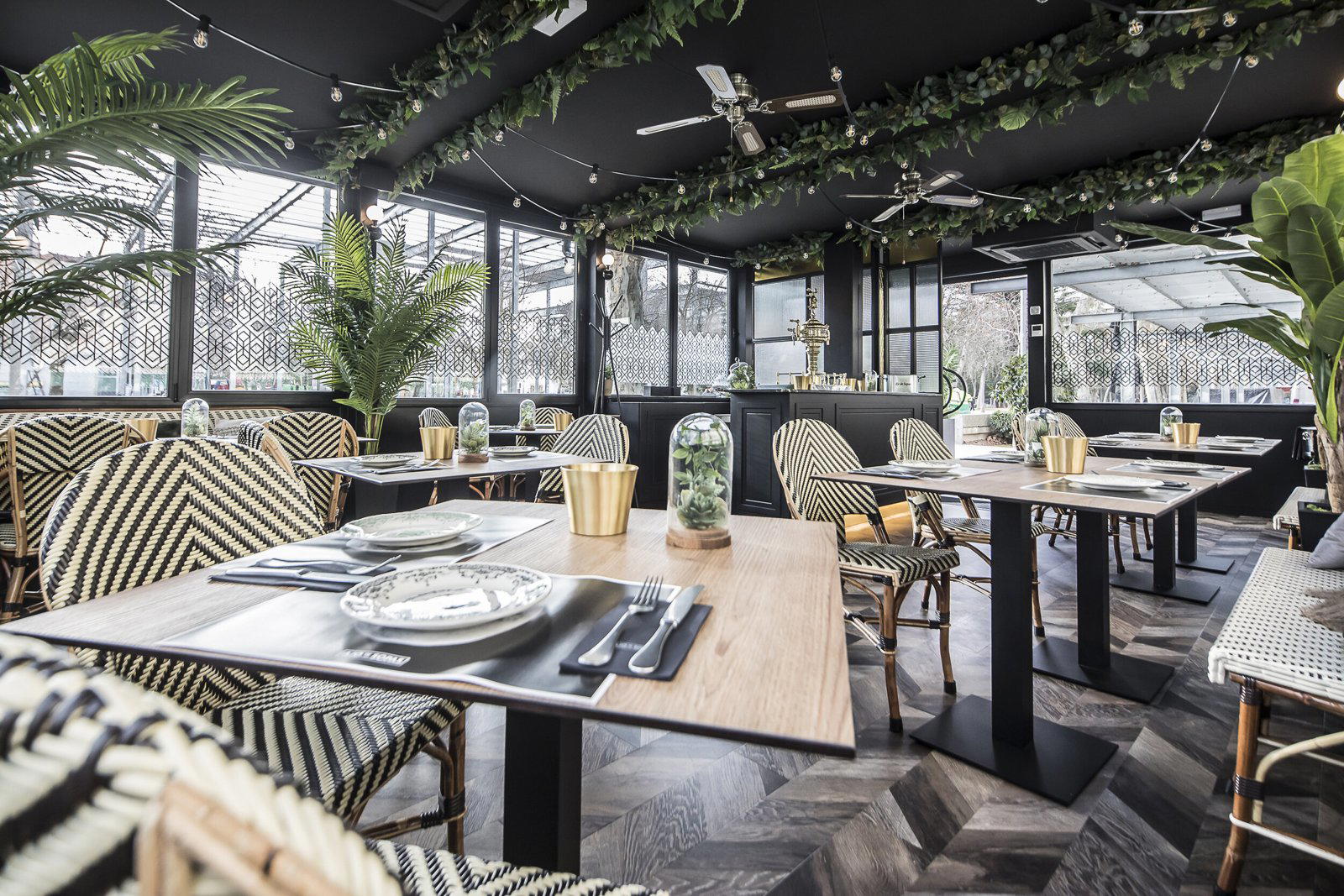
Hotels in Palencia
Browse all →
Details
- Cozy
- Elegant
- Classic
- Date Night
- Family
- Group Dining
- Open Kitchen
- Extensive Wine List
- Local Sourcing
- A La Carte
- Vegetarian Friendly
- Vegan Options
- Gluten Free Options
Current opening hours
- Monday
- Closed
- Tuesday
- 9:30 AM–11 PM
- Wednesday
- 9:30 AM–11 PM
- Thursday
- 9:30 AM–11 PM
- Friday
- 9:30 AM–11 PM
- Saturday
- 9:30 AM–11:30 PM
- Sunday
- 9:30 AM–11:30 PM
Hours can change for holidays and private events. Hours as of .
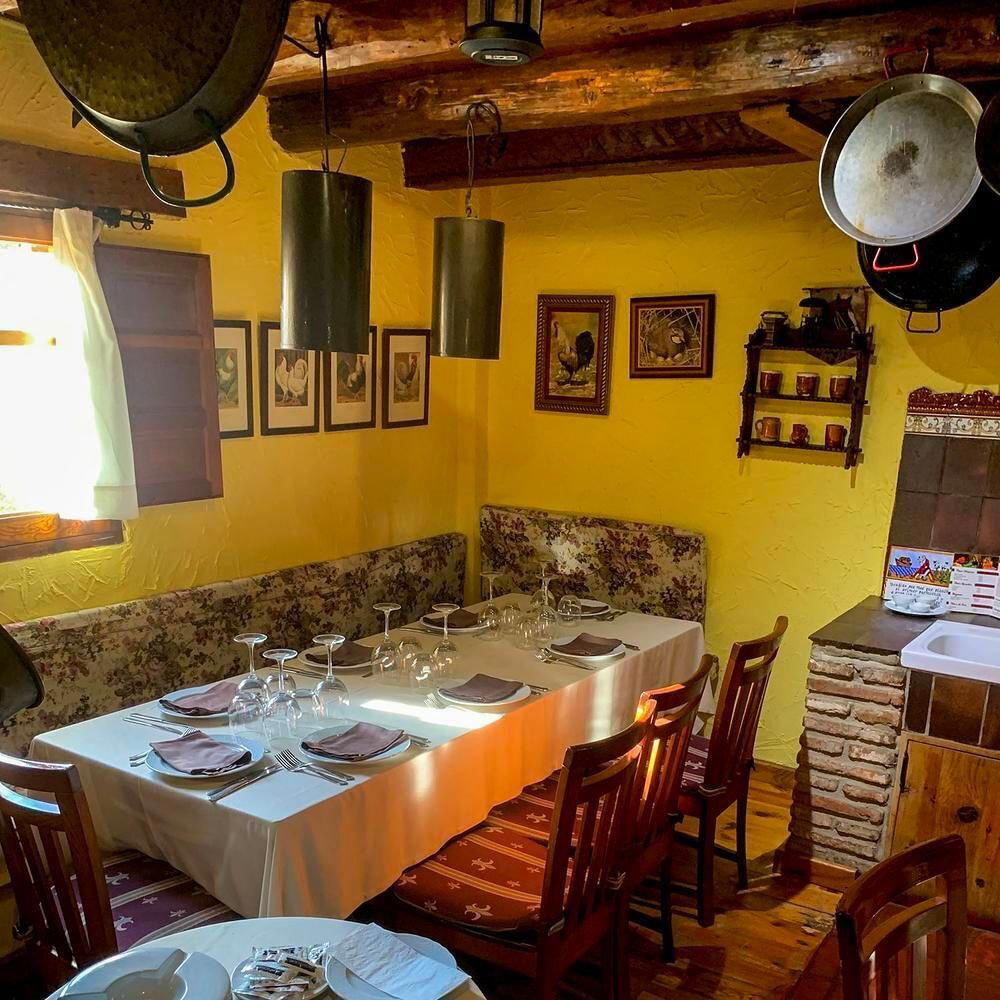
Cozy and elegant interior with warm lighting, simple old-fashioned façade, and attentive table service.