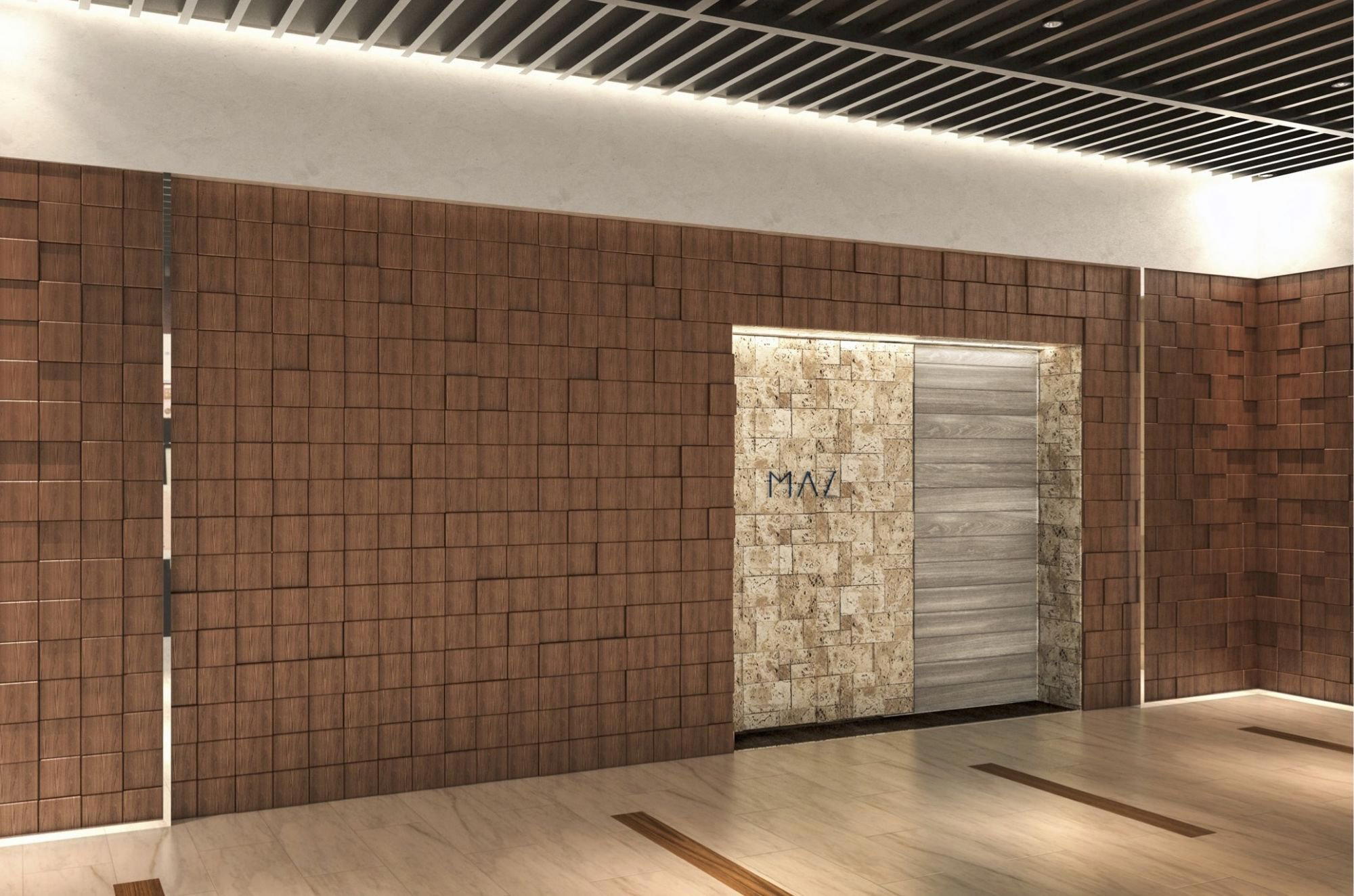
Tabelog 100 #40
Our verdict
Teppanyaki Iwakura places the teppan counter inside Kagurazaka’s quieter dining register, where Japanese cuisine, steak, seafood, sake and wine sit closer to kappo restraint than hotel-grill theatre. Its Tabelog 100 Japanese cuisine Tokyo selection in 2025 and 2020 Bronze recognition put it in a serious local bracket, while the 22-seat format keeps the experience compact.

Pearl is the En Primeur Club membership app, where members save venues, book tables and use the concierge.
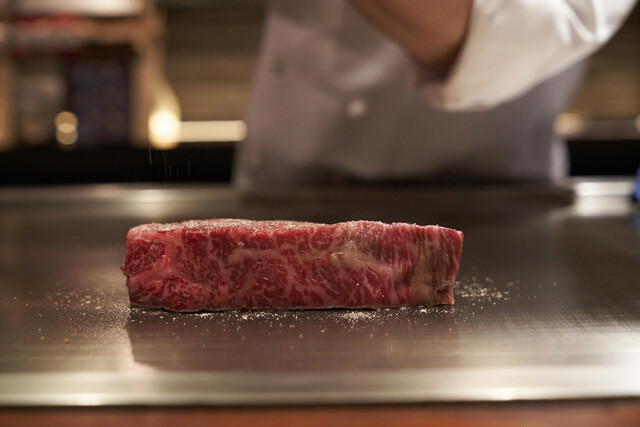
In Tokyo, the approach to dinner often feels edited before the first plate arrives: discreet rooms, small signs, careful pacing, and a dining rhythm that belongs to the city’s quieter restaurant culture as much as to its more polished corridors. Teppanyaki, in this setting, changes character. The format is not just beef on iron; it becomes a conversation between heat, timing, Japanese ingredients, and the kind of controlled intimacy that Tokyo does particularly well.
Teppanyaki Iwakura sits in that quieter register. Its category line reads Japanese cuisine, steak, and teppanyaki, which matters because Tokyo’s stronger teppan rooms often operate less like international steak houses and more like counter-led Japanese restaurants with a grill at the centre. The 2025 Tabelog 100 Japanese cuisine Tokyo selection places it within a competitive local field defined by specialist craft rather than spectacle, and its listed Tabelog score of 3.73 gives diners a useful benchmark for how it is being received locally.
Tokyo gives teppanyaki a more Japanese grammar
Tokyo has long carried many dining accents at once, from formal counters to compact rooms built around precision and restraint. That context suits teppanyaki when the kitchen treats the iron plate as a tool rather than only a stage prop. The point is not pyrotechnics; it is temperature control, pacing, and the sequencing of ingredients within a Japanese meal structure.
This is where the restaurant’s category matters. In Tokyo, serious teppanyaki is rarely only about the surface drama of the grill. The better meals use the format for range, timing, and contrast, allowing Japanese cuisine, steak, and teppanyaki to overlap without turning dinner into a simple steak-house template. The appeal is in watching heat and texture managed closely, while the room keeps the focus on the meal rather than on spectacle.
Compared with other Tokyo references, the position is distinct. Washoku Ebihara and Ebihara point toward more conventional Japanese dining in the same broader city conversation, while Hatou represents sushi’s counter discipline. Yoshokudo Budo Kagurazaka Kagurazaka works in another register, and Indian Omoi no Ki occupies a different cuisine category altogether. Teppanyaki Iwakura is better understood as part of Tokyo’s compact, reservation-minded dinner culture: a focused room where the counter and the table can each change the social pitch of the meal.
The counter matters, but the room is not only for counter diners
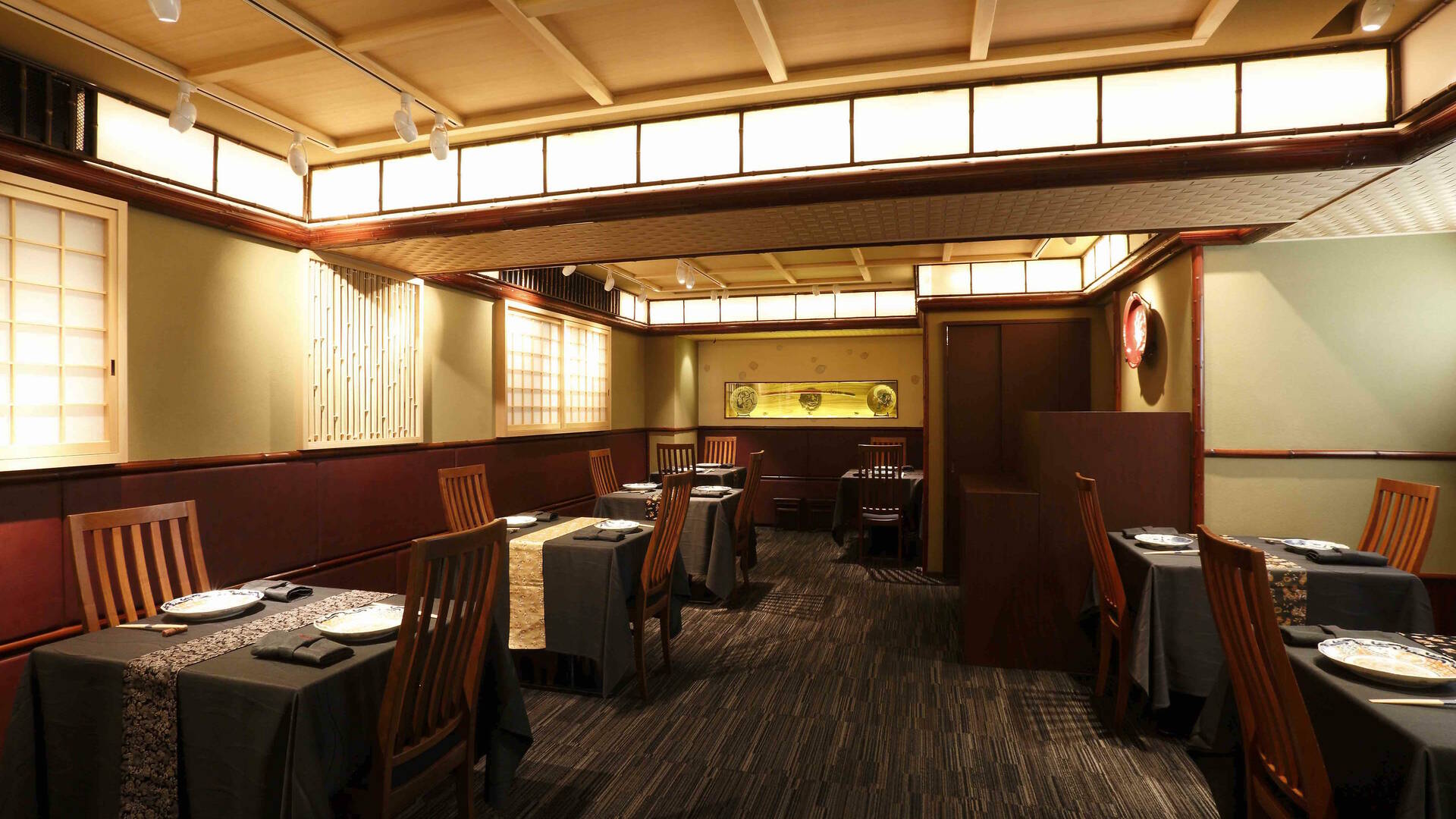
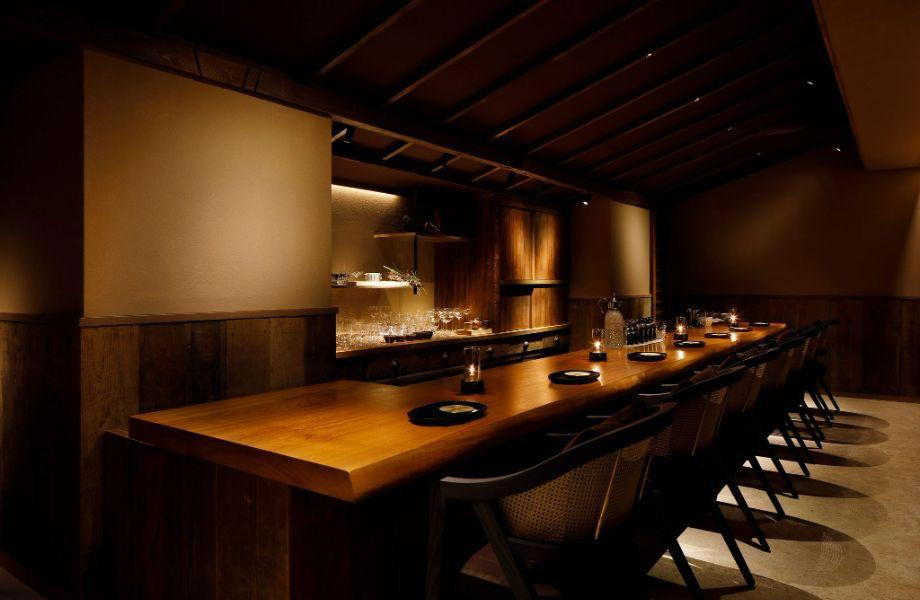
Tokyo’s counter culture often rewards diners who want to watch technique closely, yet not every occasion wants the full concentration of sitting directly in front of the cooking station. Here, the teppanyaki format gives the room flexibility. The counter can make the technique feel immediate, while table dining can soften the experience into a more social meal. That composition is meaningful in a city where many serious restaurants ask diners to choose between close counter ritual and a more private conversation.
The format also explains why the restaurant reads differently from the city’s most conspicuous expense-account teppan rooms. Tokyo meals often carry several social functions at once: small celebrations, business dinners, and evenings where discretion matters more than display. A teppanyaki room can serve those occasions well because the cooking provides enough focus for the meal while still leaving space for conversation and pacing.
The price band sits in the JPY 15,000 to JPY 19,999 dinner range. In Tokyo terms, that places it above casual teppan and below the extreme luxury counters where ingredient provenance and wine programs can push the bill sharply upward. For travellers, the practical read is straightforward: budget for a serious dinner, check current booking and payment details directly, and treat the listed range as a planning guide rather than a final bill guarantee.
How to place it within a Tokyo dining itinerary
For travellers building a Tokyo dining week, this is a useful counterpoint to sushi, yakitori, ramen, and kappo because teppanyaki makes technique visible without reducing dinner to performance. It also sits well in a Tokyo evening where slower pacing before and after the meal can be part of the pleasure. Diners comparing areas should treat it as a quieter Tokyo restaurant choice rather than a neon-driven night out.
The 2025 Tabelog 100 Japanese cuisine Tokyo selection shows current local recognition. In a market as dense as Tokyo, selection carries weight because it reflects performance inside a deep category rather than a single viral moment. The better editorial read is not “flashy teppanyaki,” but a Japanese-cuisine room using the teppan to connect steak, heat, timing, and small-room hospitality.
Readers planning broader Tokyo meals can use Our full Tokyo restaurants guide for the city view, then compare other category-adjacent options such as Ebihara, Hatou, Indian Omoi no Ki, Washoku Ebihara, and Yoshokudo Budo Kagurazaka Kagurazaka. For a wider Japan lens, contrast the teppanyaki theme with other dining in Tokyo and beyond, from casual formats to specialist counters. City planning can extend beyond restaurants through broader Tokyo guides for hotels, bars, wineries, and experiences.
Frequently asked questions
Where exactly is Teppanyaki Iwakura?
Tokyo.
Is Teppanyaki Iwakura open every day?
Current opening days and hours should be confirmed directly with Teppanyaki Iwakura before visiting.
What should I budget for a meal at Teppanyaki Iwakura?
Pricing at Teppanyaki Iwakura is listed as JPY 15,000 - JPY 19,999.
What do critics highlight about Teppanyaki Iwakura?
Critics point first to its recognition: a Tabelog 100 Japanese cuisine Tokyo selection for 2025. Its listed categories are Japanese cuisine, steak, and teppanyaki, and its Tabelog score is 3.73.
Where It Fits
Comparable venues at similar price and category levels.
| Venue | Cuisine | Price | Awards | Notes |
|---|---|---|---|---|
| Teppanyaki IwakuraThis venue (the venue you are viewing) | Japanese Teppanyaki | $150–200 | Tabelog 100 #40 | Not listed |
| Iruka Tokyo Roppongi | Modern Ramen | $20–30 | Michelin Bib Gourmand · Tabelog 100 #94 | Roppongi |
| Akasaka Totoya Uoshin | Traditional Seasonal Japanese Kaiseki | $100–150 | Tabelog 100 #36 | Minato |
| Toranomon Yakitori Kuniyoshi | Yakitori & Chicken Dishes | $100–150 | Tabelog 100 #1 | Minato |
| Tenmo | Traditional Edomae Tempura Omakase | $100–150 | Tabelog 100 #47 | Chūō |
| Ningyocho Imahan Nihombashi Takashimaya S.C. Restaurant | Traditional Japanese Wagyu Sukiyaki & Shabu-Shabu | $50–100 | Not listed | Chūō |
Recognition history
Dated appearances from independent guides and award organizations, with the underlying list record or original source where available.
Tabelog 100 #40 · No. 40
Tabelog · Tabelog 100 - Japanese cuisine - TOKYO - 2025