
Tabelog 100 #47
Our verdict
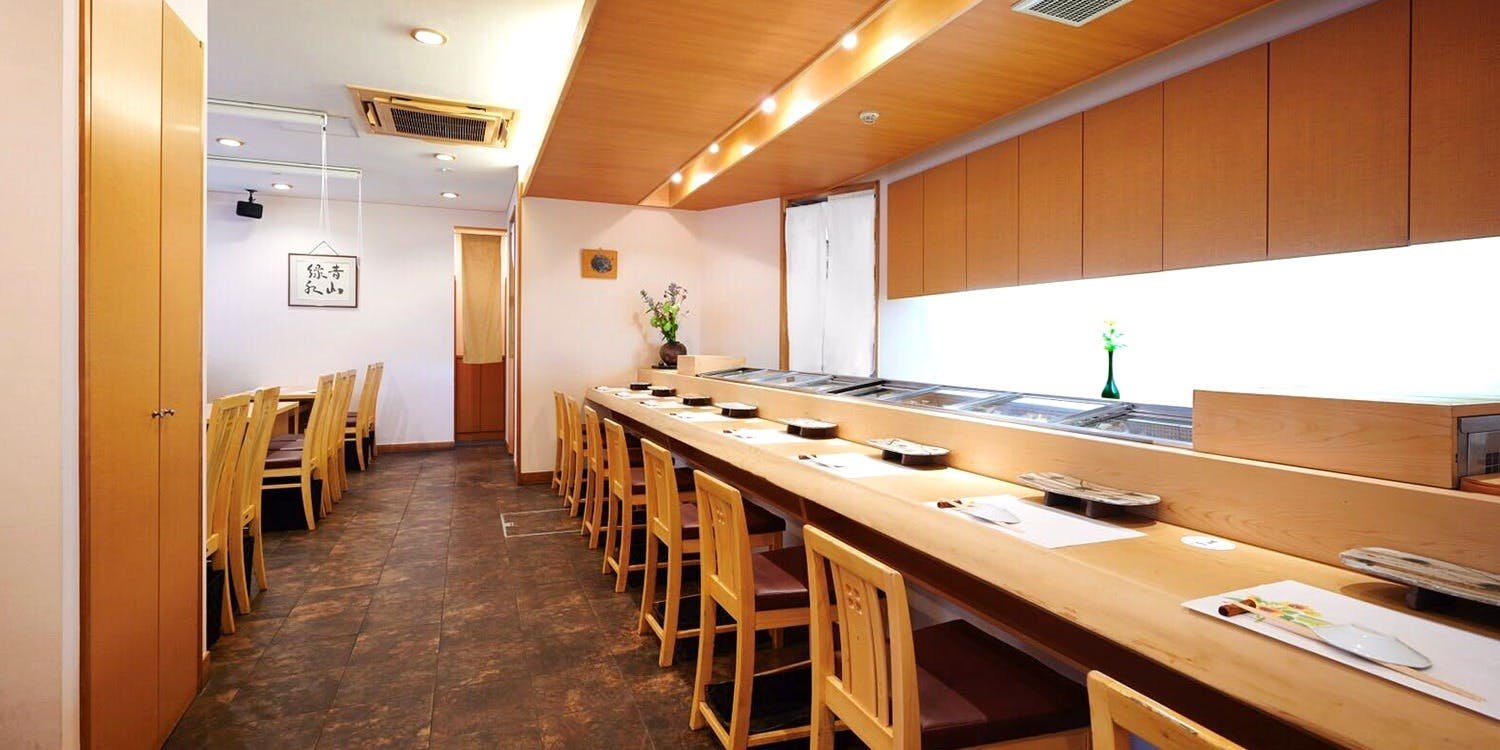
Tenmo belongs to Tokyo’s older tempura grammar: sesame-oil frying, seasonal sequencing, and a compact room split between counter and tatami seating. Its 2025 Tabelog 100 Tempura selection and long history place it in a serious Edo-style bracket rather than the theatrical luxury end of the category.

Pearl is the En Primeur Club membership app, where members save venues, book tables and use the concierge.
The menu
What to order
- Edomae tempura course
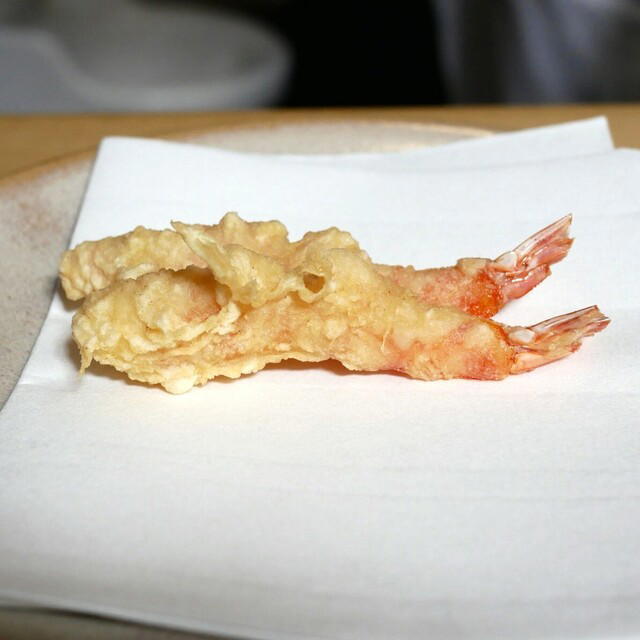
- Kuruma ebi (prawn) tempura
- Seasonal vegetable tempura
- Sea eel tempura (anago)
In Tokyo, tempura feels less like spectacle than discipline. The format says it first: a focused restaurant where timing, oil, batter, fish, and vegetables are judged by small margins. Tenmo belongs to a Tokyo dining rhythm where progression matters more than flourish.
Tokyo tempura has split into lanes: high-gloss counters priced and booked like sushi omakase; quick tendon shops built for lunch turnover; and, between them, a serious specialist tier where pacing shapes the meal. Tenmo’s 2025 recognition from Tabelog’s tempura selection places it in that specialist conversation, while its Tabelog score of 3.53 signals a venue followed by diners attentive to category precision rather than broad luxury cues.
Tempura judged by sequence, not spectacle
Read this table as a progression. Tempura depends on ingredient order: lighter pieces early, richer seafood and focal points later, with rice, dipping sauce, salt, and grated accompaniments doing quiet structural work. The point is not rare-ingredient parade but whether each piece lands distinctly enough to reset the palate.
The house reputation rests on tempura, a profile aligned with Tokyo’s dining culture, where the cuisine has long balanced immediacy with restraint. The appeal is a menu that can move through a sequence without behaving like a static luxury format.
That structure explains why tempura rewards repeat visits differently from steak, sushi, or French tasting menus. The technique stays central; the sequence carries the meal. One visit may read differently from another, but the point is the same: tempura exposes timing fast, and a piece held too long loses its purpose.
For readers mapping Tokyo by genre, this differs from sushi or counter kappo. Tempura has less tolerance for distraction and less need for explanation. A serious room shows sequence, oil management, and service tempo; a more private meal turns the same cuisine toward a quieter social format. That split matters in Tokyo, where business and solo dining can share one restaurant without sharing a mood.
Tokyo's dining code suits this kind of counter
Tokyo is not only a nightlife city posing as historic. It is also shaped by office rhythms, long-established dining habits, and practical rituals. Tempura fits because it balances craft with directness: hot food served immediately, a compact sequence, and enough formality for client meals without kaiseki ceremony.
Tenmo is best understood through that lens rather than through scarcity theater. Longevity claims and room-layout mythology are less useful than the evidence diners can actually verify: the category, the pacing, the price band, the 2025 Tabelog tempura recognition, and the 3.53 Tabelog score. In tempura, continuity is felt through technique: batter control, ingredient preparation, oil management, and house pacing.
Tokyo offers several meal options. Muromachi Sunaba Nihonbashi hon ten sits in a different classic lane, while Kuzushi Teppan AVAGURA Kanda ten occupies a casual teppan lane. Sushi, molecular formats, and French-inflected rooms also compete across Tokyo, including シグネチャー, タパス モラキュラーバー, and 鮨 日本橋 鰤門. Against that mix, Tenmo’s appeal is narrower and clearer: choose it when the meal should center on tempura’s cadence rather than breadth.
The category also raises a wine-and-sake question. Tempura can work with both, depending on what the restaurant offers and how the sequence is paced. Sake can suit the warmth and texture of fried pieces, while wine works when acidity and texture are chosen carefully. Restraint matters: drinks should support the sequence, not dominate it.
Where it fits in a Tokyo dining plan
Tenmo is strongest as a focused meal in a tight Tokyo itinerary: a Tokyo address, a specialist category, and a cuisine whose pleasure comes from timing rather than duration. It suits travelers who have already done the broad Tokyo checklist and now want a category-specific meal with historical depth. It also suits business dining, solo dining, and meals with friends, without needing the meal to become a performance.
For a longer Tokyo plan, use it by contrast, not repetition. Pair a Tenmo meal with other unnamed Tokyo dining rooms in different registers: a seafood or charcoal-grill night, a yakitori counter, or a casual daytime stop gives the itinerary better range than stacking formal counters. For shopping, nightlife, or café-led detours, choose other Tokyo areas as separate city moods rather than asking one tempura meal to represent the whole capital.
Readers building a wider Japan route can compare the Tokyo tempura stop with regional meals elsewhere in the country, but the better comparison is often generic rather than name-led: coastal cooking, beef-focused meals, cafés, curry shops, and Kyoto or Osaka counters all show how sharply context changes the same national cuisine. For cross-Pacific Japanese drinking and casual dining context, unnamed overseas venues show how different the cuisine becomes outside Japan.
For broader planning, use Our full Tokyo restaurants guide alongside Our full Tokyo hotels guide, Our full Tokyo bars guide, Our full Tokyo wineries guide, and Our full Tokyo experiences guide. The editorial call is simple: this is a tempura meal for diners who care about sequence, focus, and Tokyo tempo, not theatrical novelty.
Frequently asked questions
Is Tenmo more mid-range or high-end?
Pricing at Tenmo is listed as JPY 15,000 - JPY 19,999 JPY 15,000 - JPY 19,999 View spending breakdown.
When is Tenmo open?
Tenmo’s specific opening hours should be confirmed directly with the restaurant before visiting.
Where is Tenmo in Tokyo?
Tokyo.
What has Tenmo built its reputation on?
Tenmo is known as a tempura restaurant, and it was recognized in Tabelog’s 2025 tempura selection. Its Tabelog score is 3.53, keeping the focus on category-specific appeal rather than theatrics.
Is Tenmo good for vegetarians?
Vegetarians should confirm options directly with Tenmo before booking, since the public category provided for the restaurant is tempura. The Tokyo restaurant is better approached as a specialist tempura meal than as a broadly vegetarian-focused venue.
Comparable Spots, Quickly
Comparable venues to anchor price and recognition.
| Venue | Cuisine | Price | Awards | Notes |
|---|---|---|---|---|
| TenmoThis venue (the venue you are viewing) | Traditional Edomae Tempura Omakase | $100–150 | Tabelog 100 #47 | Not listed |
| Akasaka Tan-tei | Okinawan Kaiseki | $100–150 | Not listed | Akasaka |
| Yakiniku Akami Nikugatou Ningyouchou honten | Japanese Yakiniku | $50–100 | Tabelog 100 #85 | Chūō |
| Niou | Yoshoku (Japanese-style Western Cuisine) | Not listed | Tabelog 100 #76 | Chiyoda |
| Tori Aroma | Hinai Jidori Yakitori Omakase | $50–100 | Tabelog 100 #31 | Chiyoda |
| TsuruTonTan UDON NOODLE Brasserie GINZA | Udon Noodle Brasserie | $20–30 | Not listed | Chūō |
Recognition history
Dated appearances from independent guides and award organizations, with the underlying list record or original source where available.
Tabelog 100 #47 · No. 47
Tabelog · Tabelog 100 - Tempura - 2025
Continue exploring
More in Tokyo
Restaurants in Tokyo
All restaurants in Tokyo →

Bars in Tokyo
All bars in Tokyo →



Details
- Classic
- Well Known
- Cozy
- Intimate
- Special Occasion
- Business Dinner
- Date Night
- Solo
- Chefs Counter
- Historic Building
- Standalone
- Design Destination
- Sake Program
- Local Sourcing
- Tasting Menu
- Omakase
- Counter Dining
- Set Menu
- Sake
- Beer
- Tea
- Pescatarian Friendly
Current opening hours
- Monday
- 12–2 PM, 5–8 PM
- Tuesday
- 12–2 PM, 5–8 PM
- Wednesday
- 12–2 PM, 5–8 PM
- Thursday
- 12–2 PM, 5–8 PM
- Friday
- 12–2 PM, 5–8 PM
- Saturday
- 12–2 PM
- Sunday
- Closed
Hours can change for holidays and private events. Last verified .
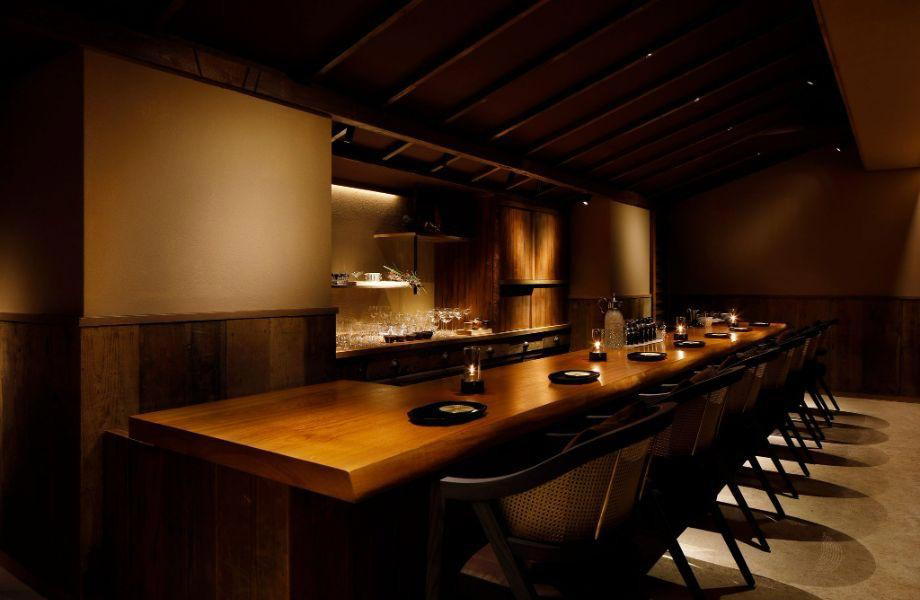
Traditional, quietly elegant Edo-style setting with counter and tatami seating, no smoking, and an intimate, old-Tokyo atmosphere that emphasizes focus on the tempura and calm conversation.