
Osaka’s counter-tempura culture becomes more specialised here, where tempura, Japanese cuisine and seasonal Matsuba crab sit inside a seven-seat format recognised in Tabelog 100 - Tempura - 2025. The drink programme is notable for sake, shochu and wine, with particular attention to nihonshu rather than a generic pairing model.
Pearl is the En Primeur Club membership app — saves, bookings, and concierge access live there. Same editors, same standards.
- Address
- 大阪府大阪市中央区材木町1-1 ドエル南本町 1F
- Phone
- +818061217737
- Website
- wasyoku-seiten.net
 Saves & bookings on Pearl
The room belongs to the small-counter end of Osaka dining: close enough for oil, timing and service rhythm to define the evening, but restrained enough that the drink in the glass matters almost as much as what leaves the fryer. In this tier, tempura is not a casual category. It is a precision format, and the sharper restaurants around Sakaisuji Hommachi treat seafood, batter, heat and pacing as a single system rather than a sequence of fried pieces.
Tenpura Brand Matsuba Kani Matsuyamachi Seiten sits in that narrow band. Its recognition in Tabelog 100 - Tempura - 2025 gives it a clear trust signal in a city where tempura competes not only with sushi and kappo counters, but also with Osaka’s broader appetite for specialist rooms. The format is compact, the cooking is counter-led, and the identity is split between tempura and Matsuba crab season rather than built around a long à la carte menu.
Tempura, crab season and the Osaka counter economy
Osaka’s high-end Japanese counters often work through compression. Fewer seats, tighter menus, less theatrical service and a stronger reliance on produce calendars. That structure suits tempura because the cuisine is unforgiving: oil temperature, ingredient moisture and the time between frying and eating all show immediately. It also suits crab, where market quality and seasonality can move the experience away from standard luxury and toward procurement discipline.
The seasonal Matsuba crab course gives the restaurant a different rhythm from year-round tempura counters. Matsuba crab, associated with the Sea of Japan winter season, brings price volatility and a shorter calendar into the dining decision. That matters editorially: this is not a restaurant for diners who want a flexible Osaka dinner after a day of shopping in Namba. It belongs to the planned-counter category, closer in spirit to small sushi and kappo rooms than to the city’s more democratic comfort-food institutions.
That contrast is useful. A visitor building an Osaka food itinerary might pair this kind of meal with everyday benchmarks such as 551 Horai (551蓬莱), bakery stops like 52CHO-ME BAKERY, or a lighter daytime address such as .cafe. The point is not hierarchy. It is range: Osaka rewards both quick, inexpensive eating and tightly controlled counters, and the city becomes more legible when those formats are read side by side.
The drink list is built around nihonshu, with wine as a serious secondary language
The drink information is more revealing than a generic “pairing available” note. Sake, shochu and wine are all listed, with particular attention to sake. For a tempura counter, that combination makes sense. Nihonshu can track salt, shellfish sweetness, bitterness from mountain vegetables and the clean finish of well-managed oil without forcing every course through acidity or tannin. Shochu gives another Japanese register, especially for diners who prefer lower aromatic sweetness or a drier structure.
Wine’s presence is also worth noting. In Osaka’s upper Japanese dining rooms, wine is no longer an imported luxury signal by default; it is a practical tool for guests who want Champagne, white Burgundy-adjacent textures, or mineral whites against seafood and batter. The better question is not whether a list is long, but whether it understands tempo. Tempura moves quickly, and the drink programme has to support heat and immediacy rather than dominate the counter.
That is where this restaurant’s positioning becomes interesting. A seven-seat counter does not need the cellar depth of a grand hotel dining room. It needs focus, temperature control and enough range to make sake, shochu and wine feel like active choices. For travellers who often plan meals through beverage programmes, the signal here is Japanese-first rather than wine-led, but not wine-averse.
How it fits into a broader Osaka itinerary
The Sakaisuji Hommachi area is useful for diners who want central Osaka without relying only on the Namba and Umeda circuits. It is commercial, gridded and less performative than the city’s entertainment districts, which suits a destination counter. The meal belongs in the same trip logic as other focused Osaka reservations, from Japanese rooms such as KAMINOZA to category specialists at lower price points, including Sosaku Curry Tsukinowa, Honneri Kwashi Suiren isshin and curry bar nidomi. Those comparisons show how wide Osaka’s dining scale runs: serious cooking does not always mean the same spend, room size or service code.
For readers mapping the city more broadly, Our full Osaka restaurants guide is the natural starting point, while Our full Osaka hotels guide, Our full Osaka bars guide, Our full Osaka wineries guide and Our full Osaka experiences guide help place dinner inside the rest of a trip. Osaka is not a city where every serious meal needs to be formal; it is a city where format discipline determines the stakes.
That same logic applies beyond Osaka. Japan’s dining map rewards specificity, from [ki:] in Kyoto to -Grilled beef Sukiyaki- KAMAKURA TANUKIAN 鎌倉 たぬき庵 in Kamakura,. 鮪と炭火焼き うお炭 秋葉原店 in Tokyo,.know in Kumamoto, (Shoku) Vietnam in Kawasaki and [Curry Senmon Ten] Maruyama Kyoju. in Sapporo. For a wider transpacific sake context, Jōdo Saké Bar in Los Angeles and Onigiri Time in Pasadena show how Japanese drinking and casual formats travel outside Japan. In Osaka itself, the comparison can be even simpler: a planned counter here, then something looser such as 99 Pizza Napoletana Gourmet or a canto (Italian) on another night.
The editorial read is clear: this is a narrow-format Osaka counter for diners who care about tempura technique, seafood seasonality and a Japanese drinks list with sake at its centre. The Tabelog 100 - Tempura - 2025 selection supports that position, but the stronger reason to pay attention is structural. Few seats, seasonal crab, tempura discipline and a sake-conscious beverage frame all point to a meal that rewards planning rather than spontaneity.
Where It Fits
Comparable venues by cuisine and price in the same metro.
| Venue | Cuisine | Price | Awards | Notes |
|---|---|---|---|---|
| Tenpura Brand Matsuba Kani Matsuyamachi SeitenThis venue — the venue you are viewing | Seasonal Japanese Tempura | $$$$ | , | |
| Yakitori Ichimatsu | Michelin-starred Yakitori Chicken Kaiseki | $$$$ | , | Kita |
| Tempura Kissho | High-End Tempura Counter | $$$$ | , | Kita |
| Yakitori Shinose | High-End Yakitori Omakase | $$$$ | , | Kita |
| Nagahori | Michelin-starred Japanese Izakaya Omakase | $$$ | , | Chūō |
| Sumiya | Intimate Sushi Omakase Counter | $$$ | , | Chūō |
Continue exploring
More in Osaka
Restaurants in Osaka
Browse all →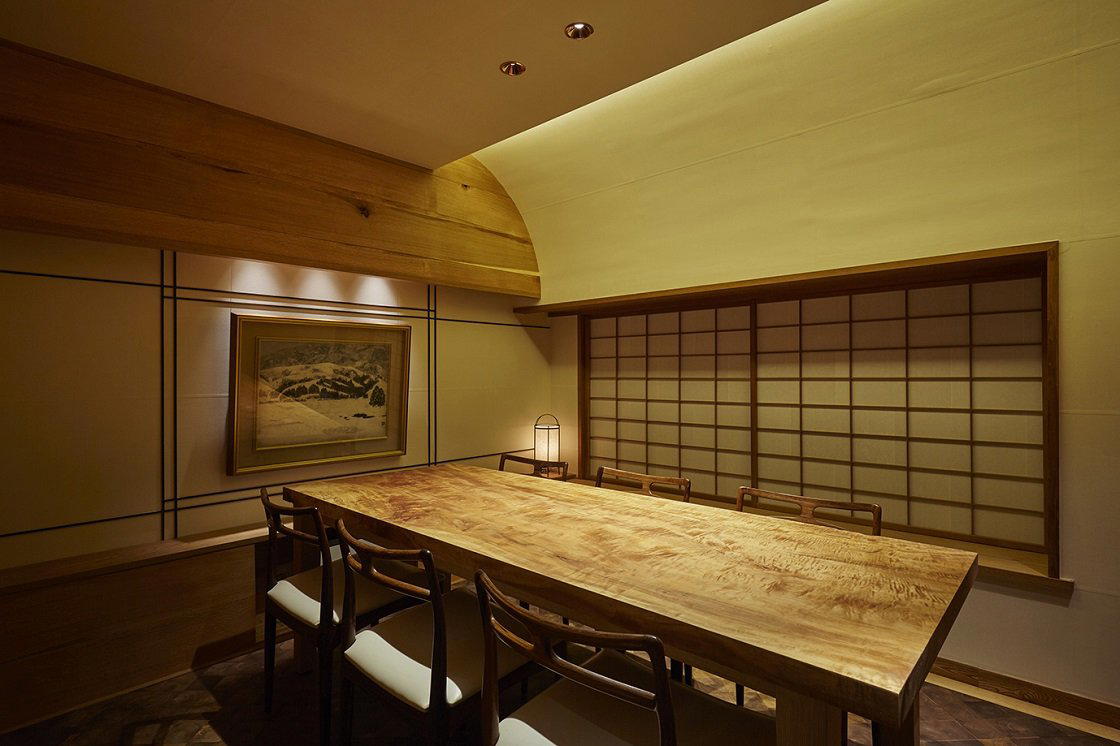




Bars in Osaka
Browse all →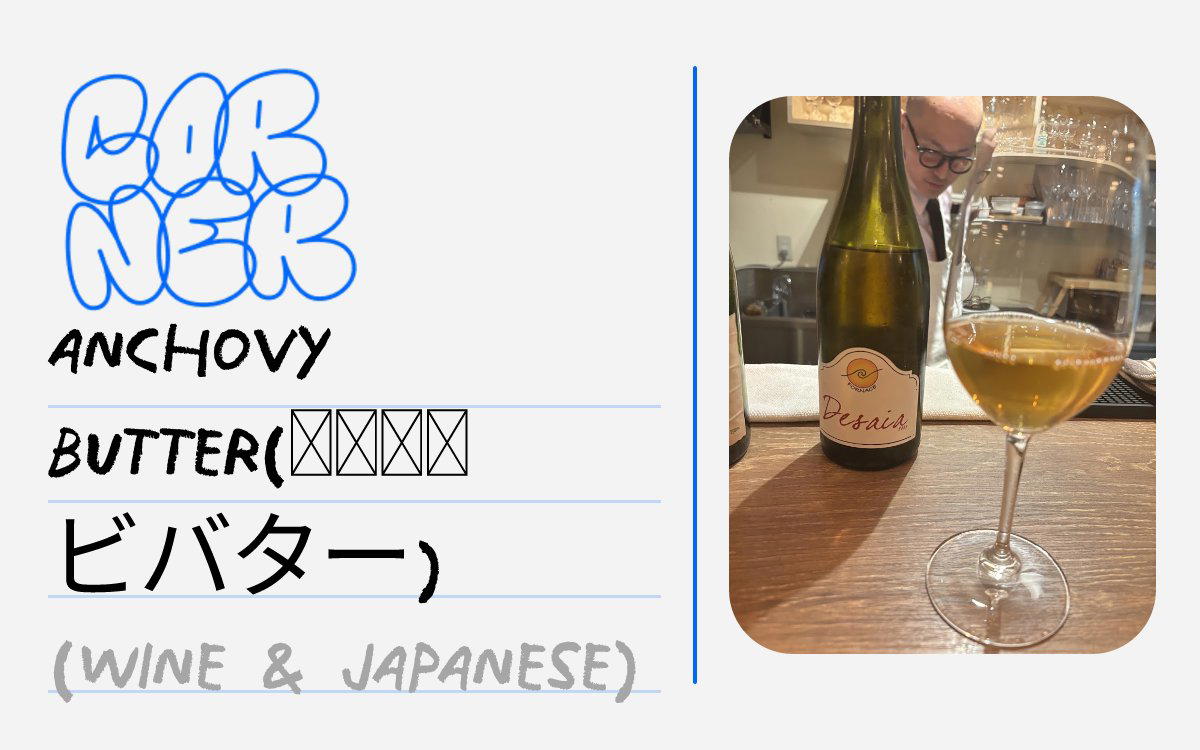

Hotels in Osaka
Browse all →



Wineries in Osaka
Browse all →
At a Glance
- Sophisticated
- Intimate
- Classic
- Elegant
- Hidden Gem
- Special Occasion
- Celebration
- Date Night
- Business Dinner
- Standalone
- Design Destination
- Sake Program
- Extensive Wine List
- Local Sourcing
- Sustainable Seafood
An intimate seven-seat counter setting with a focused, high-end feel and a quiet atmosphere suited to a specialized omakase-style meal.