Tabelog 100 #62
Our verdict
Osaka’s tempura counter culture rewards small rooms, controlled pacing, and a close view of the fryer. Tempura nuu nuu belongs to that compact specialist tier: 11 counter seats, Tabelog Tempura 100 selection in 2025, and a Tenjinbashi setting that keeps the experience more local than hotel-formal.

Pearl is the En Primeur Club membership app, where members save venues, book tables and use the concierge.
Osaka does not need to prepare diners for ceremony in the polished Ginza sense. The city can feel looser and more everyday: shopping-street traffic, station exits, small counters tucked into side streets, and a dining culture that can move from noodles to sushi to tempura without changing register. In that setting, a compact tempura counter reads differently from a grand dining room. The room itself becomes the frame: a narrow sightline, a fryer within view, and a pace shaped by what can be served immediately rather than held back for theatre.
Osaka’s strength has always been range. A visitor can build a day around casual institutions, specialist bakeries, coffee stops, or more international rooms without leaving the city’s broad dining rhythm. Tempura sits in another register: less about variety on the table, more about timing, oil control, batter, and sequence. The counter is not decoration; it is the mechanism that makes the meal work.
A compact counter puts technique ahead of dining-room theatre
Counter tempura depends on proximity. Unlike a sushi bar, where rice temperature, knife work, and fish condition dominate the discussion, tempura asks the room to focus on intervals: how quickly each piece moves from oil to plate, how the sequence builds, and how little the architecture can interfere. Tempura nuu nuu fits the small-format model where the room’s constraint is also its argument. A large room would dilute the point.
The Tabelog Tempura 100 selection for 2025 gives the restaurant an external marker in a category where nuance can be hard to read from abroad. It is not a Michelin-style star system, and it should not be treated as one. Its value is different: it places the counter inside a Japan-specific field of tempura specialists rather than the broader, more tourist-facing category of Japanese dining. The listed Tabelog score of 3.66 also matters in context; on that platform, especially in specialist genres, scores in the mid-threes can signal a serious local following rather than mass appeal.
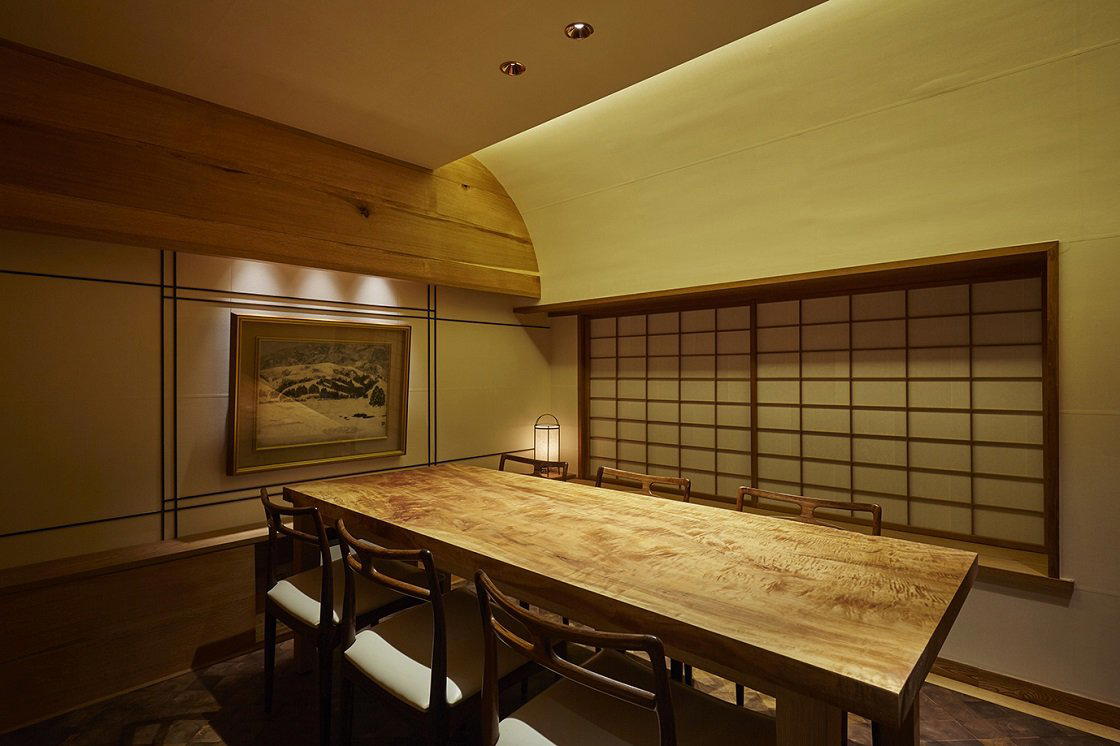
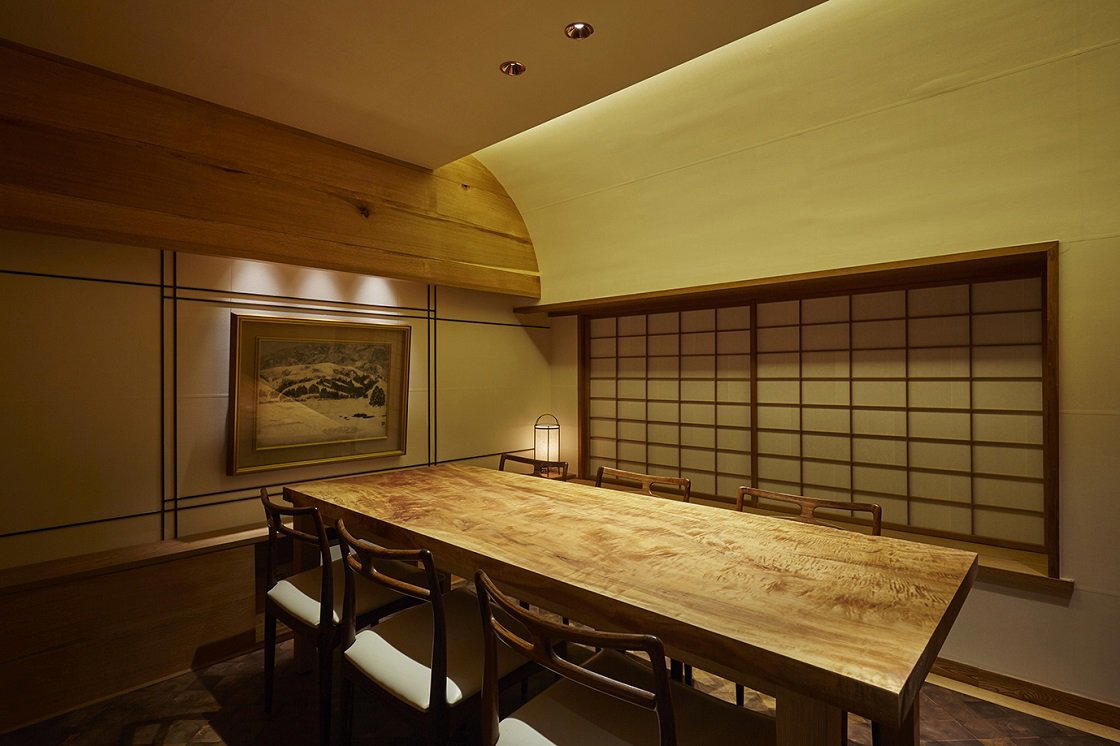
Design here is functional before it is decorative. Counter seating compresses the distance between cooking and eating, and that compression is central to tempura’s appeal. The format gives diners a direct view of sequence and pace without needing a long explanation from the kitchen. For travellers accustomed to tasting-menu rooms where design announces ambition through lighting, linen, or table spacing, Osaka tempura can feel more disciplined: the room asks diners to pay attention to the fryer, not the furniture.
Osaka gives the counter a local scale
Osaka is a useful corrective to the idea that serious Japanese dining must feel secluded from daily life. The city’s dining culture can connect specialist counters to an everyday rhythm of small restaurants, drink-led evenings, quick meals, and repeat local use. That makes a compact room feel less like scarcity branding and more like a natural scale for the meal.
Compared with the Osaka competitive set, the distinction is clear. Tenboshi also occupies the tempura conversation in Osaka, while Tenjimbashi Aoki points toward a broader Japanese dining register, Sushidokoro SHIN toward sushi, and Soba Takama toward a leaner noodle tradition. Those are different forms of concentration. Tempura nuu nuu’s appeal is the narrowness of the proposition: counter, fryer, sequence, and the particular focus that comes from tempura rather than a more expansive menu.
The category also benefits from Osaka’s appetite for informality. Tokyo’s high-end tempura rooms can drift toward hushed ritual; Osaka often keeps technique closer to appetite. That does not make the cooking casual. It changes the social temperature around it. A counter can be serious without becoming stiff, and the Osaka setting helps keep the experience grounded in the city rather than in luxury-hotel codes.
How to place it within an Osaka dining itinerary
This is a specialist stop, not a broad introduction to Kansai eating. It makes sense for travellers who already understand why Osaka rewards genre-specific planning: one counter for tempura, another for sushi, a separate stop for soba, and casual breaks between them. For wider planning, Our full Osaka restaurants guide gives the broader restaurant map, while Our full Osaka hotels guide, Our full Osaka bars guide, Our full Osaka wineries guide, and Our full Osaka experiences guide help build the rest of the trip around it.
The wider Japan and overseas directory is useful for calibrating style rather than direct comparison. A traveller moving between regions might contrast this counter-led Osaka format with other dining rooms, bars, noodle shops, grill rooms, and casual specialists in Japan or abroad. The point is not to rank them against one another. It is to see how much the physical container changes the meal: bar, counter, noodle shop, grill room, or bakery each imposes its own rhythm.
The editorial case for Tempura nuu nuu is strongest for diners who care about format as much as menu. The 2025 Tabelog Tempura 100 selection supplies the trust signal; the counter-led format explains the experience. In Osaka, where eating can be gloriously democratic and highly technical in the same evening, that combination is exactly the kind of small room that rewards planning.
Frequently asked questions
What time does Tempura nuu nuu open and close?
Confirm current opening hours directly with Tempura nuu nuu before visiting.
How do I find Tempura nuu nuu?
Tempura nuu nuu is located in Osaka.
Is Tempura nuu nuu expensive?
Pricing at Tempura nuu nuu is listed as Dinner: JPY 8,000 - JPY 9,999; Lunch: JPY 2,000 - JPY 2,999.
What's the standout thing about Tempura nuu nuu?
Its 2025 Tabelog 100 selection makes the format the point. Tempura is served in Osaka, keeping the dining room tightly focused on the fryer rather than table-service theatre.
Is Tempura nuu nuu good for vegetarians?
The venue’s award listing describes it as tempura and Japanese cuisine, so strict vegetarians should confirm suitability directly before booking. The safest approach is to expect a tempura-led menu rather than assuming a plant-only one.
Would Tempura nuu nuu be comfortable with kids?
It may work for older children who are comfortable with a focused counter-style setting, but confirm current policies directly before visiting. This is a specialist tempura room in Osaka rather than a casual all-day diner.
Quick Comparison
Comparable venues to calibrate price, style, and recognition.
| Venue | Cuisine | Price | Awards | Notes |
|---|---|---|---|---|
| Tempura nuu nuuThis venue (the venue you are viewing) | Seasonal Tempura Omakase | $200–300 | Tabelog 100 #62 | Not listed |
| Ishii Jr. | Yakitori & Chicken Dishes Omakase | $50–100 | Tabelog 100 #98 | Kita |
| Shushi Mon | Traditional Japanese Izakaya | $50–100 | Tabelog 100 #23 | Kita |
| Ryobo | Yakitori Omakase Counter | $50–100 | Tabelog 100 #33 | Chūō |
| Tori Ichi | Traditional Osaka Yakitori & Chicken Dishes | $50–100 | Tabelog 100 #16 | Chūō |
| Hari Ju Doutonbori honten | Traditional Wagyu Sukiyaki & Shabu-shabu | $50–100 | Tabelog 100 #9 | Chūō |
Recognition history
Dated appearances from independent guides and award organizations, with the underlying list record or original source where available.
Tabelog 100 #62 · No. 62
Tabelog · Tabelog 100 - Tempura - 2025