
Tabelog 100 #33
Our verdict
Ryobo belongs to Osaka’s tighter, more serious yakitori tier: counter-led, grill-focused, and shaped by a drinking culture that treats sake, shochu, and wine as part of the meal rather than an afterthought. Its Tabelog 100 Yakitori WEST selections in 2024 and 2025 place it within a competitive Kansai field where restraint and timing matter more than spectacle.

Pearl is the En Primeur Club membership app, where members save venues, book tables and use the concierge.
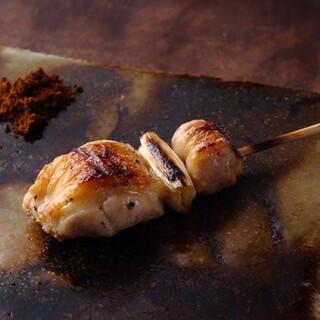
The menu
What to order
- Charcoal wood-smoked claypot rice
- Yakitori course using Kumano chicken
- Seasonal vegetable skewers
In Osaka, dining-room focus matters. Osaka can do noise, neon, and late-night abundance with ease, but the city’s sharper specialist restaurants work by compression: closer attention, a narrower margin between fire and food, and a format that rewards discipline. Ryobo sits in that focused tradition, where yakitori is not casual drinking food dressed up for a tasting-menu audience, but a craft built on heat control, pacing, and the old Japanese logic that a skewer can carry as much intent as a plated course.
Yakitori has always had two lives in Japan. One is democratic: smoke, beer, and quick rounds after work. The other is more exacting, with the grill treated as the central instrument and each cut judged by timing rather than ornament. Osaka’s version can feel direct and appetite-led, but it can be just as disciplined. The appeal is not excess. It is the measured progression from light to richer parts, the way grilled chicken skewers can turn a compact format into a full evening without needing theatre around it.
Osaka yakitori with the pressure of a focused format
A focused yakitori restaurant changes the meal’s tempo. At a larger casual restaurant, skewers can drift in and out between drinks; in a specialist grill setting, the sequence becomes the structure. That is where Ryobo’s recognition matters. Its 2025 Tabelog Hyakumeiten recognition places it inside the wider conversation for notable dining, rather than making it just another local dinner option. A Tabelog score of 3.74 is also a useful signal in this category, where high marks tend to cluster around specialist rooms rather than broad-menu restaurants.
The listed dinner budget of JPY 10,000 - JPY 14,999 puts the experience above everyday yakitori and below the more rarefied Japanese tasting-menu tier. That distinction is important in Osaka. The city gives diners a dense spread of formats: low-cost casual rooms, curry counters, burger shops, izakaya, Japanese restaurants, and higher-spend destination meals. In that company, Ryobo reads as a specialist decision. It is not the place to treat yakitori as a side stop before a second dinner; it is the kind of restaurant where the grill defines the night.
Drinks are also part of how contemporary yakitori is being understood in Japan, even when the main story remains the food. Sake, shochu, beer, and other pairings can all make sense with chicken cooked over heat, because the meal may move between lean, fatty, salted, and sauced expressions. The stronger yakitori rooms in Japan have learned that beverage range does not dilute tradition when the grill stays central and the pacing keeps attention on the skewers.
Osaka is the right setting for a focused grill room
Osaka is useful because it resists a single dining identity. The city can be casual, appetite-driven, and generous, but it also supports restaurants built around precision and repetition. That mix suits yakitori. The cuisine does not need a temple-like address; it needs a setting controlled enough for grill work and a city with diners who understand the difference between a drinking stop and a serious grill sequence.
Comparison helps sharpen the choice. CRITTERS BURGER and Chaos Spice Diner Yotsubashi amerikamura ten speak to Osaka’s casual, lower-spend side; The New World keeps the izakaya register accessible; Nishishinsaibashi Yuno occupies a more formal Japanese lane; Pegopa moves into a higher price band. Ryobo sits apart from those directions because its argument is narrower: chicken, grill work, pacing, and the pleasure of a specialist format. That narrowness is a strength when the goal is a meal with a clear grammar.
Osaka visitors often reduce the city to takoyaki, okonomiyaki, and city-centre excess, but its serious dining culture is more interesting than that shorthand. The city rewards places that keep appetite at the centre. Yakitori fits because it is technical without becoming precious, social without surrendering to chaos, and deeply Japanese without requiring a scripted ceremony. In a city that values direct pleasure, the format has room to be both craft and comfort.
How to read Ryobo against the wider Osaka dining map
The practical reading is simple: choose this kind of restaurant when the evening calls for concentration rather than a roaming food crawl. The focused grill structure makes it better suited to diners who want yakitori to set the pace. In a category where nuance can otherwise get lost between cut names, drink choices, and pacing preferences, the appeal is clarity: grilled chicken skewers, close attention, and a meal that stays within its own discipline.
For a broader Osaka itinerary, this is the serious yakitori marker rather than the all-purpose answer. Pair it mentally with the city’s other registers: bakeries, casual institutions, coffee stops, Italian rooms, curry counters, burger shops, izakaya, and higher-spend Japanese restaurants. For category planning, use Our full Osaka restaurants guide, with separate reads for Our full Osaka hotels guide, Our full Osaka bars guide, Our full Osaka wineries guide, and Our full Osaka experiences guide.
Within Japan’s wider dining spectrum, Ryobo belongs to the compact specialist camp rather than the broad comfort-food lane represented by other dining rooms elsewhere. Japanese drinking culture takes different forms from city to city, but Osaka’s grill counters remain rooted in immediacy: fire, sequence, and the discipline to stop before the format becomes overworked. Ryobo’s appeal is not that it tries to be everything; it is that its category is specific, legible, and strong.
A Minimal
Comparable venues at a glance for context.
| Venue | Cuisine | Price | Awards | Notes |
|---|---|---|---|---|
| RyoboThis venue (the venue you are viewing) | Yakitori Omakase Counter | $50–100 | Tabelog 100 #33 | Not listed |
| CRITTERS BURGER | American-style gourmet burgers | $10–20 | Tabelog 100 #8 | JPY 1,000 - JPY 1,999 JPY 1,000 - JPY 1,999 |
| Nishishinsaibashi Yuno | Modern Kaiseki Omakase | $150–200 | 1 Michelin Star | Japanese |
| Pegopa | High-end Yakiniku & Horumon | $100–150 | Tabelog 100 #61 | JPY 15,000 - JPY 19,999 |
| Chaos Spice Diner Yotsubashi amerikamura ten | Spice curry & Asian fusion dining bar | $10–20 | Tabelog 100 #14 | JPY 2,000 - JPY 2,999 JPY 1,000 - JPY 1,999 |
| The New World | Modern Japanese Izakaya | $50–100 | Michelin Bib Gourmand · Wine Spectator Award of Excellence | Izakaya |
Recognition history
Dated appearances from independent guides and award organizations, with the underlying list record or original source where available.
Tabelog 100 #33 · No. 33
Tabelog · Tabelog 100 - Yakitori - WEST - 2025
Continue exploring
More in Osaka
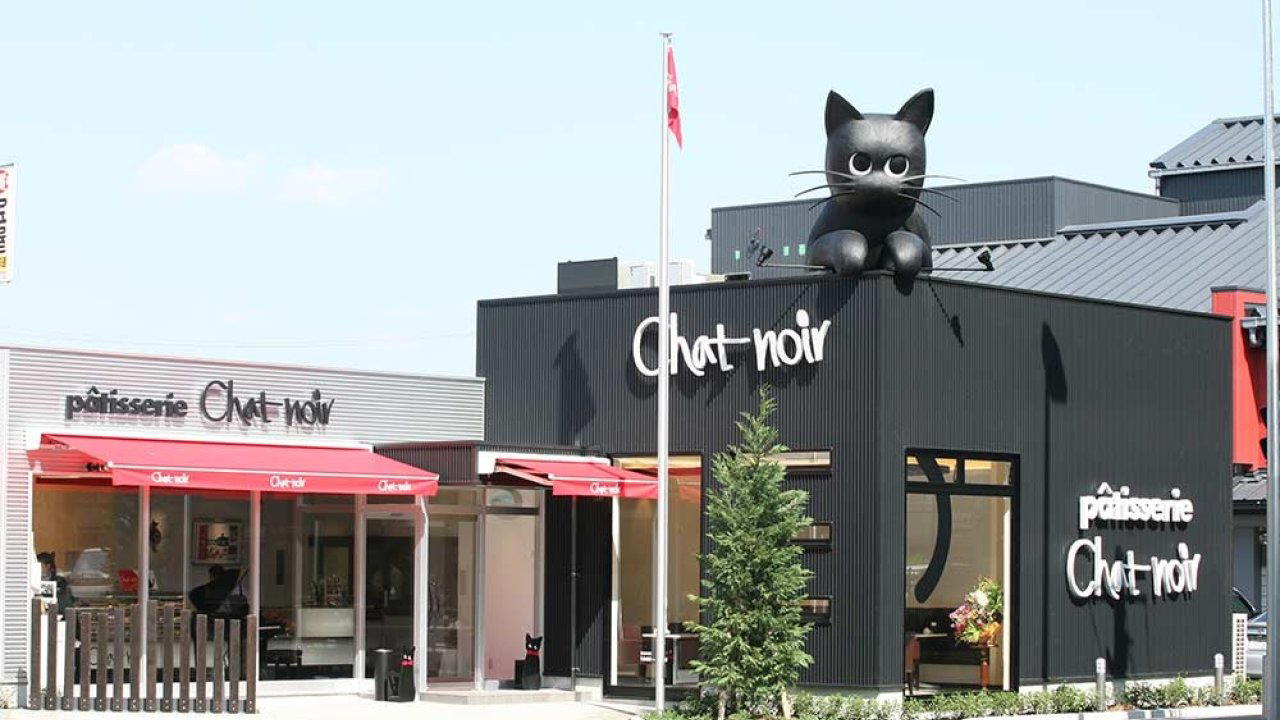
Restaurants in Osaka
All restaurants in Osaka →


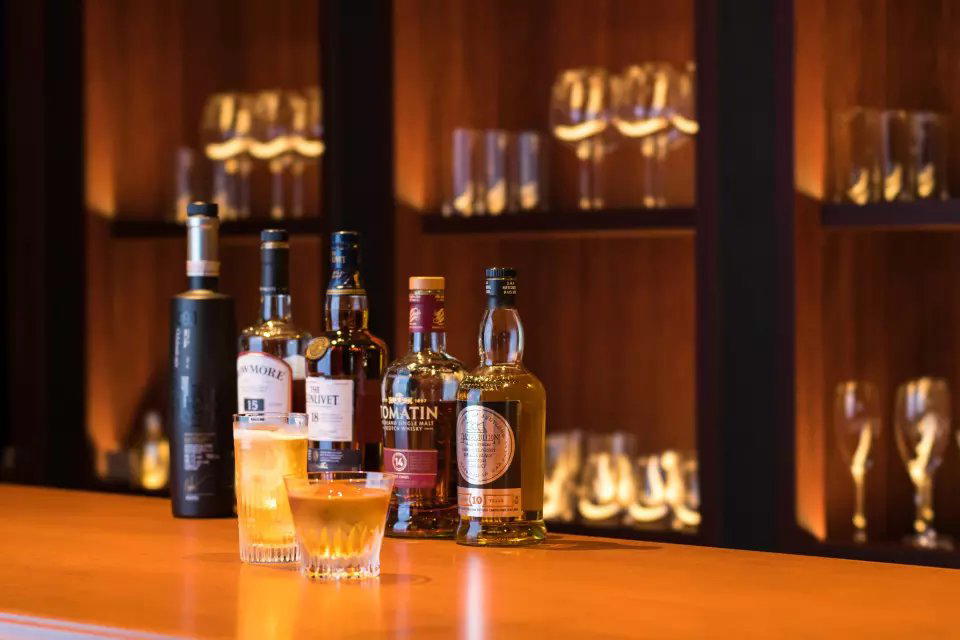
Bars in Osaka
All bars in Osaka →
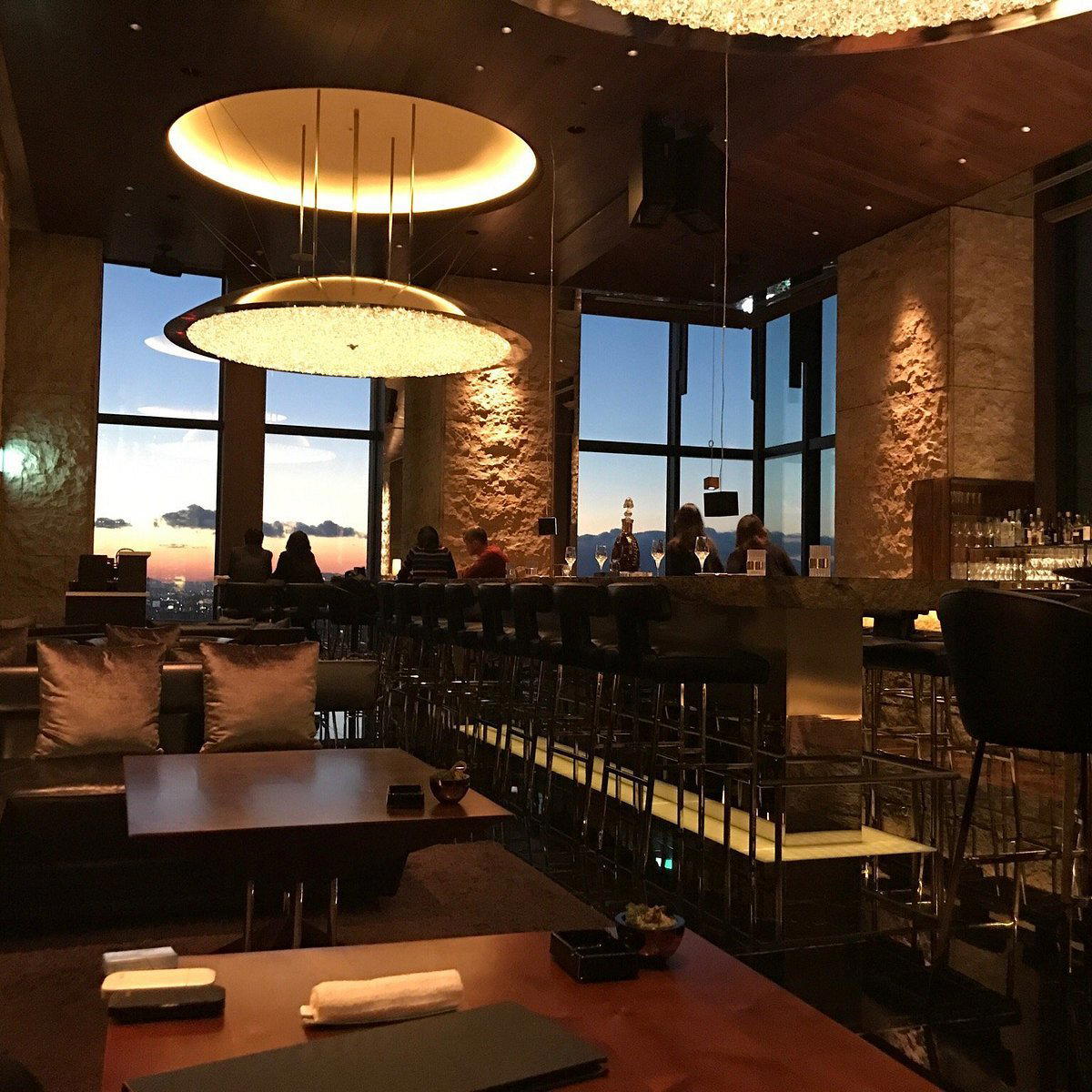
Hotels in Osaka
All hotels in Osaka →


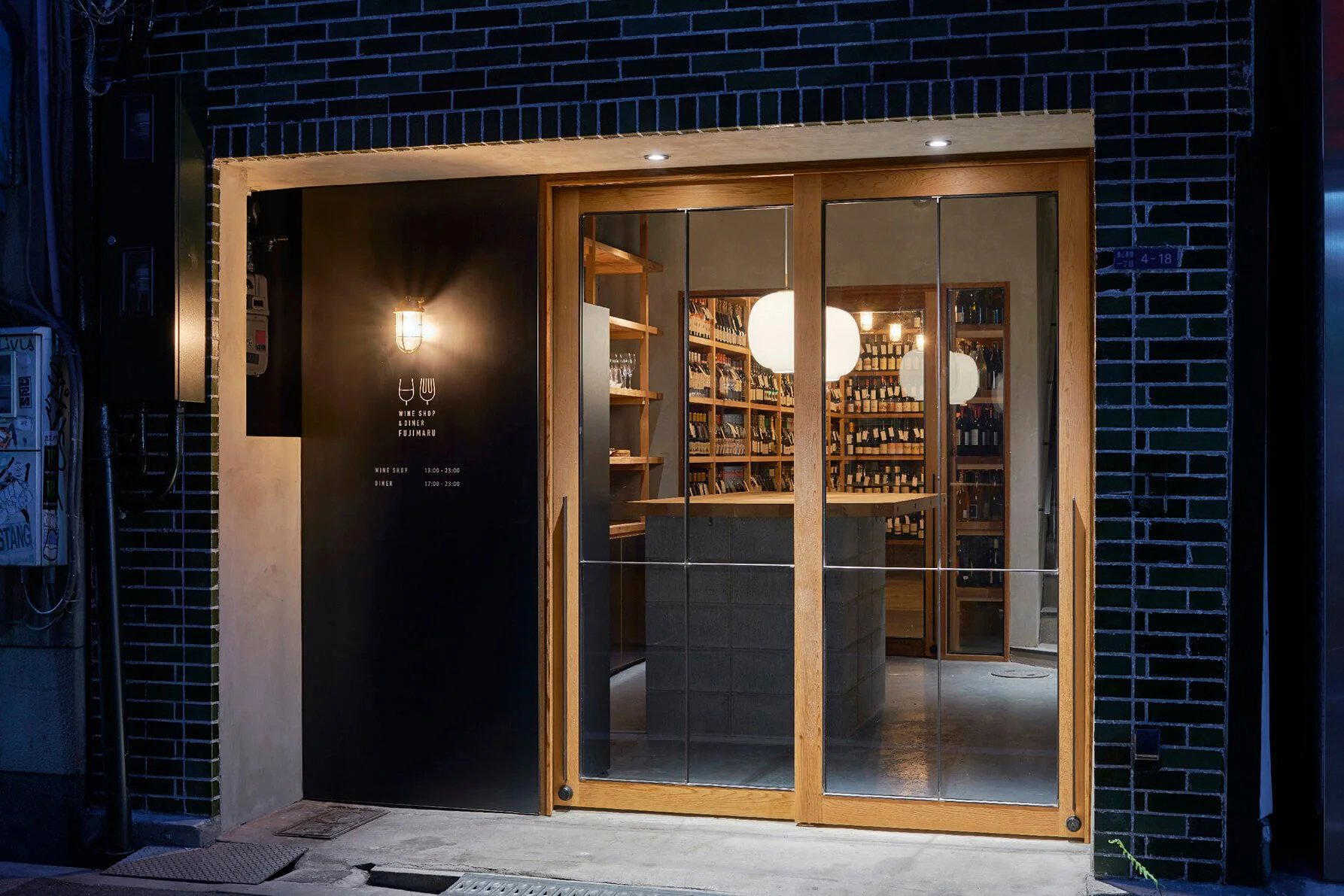
Wineries in Osaka
Browse all →
Details
- Cozy
- Intimate
- Modern
- Date Night
- Special Occasion
- Solo
- After Work
- Celebration
- Chefs Counter
- Standalone
- Design Destination
- Sake Program
- Beer Program
- Local Sourcing
- Tasting Menu
- Omakase
- Counter Dining
- Set Menu
- Sake
- Beer
- Highballs
- Pescatarian Friendly
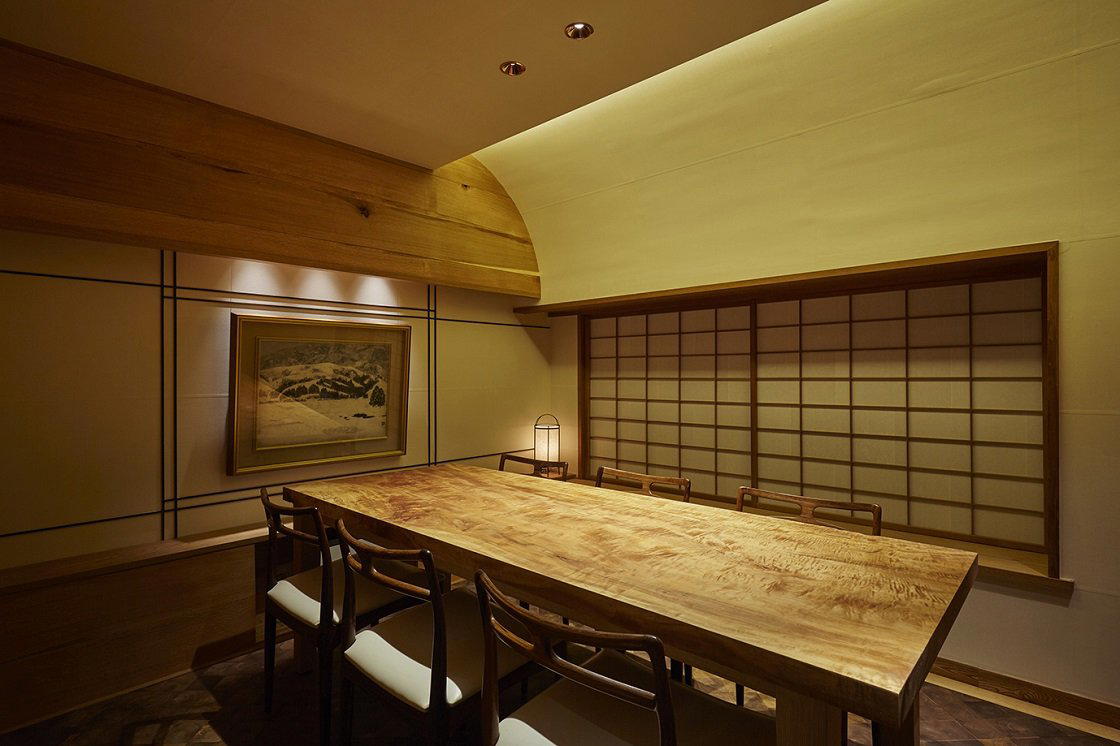
Cozy and minimalist counter-only space with a relaxed, hideaway feel; guests sit close to the grill watching the chef work over charcoal and firewood, creating a warm, lightly smoky atmosphere suited to focused, adult dining rather than loud groups.