
Michelin Plate
Our verdict
Wine Vault Restaurant – Levante Edition holds back-to-back Michelin Plates for 2024 and 2025, placing it among Rovinj's most consistently recognised addresses for regional Croatian cuisine. The €€€€ price tier sits at the top of the local market, alongside peers like Monte and Cap Aureo, and the Levante setting adds a distinct physical character to the offer. For a town that punches well above its size in Adriatic dining, this is a serious entry point.

Pearl is the En Primeur Club membership app, where members save venues, book tables and use the concierge.
The menu
What to order
- Foie gras with almond/lavender cream
- Trio of lamb with mini lasagne
- Five-course tasting menu
Where Istrian Wine Culture Meets the Table
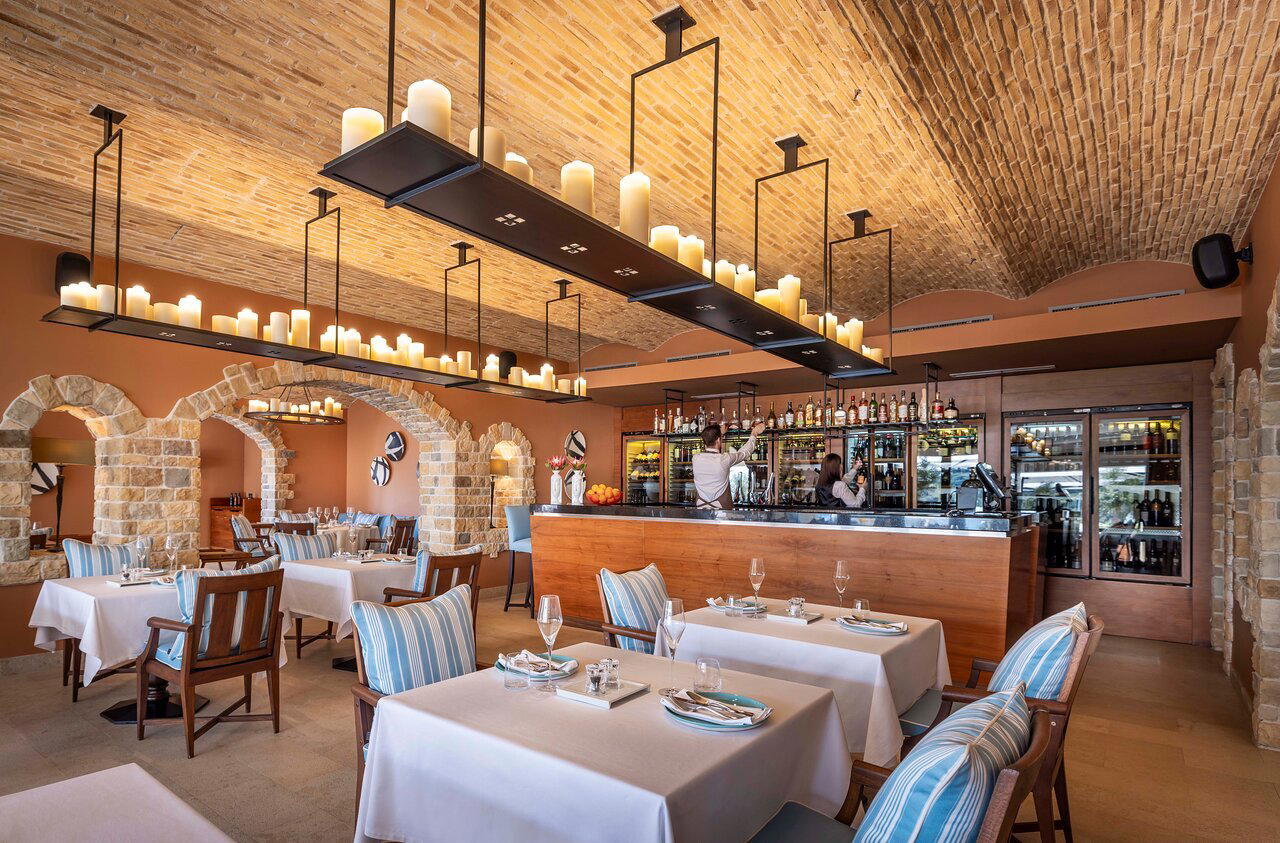
Rovinj has a talent for folding its surroundings into the meal. At Wine Vault Restaurant – Levante Edition, that instinct is literal: the venue takes its name from the wine storage tradition that shaped this corner of Istria, and the Levante designation points to a coastal orientation that gives the dining room its physical logic. Entering a space organised around the cellar rather than the kitchen reverses the usual hierarchy of a Croatian fine-dining room, and the effect shapes everything that follows, from the pacing of service to the way the wine list frames the food.
The Price Tier in Context
At the €€€€ bracket, Wine Vault Restaurant – Levante Edition occupies the same price tier as Agli Amici Rovinj, Cap Aureo, and Monte, the cluster of addresses that define the upper register of dining in this town. That positioning is notable because Rovinj is a small medieval port with a permanent population in the low thousands; the density of high-ticket restaurants relative to its size is unusual by any Adriatic measure. Tekka by Lone represents the tier below at €€€, and the gap in ambition and ingredient quality between the two brackets is meaningful here.
Within the €€€€ set, the Levante Edition's regional cuisine focus creates a different proposition from the creative menus at Monte and Cap Aureo. Regional cuisine, in the Istrian context, means a commitment to the peninsula's own larder: truffles from the Motovun forest, local olive oils, Adriatic fish, and the Malvazija and Teran wines that the Istrian interior produces in quantity. That specificity can feel more grounded than the internationally inflected tasting formats at some peers, and for travellers who want the meal to be a form of place-reading, it tilts the value calculation in this venue's favour.
Michelin Recognition and What It Signals
The back-to-back Michelin Plates in 2024 and 2025 are the clearest trust signal this venue carries. A Michelin Plate, for readers unfamiliar with the distinction, marks a kitchen that inspectors consider to serve food worth noting, short of the star tier but above the mass of unrecognised addresses. In a city the size of Rovinj, receiving that recognition consecutively puts a restaurant in a small local cohort. It also means the kitchen has maintained a standard across two inspection cycles, which is a more durable signal than a single-year appearance.
Croatia's Michelin footprint has expanded in recent years, with the guide extending its coverage from Zagreb and the Dalmatian coast into Istria. For regional cuisine at the €€€€ level, the Plate represents validation that the cooking quality justifies the price point, which is the core value proposition question for any diner considering this bracket. Comparable Michelin-recognised regional cuisine addresses elsewhere in Croatia, including Boskinac in Novalja, LD Restaurant in Korčula, and Korak in Jastrebarsko, show the range of approaches the category accommodates; the Levante Edition sits within that national conversation.
The Istrian Regional Cuisine Tradition
Understanding what regional cuisine means in Istria helps calibrate expectations at this price point. The peninsula spent centuries under Venetian administration, then Habsburg rule, before becoming part of Yugoslavia and eventually Croatia, and each layer left culinary traces. The result is a cooking tradition that does not resolve cleanly into either Italian or Balkan categories: pasta techniques and truffle preparation sit alongside grilled meats and local sheep's cheese; Adriatic fish is prepared with olive oil from groves that predate modern borders. This is not fusion, it is sediment, and restaurants working honestly in the regional mode are expected to show awareness of that depth.
At the top tier of Istrian regional dining, the standard of seafood sourcing and the handling of truffles function as the clearest quality indicators. Istrian truffles, particularly the white truffle harvested in autumn around Buzet and Motovun, command prices comparable to their Piedmontese counterparts during peak season. A kitchen that integrates them with restraint rather than spectacle is generally operating at a more considered level. The wine programme, in a venue whose identity centres on the cellar, should amplify the local producers who have built Istria's international reputation in the past two decades.
Rovinj's Dining Scene and Where This Fits
Rovinj's old town, with its bell tower and compressed medieval streets running toward the sea, concentrates most of the top-end restaurants within walking distance of each other. That proximity makes the city unusually easy to compare across the €€€€ tier in a single trip. See our full Rovinj restaurants guide for the complete picture, and our Rovinj hotels guide, bars guide, wineries guide, and experiences guide for the broader trip.
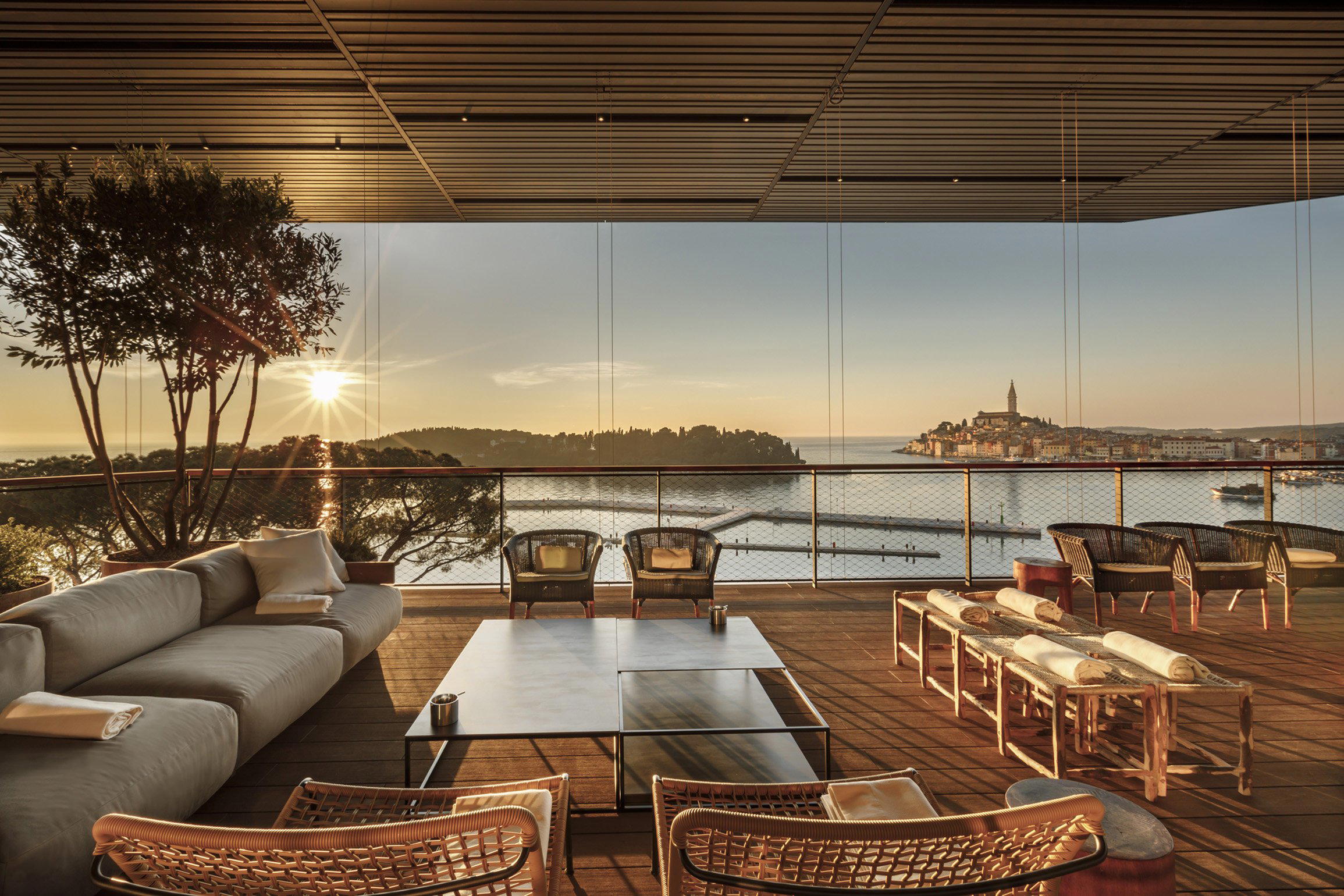
The Levante designation suggests a particular orientation within the town's geography, pointing toward the eastern Adriatic exposure that distinguishes the Levante side from the more sheltered western approaches. This kind of site-specific naming is a pattern in Rovinj's premium hospitality, where location within the small peninsula carries real status weight.
For travellers building an Adriatic itinerary, the Istrian dining circuit connects naturally to a broader Croatian route. Nebo by Deni Srdoč in Rijeka sits an hour north. Further south, Krug in Split and the already-mentioned LD Restaurant in Korčula extend the regional cuisine thread down the Dalmatian coast. Inland, Dubravkin Put in Zagreb represents the capital's equivalent conversation. For readers interested in how the regional cuisine format plays out in other European mountain or wine-country contexts, Fahr in Künten-Sulz and Gannerhof in Innervillgraten offer instructive comparisons, as does Alfred Keller in Mali Lošinj for an island counterpoint within Croatia itself.
Planning a Visit
Visiting in late May, early June, or September delivers a longer window for reservations and a quieter version of the town. The €€€€ price point should be treated as broadly comparable to the city's other addresses in that bracket, meaning a full evening with wine will sit at the upper end of the Croatian dining spend scale, though still below equivalent Michelin-level pricing in Western European capitals. The Levante setting and the wine-cellar framing suggest this is an evening-format venue rather than a lunch destination, though confirmation would require direct contact with the restaurant.
Frequently Asked Questions
Frequently asked questions
Where do I go for Wine Vault Restaurant - Levante Edition?
Wine Vault Restaurant - Levante Edition is located at Wine Vault Restaurant - Levante Edition, Grad Rovinj, Croatia, Rovinj.
How hard is it to get a table at Wine Vault Restaurant - Levante Edition?
Rovinj's €€€€ Michelin-recognised restaurants compress fast during the Adriatic high season, roughly June through August. Back-to-back Michelin Plates in 2024 and 2025 have placed Wine Vault Levante Edition in a short list alongside Monte and Cap Aureo, meaning advance booking of four to six weeks minimum is the safe assumption for peak months.
What's the standout thing about Wine Vault Restaurant - Levante Edition?
The clearest differentiator is the pairing of a wine-cellar identity with consecutive Michelin Plates in the regional cuisine category, a combination that positions the venue as both a serious wine destination and a recognised kitchen in Istria's most competitive dining town. At the €€€€ price tier, that double credential is the most concrete signal of what the experience prioritises.
Where the Accolades Land
| Venue | Cuisine | Price | Awards | Notes |
|---|---|---|---|---|
| Wine Vault Restaurant - Levante EditionThis venue (the venue you are viewing) | Mediterranean Fine Dining with Croatian Heritage | $50–100 | Michelin Plate | Not listed |
| Agli Amici Rovinj | Modern Mediterranean Fine Dining | $200–300 | 2 Michelin Stars · La Liste Top Restaurants | Italian Contemporary |
| Cap Aureo | Creative Modern Mediterranean | $150–200 | 1 Michelin Star · Falstaff Restaurant - 93 Falstaff Points | Creative |
| Tekka by Lone | Japanese-Istrian Fusion | $50–100 | Michelin Plate | Japanese |
| Monte | Modern Istrian Fine Dining | $200–300 | 1 Michelin Star · La Liste Top Restaurants | Creative |
Recognition history
Dated appearances from independent guides and award organizations, with the underlying list record or original source where available.
Michelin Plate
Michelin
Full recognition history (2 entries)
Michelin Plate
Michelin
Continue exploring
More in Rovinj
Restaurants in Rovinj
All restaurants in Rovinj →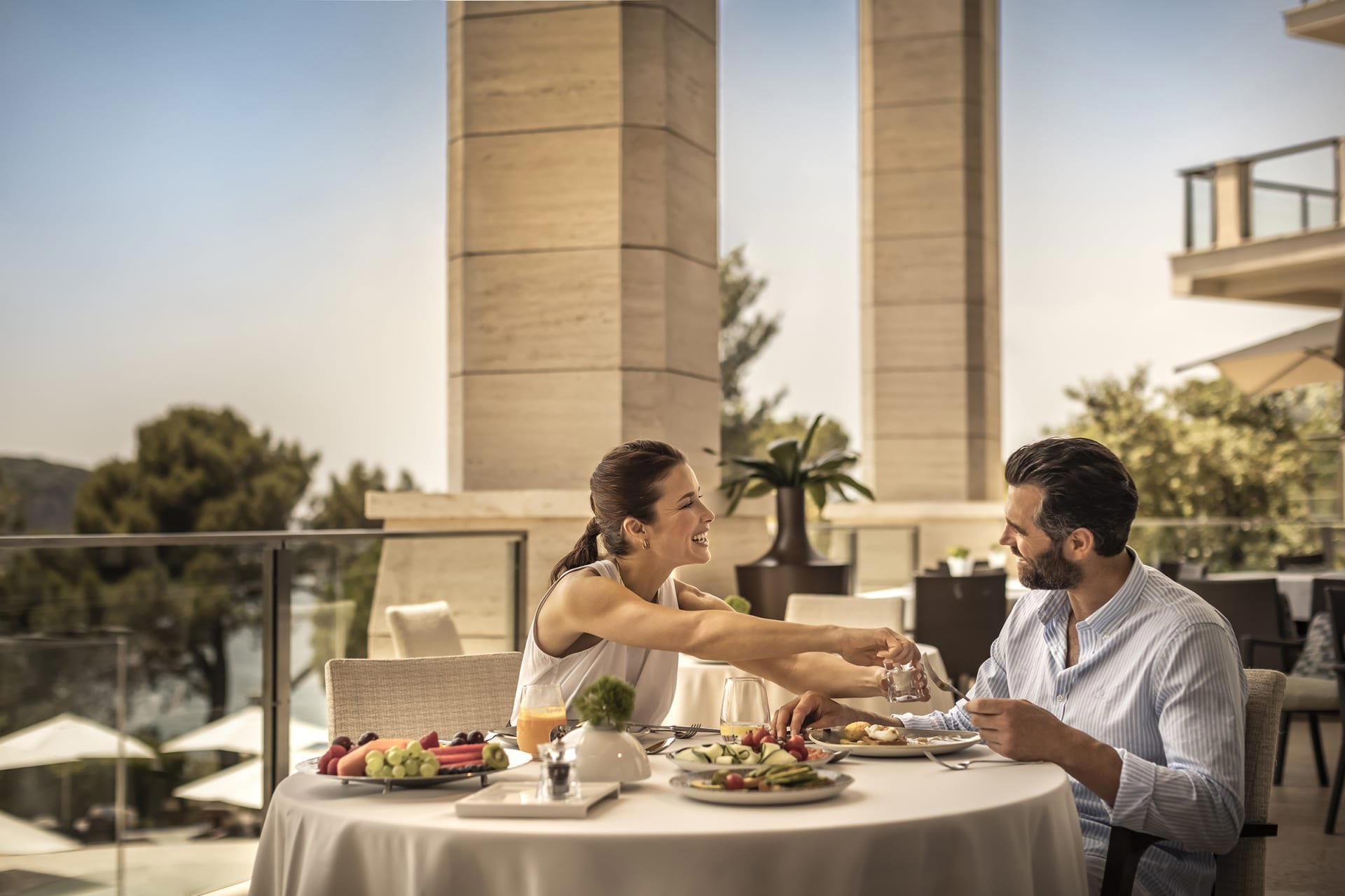
Bars in Rovinj
All bars in Rovinj →
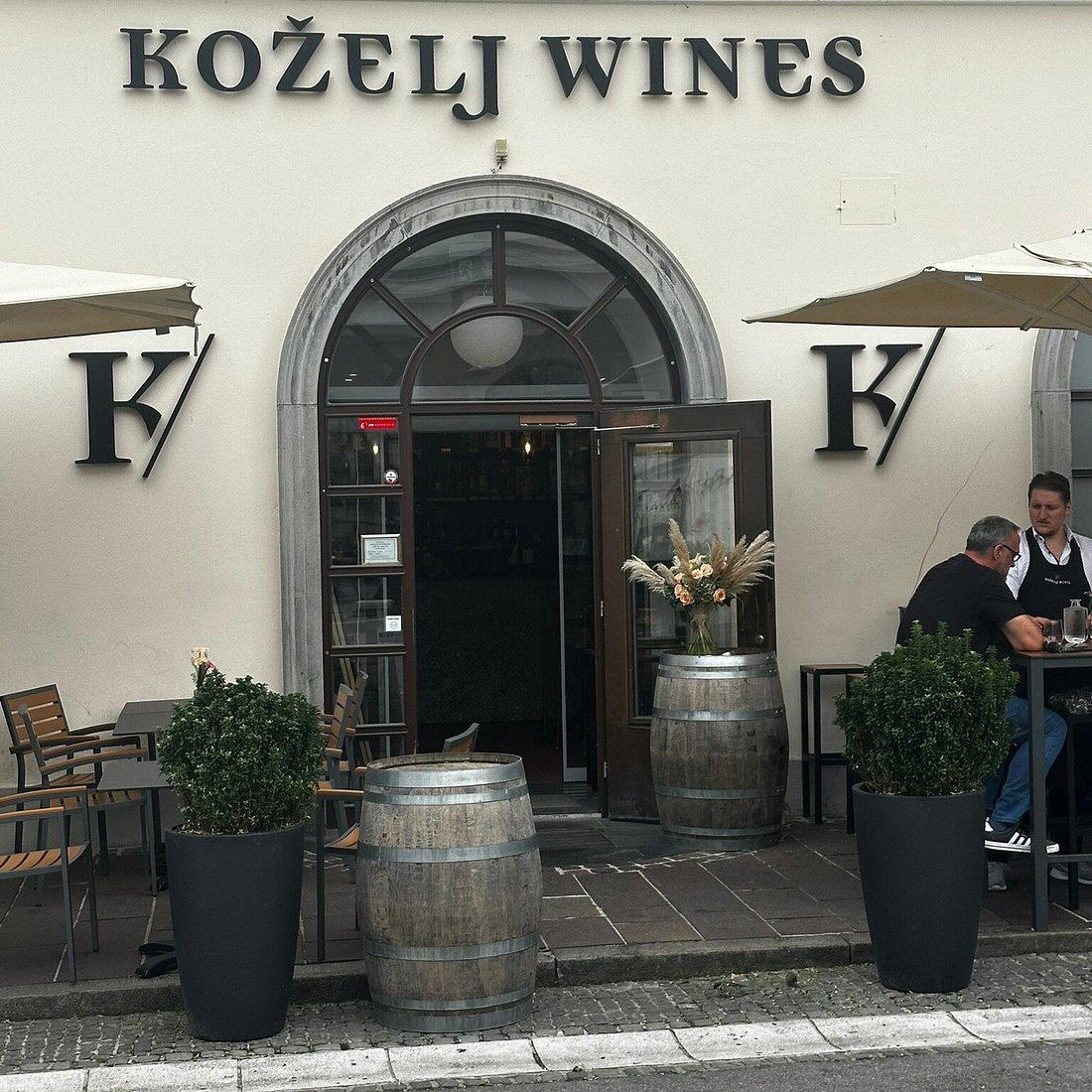
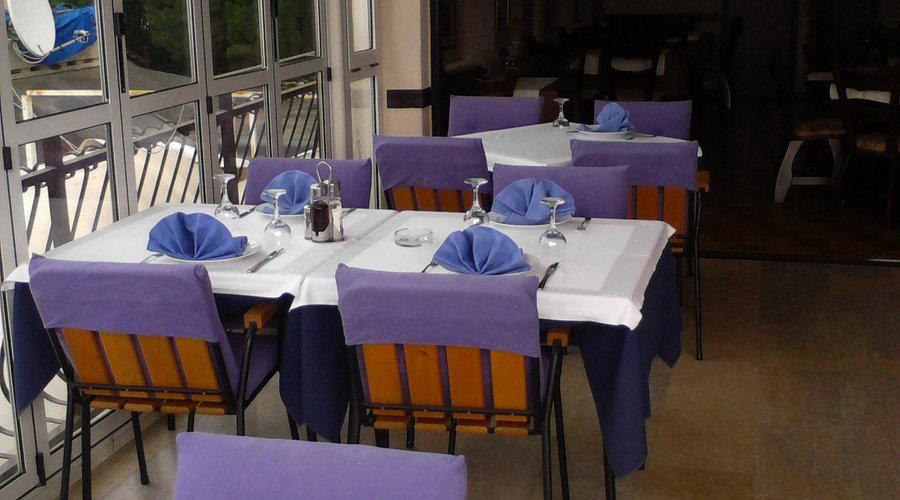
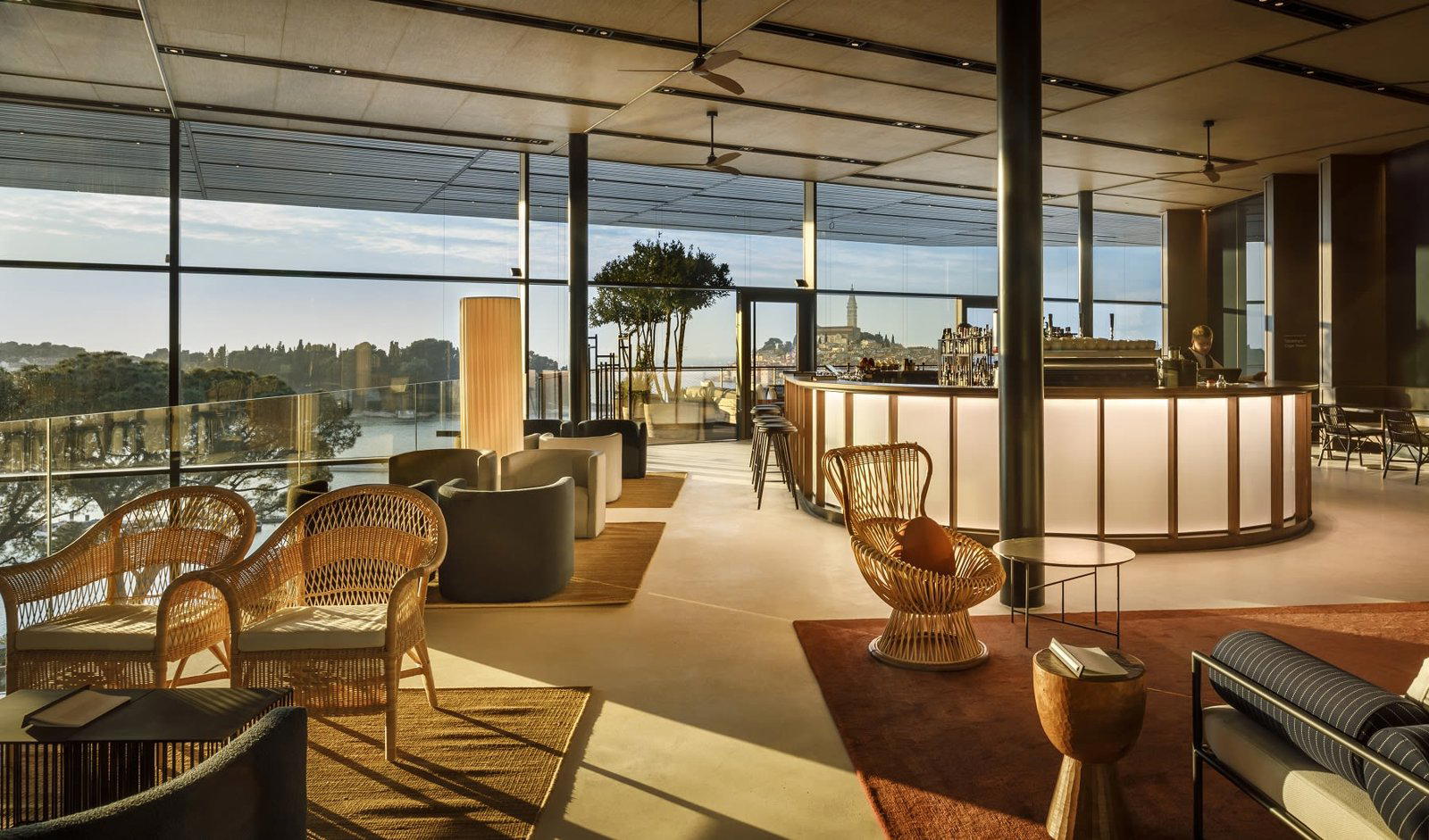
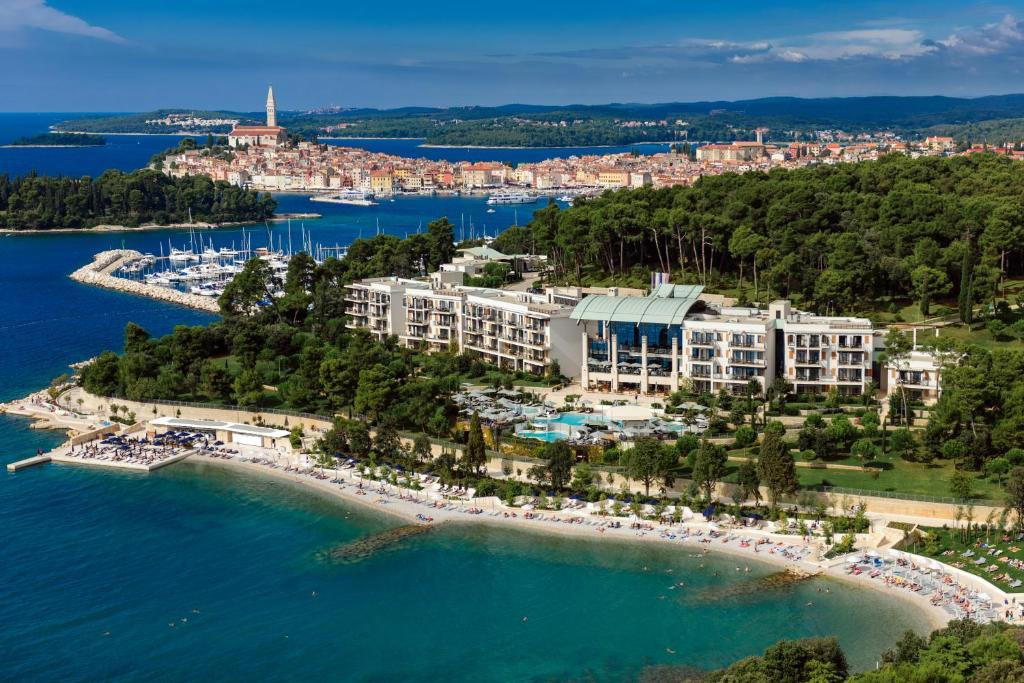
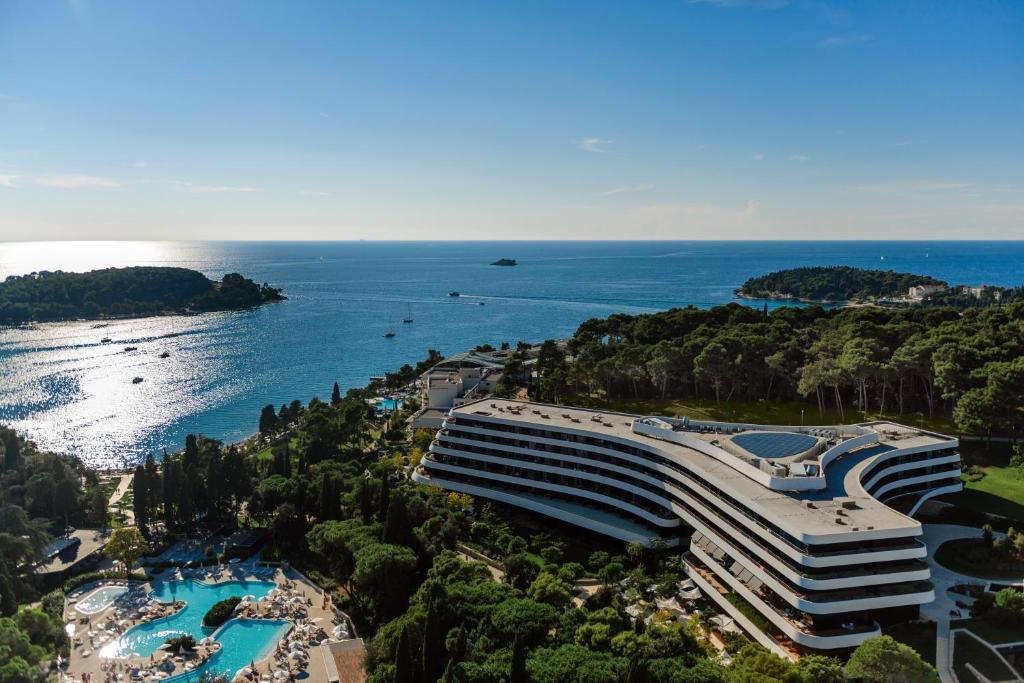
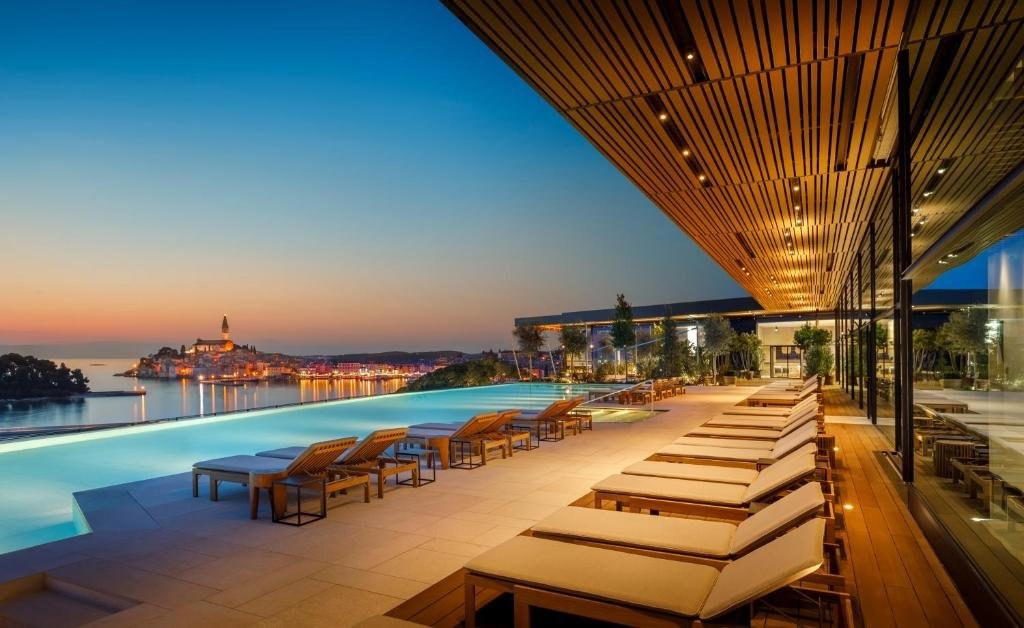
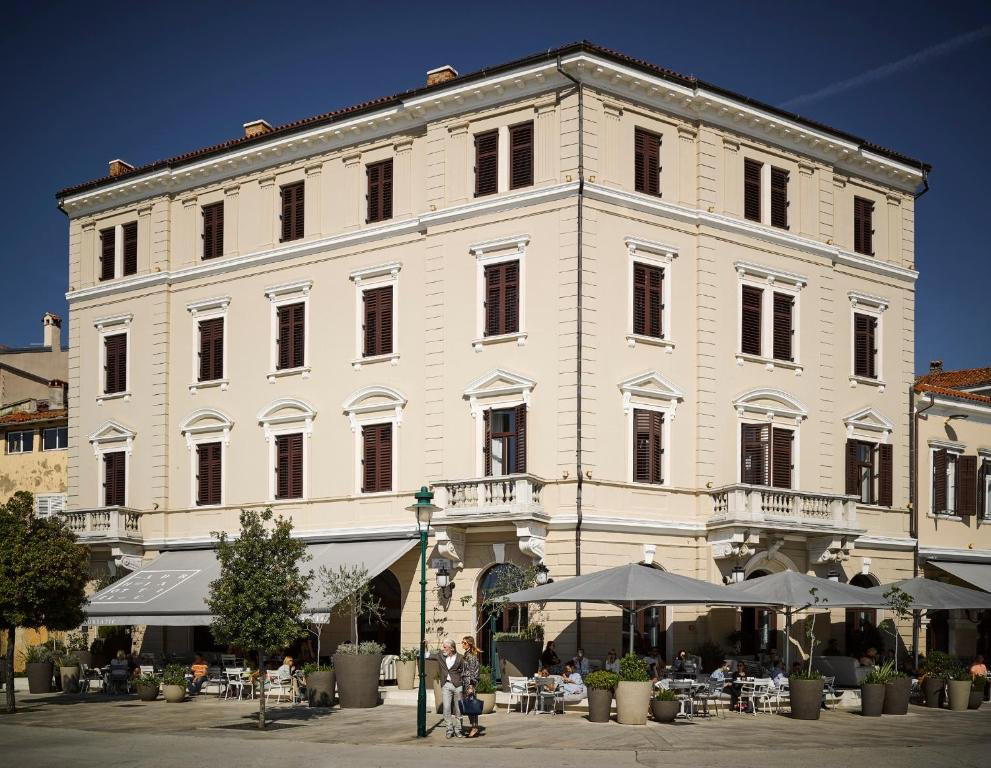
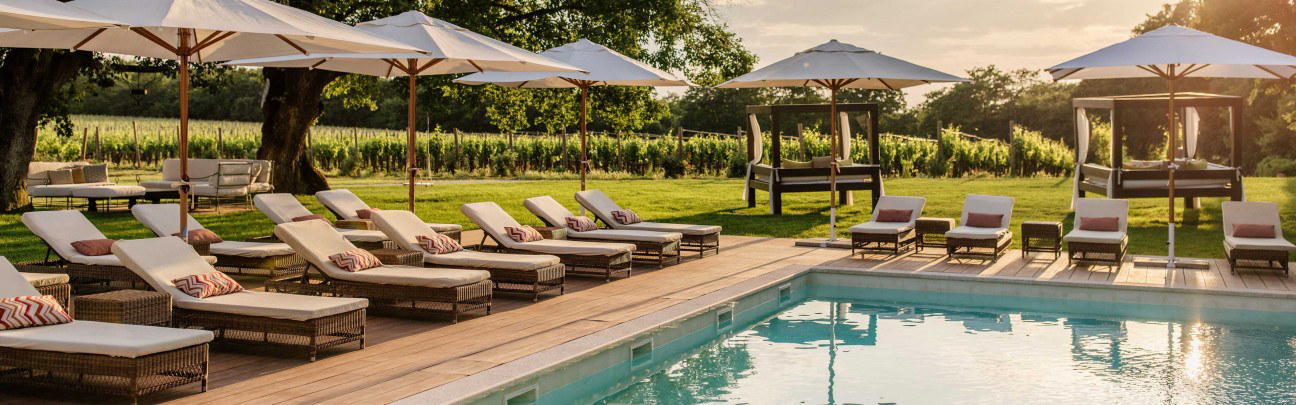

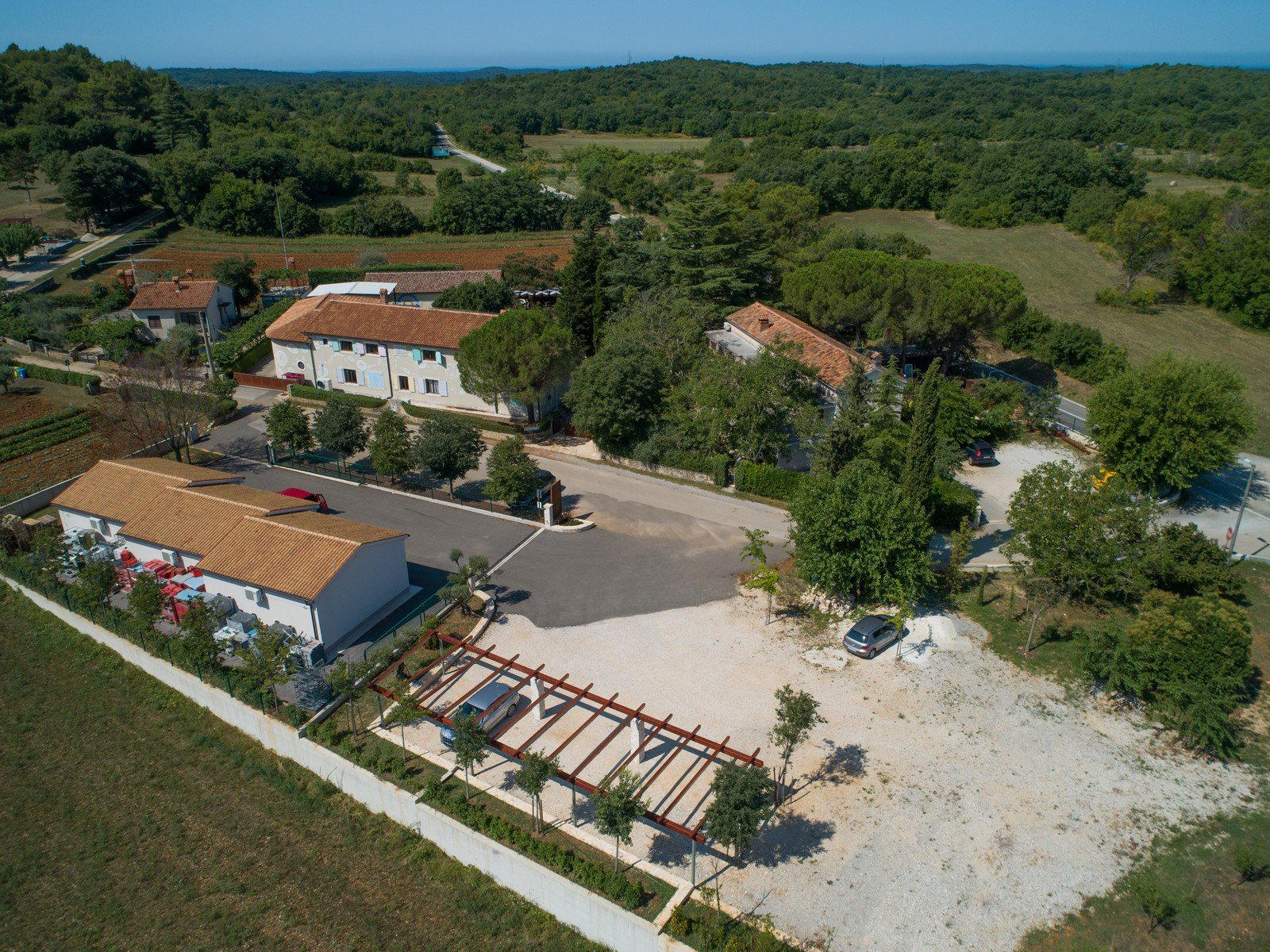
Wine Vault Restaurant - Levante Edition
The wine
- Wine program
- Deep wine list
- Extensive wine list
- Sommelier-led
Details
- Elegant
- Romantic
- Sophisticated
- Scenic
- Date Night
- Special Occasion
- Celebration
- Open Kitchen
- Waterfront
- Terrace
- Private Dining
- Hotel Restaurant
- Extensive Wine List
- Sommelier Led
- Local Sourcing
- Farm To Table
- Waterfront
- Tasting Menu
- A La Carte
- Wine Pairing
- Local Croatian Wines
- Champagne
- Sparkling Wines
- Vegetarian Friendly
- Gluten Free Options
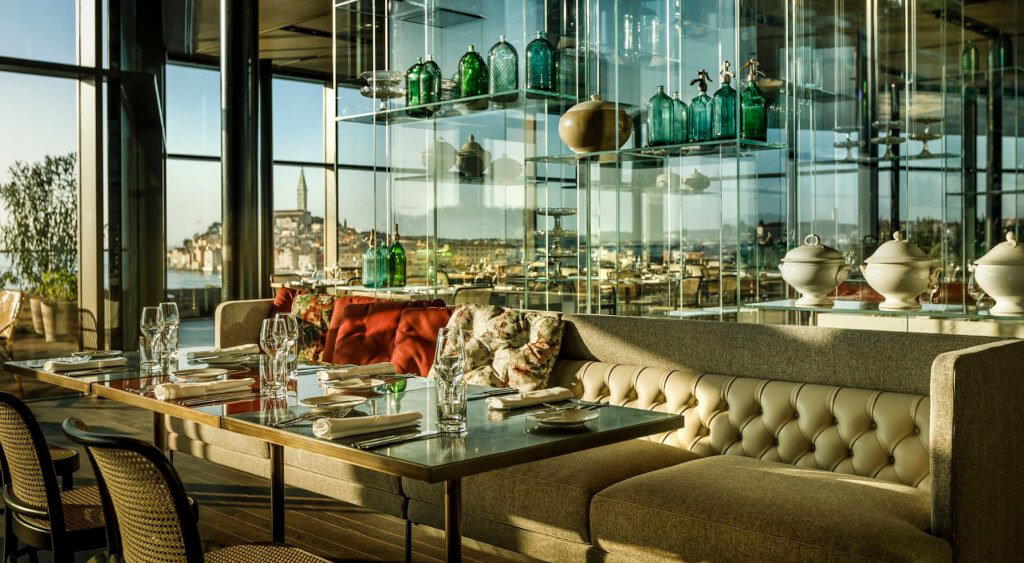
Intimate and sophisticated with beautiful Mediterranean terrace views, soft lighting, and an atmosphere that transforms from relaxed daytime bistro to elegant evening fine dining.