
Osaka’s curry culture is strongest when it refuses to behave like a single category. Teishokudo Kongoseki belongs to the compact, counter-led side of that scene: a Matsuyamachi curry-and-cafeteria address with Tabelog Curry WEST 100 recognition and a small-room rhythm better suited to focused eating than leisurely group dining.
Pearl is the En Primeur Club membership app — saves, bookings, and concierge access live there. Same editors, same standards.
- Address
- 1 Chome-8-25 Kawarayamachi, Chuo Ward, Osaka, 542-0066, Japan
- Phone
- +81 6-7174-2578
- Website
- twitter.com
 Saves & bookings on Pearl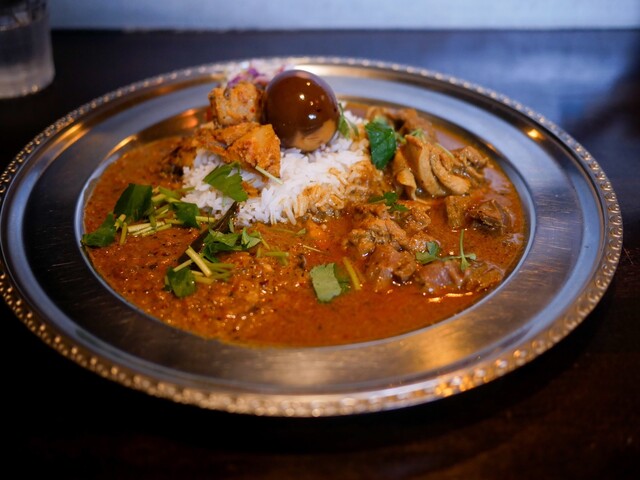
Approaching the Matsuyamachi side of Chuo Ward, Osaka becomes quieter and more residential, with the older commercial grain of Kawarayamachi cutting against the neon shorthand many visitors bring to the city. That setting matters. Curry in Osaka is not confined to train-station comfort food or late-night plates after drinking; it also lives in small counters, cafeteria formats, and neighbourhood rooms where the meal is built for speed, concentration, and repeat local use.
Teishokudo Kongoseki fits that second Osaka: compact, counter-oriented, and closer to the daily-life register than the destination-restaurant script. The category listing, curry and cafeteria, is useful because it explains the appeal more cleanly than any grand label would. This is curry framed as a set-meal habit, not a luxury performance. In a city where casual food can carry serious critical weight, that distinction is central to understanding why a nine-seat room in Matsuyamachi can sit inside the Tabelog Curry WEST 100 selection for 2024.
Matsuyamachi curry, away from Osaka's louder dining circuits
Osaka dining is often reduced to Dotonbori, Namba, and the theatre of street food, but the city’s more persuasive meals frequently happen one neighbourhood removed from the obvious route. Matsuyamachi, with its proximity to Chuo Ward’s older mercantile pockets, gives curry a different frame: less spectacle, more routine. A counter here has to work for solo diners, office-adjacent lunches, and people who know exactly what they came for.
That makes Teishokudo Kongoseki useful as a reading of place. Its scale signals a narrow margin for lingering, while the no-reservations format puts it closer to Osaka’s queue-and-eat culture than to the reservation economy shaping many premium restaurants. The Tabelog score of 3.70 and repeated Curry 100 selections, including 2018, 2019, 2020, 2022, 2023, and 2024 appearances, point to durability rather than a short burst of attention. For curry, that matters: the category rewards repetition, consistency, and a clear identity more than ceremony.
The comparison within Osaka is instructive. Nearby city dining can move from Italian comfort at 52CHO-ME BAKERY and .cafe to the quick civic ritual of 551 Horai (551蓬莱), or to more structured meals at a canto (Italian) and 99 Pizza Napoletana Gourmet. Against that spread, this address occupies a leaner lane: curry with enough recognition to justify a detour, but not the apparatus of a formal evening out.
A small counter format with serious category signals
Japan’s curry taxonomy is wider than many visitors expect. There is yoshoku-style curry, spice-curry influenced by regional Indian and Sri Lankan ideas, soup curry from Hokkaido, katsu-curry chains, and hybrid cafeteria plates that borrow freely. Osaka has been especially receptive to spice-curry culture, where independent shops work with compact menus, tight service windows, and a regular clientele that tracks nuance without needing luxury cues.
Within that ecosystem, a Tabelog Curry WEST 100 listing functions as a strong category signal. It does not make a room formal, and it does not imply the kind of tasting-menu choreography associated with Michelin dining. It says the restaurant has entered a competitive regional conversation among curry specialists. Teishokudo Kongoseki’s small seat count and counter seating sharpen that reading: the format is built around directness, not breadth.
The practical implication is simple. This is better read as a focused Osaka lunch or early dinner decision than as a long social meal. Solo dining is part of the stated fit, private rooms are not part of the format, and payment habits skew local rather than hotel-concierge polished. The absence of a broad hospitality wrapper is not a flaw; it is part of how this tier of Osaka curry works. The reward is in precision of purpose: arrive for curry, accept the scale of the room, and let the neighbourhood tempo set the pace.
For a wider map of the city, place this stop inside Our full Osaka restaurants guide, then build the rest of the trip around adjacent categories: Our full Osaka bars guide for after-hours drinking, Our full Osaka hotels guide for where to base, Our full Osaka experiences guide for cultural planning, and Our full Osaka wineries guide if wine is part of the itinerary.
Who should put it on an Osaka food itinerary
The strongest case for the restaurant is not that it replaces Osaka’s broader food canon. It complements it. Visitors chasing only takoyaki, okonomiyaki, and department-store dining miss how seriously the city treats narrow-format specialists. Curry is one of the clearest ways to see that pattern because it sits between comfort food and obsessive subculture.
The room suits travellers who plan around neighbourhoods rather than landmarks, and who understand that small Japanese restaurants often ask for flexibility in timing and group size. It is less persuasive for large parties, long celebratory meals, or diners who want a broad menu with extended drinking. For a couple or solo diner building a Chuo Ward day, however, the combination of Matsuyamachi location, counter format, and repeated Curry 100 recognition gives the stop a clear editorial reason to exist.
For cross-city comparison, Japan’s casual-specialist spectrum runs wide: curry in Sapporo at [Curry Senmon Ten] Maruyama Kyoju. Kyoto minimalism at [ki:], Vietnamese cooking in Kawasaki at (Shoku) Vietnam, Kumamoto’s.know, Tokyo’s. 鮪と炭火焼き うお炭 秋葉原店, and Kamakura’s -Grilled beef Sukiyaki- KAMAKURA TANUKIAN 鎌倉 たぬき庵 each show how small formats define local eating as much as grand rooms do. For readers extending the Japanese-food thread abroad, Jōdo Saké Bar in Los Angeles and Onigiri Time in Pasadena offer a useful diaspora counterpoint.
At a Glance
Side-by-side context: comparable cuisine and price.
| Venue | Cuisine | Price | Notes |
|---|---|---|---|
| Teishokudo KongosekiThis venue — the venue you are viewing | Chūō, Japanese Curry & Teishoku | $ | Not listed |
| Ankera So | Not listed | $ | Chūō, Osaka standing bar (tachinomi) with horumon and tripe dishes |
| KALUTARA | Nishi, Sri Lankan Curry House | $ | Not listed |
| Curry Shop MASARA | Kita, Japanese European-style curry shop | $ | Not listed |
| Okonomiyaki Kiji Honten | Kita, Osaka okonomiyaki & modan-yaki | $ | Not listed |
| Gyoza Tateyama Umeda ten | Kita, Gyoza and Japanese Dumpling Bar | $ | Not listed |
Recognition history
Dated appearances from independent guides and award organizations, with the underlying list record or original source where available.
Tabelog 100 #89 · No. 89
Tabelog · Tabelog 100 - Curry - WEST - 2024
Continue exploring
More in Osaka
Restaurants in Osaka
Browse all →




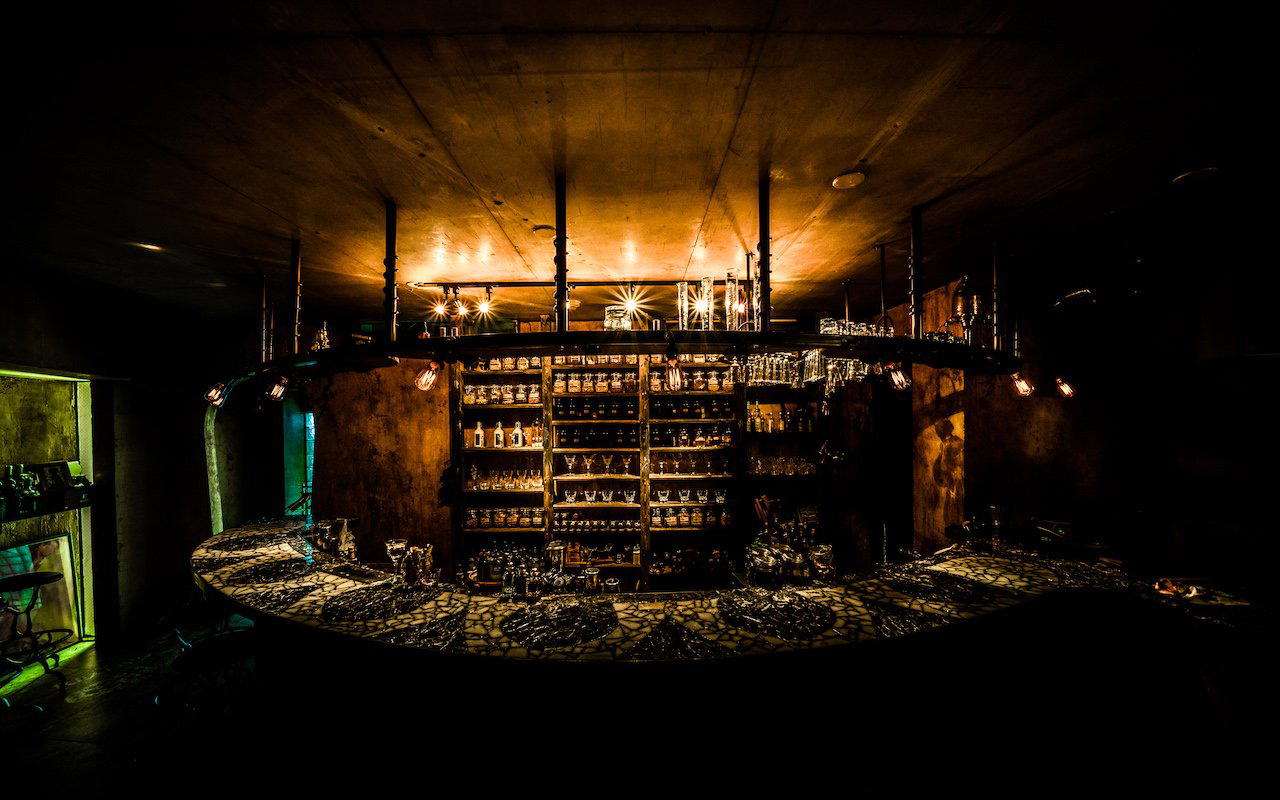
Bars in Osaka
Browse all →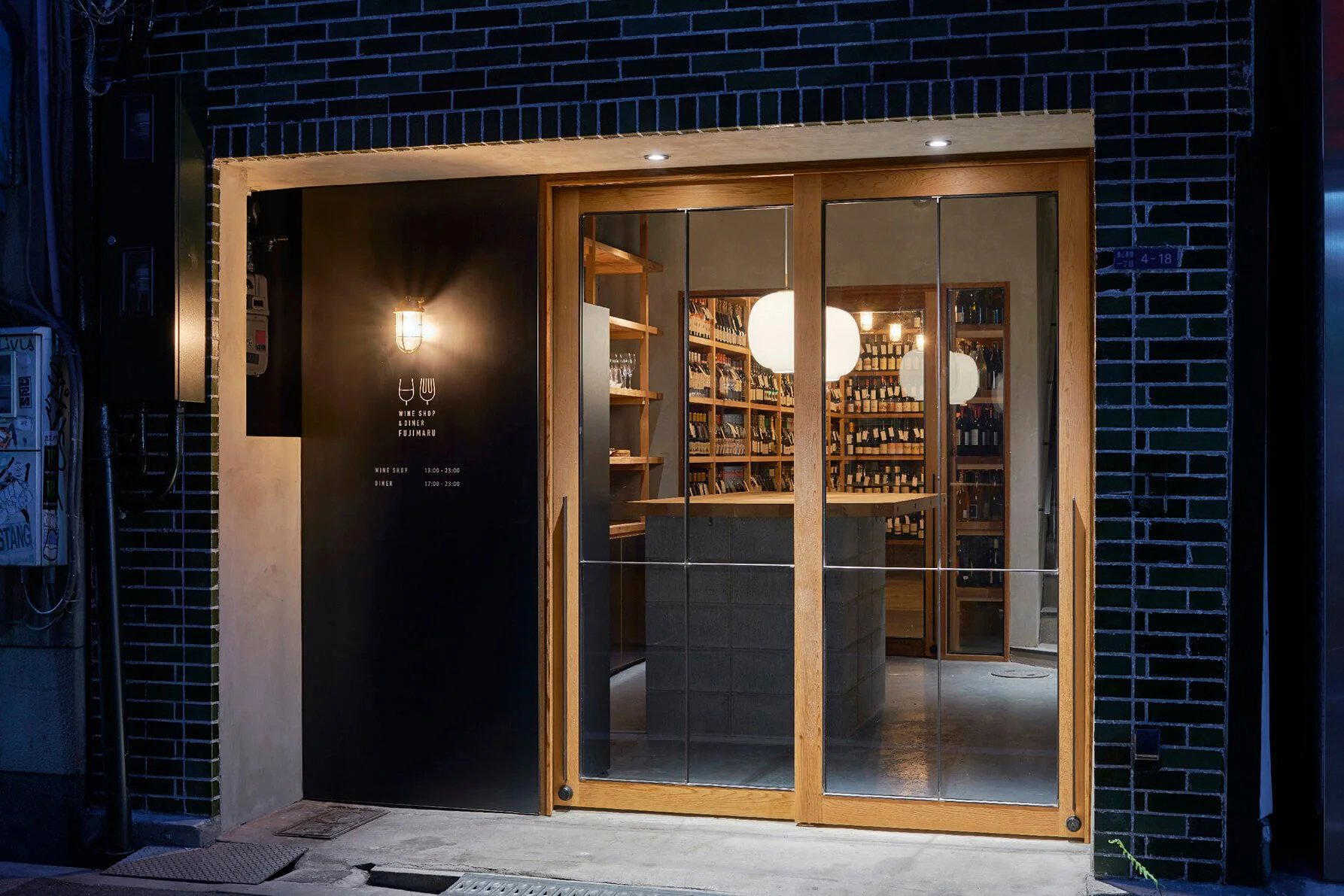
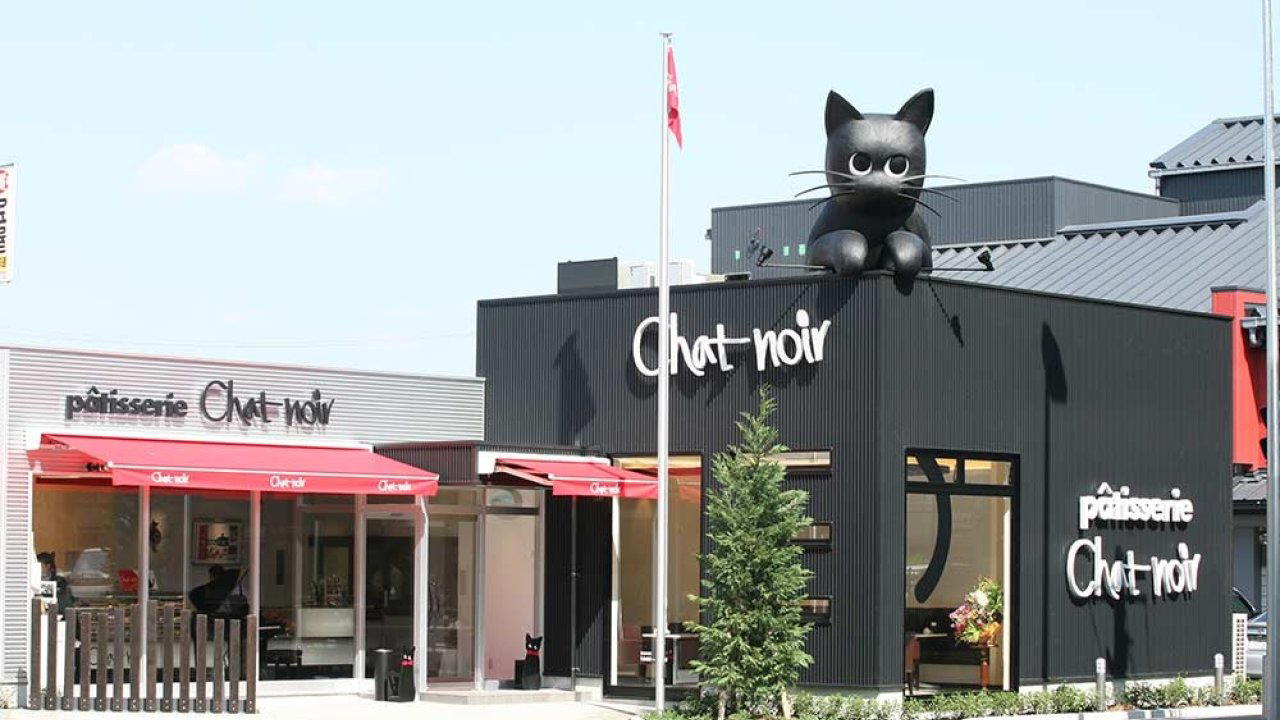


Hotels in Osaka
Browse all →



Wineries in Osaka
Browse all →
At a Glance
- Cozy
- Classic
- Intimate
- Minimalist
- Solo
- Casual Hangout
- Standalone
- Street Scene
Current opening hours
- Monday
- 11:30 AM–2 PM, 6–9 PM
- Tuesday
- 11:30 AM–3:30 PM
- Wednesday
- Closed
- Thursday
- 11:30 AM–2 PM, 6–9 PM
- Friday
- 11:30 AM–2 PM, 6–9 PM
- Saturday
- 11:30 AM–2 PM, 6–9 PM
- Sunday
- 11:30 AM–2 PM, 6–9 PM
Hours can change for holidays and private events. Last verified .
Compact and unfussy, with the feel of a small neighborhood counter serving serious comfort food in a low-key setting.