Black Pearl 2 Diamond
Our verdict
Tea Zen Hua, located on the ground floor of Akasaka Biz Tower in Minato-ku, is the tea house arm of Aoyama Flower Market, a space where the ritual of drinking tea is treated with the same seriousness Tokyo applies to its finest dining counters. Holding a Black Pearl 2 Diamond award for 2025, it occupies a niche between everyday cafe culture and the more formal tea ceremony tradition, making it one of the more considered tea destinations in the city.

Pearl is the En Primeur Club membership app, where members save venues, book tables and use the concierge.
The Case for Tea as a Destination in Tokyo
If you do one deliberate thing in Tokyo that most visitors skip entirely, make it a proper sit-down tea experience. Not matcha soft-serve in a souvenir queue. Not a powdered green tea latte in a hotel lobby. A structured, unhurried tea service where the drink arrives with context, where the temperature and vessel matter, and where the pacing of the session is part of the point. Tea Zen Hua, the tea house concept operating under the Aoyama Flower Market umbrella at the base of Akasaka Biz Tower in Minato-ku, holds a 2025 Black Pearl 2 Diamond award, a signal that its approach has been measured against regional hospitality benchmarks and found to sit in a tier above casual.
Tokyo's tea culture occupies an unusual position. The city has a deep, historically documented relationship with the chado tradition, the way of tea, yet the contemporary cafe scene has largely abstracted tea into convenience formats. The gap between a vending machine matcha and a serious tea room is wider in Tokyo than in almost any other city, and Tea Zen Hua sits toward the more considered end of that spectrum. That distinction matters when you're planning how to spend an afternoon in Akasaka.
Ritual Over Transaction: How the Experience is Structured
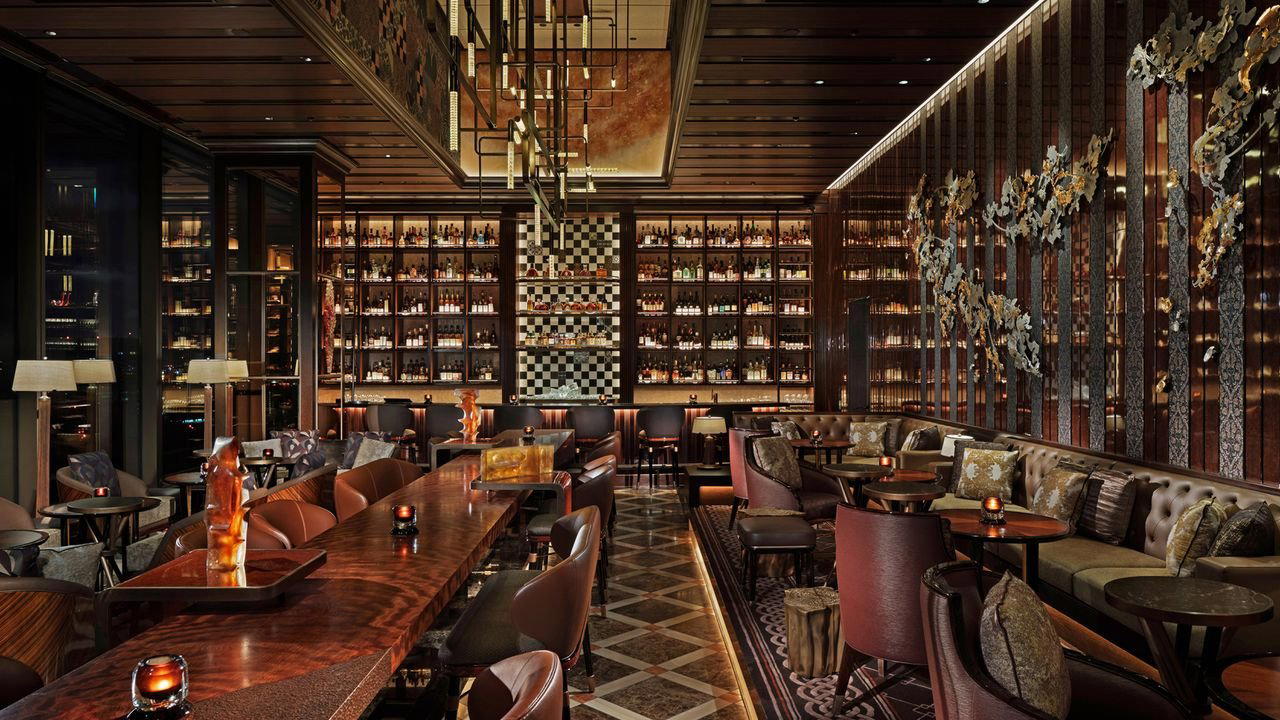
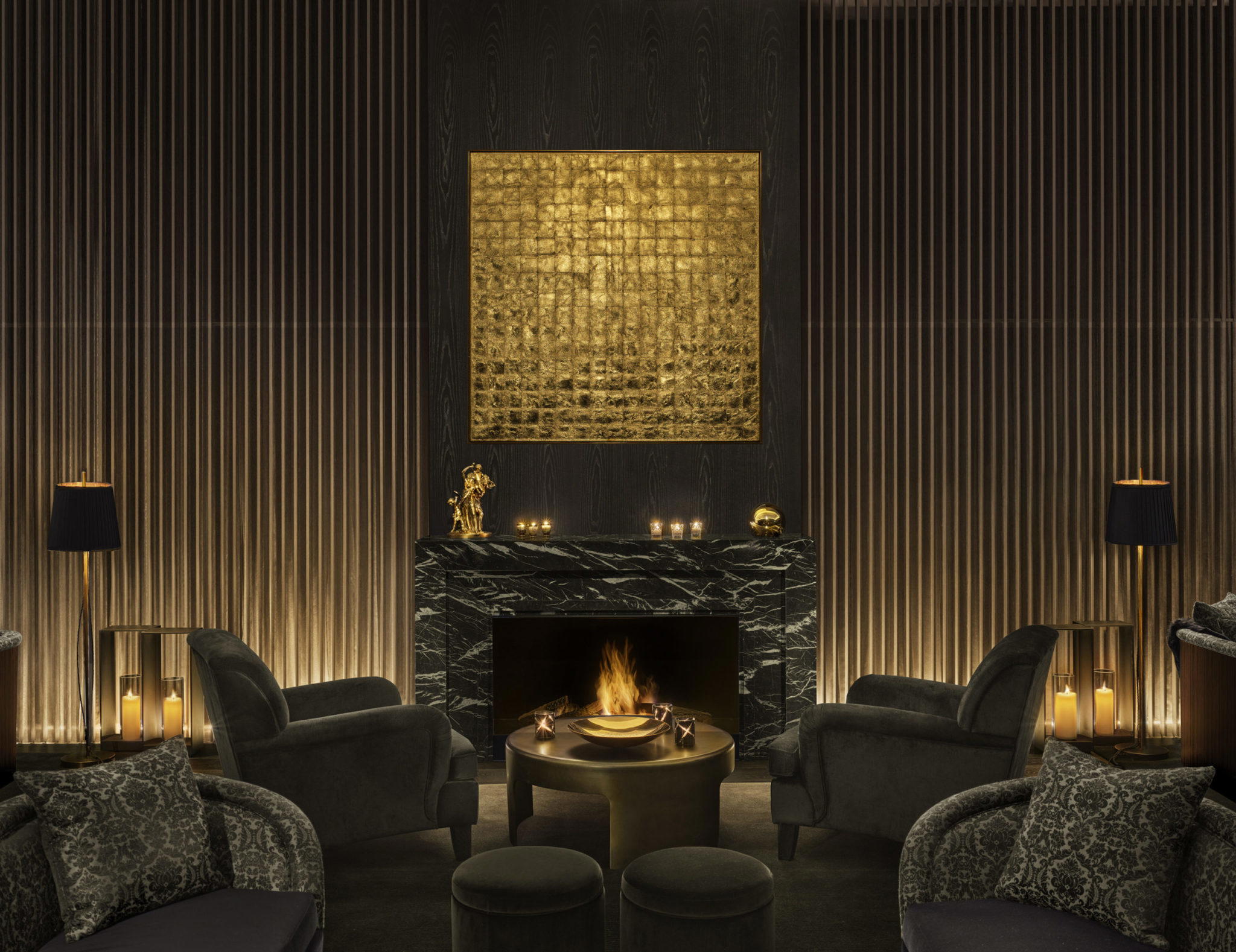
The dining ritual angle is where Tea Zen Hua separates itself most clearly from the ambient tea-and-flowers aesthetic that the Aoyama Flower Market brand projects in its retail spaces. The tea house format, by design, asks something of the guest: you slow down. The seated service model, enclosed within the ground floor of a major commercial tower in one of Tokyo's more corporate neighbourhoods, creates an intentional contrast, the bustle of Akasaka's business district held at a remove, the interior organised around calm.
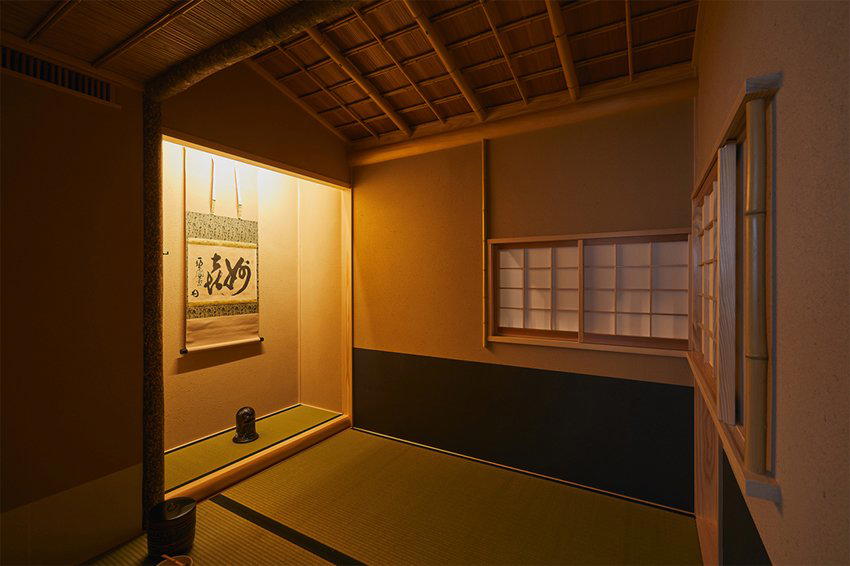
Japanese tea service, at its more attentive end, operates on a set of implicit protocols. Cups are warmed before the pour. Seasonal sweets or small confections typically arrive first, setting a reference point for the tea's character. The order of drinking matters. None of this is arcane ceremony for its own sake, it reflects an accumulated understanding that temperature, timing, and context change how a drink registers on the palate. Compared to the way Tokyo's leading kaiseki restaurants like RyuGin or French houses like L'Effervescence treat the sequencing of a meal, a properly run tea service applies the same logic at a smaller, more accessible scale.
That structural seriousness is what the Black Pearl recognition signals. The award framework, which assesses venues across the Asia-Pacific region, places Tea Zen Hua in a 2 Diamond tier, a position that implies consistent quality and a defined hospitality standard, without reaching for the rarefied three-diamond category reserved for the most formal fine-dining operations. It is a credential worth weighing: many well-regarded tea rooms in Tokyo hold no formal award recognition at all.
Minato-ku and the Akasaka Setting
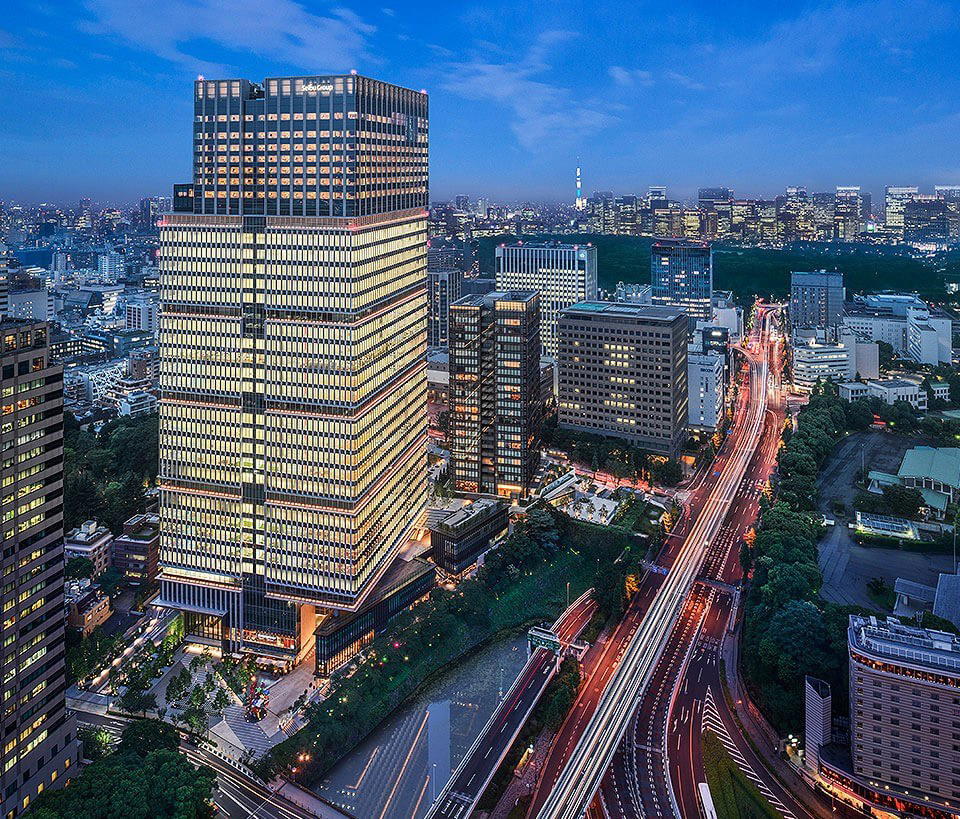
Location shapes expectation significantly here. Akasaka Biz Tower is a large-scale mixed-use development in Minato-ku, a ward better known for its density of high-end restaurants, foreign embassies, and corporate headquarters than for quiet contemplative experiences. That context cuts both ways. The address makes Tea Zen Hua straightforwardly accessible, well-served by multiple subway lines, easy to fold into a day that already includes business meetings or hotel stays in the area, while the setting within a commercial tower lobby could, in lesser hands, reduce the experience to a transactional caffeine stop.
The Aoyama Flower Market concept, which Tea Zen Hua extends into tea house territory, has demonstrated across its Tokyo locations that it can hold a particular atmosphere even in high-footfall commercial settings. The floral branding is not incidental: it reinforces a sensory framing in which the visual environment and the drink in hand are considered together. Whether that approach suits every visitor is a genuine editorial question. Those who prefer their tea rooms stripped back and austere, the kind of tatami-and-raku-ware aesthetic associated with traditional urasenke settings, will find Tea Zen Hua lighter in tone. Those arriving from a full day of Tokyo's more demanding fine dining, perhaps following an omakase counter like Harutaka or a multi-course French session at Sézanne, may find the register precisely right.
Tea Zen Hua in the Wider Tokyo Dining Conversation
Tokyo's awarded dining scene is overwhelmingly restaurant-focused. The city's full restaurant landscape runs from neighbourhood izakayas to multi-Michelin-starred tasting menus, and within the Black Pearl framework, the 2 Diamond tier places Tea Zen Hua alongside venues that take their craft seriously without positioning themselves as formal event dining. That positioning is, in many ways, harder to execute than either extreme: a tea house that holds a recognised award has to maintain hospitality standards that most cafes never aim for, while keeping the experience approachable enough that it does not require the advance planning of a booking at Crony or comparable tasting-menu operations.
For visitors extending their Japan itinerary beyond Tokyo, the tea culture becomes a thread worth tracking. Gion Sasaki in Kyoto and akordu in Nara both operate in cities where the tea tradition runs closer to the surface of daily life. HAJIME in Osaka and Goh in Fukuoka sit at the tasting-menu end of the regional dining spectrum, while 1000 in Yokohama and 6 in Okinawa extend the awarded dining map further. Internationally, the same instinct toward serious, paced beverage service appears in very different forms at Le Bernardin in New York City or in the Korean-inflected tea and food programming at Atomix.
The EP Club guides for Tokyo hotels, Tokyo bars, Tokyo wineries, and Tokyo experiences each map different corners of the city's hospitality offering. Tea Zen Hua sits at an intersection that none of those categories quite covers on its own, it is a drinking experience with the discipline of a dining one.
Know Before You Go
- Address: 5-3-1 Akasaka Biz Tower 1F, Minato-ku, Tokyo 107-6901, Japan
- Concept: Aoyama Flower Market Tea House
- Award: Black Pearl 2 Diamond (2025)
- Hours: Not confirmed, verify directly before visiting
- Reservations: Not confirmed, check current policy at the venue
- Price range: Not confirmed, contact venue for current pricing
- Getting there: Akasaka and Tameike-Sanno subway stations serve the area; the tower is a short walk from either
Frequently asked questions
Has Tea Zen Hua won any awards?
Tea Zen Hua has received recognition including: Black Pearl 2 Diamond (2025).
Where is Tea Zen Hua located?
Tea Zen Hua is located at Tea Zen Hua: 5-3-1 Akasaka Biz Tower 1F, Minato-ku, Tokyo 107-6901, Japan (Aoyama Flower Market Tea House), Tokyo.
What dish is Tea Zen Hua famous for?
Tea Zen Hua's focus is structured tea service rather than a single signature dish. The Aoyama Flower Market Tea House format positions tea itself as the centerpiece, with food playing a supporting role to the ritual. Its 2025 Black Pearl 2 Diamond recognition is tied to the overall dining experience rather than one standout plate.
Is Tea Zen Hua reservation-only?
Contacting the venue directly through the Aoyama Flower Market Tea House channels before visiting is the safer approach.
What's the signature at Tea Zen Hua?
The defining element is the structured tea ritual, which separates Tea Zen Hua from casual tea-and-cake stops across Tokyo. Operated under the Aoyama Flower Market brand at 5-3-1 Akasaka Biz Tower, it earned a Black Pearl 2 Diamond award in 2025, a credential that reflects the seriousness of the format rather than just the setting.
What if I have allergies at Tea Zen Hua?
As with any awarded venue in Tokyo's Minato-ku dining scene, raising dietary requirements at the time of booking or arrival gives staff the best opportunity to adjust. Direct communication with the venue before visiting is advisable.
Style and Standing
| Venue | Cuisine | Price | Awards | Notes |
|---|---|---|---|---|
| Tea Zen HuaThis venue (the venue you are viewing) | Tea House | Not listed | Black Pearl 2 Diamond | Not listed |
| Harutaka | Edo-Style Omakase Sushi | $200–300 | 3 Michelin Stars · World's 50 Best #76 | Sushi |
| RyuGin | Modern Kaiseki | $500+ | 3 Michelin Stars · World's 50 Best #41 | Kaiseki, Japanese |
| L'Effervescence | Modern French with Japanese Influences | $200–300 | 3 Michelin Stars · World's 50 Best #69 | French |
| HOMMAGE | Modern French with Japanese Influences | $150–200 | 2 Michelin Stars · World's 50 Best #78 | Innovtive French, French |
| MAZ | Innovative Peruvian-Japanese Fusion | $150–200 | 2 Michelin Stars · World's 50 Best #28 | Innovative |
Recognition history
Dated appearances from independent guides and award organizations, with the underlying list record or original source where available.
Black Pearl 2 Diamond
Black Pearl