Our verdict
Tayybeh operates in a part of Lisbon where immigrant food traditions and Portuguese ingredient culture intersect in ways the city's fine-dining circuit rarely captures. Located on Estrada de Moscavide, it draws a crowd less interested in prestige signals than in cooking that carries genuine cultural weight. For visitors tracking Lisbon's broader food story, it sits apart from the Michelin-heavy centre.

Pearl is the En Primeur Club membership app — saves, bookings, and concierge access live there. Same editors, same standards.
- Address
- Estr. Moscavide 62A, 1800-279 Lisboa, Portugal
- Phone
- +351218040111
- Hours
- Mon 6–11 PMTue–Sat 12–11 PMSun 12–4 PM
- Website
- tayybeh.pt
- Directions
- Get directions
- Booking
- Book on Zenchef
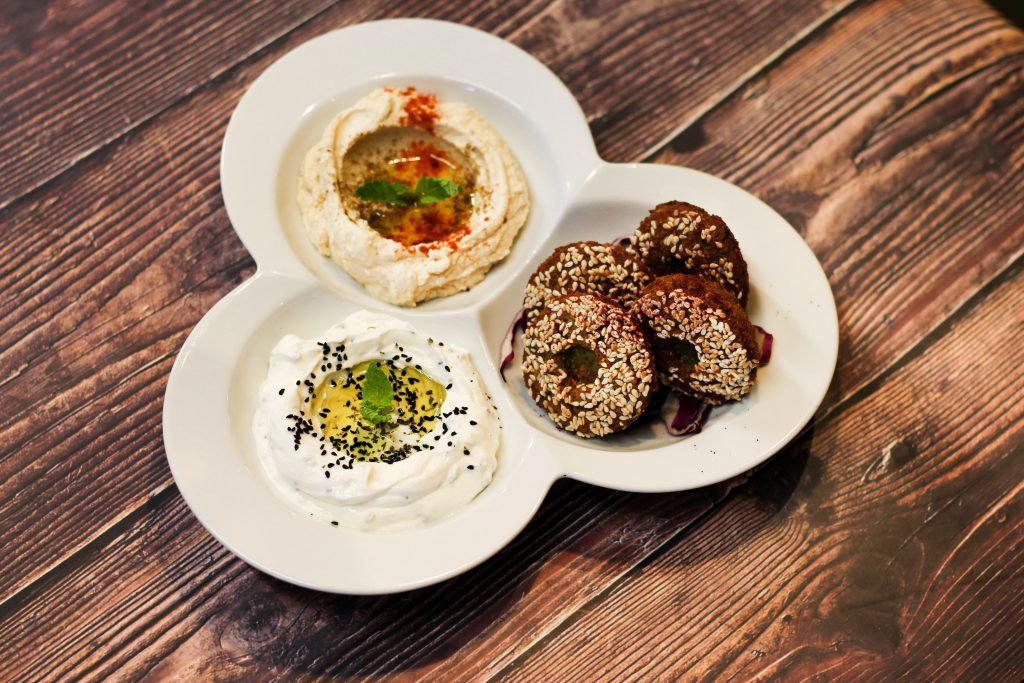
East of the Centre, Away from the Circuit
Lisbon's most-discussed restaurants occupy a compact triangle: Chiado, Belém, and the riverside corridor where tasting menus and Michelin stars cluster. Belcanto, CURA, and Eleven all operate within that orbit, priced at €€€€ and oriented toward international visitors with pre-trip research habits. Tayybeh, on Estrada de Moscavide in the 1800 postal district, sits well outside that triangle, geographically and categorically. The neighbourhood is functional Lisbon rather than tourist Lisbon: commercial frontages, working residents, and an ethnic food scene that has developed without the attention that follows a Michelin inspector's notebook.
That distance from the centre is not incidental. Restaurants in this part of the city tend to serve communities before they serve visitors, and the cooking that results is calibrated differently. Where a kitchen on the Chiado charges for presentation and provenance signalling, a kitchen in Moscavide more often charges for the food itself. That shift in priority changes what ends up on the table.
The Intersection of Imported Technique and Local Supply
Lisbon has long been a city where food cultures from the former Portuguese sphere, from the Maghreb, and from sub-Saharan Africa move in parallel with the native tradition rather than being absorbed by it. The result, across the city's less-covered neighbourhoods, is a set of kitchens that bring professional technique shaped elsewhere into contact with whatever the local markets and suppliers can provide. This is a different dynamic from the farm-to-table narrative common in fine dining, where the chef's relationship with a named producer becomes part of the storytelling. Here, the ingredient sourcing is quieter and the technical inheritance is the story.
Tayybeh works within that dynamic. The name itself signals Arabic roots, and the cooking draws on culinary traditions where spice architecture, slow-cooked proteins, and grain-based carbohydrates carry more weight than the butter-and-reduction grammar of classical European technique. Applied to Portuguese market produce, which in Lisbon means seasonal vegetables from the Ribeira circuit, Atlantic fish available even to kitchens without fine-dining budgets, and the lamb and pork that move through the city's wholesale network, that approach produces food that reads as neither fully immigrant nor fully local. It occupies the space between those categories, which is where much of the most interesting cooking in any port city eventually ends up.
This intersection is visible across cities where immigrant kitchens have had time to settle. At Atomix in New York, Korean technique operating in an American fine-dining context produces a version of that collision at the top of the market. Le Bernardin, also in New York, represents the other direction: classical French method applied so precisely to Atlantic seafood that the technique becomes almost invisible. Tayybeh occupies neither extreme. It is closer in spirit to the neighbourhood kitchens that carry a culinary tradition intact into a new geography, adjusting to available ingredients without abandoning the structural logic of the home cuisine.
Where Tayybeh Sits in the Lisbon Picture
The Michelin-accredited end of Lisbon dining, from 50 Seconds from Martin Berasategui to 2Monkeys, represents one part of the city's food story. Portugal's broader fine-dining spread, from Vila Joya in Albufeira to Antiqvvm in Porto and The Yeatman in Vila Nova de Gaia, reinforces a national identity built around modern Portuguese technique, Atlantic produce, and wine-pairing architecture. Casa de Chá da Boa Nova, Ocean in Porches, and Il Gallo d'Oro in Funchal extend that pattern across the country's regions.
Tayybeh does not compete with any of those names. It occupies a different category: neighbourhood restaurants with immigrant culinary roots, no formal awards footprint, and a pricing structure built around accessibility rather than experience premiums. Visitors tracking Lisbon's less-charted food story, beyond what our full Lisbon restaurants guide covers in the prestige tier, will find this part of the city more instructive than a third visit to the waterfront.
For comparison in the Algarve's less-formal register, Al Sud in Lagos, Bon Bon in Lagoa, and A Ver Tavira in Tavira show how regional Portuguese cooking at the southern edge handles Mediterranean and North African influences differently. A Cozinha in Guimarães shows the northern version of that same tension between tradition and outside influence.
Planning a Visit
The address, Estr. Moscavide 62A, places Tayybeh in the 1800 postal district, accessible from central Lisbon by metro via the red line to Oriente and a short walk or rideshare from there. The neighbourhood is not designed for the tourist circuit, and arrival by taxi or rideshare is more practical than on foot from the centre.
Frequently asked questions
What do regulars order at Tayybeh?
Kitchens working in the Arabic and Levantine tradition typically anchor their menus around slow-cooked meat dishes, rice or grain preparations, and mezze formats that allow the kitchen to show range across smaller plates. At restaurants with this culinary profile in Lisbon, dishes built around lamb, spiced rice, and legume-based starters tend to be the repeating order for return visitors. Without a published menu on record, the safest approach is to ask the kitchen what came in that day and order toward the protein dishes rather than the periphery.
Should I book Tayybeh in advance?
If you are visiting on a weekend or arriving as a larger group, advance contact is worth attempting even without a formal online booking system. Community-oriented restaurants in residential Lisbon neighbourhoods can fill quickly on Friday and Saturday evenings, when local regulars return and the room dynamic shifts. For solo diners or pairs on a weeknight, walk-in availability is generally more reliable.
What is Tayybeh leading at?
Restaurants operating in the Arabic culinary tradition are typically strongest in their handling of spice layering and slow-cooking formats, where the technique produces depth that faster European cooking methods do not replicate. In a city like Lisbon, where the dominant fine-dining grammar runs toward modernist Portuguese and classical French, a kitchen working in a fundamentally different technical register offers a meaningful contrast. Tayybeh's value to a visitor is precisely that contrast: cooking that reflects a culinary logic shaped by a different geography and ingredient history than the one Belcanto or CURA represent.
How does Tayybeh fit into Lisbon's broader immigrant food scene?
Lisbon has seen significant growth in Arabic and Levantine restaurants over the past decade, driven by both Syrian and Moroccan communities settling in the city's eastern and northern districts. Tayybeh's Moscavide address places it in one of the denser nodes of that development, where several kitchens operate in close proximity and the local customer base shapes menus more directly than tourist demand does. For visitors building an itinerary around Lisbon's full food range rather than its award circuit alone, this part of the city offers a more accurate picture of how the population actually eats.
A Minimal comparable set
Comparable venues nearby, for context on price, style, and recognition.
| Venue | Cuisine | Price | Notes |
|---|---|---|---|
| TayybehThis venue — the venue you are viewing | Authentic Syrian Middle Eastern | Not listed | Not listed |
| Café Social Eatery | Lebanese-Inspired Middle Eastern | $10–20 | Belém, Lebanese-Inspired Middle Eastern |
| Zona Franca dos Anjos | Community Experimental Kitchen | Not listed | Estefania, Community Experimental Kitchen |
| Restaurante Chiveve | Authentic Mozambican Cuisine | $20–30 | Estefania, Mozambican |
| Tasquinha do Lagarto | Traditional Portuguese | $10–20 | Campolide, Traditional Portuguese |
| Fidalgo | Portuguese Tapas & Wine Bar | $10–20 | Chiado, Portuguese Tapas & Wine Bar |
Continue exploring
More in Lisbon
Restaurants in Lisbon
Browse all →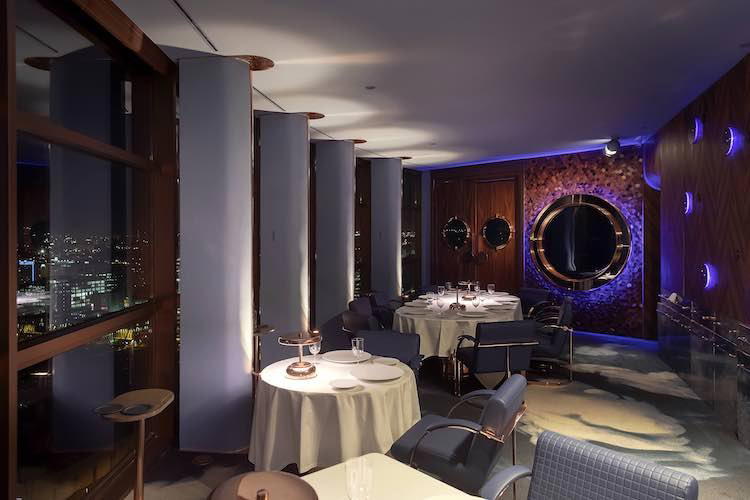
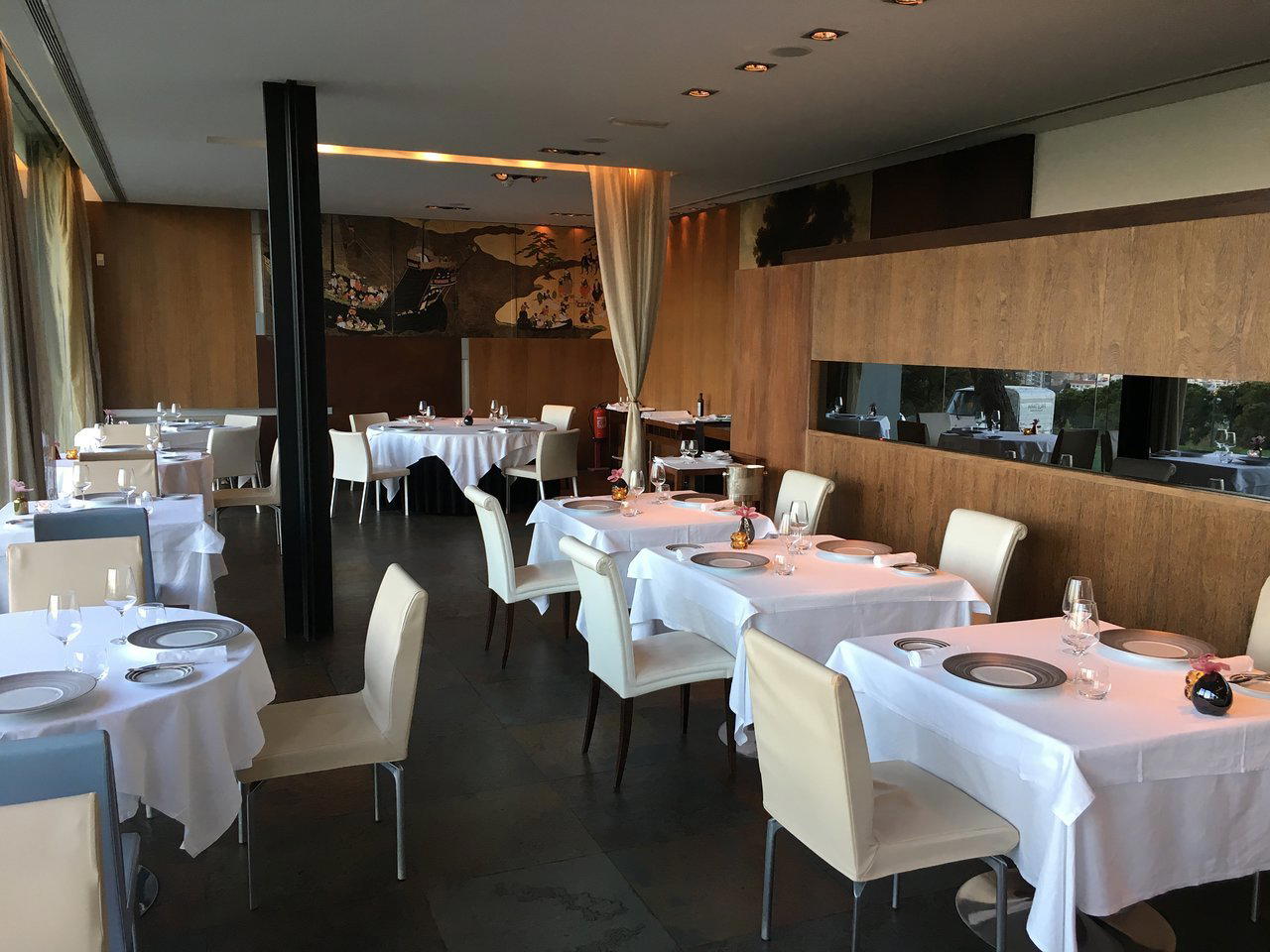
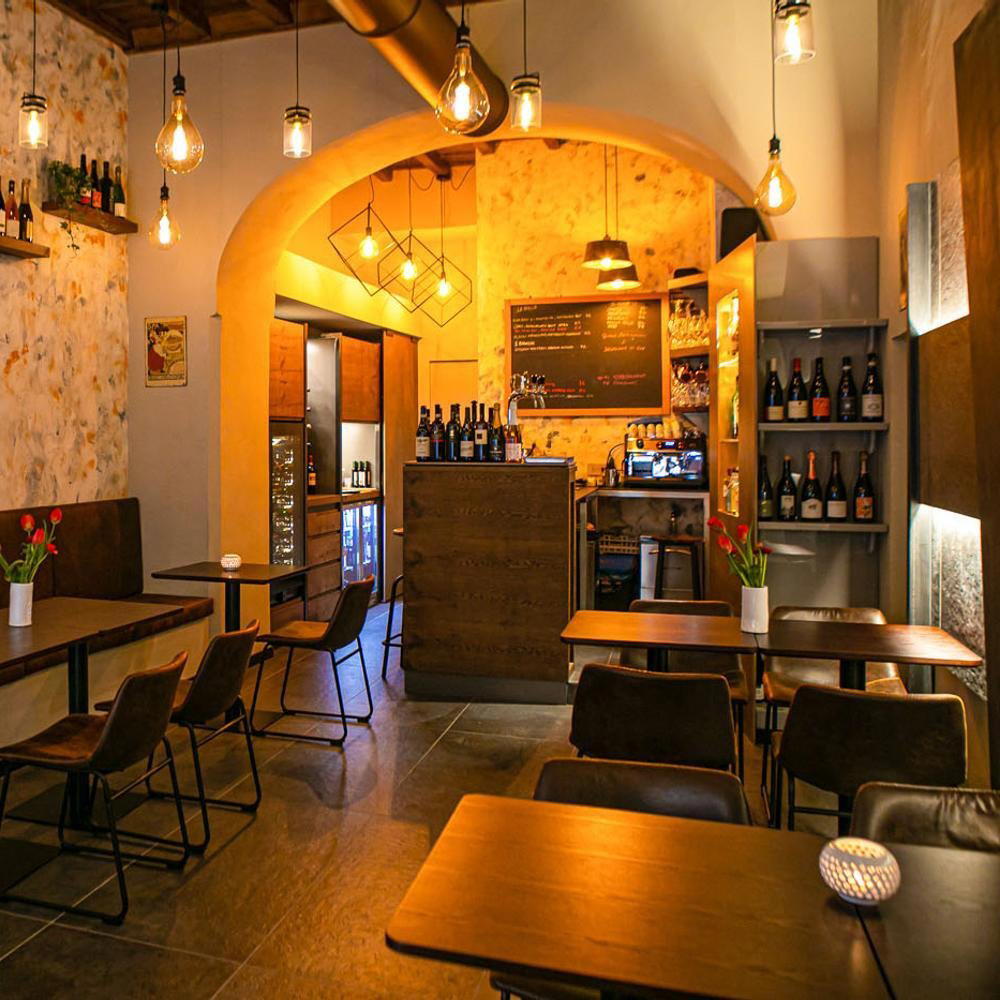
Bars in Lisbon
Browse all →
Hotels in Lisbon
Browse all →

Details
- Cozy
- Warm
- Casual Hangout
- Family
- Standalone
- A La Carte
- Small Plates
- Vegetarian Friendly
- Vegan Options
- Gluten Free Options
Current opening hours
- Monday
- 6–11 PM
- Tuesday
- 12–11 PM
- Wednesday
- 12–11 PM
- Thursday
- 12–11 PM
- Friday
- 12–11 PM
- Saturday
- 12–11 PM
- Sunday
- 12–4 PM
Hours can change for holidays and private events. Last verified .
Warm, hospitable, and cozy neighborhood setting reflecting Syrian cultural heritage.